

P0056 on 2013-2016 Jaguar XJ: O2 Sensor Heater Fault Causes & Fixes
P0056 indicates a fault in the heater circuit of the Bank 2, Sensor 2 oxygen sensor. The most common fix is replacing the sensor itself. However, Jaguar has issued Technical Service Bulletins (TSBs) indicating the code can be caused by a software error, which would require a dealer to update the Powertrain Control Module (PCM).
- P0056 on a 2013-2016 Jaguar XJ points to a fault with the heater in the downstream oxygen sensor on the driver's side (Bank 2).
- The most common cause is a failed sensor, which is a straightforward replacement.
- Crucially, Jaguar has identified a software bug that can trigger this code. If a new sensor doesn't fix it, a PCM software update at a dealership is the next step.
- Before buying parts, check the fuse for the O2 sensor heater circuit and inspect the wiring for visible damage.
- Do not replace the catalytic converter for this code; the fault is with the sensor's heater, not catalyst performance.
What's Unique About the 2013-2016 Jaguar XJ
For the 2013-2016 Jaguar XJ (X351 generation) with either the 3.0L V6 or 5.0L V8 engine, a P0056 code isn't always a straightforward case of a bad sensor. Jaguar has released multiple Technical Service Bulletins (TSBs), most notably JTB-00392-NAS-3, acknowledging that this and a wide range of other oxygen sensor codes can be triggered by a software error in the Powertrain Control Module (PCM). The TSB explicitly states the cause may be a "post-catalyst heated oxygen sensor (HO2S) software error". In these cases, simply replacing the sensor won't fix the issue; a software update from a Jaguar dealer is required to correct the fault logic. The TSB's service instruction is to first replace the specific sensor identified by the code, and then re-flash the PCM with the updated software, noting that "The new software will prevent any further concerns".
Diagnostic Flowchart
Tap your situation to follow the diagnostic path that matches what you're seeing on this vehicle.
Symptoms You May Notice
- Check Engine Light (Malfunction Indicator Lamp) is illuminated
- Vehicle fails an emissions inspection
- Potentially a slight decrease in fuel economy
- Rough idle during cold starts in some cases
- Replacing the catalytic converter. This code is specific to the sensor's heater circuit, not its ability to measure catalyst efficiency.
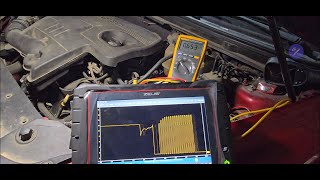
- Replacing the wrong oxygen sensor. Ensure you are working on Bank 2 🎬 Watch: How to fix the P0056 HO2S heater control circuit (driver's side in NA) and Sensor 2 (downstream/post-catalyst).
- Ignoring the TSB and repeatedly replacing the sensor. If the code returns after a sensor replacement, the software issue is highly likely.
Most Likely Causes
- Failed Oxygen Sensor 🔴 High Probability → Shop Oxygen Sensor The internal heater element operates at very high temperatures and can burn out over time, which is a common failure mode for all heated oxygen sensors. Another potential cause cited in a related Land Rover TSB is thermal shock when water contacts the hot sensing element.
How to confirm: Disconnect the sensor and measure the resistance across the two heater circuit pins (usually the two same-colored wires) with a multimeter. An open circuit 🎬 See this guide on how to test sensor heater circuits (infinite resistance) or a reading far outside the manufacturer's specification (typically 2-10 ohms) indicates a failed heater.
Typical fix: Replace the Bank 2, Sensor 2 oxygen sensor.
Est. part cost: $75-$280 - Powertrain Control Module (PCM) Software Error 🟡 Medium Probability → Shop Engine Control Module (ECM) Jaguar issued TSB #JTB-00392-NAS-3 specifically stating that a software error can cause this code on 2013-2015 XJ models with V6 or V8 engines. The bulletin SSM72477 also notes that diagnosis may find no fault with the component itself, pointing to a software issue.
How to confirm: If a new sensor does not resolve the code, or if diagnostic testing of the sensor and wiring shows no faults, a software issue is the next logical cause. A Jaguar dealer or specialist with the correct diagnostic tool (like SDD or Pathfinder) can check the current software version and apply the update.
Typical fix: Re-flashing the Powertrain Control Module (PCM) with updated software, per the TSB. The TSB procedure involves replacing the failed sensor first, then applying the software update.
Est. part cost: $0 (for the software itself, but dealer labor charges apply) - Wiring or Connector Damage ⚪ Low Probability The sensor wiring is located under the vehicle and is exposed to heat from the exhaust and potential damage from road debris. Connectors can also become contaminated with dirt or moisture.
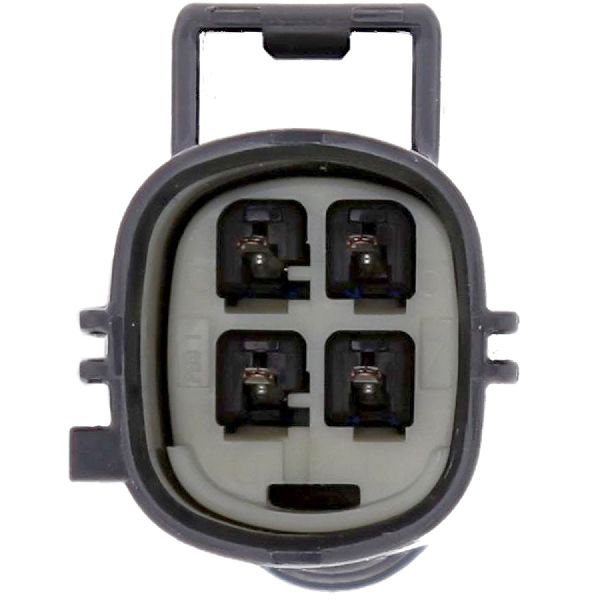
How to confirm: Visually inspect the wiring harness and connector leading to the sensor for any signs of melting, chafing, corrosion, or loose pins. Use a multimeter to check for 12V power and ground at the harness connector with the ignition on. A helpful diagnostic tip is to plug a test light or small bulb into the heater circuit pins on the harness side; it should light up when the engine is started.
Typical fix: Repair the damaged section of the wiring harness or clean/replace the connector.
Est. part cost: $10-$50 - Blown Fuse or Faulty Relay ⚪ Low Probability
How to confirm: Consult the vehicle's service manual to locate the fuse for the oxygen sensor heater circuits. On a related Jaguar platform, forum members identified fuses F33 and F34 in the front power distribution box and relay R12 as controlling the HO2S heaters. Visually inspect the fuse and check for continuity with a multimeter.
Typical fix: Replace the blown fuse. If the fuse blows again, it indicates a short circuit in the wiring or the sensor itself that must be diagnosed.
Est. part cost: $1-$5
Rare But Worth Checking
- PCM Hardware Failure: While extremely rare, the driver circuit within the PCM that controls the sensor heater can fail, sometimes due to a shorted sensor drawing too much current. This is usually only considered after all other possibilities, including the software update, have been exhausted. A forum user on a similar Jaguar diagnosed this by noting abnormal resistance readings even with the harness disconnected from the ECM.
Diagnosis Steps
- Read the code with an OBD-II scanner to confirm P0056 is present.
- Visually inspect the Bank 2, Sensor 2 oxygen sensor, its connector, and wiring harness for any obvious signs of damage, melting, or corrosion.
- Check the fuse(s) and relay for the O2 sensor heater circuit in the vehicle's fuse box.
- If no visible issues are found, disconnect the sensor. Test the resistance of the heater element within the sensor using a multimeter. An open circuit (infinite resistance) or a reading outside of spec confirms the sensor has failed.
- With the sensor disconnected and the ignition on, carefully test the harness connector for power (approx. 12V) and ground on the heater circuit pins. If power or ground is missing, the wiring is faulty.
- If the sensor and wiring test good, the issue is likely the software glitch identified in Jaguar's TSBs.
- If a new sensor is installed and the code returns, proceed with having a dealer perform the PCM software update as per TSB #JTB-00392-NAS-3. The TSB's official procedure is to replace the sensor indicated by the DTC *then* perform the software update.
Parts You'll Likely Need
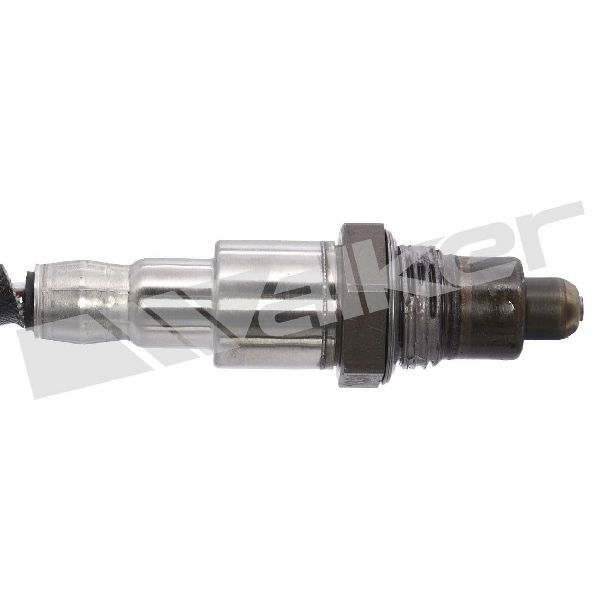
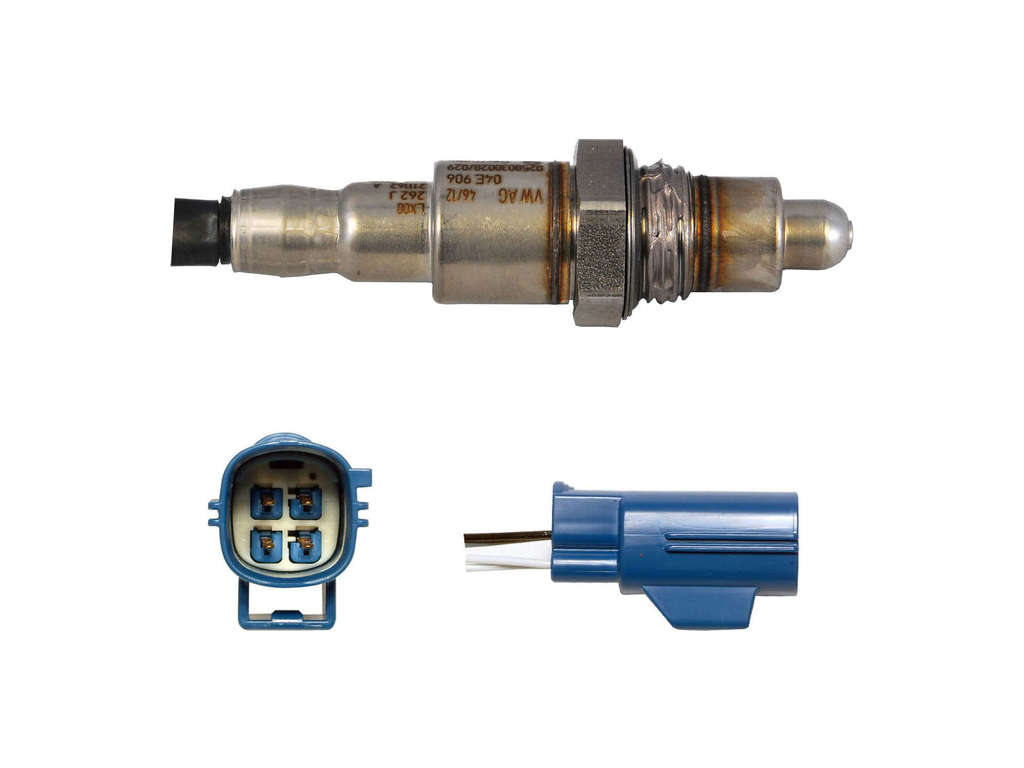
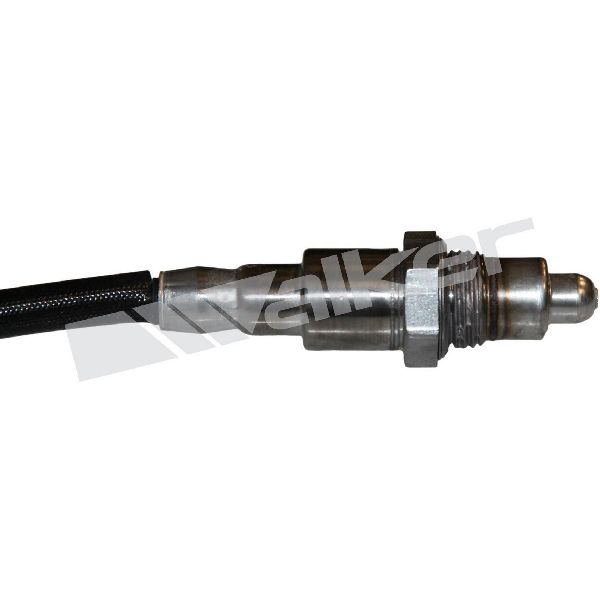
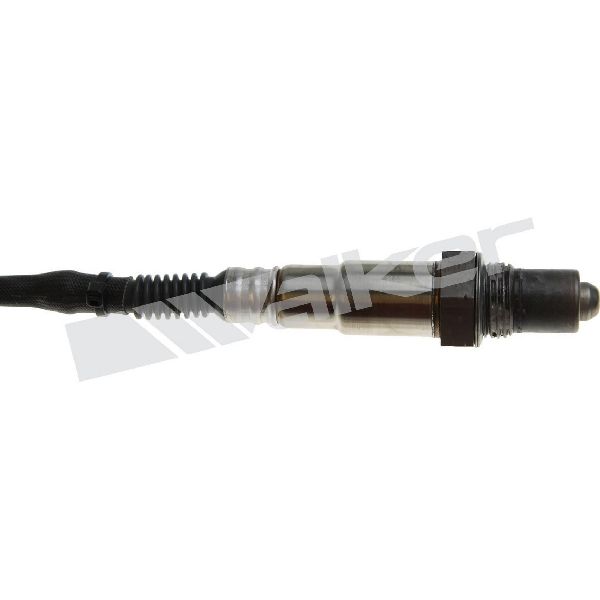
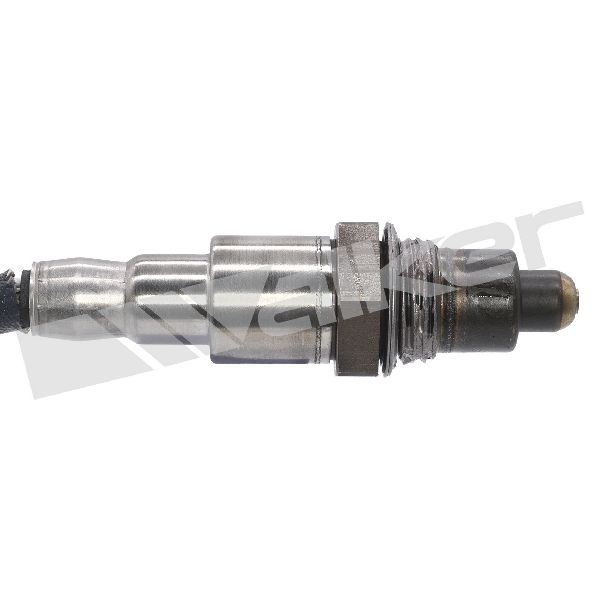
- Downstream Oxygen Sensor (Bank 2, Sensor 2)
(OEM #T2H48050)— The internal heater element is the most common point of failure, requiring replacement of the entire sensor unit.
Trusted brands: Jaguar (OEM), Bosch, Denso, NTK
OEM price range: $250-$290
Aftermarket price range: $75-$150
Related Codes That Often Appear With This One
- P0057 — This code indicates 'Heater Control Circuit Low' for the same sensor, pointing to a short to ground in the circuit.
- P0058 — This code indicates 'Heater Control Circuit High' for the same sensor, pointing to a short to power in the circuit.
- P0156 — This code indicates a general circuit malfunction for the same sensor (Bank 2, Sensor 2), which can be triggered alongside the specific heater fault.
- P0036 — This is the equivalent heater control circuit code for Bank 1, Sensor 2. A forum user reported getting both P0036 and P0056 simultaneously, which pointed to a common power supply issue like a fuse or relay.
Technical Service Bulletins (TSBs) & Recalls
- JTB-00392-NAS-3: States that a software error can cause P0056 and other HO2S codes on 2013-2015 XJ, XF, and F-Type models. Advises replacing the affected sensor and then performing a PCM software update.
- JTB00392NAS1: An earlier version of the bulletin also identifying a software error as the root cause.
- SSM72477: Notes that for a list of post-catalyst sensor codes including P0056, diagnosis may find no fault with the part itself, pointing towards a software or intermittent electrical fault.
Platform-Specific Known Issues
- Technical Service Bulletin JTB-00392-NAS-3 states that for 2013-2015 XJ models (V6/V8), a range of oxygen sensor codes, including P0056, may be caused by a software error. The recommended action is to first replace the sensor if the code is present, and then update the PCM software regardless. The bulletin notes the new software will prevent further concerns.
- An earlier version of the TSB, JTB00392NAS1, also points to a software error as the cause for these codes on 2013-2014 models.
- TSB SSM72477 also lists P0056 and mentions that upon diagnosis, no fault may be found with the component, which strongly suggests an intermittent or software-related issue.
Mechanic-Grade Diagnostic Values
- Oxygen Sensor Heater Element Resistance — expected: Typically 3 to 15 ohms when measured at ambient temperature (approx. 20°C / 68°F). A new Bosch sensor may be around 9 ohms.. Failure: An open circuit (infinite resistance) or a dead short (near zero ohms) indicates a failed heater element.
- Heater Circuit Voltage at Harness Connector (Key On, Engine Off) — expected: Approximately 12V (battery voltage) on the power supply wire. The ground-side control wire should show little to no voltage.. Failure: No voltage on the supply wire indicates an open circuit, blown fuse, or faulty relay. Voltage on the ground wire with the key on may indicate a short to power.
- Heater Circuit Control Signal (Engine Running) — expected: The PCM controls the ground side of the circuit, often with a Pulse Width Modulated (PWM) square wave signal. This is best observed with an oscilloscope. A simple test light connected to the heater pins on the harness should illuminate or pulse when the engine is started.. Failure: No signal or a constantly grounded circuit when it should be pulsing can indicate a PCM driver fault or wiring issue.
Scan Tool Commands That Help
- Jaguar SDD / Pathfinder: Live Data Monitoring — To monitor the output voltage and heater circuit status of the oxygen sensors in real-time to see if the sensor is responding as expected.
- Jaguar SDD / Pathfinder: ECU Re-flash / Software Update — This is the specific function required to perform the fix outlined in TSB JTB-00392-NAS-3 when a software error is the suspected cause of the P0056 code.
- Dealer-Level Scan Tool: ECM Self-Test Routine — To command the PCM to test its own internal drivers. A failure of the heater-driver test during this routine can confirm an internal PCM hardware fault, which is a rare but possible cause.
Wiring & Ground Locations
- Bank 2 Sensor 2 Connector — Underneath the vehicle, on the driver's side (LHD) exhaust pipe, after the catalytic converter.. This is the primary connection point for testing the sensor and the vehicle harness. Corrosion or damage here is a common cause of the fault.
- HO2S Heater Circuit Wiring (Harness Side) — Within the harness connecting to the O2 sensor. Based on similar Jaguar models, the heater power wire for Bank 2 may be White with a Red stripe, and the PCM-controlled ground may be Blue with a Yellow stripe.. Knowing the wire colors is essential for accurately testing for power, ground, and continuity between the connector and the PCM without a full wiring diagram.
- Main Engine-to-Chassis Ground Strap — Typically located on the lower right (passenger) side of the engine, connecting the engine block or transmission to the vehicle's frame, often near the starter.. A corroded or loose main ground strap can cause a variety of electrical issues, including erratic sensor behavior and control module problems. While not a direct cause of a single heater circuit code, ensuring it is clean and tight is a crucial step in any electrical diagnosis.
Real Owner Repair Stories
- JaguarForums.com user post (2005 Jaguar XJ8L (X350 generation, similar electrical principles)) — Check engine light with codes for all four oxygen sensors failing simultaneously.
❌ Tried (didn't work) The dealer initially diagnosed all four oxygen sensors as being faulty and recommended replacement.
✅ What actually fixed it The dealer discovered and replaced a failed relay that supplied power to the oxygen sensor heaters. The faulty relay had caused the sensors to burn out. This highlights that when multiple heater codes appear at once, the common power source (fuse or relay) should be the primary suspect.
"I Checked Everything" — The Actual Cause
- A smoke test is not applicable for a P0056 code, as it indicates an electrical circuit fault, not a vacuum or exhaust leak. The equivalent scenario for this code is when standard electrical tests (checking the sensor's resistance, and checking for power/ground at the connector) all pass, yet the code persists. In this situation for the 2013-2015 Jaguar XJ, the actual cause is very likely the PCM software error described in TSB JTB-00392-NAS-3, which requires a dealer software update to fix.
When the Usual Fixes Don't Work
- While replacing the oxygen sensor is the most common fix, a significant counter-argument for the 2013-2015 Jaguar XJ is the existence of Technical Service Bulletin JTB-00392-NAS-3. This bulletin explicitly states that a software error in the Powertrain Control Module can be the root cause. Owners and technicians who repeatedly replace the sensor without addressing the potential software issue may find the code returns. The official Jaguar procedure is to replace the sensor indicated by the code and then perform the software update, suggesting that even with a new sensor, the underlying fault logic must be corrected to prevent recurrence.
OEM Part Supersession History
C2D23702, C2D54166→T2H48050— Standard part evolution and updates by the manufacturer.
Heads up: No specific incompatibilities were noted during research; the latest part number should be used for all specified model years.
Model Year Variations Within This Range
- 2013-2015: These model years are specifically called out in TSB JTB-00392-NAS-3 as being potentially affected by a PCM software glitch that can falsely trigger P0056 and other HO2S codes.
- 2016: The 2016 model year marked a facelift for the XJ. This model year is not listed in the primary software-related TSB. This suggests the software issue was likely resolved from the factory for 2016 models, making a faulty sensor or wiring a more probable cause than a software bug on this specific year.
Helpful Videos


We Have This Part in Stock

The information in this article is provided for general reference and educational purposes only. Vehicle specifications, procedures, and part compatibility can vary by production date, trim level, and region. Always consult your vehicle's factory service manual and verify part numbers before purchasing or performing repairs. Safety-critical components such as airbags, seat belts, and braking systems should be installed by a qualified professional.
- Jaguar XJ:
- 🧭 Diagnostic Flowchart
- 🎬 Helpful Videos
- 🛍️ Shop This Part
- What's Unique About the 2013-2016 Jaguar XJ
- Symptoms You May Notice
- Most Likely Causes
- Rare But Worth Checking
- Diagnosis Steps
- Parts You'll Likely Need
- Related Codes That Often Appear With This One
- Technical Service Bulletins (TSBs) & Recalls
- Platform-Specific Known Issues
- Mechanic-Grade Diagnostic Values
- Scan Tool Commands That Help
- Wiring & Ground Locations
- Real Owner Repair Stories
- "I Checked Everything" — The Actual Cause
- When the Usual Fixes Don't Work
- OEM Part Supersession History
- Model Year Variations Within This Range
- 🎟️ Get 5% Off