

P0057 on 2007-2012 Hyundai Veracruz 3.8L: Heater Circuit Low Fixes for Bank 2 Sensor 2
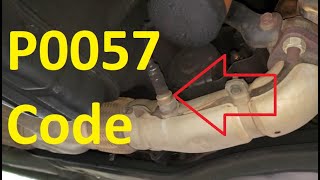
This code almost always means the Bank 2, Sensor 2 oxygen sensor has failed. This is the downstream sensor on the cylinder bank closer to the radiator. Replacing the sensor is the typical fix, costing around $65-$100 for an aftermarket part and is a straightforward DIY job for many. Before replacing, check the associated fuse first.
- P0057 on a 2007-2012 Veracruz points to a heater circuit issue in the downstream oxygen sensor on the front (radiator side) exhaust bank.
- The most common cause by far is a failed oxygen sensor.
- This fault will not cause driving problems but will result in an automatic failure of an emissions inspection.
- Diagnosis involves checking the fuse, inspecting wiring, and testing the sensor's heater resistance with a multimeter.
- Replacing the sensor is a manageable DIY task for most, requiring an O2 sensor socket and basic hand tools.
What's Unique About the 2007-2012 Hyundai Veracruz
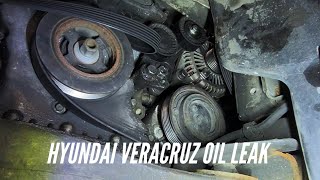
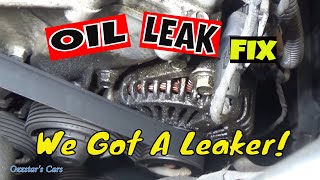
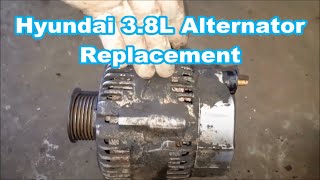
The Hyundai Veracruz was produced as a single generation (2007-2012), so this issue is consistent across all model years. On this transverse 3.8L Lambda V6 engine, 'Bank 2' refers to the cylinder bank closer to the radiator, making its downstream O2 sensor (Sensor 2) relatively easy to access from underneath the vehicle compared to the firewall-side sensor (Bank 1). Failures are typically due to the sensor itself wearing out rather than a systemic design flaw. However, it's worth noting this platform has a well-documented issue with the front valve cover gasket leaking oil onto the alternator 🎬 Watch how to fix the valve cover leak and alternator issue., so while not directly related to the O2 sensor circuit, owners should be mindful of overall engine bay health.
Symptoms You May Notice
- Check Engine Light is on
- Failing a vehicle emissions test
- Poor fuel economy (less common)
- Replacing the wrong oxygen sensor (e.g., replacing the upstream Sensor 1 or the sensor on Bank 1).
- Replacing the sensor without first checking the fuse or wiring, leading to a repeat code.
Most Likely Causes
- Failed Bank 2, Sensor 2 Oxygen Sensor 🔴 High Probability → Shop Oxygen Sensor Oxygen sensors are wear-and-tear items with a finite lifespan. The internal heater element is often the first part to fail due to constant heat cycles.
How to confirm: With the engine off, disconnect the sensor and measure the resistance between the two heater pins (usually the two wires of the same color 🎬 See how to diagnose the heater control circuit with a multimeter.). A reading of infinity (open) or near zero (short) indicates a failed heater. A healthy sensor should have a resistance between 8.1 and 11.1 Ω at room temperature. Some forum users report a healthy range is generally 8-10 Ω for many vehicles.
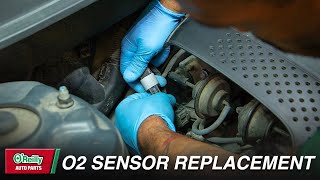
Typical fix: Replace the Bank 2, Sensor 2 oxygen sensor. 🎬 Watch this step-by-step Bank 2 Sensor 2 replacement guide.
Est. part cost: $65-$180 - Damaged Wiring or Connector 🟡 Medium Probability
How to confirm: Visually inspect the wiring harness and connector leading to the sensor. Look for any signs of melting, chafing, corrosion, or broken wires. The sensor is located under the vehicle and is exposed to road debris and heat. Pay close attention to where the harness might rub against the chassis or exhaust components.
Typical fix: Repair the damaged section of wiring or clean/replace the connector. Use contact cleaner for corroded pins.
Est. part cost: $5-$50 - Blown Fuse ⚪ Low Probability
How to confirm: Check the fuse for the oxygen sensor heater circuit. On many Hyundais, this is in the engine compartment fuse box, often labeled 'SNSR' or 'A/F HEATER'. A blown fuse often indicates a short circuit in the wiring or the sensor itself, so it may blow again until the root cause is fixed.
Typical fix: Replace the blown fuse after diagnosing the underlying short circuit.
Est. part cost: $1-$5
Rare But Worth Checking
- Failed Powertrain Control Module (PCM): → Shop Engine Control Module (ECM) This is extremely rare. The PCM's internal driver for the heater circuit can fail, but this should only be considered after all other possibilities (sensor, wiring, fuse) have been exhaustively ruled out.
Diagnosis Steps
- Verify the code with an OBD-II scanner.
- Locate Bank 2, Sensor 2. On the Veracruz 3.8L, Bank 2 is the cylinder bank closer to the radiator. Sensor 2 is the downstream sensor, located after the catalytic converter.
- Visually inspect the sensor's wiring harness and connector for any obvious damage, such as melting on the exhaust, chafing, or corrosion.
- Check the fuse for the O2 sensor heater circuit. In the engine bay fuse box, look for a fuse labeled 'SNSR' (Sensor) or 'A/F HEATER'.
- If the wiring and fuse are okay, test the sensor's heater circuit. Disconnect the sensor and use a multimeter to measure the resistance between the two heater pins on the sensor side (typically the two wires of the same color). The specification is 8.1-11.1 Ω. A reading far outside this range (like infinity for an open circuit or near zero for a short) indicates a failed sensor.
- If the sensor tests good, check for power and ground at the vehicle-side connector. With the key in the 'On' position, one pin should have battery voltage, and the PCM-controlled ground pin should show continuity to ground. A bidirectional scanner can also be used to command the heater circuit on for testing.
- If the sensor, wiring, and fuse are all confirmed to be good, the issue may be with the PCM, but this is highly unlikely.
Parts You'll Likely Need
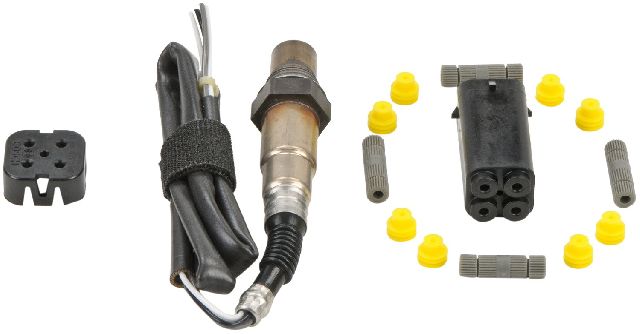
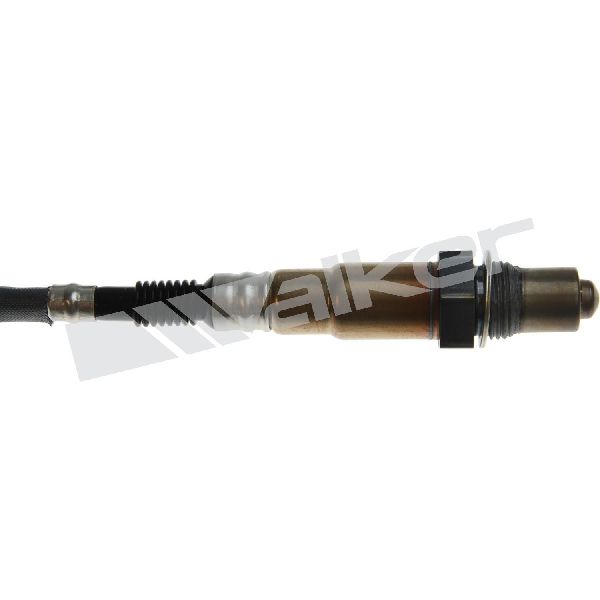
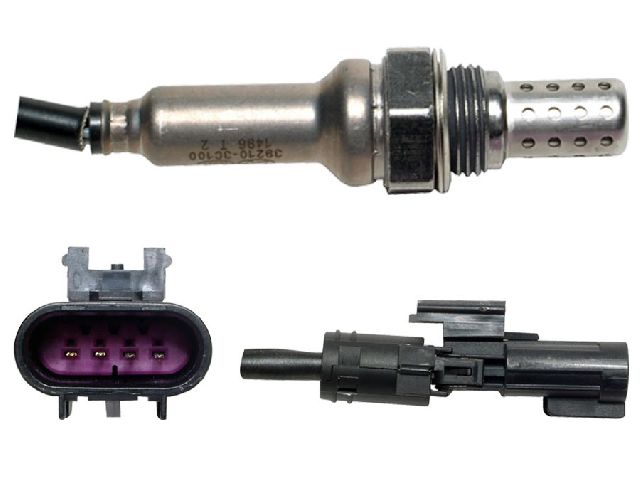
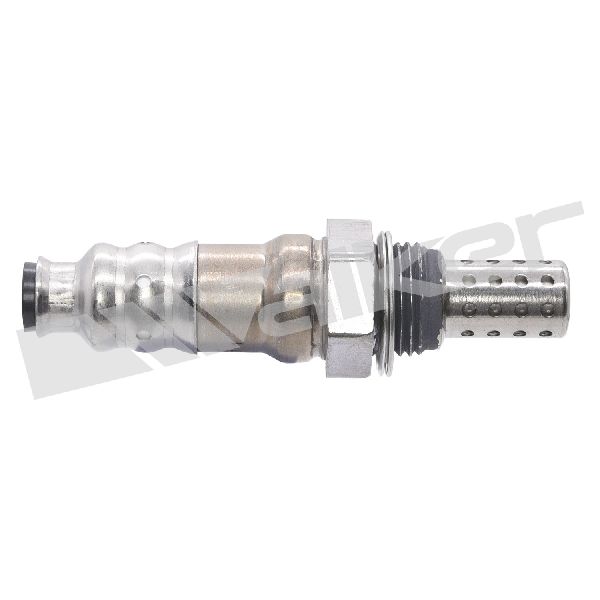
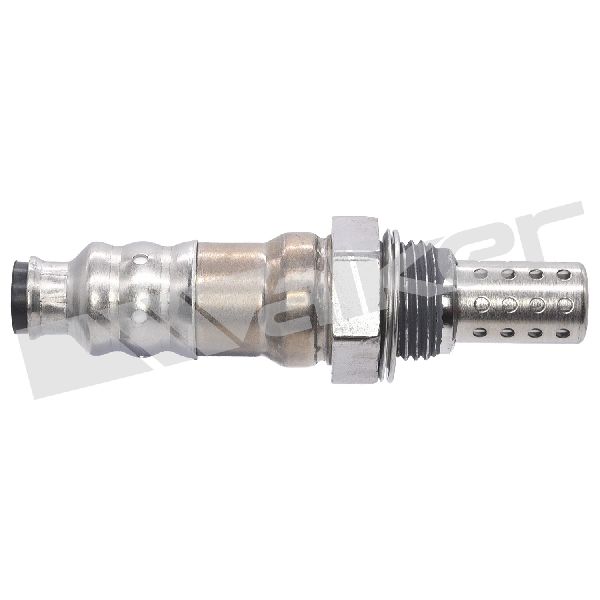
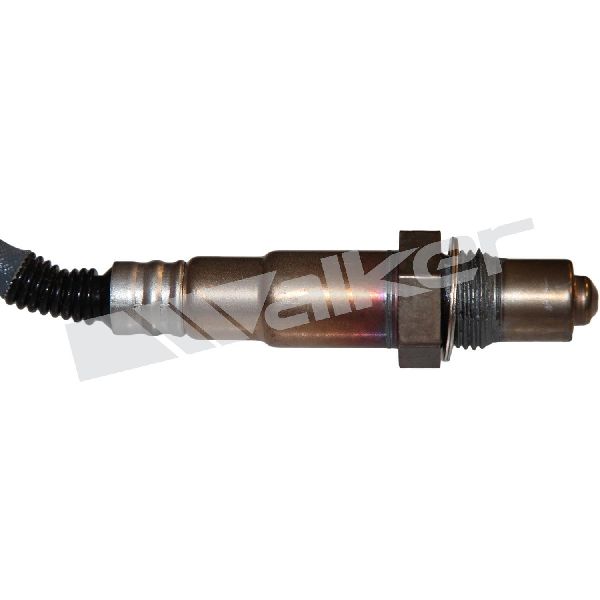
- Oxygen Sensor (Bank 2, Sensor 2)
(OEM #39210-3C860)— This is the component whose internal heater circuit most commonly fails, triggering the P0057 code.
Trusted brands: Denso (e.g., 234-4854, though cross-reference is needed), Bosch, Walker, NGK/NTK
OEM price range: $150-$200
Aftermarket price range: $65-$110
Mechanic-Grade Diagnostic Values
- O2 Sensor Heater Circuit Power Supply Voltage — expected: 11-14V (Battery Voltage) with Key On, Engine Off. Failure: Voltage significantly below 11V indicates a wiring or fuse issue upstream of the sensor connector.
- O2 Sensor Heater Current Draw — expected: Just under 1 Amp on a known-good sensor. Failure: Zero amps indicates an open circuit (failed heater or broken wire). Excessively high amps would indicate a short to ground and likely blow the fuse.
- Mode $06 - O2 Sensor Heater Monitor — expected: Test value should be within the MIN/MAX thresholds specified by the scan tool. A value of 65535 often indicates the test has not run or has failed.. Failure: A test value exceeding the MAX limit indicates a failure. This can confirm a problem even before a DTC is set.
Scan Tool Commands That Help
- Hyundai GDS (Global Diagnostic System): Actuation Test for O2 Sensor Heater — This function allows a technician to command the O2 sensor heater on and off directly. It is used to verify the integrity of the wiring and the PCM's control circuit. If the heater can be activated with the scan tool, but it doesn't work during normal operation, it points towards a PCM logic issue rather than a component failure.
- Hyundai GDS (Global Diagnostic System): Resetting Adaptive Values — After replacing an O2 sensor, it is good practice to reset the engine's adaptive values. While not strictly required for a downstream sensor heater fault, it helps the PCM relearn fuel trims with the new, correctly functioning sensor components, ensuring optimal performance.
Wiring & Ground Locations
- B2S2 O2 Sensor Connector (C153) — Located on the front (radiator side) of the engine, downstream of the catalytic converter, attached to the exhaust pipe.. This is the primary connection point for testing. Pin 1 (Heater Power) should have battery voltage with KOEO. Pin 2 (Heater Control) is the ground side, controlled by the PCM. Pins 3 and 4 are for the sensor signal.
- Engine Ground Points — Multiple ground points exist on the engine block and chassis. Key grounds are often located on the cylinder head, near the starter, and from the block to the frame rail.. While a bad engine ground typically causes multiple, more severe issues, a poor or corroded ground can introduce electrical noise and voltage drops that could, in rare cases, affect sensor readings or control circuits. Verifying the main engine-to-chassis ground strap is clean and tight is a good practice.
OEM Part Supersession History
39210-3C860→This part number appears to be the final version for this application and has not been superseded by a newer Hyundai part number. However, it is related to other 39210-3Cxxx series sensors.— N/A
Heads up: Be cautious with aftermarket 'universal' sensors. While many brands like Denso and Bosch are reputable, ensure the specific part number is cross-referenced for the 2007-2012 Veracruz. Using a sensor for a different 3.8L application (e.g., a later model Genesis) may result in incorrect heater resistance or signal voltage, even if the plug fits.
Model Year Variations Within This Range
- 2007-2012: There were no significant changes to the engine or emissions control system during the Veracruz's production run that would affect the diagnosis or repair of a P0057 code. Minor trim and cosmetic updates occurred, but the 3.8L Lambda V6 powertrain remained consistent.
Diagnostic Flowchart
Other Known Issues on This Vehicle
Issues unrelated to this code that are worth knowing about as an owner of this generation:
- Valve Cover Gasket Oil Leak onto Alternator 🔴 High — Very common across all model years. The leak from the front (Bank 2) valve cover gasket drips directly onto the alternator, causing premature failure of the alternator. (Ref: Hyundai Recalls #121 and #197 (NHTSA Campaign ID: 14V415000).)
- Timing Chain Tensioner Noise on Startup 🟠 Medium — Some owners report
Used vs. New Parts: Buying Guide for This Vehicle
When a used part is the smart pick: For this repair, a used part only makes sense for the wiring connector pigtail. If the connector is damaged, sourcing a pigtail from a junkyard vehicle is a cost-effective and reliable repair.
Donor-vehicle mileage cap: roughly under 120000 miles for the part to have meaningful remaining life.
What to inspect on the donor part:
- For a wiring pigtail, ensure there are several inches of wire attached.
- Check that the plastic is not brittle or cracked.
- Inspect the connector pins for any signs of corrosion or being bent.
OEM-only on this vehicle (don't cheap out):
- While not strictly 'OEM-only', using a reputable brand is critical. Cheap, no-name oxygen sensors from online marketplaces are a significant gamble and often fail prematurely or do not meet OEM specifications for heater resistance, leading to a recurring code.
Aftermarket brands forum-validated for this vehicle:
- Denso
- NGK / NTK
- Bosch
Brands owners have reported issues with on this vehicle:
- Unbranded or 'white-box' sensors with no verifiable brand reputation.
Real Owner Stories
Aggregated from forums and TSBs cited above. Mileages and costs reflect what owners reported in those sources.
Hyundai Veracruz 3.8L
Symptoms: Check engine light with error P0057: HO2S Heater Control Circuit Low (Bank 2, Sensor 2).
What fixed it: Replacing the sensor with a universal NGK part did not resolve the issue; the code returned immediately on the second attempt, indicating a problem with the part choice or a different root cause.
Source hint: Hyundai Veracruz Club (ix55-club.ru/forum/showthread.php?t=3840)
2008 Hyundai Veracruz 3.8L
Symptoms: Sudden stalling and multiple dash lights.
What fixed it: The issue was diagnosed as a failed alternator, which is a known weak point on this vehicle, often caused by oil leaking from the valve cover gasket.
Source hint: Car Talk Community
Related OBD-II Codes
Frequently Asked Questions
Where is the Bank 2, Sensor 2 oxygen sensor located on my 2007-2012 Veracruz?
What is the correct resistance for the O2 sensor heater on my 3.8L V6?
Which fuse should I check for the P0057 code on my Veracruz?
I'm getting a P0057 code. Could this be related to the common oil leak issue on the Veracruz?
Are cheap aftermarket O2 sensors okay to use on my Hyundai Veracruz?
Do other Kia or Hyundai models with the 3.8L engine have this same P0057 problem?
Helpful Videos


We Have This Part in Stock

The information in this article is provided for general reference and educational purposes only. Vehicle specifications, procedures, and part compatibility can vary by production date, trim level, and region. Always consult your vehicle's factory service manual and verify part numbers before purchasing or performing repairs. Safety-critical components such as airbags, seat belts, and braking systems should be installed by a qualified professional.
- Hyundai Veracruz:
- 🧭 Diagnostic Flowchart
- 🎬 Helpful Videos
- 🛍️ Shop This Part
- What's Unique About the 2007-2012 Hyundai Veracruz
- Symptoms You May Notice
- Most Likely Causes
- Rare But Worth Checking
- Diagnosis Steps
- Parts You'll Likely Need
- Mechanic-Grade Diagnostic Values
- Scan Tool Commands That Help
- Wiring & Ground Locations
- OEM Part Supersession History
- Model Year Variations Within This Range
- Other Known Issues on This Vehicle
- Used vs. New Parts: Buying Guide for This Vehicle
- Real Owner Stories
- Hyundai Veracruz 3.8L
- 2008 Hyundai Veracruz 3.8L
- Related OBD-II Codes
- Frequently Asked Questions
- 🎟️ Get 5% Off