

P0058 on 2010-2016 Hyundai Genesis Coupe 3.8L: Heater Circuit Fixes
This code points to a problem with the heater circuit in the Bank 2, Sensor 2 oxygen sensor. Most often, the sensor itself has failed. Bank 2 is the passenger side. Expect to pay $60-$120 for an aftermarket sensor and $180+ for OEM. It's a DIY job, but the sensor can be difficult to remove without a proper O2 sensor socket.
- P0058 almost always means the Bank 2, Sensor 2 (passenger side, downstream) oxygen sensor needs to be replaced.
- Before buying a part, verify it's the correct one for your year (BK1 2010-2012 vs. BK2 2013-2016) as they are not interchangeable.
- Perform a quick visual inspection of the wiring for melting or damage, and check the related fuse before replacing the sensor.
- Replacing the sensor is a DIY-friendly job, but the sensor can be seized in the exhaust pipe. Use a proper 22mm (7/8") O2 sensor socket and penetrating oil for easier removal.
What's Unique About the 2010-2016 Hyundai Genesis Coupe
The 2010-2016 Genesis Coupe 3.8L spans two generations: the BK1 (2010-2012) with a port-injected (MPI) engine and the BK2 (2013-2016) with a direct-injected (GDI) engine. While the P0058 code has the same meaning for both, the specific oxygen sensor part numbers are different. It is crucial to buy the correct sensor for your specific model year. The underlying cause is almost always a simple sensor failure due to age and heat cycles, though wiring damage from heat is also a possibility.
Generation note: The 2010-2016 year range covers two generations of the Genesis Coupe, the BK1 (2010-2012) and BK2 (2013-2016). The 3.8L V6 engine was updated from Multi-Port Injection (MPI) to Gasoline Direct Injection (GDI) for the BK2 generation. The downstream oxygen sensors are not interchangeable between these two generations, so ensure you purchase the correct part for your vehicle's year. Part numbers differ, with BK1 using a different sensor than the BK2.
Symptoms You May Notice
- Check Engine Light is on
- Failure to pass an emissions inspection
- Slightly decreased fuel economy (uncommon)
- Rough idle on a cold start (rare)
- Engine hesitation or misfires (very rare)
- Replacing the wrong oxygen sensor. It is critical to identify Bank 2 (passenger side) and Sensor 2 (downstream, after the catalytic converter) correctly before replacing any parts.
- Replacing the sensor when the actual fault is in the wiring harness. A visual inspection and testing of the connector for power are crucial first steps.
Most Likely Causes
- Failed Bank 2, Sensor 2 Oxygen Sensor 🔴 High Probability → Shop Oxygen Sensor The internal heating element of the sensor is a common failure point due to constant heat cycles and exposure to exhaust gases. It is considered a wear-and-tear item.
How to confirm: Disconnect the sensor and measure the resistance between the two heater circuit pins (usually the two wires of the same color). A typical good heater has a resistance between 2 and 30 ohms. An infinite resistance reading (open circuit) or a very low reading (short circuit) confirms the heater has failed.
Typical fix: Replace the Bank 2, Sensor 2 oxygen sensor.
Est. part cost: $60-$120 - Wiring or Connector Damage 🟡 Medium Probability The sensor wiring is routed near hot exhaust components and can be susceptible to melting, chafing, or corrosion over time. The 'High' circuit code specifically points to a potential short to a power source, which can happen if a wire's insulation melts and it touches a hot 12V line or the metal frame.
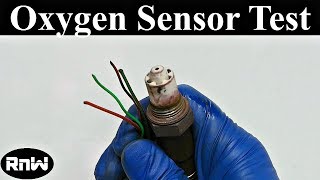
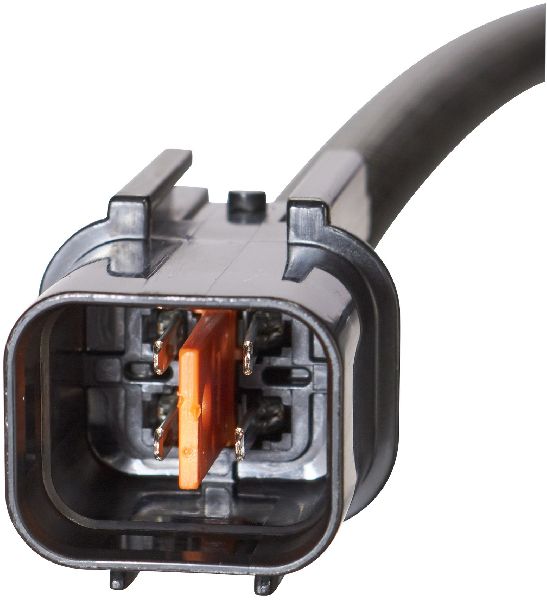
How to confirm: Visually inspect the wiring harness and connector leading to the sensor for any signs of melting, frayed wires, or corrosion. Use a multimeter to check for 12V on the heater power wire and check for continuity on the ground/control wire back to the PCM. A high voltage reading on the control wire 🎬 Watch: Quick electrical tests for oxygen sensor wiring when it should be near 0V points to a short.
Typical fix: Repair the damaged section of the wiring harness or clean/replace the connector. Apply dielectric grease to the connector to prevent future corrosion.
Est. part cost: $5-$50 - Blown Fuse for Heater Circuit ⚪ Low Probability A short circuit in the wiring or within the sensor itself can cause the corresponding fuse to blow as a protective measure.
How to confirm: Locate the fuse for the oxygen sensor heaters in the engine bay fuse box. While diagrams vary, it may be labeled 'SNSR 2' or similar and is often a 15A fuse. Visually inspect the fuse or test for continuity with a multimeter.
Typical fix: Replace the blown fuse. If the fuse blows again immediately, it indicates a persistent short circuit that must be found and repaired before installing a new fuse.
Est. part cost: $1-$5
Rare But Worth Checking
- Powertrain Control Module (PCM) Failure: → Shop Engine Control Module (ECM) This is very rare. Before suspecting the PCM, all other possibilities (sensor, wiring, fuses) must be exhaustively ruled out. A faulty driver circuit within the PCM can cause a high voltage reading.
Diagnosis Steps
- Read fault codes with an OBD-II scanner to confirm P0058 is the active code.
- Visually inspect the Bank 2, Sensor 2 oxygen sensor. It is located on the passenger side exhaust pipe, after the catalytic converter. Check its wiring harness and connector for any obvious signs of damage, such as melting, corrosion, or loose connections.
- Check the fuse for the oxygen sensor heater circuit. This is likely in the under-hood fuse box and may be labeled 'SNSR 2' or similar.
- If the fuse is good, disconnect the O2 sensor connector. Use a multimeter set to Ohms to test the resistance of the heater element within the sensor itself (across the two same-colored wires). 🎬 See this walkthrough on testing and replacing oxygen sensors A reading between 2 and 30 Ohms is typical. If you get an open circuit (infinite resistance) or a short (near zero Ohms), the sensor has failed and needs to be replaced.
- With the key on (engine off), test the vehicle-side of the connector. One pin should have battery voltage (~12V). If there is no voltage, there is a problem with the power supply or fuse.
- If power is present, the other heater wire is the control circuit from the PCM. A 'High' code can indicate this wire is shorted to a power source somewhere. Check for voltage on this wire; it should be near 0V when the heater is not commanded on.
- If the sensor's heater element tests good and wiring appears intact, the issue is likely an intermittent wiring short or a rare PCM fault.
Parts You'll Likely Need
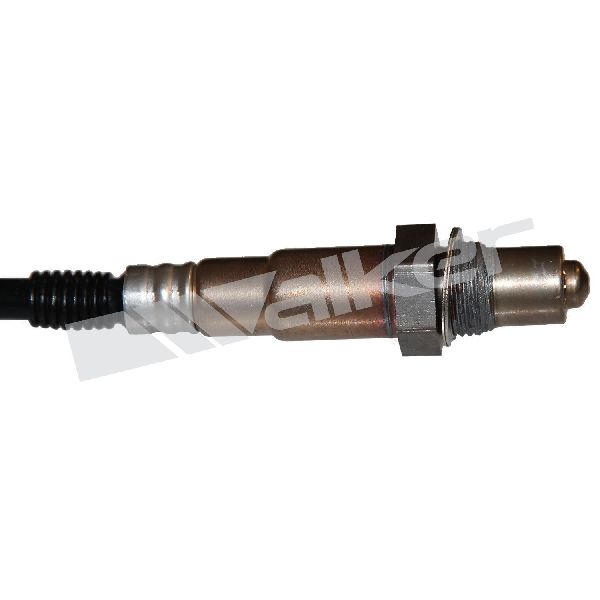
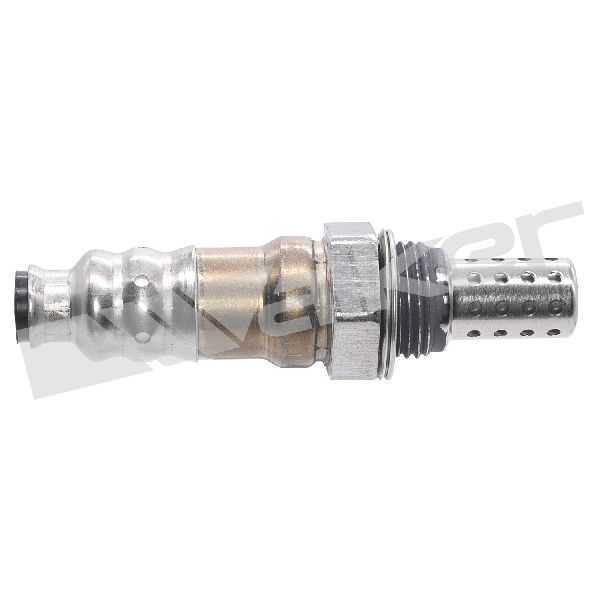
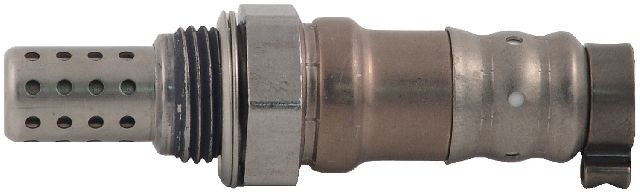
- Downstream Oxygen Sensor (Bank 2, Passenger Side)
(OEM #39210-3CBA0 (for BK2 2013-2016), 39210-3C200 (for BK1 2010-2012 - verify))— This is the most common failure point for a P0058 code. The internal heater element burns out over time.
Trusted brands: Hyundai (OEM), NTK/NGK, Denso, Bosch, Walker Products
OEM price range: $180-$220
Aftermarket price range: $50-$120
Related Codes That Often Appear With This One
- P0160 — P0160 means 'O2 Sensor Circuit No Activity Detected (Bank 2 Sensor 2)'. If the heater fails, the sensor may not reach operating temperature, leading to an inactivity code.
- P0057 — P0057 is 'HO2S Heater Control Circuit Low'. While P0058 is for a high circuit, intermittent wiring problems could potentially trigger either code at different times.
- P0157 — P0157 is 'O2 Sensor Circuit Low Voltage (Bank 2 Sensor 2)'. A malfunctioning heater can prevent the sensor from producing a correct voltage signal.
Platform-Specific Known Issues
- A user on the Gencoupe forums reported chasing a similar O2 sensor heater code which turned out to be a melted wire near the exhaust manifold. A thorough visual inspection of the harness is highly recommended before buying parts.
Mechanic-Grade Diagnostic Values
- O2 Sensor Heater Element Resistance — expected: Approximately 2.8 ohms at room temperature.. Failure: An infinite reading (open circuit) or near-zero reading (short circuit) indicates a failed heater element.
- Heater Circuit Power Supply (at connector) — expected: ~12V (Battery Voltage) with Key On, Engine Off.. Failure: 0V indicates a blown fuse or a break in the power supply wire.
- Heater Control Circuit (at connector) — expected: Near 0V with Key On, Engine Off. The PCM provides a pulse-width modulated ground to activate the heater once the engine is running.. Failure: Constant battery voltage on this wire indicates a short to power, which is a direct cause for a 'Circuit High' code.
Hidden / Shadow Codes Worth Checking
- Mode 6, Monitor ID $21 (O2 Sensor Heater Monitor): Mode 6 data provides results from non-continuously run tests. For the O2 heater, it will show test values that can indicate a component is failing even before a DTC is set. A technician can compare the reported value against the manufacturer's specified min/max range. (see via A professional scan tool capable of displaying Mode $06 data.)
Scan Tool Commands That Help
- Hyundai GDS (Global Diagnostic System): Live Data Graphing (O2 Sensor Heater Duty Cycle) — To observe if the PCM is attempting to control the heater circuit. For P0058, you would expect to see the duty cycle commanded by the PCM, but the circuit voltage remaining high. A video on a similar Hyundai showed the heater duty cycle for the good sensor varying while the faulty one was static or absent.
Wiring & Ground Locations
- Oxygen Sensor 4 (B2/S2) — On the left (passenger side) exhaust pipe, located after the catalytic converter.. This is the specific sensor component monitored by the P0058 code.
- Engine/Chassis Grounds — The Genesis Coupe is noted by owners to have weak factory grounds. Key locations include a stock ground point on the chassis near the battery, bolts on the intake manifold, and a ground strap on the engine mount.. While not a direct cause for a 'circuit high' code (which implies a short to power), poor grounds can cause a variety of electrical issues. Ensuring all engine and chassis grounds are clean and tight is a best practice during any electrical diagnosis.
OEM Part Supersession History
39210-3C200→N/A— This is the specified part for the BK1 (2010-2012) 3.8L, for the passenger side (Bank 2) downstream position.
Heads up: This part is for the MPI engine and is not compatible with the 2013-2016 BK2 GDI engine.39210-3CBA0→39210-3CBB0— Part update for the BK2 generation.
Heads up: This part is for the BK2 (2013-2016) 3.8L GDI engine, for the passenger side (Bank 2) downstream position. It is not compatible with the BK1. While 39210-3CBA0 was the initial part, it has been superseded by 39210-3CBB0.
Model Year Variations Within This Range
- 2010-2012 (BK1): Uses a Multi-Port Injection (MPI) Lambda II engine. The correct downstream passenger-side O2 sensor is OEM part number 39210-3C200.
- 2013-2016 (BK2): Uses a Gasoline Direct Injection (GDI) Lambda II engine. The correct downstream passenger-side O2 sensor is OEM part number 39210-3CBA0, which was later superseded by 39210-3CBB0.
Diagnostic Flowchart
Other Known Issues on This Vehicle
Issues unrelated to this code that are worth knowing about as an owner of this generation:
- Manual Transmission Grind / Lockout 🟠 Medium — Very common, especially on earlier BK1 (2010-2012) models. Often occurs shifting into 2nd, 3rd, 5th, or 6th gear at high RPM. (Ref: No official recall, but a widely acknowledged issue. Owners often mitigate with better transmission fluid (e.g., Redline MT-85), upgraded transmission mounts, and shifter bushings.)
- Timing Chain System Wear 🟠 Medium — Can occur on higher mileage engines, particularly GDI models (2013+). Symptoms include a startup rattle. (Ref: TSB 19-EM-001H addresses changes in timing chain and sprocket parts for Lambda 3.3L/3.8L GDI engines, indicating factory revisions.)
- Carbon Buildup on Intake Valves (GDI Only) 🟠 Medium — A systemic issue for all BK2 (2013-2016) 3.8L GDI engines, as fuel is injected directly into the cylinder and does not clean the valves. Can cause misfires (e.g., P0306) and rough idle, often noticeable after 60,000 miles. (Ref: No TSB or recall; it's an inherent design characteristic of GDI engines. Requires periodic manual or chemical cleaning.)
- Faulty Oil Control Valves (OCVs) 🟡 Low — A common cause for camshaft timing-related codes like P0011 or P0021. Often caused by oil sludge or electrical failure.
- Peeling Interior Chrome Trim 🟡 Low — Extremely common across all years. The matte clear coat on interior chrome pieces (steering wheel, door handles, cupholders) flakes off over time.
- EVAP System Purge Control Solenoid Failure 🟡 Low — A common failure leading to EVAP codes like P0441. Symptoms include a rough idle and difficulty starting after refueling.
Used vs. New Parts: Buying Guide for This Vehicle
When a used part is the smart pick: For this repair, a used part is generally not recommended for the oxygen sensor itself, as it is a wear item with a finite lifespan. However, sourcing a used connector pigtail from a junkyard is a smart choice if only the connector is damaged, as it provides an OEM-quality connector for splicing.
Donor-vehicle mileage cap: roughly under 80000 miles for the part to have meaningful remaining life.
What to inspect on the donor part:
- For a connector pigtail, inspect for any signs of melting, brittle plastic, or corrosion on the pins.
- Ensure the locking tab on the connector is intact and functional.
- Verify the donor vehicle was not in a front-end or undercarriage collision that could have stressed the harness.
OEM-only on this vehicle (don't cheap out):
- While not strictly 'OEM-only', using a reputable OEM supplier is highly recommended for oxygen sensors to ensure proper performance and longevity.
Aftermarket brands forum-validated for this vehicle:
- NTK (also known as NGK) and Denso are the primary OEM suppliers for many Japanese and Korean vehicles and are considered top-tier replacements.
- Bosch is also a reputable option.
Brands owners have reported issues with on this vehicle:
- Avoid unbranded, no-name sensors from online marketplaces. While they may be cheap, forum discussions frequently cite issues with incorrect readings, premature failure, and poor fitment, leading to wasted time and money.
Real Owner Stories
Aggregated from forums and TSBs cited above. Mileages and costs reflect what owners reported in those sources.
2010-2016 Hyundai Genesis Coupe 3.8L V6
Symptoms: An owner was chasing an O2 sensor heater code similar to P0058.
What fixed it: The problem was ultimately a melted wire near the exhaust manifold. Repairing the wiring harness resolved the issue.
Source hint: vehicle_specific_issues: A user on the Gencoupe forums
Related OBD-II Codes
Frequently Asked Questions
Where is the Bank 2, Sensor 2 oxygen sensor located on my 2010-2016 Genesis Coupe 3.8L?
What is the correct resistance for the O2 sensor's heater element on this car?
I replaced the sensor but the P0058 code came back. What's the next most likely cause on the Genesis Coupe?
Which fuse should I check for the P0058 code?
My 2014 Genesis Coupe has a rough idle. Is this related to the P0058 code?
I have a 2012 Hyundai Genesis Sedan with the 3.8L engine. Does this P0058 information apply to my car?
Helpful Videos

We Have This Part in Stock


The information in this article is provided for general reference and educational purposes only. Vehicle specifications, procedures, and part compatibility can vary by production date, trim level, and region. Always consult your vehicle's factory service manual and verify part numbers before purchasing or performing repairs. Safety-critical components such as airbags, seat belts, and braking systems should be installed by a qualified professional.
- Hyundai Genesis Coupe:
- 🧭 Diagnostic Flowchart
- 🎬 Helpful Videos
- 🛍️ Shop This Part
- What's Unique About the 2010-2016 Hyundai Genesis Coupe
- Symptoms You May Notice
- Most Likely Causes
- Rare But Worth Checking
- Diagnosis Steps
- Parts You'll Likely Need
- Related Codes That Often Appear With This One
- Platform-Specific Known Issues
- Mechanic-Grade Diagnostic Values
- Hidden / Shadow Codes Worth Checking
- Scan Tool Commands That Help
- Wiring & Ground Locations
- OEM Part Supersession History
- Model Year Variations Within This Range
- Other Known Issues on This Vehicle
- Used vs. New Parts: Buying Guide for This Vehicle
- Real Owner Stories
- 2010-2016 Hyundai Genesis Coupe 3.8L V6
- Related OBD-II Codes
- Frequently Asked Questions
- 🎟️ Get 5% Off