

P0058 on 2013-2016 Jaguar XJ: Heater Circuit High Causes and Fixes
P0058 on a 2013-2016 Jaguar XJ indicates a high voltage fault in the heater circuit of the Bank 2, Sensor 2 oxygen sensor. This is the downstream sensor (after the catalytic converter) on the driver's side. The most common fix is replacing the faulty oxygen sensor. However, a short in the wiring harness is also a frequent cause for this specific 'high circuit' code. Before replacing parts, check for a PCM software update, as TSB JTB-00392-NAS-3 notes that a software error can trigger this code o
- P0058 points to the oxygen sensor on the driver's side, after the catalytic converter.
- The most likely cause is a failed sensor or a short in the wiring; always inspect the harness for melting or damage before replacing parts.
- For 2013-2015 models, a PCM software update may be required as per TSB JTB-00392-NAS-3.
- Use a quality replacement sensor (e.g., Denso, Bosch, NTK) and ensure it's the correct part (C2D54165 or equivalent) for the Bank 2, Sensor 2 position.
What's Unique About the 2013-2016 Jaguar XJ
For this generation of Jaguar XJ (and its platform mates with the AJ126 V6 and AJ133 V8 engines), oxygen sensor codes are common. Jaguar has issued multiple Technical Service Bulletins (TSBs) addressing them. TSB JTB-00392-NAS-3 specifically identifies a software error as a potential cause for a group of HO2S codes, including P0058, on 2013-2015 models, recommending a PCM software update as a first step. Additionally, TSB #SSM72477 notes that technicians may find no fault with the wiring upon diagnosis. This reinforces that the problem can be an intermittent short within the sensor itself or a software issue, rather than a constant, visible wiring problem.
Diagnostic Flowchart
Tap your situation to follow the diagnostic path that matches what you're seeing on this vehicle.
Symptoms You May Notice
- Check Engine Light is on
- Failure to pass an emissions test
- Potentially reduced fuel economy
- Rough idle or engine hesitation, particularly when cold
- Strong smell of fuel or black smoke from exhaust in some cases
- Replacing the wrong oxygen sensor (e.g., replacing the upstream Sensor 1 or the sensor on Bank 1).
- Replacing the oxygen sensor without first checking for a wiring short, which is a common cause for a 'high circuit' fault.
- Replacing the sensor when a simple PCM software update was all that was needed (for 2013-2015 models).
Most Likely Causes
- Failed Bank 2, Sensor 2 Oxygen Sensor 🔴 High Probability → Shop Oxygen Sensor The internal heater element within the oxygen sensor can short out or fail over time. This is a common failure mode for these parts across all vehicles, but the 'high circuit' nature of P0058 specifically points to a short to power, either internally in the sensor or in the external wiring.
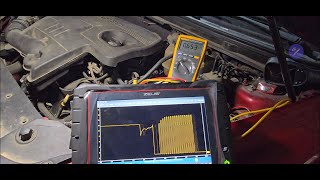
How to confirm: After checking wiring and fuses, test the resistance of the heater circuit within the sensor using a multimeter. Disconnect the sensor and measure between the two heater wires (often the same color). A very low or zero resistance reading indicates a shorted heater element. An open circuit (infinite resistance) also indicates failure. A good sensor typically has a resistance between 2 and 30 ohms when measured at room temperature (70°F / 21°C). 🎬 Watch: How to test oxygen sensor heater circuits with a multimeter.
Typical fix: Replace the Bank 2, Sensor 2 oxygen sensor. It is recommended to use OEM (Denso) or high-quality aftermarket brands like Bosch or NTK.
Est. part cost: $70-$250 - Wiring Harness or Connector Damage 🟡 Medium Probability The sensor wiring is routed under the vehicle near the hot exhaust system. Wires can melt and short to a 12V power source, or the connector can fill with moisture and corrode, causing a short. This is a very common cause for 'high circuit' codes like P0058.
How to confirm: Visually inspect the entire wiring harness leading to the sensor for any signs of melting, chafing, or corrosion. Unplug the sensor and, with the key on (engine off), use a multimeter to check for 12V power at the heater circuit pin on the harness-side connector. If voltage is present on the signal wire or ground wire, there is a short in the harness.
Typical fix: Repair the damaged section of the wiring harness or clean/replace the connector. Ensure the repaired harness is properly secured away from heat sources.
Est. part cost: $10-$100 - Blown Fuse or Faulty Relay ⚪ Low Probability
How to confirm: Consult the vehicle's service manual or fuse diagrams to locate the fuse for the oxygen sensor heaters. For the XJ, this is often in the engine compartment fuse box. For example, on a similar platform, fuse F13 (20A, Yellow) in the engine bay fuse box protects the Bank B (Bank 2) oxygen sensors. Visually inspect the fuse. A blown fuse often points to a short circuit in the wiring or the sensor itself.
Typical fix: Replace the blown fuse after diagnosing the underlying short circuit. Simply replacing the fuse without fixing the short will cause it to blow again.
Est. part cost: $1-$30 - PCM Software Error ⚪ Low Probability TSB JTB-00392-NAS-3 explicitly states that for 2013-2015 models, a range of HO2S codes including P0058 can be caused by a software error.
How to confirm: A Jaguar dealer or a qualified independent shop with access to JLR's diagnostic software (SDD) can check if the vehicle's Powertrain Control Module (PCM) has the latest software version installed.
Typical fix: Update the PCM software to the latest version. The TSB recommends replacing the sensor indicated by the code *and then* performing the software update.
Est. part cost: $0-$250 (for dealer labor)
Rare But Worth Checking
- Engine Control Module (ECM) Failure: → Shop Engine Control Module (ECM) This is very rare, but if the sensor, wiring, fuse, and software have all been confirmed as good, the driver circuit within the ECM could be at fault. The provided TSB #SSM72477, which mentions 'no fault found,' hints that complex electronic issues can occur, with the ECM being the last resort.
Diagnosis Steps
- Read the code with an OBD-II scanner to confirm P0058 is present. Note any other codes.
- For 2013-2015 models, check with a dealer if TSB JTB-00392-NAS-3 (PCM software update) is applicable and has been performed.
- Visually inspect the Bank 2, Sensor 2 (driver's side, post-catalytic converter) oxygen sensor and its wiring harness. Look for any signs of melting, frayed wires, or damaged connectors, as a short to power is a primary suspect.
- Check the vehicle's engine compartment fuse box for a blown fuse related to the O2 sensor heaters (e.g., Fuse F13 on some models).
- Disconnect the sensor's electrical connector. With the ignition key in the 'On' position (engine off), use a multimeter to verify that there is ~12-volt power being supplied to the heater circuit pin on the harness side.
- Using a multimeter, measure the resistance of the heater circuit on the sensor itself. A reading of very low/zero resistance (short) or infinite resistance (open) confirms the sensor has failed. A typical good reading is between 2 and 30 ohms at 70°F/21°C.
- If the sensor tests good and power supply is correct, check the ground circuit for continuity. Also check for any voltage on the signal or ground wires, which would indicate a harness short.
- If all tests pass, the issue may be an intermittent fault within the sensor or wiring, or in rare cases, a fault within the ECM.
Parts You'll Likely Need
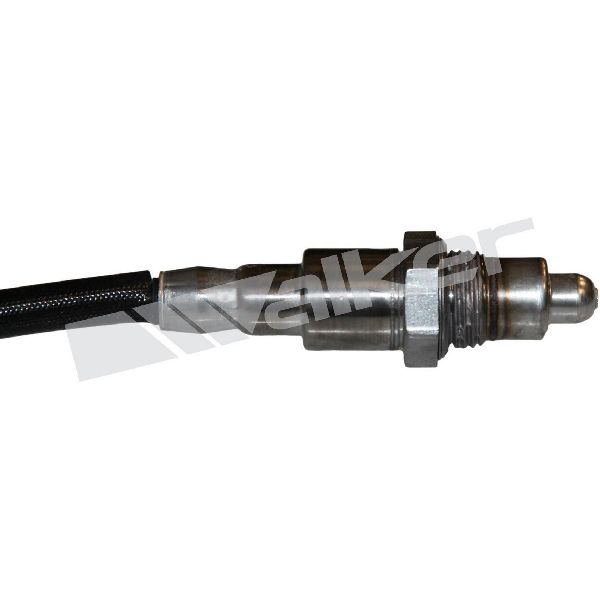
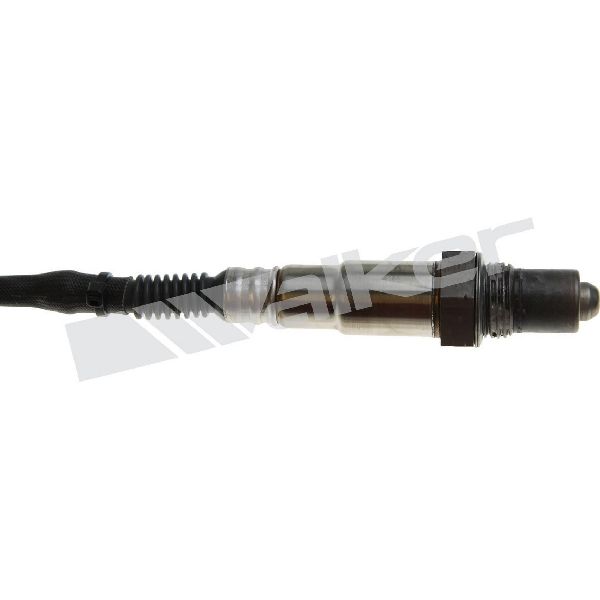
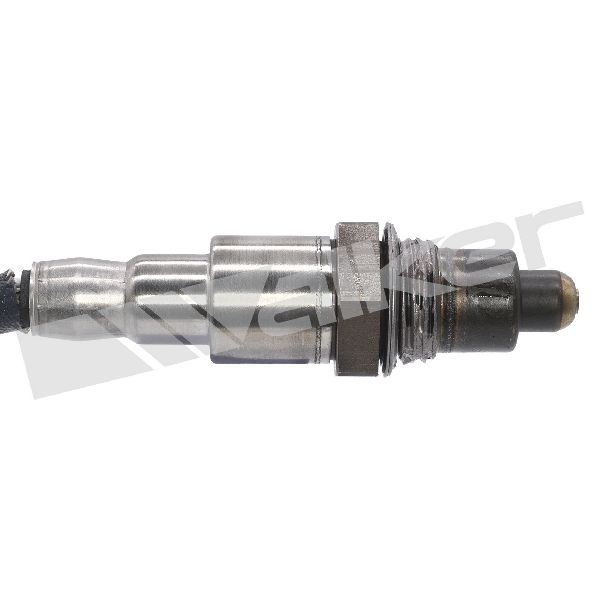
- Oxygen Sensor (Bank 2, Sensor 2)
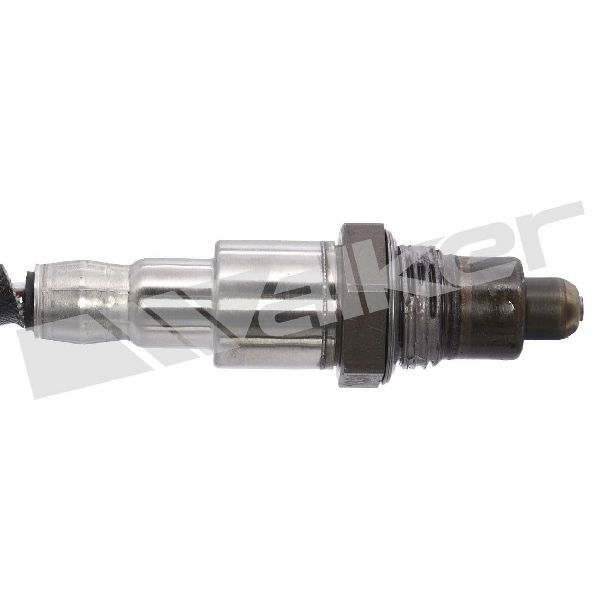
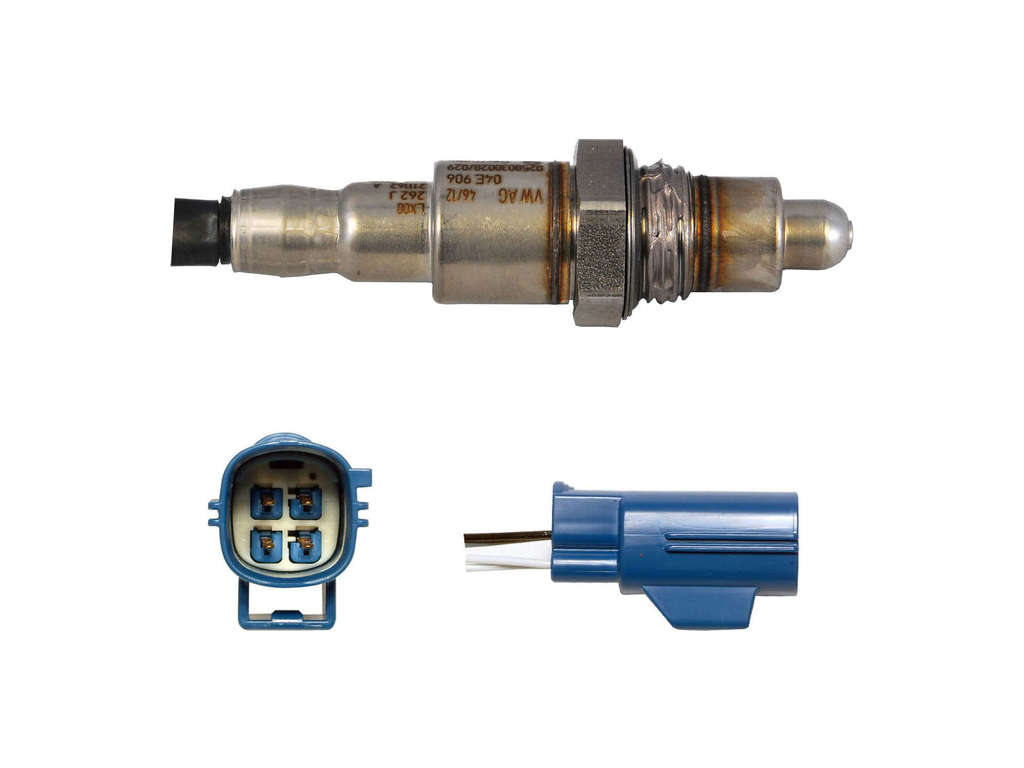
(OEM #C2D54165)— This is the downstream (post-catalyst) oxygen sensor for the driver's side. Its internal heater element is the most common point of failure for code P0058.
Trusted brands: Jaguar (OEM), Bosch (often OEM supplier), Denso (often OEM supplier), NTK/NGK
OEM price range: $180-$250
Aftermarket price range: $70-$150
Related Codes That Often Appear With This One
- P0038 (HO2S Heater Control Circuit High Bank 1 Sensor 2)
- P0158 (O2 Sensor Circuit High Voltage Bank 2 Sensor 2)
Technical Service Bulletins (TSBs) & Recalls
- JTB-00392-NAS-3: For 2013-2015 XJ, XF, and F-Type, states that a group of HO2S codes including P0058 can be caused by a PCM software error. The recommended action is to replace the relevant sensor and then perform a PCM software update.
- SSM72477: Notes that diagnosis for a wide range of HO2S codes (including P0058) may reveal 'no fault is found with the wiring,' pointing towards intermittent sensor failure or rare ECU issues as the cause.
Platform-Specific Known Issues
- Jaguar has issued Technical Service Bulletin JTB-00392-NAS-3 for 2013-2015 models, which states that a software error can cause P0058 and other related codes. The fix involves replacing the sensor and updating the PCM software.
- TSB #SSM72477 notes that for a list of HO2S codes including P0058, diagnosis may find no fault with the wiring, suggesting the root cause could be the sensor itself or a more complex control issue.
- Owners on forums often discuss replacing O2 sensors to fix various codes. While a common DIY job, access can be tight. It's crucial to correctly identify Bank 2 Sensor 2 to avoid replacing the wrong part.
Mechanic-Grade Diagnostic Values
- O2 Sensor Heater Element Resistance — expected: Between 2.0 and 30.0 ohms. Failure: A reading of 0 ohms (short circuit) or infinite/OL (open circuit).
- Live Data - Heater Circuit Voltage (Key On, Engine Off) — expected: Approximately 12V when commanded on, 0V when off.. Failure: For a 'High Circuit' code, voltage may be stuck above 12V or present when it should be 0V, indicating a short to power.
Hidden / Shadow Codes Worth Checking
- Unrelated Events Codes: In Jaguar's SDD software, if symptoms are not entered correctly during session setup, relevant DTCs may be filed under 'Unrelated Events' instead of 'Related Events' and can be missed by the technician. (see via Using Jaguar Land Rover (JLR) Symptom Driven Diagnostics (SDD) software and navigating to the 'Unrelated Events' tab during a diagnostic session.)
Scan Tool Commands That Help
- JLR Symptom Driven Diagnostics (SDD): O2 2/2 Heater Test — This is a bidirectional control used to manually activate the Bank 2 Sensor 2 heater circuit. It helps confirm if the ECM driver, wiring, and heater element are capable of functioning when commanded.
- Jaguar IDS / SDD: O2 Sensor Orientation — This function is used to internally switch the O2 sensor assignments within the ECU. It is a valuable tool if there is a suspicion that sensors have been physically cross-wired or installed in the wrong locations, as it can correct the mapping without physical rewiring.
Wiring & Ground Locations
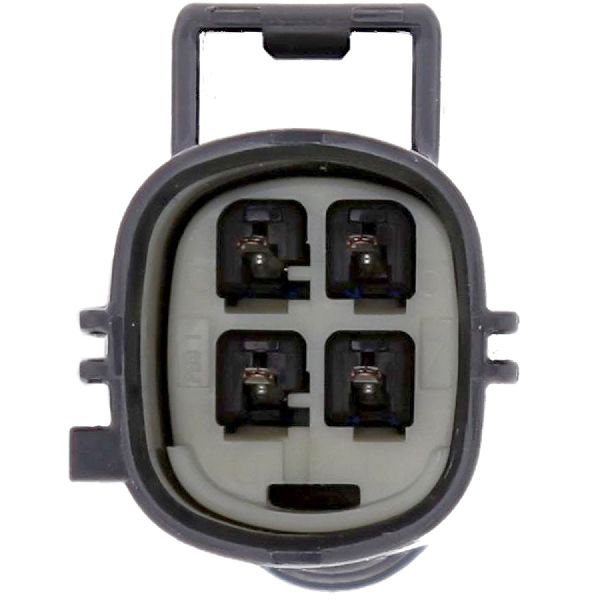
- O2 Sensor Heater Circuit Pins — At the harness connector for the Bank 2, Sensor 2 oxygen sensor.. For testing, power is typically supplied to terminal 1, and the ECU controls the ground on terminal 3. A short to power on either wire can cause P0058.
- Forward Ground Studs — On the aluminum body, behind both the left and right headlight assemblies.. These aluminum ground studs are notorious for developing an insulating oxide layer, causing a poor ground for multiple engine and chassis systems. While not specific to the O2 sensor circuit, a bad ground here can cause a host of bizarre, intermittent electrical faults and DTCs that are difficult to diagnose. Cleaning these studs is a critical first step for any electrical gremlin hunt on an X351.
Real Owner Repair Stories
- JaguarForums.com user 'RGPV6S' (Jaguar F-Type (shares engine and electronics with XJ)) — Check Engine Light with code P0062 (Bank 2 Sensor 3 heater circuit - a similar fault).
❌ Tried (didn't work) N/A, went straight to diagnosis.
✅ What actually fixed it The user tested the heater circuit resistance and found it was 'way out of spec'. Replacing the correct oxygen sensor resolved the CEL. The user also notes that the connectors for left and right bank sensors are physically different ('handed') and cannot be interchanged, which is a crucial installation tip.
OEM Part Supersession History
C2D24757, C2D27350→C2D54165— Standard part revision and consolidation by Jaguar.
Heads up: The connectors for left and right bank sensors are physically keyed differently and cannot be accidentally swapped.
Model Year Variations Within This Range
- 2013-2015: These model years are subject to TSB JTB-00392-NAS-3, which indicates that P0058 and other HO2S codes can be caused by a software glitch. The recommended fix is to replace the sensor AND update the PCM software. This does not apply to 2016+ models.
Helpful Videos



We Have This Part in Stock

The information in this article is provided for general reference and educational purposes only. Vehicle specifications, procedures, and part compatibility can vary by production date, trim level, and region. Always consult your vehicle's factory service manual and verify part numbers before purchasing or performing repairs. Safety-critical components such as airbags, seat belts, and braking systems should be installed by a qualified professional.
- Jaguar XJ:
- 🧭 Diagnostic Flowchart
- 🎬 Helpful Videos
- 🛍️ Shop This Part
- What's Unique About the 2013-2016 Jaguar XJ
- Symptoms You May Notice
- Most Likely Causes
- Rare But Worth Checking
- Diagnosis Steps
- Parts You'll Likely Need
- Related Codes That Often Appear With This One
- Technical Service Bulletins (TSBs) & Recalls
- Platform-Specific Known Issues
- Mechanic-Grade Diagnostic Values
- Hidden / Shadow Codes Worth Checking
- Scan Tool Commands That Help
- Wiring & Ground Locations
- Real Owner Repair Stories
- OEM Part Supersession History
- Model Year Variations Within This Range
- 🎟️ Get 5% Off