

P0060 on 2013-2016 Jaguar XJ: HO2S Heater Resistance Causes and Fixes
This code indicates a faulty heater circuit in the Bank 2, Sensor 2 oxygen sensor. The most common fix is replacing the sensor itself. However, a critical Jaguar Technical Service Bulletin (JTB-00392-NAS-3) for 2013-2015 models points to a PCM software error with overly sensitive diagnostics, requiring a dealer update after sensor replacement to prevent the code from returning.
- P0060 on a 2013-2016 Jaguar XJ points to a problem with the heater in the driver's side, post-catalytic converter oxygen sensor.
- The most common fix is replacing the oxygen sensor itself (Part No. C2D17259, superseded by C2D39892).
- For 2013-2015 models, a known Jaguar TSB (JTB-00392-NAS-3) indicates a PCM software update is required to permanently fix the issue, even after replacing the sensor.
- Before replacing parts, test the sensor's heater resistance (expect 4-19 ohms) and check for power/ground at the connector.
- This is a DIY-friendly repair for those with basic tools, including an O2 sensor socket, but be aware of the potential need for a dealer software update.
What's Unique About the 2013-2016 Jaguar XJ
For the 2013-2015 Jaguar XJ, XF, and F-Type with the 3.0L V6 and 5.0L V8 engines, Jaguar issued a specific Technical Service Bulletin (JTB-00392-NAS-3) for this and a host of other related oxygen sensor codes. The bulletin states that the cause may be a software error in the Powertrain Control Module (PCM) where the diagnostic thresholds are too sensitive. This means that while a faulty sensor is a common cause, the root issue could be software-related, requiring a dealer visit for a PCM reflash to prevent the code from returning even after a sensor replacement.
Diagnostic Flowchart
Tap your situation to follow the diagnostic path that matches what you're seeing on this vehicle.
Symptoms You May Notice
- Check Engine Light (Malfunction Indicator Lamp) is on.
- Potential for slightly decreased fuel economy.
- Failure to pass an emissions test.
- In some cases, rough idling may be noticed.
- Replacing the oxygen sensor without checking for the PCM software update on applicable 2013-2015 models. If the software is the root cause, the code may return with the new sensor.
- Replacing the wrong sensor. P0060 is specifically for Bank 2 (driver's side on LHD) and Sensor 2 (downstream/post-catalyst). Always verify sensor location before replacement.
- Assuming the sensor is bad without checking for voltage and ground at the connector first. A lack of power will also set this code.
Most Likely Causes
- Faulty Bank 2, Sensor 2 Heated Oxygen Sensor 🔴 High Probability → Shop Oxygen Sensor Jaguar and Land Rover issued multiple TSBs related to premature failure from manufacturing defects, thermal shock, and software errors concerning these sensors on this platform. The internal heater element is a common failure point.
How to confirm: Test the resistance of the heater circuit within the sensor using a multimeter. The expected resistance is typically between 4 and 19 Ohms. An open circuit (infinite resistance) or a reading of zero confirms the heater has failed. 🎬 See how to test sensor heater resistance with a multimeter.
Typical fix: Replace the Bank 2, Sensor 2 oxygen sensor.
Est. part cost: $60-$150 - Powertrain Control Module (PCM) Software Error 🟡 Medium Probability → Shop Engine Control Module (ECM) TSB #JTB-00392-NAS-3 explicitly states a software error with overly sensitive diagnostics can cause this code on 2013-2015 models.
How to confirm: This can only be confirmed by a Jaguar dealer with access to the TOPIx system. They can check if the vehicle's VIN falls within the TSB range (V34128-V90865 for the XJ) and if the PCM software is outdated.
Typical fix: Update the PCM software. The TSB service instruction indicates this should be done *after* replacing the faulty sensor if a code is present.
Est. part cost: $0 (if under warranty/recall) or 1-2 hours of dealer labor ($200-$400). - Damaged Wiring or Connectors ⚪ Low Probability Wiring is routed near hot exhaust components and can become brittle, chafed, or damaged over time. TSB SSM72477 notes that diagnosis often finds no fault with the wiring, pointing to the sensor as the more likely cause.
How to confirm: Visually inspect the wiring harness and connector for the Bank 2, Sensor 2 O2 sensor. Check for any signs of melting, corrosion, or breaks. Check for battery voltage (around 12V) and a good ground at the connector with the key on.
Typical fix: Repair or replace the damaged section of the wiring harness or the connector.
Est. part cost: $10-$50
Rare But Worth Checking
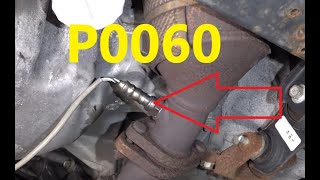
- Blown Fuse: The oxygen sensor heater circuits are protected by a fuse. While not a common failure, it's a quick and easy check to perform 🎬 Watch this guide on common causes and fixes for P0060. before replacing more expensive parts.
Diagnosis Steps
- Confirm the code P0060 is present using an OBD-II scanner.
- For 2013-2015 models, check Jaguar Technical Service Bulletin JTB-00392-NAS-3 to see if your vehicle's VIN falls within the affected range (V34128-V90865 for XJ) for the PCM software update.
- Locate the Bank 2, Sensor 2 oxygen sensor. On a US-spec V6 or V8 Jaguar, Bank 2 is the driver's side. Sensor 2 is the downstream sensor, located after the catalytic converter.
- Visually inspect the sensor's wiring and connector for any signs of damage, melting, or corrosion.
- If the wiring appears intact, disconnect the sensor and test the resistance of the heater circuit on the sensor side using a multimeter. A reading between 4-19 Ohms is generally considered good for these platforms. A reading of OL (open circuit) or near zero indicates a failed sensor.
- Check the vehicle-side connector for battery voltage (approx. 12V) and a good ground signal to the heater circuit when the ignition is on.
- If the sensor tests bad, replace it. If the sensor and wiring test good, the issue is likely the PCM software error on applicable models. Per the TSB, the sensor should be replaced, followed by a PCM software update at a dealership.
Parts You'll Likely Need
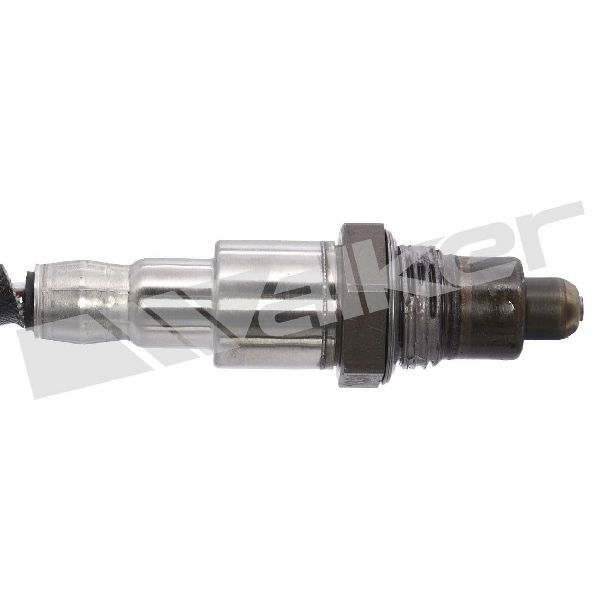
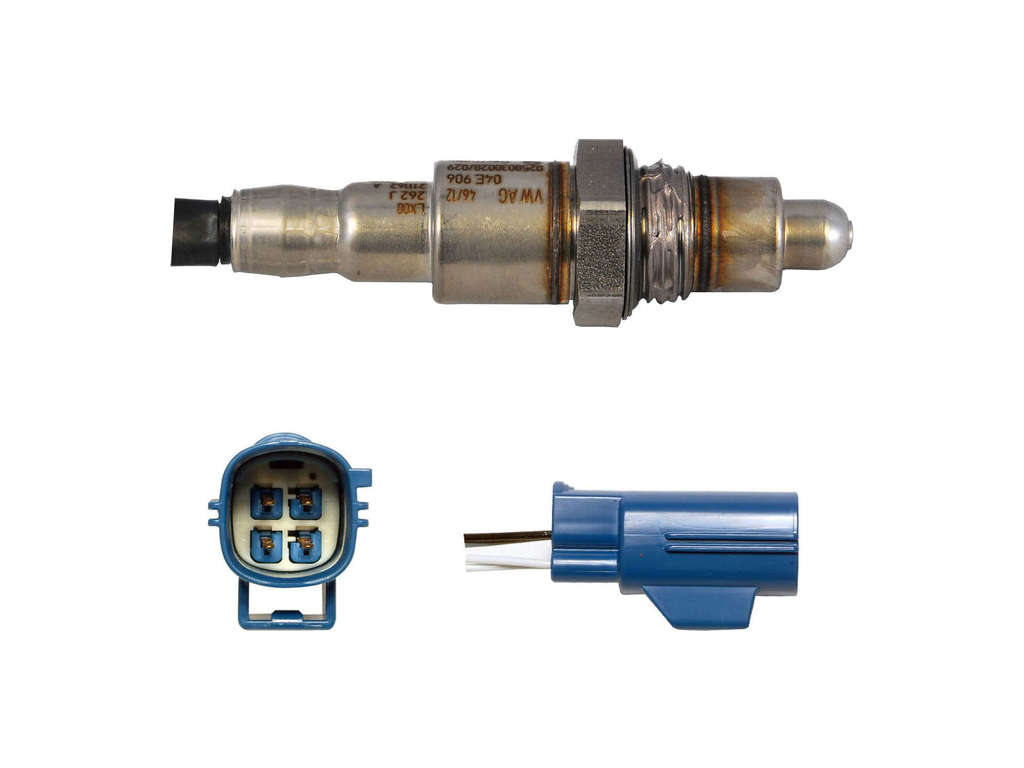
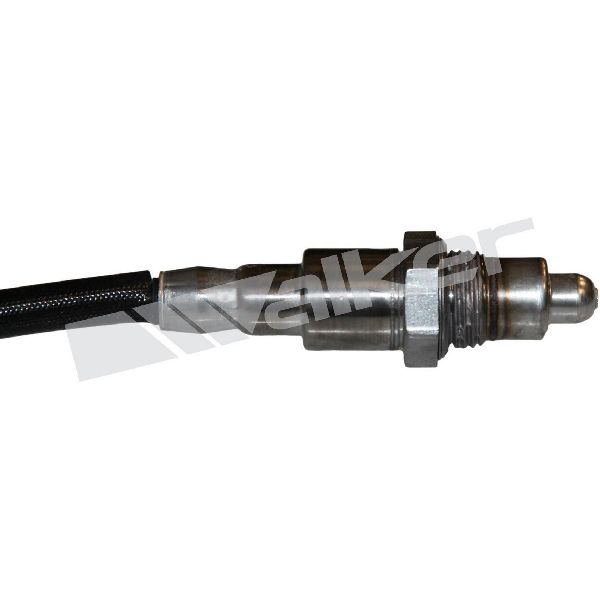
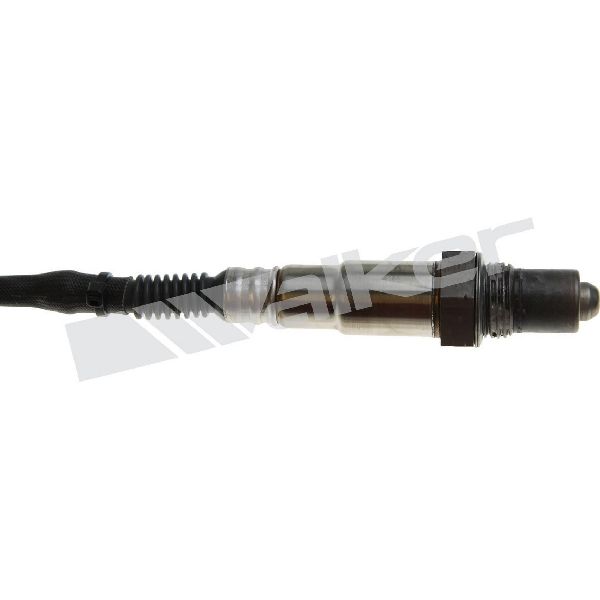
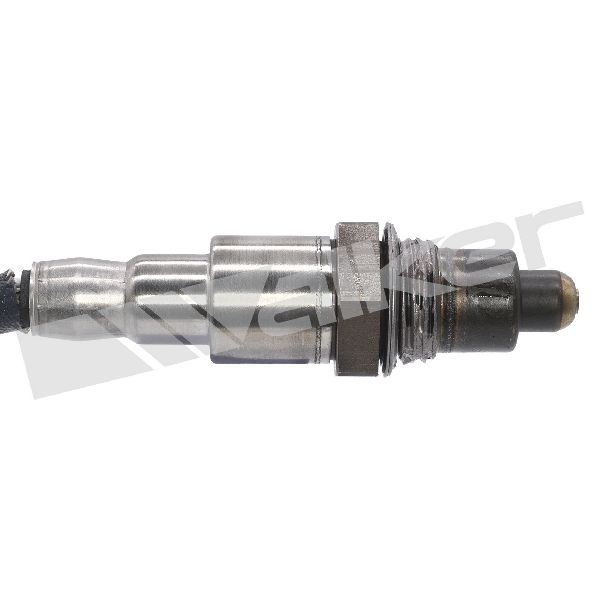
- Heated Oxygen Sensor (Bank 2, Sensor 2)
(OEM #C2D17259, superseded by C2D39892)— This is the most common hardware failure for this code, as indicated by multiple TSBs and general repair information. The internal heater element fails.
Trusted brands: Bosch, Denso, NTK
OEM price range: $120-$180
Aftermarket price range: $60-$110
Related Codes That Often Appear With This One
- P0056, P0057, P0058, P0156, P0157, P0158, P0161 — These are all codes related to the Bank 2, Sensor 2 oxygen sensor and its circuit (heater performance, circuit low, circuit high, etc.). They are often listed together in Jaguar's technical service bulletins for this issue.
Technical Service Bulletins (TSBs) & Recalls
- JTB-00392-NAS-3: The key TSB for 2013-2015 models. States a PCM software error can cause P0060 and other HO2S codes, and advises replacing the sensor and then reconfiguring the PCM.
- SSM72477: Groups P0060 with other oxygen sensor codes where diagnosis often reveals no wiring faults, suggesting the sensor itself is the problem and that the root cause was under investigation as of 2015.
- JTB00392NAS1: An earlier version of the TSB also identifying issues with post-catalyst heated oxygen sensors.
Platform-Specific Known Issues
- Jaguar TSB #JTB-00392-NAS-3 notes that a software error in the PCM can cause this code on 2013-2015 models. The recommended fix is to replace the affected sensor and then update the PCM software.
- TSB #SSM72477 also lists P0060 among a large group of oxygen sensor codes where diagnosis may find no fault with the wiring, pointing towards the sensor or a software issue as the likely culprit. This TSB asks technicians to retain the failed part for investigation.
- Platform mate Land Rover issued TSBs for the same engines noting premature sensor failure due to 'misalignment within the sensor leading to side load on the ceramic internal to the sensor' (SSM63157) and 'thermal shock when water contacts the heated sensing element' (LTB00671NAS3).
Mechanic-Grade Diagnostic Values
- O2 Sensor Heater Circuit Resistance — expected: Typically 3 to 10 Ohms, with some sources citing up to 25 Ohms. Real-world tests on similar vehicles show good sensors at 4-5 Ohms.. Failure: An open circuit (infinite resistance / OL on multimeter) or a dead short (near 0 Ohms) indicates a failed heater element.
- Heater Circuit Voltage Supply (at vehicle-side connector) — expected: Should match battery voltage, approximately 12.6V with key on, engine off, and potentially higher (alternator voltage) with the engine running.. Failure: Significantly lower voltage or no voltage indicates a problem with the wiring, fuse, or PCM, not the sensor itself.
Scan Tool Commands That Help
- Jaguar SDD (Symptom Driven Diagnostics): Configure existing module - Powertrain control module — This function is required for 2013-2015 models after replacing the oxygen sensor, as per TSB JTB-00392-NAS-3, to update the PCM software and prevent the code from returning due to overly sensitive diagnostics.
- Jaguar SDD (Symptom Driven Diagnostics): Live Data Monitoring / Datalogger — To observe the O2 sensor's voltage and heater circuit status in real-time. A technician can use this to confirm if the sensor is responding and if the heater is being commanded on by the PCM.
Wiring & Ground Locations
- G2 — Engine compartment, below the front power distribution fuse box.. This is a major chassis ground point in the engine bay. A poor connection here could potentially affect the power supply or ground for various engine components, including the O2 sensor heater circuit.
- G4 — Engine block ground.. The engine block is a primary grounding location for many sensors. A corroded or loose engine block ground can cause erratic sensor readings and electrical faults.
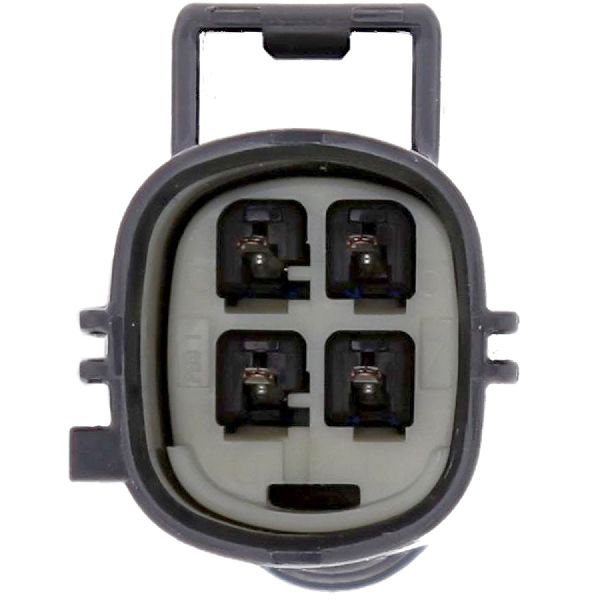
- O2 Sensor Connector Pins — At the electrical connector for the Bank 2, Sensor 2 oxygen sensor.. Technicians must identify the two specific pins for the heater circuit to test for resistance on the sensor side and for voltage/ground on the harness side. While colors vary, these are typically two same-colored wires (e.g., two blacks or two whites).
Real Owner Repair Stories
- Jaguar Forums user 'XJR_hunter' (Jaguar XJ (X350, similar engine controls)) — Engine management light was on. Torque app showed O2 sensor data was not changing at all, even at 2500 RPM.
❌ Tried (didn't work) The previous owner had installed very cheap eBay sensors (£23 each) which had failed.
✅ What actually fixed it The owner ordered and replaced all four sensors with genuine Denso units to resolve the issue, suspecting the cheap aftermarket parts were the cause of the failure.
"I Checked Everything" — The Actual Cause
- For this electrical code, the equivalent of a 'smoke test clean' scenario is when both the oxygen sensor's heater resistance and the wiring harness (for power and ground) test perfectly fine, yet the P0060 code persists or returns. In this specific case for 2013-2015 models, the actual cause is frequently a PCM software error with overly sensitive diagnostic thresholds, as documented in Jaguar TSB JTB-00392-NAS-3. The fix is not further electrical diagnosis but rather a PCM software update after replacing the sensor.
OEM Part Supersession History
C2D17259→C2D39892— Likely an updated design to improve reliability and prevent premature failure, in line with issues identified in TSBs.
Heads up: No incompatibility is noted; C2D39892 is the correct direct replacement for C2D17259.
Model Year Variations Within This Range
- 2013-2015: These model years are specifically covered by TSB JTB-00392-NAS-3, which identifies a PCM software error as a potential cause for P0060. The official repair procedure involves replacing the sensor AND reconfiguring the PCM.
- 2016: The 2016 model year is not included in the VIN range for TSB JTB-00392-NAS-3. For this year, the cause of P0060 is more likely to be a standard hardware failure (sensor, wiring, fuse) without the underlying software issue, simplifying the diagnosis.
Helpful Videos

We Have This Part in Stock

The information in this article is provided for general reference and educational purposes only. Vehicle specifications, procedures, and part compatibility can vary by production date, trim level, and region. Always consult your vehicle's factory service manual and verify part numbers before purchasing or performing repairs. Safety-critical components such as airbags, seat belts, and braking systems should be installed by a qualified professional.
- Jaguar XJ:
- 🧭 Diagnostic Flowchart
- 🎬 Helpful Videos
- 🛍️ Shop This Part
- What's Unique About the 2013-2016 Jaguar XJ
- Symptoms You May Notice
- Most Likely Causes
- Rare But Worth Checking
- Diagnosis Steps
- Parts You'll Likely Need
- Related Codes That Often Appear With This One
- Technical Service Bulletins (TSBs) & Recalls
- Platform-Specific Known Issues
- Mechanic-Grade Diagnostic Values
- Scan Tool Commands That Help
- Wiring & Ground Locations
- Real Owner Repair Stories
- "I Checked Everything" — The Actual Cause
- OEM Part Supersession History
- Model Year Variations Within This Range
- 🎟️ Get 5% Off