

P0061 on 2013-2015 Jaguar XF: O2 Sensor Heater Fault Causes & Fixes
P0061 on a 2013-2015 Jaguar XF typically points to a failed oxygen sensor (Bank 2, Sensor 3). However, before replacing parts, check with a dealer if your vehicle needs a Powertrain Control Module (PCM) software update as specified in Service Action H231, which was issued to correct erroneous O2 sensor codes. If the sensor is indeed faulty, the part itself costs between $70 and $250.
- P0061 specifically refers to a fault in the heater circuit of the oxygen sensor at Bank 2, Sensor 3 (driver's side, post-catalyst).
- Before buying parts, ask a dealer if your vehicle needs a PCM software update per TSB H231, as this may be the actual fix.
- The most common cause is a failed oxygen sensor, which is a manageable DIY replacement for those with basic tools, though accessing the sensor can be tight.
- Ignoring this code will lead to a failed emissions test and a minor decrease in fuel efficiency.
What's Unique About the 2013-2015 Jaguar XF
On the 2013-2015 Jaguar XF, particularly models with the 3.0L V6 or 5.0L V8 engines, there can be up to six oxygen sensors—three on each side (pre-catalyst, mid-catalyst, and post-catalyst). This makes identifying the correct sensor (Bank 2, Sensor 3 is on the driver's side for LHD models, furthest downstream) critical. Most importantly, Jaguar issued Service Action H231 for these models, stating that a PCM software update may be the required fix for a wide range of oxygen sensor codes, including P0061. This should be checked before replacing any hardware. Related Jaguar Land Rover platforms have also had documented issues with premature O2 sensor failure due to manufacturing faults.
🎬 Watch: Step-by-step guide to Jaguar XF oxygen sensor replacementDiagnostic Flowchart
Tap your situation to follow the diagnostic path that matches what you're seeing on this vehicle.
Symptoms You May Notice
- Check Engine Light is on.
- Vehicle may fail an emissions test.
- Slightly worse fuel economy.
- Rough idle or hesitation for a few seconds after a cold start.
- Black soot inside the exhaust tips from a rich running condition.
- Replacing the oxygen sensor without first checking if a PCM software update (Service Action H231) is available. The new sensor may not fix the code if the issue is with the PCM's monitoring logic.
Most Likely Causes
- Faulty Oxygen Sensor (Bank 2, Sensor 3) 🔴 High Probability → Shop Oxygen Sensor Related Jaguar Land Rover platforms have TSBs (e.g., LTB00671NAS3, SSM72556) citing premature sensor failure due to manufacturing quality issues, making the part itself a common failure point. Forum users frequently report this as the ultimate fix after encountering the code.
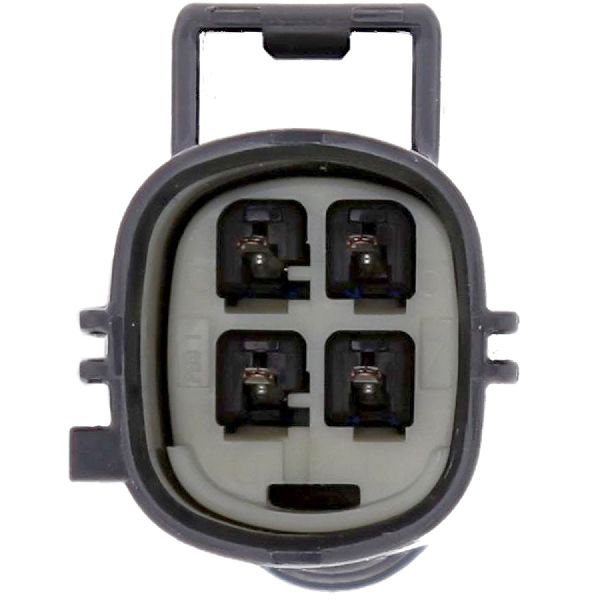
How to confirm: After checking fuses and wiring, disconnect the sensor and measure the resistance across the two heater circuit pins with a multimeter. An open circuit (OL) or a reading outside the manufacturer's specification (a healthy sensor is often cited as being between 5-15 ohms) confirms a bad sensor.
Typical fix: Replace the Bank 2, Sensor 3 oxygen sensor.
Est. part cost: $70-$250 - Outdated Powertrain Control Module (PCM) Software 🟡 Medium Probability → Shop Engine Control Module (ECM) Jaguar released Service Action H231 specifically for 2013-2015 XF models (among others) to address erroneous oxygen sensor fault codes. The fix is a software update. TSB JTB00392NAS1 also cites a software error as the cause for a group of HO2S codes including P0061.
How to confirm: A Jaguar dealer or a qualified independent shop with access to Jaguar's TOPIx system can check your vehicle's VIN to see if Service Action H231 is outstanding.
Typical fix: Update the PCM software. This should be investigated before replacing parts, as the TSB states the new software will prevent further concerns.
Est. part cost: $0-$250 - Damaged Wiring or Connector ⚪ Low Probability The sensor wiring is routed under the vehicle and is exposed to heat, moisture, and road debris, which can cause corrosion or physical damage over time. Wires can also be damaged by contact with hot exhaust components.
How to confirm: Visually inspect the entire wiring harness from the sensor to the main loom. Check the connector for corrosion, bent/broken pins, or a loose connection. Perform a voltage drop test on the power and ground wires.
Typical fix: Repair the damaged section of wire or clean/replace the connector.
Est. part cost: $10-$50 - Blown Fuse for Heater Circuit ⚪ Low Probability
How to confirm: Consult the owner's manual or a fuse diagram for your specific model year to locate the fuse for the oxygen sensor heaters. On some Jaguar S-Types, this was fuse #14 (10A) in the engine bay fuse box. Remove the fuse and test it for continuity with a multimeter.
Typical fix: Replace the blown fuse. If the new fuse blows immediately, it indicates a short circuit in the wiring or the sensor itself that must be found.
Est. part cost: $1-$5
Rare But Worth Checking
- Faulty Powertrain Control Module (PCM): → Shop Engine Control Module (ECM) This is extremely rare. The PCM's internal driver for the heater circuit can fail, but this should only be considered after all other possibilities, including the software update, have been thoroughly ruled out.
Diagnosis Steps
- Connect an OBD-II scanner to confirm P0061 is the active code and check for any other related codes.
- Crucial Step: Contact a Jaguar dealer or specialist to determine if your vehicle's VIN is affected by Service Action H231. If the update is outstanding, have the PCM software updated before proceeding with any hardware replacement.
- Visually inspect the Bank 2, Sensor 3 oxygen sensor, its connector, and wiring. Bank 2 is the driver's side on a US-market (LHD) XF. Sensor 3 is the rearmost (post-catalyst) sensor on that exhaust bank. Look for any signs of melting, corrosion, or physical damage.
- Locate and check the fuse for the oxygen sensor heater circuit. This may be in the engine compartment fuse box. Replace if blown.
- If the fuse and wiring are intact, disconnect the sensor. Use a multimeter set to Ohms to measure the resistance between the two heater pins on the sensor side of the connector. A reading outside of the 5-15 Ohm range (especially an open loop 'OL' or 0 ohms) indicates a failed sensor.
- If sensor resistance is good, turn the ignition on (engine off) and use a multimeter to check for 12V power and a good ground on the vehicle's harness connector.
- If power and ground are present and the sensor's resistance is good, the issue may be intermittent or, in rare cases, a fault with the PCM.
Parts You'll Likely Need
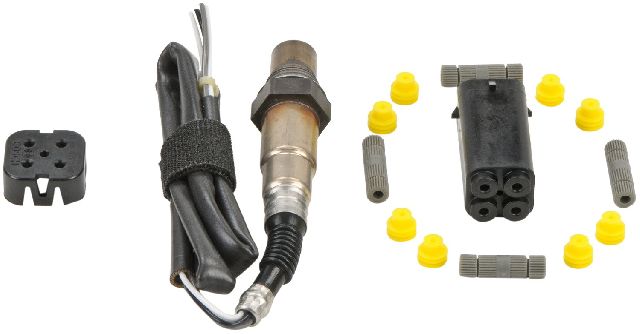
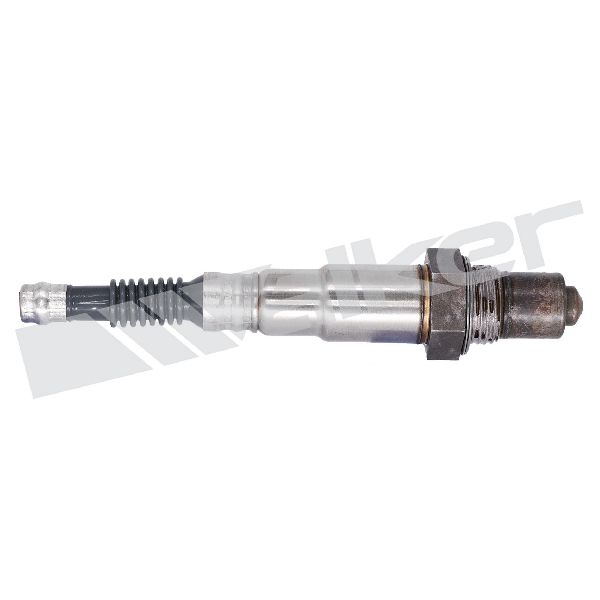
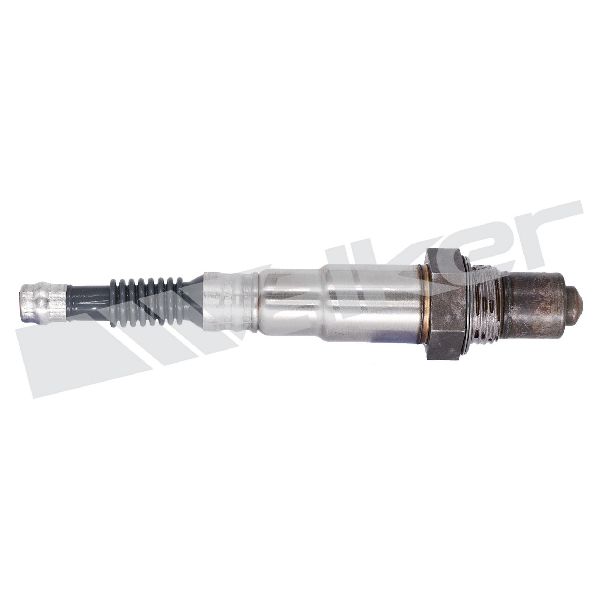
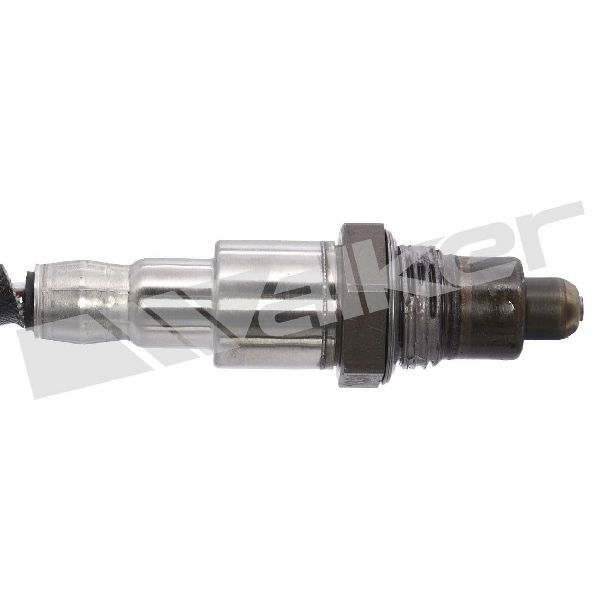
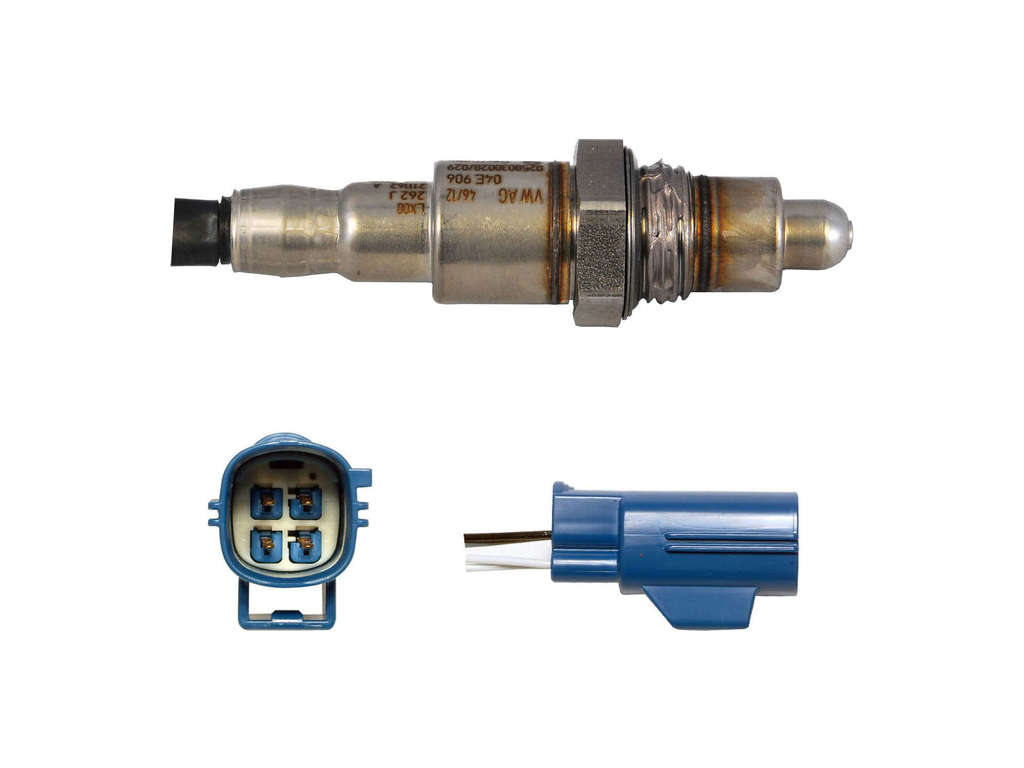
- Heated Oxygen Sensor (Bank 2, Sensor 3)
(OEM #C2D23703 (Superseded by C2D54167, T2R54607))— The internal heater element is the most common failure point for code P0061. Due to known part quality issues on related platforms, replacing the sensor is the most frequent repair.
Trusted brands: Bosch, Denso, NGK
OEM price range: $150-$250
Aftermarket price range: $70-$150
Related Codes That Often Appear With This One
- P0042, P0043, P0044, P0060, P0062, P0063, P0064 — These are all codes related to the heater circuits of other oxygen sensors on the vehicle. The user-provided TSBs JTB-00392-NAS-3 and JTB00392NAS1 group these codes together, suggesting a common diagnostic procedure or potential for related failures due to a software error.
- P0162 — This is a generic fault code for the same sensor (O2 Sensor Circuit Malfunction Bank 2 Sensor 3). A Jaguar owner on JaguarForums.com reported seeing P0061 and P0162 together, which were resolved by a dealer repair targeting the O2 sensor.
Technical Service Bulletins (TSBs) & Recalls
- H231 / H231NAS: A Service Action, not just a TSB. Instructs dealers to update the Powertrain Control Module (PCM) software on affected 2013-2015 XF, 2014-2016 F-Type, and 2013-2016 XJ models to resolve erroneous O2 sensor DTCs. No parts are required for this action.
- JTB-00392-NAS-3: Lists P0061 in a large group of HO2S codes and states the cause may be a software error. The fix is to replace the failed sensor (if a code is present) and then update the PCM software to prevent future issues.
- JTB00392NAS1: An earlier version of the same bulletin, also listing P0061 and citing a software error.
Platform-Specific Known Issues
- A Technical Service Bulletin (H231) exists for 2013-2015 models, which may resolve this fault code with a PCM software update instead of a part replacement.
- TSBs JTB-00392-NAS-3 and JTB00392NAS1 list P0061 among a large group of oxygen sensor codes, indicating this is a known problem area for Jaguar, potentially caused by a software error.
- Some owners have reported that Jaguar Land Rover North America extended the warranty for O2 sensors on certain models due to known premature failures. It is worth inquiring with a dealer about potential coverage.
Mechanic-Grade Diagnostic Values
- O2 Sensor Heater Circuit Resistance — expected: Approximately 5-10 Ω at 20°C (68°F). Some sources suggest a range of 5-7 Ω is typical for these sensors.. Failure: An open circuit (infinite resistance, 'OL' on multimeter) or a short circuit (0 ohms) indicates a failed heater element. Readings significantly outside the 5-10 Ω range also point to a faulty sensor.
- Voltage Supply to Heater Circuit Connector — expected: 11-14 Volts (Battery Voltage) with key on, engine off (KOEO).. Failure: 0 Volts indicates a blown fuse or a break in the power supply wire. Voltage significantly below battery voltage can indicate high resistance in the circuit.
- Voltage Drop Test on Heater Circuit — expected: Less than 0.5 Volts.. Failure: A reading above 0.5 Volts indicates excessive resistance in the wiring or connectors, which can trigger the code even if the sensor itself is good.
Scan Tool Commands That Help
- Jaguar SDD (Symptom Driven Diagnostics): Configure existing module - Powertrain control module — This function is used to update the PCM software as instructed by TSB JTB-00392-NAS-3. This should be performed after replacing a sensor confirmed to be faulty, or as the primary fix if Service Action H231 is outstanding, to prevent the code from recurring due to software errors.
- Jaguar SDD (Symptom Driven Diagnostics): Vehicle Reset — After completing a repair, such as replacing the sensor or updating the PCM, a 'vehicle reset' should be performed to clear adaptations and ensure all modules recognize the new state of the system.
Wiring & Ground Locations
- Engine Compartment Ground Studs — There are two main ground posts on the firewall in the engine bay, one on each side approximately level with the wiper grille.. A poor engine ground can cause a variety of electrical issues and fault codes, including incorrect readings from sensors. Ensuring these main grounds are clean and tight is a fundamental step in diagnosing any electrical fault.
- G1D120 — Located on the right rear of the engine compartment (for 2.0L Turbo models, but locations are often shared across engine bays).. This is a designated ground point within the engine compartment harness. While not exclusively for the O2 sensor, a fault at this ground could impact multiple engine management components.
- G1D108 — Located behind the right front wheel arch liner.. This ground point is referenced in multiple engine performance wiring diagrams and serves various components. Corrosion or damage in this exposed area can lead to intermittent electrical faults.
Real Owner Repair Stories
- JaguarForums.com user Stuart S (2013 Jaguar XJ 5.0LSC with 47,000 miles) — Check Engine Light on, codes P0162 and P0061, black soot inside exhaust tips, drop in MPG.
❌ Tried (didn't work) Initially suspected a bad gas cap and cleared the codes, but they returned within a week.
✅ What actually fixed it The dealer replaced the faulty oxygen sensor (Bank 2, Sensor 3). The final part number used was T2R54607. The owner noted an extended warranty for O2 sensors existed but their vehicle was just outside the eligibility based on its in-service date. The final repair cost at the dealer was $698.18.
OEM Part Supersession History
C2D23703→C2D54167, then T2R54607— Standard part evolution for improved reliability or manufacturing changes. The existence of multiple supersessions supports the notion that the original parts may have had a higher failure rate.
Heads up: The latest part number, T2R54607, is the correct replacement for the earlier versions for this application. Using old stock (C2D23703) is not advisable.
Model Year Variations Within This Range
- 2013-2015: A recall was issued for some 2013-2015 models with the 2.0L turbocharged petrol engine for an idler pulley bolt that could fracture, leading to loss of the water pump and power steering. While not directly related to P0061, it highlights a specific issue within this year range for a particular engine.
- 2013-2015: The primary variation for this code is software-related. TSB JTB-00392-NAS-3 and Service Action H231 specifically call out these model years for a PCM software update to correct erroneous HO2S codes. This implies the monitoring strategy or thresholds were changed in software during this period.
Helpful Videos


We Have This Part in Stock

The information in this article is provided for general reference and educational purposes only. Vehicle specifications, procedures, and part compatibility can vary by production date, trim level, and region. Always consult your vehicle's factory service manual and verify part numbers before purchasing or performing repairs. Safety-critical components such as airbags, seat belts, and braking systems should be installed by a qualified professional.
- Jaguar XF:
- 🧭 Diagnostic Flowchart
- 🎬 Helpful Videos
- 🛍️ Shop This Part
- What's Unique About the 2013-2015 Jaguar XF
- Symptoms You May Notice
- Most Likely Causes
- Rare But Worth Checking
- Diagnosis Steps
- Parts You'll Likely Need
- Related Codes That Often Appear With This One
- Technical Service Bulletins (TSBs) & Recalls
- Platform-Specific Known Issues
- Mechanic-Grade Diagnostic Values
- Scan Tool Commands That Help
- Wiring & Ground Locations
- Real Owner Repair Stories
- OEM Part Supersession History
- Model Year Variations Within This Range
- 🎟️ Get 5% Off