

P0061 on 2014-2016 Land Rover LR4: HO2S Heater Resistance Causes and Fixes
This code indicates a fault with the heater circuit in the Bank 2, Sensor 3 oxygen sensor. On the 2014-2016 LR4, this is almost always caused by a faulty sensor due to a known parts quality issue acknowledged by Land Rover in TSBs. Replacing the rearmost, driver's-side oxygen sensor is the most common fix. The correct OEM part number is LR035751.
- P0061 on a 2014-2016 LR4 specifically refers to the heater in the driver's side, rearmost oxygen sensor (Sensor 3).
- The most probable cause is a failed oxygen sensor itself due to a known manufacturing quality issue acknowledged by Land Rover in multiple TSBs.
- Before buying parts, check the relevant fuse. However, expect to replace the sensor (OEM part LR035751).
- The correct part is Bank 2, Sensor 3. Ensure you are replacing the correct sensor to avoid wasted time and money.
- After replacing the sensor, it may be advisable to have a dealer check for and apply any related PCM software updates to prevent recurrence.
What's Unique About the 2014-2016 Land Rover LR4
The 2014-2016 Land Rover LR4, with its 3.0L Supercharged V6, uses a complex exhaust system with three oxygen sensors per bank, which is more than many other vehicles. The "Sensor 3" designation is specific and correct for this model. Furthermore, Land Rover has issued multiple Technical Service Bulletins (TSBs), including SSM72556, that explicitly state this code is likely caused by a "parts quality issue," making sensor failure the primary and most probable cause. Another TSB, LTB00671NAS3, suggests the failure may be caused by thermal shock when water contacts the hot sensor element. This makes sensor failure more likely than on other vehicles where wiring might be a more common culprit.
Diagnostic Flowchart
Tap your situation to follow the diagnostic path that matches what you're seeing on this vehicle.
Symptoms You May Notice
- Check Engine Light is illuminated
- Vehicle will fail an emissions test
- Potentially a slight decrease in fuel economy
- Possible black smoke from exhaust on cold starts
- Replacing the wrong oxygen sensor (e.g., Sensor 1 or 2, or the sensor on Bank 1). It is critical to identify and replace Bank 2, Sensor 3 specifically, which is the rearmost sensor on the driver's side.
- Using an incompatible aftermarket sensor. Some owners report that codes returned immediately after using non-OEM parts, suggesting the PCM is sensitive to the specific resistance values of the genuine Land Rover or OEM-equivalent (e.g., Denso) sensor.
Most Likely Causes
- Failed Heated Oxygen Sensor (Bank 2, Sensor 3) 🔴 High Probability → Shop Oxygen Sensor Land Rover TSB #SSM72556 directly cites a "parts quality issue" with these sensors, making internal failure of the heater element the most common reason for this code. TSB #LTB00671NAS3 also notes that failure can be caused by 'thermal shock' when water contacts the hot sensor. Forum users with 2016 LR4s report needing multiple O2 sensor replacements at low mileage.
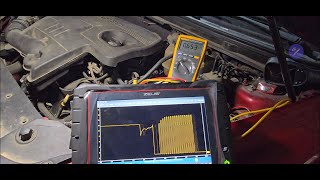
How to confirm: Disconnect the sensor and measure the resistance between the two heater circuit pins using a multimeter. 🎬 See how to test the resistance of your O2 heater. A healthy sensor should have a cold resistance between 5-10 Ohms. An open circuit (infinite resistance) or a value far outside this range confirms a failed heater element.
Typical fix: Replace the Bank 2, Sensor 3 oxygen sensor. This requires a 22mm O2 sensor socket. 🎬 Watch: This DIY walkthrough shows how to replace the sensor. After replacement, TSB LTB00671NAS3 recommends a PCM software update, especially on 2014-2015 models, to prevent future issues.
Est. part cost: $70-$250 - Damaged Wiring or Connector ⚪ Low Probability The sensor and its wiring are located under the vehicle and are exposed to road debris, water, and exhaust heat, which can cause damage over time. However, TSB #SSM72448 explicitly notes that diagnosis often reveals no fault with the wiring, pointing back to the sensor itself.
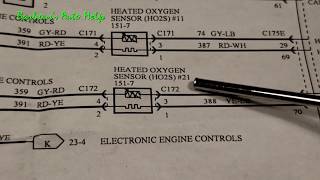
How to confirm: Visually inspect the wiring harness and connector leading to the sensor for any signs of melting, chafing, corrosion, or broken wires. Check for battery voltage (approx. 12V) and a good ground at the vehicle-side of the connector with the ignition on. 🎬 Watch: A guide on testing oxygen sensor heater circuits.
Typical fix: Repair the damaged section of the wiring harness or clean/replace the connector. Spliced repairs must be made with crimp connectors, not solder.
Est. part cost: $10-$50 - Blown Fuse for Heater Circuit ⚪ Low Probability While possible, it's less common because the heater circuits are often controlled directly by the PCM. A shorted sensor or wiring can cause the fuse to blow as a protective measure.
How to confirm: Locate and test the fuse for the oxygen sensor heater circuits in the engine bay fuse box. A visual inspection is not enough; test with a multimeter. Check your owner's manual for the specific fuse location, which may be F11 or F14.
Typical fix: Replace the blown fuse. If it blows again, a short circuit exists in the wiring or the sensor itself that must be diagnosed.
Est. part cost: $1-$5
Rare But Worth Checking
- Faulty Powertrain Control Module (PCM): → Shop Engine Control Module (ECM) This is extremely rare. The PCM should only be considered after all other possibilities, including the sensor, wiring, and fuses, have been exhaustively tested and ruled out. TSB LTB00662 and LTB00671NAS3 did involve a PCM software update for 2014 models to address falsely triggered O2 sensor codes, so ensuring the software is current is a valid step before replacing the module.
Diagnosis Steps
- Confirm the presence of the P0061 code using an OBD-II scanner.
- Check the fuse box for a blown fuse related to the O2 sensor heater circuit. Refer to the owner's manual for fuse locations, possibly F11 or F14 in the engine bay fuse box.
- Safely raise the vehicle (off-road height can provide extra clearance) and locate the Bank 2, Sensor 3 oxygen sensor. It will be on the driver's side (US-spec), the rearmost sensor in the exhaust system, after the catalytic converter.
- Visually inspect the sensor's wiring harness and connector for any obvious damage like melting, chafing, or corrosion.
- Disconnect the sensor's electrical connector. Using a multimeter set to Ohms (Ω), measure the resistance across the two heater pins on the sensor itself. A reading between 5-10 Ohms is expected when cold. A reading of infinite resistance (open) or close to zero (short) indicates a faulty sensor.
- If the sensor resistance is within spec, check for battery voltage (approx. 12V) and a good ground at the vehicle-side harness connector with the ignition on.
- If power or ground is missing, trace the wiring back to the fuse box/PCM to find the break or short.
- If the sensor, wiring, and fuse are all good, consider having a dealer check if a PCM software update is available per TSB LTB00671NAS3 or LTB00662 before condemning the PCM itself.
- If all else fails, the fault may lie with the PCM, but this is highly unlikely.
Parts You'll Likely Need
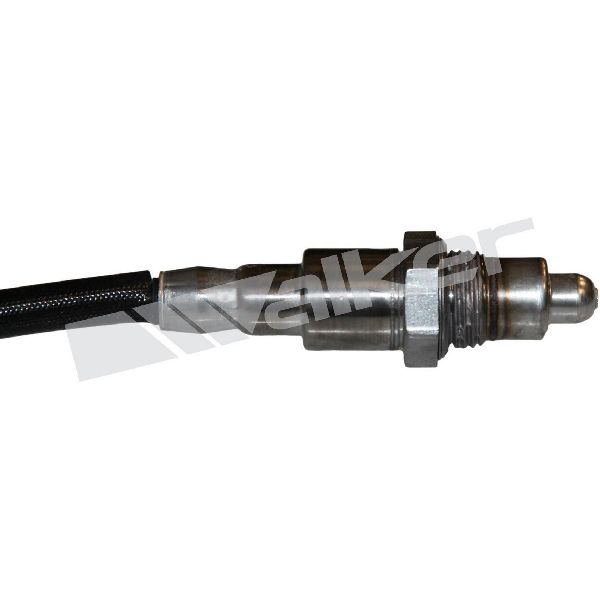
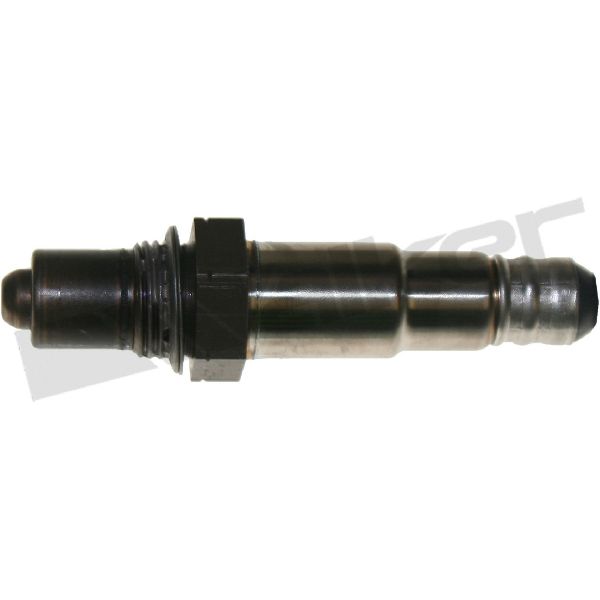
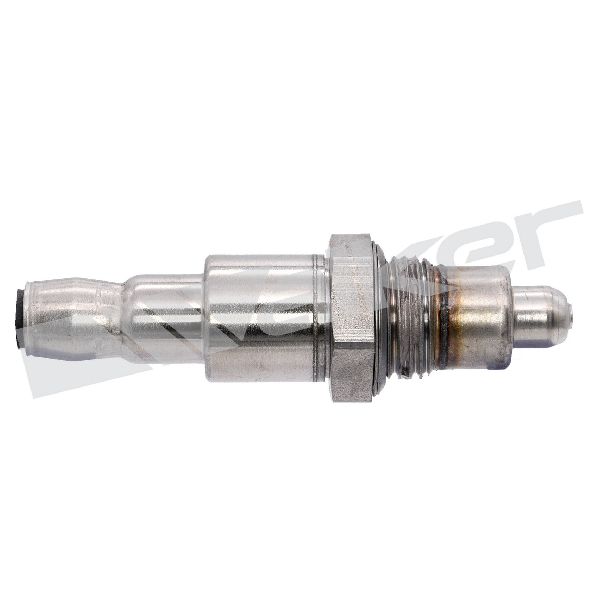
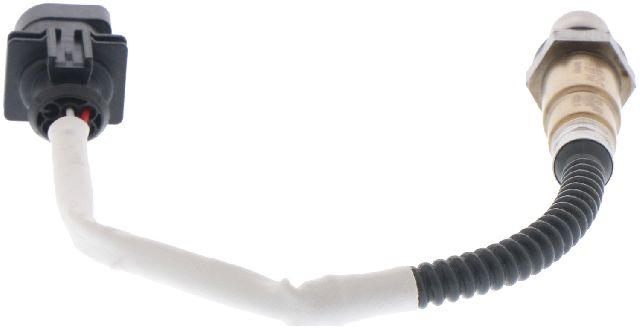
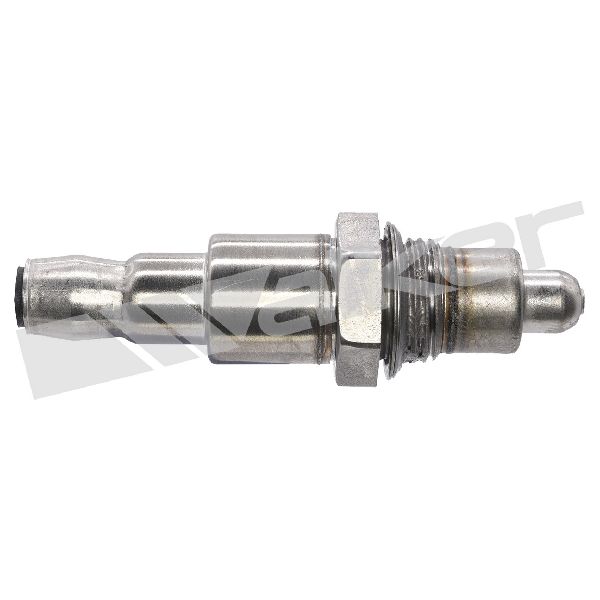
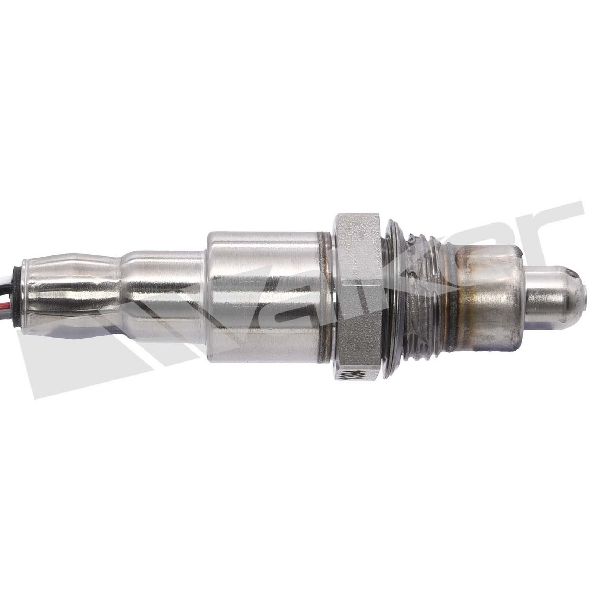
- Heated Oxygen Sensor (Bank 2, Sensor 3)
(OEM #LR035751)— This is the most common failure item for code P0061 on this vehicle, as confirmed by Land Rover TSBs citing a 'parts quality issue'.
Trusted brands: Bosch, Denso, Walker
OEM price range: $380-$460
Aftermarket price range: $70-$250
Related Codes That Often Appear With This One
- P0055 — This is the identical code for the other bank: 'HO2S Heater Resistance (Bank 1, Sensor 3)'. TSB #SSM72556 lists both codes together, suggesting the sensors on both banks may fail similarly due to the same parts quality issue.
- P0162, P0163, P0164, P0167 — These are other diagnostic trouble codes related to the Bank 2, Sensor 3 oxygen sensor's performance and circuit. TSB #LTB00671NAS3 groups them with P0061, indicating a common failure mode.
- P0062 — This code, for 'HO2S Heater Control Circuit Low (Bank 2, Sensor 3)', is also linked to the same known manufacturing defects in TSBs SSM63157 and SSM72556.
Technical Service Bulletins (TSBs) & Recalls
- SSM72556: Notes that P0061 is likely caused by a 'parts quality issue' and lists it alongside P0055 (the same fault on the opposite bank).
- LTB00671NAS3: Groups P0061 with a long list of other post-catalyst oxygen sensor codes, suggesting a common failure pattern potentially caused by thermal shock. Recommends replacing the affected sensor and updating PCM software.
- SSM72448: Mentions that for a group of O2 sensor codes including P0061, diagnosis often reveals no fault with the wiring or connector, pointing back to the sensor itself as the likely culprit.
- LTB00662: For 2014 models, a PCM software update was released to address several erroneously-triggered oxygen sensor fault codes, including P0061.
Platform-Specific Known Issues
- A known 'parts quality issue' with the Sensor 3 oxygen sensors leads to a high failure rate of the internal heater element, as documented in TSB #SSM72556.
- A broad range of oxygen sensor codes, including P0061, are addressed in TSB #LTB00671NAS3, which suggests the cause may be 'thermal shock when water contacts the heated sensing element'. The fix involves replacing the sensor and updating the PCM software.
- TSB #SSM72448 mentions that for a group of O2 sensor codes including P0061, diagnosis often reveals no fault with the wiring or connector, pointing back to the sensor itself as the likely culprit.
Mechanic-Grade Diagnostic Values
- O2 Sensor Heater Element Resistance — expected: 5-10 Ohms when cold. Some sources cite a specific target of 9 Ohms for a new Bosch sensor.. Failure: An open circuit (infinite resistance) or a reading significantly outside the 5-10 Ohm range.
- Heater Circuit Voltage at Connector — expected: Approximately 12V (battery voltage) on the power supply pin with ignition on, engine off.. Failure: No voltage indicates a problem with the fuse or wiring upstream of the sensor.
Hidden / Shadow Codes Worth Checking
- P0061-00: The '-00' suffix is a JLR-specific sub-code. In this context, it means 'No Sub Type Information'. This indicates a general component failure (the heater resistance is out of spec) rather than a more specific circuit fault like 'circuit low' or 'circuit high'. (see via JLR SDD/Pathfinder or advanced professional scan tools.)
Scan Tool Commands That Help
- JLR SDD (Symptom Driven Diagnostics): Configure existing module - Powertrain control module — After replacing the faulty oxygen sensor, as recommended by TSB LTB00671NAS3. This function updates the PCM software to prevent the code from recurring, suggesting the original software logic was overly sensitive. A battery power supply must be connected during this procedure.
- JLR SDD (Symptom Driven Diagnostics): Clear all stored diagnostic trouble codes — After completing the repair and any necessary software updates to clear the fault from the PCM's memory.
Wiring & Ground Locations
- O2 Sensor Heater Power — Power is supplied to the heater circuit via a fuse in the engine compartment fuse box, potentially F11 or F14.. A blown fuse will cut power to the heater, causing a P0061 code. If the fuse blows repeatedly, it indicates a short circuit in the wiring or the sensor itself.
- O2 Sensor Heater Ground — The ground for the heater circuit is typically controlled (pulsed) by the Powertrain Control Module (PCM) to regulate temperature.. A break in the ground wire between the sensor connector and the PCM will prevent the heater from working and set this code.
- Main ECU/ECM Grounds — A key ground point affecting the ECM is located in the left footwell, behind the trim panel.. While a general ground issue is unlikely to cause only this specific code, a poor ECM ground can cause a wide range of erratic sensor-related faults. This should be checked if multiple, seemingly unrelated codes are present.
Real Owner Repair Stories
- Reddit user on r/RangeRover (2016 Range Rover V8 SC (shares engine architecture and similar issues)) — Check Engine Light with code P0061.
❌ Tried (didn't work) Replacing both downstream O2 sensors with aftermarket (NGK) parts.
✅ What actually fixed it The P0061 code (and P0055 for the other bank) returned immediately after replacement. The user's experience implies that the vehicle is sensitive to the specific resistance of the OEM sensors and that genuine Land Rover or OEM-equivalent (Denso) parts are required for a successful repair.
OEM Part Supersession History
LR062826, LR098287→LR140073— This supersession chain applies to the Range Rover Sport, which uses a similar sensor. While LR035751 is the specified part for the LR4, it's important to note that JLR frequently updates these sensor part numbers. Always verify the latest part number with a dealer using the vehicle's VIN.
Heads up: Using an older, superseded part number or an aftermarket part that doesn't meet the precise OEM resistance specifications can cause the P0061 code to return immediately after installation.
Model Year Variations Within This Range
- 2014: A specific PCM software update was released in June 2014 to address erroneously triggered O2 sensor codes, including P0061. TSB LTB00662 and a related technical update mention this calibration for 14MY vehicles.
- 2014-2015: TSB LTB00671NAS3 specifically calls for a PCM software update after sensor replacement on these model years, indicating the original software was particularly sensitive.
Helpful Videos
We Have This Part in Stock

The information in this article is provided for general reference and educational purposes only. Vehicle specifications, procedures, and part compatibility can vary by production date, trim level, and region. Always consult your vehicle's factory service manual and verify part numbers before purchasing or performing repairs. Safety-critical components such as airbags, seat belts, and braking systems should be installed by a qualified professional.
- Land Rover LR4:
- 🧭 Diagnostic Flowchart
- 🎬 Helpful Videos
- 🛍️ Shop This Part
- What's Unique About the 2014-2016 Land Rover LR4
- Symptoms You May Notice
- Most Likely Causes
- Rare But Worth Checking
- Diagnosis Steps
- Parts You'll Likely Need
- Related Codes That Often Appear With This One
- Technical Service Bulletins (TSBs) & Recalls
- Platform-Specific Known Issues
- Mechanic-Grade Diagnostic Values
- Hidden / Shadow Codes Worth Checking
- Scan Tool Commands That Help
- Wiring & Ground Locations
- Real Owner Repair Stories
- OEM Part Supersession History
- Model Year Variations Within This Range
- 🎟️ Get 5% Off