

P0062 on 2014-2016 Land Rover LR4: HO2S Heater Circuit Causes and Fixes
On a 2014-2016 LR4, P0062 almost always means the Bank 2, Sensor 3 oxygen sensor has failed due to a known manufacturing defect. The fix is to replace the sensor, located on the driver's side exhaust pipe after the catalytic converter. The most common OEM part number is LR098290 (often a Bosch sensor), which supersedes several previous numbers.
- P0062 on a 2014-2016 LR4 points directly to the heater circuit in the oxygen sensor on the driver's side, after the catalytic converter.
- The most probable cause is a failed sensor due to a known manufacturing defect acknowledged by Land Rover TSBs and an extended warranty.
- Diagnosis involves checking the sensor's heater resistance with a multimeter; replacement is the usual fix.
- The correct replacement part is typically OEM part number LR098290 (a Bosch sensor), and removal may require heat and specialized tools due to seizing.
What's Unique About the 2014-2016 Land Rover LR4
For this specific generation of Land Rover with the 3.0L V6, code P0062 is very frequently caused by a faulty oxygen sensor itself, not wiring or other issues. Land Rover issued multiple Technical Service Bulletins (TSBs) acknowledging a high failure rate for these post-catalyst sensors due to supplier manufacturing defects. TSB SSM72556 specifically identifies a parts quality issue as the likely cause when no wiring faults are found. Jaguar Land Rover also offered an extended warranty (15 years / 150,000 miles) for these sensors on many affected models, further acknowledging the widespread problem. This makes a failed sensor a much higher probability than on other vehicles where wiring or fuse issues might be more common.
Diagnostic Flowchart
Tap your situation to follow the diagnostic path that matches what you're seeing on this vehicle.
Symptoms You May Notice
- Check Engine Light (Malfunction Indicator Lamp) is on
- Vehicle will fail an emissions test
- Slightly reduced fuel economy
- Poor cold start performance in some cases.
- Replacing the wrong oxygen sensor (e.g., a pre-catalyst sensor or the sensor on the wrong bank). Always confirm the location of Bank 2 (driver's side in LHD vehicles) and Sensor 3 (post-catalytic converter) before replacement.
- Assuming the catalytic converter is bad. A faulty post-cat O2 sensor can give readings that mimic a failing converter.
Most Likely Causes
- Faulty Heated Oxygen Sensor (Bank 2, Sensor 3) 🔴 High Probability → Shop Oxygen Sensor Multiple Land Rover TSBs (SSM72556, LTB00671NAS3) confirm a high failure rate for these sensors due to a supplier manufacturing defect. TSB SSM72556 explicitly points to a "parts quality issue" and directs replacement of the sensor if wiring is intact. An extended warranty was also issued for this part.
How to confirm: Disconnect the sensor and test the resistance across the two heater circuit pins (usually the two same-colored wires). A reading outside the typical 5-20 ohm range or an open circuit (infinite resistance) confirms the heater element has failed. A multimeter beep test for continuity can also be used; no beep indicates a broken circuit. 🎬 Watch: How to troubleshoot the P0062 heater control circuit code.
Typical fix: Replace the Bank 2, Sensor 3 oxygen sensor. The sensor can often be seized in the exhaust and may require penetrating oil (like PB Blaster), heat from a torch, and a specialized 22mm (or 7/8") O2 sensor socket for removal. Applying anti-seize compound to the threads of the new sensor is recommended.
Est. part cost: $48-$180 - Damaged Wiring or Connector ⚪ Low Probability The sensor's wiring runs near the exhaust and driveshaft, making it somewhat susceptible to heat damage, chafing, or corrosion. Water intrusion into the connector has also been noted as a potential cause. The plastic connector clip can become brittle and break during diagnosis.
How to confirm: Visually inspect the wiring harness from the sensor to the main connector for any signs of melting, chafing, or broken wires. Check the connector for corrosion, moisture, or pushed-out pins. Ensure the connector is securely latched.
Typical fix: Repair the damaged section of wire or clean/replace the connector. If the locking tab on the connector breaks, a zip tie can be used to secure it temporarily.
Est. part cost: $5-$50 - Blown Fuse for O2 Heater Circuit ⚪ Low Probability
How to confirm: While some vehicles have a dedicated fuse for the O2 sensor heaters in the engine bay or passenger compartment fuse box, many modern Land Rovers do not. The heater circuit is often powered and monitored directly by the PCM. If a fuse exists (check owner's manual or fuse box diagram), inspect it.
Typical fix: Replace the blown fuse. If it blows again immediately, a short circuit exists in the sensor or wiring that must be diagnosed.
Est. part cost: $1-$5
Rare But Worth Checking
- Faulty Powertrain Control Module (PCM): → Shop Engine Control Module (ECM) This is extremely rare. The PCM's internal driver for the heater circuit can fail, but all other possibilities should be exhausted before considering PCM replacement. In some cases, a PCM software update was required to correctly interpret sensor data, as noted in a technical update from Land Rover for 2014 models.
Diagnosis Steps
- Confirm P0062 is the active code using an OBD-II scanner.
- Raise the vehicle safely. The air suspension can be set to 'Off-Road Height' for better access, though driving onto blocks may provide more working room.
- Locate the Bank 2, Sensor 3 oxygen sensor. It is on the driver's side (LHD) exhaust pipe, after the rearmost catalytic converter, roughly under the driver's seat area.
- Visually inspect the sensor's wiring harness and connector for obvious damage like melting, chafing, or corrosion. Be gentle with the plastic connector clip, which can be brittle.
- If wiring looks good, and if your vehicle has one, check the fuse for the O2 sensor heater circuit. On many JLR vehicles of this era, the circuit is powered directly by the PCM without a separate fuse.
- If the fuse (if present) is good, disconnect the sensor. Using a multimeter set to Ohms, measure the resistance across the two heater pins on the sensor itself (typically the two wires of the same color). A reading of infinite resistance (open) or a value far from the 5-20 ohm specification indicates a failed sensor.
- If sensor resistance is good, check for 12V power and a solid ground at the vehicle-side of the connector with the ignition on. Lack of power or ground points to a wiring or PCM issue.
Parts You'll Likely Need
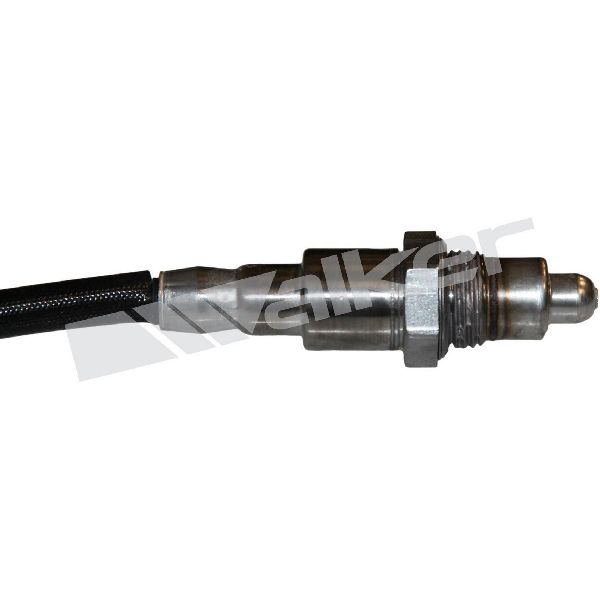
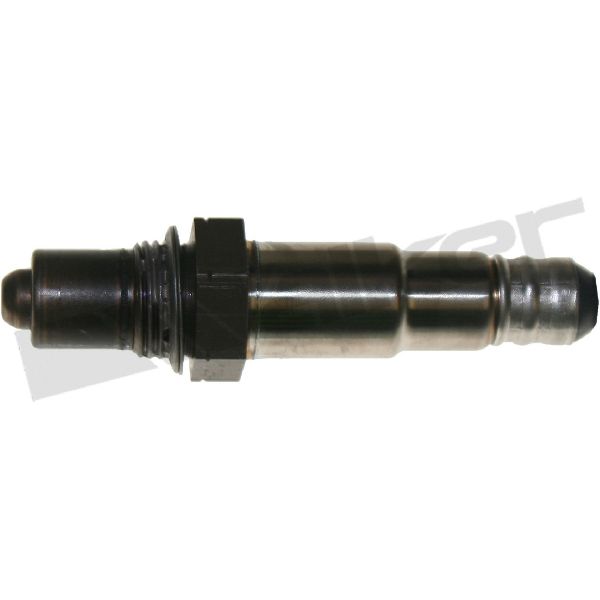
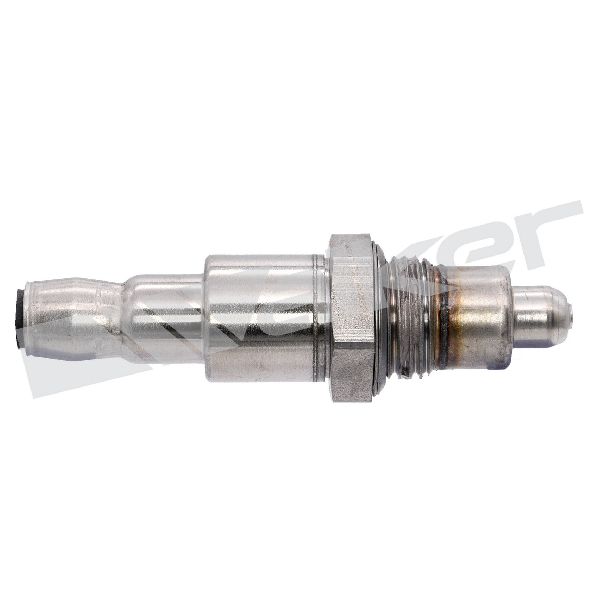
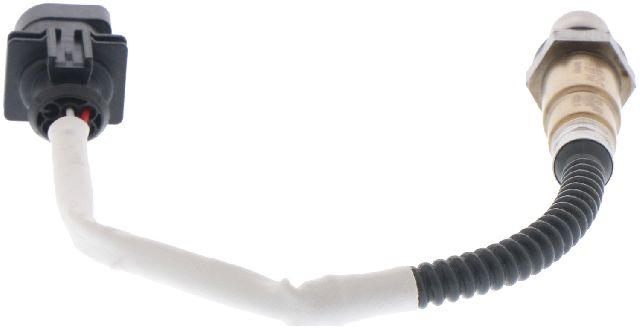
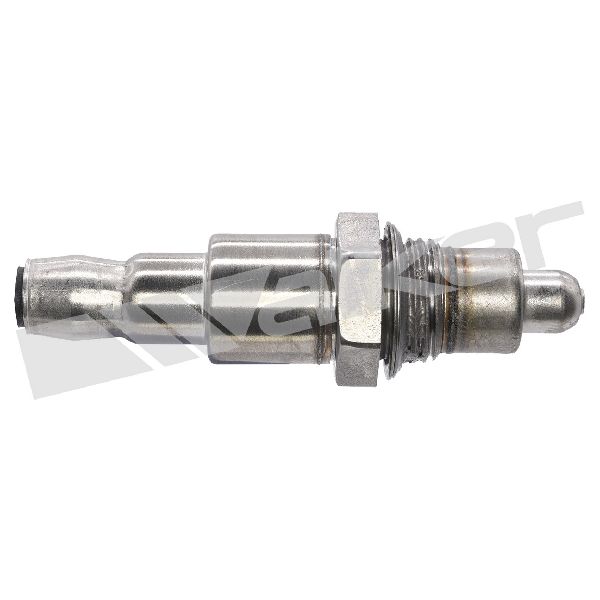
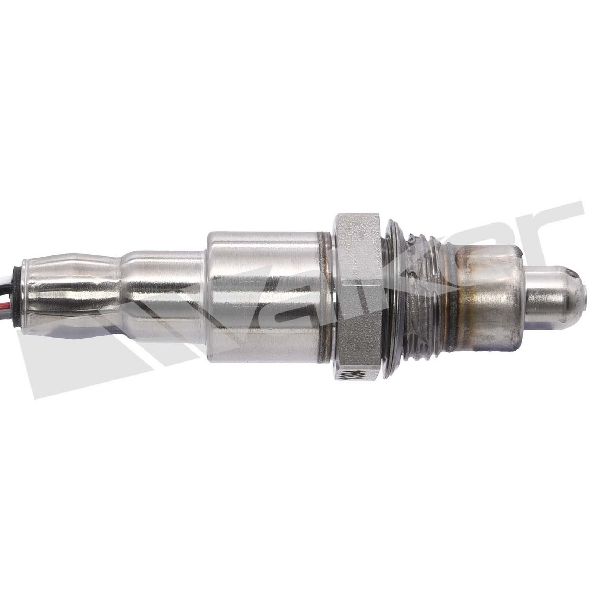
- Heated Oxygen Sensor (Bank 2, Sensor 3)
(OEM #LR098290)— This is the component that fails most often for this code on this vehicle, as acknowledged by manufacturer TSBs. Bosch is the original equipment manufacturer.
Trusted brands: Bosch (OEM), Denso, NTK, Walker
OEM price range: $150-$280
Aftermarket price range: $48-$120
Related Codes That Often Appear With This One
- P0042 — This code is for the Bank 1, Sensor 3 heater circuit. Both post-catalyst sensors are mentioned in the same TSBs and are prone to the same manufacturing defect, so they may fail around the same time.
- P0061 — This is a related code for the Bank 2, Sensor 3 heater resistance. It points to the same component and underlying issue and is listed in TSB SSM72556.
- P0162 — This is a general malfunction code for the Bank 2, Sensor 3 circuit, often appearing alongside the more specific heater circuit code P0062 as they relate to the same sensor and are listed together in TSB SSM72556.
Technical Service Bulletins (TSBs) & Recalls
- SSM72556: Mentions P0062-00 HO2S HEATER CONTROL CIRCUIT (BANK 2, SENSOR 3) as a known fault, suggests a parts quality issue, and advises replacing the sensor if wiring is okay.
- LTB00671NAS3: Groups P0062 with other codes relevant to post-catalyst heated oxygen sensors, citing thermal shock as a potential cause.
- SSM72448: Suggests the fault is often the sensor itself when wiring and connectors appear undamaged.
- LTB00662: Notes that a PCM software update may be required for the 3.0L V6 to address various O2 sensor fault codes. This was mentioned in a 2014 technical update, with a new calibration planned for release.
Platform-Specific Known Issues
- TSB SSM72556 and LTB00671NAS3 specifically call out P0062 and other related codes, indicating a known issue with post-catalyst heated oxygen sensors that often requires sensor replacement.
- TSB SSM72448 notes that in many cases of O2 sensor codes, no fault is found with the wiring, pointing again to the sensor itself as the root cause.
- An extended warranty was issued by Jaguar Land Rover for O2 sensors on vehicles with the 3.0L V6 engine for 15 years / 150,000 miles, covering this exact failure.
- The sensor is notoriously difficult to remove due to seizing in the exhaust bung. Owners frequently report needing to use a torch to heat the bung and a long breaker bar with a 22mm O2 sensor socket to break it loose.
Mechanic-Grade Diagnostic Values
- O2 Sensor Heater Element Resistance — expected: 5 to 20 Ohms. Some sources cite a tighter range of 6-20 Ohms, while a real-world test on a similar sensor showed 2.8 Ohms.. Failure: An open circuit (OL or infinite resistance) or a reading significantly outside the expected range.
- Voltage at Heater Circuit Connector (Harness Side, Key On) — expected: Approximately 12V (Battery Voltage).. Failure: Low or no voltage suggests a problem with the power supply, fuse, or wiring.
- Ground Control Signal at Heater Circuit Connector — expected: The PCM controls the heater by providing a pulsing ground signal.. Failure: No ground signal or a constant ground can indicate a wiring fault or a failed PCM driver.
Hidden / Shadow Codes Worth Checking
- P0062-00: The '-00' suffix on Land Rover codes, as seen in TSB SSM72556, means 'No sub type information'. This indicates a general fault with the component or circuit described by the main code, without pointing to a more specific failure mode like 'circuit high' or 'circuit low'. (see via This is typically visible on dealer-level diagnostic tools like SDD or Pathfinder, as well as some advanced aftermarket scanners.)
Scan Tool Commands That Help
- Land Rover SDD / Pathfinder: Heated Oxygen Sensor (HO2S) active test or component activation. — After verifying wiring integrity, a technician can use the diagnostic tool to command the heater circuit on and off. This directly tests the PCM's ability to control the circuit and can help differentiate between a wiring/sensor issue and a faulty PCM driver without extensive manual probing.
- Land Rover SDD / Pathfinder: Configure new module - Engine Control Module — As per TSB LTB00671NAS3, a PCM software update may be required to prevent false codes. This function is used to load the new calibration file onto the PCM after a sensor replacement to ensure the module has the latest logic for interpreting sensor data.
Wiring & Ground Locations
- Engine Compartment Fuse Box — Located in the engine bay.. On some models, a fuse (potentially labeled F2) provides the 12V power supply to the O2 sensor heater circuits. If this fuse is blown, multiple sensor heaters will lose power.
- ECM Connector C0635, Pin 7 — At the Engine Control Module (ECM).. This is the specific pin the ECM uses to provide the switched ground for the Bank 2 downstream O2 sensor heater. A break in the wire from this pin to the sensor, or a fault at the pin itself, would directly cause P0062.
- Main Chassis Ground Points — Various locations, including the right inner fender behind the battery and in the left/right footwells behind trim panels.. While the O2 sensor heater has a dedicated ground control wire back to the PCM, the PCM itself relies on clean chassis grounds. A poor main ground can cause floating voltages and unpredictable electrical behavior, though it would likely trigger multiple, seemingly unrelated fault codes, not just P0062.
OEM Part Supersession History
LR035748→LR098290— Standard part update for improved reliability or supplier change.LR098290→LR136928— This is the latest official Land Rover part number for this sensor.
Model Year Variations Within This Range
- 2014: A Land Rover technical update from May 2014 specifically mentioned that a new PCM calibration would be available in June 2014 to address P0062 and other O2 sensor codes on 2014 MY LR4, Range Rover, and Range Rover Sport vehicles. This suggests early 2014 models may be more prone to setting these codes due to software sensitivity, and a PCM update is a potential fix.
Helpful Videos
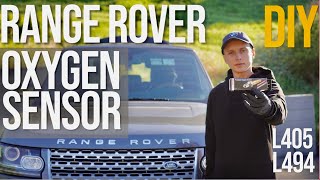
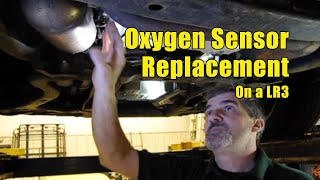
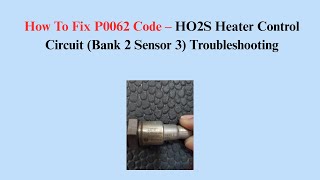
We Have This Part in Stock

The information in this article is provided for general reference and educational purposes only. Vehicle specifications, procedures, and part compatibility can vary by production date, trim level, and region. Always consult your vehicle's factory service manual and verify part numbers before purchasing or performing repairs. Safety-critical components such as airbags, seat belts, and braking systems should be installed by a qualified professional.
- Land Rover LR4:
- 🧭 Diagnostic Flowchart
- 🎬 Helpful Videos
- 🛍️ Shop This Part
- What's Unique About the 2014-2016 Land Rover LR4
- Symptoms You May Notice
- Most Likely Causes
- Rare But Worth Checking
- Diagnosis Steps
- Parts You'll Likely Need
- Related Codes That Often Appear With This One
- Technical Service Bulletins (TSBs) & Recalls
- Platform-Specific Known Issues
- Mechanic-Grade Diagnostic Values
- Hidden / Shadow Codes Worth Checking
- Scan Tool Commands That Help
- Wiring & Ground Locations
- OEM Part Supersession History
- Model Year Variations Within This Range
- 🎟️ Get 5% Off