

P0063 on 2014-2016 Jaguar F-TYPE: HO2S Heater Circuit Low Fixes
This code almost always means the Bank 2, Sensor 3 oxygen sensor has failed. This is the rearmost sensor on the driver's side of the vehicle (LHD). The fix is to replace the sensor, which costs about $70-$150 for an aftermarket part or $200-$300 for an OEM part. It's a manageable DIY job for those with an O2 sensor socket and the ability to work under the car safely.
- P0063 on a 2014-2016 F-TYPE points to a problem with the heater in the rearmost oxygen sensor on the driver's side exhaust.
- The most probable cause is a failed oxygen sensor, not a wiring problem. This is supported by Jaguar's own service bulletins and numerous owner accounts.
- You can continue to drive the car, but you will fail emissions and should get it fixed to restore fuel economy and prevent potential long-term damage to the catalytic converter.
- Verify the correct OEM part number for your specific vehicle (AWD vs. RWD) before purchasing a replacement sensor.
What's Unique About the 2014-2016 Jaguar F-TYPE
On the Jaguar F-TYPE, both the V6 and V8 engines have a total of six oxygen sensors—three on each bank. Bank 2 is the driver's side (left side in North America), and Sensor 3 is the final sensor in the exhaust stream, located after the catalytic converter. While wiring issues can cause this code on many vehicles, Jaguar Land Rover issued Technical Service Bulletins (TSBs) for this era that point to a high failure rate of the oxygen sensor itself, often making it the primary suspect. [SSM72477, JTB-00392-NAS-3] The 'pops and bangs' exhaust note on these cars is also theorized by owners to contribute to premature catalytic converter and O2 sensor failure due to unburnt fuel igniting in the exhaust.
Diagnostic Flowchart
Tap your situation to follow the diagnostic path that matches what you're seeing on this vehicle.
Symptoms You May Notice
- Check Engine Light is on
- Failed emissions test
- Slightly reduced fuel economy, especially during short trips
- In rare cases, a rough idle or hesitation during acceleration
- Replacing the wrong sensor. The F-TYPE has six O2 sensors, so it's crucial to correctly identify Bank 2 (driver's side) and Sensor 3 (rearmost, post-catalytic converter).
- Replacing the sensor when the actual fault is a damaged wire or corroded connector pin. A thorough visual inspection of the harness is critical.
- Purchasing the incorrect part number. AWD and RWD models can have different sensors. For example, for a 2016 F-Type R AWD, the correct part for Bank 2 Sensor 3 is T2R7732, while a part for a RWD model may not fit.
Most Likely Causes
- Failed Heated Oxygen Sensor (Bank 2, Sensor 3) 🔴 High Probability → Shop Oxygen Sensor Multiple manufacturer TSBs (SSM72477, JTB-00392-NAS-3) identify a high rate of HO2S failures on this platform, suggesting the sensor itself is the most common point of failure rather than wiring. The internal heater element burns out.
How to confirm: Disconnect the sensor and measure the resistance across the two heater circuit pins (usually the two same-colored wires). A reading that is infinite (Open Loop) or far outside the typical 3-15 ohm range indicates a failed heater element.
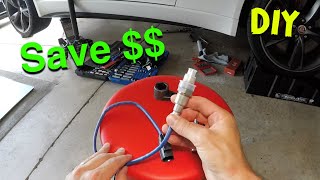
Typical fix: Replace the Bank 2, Sensor 3 oxygen sensor. This is located on the driver's side, in the exhaust pipe after the catalytic converter, near where the mid-pipe connects. 🎬 Watch: This DIY guide shows you how to replace the sensor.
Est. part cost: $70-$300 - Wiring or Connector Damage ⚪ Low Probability The wiring harness is routed near hot exhaust components and the transmission, making it susceptible to melting or chafing over time, though less common than sensor failure.
How to confirm: Visually inspect the wiring harness leading to the sensor for any signs of melting, chafing, or corrosion. With the key on and engine off, use a multimeter to check for 12V power and a good ground at the connector.
Typical fix: Repair the damaged section of the wiring harness or clean/replace the connector.
Est. part cost: $5-$50 - Blown Fuse for Heater Circuit ⚪ Low Probability
How to confirm: Consult the vehicle's owner's manual or online diagrams to locate the fuse box and the specific fuse for the O2 sensor heaters. On the F-Type, the relevant fuses are typically in the engine compartment fuse box on the left side. Check fuse F11 (20A) for the left-side oxygen sensors.
Typical fix: Replace the blown fuse. If it blows again immediately, it indicates a short circuit in the wiring or the sensor itself that must be found.
Est. part cost: $1-$5
Rare But Worth Checking
- Powertrain Control Module (PCM) Fault: This is extremely rare. The PCM's internal driver for the heater circuit can fail, but this should only be considered after all other possibilities (sensor, wiring, fuses) have been exhaustively ruled out.
Diagnosis Steps
- Read the code with an OBD-II scanner to confirm P0063 is present and check for any other related codes.
- Locate the fuse for the oxygen sensor heater circuits in the engine compartment fuse box (left side) and verify fuse F11 (20A) is not blown.
- Safely raise the vehicle and locate the Bank 2, Sensor 3 oxygen sensor. It is on the driver's side (LHD) exhaust pipe, after the catalytic converter, near the mid-pipe connection. A 22mm offset oxygen sensor socket 🎬 Watch: A mechanic demonstrates the replacement process on an F-Type. will be required for removal.
- Visually inspect the sensor's wiring harness and connector for any signs of damage, such as melting from contact with the exhaust, chafing, or corrosion in the connector pins.
- If the wiring appears intact, disconnect the sensor. With the ignition on (engine off), use a multimeter to test for 12-volt power and a good ground on the vehicle-side of the connector.
- If power and ground are present, test the sensor itself. Set a multimeter to measure resistance (Ohms) and probe the two heater pins on the sensor's connector (often same color). A reading of infinity (open circuit) or a value outside the 3-15 Ohm range confirms the internal heater has failed. 🎬 See this video for a step-by-step P0063 diagnostic walkthrough.
- If the sensor tests good but power/ground is missing at the connector, trace the wiring back towards the PCM to find the break or short.
- After replacing the faulty component (most often the sensor), clear the code with the scanner and perform a drive cycle to ensure the code does not return.
Parts You'll Likely Need
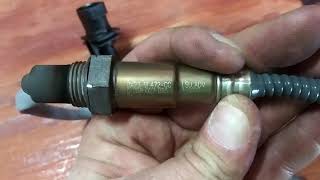
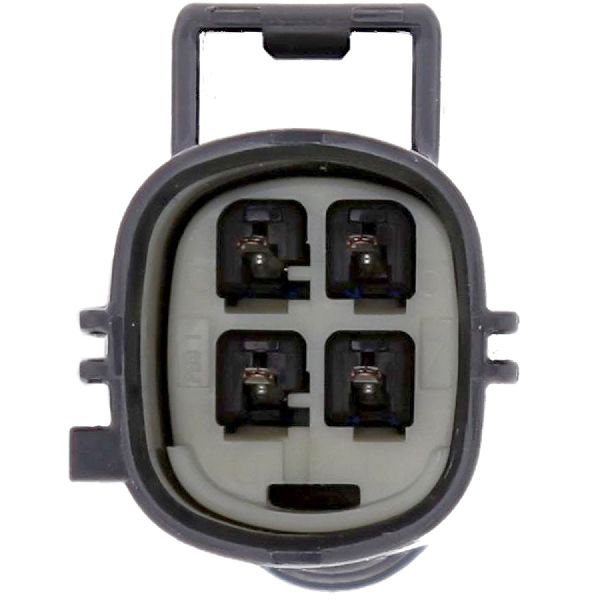
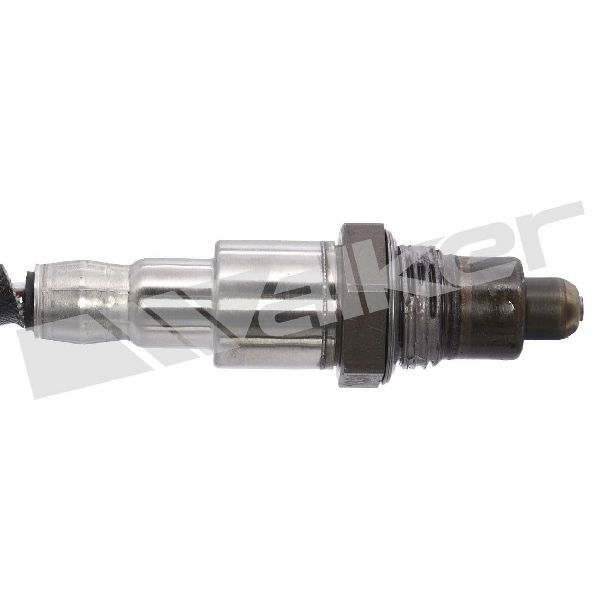
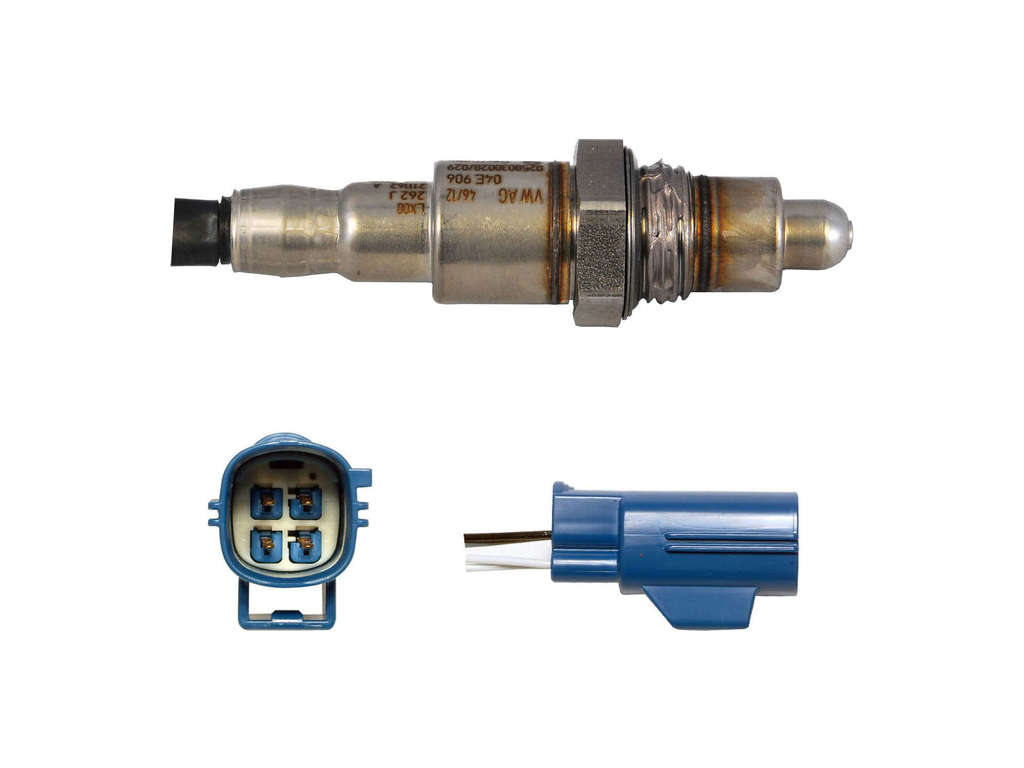
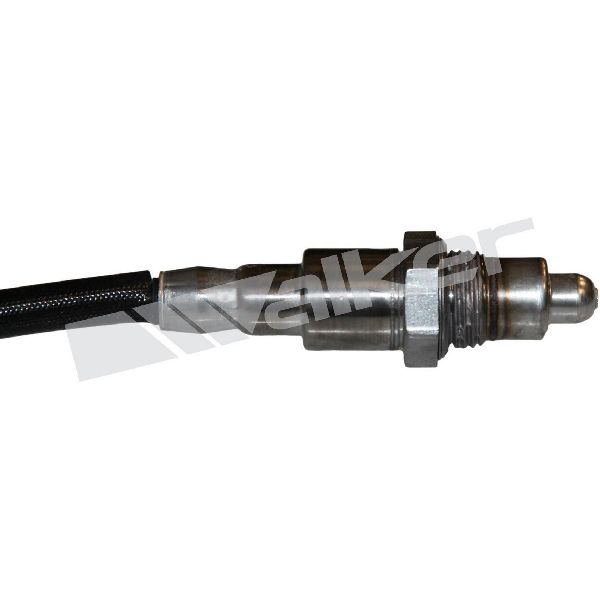
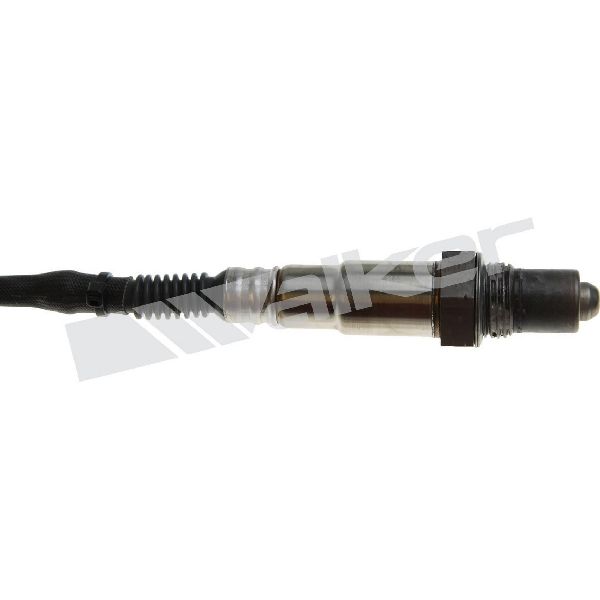
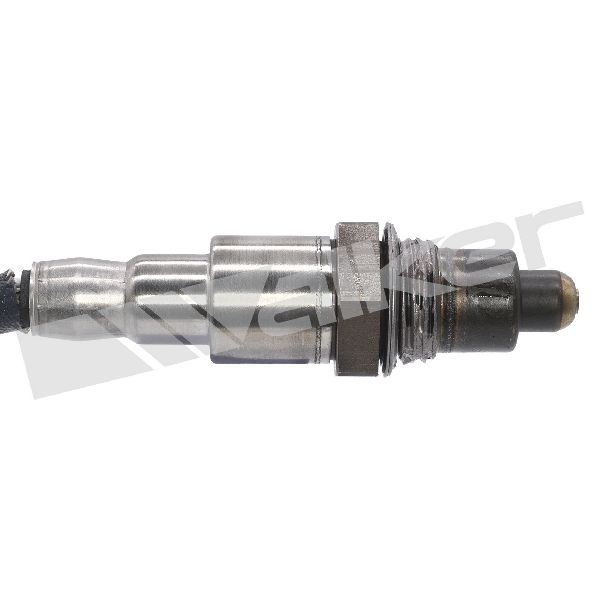
- Heated Oxygen Sensor (Bank 2, Sensor 3)
(OEM #T2R7732 (AWD models))— This is the most common cause of P0063 on this vehicle, as supported by TSBs. The internal heater element fails, triggering the 'low circuit' fault. Note that part numbers can vary between RWD/AWD models. T2R7732 is confirmed for AWD. It has been superseded by T2R57039.
Trusted brands: Bosch (often the OEM supplier), Denso, NTK
OEM price range: $230-$300
Aftermarket price range: $70-$150
Related Codes That Often Appear With This One
- P0062 — This code is for 'HO2S Heater Control Circuit (Bank 2 Sensor 3)', a general malfunction, while P0063 specifically indicates a 'Low' circuit condition. They point to the same sensor and similar underlying issues.
- P0042 — This is the equivalent code for Bank 1, Sensor 3. Seeing both codes together could suggest a common issue like a shared fuse or a batch of faulty sensors.
- P0162 / P0163 / P0164 — These are other diagnostic codes related to the Bank 2, Sensor 3 oxygen sensor circuit (Malfunction, Low Input, High Input). They often appear with or are related to the same root cause as P0063.
Technical Service Bulletins (TSBs) & Recalls
- SSM72477: Groups P0063 with other HO2S codes and suggests the sensor is the likely failure point over wiring.
- JTB-00392-NAS-3: Lists P0063 in a large group of HO2S codes for which a service action was created.
- JTB00392NAS1: An earlier version of the above TSB, also including P0063.
- H231: A service action to update PCM software to address O2 sensor-related DTCs, though primarily for performance codes rather than heater circuit faults.
Platform-Specific Known Issues
- Jaguar issued Technical Service Bulletin #SSM72477 which groups P0063 with many other oxygen sensor codes, noting that upon diagnosis, the fault is often found to be with the sensor itself and not the wiring. [SSM72477]
- TSB #JTB-00392-NAS-3 also lists P0063 among a wide array of HO2S codes related to pre- and post-catalyst sensors, indicating a known pattern of issues with the emissions sensor system. [JTB-00392-NAS-3]
- Service Action H231 was issued for some F-TYPEs, involving a PCM software update to address O2 sensor performance-related DTCs. While not a direct fix for a failed heater, it shows JLR was actively addressing emissions sensor complaints.
Mechanic-Grade Diagnostic Values
- HO2S Heater Element Resistance — expected: Between 2 and 30 Ohms, with many Bosch-type sensors falling in the 5-15 Ohm range.. Failure: A reading of infinity (OL - Open Loop) or zero Ohms (short circuit) indicates a failed heater element.
- Voltage at Heater Circuit Connector (Vehicle Side) — expected: Approximately 12V (Battery Voltage) on the power supply pin with Key On, Engine Off.. Failure: Significantly less than 12V or no voltage indicates a problem with the wiring, fuse, or PCM, not the sensor itself.
Hidden / Shadow Codes Worth Checking
- Mode $06, TID:$81: Mode $06 provides access to non-continuous monitor test results. Test ID (TID) $81 often corresponds to the O2 sensor heater monitor. While specific Component IDs (CID) for Jaguar are not readily published, a failure in a test under this TID can point towards a heater circuit issue before a full DTC is set. (see via Advanced OBD-II scanner capable of displaying Mode $06 data, such as the Torque Pro app or professional-grade scan tools.)
Scan Tool Commands That Help
- Jaguar SDD / Pathfinder: Actuation Test / Active Diagnostic for HO2S Heater — This is a definitive, mechanic-grade test to confirm if the PCM can control the heater circuit. The tool can command the heater 'On' and 'Off', allowing the technician to monitor the voltage and current draw in real-time to see if the circuit is functioning correctly. This can isolate a faulty PCM driver from a wiring or sensor issue.
Wiring & Ground Locations
- Engine Control Module (ECM) — Located in the left rear of the engine compartment.. The ECM provides the power and control for the HO2S heater circuit. All wiring for the sensor ultimately terminates here.
- HO2S Bank 2 Sensor 3 Connector — On the driver's side (LHD), near the transmission, where the mid-pipe connects to the catalytic converter downpipe. The connector is typically clipped to the transmission housing or a nearby bracket.. This is the primary point for testing both the sensor-side (resistance) and vehicle-side (voltage/ground) of the circuit.
- Engine/Transmission Ground Strap — A large, braided stainless steel strap connecting the engine/transmission assembly to the vehicle chassis, often visible from underneath the car on the passenger side.. While multiple ground points exist, a poor main engine ground can cause a host of electrical issues and floating voltages, potentially affecting sensor readings and control circuits. Ensuring this primary ground is clean and tight is a crucial step in diagnosing any unusual electrical fault.
Real Owner Repair Stories
- JaguarForums.com user (2016 F-Type R AWD) — Check Engine Light with code P0063.
❌ Tried (didn't work) Initially purchased the wrong part (Denso DE-C2D54167), which was for a RWD model and did not fit.
✅ What actually fixed it Replacing the Bank 2, Sensor 3 oxygen sensor with the correct part for the AWD model, which was identified as Jaguar part number T2R7732.
OEM Part Supersession History
T2R7732→T2R57039— Standard part number update by Jaguar Land Rover. Reasons can include minor design revisions, change in supplier, or consolidation of parts. No widespread issues are reported with the original part that would necessitate replacement as a preventative measure.
Heads up: This part number is specific to AWD models. RWD models use a different sensor for the same location. It is critical to verify the part number with the vehicle's VIN.
Helpful Videos

We Have This Part in Stock

The information in this article is provided for general reference and educational purposes only. Vehicle specifications, procedures, and part compatibility can vary by production date, trim level, and region. Always consult your vehicle's factory service manual and verify part numbers before purchasing or performing repairs. Safety-critical components such as airbags, seat belts, and braking systems should be installed by a qualified professional.
- Jaguar F-TYPE:
- 🧭 Diagnostic Flowchart
- 🎬 Helpful Videos
- 🛍️ Shop This Part
- What's Unique About the 2014-2016 Jaguar F-TYPE
- Symptoms You May Notice
- Most Likely Causes
- Rare But Worth Checking
- Diagnosis Steps
- Parts You'll Likely Need
- Related Codes That Often Appear With This One
- Technical Service Bulletins (TSBs) & Recalls
- Platform-Specific Known Issues
- Mechanic-Grade Diagnostic Values
- Hidden / Shadow Codes Worth Checking
- Scan Tool Commands That Help
- Wiring & Ground Locations
- Real Owner Repair Stories
- OEM Part Supersession History
- 🎟️ Get 5% Off