

P0063 on 2013-2016 Jaguar XJ: HO2S Heater Circuit Fixes & Warranty Info
This code points to a fault in the heater circuit of the Bank 2, Sensor 3 oxygen sensor. On 2013-2016 XJ models, this is almost always a failed sensor, which is covered by a special Jaguar extended warranty (Program N5F/N6A) for 15 years/150,000 miles. Contact a Jaguar dealer with your VIN to confirm coverage before paying for any repairs.
- P0063 on a 2013-2016 Jaguar XJ is almost certainly a failed Bank 2, Sensor 3 oxygen sensor.
- **STOP:** Before paying for any repairs, call a Jaguar dealer with your VIN. Your vehicle is likely covered by a 15-year/150,000-mile extended warranty for this exact problem.
- The official fix involves replacing the faulty sensor and may also require a PCM software update to prevent it from happening again.
- If you choose to do the repair yourself, you must test the sensor's internal heater for an open circuit to confirm it has failed before ordering a new part.
What's Unique About the 2013-2016 Jaguar XJ
For this specific generation of Jaguar XJ (and other JLR vehicles with the same engines), the oxygen sensors are a known, widespread failure point. Jaguar acknowledged this by issuing Technical Service Bulletins (TSBs) and a very generous 15-year/150,000-mile extended warranty under program code N5F/N6A. The issue can be caused by 'design or manufacturing variations' in the sensor or a software error, making sensor failure far more common than wiring problems.
Diagnostic Flowchart
Tap your situation to follow the diagnostic path that matches what you're seeing on this vehicle.
Symptoms You May Notice
- Check Engine Light is on
- Failure to pass an emissions test
- Slightly reduced fuel economy
- Black soot on exhaust tips from running rich
- Replacing the oxygen sensor without first checking for extended warranty coverage (Program N5F/N6A), potentially costing the owner hundreds of dollars for a free dealer repair.
- Assuming a wiring fault when TSBs and warranty extensions indicate the sensor itself is the most probable cause of failure on this platform. [SSM72477]
- Replacing the sensor but failing to have the dealer perform the mandatory PCM software update, which can lead to the code returning.
Most Likely Causes
- Failed Heated Oxygen Sensor (Bank 2, Sensor 3) 🔴 High Probability → Shop Oxygen Sensor Jaguar has acknowledged issues with these sensors due to 'design or manufacturing variations' and issued an extended warranty (Program N5F/N6A, 15yr/150k miles) for 2013-2017 XJ models. TSBs also confirm that diagnosis often reveals the sensor itself is the fault, not the wiring. [SSM72477]
How to confirm: The first step is to contact a Jaguar dealer with your VIN to check for extended warranty coverage. For DIY confirmation, disconnect the sensor and measure the resistance across the two heater circuit pins (usually same-colored wires). A healthy sensor should read between 3 and 15 Ohms. An infinite reading (OL) confirms an open circuit, meaning the internal heater has failed and the sensor needs replacement.
Typical fix: Replace the Bank 2, Sensor 3 oxygen sensor. The repair must also include a Powertrain Control Module (PCM) software update, as specified in TSB JTB-00392-NAS-3, to prevent recurrence. This is typically performed by the dealer at no cost under the warranty program.
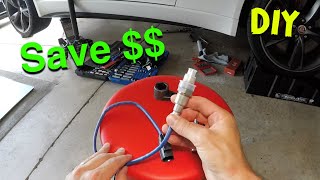
Est. part cost: $70-$180 - Wiring or Connector Issue ⚪ Low Probability While less common for this specific code on this platform, the wiring harness is still routed near hot exhaust components and can be susceptible to damage from heat, abrasion, or road debris. 🎬 Learn how to remove and replace a rusted-on oxygen sensor.
How to confirm: Visually inspect the wiring harness and connector for the Bank 2, Sensor 3 O2 sensor. Look for any signs of melting, chafing, corrosion, or loose pins. A shorted wire can also cause a fuse to blow repeatedly.
Typical fix: Repair the damaged section of the wiring harness or clean/replace the connector.
Est. part cost: $10-$50
Rare But Worth Checking
- Powertrain Control Module (PCM) Software Error or Failure: TSB JTB-00392-NAS-3 notes that a software error can cause this code, which is why a PCM update is a required step of the repair, even after sensor replacement. A complete PCM hardware failure is extremely rare and should only be considered after all other possibilities are exhausted.
- Blown Fuse: The oxygen sensor heater circuits are protected by a fuse, often located in the Engine Junction Box. A shorted sensor or wiring can cause this fuse to blow. If other O2 sensor heater codes are present simultaneously, a blown fuse is a more likely culprit.
Diagnosis Steps
- Check for Warranty Coverage: Before any diagnosis or repair, contact an authorized Jaguar dealer with your Vehicle Identification Number (VIN). Inquire about the 'Oxygen Sensor Extended Warranty Program N5F/N6A' (15 years / 150,000 miles) for your vehicle. This is the most important first step.
- Scan for Codes: Use an OBD-II scanner to confirm P0063 is the active code and note any other codes present. The presence of multiple HO2S heater codes could point to a shared fuse.
- Visual Inspection: Inspect the wiring harness and connector for the Bank 2, Sensor 3 (driver's side, rearmost) oxygen sensor. Look for obvious signs of damage like melted insulation, corrosion, or loose connections.
- Check the Fuse: Locate and inspect the fuse(s) for the oxygen sensor heater circuits, likely in the engine bay fuse box.
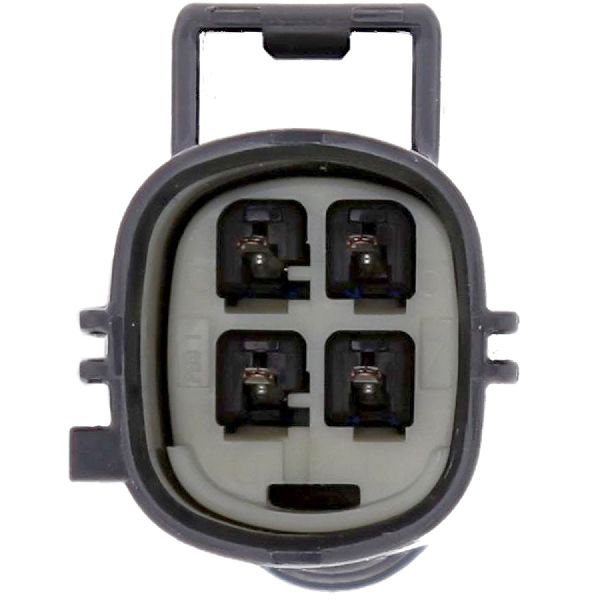
- Test the Sensor Heater Circuit: Disconnect the sensor's electrical connector. Using a multimeter set to Ohms, measure the resistance between the two heater pins on the sensor side. A good sensor will typically read between 3-15 Ohms. A reading of infinite resistance (OL) indicates a failed (open) heater element, and the sensor must be replaced. A reading near zero indicates a short circuit.
- Check for Power and Ground: With the connector still unplugged and the ignition on (engine off), use a multimeter to verify that the vehicle-side harness is supplying power (typically 12V) and has a good ground connection to the appropriate pins. Lack of power points to a fuse or wiring issue upstream.
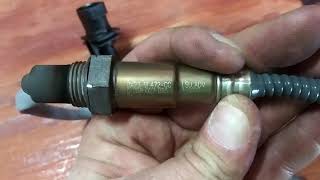
- Replace and Update: If the sensor is faulty, replace it. An O2 sensor socket is recommended for easier removal. 🎬 Watch this DIY walkthrough for replacing a Jaguar oxygen sensor. Per TSB JTB-00392-NAS-3, a PCM software update is also required to prevent future issues. This step must be done by a dealer or a qualified shop with Jaguar-specific tools (like SDD).
Parts You'll Likely Need
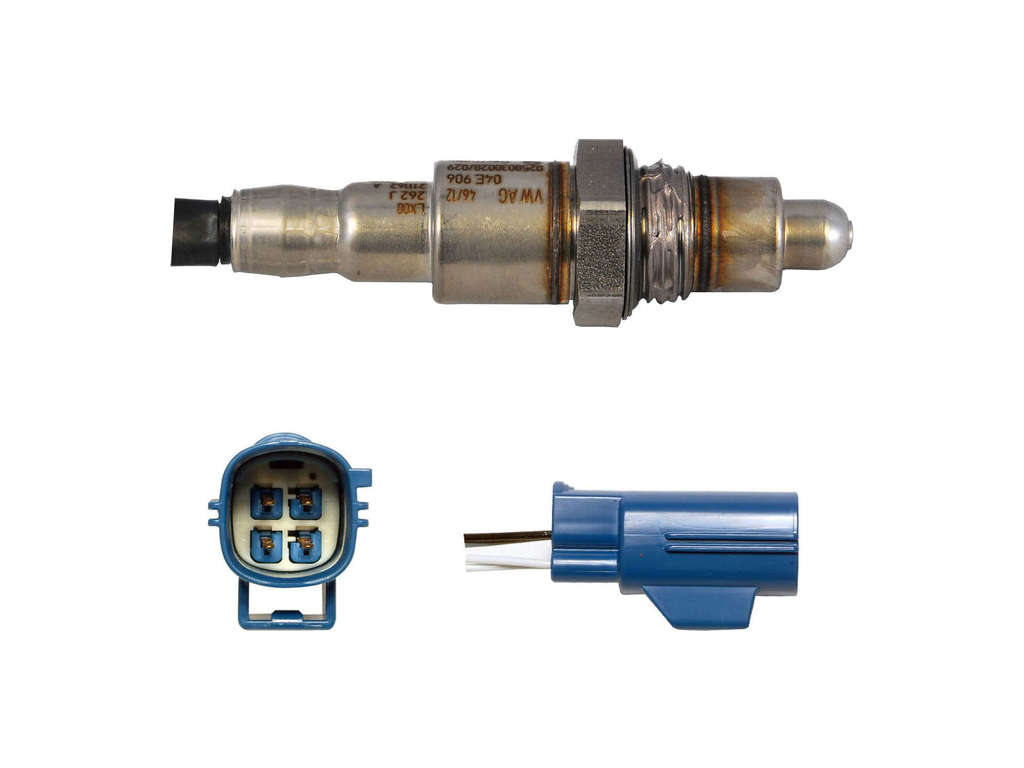
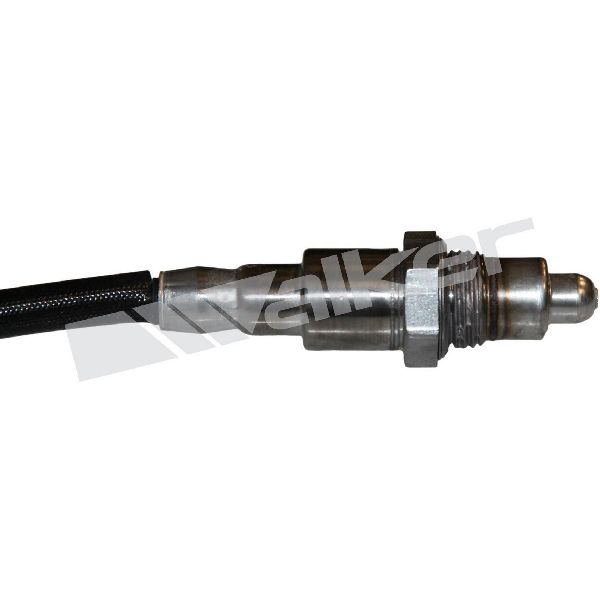
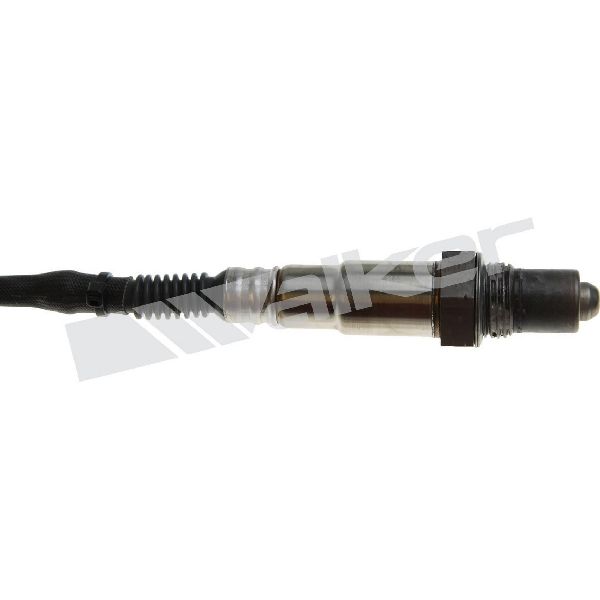
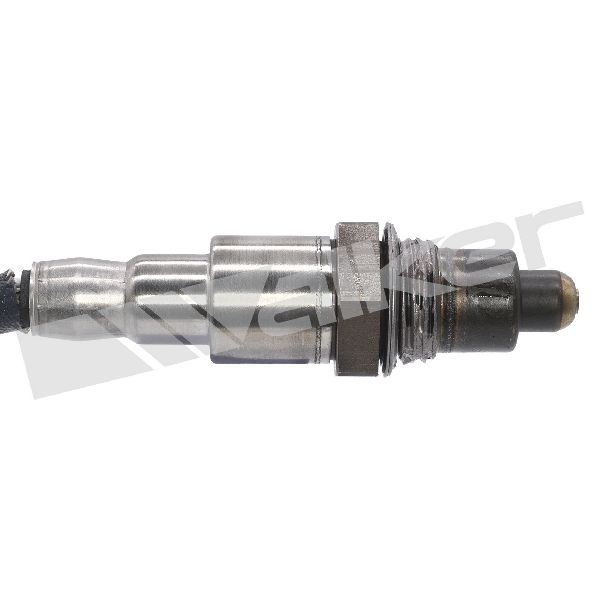
- Heated Oxygen Sensor (Bank 2, Sensor 3)
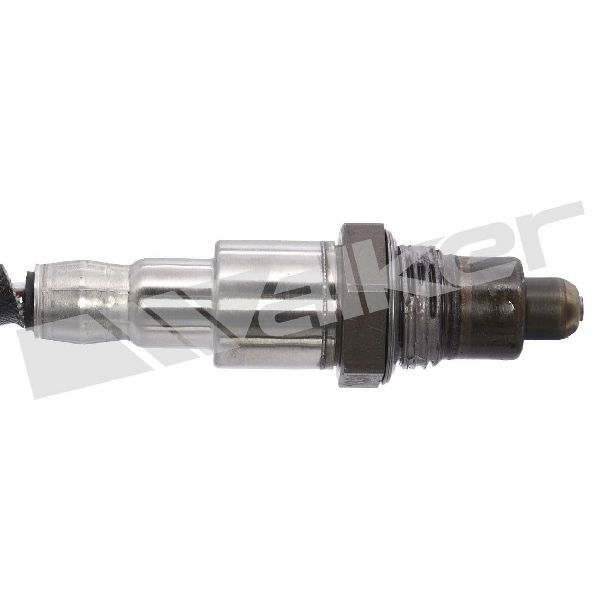
(OEM #C2D39892, T2R7732, C2D24758)— This is the component that fails most often, as acknowledged by Jaguar's TSBs and extended warranty program. [SSM72477, 3] The internal heater element burns out, triggering the code. Part numbers have been superseded; always confirm the correct part with a dealer using your VIN.
Trusted brands: Jaguar (OEM), Bosch, NGK, Denso
OEM price range: $150-$250
Aftermarket price range: $70-$180
Related Codes That Often Appear With This One
- P0062 — This code is for 'HO2S Heater Control Circuit Low (Bank 2 Sensor 2)'. Both P0062 and P0063 are listed in the same Jaguar TSBs, indicating they share a common cause related to sensor or software issues. [JTB-00392-NAS-3]
- P0064 — This code is for 'HO2S Heater Control Circuit High (Bank 2 Sensor 3)'. It relates to the same sensor circuit, just a different fault condition, and is also covered by the same TSBs and warranty. [JTB-00392-NAS-3]
- P0042 — This is the equivalent heater circuit code for Bank 1, Sensor 3. It is common for multiple O2 sensors to fail around the same time on these vehicles, and this code is also covered by the same TSB and warranty program.
Technical Service Bulletins (TSBs) & Recalls
- SSM72477: Notes that upon diagnosis of various HO2S codes including P0063, no fault is typically found with the wiring, pointing to the sensor itself as the failure point.
- JTB-00392-NAS-3: Details the service procedure for a list of HO2S codes, including P0063, caused by a software error. The fix involves replacing the affected sensor and updating the PCM software.
- JTB00392NAS1: An earlier version of the above TSB, also identifying a software error and recommending sensor replacement and a software update.
Platform-Specific Known Issues
- Extended Warranty Program N5F/N6A: Jaguar North America extended the warranty for exhaust system oxygen sensors to 15 years or 150,000 miles for 2013-2017 XJ models with V6 and V8 gasoline engines. This covers diagnosis and replacement at no cost to the owner.
- Software Update Required: TSB JTB-00392-NAS-3 indicates that after replacing the faulty sensor, a PCM software update is mandatory to prevent the issue from recurring. This is due to a potential software error that contributes to the fault, and the repair is not considered complete without it.
- Real-World Repair Story: A user on JaguarForums with a 2013 XJ 5.0L reported receiving similar codes. They contacted their dealer, confirmed coverage under the extended warranty, and had the sensor replaced and PCM updated at no charge. This confirms the warranty program is actively honored.
Mechanic-Grade Diagnostic Values
- Oxygen Sensor Heater Circuit Resistance — expected: 4 to 6 Ohms is a commonly cited range for a healthy sensor heater.. Failure: A reading of infinite resistance (OL) indicates an open circuit (burned out heater). A reading near zero Ohms indicates a short circuit.
- Heater Circuit Voltage (Harness Side) — expected: Approximately 12V (battery voltage) with key on, engine off.. Failure: Significantly less than 12V or 0V indicates a problem with the power supply, such as a blown fuse or wiring issue upstream from the sensor connector.
Scan Tool Commands That Help
- Jaguar SDD (Symptom Driven Diagnostics): Configure existing powertrain control module — This function is mandatory after replacing an oxygen sensor for this fault, as per TSB JTB-00392-NAS-3. It updates the PCM software to prevent the new sensor from failing prematurely due to a software error.
- Jaguar SDD (Symptom Driven Diagnostics): Datalogger - O2 Sensor Signals — To monitor live data from the O2 sensors, including heater current draw. Abnormal current (e.g., in the Amps range when it should be milliamps) can indicate a short or incorrect sensor is installed.
Wiring & Ground Locations
- Engine Ground Points — Key grounds for engine electronics are often located on the engine block itself (e.g., dipstick tube stud on some models), on the firewall/bulkhead, and via braided straps from the engine/transmission to the chassis.. A poor engine ground can cause a variety of electrical issues, including incorrect readings and low voltage faults for sensors like the HO2S. While not a primary cause for this specific code (which is usually the sensor), checking major ground points is good practice if wiring is suspected.
- HO2S Connector (Bank 2, Sensor 3) — The connector for the rearmost O2 sensor on the driver's side (Bank 2) is located on the vehicle's underbody, accessible from underneath the car. The sensor itself is in the exhaust pipe after the catalytic converter.. This is the primary connector to inspect for corrosion, damage, or loose pins. It's also where diagnostic voltage and resistance tests are performed.
Real Owner Repair Stories
- YouTube video from a diagnostic workshop (2014 Jaguar F-Type (shares powertrain and electronics with XJ)) — Check Engine Light with O2 sensor codes.
❌ Tried (didn't work) Initially, the software update was performed as per the TSB, but the fault for a different O2 sensor (Bank 1 Sensor 1) returned immediately, indicating the software was not the sole cause for that specific sensor.
✅ What actually fixed it The video highlights the critical importance of following the TSB. For the post-catalyst sensor codes (like P0063), the TSB indicates a software error is the cause. The technician emphasizes that even if a sensor is bad, the software update is a required part of the procedure to prevent a recurrence. The final fix is replacing the faulty sensor AND performing the 'Configure existing powertrain control module' function with the Jaguar SDD tool.
OEM Part Supersession History
C2D24758→C2D55089, then T2H48049— Standard part evolution for improved reliability and manufacturing changes. The high failure rate of early sensors likely prompted these revisions.
Heads up: While physically similar, it is critical to use the latest superseded part number available from a Jaguar dealer for your specific VIN. Using older stock or an incorrect revision may lead to premature failure, especially if the mandatory PCM software update is not performed.
Helpful Videos

We Have This Part in Stock

The information in this article is provided for general reference and educational purposes only. Vehicle specifications, procedures, and part compatibility can vary by production date, trim level, and region. Always consult your vehicle's factory service manual and verify part numbers before purchasing or performing repairs. Safety-critical components such as airbags, seat belts, and braking systems should be installed by a qualified professional.
- Jaguar XJ:
- 🧭 Diagnostic Flowchart
- 🎬 Helpful Videos
- 🛍️ Shop This Part
- What's Unique About the 2013-2016 Jaguar XJ
- Symptoms You May Notice
- Most Likely Causes
- Rare But Worth Checking
- Diagnosis Steps
- Parts You'll Likely Need
- Related Codes That Often Appear With This One
- Technical Service Bulletins (TSBs) & Recalls
- Platform-Specific Known Issues
- Mechanic-Grade Diagnostic Values
- Scan Tool Commands That Help
- Wiring & Ground Locations
- Real Owner Repair Stories
- OEM Part Supersession History
- 🎟️ Get 5% Off