

P0063 on 2014-2016 Land Rover LR4: HO2S Heater Control Circuit Low Causes and Fixes
On a 2014-2016 LR4, code P0063 almost always indicates a faulty post-catalyst heated oxygen sensor on Bank 2 (driver's side). This is a well-documented issue due to manufacturing defects, and the fix involves replacing the sensor (Part No. LR052425). A powertrain control module (PCM) software update, as specified in Land Rover TSBs, is often required to prevent recurrence. Before paying for repairs, owners should check with a dealer if their VIN is covered under an extended warranty for this spe
- P0063 on a 2014-2016 LR4 points specifically to the heater circuit for the oxygen sensor on the driver's side, after the catalytic converter.
- The most likely cause is a failed oxygen sensor, a known issue for this vehicle.
- A simple sensor replacement may not be a permanent fix; a PCM software update as described in TSB LTB00671NAS3 is often required.
- Before paying for repairs, check with a Land Rover dealer using your VIN to see if your vehicle is covered under an extended warranty for this specific part.
- Do not suspect a wiring problem as the primary cause, as TSBs indicate this is unlikely.
What's Unique About the 2014-2016 Land Rover LR4
For the 2014-2016 LR4 with the 3.0L Supercharged V6 (AJ126 engine), P0063 is a very common and well-documented fault. Land Rover issued multiple Technical Service Bulletins (TSBs), including LTB00671NAS3 and SSM72448, which acknowledge that this code can be triggered by either a faulty sensor or a software error in the engine's computer. One TSB suggests the sensors are prone to failure from thermal shock when water contacts the hot sensing element, while another (SSM63157) cites a 'manufacturing fault at the supplier' causing internal misalignment. The issue is so prevalent that Land Rover issued an extended warranty for these sensors 🎬 Watch: A helpful guide to understanding the P0063 repair process. on many affected vehicles.
Diagnostic Flowchart
Tap your situation to follow the diagnostic path that matches what you're seeing on this vehicle.
Symptoms You May Notice
- Check Engine Light (Malfunction Indicator Lamp, MIL) is illuminated.
- Failure to pass an emissions/smog test.
- Slightly reduced fuel economy.
- Rough idle or hesitation (in rare cases).
- Strong smell of fuel or 'rotten eggs' from the exhaust (in very rare cases, indicating a rich condition that could affect the catalytic converter).
- Replacing the wrong oxygen sensor (e.g., a pre-catalyst sensor or the sensor on Bank 1, the passenger side).
- Replacing the oxygen sensor without checking for the required PCM software update, leading to the code returning.
- Assuming the sensor is bad without checking for a blown fuse or damaged wiring first.
Most Likely Causes
- Faulty Heated Oxygen Sensor (Bank 2, Sensor 3) 🔴 High Probability → Shop Oxygen Sensor Land Rover TSBs (like SSM63157) confirm a manufacturing fault at the supplier, leading to premature failure. The issue is common across multiple JLR vehicles with the 3.0L and 5.0L engines. Forum users frequently report this as the direct cause.
How to confirm: Disconnect the sensor and test the resistance of the heater circuit with a multimeter. An open circuit (OL) or a reading outside the manufacturer's specification (typically 3-15 ohms) confirms a failed heater element. A professional scan tool can also monitor live data to see if the sensor is responding.
Typical fix: Replace the Bank 2, Sensor 3 oxygen sensor. This is the rearmost sensor on the driver's side exhaust pipe. A special 22mm (or 7/8") oxygen sensor socket is often required.
Est. part cost: $50-$180 - Outdated Powertrain Control Module (PCM) Software 🟡 Medium Probability TSB LTB00671NAS3 and its successors explicitly state that a software error can cause this code, making the system overly sensitive. The fix involves reprogramming the PCM with updated software, which is often done alongside sensor replacement to prevent the code from returning.
How to confirm: A Land Rover dealer or a qualified independent shop with access to the Symptom Driven Diagnostics (SDD) or Pathfinder system can check the current software version against the latest available version cited in the TSBs.
Typical fix: Update the PCM software. This is a dealer or specialist-level task. TSBs instruct technicians to replace the faulty sensor AND perform the software update.
Est. part cost: $0 (if part of another service) - $250 - Wiring or Connector Damage ⚪ Low Probability While possible on any vehicle due to proximity to hot exhaust components and road debris, TSB SSM72448 specifically notes that for this group of codes, diagnosis often finds no fault with the wiring or connectors, making it a less likely cause.
How to confirm: Visually inspect the wiring harness and connector for the Bank 2, Sensor 3 for any signs of melting, corrosion, or physical damage. Check for battery voltage at the heater power wire with the key on.
Typical fix: Repair the damaged section of the wiring harness or replace the connector pigtail.
Est. part cost: $15-$50
Rare But Worth Checking
- Blown Fuse: The oxygen sensor heater circuits are often protected by a fuse. While not a common failure point for this specific code, it's a quick and easy check that can save time on diagnosis.
- Faulty PCM: In very rare instances, the driver circuit within the Powertrain Control Module that controls the O2 sensor heater can fail. This is a last resort after the sensor, wiring, and software have all been confirmed to be good. PCM replacement is very expensive.
Diagnosis Steps
- Verify the code P0063 is present using an OBD-II scanner. Note any other codes.
- CRITICAL FIRST STEP: Contact a Land Rover dealer with your VIN. Inquire about any open service actions or extended warranties (e.g., program 'N253') for post-catalyst oxygen sensors. The repair may be covered free of charge.
- If not covered by warranty, locate the correct sensor: Bank 2 is the driver's side in the US, and Sensor 3 is the rearmost sensor, downstream of the catalytic converter.
- Visually inspect the sensor's wiring and connector for obvious damage, melting, or corrosion. Ensure it is properly secured and not touching the exhaust pipe.
- If the wiring appears intact, disconnect the sensor. Use a multimeter set to Ohms to measure the resistance across the two heater pins on the sensor side (often the two same-colored wires). An open circuit (OL) or very high resistance indicates a failed sensor heater.
- If the sensor tests bad, replace it. A 22mm or 7/8-inch slotted oxygen sensor socket is the recommended tool.
- Whether the sensor is replaced or not, it is critical to determine if the PCM software update from TSB LTB00671NAS3 or a newer bulletin has been applied. A dealer or specialist shop must verify and perform this update to ensure a permanent fix.
- After repairs, clear all fault codes and perform a complete drive cycle to ensure the code does not return.
Parts You'll Likely Need
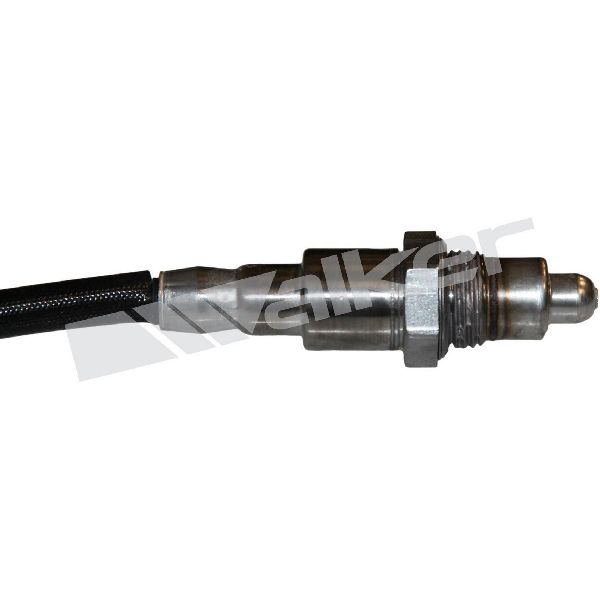
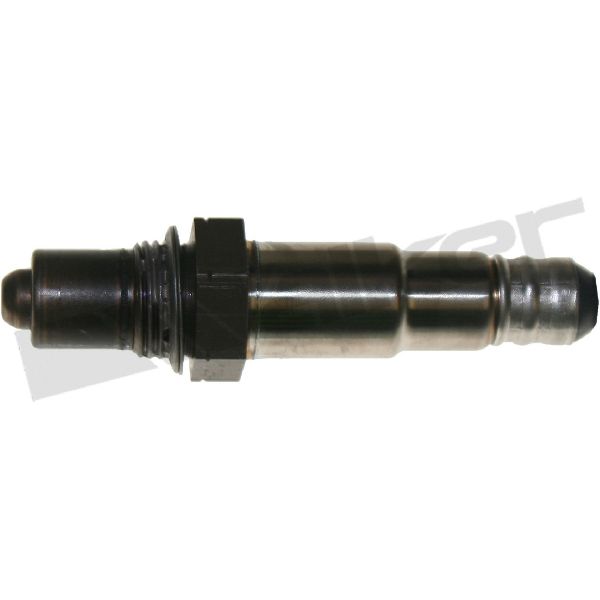
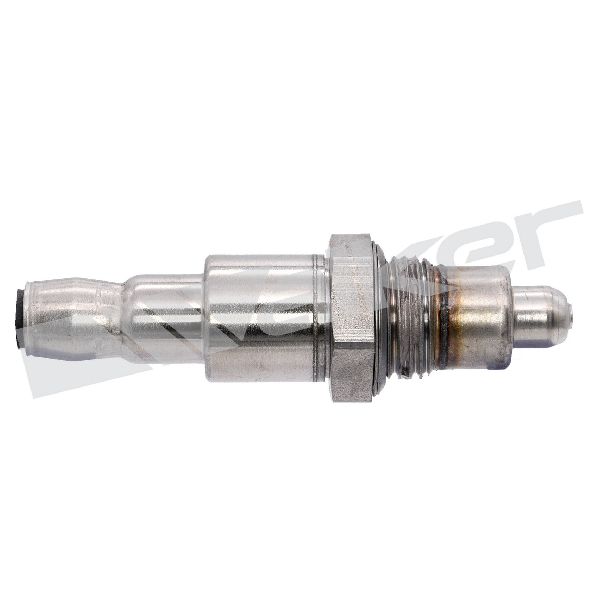
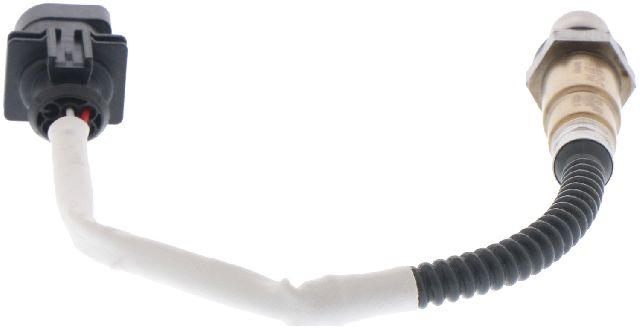
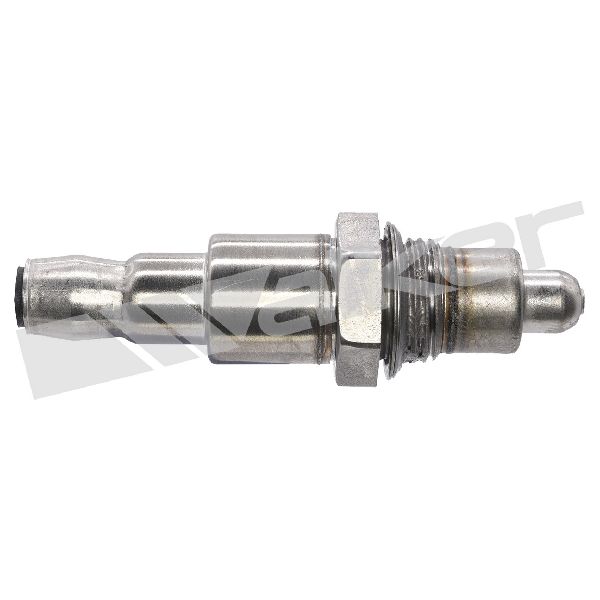
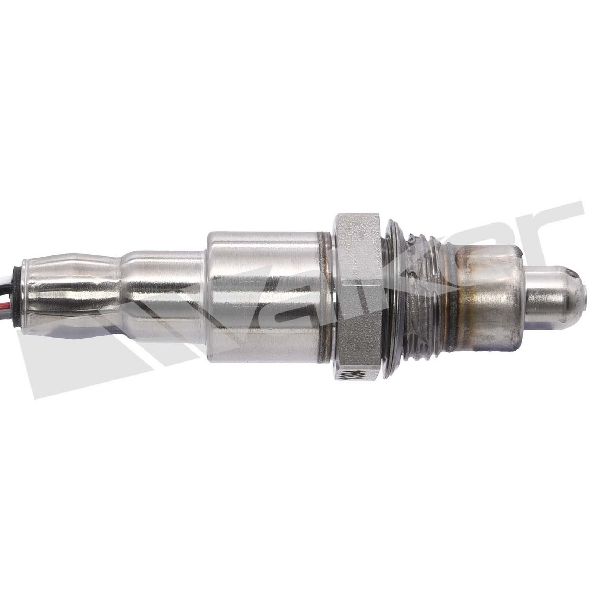
- Heated Oxygen Sensor (Bank 2, Sensor 3)
(OEM #LR052425)— This is the component that fails most frequently, as documented by Land Rover TSBs and countless owner reports. The internal heater element breaks or shorts, triggering the code.
Trusted brands: Bosch (OEM supplier, part 12018), Denso, NTK, Genuine Land Rover
OEM price range: $120-$200
Aftermarket price range: $50-$110
Related Codes That Often Appear With This One
- P0061, P0062 — These codes are also for the Bank 2, Sensor 3 heater circuit (different fault types like 'circuit high' or 'range/performance') and are listed in the same TSBs.
- P0042, P0043, P0044 — These codes relate to the heater circuit for the post-catalyst sensor on the opposite bank (Bank 1, Sensor 3) and are often caused by the same systemic issues (manufacturing defect, software error).
- P0162, P0163, P0164, P0167 — These are additional diagnostic codes related to the post-catalyst oxygen sensors that are grouped with P0063 in Land Rover's technical service bulletins.
Technical Service Bulletins (TSBs) & Recalls
- LTB00671NAS3: Mentions the MIL can be illuminated with P0063 (and other codes) due to a post-catalyst heated oxygen sensor software error, requiring a PCM update.
- SSM72448: Notes that for a range of HO2S codes including P0063, diagnosis often reveals no fault with the wiring or connectors, pointing towards the sensor or software.
- SSM63157: A related TSB that identifies a 'manufacturing fault at the supplier' causing 'misalignment within the sensor' as a root cause for these failures.
Platform-Specific Known Issues
- A known software issue can incorrectly trigger P0063 and related codes. TSB LTB00671NAS3 (and its revisions) was released to address this by reprogramming the PCM.
- The post-catalyst oxygen sensors on this platform are known to be sensitive to thermal shock from water, which can cause the internal element to fail.
- Land Rover issued an extended warranty for this specific failure on many vehicles due to the high rate of sensor defects. Owners should always check with a dealer using their VIN before paying for repairs.
Mechanic-Grade Diagnostic Values
- O2 Sensor Heater Circuit Resistance — expected: 3 to 15 Ohms at ambient temperature.. Failure: An open circuit (OL on multimeter) or a reading significantly outside the expected range indicates a failed heater element.
- Heater Circuit Power Supply Voltage (at harness connector) — expected: Approximately 12 Volts (Battery Voltage) with Key On, Engine Off (KOEO).. Failure: No voltage or significantly low voltage points to a problem upstream of the sensor, such as a blown fuse or wiring fault.
- PCM Bias Voltage on Heater Control Wire (at harness connector) — expected: ~2.9V DC with the sensor unplugged and Key On, Engine Off (KOEO).. Failure: A reading of 0V could indicate a short to ground in the wiring harness between the PCM and the sensor.
Scan Tool Commands That Help
- JLR SDD (Symptom Driven Diagnostics): Configure existing module – Powertrain control module — This function is used to update the PCM software as recommended by TSB LTB00671NAS3. It should be performed after replacing the faulty sensor to prevent the code from recurring due to overly sensitive diagnostic logic in older software versions.
- JLR SDD (Symptom Driven Diagnostics): Data Logger / Live Data Monitoring — To monitor the live voltage and heater status of all oxygen sensors simultaneously. This helps confirm the fault is isolated to Bank 2, Sensor 3 and that the PCM is attempting to activate the heater circuit.
- Advanced Aftermarket or OEM (SDD/Pathfinder): O2 Sensor Heater Active Test / Bidirectional Control — This allows a technician to manually command the PCM to turn the O2 sensor heater on and off. By monitoring voltage during this test, you can confirm if the PCM driver circuit is functional, which helps differentiate between a bad sensor/wiring and a faulty PCM.
Wiring & Ground Locations
- Fuse F2 (Engine Compartment Fuse Box) — Located in the engine compartment fuse box.. A forum post referencing a wiring diagram indicates that Fuse 2 supplies battery power to the heaters for all four HO2S sensors. A blown fuse would cut power to the circuit, causing a low voltage fault.
- ECM Connector C0635 — This is one of the main connectors for the Engine Control Module (ECM/PCM).. The ECM provides the switched ground path to activate the heater. For the downstream LH (Bank 2) sensor, the heater control wire is at Pin 7 of this connector. The signal ground is at Pin 11. Testing at these pins can confirm PCM function and wire integrity.
- Engine/Chassis Ground Straps — Main ground points are typically from the battery to the body/chassis, and from the engine block/cylinder head to the chassis.. While not a primary cause, a corroded or loose main engine ground strap can create widespread electrical issues, including erratic sensor readings and low voltage faults. The ECM and its sensor grounds rely on a solid connection between the engine and the chassis/battery negative.
Real Owner Repair Stories
- JaguarForums.com (platform mate with same engine) (2017 Jaguar XF with 3.0L V6 (AJ126 engine)) — Check Engine Light with code P0062 (Heater Control Circuit Bank 2 Sensor 3).
❌ Tried (didn't work) Initial diagnosis pointed to the sensor.
✅ What actually fixed it The user replaced both downstream (post-catalyst) oxygen sensors. The code was cleared and did not return, confirming the sensor failure was the root cause.
OEM Part Supersession History
LR035747→LR052425— Part number LR035747 was specified for earlier models up to a certain VIN. It was superseded by LR052425 for the 2014-2016 LR4. This often indicates a design revision to improve reliability.
Heads up: While the parts may be physically similar, using the older part number on a newer vehicle is not recommended as the updated part likely contains manufacturing improvements to address the known failure modes.
Model Year Variations Within This Range
- 2014-2015: Land Rover issued Service Action N346NAS specifically for 2014-2015 models for O2 sensor performance DTCs. The prescribed fix is a PCM software update, suggesting these years are particularly susceptible to software-induced false codes.
Helpful Videos

We Have This Part in Stock

The information in this article is provided for general reference and educational purposes only. Vehicle specifications, procedures, and part compatibility can vary by production date, trim level, and region. Always consult your vehicle's factory service manual and verify part numbers before purchasing or performing repairs. Safety-critical components such as airbags, seat belts, and braking systems should be installed by a qualified professional.
- Land Rover LR4:
- 🧭 Diagnostic Flowchart
- 🎬 Helpful Videos
- 🛍️ Shop This Part
- What's Unique About the 2014-2016 Land Rover LR4
- Symptoms You May Notice
- Most Likely Causes
- Rare But Worth Checking
- Diagnosis Steps
- Parts You'll Likely Need
- Related Codes That Often Appear With This One
- Technical Service Bulletins (TSBs) & Recalls
- Platform-Specific Known Issues
- Mechanic-Grade Diagnostic Values
- Scan Tool Commands That Help
- Wiring & Ground Locations
- Real Owner Repair Stories
- OEM Part Supersession History
- Model Year Variations Within This Range
- 🎟️ Get 5% Off