

P0064 on 2014-2016 Jaguar F-TYPE: Heater Circuit Fault Causes and Fixes
P0064 on a Jaguar F-TYPE indicates a fault in the heater circuit of the rearmost oxygen sensor on the driver's side (Bank 2, Sensor 3). The most common cause is a failed sensor. Before buying parts, check with a Jaguar dealer, as an extended warranty (15 years/150,000 miles for V6 models) may cover the replacement for free.
- P0064 points to a failed heater in the driver's side, rearmost O2 sensor.
- **Crucially, check with a Jaguar dealer for extended warranty coverage (15yr/150k miles for V6) before attempting or paying for a repair.**
- The most likely fix is replacing the sensor itself, which can be confirmed with a multimeter test for an open circuit.
- The sensor is relatively accessible, making it a feasible DIY for those with the right tools (22mm O2 sensor socket), provided it isn't seized by rust.
- Always verify the correct part number for your specific vehicle using the VIN.
What's Unique About the 2014-2016 Jaguar F-TYPE
The Jaguar F-TYPE uses a sophisticated exhaust system with three oxygen sensors per bank, for a total of six sensors, to precisely monitor emissions. The 'Sensor 3' position is not present on all vehicles. Failures of these post-catalyst oxygen sensors are common enough that Jaguar Land Rover North America issued multiple Technical Service Bulletins (TSBs) and, most importantly, extended the warranty coverage for these specific parts on many V6 and V8 models. This makes checking with a dealer a critical first step.
Diagnostic Flowchart
Tap your situation to follow the diagnostic path that matches what you're seeing on this vehicle.
Symptoms You May Notice
- Check Engine Light is illuminated
- Failing a vehicle emissions test
- Slightly decreased fuel economy
- Engine may run slightly rough during cold starts
- Replacing the wrong oxygen sensor. The F-TYPE has six sensors, so it is crucial to correctly identify Bank 2 (driver's side for LHD) and Sensor 3 (rearmost, post-catalytic converter).
- Assuming the sensor is bad without testing. While common, a wiring issue could be the actual cause, and replacing the sensor would not fix the problem.
Most Likely Causes
- Failed Heated Oxygen Sensor (Bank 2, Sensor 3) 🔴 High Probability → Shop Oxygen Sensor This is a known common failure item, as documented in Jaguar TSBs SSM72477 and JTB-00392-NAS-3. The internal heater element simply burns out over time, creating an open circuit. Forum users frequently report this as the cause.
How to confirm: After checking fuses, use a multimeter to test the resistance of the heater circuit on the disconnected sensor. A good heater circuit will have a low resistance, typically between 2-15 Ohms. An open circuit (infinite resistance or 'OL') confirms the internal heater has failed.
Typical fix: Replace the Bank 2, Sensor 3 oxygen sensor. It is highly recommended to check for extended warranty coverage with a Jaguar dealer before purchasing the part.
Est. part cost: $80-$180 - Wiring or Connector Issue ⚪ Low Probability Wiring is routed under the vehicle and is exposed to road debris and significant heat from the exhaust, which can cause melting, chafing, corrosion, or broken wires over time.
How to confirm: Visually inspect the wiring harness and connector leading to the sensor for any signs of melting, chafing, corrosion, or broken wires. Test for 12V power and ground at the connector with the key on. A lack of proper voltage or ground points to a wiring fault upstream from the sensor.
Typical fix: Repair the damaged section of the wiring harness or clean/replace the connector.
Est. part cost: $5-$50 - Blown Fuse ⚪ Low Probability
How to confirm: Consult the owner's manual to locate the fuse for the oxygen sensor heater circuits (often labeled 'HO2S') and visually inspect it.
Typical fix: Replace the blown fuse. If the fuse blows again immediately, it indicates a short circuit in the wiring or within a sensor that must be diagnosed further.
Est. part cost: $1-$5
Rare But Worth Checking
- Powertrain Control Module (PCM) Fault: → Shop Engine Control Module (ECM) This is extremely rare. A faulty driver circuit within the PCM could fail to regulate voltage correctly. All other possibilities, especially the sensor and its wiring, should be exhaustively ruled out before considering the PCM as the cause.
Diagnosis Steps
- First, contact a Jaguar dealership with your VIN to check for extended warranty coverage on oxygen sensors. For 2014-2017 V6 models, this is often 15 years/150,000 miles. V8 models may also be covered. If covered, the diagnosis and repair will be free.
- If not covered, start by checking the fuse for the O2 sensor heaters in the vehicle's fuse box.
- Safely raise the vehicle and locate the Bank 2, Sensor 3. It is on the driver's side, downstream of the catalytic converter.
- Inspect the sensor's electrical connector and wiring for any visible damage, melting, or corrosion.
- Disconnect the sensor. Use a multimeter set to Ohms to measure the resistance between the two heater circuit pins on the sensor side (often the two wires of the same color). A reading of infinite resistance (OL) indicates a failed heater element. A good sensor should read a low resistance, typically in the 2-15 Ohm range.
- With the key on (engine off), check for 12V power on the corresponding pins of the vehicle's harness connector.
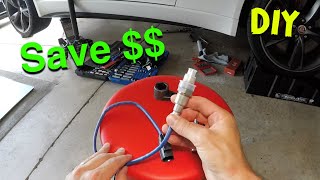
- If wiring has power and the sensor has infinite resistance, replace the oxygen sensor. A 22mm (or 7/8") slotted oxygen sensor socket is required for removal. The sensor should be tightened to 35 ft-lbs. 🎬 Watch this DIY guide to see the full replacement process.
- If the sensor's resistance is within spec but power is missing at the harness, trace the wiring to find the break or short.
Parts You'll Likely Need
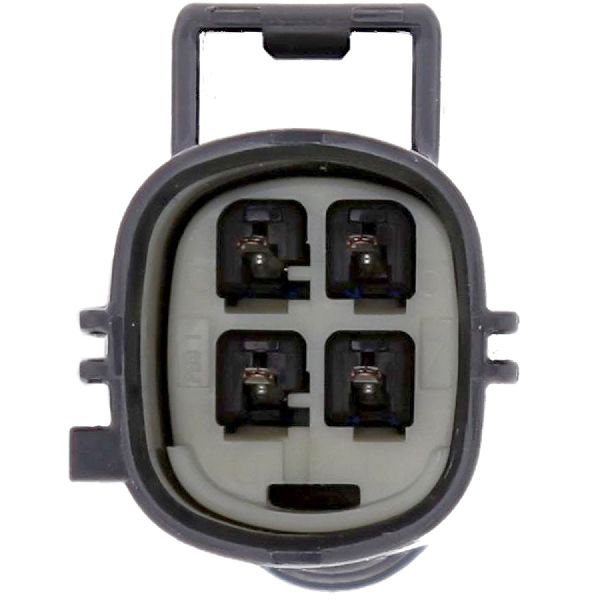
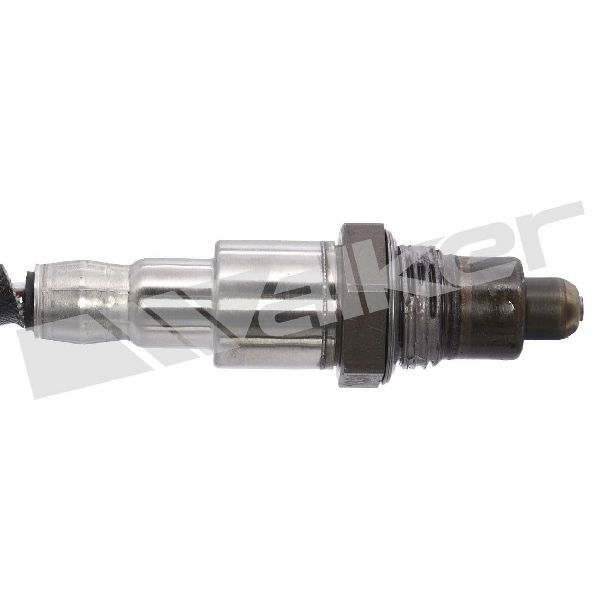
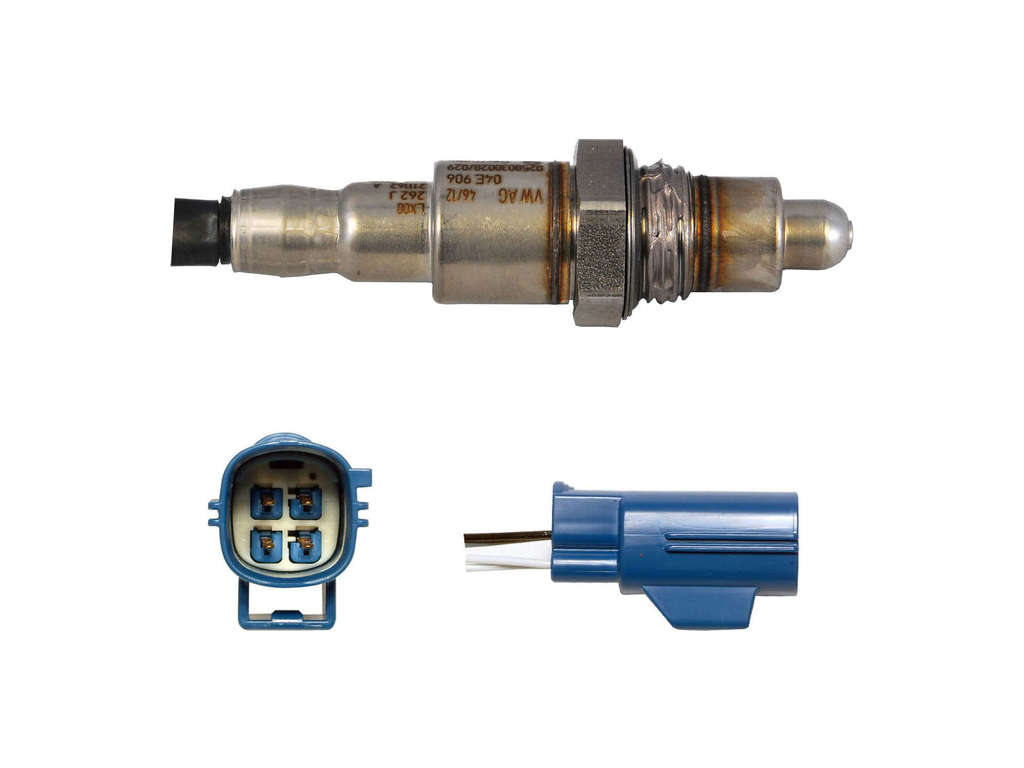
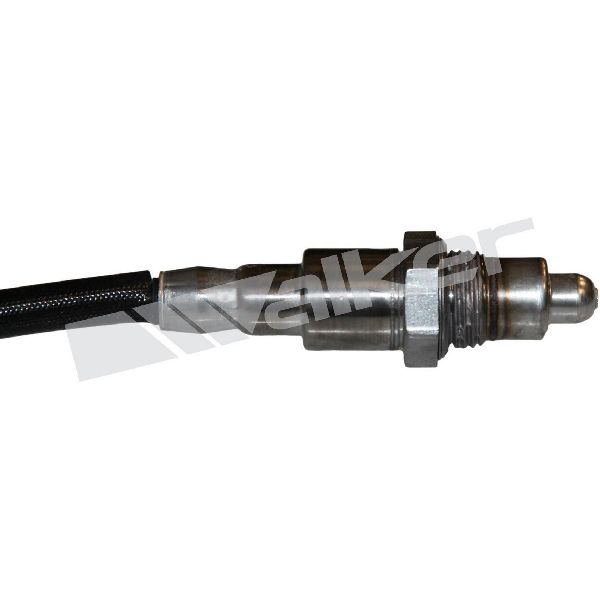
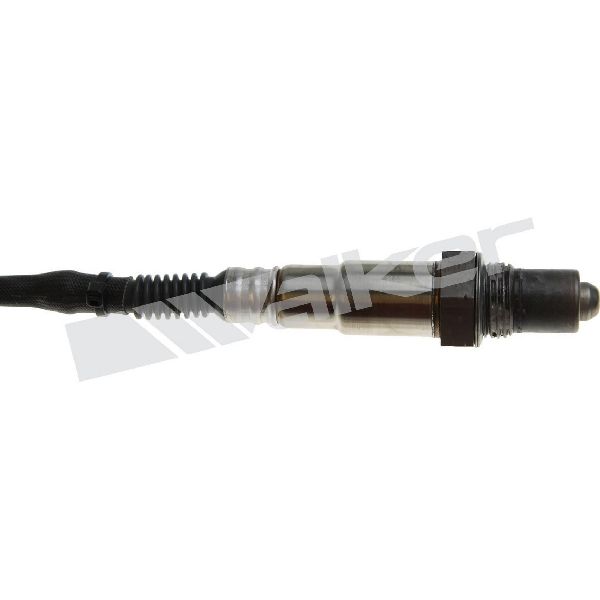
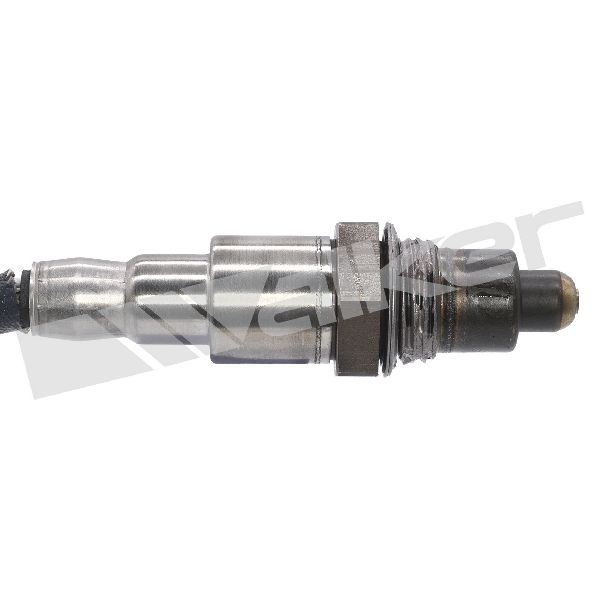
- Heated Oxygen Sensor (Bank 2, Sensor 3)
(OEM #T2R7732)— This is the component that most commonly fails and triggers code P0064, as confirmed by manufacturer TSBs and owner forums. Part numbers can supersede; other potential numbers include T2H48050 and T2R57039. Always verify with your VIN.
Trusted brands: Jaguar (OEM), Bosch, Denso
OEM price range: $280-$350
Aftermarket price range: $80-$150
Related Codes That Often Appear With This One
- P0062 — This code is for 'HO2S Heater Control Circuit Low (Bank 2 Sensor 3)'. It relates to the same sensor, indicating a different type of electrical fault (like a short to ground) within the same circuit.
- P0042, P0043, P0044 — These are heater circuit codes for the Bank 1, Sensor 3. It's not uncommon for sensors of a similar age and type to fail around the same time.
Technical Service Bulletins (TSBs) & Recalls
- SSM72477: Notes that when various HO2S codes (including P0064) are present and no wiring fault is found, the issue is with the sensor itself, confirming the sensor is the primary failure point.
- JTB-00392-NAS-3: Lists P0064 among a large group of codes related to post-catalyst heated oxygen sensors (HO2S) that may be stored in the PCM. This TSB is associated with the extended warranty program.
- JTB00392NAS1: An earlier version of the above bulletin, also listing P0064 as a fault code related to post-catalyst HO2S.
Platform-Specific Known Issues
- Extended Warranty Coverage: Jaguar has an extended warranty for oxygen sensors on many F-TYPE models due to high failure rates. For 2014-2017 V6 models, the coverage is 15 years or 150,000 miles. V8 models from 2013-2017 may be covered for 10 years or 120,000 miles. Owners should always check with a dealer using their VIN before paying for this repair, as many have had it fixed for free.
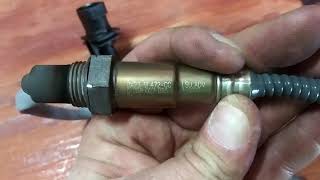
- Corroded/Seized Sensors: In regions where salt is used on roads, the sensor can become seized in the exhaust pipe, making removal extremely difficult. Owners report that standard O2 sensor sockets can spread and round off the nut. Success often requires soaking the sensor threads with penetrating oil (like PB Blaster) for an extended period, applying heat from a MAPP gas torch to the exhaust bung (not the sensor), and using a high-quality, six-point box-end wrench or a robust socket. In some cases, the wires must be cut to fit a box-end wrench over the sensor. 🎬 See a walkthrough of this O2 sensor replacement in action.
Mechanic-Grade Diagnostic Values
- Heated Oxygen Sensor Heater Circuit Resistance — expected: 2-15 Ohms. Failure: Infinite resistance (Open Line or 'OL') indicates a burned-out heater element inside the sensor.
- Voltage at O2 Sensor Harness Connector (Heater Circuit) — expected: ~12 Volts (Battery Voltage) with Key On, Engine Off.. Failure: Significantly less than 12V or 0V indicates a problem with the power supply, fuse, or wiring leading to the sensor.
- Engine Ground Strap Voltage Drop — expected: Well under 0.5V (500mV). Failure: A reading higher than 0.5V while cranking the engine indicates a poor ground connection, which can cause various electrical faults.
Wiring & Ground Locations
- Main Engine/Transmission Ground Strap — Typically a braided steel strap located underneath the car, connecting the engine block or transmission housing to the vehicle's chassis/frame rail, often on the right (passenger) side.. A poor main ground connection can create unstable voltages and electrical noise throughout the vehicle's systems. While the O2 sensor has its own ground wire in the harness, a faulty main ground can cause unpredictable reference voltage issues, potentially leading to incorrect sensor readings or fault codes that are difficult to diagnose.
Real Owner Repair Stories
- YouTube video by 'Just My 2 Cents' (Jaguar F-Type (V8)) — Check Engine Light with a code for Bank 1, Sensor 2.
❌ Tried (didn't work) The owner went straight to diagnosis and replacement.
✅ What actually fixed it Replacement of the faulty oxygen sensor. The video is valuable as it provides a specific torque spec of 35 ft-lbs for the new sensor and shows the use of a 22mm O2 sensor socket and PB Blaster penetrating oil to successfully remove the old, seized sensor. The original sensor was a Bosch part.
OEM Part Supersession History
T2R7732→T2H48050, T2R57039— Standard part updates and revisions by the manufacturer.
Heads up: T2H48050 is a confirmed genuine Jaguar part number for a heated oxygen sensor. Always confirm the correct, latest part number with a dealer using the vehicle's VIN before purchasing.
Helpful Videos
We Have This Part in Stock

The information in this article is provided for general reference and educational purposes only. Vehicle specifications, procedures, and part compatibility can vary by production date, trim level, and region. Always consult your vehicle's factory service manual and verify part numbers before purchasing or performing repairs. Safety-critical components such as airbags, seat belts, and braking systems should be installed by a qualified professional.
- Jaguar F-TYPE:
- 🧭 Diagnostic Flowchart
- 🎬 Helpful Videos
- 🛍️ Shop This Part
- What's Unique About the 2014-2016 Jaguar F-TYPE
- Symptoms You May Notice
- Most Likely Causes
- Rare But Worth Checking
- Diagnosis Steps
- Parts You'll Likely Need
- Related Codes That Often Appear With This One
- Technical Service Bulletins (TSBs) & Recalls
- Platform-Specific Known Issues
- Mechanic-Grade Diagnostic Values
- Wiring & Ground Locations
- Real Owner Repair Stories
- OEM Part Supersession History
- 🎟️ Get 5% Off