

P0064 on 2013-2016 Jaguar XF: HO2S Heater Circuit High (Bank 2 Sensor 3) Causes and Fixes
This code indicates a fault in the heater circuit of the rearmost oxygen sensor on Bank 2 (driver's side). The most common cause is a failed sensor, a known issue highlighted in Jaguar Technical Service Bulletins. Replacing the Bank 2, Sensor 3 oxygen sensor is the typical fix. This sensor is located after the catalytic converter and can often be accessed without removing underbody panels.
- P0064 on a 2013-2016 Jaguar XF points to a problem with the heater in the rearmost oxygen sensor on the driver's side exhaust.
- Jaguar has acknowledged this is a common sensor failure via TSBs, so the sensor itself is the most probable cause, not the wiring.
- The fix is typically replacing the Bank 2, Sensor 3 oxygen sensor (OEM part C2D23702 or its successors T2H48050).
- This is a DIY-friendly repair for those with basic tools, including a specialized 22mm oxygen sensor socket. Owners report the sensor is accessible without removing major components.
- Driving with this code is possible, but it will cause poor fuel economy and an automatic failure on an emissions test.
What's Unique About the 2013-2016 Jaguar XF
For this generation of Jaguar XF and its platform mates with the AJ126 (V6) and AJ133 (V8) engines, the manufacturer has issued multiple Technical Service Bulletins (TSBs) acknowledging that a group of HO2S-related codes, including P0064, are very likely caused by an internal sensor failure rather than a wiring problem. TSB JTB-00392-NAS-3 even mentions a potential software error that could trigger these codes, recommending a PCM software update in some cases. This gives technicians and owners a strong indication to suspect the sensor first, potentially saving significant diagnostic time.
Diagnostic Flowchart
Tap your situation to follow the diagnostic path that matches what you're seeing on this vehicle.
Generation note: The 2013-2016 range covers the late first generation (X250, through 2015) and the early second generation (X260, from 2015). Both generations use similar V6 (AJ126) and V8 (AJ133) engine architecture and a multi-sensor exhaust setup (three sensors per bank), making the diagnosis and fix for P0064 consistent across these years. The location of Bank 2 is the driver's side on US models (LHD).
Symptoms You May Notice
- Check Engine Light is on.
- Reduced fuel economy.
- Vehicle may fail an emissions test.
- Slightly rough or hesitant engine performance, especially when cold.
- Delayed closed-loop operation.
- Replacing the wrong oxygen sensor. The Jaguar V6 and V8 engines have six oxygen sensors (three per bank). P0064 specifically refers to Bank 2 (driver's side) and Sensor 3 (the rearmost, post-catalytic converter sensor).
- Extensive wiring harness repairs before testing the sensor. Given the Jaguar TSBs, the sensor itself is the most likely point of failure.
- Assuming Bank 2 is always the passenger side. On LHD (US) models, Bank 2 is the driver's side.
Most Likely Causes
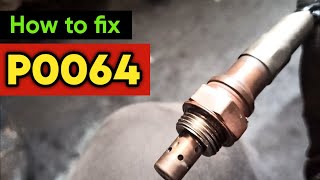
- Faulty Bank 2, Sensor 3 Oxygen Sensor 🔴 High Probability → Shop Oxygen Sensor Jaguar issued TSBs #SSM72477 and #JTB-00392-NAS-3 which state that when no fault is found in the wiring, the sensor itself is the cause. This indicates a known pattern of sensor failure, with some owners on forums confirming replacement as the fix. 🎬 Watch: A quick overview of the P0064 code and its causes.
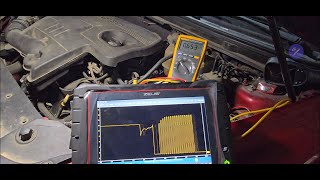
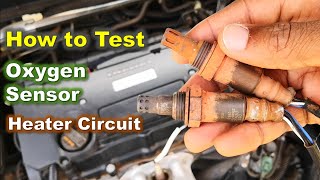
How to confirm: Unplug the sensor and measure the resistance across the two heater circuit pins (often the two same-colored wires). 🎬 See how to test oxygen sensor heater circuits with a multimeter. An open circuit (infinite resistance) or a resistance value outside the typical range of 5-10 Ohms confirms the internal heater has failed. A good sensor will have a specific resistance value, which can be found in the service manual.
Typical fix: Replace the Bank 2, Sensor 3 oxygen sensor. This is the rearmost sensor on the driver's side exhaust.
Est. part cost: $70-$280 - Wiring or Connector Issue ⚪ Low Probability Wiring can be damaged by heat from the exhaust or road debris. A short to power in the heater control circuit can also cause this code.
How to confirm: Visually inspect the wiring harness and connector leading to the sensor for any signs of melting, corrosion, or physical damage. Check for B+ (battery) voltage at the harness connector's power supply pin with the key on.
Typical fix: Repair or replace the damaged section of the wiring harness or the connector.
Est. part cost: $10-$50 - Blown Fuse or Faulty Relay ⚪ Low Probability
How to confirm: Consult the vehicle's owner's manual or service manual to locate and check the fuse for the oxygen sensor heater circuit. The fuse box location will be specified in the manual.
Typical fix: Replace the blown fuse. If it blows again, a short circuit is present and needs to be diagnosed.
Est. part cost: $1-$5
Rare But Worth Checking
- Engine Control Module (ECM) Fault: → Shop Engine Control Module (ECM) This is extremely rare. All other possibilities, especially the sensor and wiring, should be exhaustively ruled out before considering the ECM as the cause. TSB JTB-00392-NAS-3 does note that a software update to the PCM may be required to resolve some HO2S codes, so this should be investigated before replacing the module.
Diagnosis Steps
- Confirm the code P0064 is present using an OBD-II scanner. Note any other codes present.
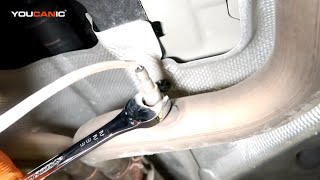
- Locate the Bank 2, Sensor 3 oxygen sensor. On a US-spec Jaguar XF, Bank 2 is the driver's side. Sensor 3 is the final sensor in the exhaust stream, located after the catalytic converter, near the center of the car. Forum users report it can be accessed without removing underbody panels. 🎬 Watch: This walkthrough shows the oxygen sensor replacement process.
- Visually inspect the sensor's wiring harness and connector for obvious damage, such as melting from exhaust contact, chafing, or corrosion.
- Check the fuse for the O2 sensor heater circuit in the vehicle's fuse box. Replace if blown.
- If the wiring and fuse are okay, disconnect the sensor. Use a multimeter to measure the resistance between the two heater pins on the sensor side. A reading of infinite resistance (open loop) or a value outside of the typical 5-10 Ohm range means the heater inside the sensor has failed and the sensor must be replaced.
- If resistance is within spec, check for proper voltage being supplied to the heater circuit on the harness side of the connector (key on, engine off). A short to power could also cause this code.
- If all tests pass, consider the possibility of a software issue as mentioned in TSB JTB-00392-NAS-3, which may require a dealer to update the PCM software.
- If all other possibilities are exhausted, the fault may be intermittent or, in very rare cases, an issue with the ECM.
Parts You'll Likely Need
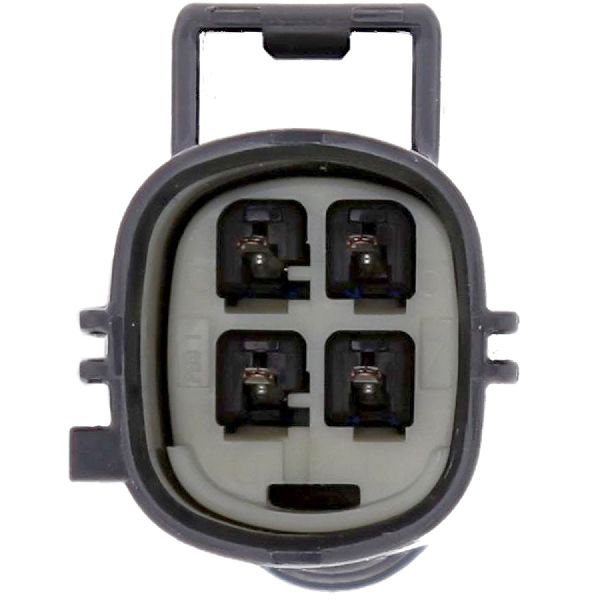
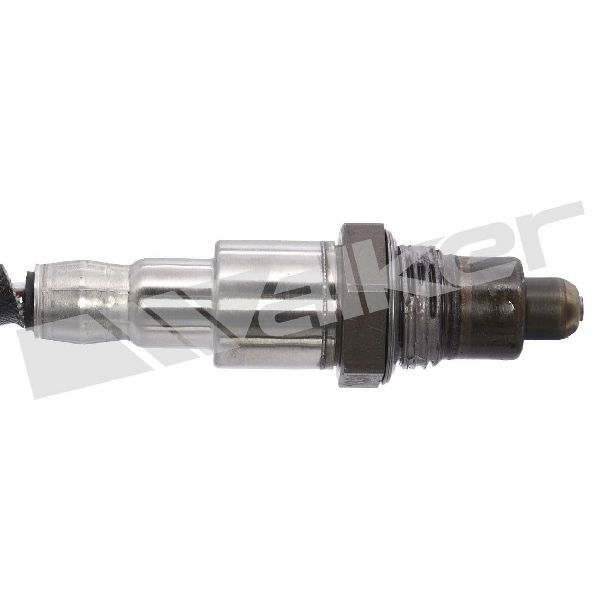
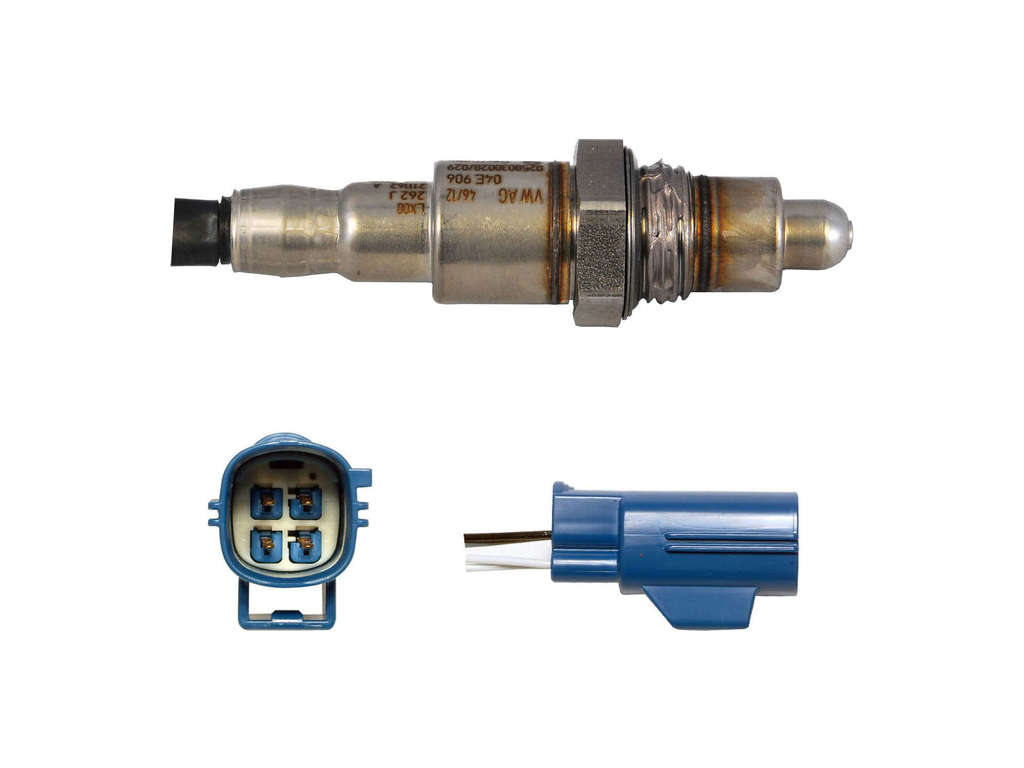
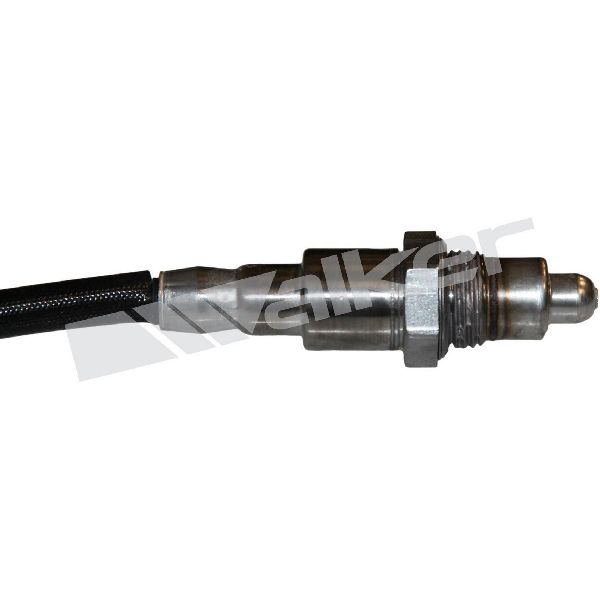
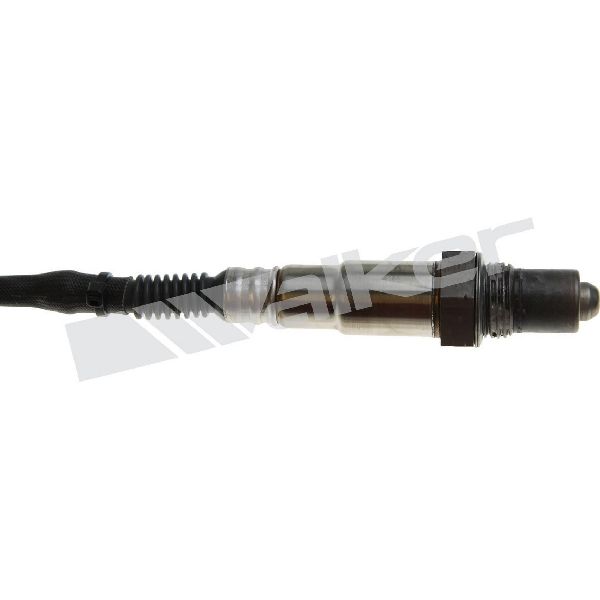
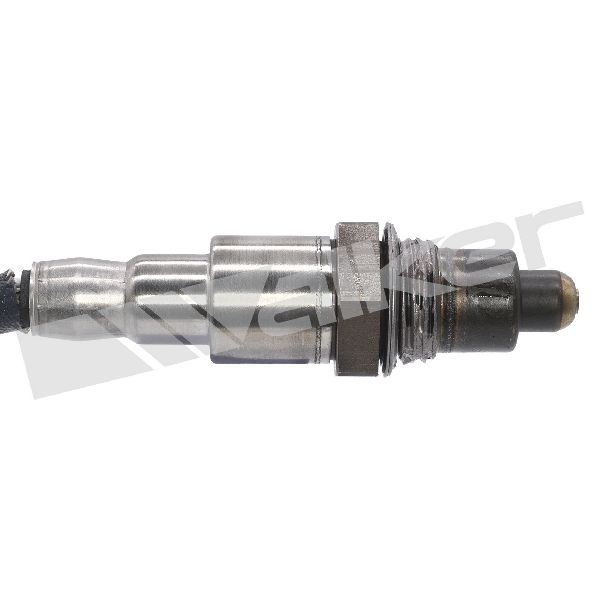
- Oxygen Sensor (Bank 2, Sensor 3)
(OEM #C2D23702)— This is the most common failure point for code P0064 on this vehicle, as confirmed by manufacturer TSBs.
Trusted brands: Bosch, Denso, Walker, NTK
OEM price range: $250-$280
Aftermarket price range: $70-$150
Related Codes That Often Appear With This One
- P0063 — This code is for 'HO2S Heater Control Circuit Low (Bank 2 Sensor 3)'. Seeing it with P0064 could indicate an intermittent short or wiring problem in the same circuit.
- P0162 — This code is for 'O2 Sensor Circuit Malfunction (Bank 2 Sensor 3)'. It's a more general fault for the same sensor and can be triggered alongside the specific heater circuit code.
Technical Service Bulletins (TSBs) & Recalls
- SSM72477: States that for a list of codes including P0064, if diagnosis finds no fault with wiring, the fault is with the sensor. It asks technicians to retain the replaced sensor for investigation.
- JTB-00392-NAS-3: Groups P0064 with other post-catalyst heated oxygen sensor (HO2S) codes that may be stored. It identifies a potential software error as the cause and provides instructions for updating the PCM software.
- JTB00392NAS1: An earlier version of the above TSB, also listing P0064 with other HO2S codes and recommending sensor replacement and a software update.
Platform-Specific Known Issues
- Jaguar has issued TSBs (SSM72477, JTB-00392-NAS-3) that directly address this and other related HO2S codes. The bulletins guide technicians to conclude the sensor is the fault if the wiring and connectors check out, indicating a known high failure rate for the sensor itself.
- TSB JTB-00392-NAS-3 also suggests that a software error in the Powertrain Control Module (PCM) could be the cause, and an update may be required.
- The V6 and V8 engines in these models use three O2 sensors per bank: one upstream (pre-cat), one in the middle of the catalytic converter, and one downstream (post-cat). P0064 refers to the third, rearmost sensor.
Mechanic-Grade Diagnostic Values
- O2 Sensor Heater Circuit Resistance — expected: Approximately 5-10 Ω at 20°C (68°F). Some sources suggest a wider range of 0.5-2.5 Ω may be acceptable for some sensor types.. Failure: Infinite resistance (Open Line) or zero resistance (short circuit) indicates a failed heater element.
- Voltage supply to sensor heater circuit — expected: 11-14 Volts (Battery Voltage) with key on, engine off.. Failure: No voltage indicates a fuse or wiring supply issue. Voltage significantly higher than battery voltage could indicate a short to another circuit.
Scan Tool Commands That Help
- Jaguar SDD (Symptom Driven Diagnostics): Datalogger - HO2S Monitoring — To monitor the live output and heater circuit status of the oxygen sensors. A forum user noted that a failed sensor may show no activity at all in the live data, even without throwing a specific code in some instances. The heater status can also be observed.
- Advanced OBD-II Scanners (e.g., Thinkdiag): Actuation Test - Oxygen Sensor Heater — Some advanced scan tools allow technicians to manually command the O2 sensor heater circuit on and off. This allows for direct testing of the circuit's response; you can turn the heater on and monitor the voltage drop to confirm the circuit is complete and the sensor is drawing power.
Wiring & Ground Locations
- Engine/Transmission Ground Strap — Often a braided strap connecting the engine block or transmission bell housing to the chassis/frame rail. One forum user describes a location below the two vacuum line bulkhead connectors.. A poor engine ground can cause unstable electrical circuits and incorrect readings for multiple engine sensors, including oxygen sensors. While not a direct cause for a 'high circuit' code (which is usually an open), a faulty ground can create a host of electrical gremlins.
- G1D123 (Right Rear of Engine) — Located on the right rear of the engine compartment.. This is a major ground point for various engine components. Service manuals list this as a key grounding location to check for engine electrical issues.
- Ground Point under Air Filter Box — Underneath the driver's side (Bank 2) air filter box.. A forum member with a 2013 XF reported clearing a Bank 2 sensor code by finding and cleaning this specific ground point, indicating it is a relevant ground for the sensors on that side of the engine.
Real Owner Repair Stories
- JaguarForums.com user 'Traveller' (2014 Jaguar XF 3.0L AWD) — Check Engine Light with code P0062, 'HO2S Heater Control Circuit' for Bank 2, Sensor 3.
❌ Tried (didn't work) Initial difficulty in identifying the correct part number due to confusing listings.
✅ What actually fixed it The user successfully identified and replaced the Bank 2, Sensor 3 oxygen sensor. They noted the sensor was located just under the driver's seat area and was relatively easy to access and replace, resolving the code. - JaguarForums.com user (Jaguar XF (X260)) — Code P0062 (Heater Control Circuit for Bank 2, Sensor 3) and a slight coolant smell.
✅ What actually fixed it Another user advised that the Sensor 3 O2 sensors 'always go bad' and the standard fix is to 'just replace and clear codes'. They confirmed the location is under the driver's seat. This corroborates the TSBs pointing to high sensor failure rates.
OEM Part Supersession History
C2D23702→C2D54166, which was then superseded by T2H48050. Some sources also list DX239G444ED in the chain.— Standard part evolution and updates by the manufacturer.
Heads up: While upstream (pre-cat) and downstream (post-cat) sensors are physically different and not interchangeable, the Sensor 3 (lower RH/LH) part T2H48050 is used for both sides on the 2016+ X260 3.0L models.
Model Year Variations Within This Range
- 2013-2015 (X250) vs 2016 (X260): The vehicle platform changed from X250 to the lighter, aluminum-intensive X260 in 2015/2016. While the 3.0L V6 and 5.0L V8 engines and their emissions systems are largely the same, there can be minor differences in part fitment and harness routing. However, for this specific P0064 code, the cause and fix remain consistent. The superseding part T2H48050 is listed for both X250 and X260 models, indicating interchangeability.
Helpful Videos
We Have This Part in Stock

The information in this article is provided for general reference and educational purposes only. Vehicle specifications, procedures, and part compatibility can vary by production date, trim level, and region. Always consult your vehicle's factory service manual and verify part numbers before purchasing or performing repairs. Safety-critical components such as airbags, seat belts, and braking systems should be installed by a qualified professional.
- Jaguar XF:
- 🧭 Diagnostic Flowchart
- 🎬 Helpful Videos
- 🛍️ Shop This Part
- What's Unique About the 2013-2016 Jaguar XF
- Symptoms You May Notice
- Most Likely Causes
- Rare But Worth Checking
- Diagnosis Steps
- Parts You'll Likely Need
- Related Codes That Often Appear With This One
- Technical Service Bulletins (TSBs) & Recalls
- Platform-Specific Known Issues
- Mechanic-Grade Diagnostic Values
- Scan Tool Commands That Help
- Wiring & Ground Locations
- Real Owner Repair Stories
- OEM Part Supersession History
- Model Year Variations Within This Range
- 🎟️ Get 5% Off