

P0064 on 2013-2016 Jaguar XJ: HO2S Heater Circuit High Causes and Fixes
This code indicates a high voltage problem in the heater circuit of the Bank 2, Sensor 3 oxygen sensor. On the 2013-2016 Jaguar XJ, this is almost always caused by a failed sensor. The PCM detects an open circuit or short in the heater element, interpreting it as a high voltage condition. Replacing the sensor, located on the driver's side after the catalytic converter, is the typical fix. A PCM software update may also be required.
- P0064 on a 2013-2016 Jaguar XJ almost always points to a failed Bank 2, Sensor 3 (driver's side, rearmost) oxygen sensor.
- The fix involves replacing the sensor and, critically, having a dealer or specialist update the PCM software as per TSB JTB-00392-NAS-3 to prevent the code from returning.
- Before paying for the repair, owners in the US should check with a Jaguar dealer about potential coverage under an extended emissions warranty for oxygen sensors.
- This is a DIY-friendly repair for those comfortable working under the car, but the software update requires specialized tools.
What's Unique About the 2013-2016 Jaguar XJ
For this generation of Jaguar XJ (X351) and its platform-mates with the AJ126 V6 and AJ133 V8 engines, the manufacturer has issued multiple Technical Service Bulletins (TSBs) regarding a range of oxygen sensor codes, including P0064. These bulletins state that after diagnosis, the fault is often determined to be with the sensor itself, rather than a wiring or connector issue. One TSB, JTB-00392-NAS-3, also notes that a software error in the Powertrain Control Module (PCM) could be the cause, and a software update is recommended in conjunction with sensor replacement to prevent recurrence. Additionally, Jaguar Land Rover has an extended warranty in the US for oxygen sensors on some of these vehicles, which owners should investigate before paying for repairs.
Diagnostic Flowchart
Tap your situation to follow the diagnostic path that matches what you're seeing on this vehicle.
Symptoms You May Notice
- Check Engine Light is on.
- Reduced fuel economy.
- Vehicle will fail an emissions test.
- Engine may run slightly rough or hesitate, particularly during cold starts.
- Black smoke from the tailpipe or a smell of gas from the exhaust in some cases.
- Replacing the wrong oxygen sensor. The Jaguar V6 and V8 engines have up to six O2 sensors (three per bank). P0064 specifically refers to Bank 2 (driver's side on LHD) Sensor 3 (post-catalyst, the rearmost one).
- Replacing the catalytic converter. While O2 sensors monitor converter efficiency, this code points to an electrical fault in the sensor's heater circuit, not a failure of the converter itself.
- Not performing the PCM software update. Some owners replace the sensor only to have the code return because the underlying software sensitivity issue mentioned in TSB JTB-00392-NAS-3 was not addressed.
Most Likely Causes
- Faulty Bank 2, Sensor 3 Heated Oxygen Sensor (HO2S) 🔴 High Probability → Shop Oxygen Sensor Jaguar has released multiple TSBs (SSM72477, JTB-00392) indicating that the sensor itself is the most common failure point for this and related codes. The internal heater element fails, causing an open or shorted circuit which the PCM reads as high voltage. Forum users on JaguarForums.com frequently report fixing heater circuit codes by replacing the sensor.
How to confirm: After checking for wiring damage, test the resistance of the sensor's heater circuit with a multimeter. A typical heater circuit will have a low resistance, often between 3-10 ohms. An infinite resistance reading (open circuit) confirms a failed sensor.
Typical fix: Replace the Bank 2, Sensor 3 oxygen sensor. On a left-hand-drive XJ, this is the rearmost sensor on the driver's side exhaust pipe. Clearing codes and performing a drive cycle is necessary after replacement.
Est. part cost: $70-$150 - Wiring or Connector Issue 🟡 Medium Probability The sensor and its wiring are located under the vehicle, exposed to road debris, moisture, and extreme heat, which can lead to corrosion in the connector pins, or breaks/shorts in the harness. Wires can also be damaged by contact with hot exhaust components.
How to confirm: Visually inspect the wiring harness and connector leading to the Bank 2, Sensor 3 O2 sensor for any signs of melting, chafing, or corrosion. Use a multimeter to check for proper battery voltage and a good ground at the harness connector with the key on. If the fault does not follow the sensor in a swap between banks, the wiring is suspect.
Typical fix: Repair the damaged section of the wiring harness or clean/replace the corroded connector. Ensure the harness is properly secured away from heat sources.
Est. part cost: $10-$50 - Powertrain Control Module (PCM) Software Error ⚪ Low Probability → Shop Engine Control Module (ECM) TSB JTB-00392-NAS-3 explicitly states that a software error can cause this code to be stored, due to overly sensitive monitoring parameters. The bulletin recommends updating the PCM software after replacing the faulty sensor to prevent the code from returning.
How to confirm: This must be confirmed by a Jaguar dealership or a qualified shop with access to Jaguar's diagnostic software (TOPIx/SDD) to check the current software version against available updates.
Typical fix: Update the PCM software. The TSB suggests this should be done after replacing the faulty sensor.
Est. part cost: $0 (if part of a service campaign) - $250 (for labor)
Rare But Worth Checking
- Blown Fuse: A blown fuse for the O2 sensor heater circuit can cause this code. On some Jaguar models, this may be located in the engine management fuse box under the hood. It's a quick and easy check to perform before moving on to more complex diagnostics.
- Faulty Powertrain Control Module (PCM): → Shop Engine Control Module (ECM) While extremely rare, the driver circuit within the PCM that controls the O2 sensor heater can fail and get stuck 'on', supplying constant voltage. This should only be considered after all other possibilities, including wiring and the sensor itself, have been exhaustively ruled out.
Diagnosis Steps
- Read the code with an OBD-II scanner to confirm P0064 is present.
- Visually inspect the Bank 2, Sensor 3 oxygen sensor (driver's side, rearmost sensor) and its wiring harness for any obvious damage, melting, or corrosion.
- Check the fuse for the oxygen sensor heater circuit in the vehicle's fuse box.
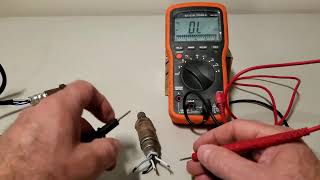
- Disconnect the sensor and measure the resistance of the heater circuit pins on the sensor side (usually the two same-colored wires). A healthy sensor should have a low resistance (typically 3-10 ohms). An open circuit (infinite resistance) or a short (near zero ohms) indicates a bad sensor.
- With the key on and engine off, check for battery voltage and a good ground 🎬 Watch: A guide on testing oxygen sensor heater circuits. at the vehicle's harness connector for the heater circuit.
- If wiring, fuses, and power/ground are good, the sensor is the most likely culprit. Replace the Bank 2, Sensor 3 oxygen sensor.
- After replacement, clear the codes and perform a drive cycle to ensure the fault does not return.
- If the code persists, consult a dealer about a potential PCM software update as mentioned in TSB JTB-00392-NAS-3.
Parts You'll Likely Need
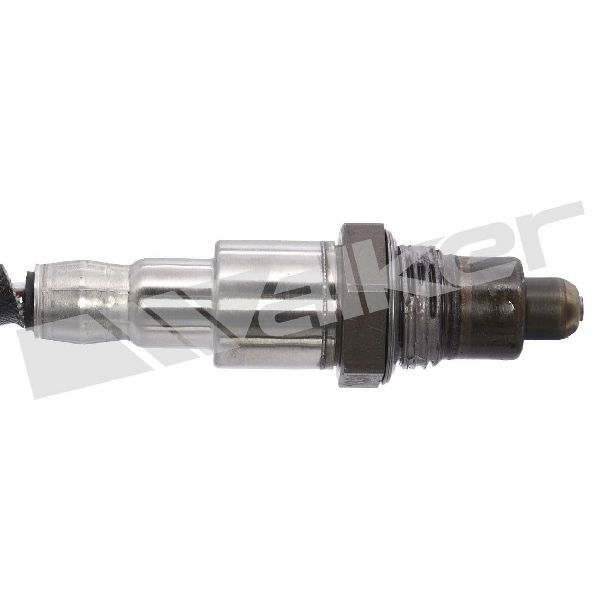
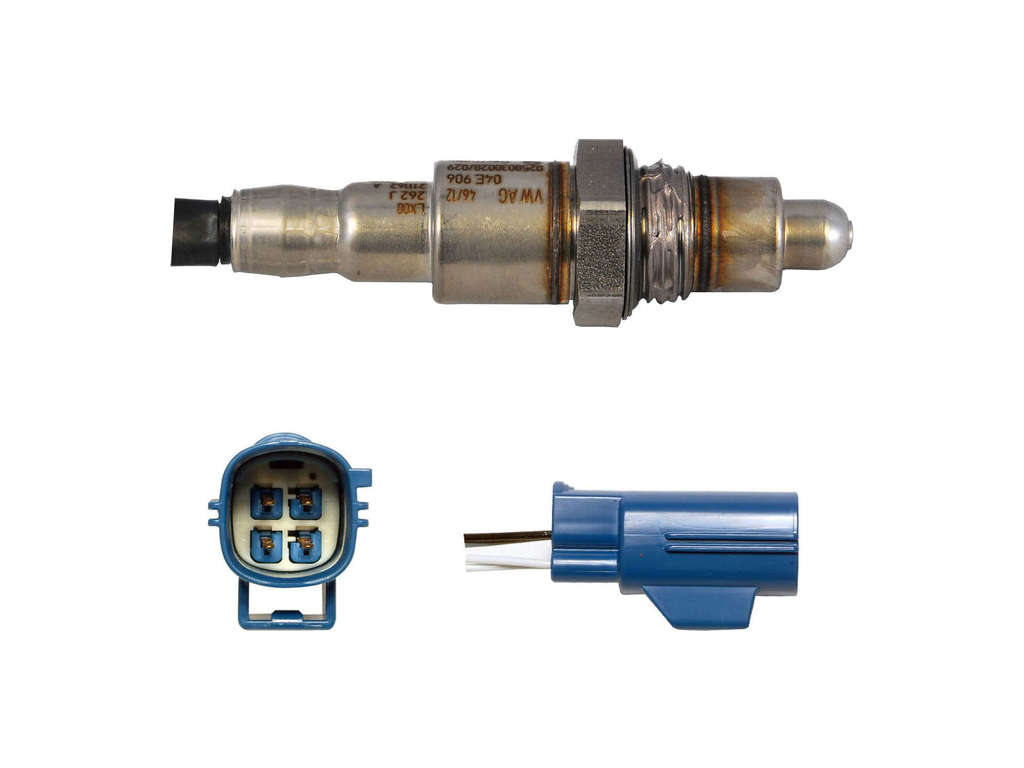
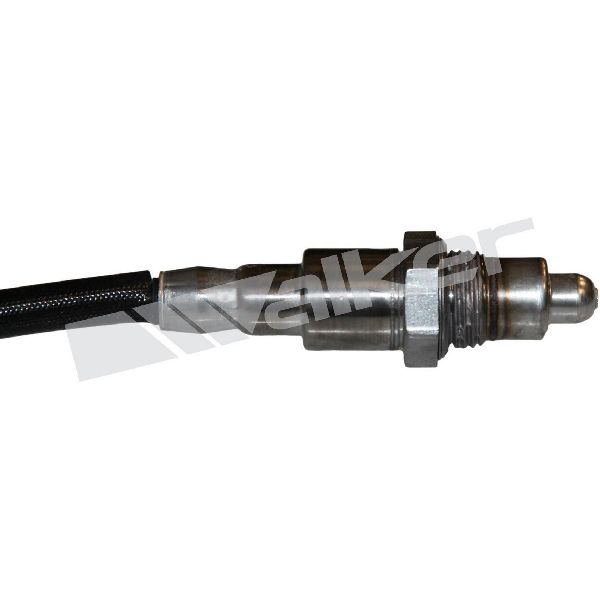
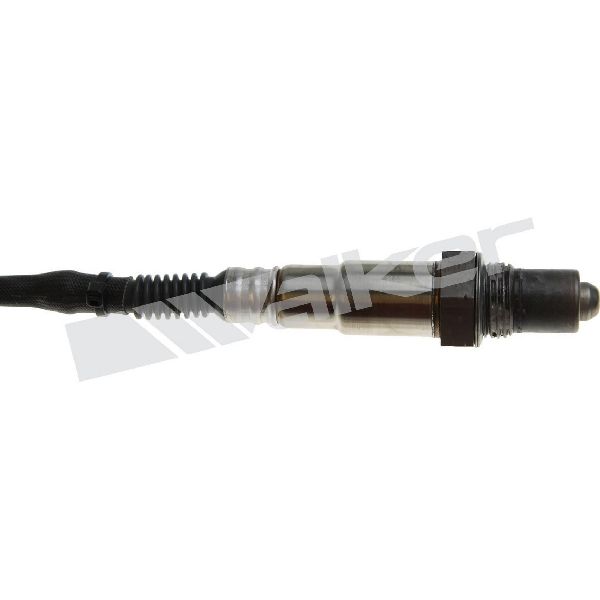
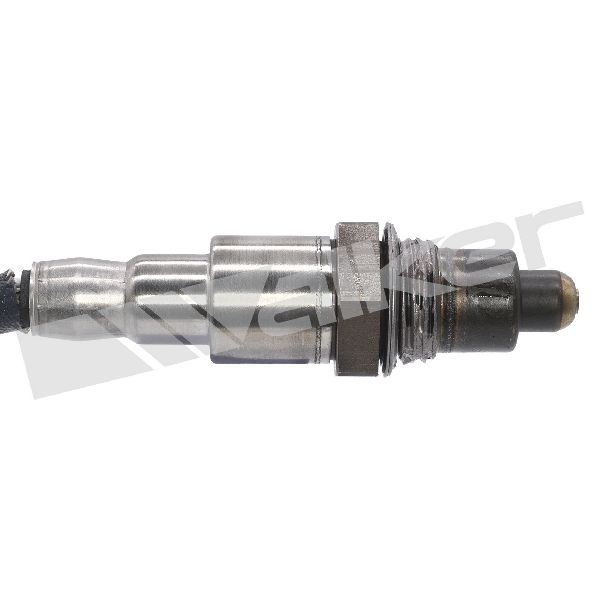
- Heated Oxygen Sensor (Bank 2, Sensor 3)
(OEM #C2D23703 (supersedes C2D17259))— This is the component that fails most frequently, as confirmed by Jaguar's own Technical Service Bulletins and numerous owner experiences. The original part number C2D17259 has been superseded.
Trusted brands: Bosch (OEM supplier), NGK/NTK, Denso
OEM price range: $120-$200
Aftermarket price range: $70-$150
Related Codes That Often Appear With This One
- P0062 — This code is for 'HO2S Heater Control Circuit Low (Bank 2 Sensor 3)'. Seeing it with P0064 could indicate an intermittent wiring problem causing both low and high voltage conditions, or a failing sensor heater element.
- P0162, P0163, P0164 — These are other diagnostic codes related to the Bank 2, Sensor 3 O2 sensor circuit (P0162 - Malfunction, P0163 - Low Voltage, P0164 - High Voltage). They often appear together as they all point to a malfunction in the same component or its related wiring.
Technical Service Bulletins (TSBs) & Recalls
- JTB-00392-NAS-3: Addresses numerous HO2S codes, including P0064, and suggests a PCM software update may be necessary after sensor replacement due to a potential software error.
- SSM72477: States that for a list of HO2S codes including P0064, the fault is typically found to be the sensor itself, not the wiring or connectors.
- JTB00392NAS1: An earlier version of the TSB also listing P0064 in relation to post-catalyst HO2S issues.
Platform-Specific Known Issues
- Jaguar issued TSB JTB-00392-NAS-3, which applies to 2013-2016 models. It acknowledges that codes like P0064 may be caused by a software error and recommends updating the PCM software after replacing the indicated sensor to prevent recurrence.
- TSB SSM72477 also notes that for a wide range of O2 sensor codes, including P0064, diagnosis frequently reveals the fault is with the sensor itself, not the wiring.
- An extended emissions warranty may cover the replacement of oxygen sensors for up to 10 years/150,000 miles in the US. Owners should contact a Jaguar dealer to check for eligibility before performing repairs.
Mechanic-Grade Diagnostic Values
- HO2S Heater Circuit Resistance — expected: 2.8 to 15 Ohms when cold.. Failure: A reading of infinite resistance (open circuit) or near-zero Ohms (short circuit) indicates a failed sensor heater.
- Voltage at Harness Connector (Heater Power Pin) — expected: Battery Voltage (approx. 12V) with key on, engine off.. Failure: No voltage suggests a problem upstream, such as a blown fuse, faulty relay, or wiring break.
Hidden / Shadow Codes Worth Checking
- N/A (by name): While no specific 'shadow codes' are documented, Jaguar's SDD software may log related faults under 'Unrelated Events'. If the primary symptoms entered don't lead to the code, a technician may find relevant DTCs in this section that were logged but not linked to the main complaint. (see via Jaguar SDD (Symptom Driven Diagnostics) dealer-level software.)
Scan Tool Commands That Help
- Jaguar SDD (or advanced bidirectional scanner): Heater Circuit Actuation Test / Vehicle Reset — The actuation test can be used to command the heater circuit on and off to verify the PCM driver and wiring are functioning. The 'Vehicle Reset' function in SDD should be performed after a repair to clear adaptations and ensure all modules recognize the new component state.
- Jaguar SDD: Configure new module - Powertrain Control Module — This function is used to apply a software update to the PCM, which may be required per TSB JTB-00392-NAS-3 to correct overly sensitive monitoring parameters that can falsely trigger P0064.
Wiring & Ground Locations
- O2 Sensor Heater Fuse — Likely located in the Engine Compartment Front or Rear Fuse Box. On some Jaguar models, the heater circuits are powered by a 15A or 30A fuse.. A blown fuse will cut power to the heater circuit, which can cause a high resistance fault code to be logged by the PCM.
- Engine Ground Points (e.g., G2) — Key grounds are typically located on the engine block itself, on the inner fenders, and sometimes directly below the engine compartment fuse box.. The O2 sensor heater circuit requires a solid ground to complete its circuit. A corroded or loose engine ground can cause high resistance and trigger this code.
Real Owner Repair Stories
- JaguarForums.com user 'RGPV6S' (Jaguar XF (same 3.0L engine and electronics as XJ)) — Check Engine Light with code P0042 (HO2S Heater Control Circuit Bank 1 Sensor 3 - the equivalent code for the other bank).
❌ Tried (didn't work) Considering dealer repair but was deterred by high cost ($320 for the part) and service delays.
✅ What actually fixed it The owner purchased an aftermarket NTK (brand 25752) oxygen sensor from RockAuto for $84, which cross-referenced to the Jaguar part number. Replacing the sensor resolved the code. Another user in the same thread noted that the sensor connectors are 'handed' (bank-specific) and not interchangeable, even if the sensor itself is identical.
OEM Part Supersession History
C2D17259→C2D23703, C2D39892— Part revision and update by the manufacturer.
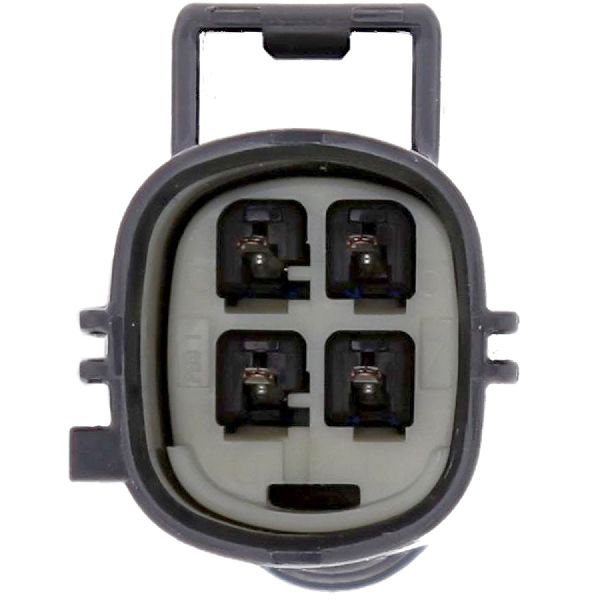
Heads up: Forum users report that while the sensors may be identical, the electrical connectors are 'handed' and specific to each bank (Bank 1 vs Bank 2). Ordering the part for the wrong bank will result in a connector that does not fit the harness.
Model Year Variations Within This Range
- 2013-2016: TSB JTB-00392-NAS-3 specifically calls out a potential software error in the PCM on 2013-2015 models (and later extended to 2016) that can cause P0064 and other related codes. The fix requires a PCM software update using Jaguar's SDD software, which may not be necessary for later model years outside this range.
Helpful Videos
We Have This Part in Stock

The information in this article is provided for general reference and educational purposes only. Vehicle specifications, procedures, and part compatibility can vary by production date, trim level, and region. Always consult your vehicle's factory service manual and verify part numbers before purchasing or performing repairs. Safety-critical components such as airbags, seat belts, and braking systems should be installed by a qualified professional.
- Jaguar XJ:
- 🧭 Diagnostic Flowchart
- 🎬 Helpful Videos
- 🛍️ Shop This Part
- What's Unique About the 2013-2016 Jaguar XJ
- Symptoms You May Notice
- Most Likely Causes
- Rare But Worth Checking
- Diagnosis Steps
- Parts You'll Likely Need
- Related Codes That Often Appear With This One
- Technical Service Bulletins (TSBs) & Recalls
- Platform-Specific Known Issues
- Mechanic-Grade Diagnostic Values
- Hidden / Shadow Codes Worth Checking
- Scan Tool Commands That Help
- Wiring & Ground Locations
- Real Owner Repair Stories
- OEM Part Supersession History
- Model Year Variations Within This Range
- 🎟️ Get 5% Off