

P0068 on 2005-2008 Audi A4 3.2L V6: MAP/Throttle Correlation Causes and Fixes
On the 2005-2008 Audi A4 3.2L, code P0068 is almost always caused by a dirty throttle body. A thorough cleaning, along with cleaning the airbox 'snow screen' and performing a throttle body adaptation with a scan tool, usually fixes it. This is a high-probability, low-cost DIY fix.
- Start by cleaning the throttle body. This is the most common and cheapest fix for P0068 on this engine.
- After cleaning the throttle body, you MUST perform a Throttle Body Adaptation with a proper scan tool.
- This engine does NOT have a MAF sensor, so don't waste time looking for one. The issue is between the MAP sensor and the throttle.
- If cleaning the throttle body doesn't work, your next step is to check thoroughly for vacuum leaks.
- Only consider replacing the MAP sensor or throttle body after cleaning and leak checks have been completed.
What's Unique About the 2005-2008 Audi A4
A critical detail for the Audi 3.2L FSI V6 engine is that it does not use a Mass Airflow (MAF) sensor; it operates on a speed-density system. This means you should not waste time or money looking for or replacing a MAF sensor. The problem is strictly a logic conflict between the MAP sensor and the Throttle Position Sensor (TPS). This engine is also known for carbon and oil vapor buildup in the intake system, which makes a dirty throttle body the most frequent cause of P0068. 🎬 Watch: How to diagnose P0068 and P307A faults Some dealers offered an ECU software update to change the valve overlap timing, which can help reduce the rate of future carbon buildup.
Symptoms You May Notice
- Rough or unstable idle, sometimes described as a 'bubbling' or sputtering idle.
- Poor or sluggish acceleration.
- Engine may hesitate or stumble when accelerating from a stop.
- Increased fuel consumption.
- Engine stalling at idle or when coming to a stop.
- Check Engine Light is on.
- Reduced power or 'limp mode' activation.
- Replacing the Mass Airflow (MAF) sensor. This engine does not have a MAF sensor.
- Replacing the MAP sensor before cleaning the throttle body. The sensor is usually reporting the correct pressure, but the pressure is wrong for the situation due to an airflow restriction or leak.
- Replacing the throttle body without performing a Throttle Body Adaptation (TBA). The adaptation is a required step for the ECM to relearn the new clean/closed position.
Most Likely Causes
- Dirty Throttle Body 🔴 High Probability → Shop Fuel Injection Throttle Body The 3.2L FSI engine is direct-injected, meaning fuel doesn't wash the intake valves clean. The PCV (Positive Crankcase Ventilation) system routes oil vapor and blow-by gases into the intake, which bake onto the hot throttle plate and bore, creating a restrictive layer of carbon.
How to confirm: Visually inspect the inside of the throttle body for a ring of black soot and oil residue. The engine may idle roughly, and live data may show a higher-than-normal throttle angle at idle. One owner noted their throttle valve sensor reading at idle improved from 15.3% to 12.2% after cleaning.
Typical fix: Remove the intake boot, carefully clean the throttle plate and bore with throttle body cleaner and a soft cloth/brush, and reinstall with a new gasket. Then, perform a Throttle Body Adaptation (TBA) with a compatible scan tool (like VCDS/VAG-COM). This step is mandatory. 🎬 See: How to perform a throttle body adaptation
Est. part cost: $10-$35 (cleaner and new gasket) - Vacuum Leak 🟡 Medium Probability Hoses (especially PCV and brake booster lines) and gaskets can become brittle and crack with age and heat cycles, leading to unmetered air entering the intake manifold. A failed PCV valve itself can also create a large internal vacuum leak.
How to confirm: Perform a smoke test on the intake system to visually identify leaks. Listening for hissing sounds around the engine bay at idle can also sometimes reveal a leak. Also check that the oil filler cap is tight and its seal is intact, as a loose cap can cause this code.
Typical fix: Replace the cracked hose, leaking gasket, or faulty component (e.g., PCV valve, oil cap) that is causing the leak.
Est. part cost: $20-$200 depending on the leaking component - Clogged Air Filter or 'Snow Screen' ⚪ Low Probability The airbox contains a pre-filter mesh called a 'snow screen' designed to keep large debris out. Over time, this screen can become clogged with leaves and dirt, significantly restricting airflow before it even reaches the main filter.
How to confirm: Visually inspect the engine air filter. While the airbox is open, remove the main filter and inspect the snow screen underneath for blockage. One user measured a 20% airflow improvement after cleaning just the snow screen. 🎬 Watch: How to clean your Audi snow screen
Typical fix: Replace the engine air filter and clean the snow screen with compressed air or a brush.
Est. part cost: $25-$60
Rare But Worth Checking
- Faulty Manifold Absolute Pressure (MAP) Sensor: → Shop Manifold Absolute Pressure Sensor This is uncommon. Do not replace the MAP sensor unless you have ruled out a dirty throttle body and all vacuum leaks. Check the sensor's live data with a scan tool for erratic readings before replacing.
- Faulty Throttle Body Assembly: → Shop Fuel Injection Throttle Body If cleaning the throttle body and performing an adaptation does not resolve the issue, the electronic throttle position sensors or actuator motor within the assembly may have failed. This is rare but possible, sometimes causing intermittent issues.
- Wiring Issue: Damaged or corroded wiring or connectors for the MAP sensor or throttle body can cause intermittent signal loss. This should be checked if new parts don't solve the issue.
Diagnosis Steps
- Read the fault codes with an OBD-II scanner to confirm P0068 and check for any other related codes like P307A.
- Inspect the engine air filter and the 'snow screen' pre-filter inside the airbox. Clean or replace as needed.
- Check that the engine oil filler cap is tight and the seal is in good condition.
- Remove the intake boot from the throttle body. Visually inspect the throttle plate and bore for carbon and oil buildup.
- If dirty, remove the four Torx bolts holding the throttle body. Thoroughly clean it using a dedicated throttle body cleaner and a soft rag/brush. Manually open the plate to clean all surfaces.
- Reassemble with a new throttle body gasket (Part #06E133109G) to prevent leaks.
- Using a compatible scan tool (like VCDS), perform a Throttle Body Adaptation (TBA). This step is mandatory.
- Clear the fault codes and test drive the vehicle. If the code returns, proceed to the next step.
- Perform a smoke test on the intake system to check for vacuum leaks. Pay close attention to the PCV hoses, intake manifold gaskets, and brake booster hose.
- If no vacuum leaks are found, use a scan tool to monitor live data from the MAP sensor at idle and while driving. The reading should be stable and react logically to changes in throttle. Compare readings to specified values if available.
- If the MAP sensor readings are erratic or incorrect, inspect its wiring and connector before considering replacement of the sensor itself.
Parts You'll Likely Need
- Throttle Body Cleaner — This is required to clean the carbon buildup from the throttle body, which is the most common cause of P0068 on this engine.
Trusted brands: CRC, Liqui Moly, Permatex
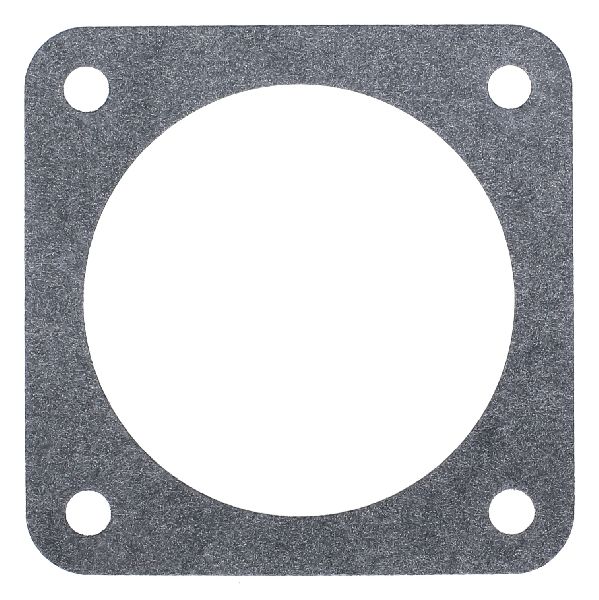
Aftermarket price range: $10-$20 - Throttle Body Gasket
(OEM #06E133109G)— Should be replaced whenever the throttle body is removed for cleaning to prevent a vacuum leak.
Trusted brands: Victor Reinz, Elring
OEM price range: $15-$25
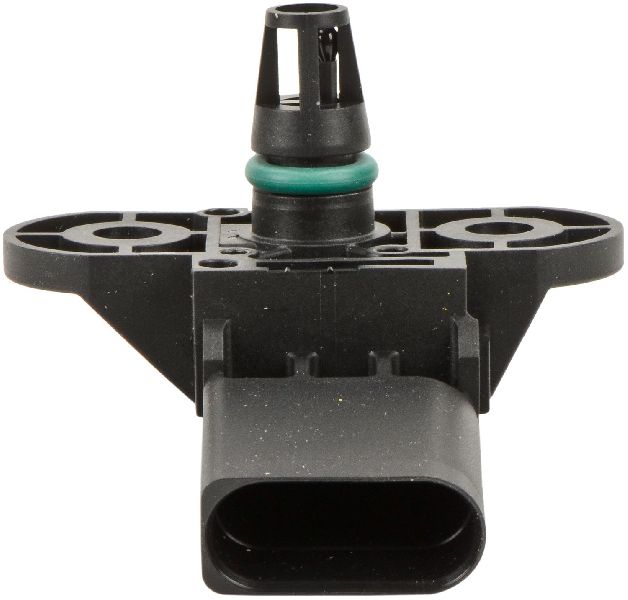
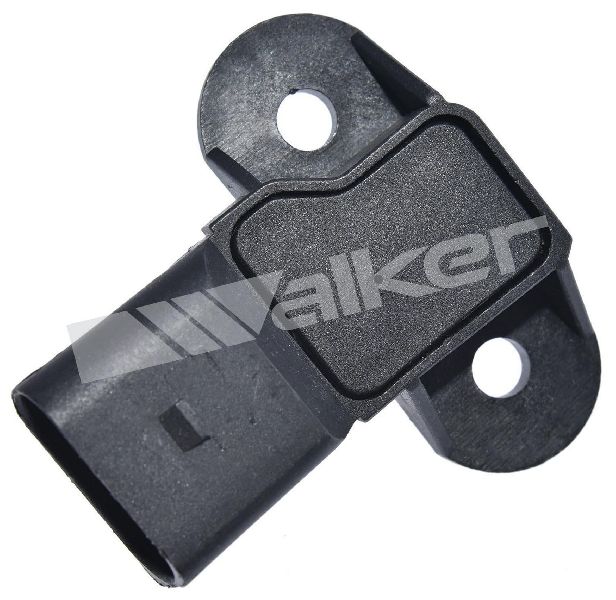
Aftermarket price range: $5-$15 - Manifold Absolute Pressure (MAP) Sensor
(OEM #03C906051F)— This part is only replaced if it is proven to be faulty after cleaning the throttle body and checking for vacuum leaks.
Trusted brands: Bosch, VEMO
OEM price range: $80-$120
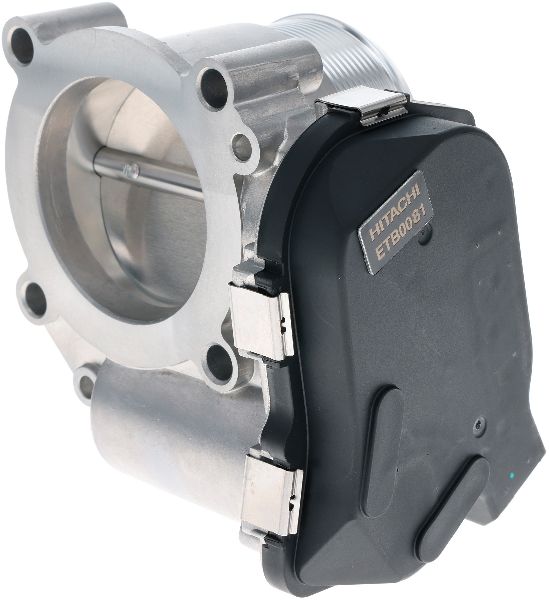
Aftermarket price range: $40-$70 - Throttle Body Assembly
(OEM #06E133062C)— Replaced only in the rare case that cleaning does not work and the internal electronics of the throttle body have failed.
Trusted brands: Bosch, VDO
OEM price range: $400-$600
Aftermarket price range: $200-$350
Related Codes That Often Appear With This One
- P307A — This code means 'Air Intake System: Flow too Low' and is frequently triggered alongside P0068 because the root cause, often a dirty throttle body or clogged snow screen, directly restricts airflow.
- P2279 — This code for an 'Intake Air System Leak' often appears if the root cause of P0068 is a vacuum leak from a cracked hose or bad gasket.
Technical Service Bulletins (TSBs) & Recalls
- Audi TSB 01 23 62 2070915/1: While primarily for newer engines, this TSB estab
Platform-Specific Known Issues
- Real-World Repair: P0068 & P307A Fixed by Cleaning: An owner of a 2006 Audi A6 3.2L on AudiWorld forums reported getting both P0068 and P307A codes. After trying to simply clear the codes and replacing the MAP sensor with no success, the final fix was to remove, clean, and reinstall the throttle body with a new gasket, followed by a Throttle Body Adaptation using VCDS. This completely resolved the issue, confirming the dirty throttle body as the root cause.
- Don't Forget the 'Snow Screen': Multiple users on AudiWorld emphasize the importance of cleaning the 'snow screen', a mesh pre-filter in the airbox. One user measured a 20% airflow improvement after cleaning this screen alone, suggesting it can be a primary cause of the 'Flow too Low' (P307A) code and contribute to P0068.
Mechanic-Grade Diagnostic Values
- Throttle Valve Angle at Idle (VCDS Measuring Block 003) — expected: 2-4% after cleaning and adaptation.. Failure: A high value, such as 15% or more, indicates the throttle plate is being held open by carbon buildup to achieve a stable idle, which the ECM flags as a correlation error.
- Real-world Throttle Valve Sensor Reading at Idle — expected: ~12.2% after cleaning and adaptation.. Failure: A reading of ~15.3% before cleaning was associated with the P0068 code.
- Throttle Position Sensor (G69) Voltage — expected: 0.5V - 5.0V range. NOTE: This sensor's operation is often inverted; voltage is high at idle (approx. 4.0-4.5V) and low at wide-open throttle (approx. 0.3-0.8V).. Failure: Voltage that is erratic, out of range, or does not respond smoothly to throttle plate movement.
Scan Tool Commands That Help
- VCDS (VAG-COM): Throttle Body Adaptation (TBA) — This is a mandatory procedure after cleaning or replacing the throttle body. The ECM must relearn the closed, open, and part-throttle positions of the clean throttle plate. The sequence is: [Engine - 01] -> [Basic Settings - 04] -> Group 060 -> [Go!]. The display should show 'ADP RUN' and then 'ADP OK'.
- VCDS (VAG-COM): Output Test - N80 (EVAP Purge Control Valve) — If a vacuum leak is suspected but a smoke test is clean, use this function to cycle the EVAP purge valve. A valve that is stuck open can create an intermittent, unmetered air leak that causes P0068.
Wiring & Ground Locations
- G12 — Center of the firewall in the engine bay.. This is a primary ground point for the Engine Control Module (ECM). A poor connection here can cause erratic behavior and false sensor correlation faults.
- G26 — Under the power steering fluid reservoir in the engine bay.. Grounds the cooling fan control module, which is tied into the ECM's network. While less direct, poor grounds in the engine bay can create electrical noise and unpredictable issues.
- G44 — Behind the driver's side kick panel inside the cabin.. This is a major interior ground point for multiple modules, including the Body Control Module and Comfort Control Module. Electrical issues here can sometimes manifest as engine-related codes.
- Engine Ground Strap — Runs from the engine block to the vehicle chassis.. A corroded or loose main engine ground strap can cause a host of electrical problems, including incorrect sensor readings, as the engine's sensors may not have a stable reference to ground.
Real Owner Repair Stories
- AudiWorld Forums User (Audi A4 3.2L S-Line) — P0068 code, bad idle at stop, 'bubbling' idle.
❌ Tried (didn't work) Cleaning the throttle body.
✅ What actually fixed it Cleaning the 'snow screen' pre-filter inside the airbox. The user measured a 20% improvement in airflow after cleaning this screen, which resolved the code. - YouTube Commenter (Not specified, but applicable to P0068 diagnosis) — P0068 code, cold start surging.
❌ Tried (didn't work) Months of unspecified diagnosis.
✅ What actually fixed it Replacing a faulty oil dipstick seal. The old, worn seal was creating a small, persistent vacuum leak that the ECM could not reconcile, triggering the correlation fault. - Ross-Tech Forums User (VW Touareg 3.2L V6 (related engine family)) — Persistent P0068 code.
❌ Tried (didn't work) Replacing the MAF sensor (on a vehicle that had one)., Clearing codes., Checking for vacuum leaks.
✅ What actually fixed it After exhausting other options, replacing the entire throttle body assembly and performing the alignment finally resolved the code. This indicates the internal electronics of the original throttle body had failed in a way that cleaning could not fix.
"I Checked Everything" — The Actual Cause
- A faulty oil dipstick seal. A smoke test may not reveal this small leak, especially if the dipstick is left in place and not specifically tested. An owner chased P0068 for months until discovering the worn seal was the source of the unmetered air.
- A stuck-open EVAP purge control valve (N80). This creates a vacuum leak path from the charcoal canister that is not part of the main intake tract. A standard smoke test won't find this unless the valve is commanded to cycle with a scan tool during the test.
OEM Part Supersession History
06E133062G, 06E133062H→06E133062C— Revisions to address reliability or manufacturing improvements in the throttle body assembly.
Heads up: The newer part number (06E133062C) is generally backwards compatible with models that used the older G or H revisions. Always confirm fitment with the vehicle's VIN.
Model Year Variations Within This Range
- 2005-2008: No significant variations related to the P0068 fault have been identified within the B7 generation for the 3.2L V6 engine. The causes and fixes are consistent across this model year range.
Diagnostic Flowchart
Other Known Issues on This Vehicle
Issues unrelated to this code that are worth knowing about as an owner of this generation:
- Timing Chain Tensioner Failure 🔴 High — Can occur with age and mileage, often signaled by a rattling noise from the rear of the engine on cold starts for 1-3 seconds. Failure is more common on vehicles with extended oil change intervals. (Ref: Audi TSB 2039995/2 was released for a similar issue on other engines, providing updated tensioner parts.)
- Intake Valve Carbon Buildup 🟠 Medium — An inherent issue with all FSI (direct injection) engines. Performance degradation is gradual. Manual cleaning (walnut blasting) is often required every 60,000-100,000 miles to restore performance. (Ref: Dealers may have an ECU software update that adjusts valve overlap timing to help reduce the rate of future carbon buildup after a cleaning.)
- Thermostat Failure 🟠 Medium — Common after 60,000 miles. Symptoms include a fluctuating temperature gauge that struggles to reach or maintain 90°C, or overheating.
- PCV Valve Failure 🟡 Low → Shop PCV Valve — The PCV valve/oil separator can fail, leading to increased oil consumption, rough idle, and vacuum leaks. This is a direct contributor to oil contamination in the intake system.
- Ignition Coil and Spark Plug Failure 🟡 Low — A common maintenance issue, typically occurring after 40,000-70,000 miles, causing misfires. It's recommended to replace all coils and plugs at the same time.
Used vs. New Parts: Buying Guide for This Vehicle
When a used part is the smart pick: A used throttle body assembly can be a cost-effective option, as the most common failure is carbon buildup, not necessarily electronic failure. A used part from a reputable dismantler with a warranty is a viable repair strategy.
Donor-vehicle mileage cap: roughly under 80000 miles for the part to have meaningful remaining life.
What to inspect on the donor part:
- Check for a clean throttle plate and bore; excessive carbon may indicate a poorly maintained donor engine.
- Ensure the electrical connector is free of corrosion, cracks, or bent pins.
- Verify the seller offers a warranty or return policy in case the internal electronics are faulty.
- Confirm the part number matches or is a valid superseded number for your vehicle.
OEM-only on this vehicle (don't cheap out):
- PCV Valve / Oil Separator: Aftermarket versions are notoriously unreliable. It is critical to use a genuine OEM part, preferably the latest revision, to prevent premature failure and repeat vacuum leaks.
- MAP Sensor: While OEM-supplier brands like Bosch are excellent, avoid generic, no-name sensors. The ECM is very sensitive to the voltage signals from this sensor, and poor-quality units can cause persistent codes or poor performance.
Aftermarket brands forum-validated for this vehicle:
- Bosch or VDO for throttle body assembly.
- Victor Reinz or Elring for gaskets.
Real Owner Stories
Aggregated from forums and TSBs cited above. Mileages and costs reflect what owners reported in those sources.
2006 Audi A6 3.2L V6 FSI
Symptoms: The owner reported getting both P0068 and P307A codes. They initially tried to clear the codes and replace the MAP sensor, but the issue persisted.
What fixed it: Removing, cleaning, and reinstalling the throttle body with a new gasket, followed by a Throttle Body Adaptation using VCDS.
Source hint: AudiWorld forums: 'THROTTLE BODY ISSUE, CODE P0068, FIXED'
2005-2008 Audi A4 3.2L V6
Symptoms: Rough or unstable idle described as 'bubbling' or sputtering. Live data showed a throttle valve sensor reading of 15.3% at idle.
What fixed it: Cleaning the throttle body, which improved the idle throttle angle reading from 15.3% to 12.2%.
Source hint: Article Context Symptoms and Common Causes
2007-2009 Audi A5 3.2L V6 FSI
Symptoms: Check engine light with codes P0068, P307A, and P2070 appearing together.
What fixed it: Addressing carbon buildup and intake airflow issues common to the 3.2L FSI platform.
Source hint: AudiForums.com: 'A5 S-line 3.2L ENGINE LIGHT'
Related OBD-II Codes
Frequently Asked Questions
I cleaned my throttle body on my 2006 A4 3.2L but the P0068 code is still there. Did I miss a step?
Is there a specific gasket part number I need for the 3.2L FSI throttle body?
What is the 'snow screen' I keep hearing about on AudiWorld forums?
Could a loose oil cap really cause a P0068 code on my Audi?
My 3.2L engine has a rattling noise for a few seconds on cold starts; is this related to P0068?
Does the 3.2L FSI engine require special maintenance for the intake valves?
Helpful Videos

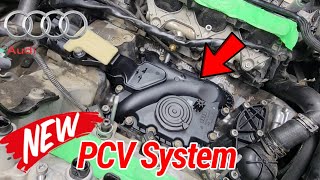
![[PCV Remove] Audi A5/A6 3.2L Engine, Coolant Problem Loss/leak D.i.Y.](https://img.youtube.com/vi/8ojv5WVT1es/mqdefault.jpg)
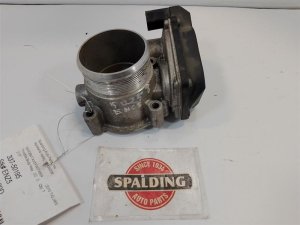
Used OEM Parts in Stock
New Aftermarket Parts Available


The information in this article is provided for general reference and educational purposes only. Vehicle specifications, procedures, and part compatibility can vary by production date, trim level, and region. Always consult your vehicle's factory service manual and verify part numbers before purchasing or performing repairs. Safety-critical components such as airbags, seat belts, and braking systems should be installed by a qualified professional.
- Audi A4:
- 🧭 Diagnostic Flowchart
- 🎬 Helpful Videos
- 🛍️ Shop This Part
- What's Unique About the 2005-2008 Audi A4
- Symptoms You May Notice
- Most Likely Causes
- Rare But Worth Checking
- Diagnosis Steps
- Parts You'll Likely Need
- Related Codes That Often Appear With This One
- Technical Service Bulletins (TSBs) & Recalls
- Platform-Specific Known Issues
- Mechanic-Grade Diagnostic Values
- Scan Tool Commands That Help
- Wiring & Ground Locations
- Real Owner Repair Stories
- "I Checked Everything" — The Actual Cause
- OEM Part Supersession History
- Model Year Variations Within This Range
- Other Known Issues on This Vehicle
- Used vs. New Parts: Buying Guide for This Vehicle
- Real Owner Stories
- 2006 Audi A6 3.2L V6 FSI
- 2005-2008 Audi A4 3.2L V6
- 2007-2009 Audi A5 3.2L V6 FSI
- Related OBD-II Codes
- Frequently Asked Questions
- 🎟️ Get 5% Off