

P0068 on 2013-2017 Cadillac ATS: MAP/MAF & Throttle Position Fault Causes and Fixes
Code P0068 on a Cadillac ATS most often points to an unmetered air leak from a cracked vacuum hose (like the PCV or brake booster line), loose intake manifold bolts, or a dirty Mass Airflow (MAF) sensor. Start by inspecting all intake hoses for cracks, checking intake manifold bolt torque, and cleaning the MAF sensor before replacing any parts.
- P0068 means the engine's airflow sensors are giving conflicting reports.
- The most likely cause is a physical problem, not a failed sensor. Start by looking for cracked vacuum hoses (unmetered air leaks).
- Cleaning the MAF sensor and throttle body is a cheap and effective second step.
- This code often appears with other codes. If it does, the problem may be more complex, as indicated by GM Technical Service Bulletins.
- Only replace sensors after confirming they are faulty through testing or after all other possibilities have been ruled out.
What's Unique About the 2013-2017 Cadillac ATS
On the Cadillac ATS and related GM platforms using the LTG and LCV engines, P0068 is frequently accompanied by a range of other sensor and fuel system codes, as noted in official Technical Service Bulletins like PIP5529B. This TSB specifically points to loose intake manifold bolts as a potential cause for this cluster of codes, leading to a significant vacuum leak. This suggests the root cause may not be a single faulty sensor, but rather a system-wide air leak or an electrical problem affecting multiple components. Therefore, diagnosis should not be narrowly focused on just one part and should include checking the intake manifold bolt torque.
Diagnostic Flowchart
Tap your situation to follow the diagnostic path that matches what you're seeing on this vehicle.
Symptoms You May Notice
- Check Engine Light is on
- Rough or unstable idle, engine may vibrate noticeably.
- Engine may hesitate, stumble, or 'lug' during acceleration.
- Reduced engine power or entering 'limp mode'.
- Occasional stalling, especially when coming to a stop.
- Increased fuel consumption.
- Difficulty starting the engine, may require multiple cranks.
- Replacing the Throttle Position Sensor (TPS) alone. The TPS is usually integrated into the throttle body assembly on the ATS. The issue is often a dirty throttle body or a different sensor/leak, not a failed TPS itself.
- Replacing the O2 sensors. While fuel trim issues might be present, they are typically a symptom of the unmetered air causing the P0068 code, not the root cause.
- Replacing sensors without testing. Technicians may replace one of the involved sensors (MAP, MAF) without confirming the failure, when the actual cause is a physical issue like a vacuum leak.
Most Likely Causes
- Vacuum Leak (Intake Manifold, PCV Hoses, Brake Booster Hose) 🔴 High Probability TSB PIP5529B explicitly identifies loose intake manifold bolts as a cause for P0068 on the ATS, leading to a vacuum leak at the gasket. Additionally, rubber and plastic hoses in the engine bay become brittle over time with exposure to heat and oil vapor. A cracked PCV hose or a deteriorated brake booster hose connection at the intake manifold are common sources of unmetered air. One owner on Reddit with a similar GM engine found a cracked PCV tube was the source of their P0068 and P0101 codes.
How to confirm: Visually inspect all vacuum lines for cracks or loose fittings. With the engine running, listen for a hissing sound. A smoke test is the most effective way to pinpoint the exact location of a leak. For the intake manifold, check the torque on the bolts according to the TSB's recommendation.
Typical fix: Replace the cracked or leaking hose. If intake manifold bolts are loose, remove one at a time, apply medium-strength threadlocker, and torque to factory specifications.
Est. part cost: $15-$75 for hoses, or just the cost of threadlocker if bolts are the issue. - Dirty or Faulty Mass Airflow (MAF) Sensor 🟡 Medium Probability → Shop Fuel Injection Air Flow Meter The MAF sensor wire is delicate and can become contaminated with dirt and oil vapor over time, causing it to read airflow inaccurately. This is a common issue on many modern vehicles and is a primary suspect for correlation codes.
How to confirm: Remove the MAF sensor from the intake tube. Visually inspect the small wires inside for contamination. Often, cleaning the sensor is the first step. If cleaning doesn't work, it may need replacement.
Typical fix: Clean the sensor with a dedicated MAF sensor cleaner spray. Let it dry completely before reinstalling. If the issue persists, replace the sensor.
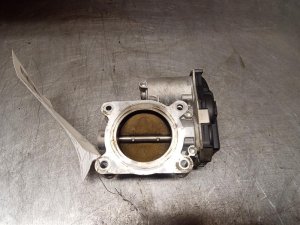
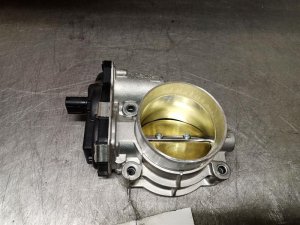
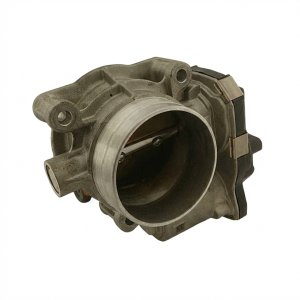
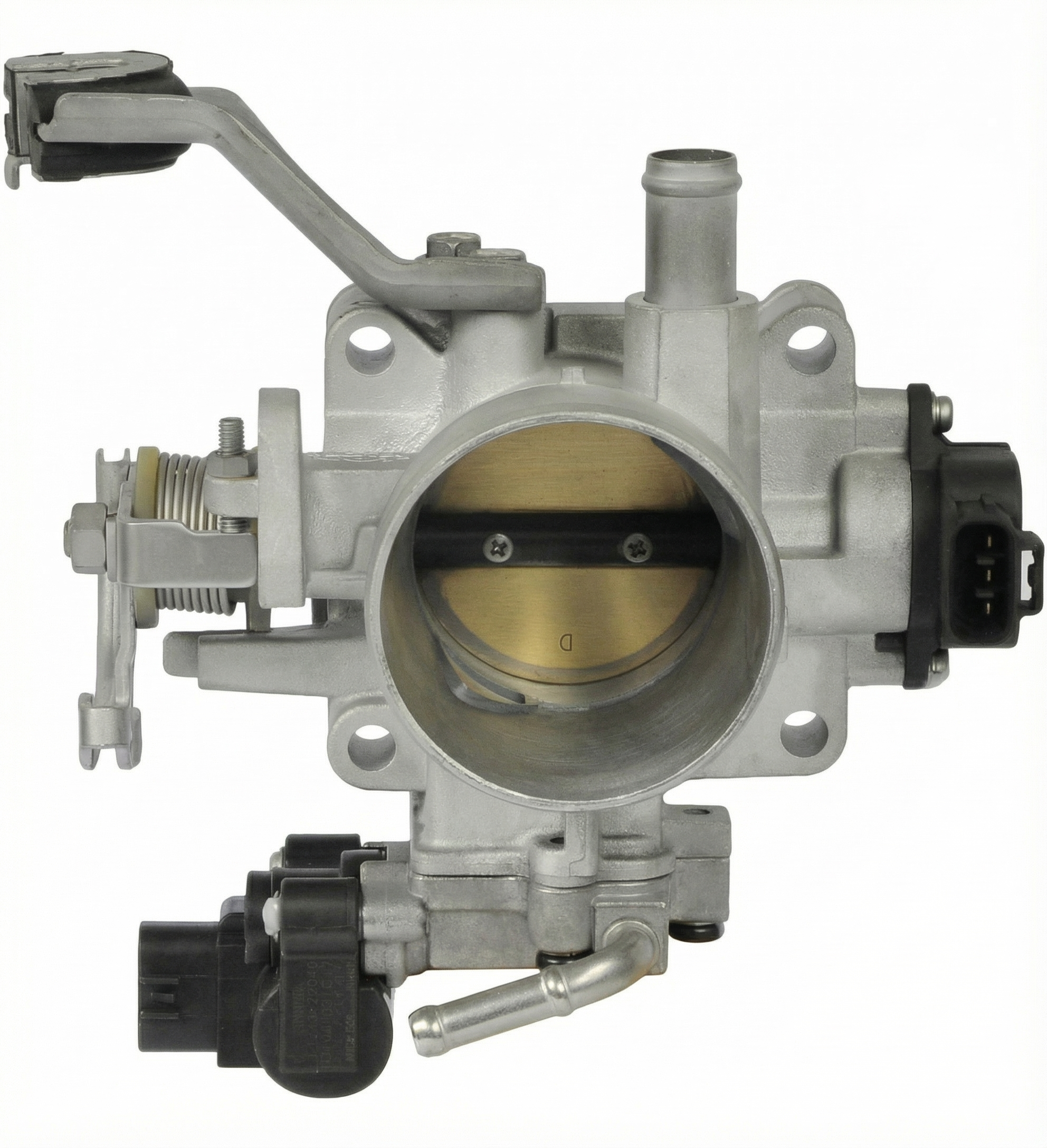
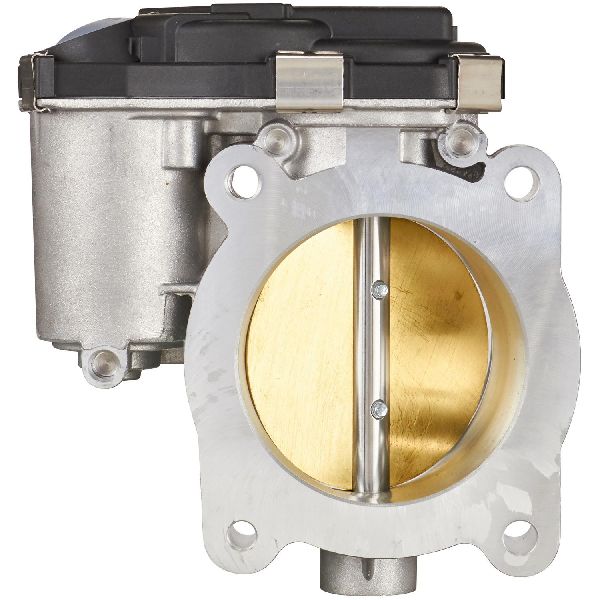
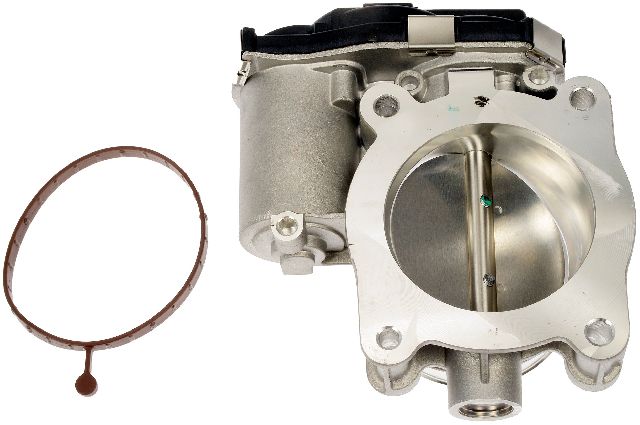
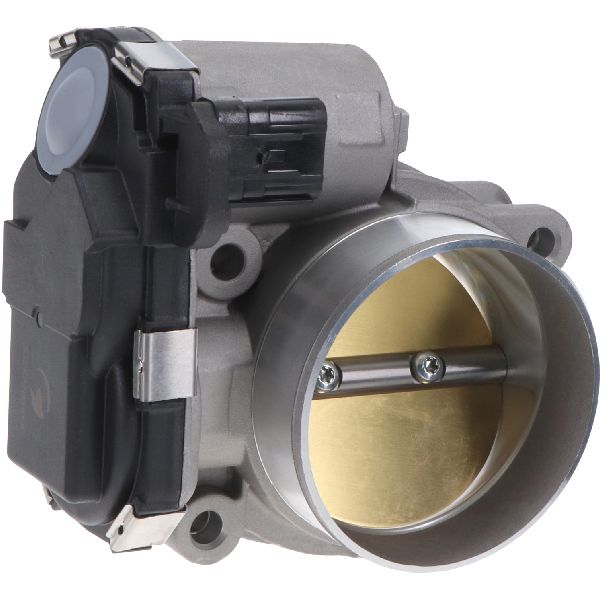
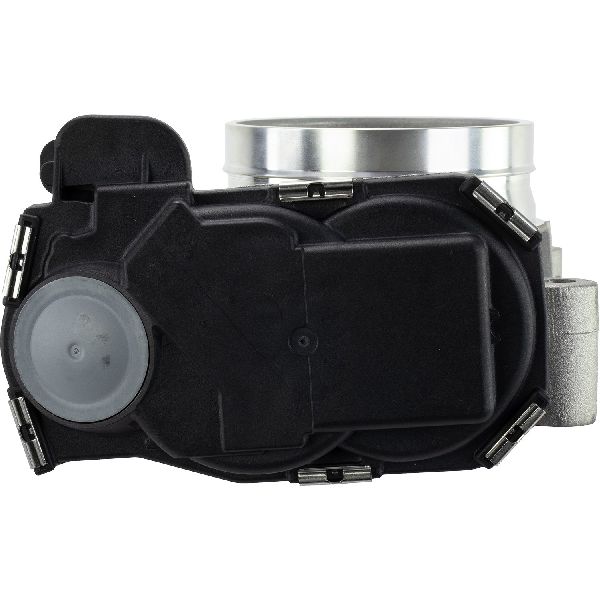
Est. part cost: $10 (cleaner) - $120 (new sensor) - Dirty or Sticking Throttle Body 🟡 Medium Probability → Shop Fuel Injection Throttle Body
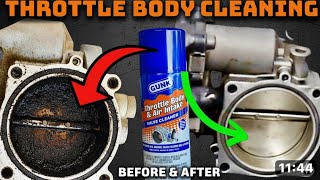
How to confirm: Remove the air intake tube connected to the throttle body. Visually inspect the throttle plate and the inside of the housing for black, oily carbon buildup ('coke'). This buildup can prevent the plate from moving smoothly or closing properly, disrupting airflow correlation.
Typical fix: Clean the throttle body bore and plate with a dedicated throttle body cleaner and a soft cloth. A throttle position relearn procedure may be required after cleaning.
Est. part cost: $10 (cleaner) - Faulty Manifold Absolute Pressure (MAP) Sensor ⚪ Low Probability → Shop Manifold Absolute Pressure Sensor
How to confirm: Requires a scan tool to monitor the MAP sensor voltage or pressure reading (kPa/PSI) with the key on, engine off, and then at idle. The reading should be logical for your altitude and change smoothly with engine RPM. Compare readings to a known good vehicle or service manual specifications.
Typical fix: Replace the MAP sensor.
Est. part cost: $40-$70
Rare But Worth Checking
- Wiring Harness Issue: Damaged wires or corroded connectors for the MAP, MAF, or TPS sensors can cause intermittent or incorrect signals. This is mentioned in TSBs PIP5529A and PIP5529B as a possibility to investigate when multiple codes are present and other diagnostics don't lead to a solution.
- Faulty Powertrain Control Module (PCM): → Shop Engine Control Module (ECM) This is extremely rare. All other possibilities, especially vacuum leaks (including loose intake bolts) and sensor issues, should be exhaustively ruled out before considering a PCM failure.
Diagnosis Steps
- Scan for Codes: Use an OBD-II scanner to confirm P0068 and check for any other codes. The presence of codes like P0101, P0106, P0171, or P0506 is a critical clue pointing towards a vacuum leak, as outlined in TSB PIP5529B.
- Inspect for Vacuum Leaks: Perform a thorough visual inspection of the entire air intake system. Check the air filter, the intake tube for cracks, and all vacuum hoses connected to the intake manifold, especially the PCV and brake booster lines.
- Check Intake Manifold Bolt Torque: Per TSB PIP5529B, a key step for the ATS and related models is to inspect the intake manifold bolts to ensure they are not loose.
- Perform a Smoke Test: This is the most reliable way to find hard-to-see vacuum leaks. Introduce smoke into the intake system and look for any that escapes, paying close attention to the intake manifold gasket area and all hose connections.
- Clean the Mass Airflow (MAF) Sensor: Disconnect the battery, unplug the sensor, remove it, and spray the sensing elements with dedicated MAF sensor cleaner. Let it dry completely before reinstalling.
- Clean the Throttle Body: Remove the intake duct and clean any carbon buildup from the throttle plate and bore using throttle body cleaner and a rag. Do not push the plate open manually if it's an electronic throttle; have a helper turn the key to the 'ON' position (engine off) and press the gas pedal. A throttle relearn procedure may be needed afterward.
- Check Sensor Live Data: Use a scan tool to monitor live data from the MAP, MAF, and TPS sensors. Watch for any readings that are erratic or don't change smoothly with engine RPM and throttle input. The TPS voltage should sweep smoothly from ~0.5V to ~4.5V.
- Inspect Wiring: If sensor readings are illogical, inspect the wiring and connectors for each sensor (MAP, MAF, TPS) for any signs of damage, corrosion, or loose pins.
Parts You'll Likely Need
- Mass Airflow (MAF) Sensor
(OEM #23262343)— This sensor often gets contaminated, leading to incorrect airflow readings. It's a frequent culprit for correlation codes.
Trusted brands: ACDelco, Hitachi, Denso
OEM price range: $110-$160
Aftermarket price range: $45-$100 - Manifold Absolute Pressure (MAP) Sensor
(OEM #12644228)— If the MAP sensor fails, it provides incorrect engine load information to the ECM, causing a mismatch with other sensor data.
Trusted brands: ACDelco, Bosch
OEM price range: $40-$70
Aftermarket price range: $25-$50 - Throttle Body Assembly
(OEM #12676296)— Typically replaced if cleaning does not resolve the issue or if the integrated Throttle Position Sensor (TPS) has failed. The TPS is not sold separately.
Trusted brands: ACDelco, Standard Motor Products
OEM price range: $200-$300
Aftermarket price range: $120-$220
Related Codes That Often Appear With This One
- P0101 — Mass Airflow (MAF) Circuit Range/Performance. This code directly relates to a MAF sensor problem or a large vacuum leak, which are primary causes of P0068.
- P0106 — Manifold Absolute Pressure (MAP)/Barometric Pressure Circuit Range/Performance. This points to an issue with the MAP sensor or a significant vacuum leak, another key input for the P0068 calculation.
- P0171 — System Too Lean (Bank 1). A vacuum leak allows unmetered air into the engine, which causes a lean condition and can trigger both P0171 and P0068.
- P1101 — Intake Air Flow System Performance. This is a GM-specific code that is very similar to P0101 and is often triggered alongside P0068 by vacuum leaks or MAF sensor issues.
- P0506 — Idle Air Control System RPM Lower Than Expected. This can be triggered by the same vacuum leaks or throttle body issues that cause P0068, as noted in TSB PIP5529B.
Technical Service Bulletins (TSBs) & Recalls
- PIP5529B: Addresses a stall or hesitation with a combination of codes including P0068, P0101, P0106, P0171, and P0506. The primary recommendation is to inspect for and tighten loose intake manifold bolts.
- PIP5529A: An earlier version of the above TSB with similar recommendations.
Mechanic-Grade Diagnostic Values
- Mass Airflow (MAF) Sensor Reading at Idle (2.0L/2.5L Engines) — expected: ~2-4 g/s. Failure: Readings are jumpy, unresponsive to RPM changes, or significantly outside the expected range. A reading below 2.0 g/s can indicate a large vacuum leak after the sensor.
- Mass Airflow (MAF) Sensor Reading at 2500 RPM — expected: 15-25 g/s. Failure: Reading does not increase smoothly with RPM or fails to reach this range.
- Throttle Position Sensor (TPS) Voltage — expected: Approx. 0.5V-0.7V at closed throttle (idle) to ~4.5V at wide-open throttle.. Failure: Voltage does not sweep smoothly as the throttle is opened, has dead spots, or is stuck at a specific voltage.
- Long-Term Fuel Trim (LTFT) at Idle — expected: Between -10% and +10%. Failure: Sustained positive values greater than +15% strongly suggest the ECM is compensating for unmetered air from a vacuum leak.
Scan Tool Commands That Help
- GDS2 (GM Techline Connect): Throttle/Idle Relearn — This function should be performed after cleaning or replacing the throttle body. The ECM learns the new closed-throttle position, which can prevent idle instability or the return of P0068 after the repair.
- GDS2 (GM Techline Connect): Engine Control Module (ECM) Reprogramming — In some cases, particularly if TSBs suggest it, an updated ECM calibration may be available to resolve algorithmic mismatches between sensors. This should be considered after all physical and electrical faults have been ruled out.
Wiring & Ground Locations
- G104 — On 2.0L/2.5L engines, it's on the lower rear of the cylinder head. On early 2013 models, it may be at the front of the engine.. This is a critical engine ground. A loose or corroded connection at G104 can cause erratic behavior from multiple sensors, including those involved in the P0068 calculation.
- G102 — Located at the left rear of the engine.. This is the primary ground for the ignition coils. While not directly related to airflow sensors, a poor ground here can cause misfires and general engine performance data issues that could potentially contribute to correlation faults.
- MAP Sensor Connector — On the intake manifold. It is a 3-pin connector.. The three pins typically carry the 5V reference voltage from the ECM, the sensor ground, and the variable voltage signal back to the ECM. Damage or corrosion on any of these pins will cause a direct failure of the MAP sensor input.
- MAF Sensor Connector — On the air intake tube, between the air filter box and the throttle body. It is a 5-wire connector.. Damage to this connector or its wiring harness can cause a loss of power, ground, or signal from the MAF sensor, directly causing airflow calculation errors and triggering P0068 or P0101.
Real Owner Repair Stories
- Cadillac Forums user (2014 Cadillac ATS 2.0T) — P0101, P0171, P1101, rough idle, stalling.
❌ Tried (didn't work) Cleaned MAF sensor, Replaced MAF sensor, Cleaned throttle body, Replaced spark plugs, Smoke tested the intake system (no leaks found)
✅ What actually fixed it The valve cover itself was cracked, causing a significant unmetered air leak. The PCV system is integrated into the valve cover, and its failure required replacing the entire valve cover assembly to resolve the codes. - Reddit user u/Weird_Custard3743 (similar GM 3.6L V6 engine) (2017 Chevy Traverse 3.6L V6) — P0068, P0101, Stabilitrak/Traction Control lights, reduced power mode, sluggish acceleration.
❌ Tried (didn't work) Cleaning fuel injectors, Replacing the MAF sensor
✅ What actually fixed it A cracked PCV tube was found during a visual inspection. Replacing the cracked hose was the confirmed fix for the vacuum-related codes.
"I Checked Everything" — The Actual Cause
- In one documented case for a 2014 ATS 2.0T, a smoke test of the intake system showed no leaks, leading the owner to replace multiple parts without success. The actual cause was a crack in the valve cover itself, which contains integrated PCV passages. This type of leak is difficult to detect with a standard smoke test focused on intake ducting and can be missed.
Model Year Variations Within This Range
- 2013 (Early Production): On 4-cylinder (LCV, LTG) automatic models built before mid-December 2012, the G104 engine ground was located at the front of the engine. On later models, it was moved to the rear. This is a critical detail when diagnosing potential electrical or grounding issues that could cause sensor faults.
Helpful Videos


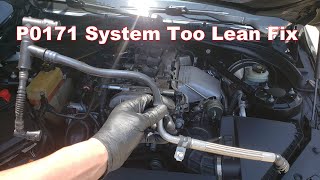

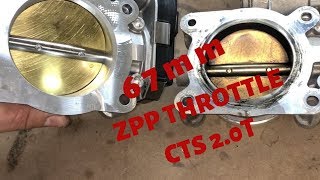
Used OEM Parts in Stock
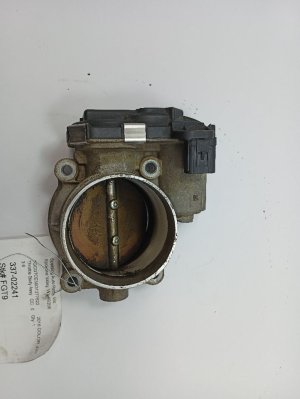
New Aftermarket Parts Available


The information in this article is provided for general reference and educational purposes only. Vehicle specifications, procedures, and part compatibility can vary by production date, trim level, and region. Always consult your vehicle's factory service manual and verify part numbers before purchasing or performing repairs. Safety-critical components such as airbags, seat belts, and braking systems should be installed by a qualified professional.
- Cadillac ATS:
- 🧭 Diagnostic Flowchart
- 🎬 Helpful Videos
- 🛍️ Shop This Part
- What's Unique About the 2013-2017 Cadillac ATS
- Symptoms You May Notice
- Most Likely Causes
- Rare But Worth Checking
- Diagnosis Steps
- Parts You'll Likely Need
- Related Codes That Often Appear With This One
- Technical Service Bulletins (TSBs) & Recalls
- Mechanic-Grade Diagnostic Values
- Scan Tool Commands That Help
- Wiring & Ground Locations
- Real Owner Repair Stories
- "I Checked Everything" — The Actual Cause
- Model Year Variations Within This Range
- 🎟️ Get 5% Off