

P0068 on 2012-2015 Cadillac CTS 3.6L V6: MAP/MAF Throttle Position Correlation Fixes
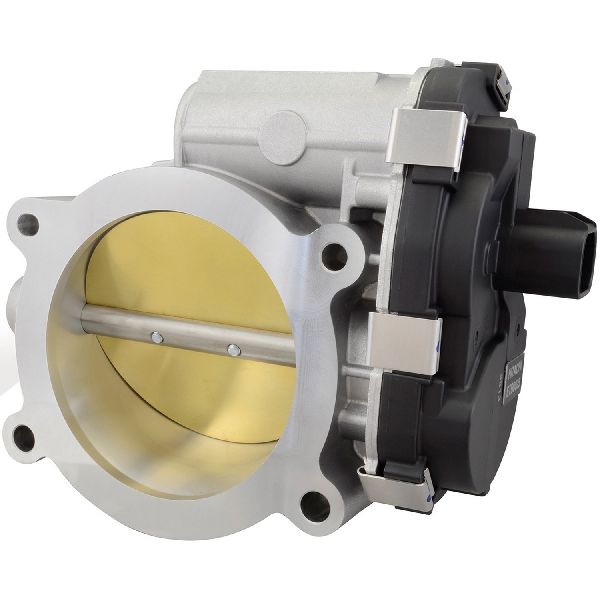
On a 2012-2015 Cadillac CTS with the 3.6L V6, code P0068 is most often caused by a dirty throttle body or a vacuum leak from a cracked hose. Cleaning the throttle body (about $15 in cleaner) and inspecting PCV/brake booster hoses is the most common and effective fix. In some cases, the throttle position sensor within the throttle body assembly may fail outright, requiring replacement of the entire unit.
- Do not immediately replace any sensors. P0068 is a correlation code, most often caused by a physical problem like a vacuum leak or a dirty throttle body.
- The first and most effective step is to inspect for vacuum leaks (especially PCV and brake booster hoses) and clean the throttle body.
- This code will likely put the car into 'Reduced Engine Power' mode, so it should be addressed promptly for safety and drivability.
- If you clean or replace the throttle body, an 'Idle Learn Reset' procedure is mandatory to prevent further issues.
What's Unique About the 2012-2015 Cadillac CTS
For the 3.6L LFX direct-injection engine in this Cadillac CTS, P0068 is frequently a physical problem rather than a failed sensor. Because fuel is injected directly into the cylinders, it doesn't wash over and clean the intake path and throttle body. As a result, oil vapor from the PCV system can bake onto the throttle plate, causing it to stick or not close properly, which is a primary trigger for this code. Additionally, several GM technical bulletins point to specific issues like throttle body carbon buildup (TSB #PIP4578B) and loose intake manifold bolts (TSB #PIP5529B) as known causes on these platforms.
Generation note: The 2012-2015 period covers the end of the second generation (2012-2014) and the beginning of the third generation (2014-2015) CTS. Both generations used the 3.6L LFX V6 engine, and the causes and fixes for P0068 are consistent across them. The throttle body for the LFX engine (2012+) uses a different part number (e.g., ACDelco 12670981) than the earlier LLT engine (pre-2012). This part is shared with many other GM vehicles from the era.
Symptoms You May Notice
- "Reduced Engine Power" message and limited vehicle speed
- Rough or unstable idle
- Hesitation or stumbling during acceleration
- Engine stalling when coming to a stop
- Illuminated Check Engine Light
- Hissing sound from the engine bay at idle
- Replacing the MAP sensor without checking for vacuum leaks or a dirty throttle body.
- Replacing the MAF sensor when it only needs to be cleaned.
- Replacing the throttle body when a simple cleaning would have solved the problem.
- Replacing the throttle body when the issue was loose intake manifold bolts.
Most Likely Causes
- Dirty or Carbon-Clogged Throttle Body 🔴 High Probability → Shop Fuel Injection Throttle Body The 3.6L LFX is a direct-injection engine, so fuel doesn't clean the intake. PCV system vapors bake onto the throttle plate, restricting movement. TSB #PIP4578B specifically identifies this issue on high-mileage GM vehicles, leading to codes like P0068.
How to confirm: With the key on but engine off, use a scan tool to view the throttle position. If it reads higher than 0-1%, the plate is not closing fully, likely due to buildup. Visual inspection after removing the intake duct will confirm carbon deposits.
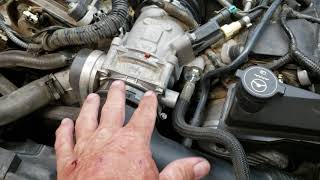
Typical fix: Thoroughly clean the throttle body plate and bore with dedicated throttle body cleaner and a soft brush. An idle relearn procedure is required 🎬 Watch: Step-by-step guide to cleaning your CTS throttle body. afterward for the ECM to adapt, which can be done with a scan tool or by following a manual procedure.
Est. part cost: $10-$20 - Vacuum Leak (PCV/Brake Booster Hoses) 🔴 High Probability Engine heat and oil vapor cause the rubber hoses connected to the intake manifold to become brittle, cracked, or soft and loose over time. The brake booster vacuum hose, in particular, is a known failure point where it connects to the intake, becoming oil-saturated and slipping off. A PCV hose that frequently pops out is another known issue.
How to confirm: Visually inspect all vacuum lines connected to the intake manifold, especially the PCV tubes and the larger hose going to the power brake booster. Listen for a hissing sound at idle. A smoke test is the most definitive way to find hard-to-see leaks. A user on cadillacforums.com found a small vacuum hose from the intake tube to the engine top was completely disconnected, causing P0068.
Typical fix: Replace the cracked, disconnected, or oil-saturated vacuum hose. The brake booster hose may require a specific part, like GM Part No. 20919372.
Est. part cost: $15-$75 - Loose Intake Manifold Bolts 🟡 Medium Probability → Shop Engine Intake Manifold TSB #PIP5529B notes that on some GM engines, including the CTS, the intake manifold bolts can loosen over time, creating a vacuum leak that may not be detectable with a simple smoke test.
How to confirm: Using a torque wrench, check if the intake manifold bolts are torqued to the factory specification of 89 lb-in (10 Nm).
Typical fix: Per the TSB, the fix is to remove the bolts one at a time, apply medium-strength threadlocker, and re-torque them in sequence to the correct specification.
Est. part cost: $5-$10 (for threadlocker)
Rare But Worth Checking
- Faulty Throttle Body Assembly (Internal Sensor Failure): → Shop Fuel Injection Throttle Body Sometimes, the internal Throttle Position Sensor (TPS) fails even if the throttle body is clean. A key symptom is a scan tool showing a high throttle percentage (e.g., 30%) with the key on, engine off. In this case, the entire throttle body assembly must be replaced.
- Faulty MAP or MAF Sensor: → Shop Fuel Injection Air Flow Meter This code indicates a *correlation* problem, which is more often a physical issue (leak/blockage) than a failed sensor. Only replace a sensor after confirming it is faulty through electrical testing and all other causes have been ruled out.
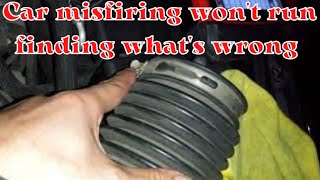
- Cracked Air Intake Duct: A tear or crack in the flexible intake boot between the air filter box and the throttle body will allow unmetered air to enter, which the ECM interprets as a correlation fault.
- Wiring or Ground Issues: A corroded or loose engine ground (locations G107/G108 on the cylinder heads are critical) can cause unstable voltage to the sensors, leading to incorrect readings and triggering P0068.
Diagnosis Steps
- Read all stored fault codes with an OBD-II scanner. Note any other codes that appear with P0068, as they can provide clues (e.g., P0171/P0174 point strongly to a vacuum leak).
- With the key on and engine off, check the live data for the Throttle Position Sensor (TPS). It should read 0-1%. If it's high (e.g., 5%, 10%, or even 30%), the throttle plate is not closing properly. This could be due to carbon buildup or a failed TPS.
- Visually inspect the entire air intake system from the air filter to the throttle body for cracks or loose connections.
- Carefully inspect all vacuum hoses connected to the intake manifold, especially the PCV lines and the brake booster hose, for cracks, swelling, or disconnection. Pay close attention to the connection points.
- If the TPS reading was high or as a primary diagnostic step, remove the intake duct and thoroughly clean the throttle body and plate with a dedicated cleaner.
- After cleaning, perform an idle relearn procedure. The most reliable method is with a scan tool (Tech 2 or GDS2), but a common manual method is to idle the engine in Park for 3 minutes, turn it off for 60 seconds, and repeat the cycle.
- If the code persists, perform a smoke test to find any hidden vacuum leaks. This is the most effective way to find leaks that are not visually obvious.
- Check the torque of the intake manifold bolts and tighten to 89 lb-in (10 Nm) if loose, using medium-strength threadlocker as recommended by TSB 🎬 See this walkthrough for replacing the intake manifold gasket. #PIP5529B.
- Only after confirming all physical and air leak issues are resolved, proceed to test the MAP and MAF sensor circuits for correct voltage, ground, and signal with a multimeter.
Parts You'll Likely Need
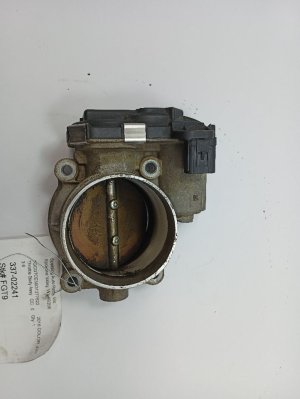
- Throttle Body Assembly
(OEM #12670981)— Replaced if it is physically damaged or if the internal position sensor fails, which can happen after cleaning does not resolve an incorrect baseline reading.
Trusted brands: ACDelco, Hitachi
OEM price range: $200-$300
Aftermarket price range: $120-$220 - Manifold Absolute Pressure (MAP) Sensor
(OEM #213-4681 (GM 12644228), 55569992, or 25203477)— Replaced only if electrical tests confirm it has failed. This is not a common cause, and it should not be replaced without diagnosis. Multiple part numbers may apply depending on the specific year and trim.
Trusted brands: ACDelco, Bosch, Standard Motor Products
OEM price range: $40-$60
Aftermarket price range: $25-$50
Related Codes That Often Appear With This One
- P0101 — Mass Air Flow (MAF) Circuit Range/Performance. A vacuum leak or dirty MAF sensor directly impacts MAF readings, often triggering both codes together.
- P0106 — Manifold Absolute Pressure (MAP) Circuit Range/Performance. A significant vacuum leak directly affects the MAP sensor's readings, causing it to conflict with other sensors.
- P0171 / P0174 — System Too Lean. These codes are triggered when a vacuum leak allows excess, unmetered air into the engine, which is a primary cause of P0068.
- P2176 — Throttle Actuator Control System - Idle Position Not Learned. This can appear after cleaning the throttle body if an idle relearn procedure is not performed, or if heavy carbon buildup prevents the throttle from closing to its base position.
- P2101 — Throttle Actuator Control Motor Circuit Range/Performance. Often appears with P0068 when a physical obstruction (carbon, debris) or internal failure affects the throttle body's movement.
Technical Service Bulletins (TSBs) & Recalls
- PIP4578B: Addresses idle surge, reduced power, and codes including P0068 on high-mileage vehicles due to carbon buildup in the throttle body.
- PIP5529B: Links a cluster of codes (including P0068, P0106, P0171) to a potential vacuum leak caused by loose intake manifold bolts.
Platform-Specific Known Issues
- Direct-injection design leads to accelerated carbon buildup on the throttle body since there is no fuel to wash it clean.
- A known issue, documented in TSB #PIP5529B, involves intake manifold bolts loosening over time, causing a hard-to-find vacuum leak.
- An idle relearn procedure is critical after servicing the throttle body to prevent high idle and other related codes like P2176.
Mechanic-Grade Diagnostic Values
- Mass Airflow (MAF) Sensor Reading at Idle — expected: 4.2-4.8 g/s (on a warm, stable engine). Failure: Significantly lower readings (e.g., 2.5 g/s) can indicate unmetered air (vacuum leak), while readings that don't increase with RPM suggest a faulty sensor.
- Throttle Position Sensor (TPS) Percentage at KOEO — expected: 0-1%. Failure: A reading of 5%, 10%, or as high as 30% with the key on and engine off is a dead giveaway that the throttle plate is not closing (due to carbon) or the internal sensor has failed.
- Manifold Absolute Pressure (MAP) Sensor Voltage at KOEO — expected: 4.5 - 5.0 Volts. Failure: Voltage outside this range with the key on, engine off, points to a sensor or wiring issue.
- Manifold Absolute Pressure (MAP) Sensor Voltage at Idle — expected: ~1.0 Volt (on a running engine). Failure: Voltage that doesn't drop from the KOEO reading when the engine starts indicates a sensor that is not responding to engine vacuum.
- Throttle Position Sensor (TPS) Voltage Range — expected: ~0.5V at closed throttle, sweeping smoothly to ~4.5V-5.0V at wide-open throttle.. Failure: Any spikes, dropouts, or non-linear response during a slow sweep of the pedal indicates a failed sensor track inside the throttle body.
Scan Tool Commands That Help
- GDS2 / Professional Scan Tool: Idle Learn Reset / Throttle Relearn — This is a mandatory step after cleaning or replacing the throttle body. The ECM must relearn the new closed-throttle position. Failure to perform this can cause an unstable idle, a new P2176 code, or an immediate return of P0068.
- GDS2 / Professional Scan Tool: Engine Control Module > Data Display — To monitor live data PIDs for MAF (g/s), MAP (kPa/Voltage), and Throttle Position (%). Comparing these values to expected norms is the primary method for diagnosing the correlation fault.
Wiring & Ground Locations
- G107 / G108 — On the left (driver's side) cylinder head, sometimes on the rear or side of the engine block.. These are primary engine ground points for the ECM and multiple sensors. A loose or corroded connection here can introduce noise and voltage offsets into the MAP, MAF, and TPS circuits, causing erratic readings that trigger a correlation fault.
- Throttle Body Connector — Directly on the throttle body assembly.. This connector carries the 5V reference, ground, and signal wires for the dual throttle position sensors. Wiggling this connector while monitoring TPS data on a scan tool can help identify intermittent connection issues.
- MAP Sensor Connector — On the MAP sensor, which is mounted on the intake manifold.. Provides the 5V reference, ground, and signal return for the MAP sensor. A damaged connector or wire here will directly cause a MAP sensor-related code and can contribute to P0068.
Real Owner Repair Stories
- Jabo The Mechanic, YouTube (2013 Cadillac CTS 3.6L) — Car starts then feels like it's misfiring, shaking like crazy, no throttle response in gear. Codes P0068, P0101, P0106 present.
❌ Tried (didn't work) Initial check of MAP and MAF sensor data showed they were within spec at KOEO.
✅ What actually fixed it The scan tool showed a throttle position of 30% with the key on, engine off (KOEO). This was a 'dead giveaway' of a throttle body issue. The mechanic noted that even if cleaning the heavy carbon buildup didn't work, the high baseline reading pointed to an internal failure of the throttle position sensor, requiring replacement of the entire throttle body assembly.
"I Checked Everything" — The Actual Cause
- In cases related to TSB #PIP5529B, a standard smoke test may not reveal a vacuum leak caused by loose intake manifold bolts. The leak may only become apparent under specific engine load or temperature conditions. The definitive check is to put a torque wrench on the bolts and verify they are at the 89 lb-in spec.
OEM Part Supersession History
Various→ACDelco 213-4681 (for MAP Sensor)— GM regularly updates part designs to integrate new materials and technologies. This part number has superseded several older ones.
Heads up: While multiple part numbers like 12644228, 55569992, and 25203477 are associated with the MAP sensor for this platform, 213-4681 is a common service replacement. Always verify with VIN.
Model Year Variations Within This Range
- 2012-2015: The 3.6L V6 engine changed from the LLT to the LFX design in 2012. The LFX (used in the 2012-2015 CTS) features an improved timing chain design compared to the earlier LLT, which was more prone to stretching. While not a direct cause of P0068, severe timing issues on a high-mileage LFX could potentially affect engine vacuum and sensor correlation as a secondary effect.
Diagnostic Flowchart
Other Known Issues on This Vehicle
Issues unrelated to this code that are worth knowing about as an owner of this generation:
- Cadillac CUE Infotainment Screen Failure 🔴 High — Extremely common on 2013+ models. The screen delaminates, cracks ('spider-webbing'), or becomes unresponsive to touch ('ghost touches'). Failure often occurs between 3-6 years of service. (Ref: No recall, but the subject of a class-action lawsuit. The failure is due to a gel in the digitizer drying out.)
- Timing Chain Stretch (3.6L LFX) 🔴 High — While significantly improved from the earlier LLT engine, the LFX can still suffer from timing chain stretch, typically after 100,000 miles, especially if oil change intervals are extended. Symptoms include startup rattle and codes like P0008, P0016, P0017. (Ref: While many TSBs exist for the older LLT, the LFX issue is less formally documented but well-known in the mechanic community.)
- Rear Differential Failure / Noise 🟠 Medium — More common on AWD and V-Sport models but can affect others. Owners report a whining or roaring noise from the rear of the car that increases with speed. A recall was issued for some 2014-2016 V-Sport models for a pinion gear failure. (Ref: Safety Recall for 2014-2016 V-Sport models. Other models may experience wear without a specific recall.)
- Carbon Buildup on Intake Valves 🟠 Medium — An inherent issue with all direct-injection engines, including the LFX. Over 50,000-80,000 miles, carbon can build up on the back of intake valves, causing misfires (P0300-P0306), rough idle, and hesitation. (Ref: GM TSB PIP5029 addresses this issue and recommends a cleaning procedure (walnut blasting).)
- PCV System Freezing in Cold Weather 🟠 Medium — In extremely cold climates (0°F / -18°C and below), moisture in the PCV system can freeze, causing a blockage. This can lead to high crankcase pressure, blowing out seals (like the rear main seal) and causing major oil leaks. (Ref: GM has issued TSBs for similar issues on other vehicles, and updated PCV components are sometimes available.)
Used vs. New Parts: Buying Guide for This Vehicle
When a used part is the smart pick: A used throttle body from a low-mileage donor vehicle can be a cost-effective option, as the primary failure mode is often electronic (the internal TPS) rather than pure mechanical wear. Other components like intake hoses or manifold bolts are also good candidates for used parts.
Donor-vehicle mileage cap: roughly under 50000 miles for the part to have meaningful remaining life.
What to inspect on the donor part:
- For a throttle body, check for a clean throttle plate; heavy, baked-on carbon suggests a poorly maintained engine.
- Ensure all connectors are intact with no broken tabs or corroded pins.
- Verify the donor vehicle's VIN to confirm it had the 3.6L LFX engine.
- Inspect vacuum hoses for pliability; avoid any that are hard, brittle, or swollen.
OEM-only on this vehicle (don't cheap out):
- Manifold Absolute Pressure (MAP) Sensor
- Mass Airflow (MAF) Sensor
Aftermarket brands forum-validated for this vehicle:
- ACDelco (OEM)
- Hitachi (Often an OEM supplier)
- Bosch (for sensors)
Brands owners have reported issues with on this vehicle:
- Unbranded, 'no-name' electronic sensors and throttle bodies from online marketplaces are frequently cited in forums as being dead-on-arrival or failing prematurely, often causing a repeat of the P0068 code.
Real Owner Stories
Aggregated from forums and TSBs cited above. Mileages and costs reflect what owners reported in those sources.
2008 Cadillac CTS 3.6L
Symptoms: P0068 code triggered.
What fixed it: Found a small vacuum hose running from the intake tube to the top of the engine was completely disconnected; reconnecting it resolved the issue.
Source hint: cadillacforums.com
2013 Cadillac CTS 3.6L LFX
Symptoms: P0068 code; scan tool showed 30% throttle position at rest with the key on and engine off.
What fixed it: Replacement of the throttle body due to a failed internal sensor.
Source hint: YouTube - Channel 'Jabo The Mechanic'
2012-2015 Cadillac CTS 3.6L LFX — ~110000 miles
Symptoms: Idle surge, reduced engine power, and P0068 on a high-mileage vehicle.
What fixed it: Thorough cleaning of the throttle body plate and bore to remove carbon deposits followed by an idle relearn.
Source hint: TSB #PIP4578B
Related OBD-II Codes
Frequently Asked Questions
My 2013 CTS is showing 'Reduced Engine Power' and code P0068. Is there a TSB for this?
Can I clean the throttle body on my 3.6L LFX engine myself to fix P0068?
Is there a specific vacuum hose known to fail on the Cadillac CTS 3.6L?
Why does my CTS 3.6L LFX get carbon buildup so easily?
What should the throttle position sensor (TPS) read on my CTS when the engine is off?
My intake manifold bolts seem tight; should I still check them for P0068?
Helpful Videos


Used OEM Parts in Stock
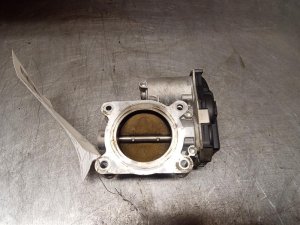
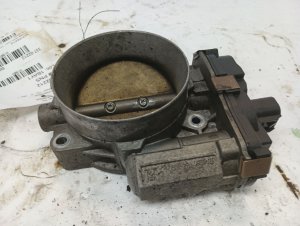
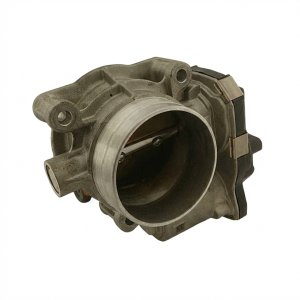
New Aftermarket Parts Available

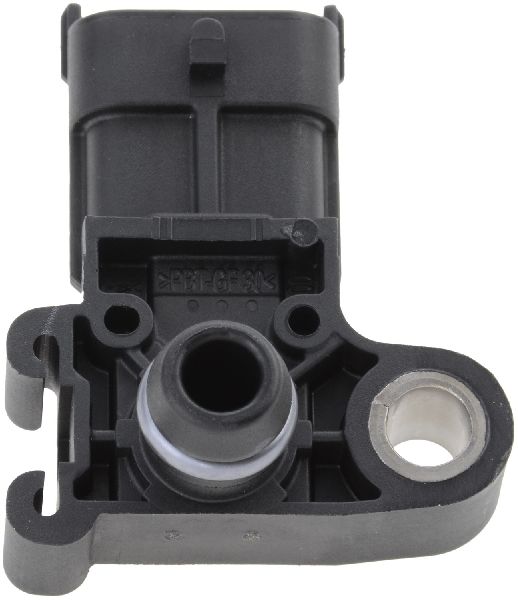

The information in this article is provided for general reference and educational purposes only. Vehicle specifications, procedures, and part compatibility can vary by production date, trim level, and region. Always consult your vehicle's factory service manual and verify part numbers before purchasing or performing repairs. Safety-critical components such as airbags, seat belts, and braking systems should be installed by a qualified professional.
- Cadillac CTS:
- 🧭 Diagnostic Flowchart
- 🎬 Helpful Videos
- 🛍️ Shop This Part
- What's Unique About the 2012-2015 Cadillac CTS
- Symptoms You May Notice
- Most Likely Causes
- Rare But Worth Checking
- Diagnosis Steps
- Parts You'll Likely Need
- Related Codes That Often Appear With This One
- Technical Service Bulletins (TSBs) & Recalls
- Platform-Specific Known Issues
- Mechanic-Grade Diagnostic Values
- Scan Tool Commands That Help
- Wiring & Ground Locations
- Real Owner Repair Stories
- "I Checked Everything" — The Actual Cause
- OEM Part Supersession History
- Model Year Variations Within This Range
- Other Known Issues on This Vehicle
- Used vs. New Parts: Buying Guide for This Vehicle
- Real Owner Stories
- 2008 Cadillac CTS 3.6L
- 2013 Cadillac CTS 3.6L LFX
- 2012-2015 Cadillac CTS 3.6L LFX — ~110000 miles
- Related OBD-II Codes
- Frequently Asked Questions
- 🎟️ Get 5% Off