

P0068 on 2007-2013 Chevrolet Avalanche: MAP/MAF Throttle Position Correlation Fixes
P0068 on a Chevy Avalanche usually means there's a conflict between airflow sensors. The most common fix is cleaning the throttle body of carbon buildup. If that doesn't work, suspect a vacuum leak or a faulty MAP sensor. A throttle relearn procedure is often required after cleaning.
- Start by cleaning the throttle body. This is the most common and cheapest fix for P0068 on a 2007-2013 Avalanche.
- If cleaning doesn't work, thoroughly check for vacuum leaks around the intake manifold and hoses before buying any parts.
- The MAP sensor is the next most likely part to fail after ruling out a dirty throttle body and vacuum leaks.
- This code often triggers the 'Reduced Engine Power' mode as a safety measure. The vehicle will have very limited power until the issue is resolved.
- Pay attention to other codes. If you see codes like P1516 or P2101, the entire throttle body assembly may need to be replaced.
What's Unique About the 2007-2013 Chevrolet AVALANCHE
On this generation of GM trucks, including the Avalanche, the P0068 code is frequently linked to carbon buildup (coking) inside the throttle body. This buildup, often exacerbated by the PCV system routing, disrupts airflow at idle and low speeds, causing the sensor readings to mismatch. A manufacturer Technical Service Bulletin (TSB #PIP4578B) directly addresses this code appearing on high-mileage vehicles, often in conjunction with reduced engine power mode, reinforcing the likelihood of a throttle body-related issue.
Diagnostic Flowchart
Tap your situation to follow the diagnostic path that matches what you're seeing on this vehicle.
Symptoms You May Notice
- Check Engine Light is on
- Reduced Engine Power message displayed, limiting vehicle speed
- Rough or unstable idle, may surge up and down
- Engine may stall when coming to a stop
- Poor acceleration or hesitation, feels like a 'dead spot' in the pedal
- Increased fuel consumption
- Very slow RPM drop after revving
- Replacing the throttle position sensor (TPS) alone. On this vehicle, the TPS is integrated into the throttle body and is not typically sold separately. The issue is often mechanical (dirt) rather than an electrical failure of the sensor itself.
- Replacing the MAF or MAP sensor without checking for vacuum leaks or a dirty throttle body first. These are more common and cheaper-to-fix root causes.
Most Likely Causes
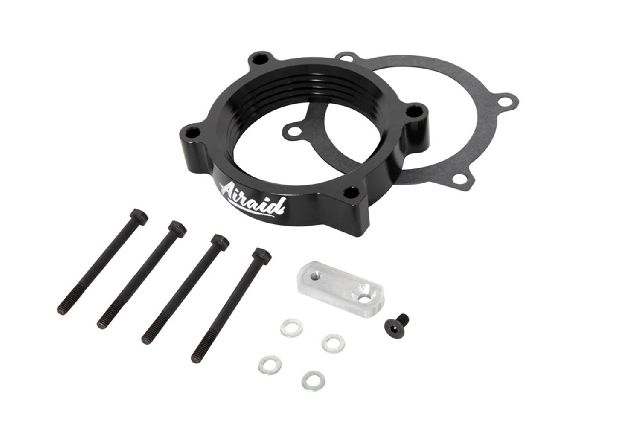
- Dirty or Coked Throttle Body 🔴 High Probability → Shop Fuel Injection Throttle Body Carbon buildup around the throttle plate is a well-documented issue on these GM engines, disrupting the precise airflow needed at idle and causing sensor correlation errors. The TSB #PIP4578B specifically mentions this code in relation to high-mileage drivability issues caused by carbon accumulation.
How to confirm: Remove the air intake tube from the throttle body and visually inspect the throttle bore and plate for a thick, black, greasy coating.
Typical fix: Clean the throttle body thoroughly with a dedicated throttle body cleaner and a soft cloth. Disconnect the battery first. Do not spray cleaner directly into the electronics. A throttle position relearn procedure is highly recommended afterward.
Est. part cost: $5-$15 for cleaner - Vacuum Leak 🟡 Medium Probability Intake manifold gaskets and the PCV hose system are common failure points that can become brittle and crack over time, allowing unmetered air to enter the engine. This extra air causes the MAP sensor reading to be out of sync with what the MAF and throttle position sensors expect.
How to confirm: With the engine running, carefully spray short bursts of carburetor cleaner or smoke from a smoke machine around the intake manifold gaskets, vacuum lines, and PCV hoses. If the engine RPM changes or smoke is drawn in, a leak is present.
Typical fix: Replace the leaking gasket or hose. Intake manifold gaskets are a common failure point and a frequent cause of lean codes (P0171/P0174) that can accompany P0068.
Est. part cost: $10-$100 - Faulty Manifold Absolute Pressure (MAP) Sensor 🟡 Medium Probability → Shop Manifold Absolute Pressure Sensor
How to confirm: Use an OBD-II scanner to monitor the MAP sensor voltage. With the key on and engine off, it should read near 4.5-5 volts. At idle, it should drop to around 1-1.5 volts. If readings are stuck or incorrect, the sensor is likely bad.
Typical fix: Replace the MAP sensor. On the Avalanche, it is located at the back of the intake manifold near the firewall and is typically held in by a single clip or bolt, making for an easy replacement.
Est. part cost: $25-$75 - Faulty Mass Airflow (MAF) Sensor ⚪ Low Probability → Shop Fuel Injection Air Flow Meter
How to confirm: A dirty MAF sensor is more common than a failed one. First, try cleaning it with a dedicated MAF sensor cleaner. If the problem persists, monitor the sensor's output with a scan tool to see if it reports airflow changes logically with engine RPM.
Typical fix: Clean the sensor first. If cleaning doesn't work, replace the MAF sensor.
Est. part cost: $15 for cleaner, $70-$150 for a new sensor
Rare But Worth Checking
- Damaged Wiring or Connectors: Check the wiring harnesses for the MAP, MAF, and throttle body for any signs of chafing, corrosion, or loose pins, especially if other work has recently been done in the engine bay.
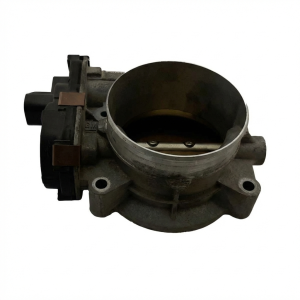
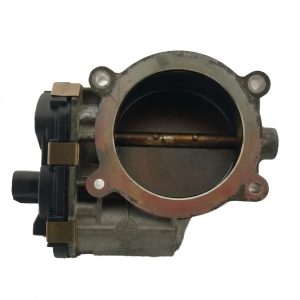
- Faulty Throttle Body Assembly: → Shop Fuel Injection Throttle Body If cleaning the throttle body doesn't resolve the issue and other codes like P1516 or P2101 are present, the internal electronics of the throttle position sensor (TPS) or throttle actuator control (TAC) motor may have failed, requiring replacement of the entire assembly. 🎬 See this walkthrough on fixing a failed GM throttle body.
- Improperly Performed Throttle Body Relearn: → Shop Fuel Injection Throttle Body If the code appears immediately after cleaning the throttle body or replacing the battery, it's likely the PCM's learned values are incorrect for the now-clean throttle plate. Performing a relearn procedure is necessary.
Diagnosis Steps
- Read all fault codes with an OBD-II scanner. Note any other codes that are present, as they can provide valuable clues.
- Visually inspect the entire air intake system from the air filter to the throttle body. Look for loose clamps, cracked hoses, or disconnected lines.
- Remove the intake duct from the throttle body. Inspect the throttle plate and bore for heavy carbon (coke) buildup. If dirty, this is the most likely cause.
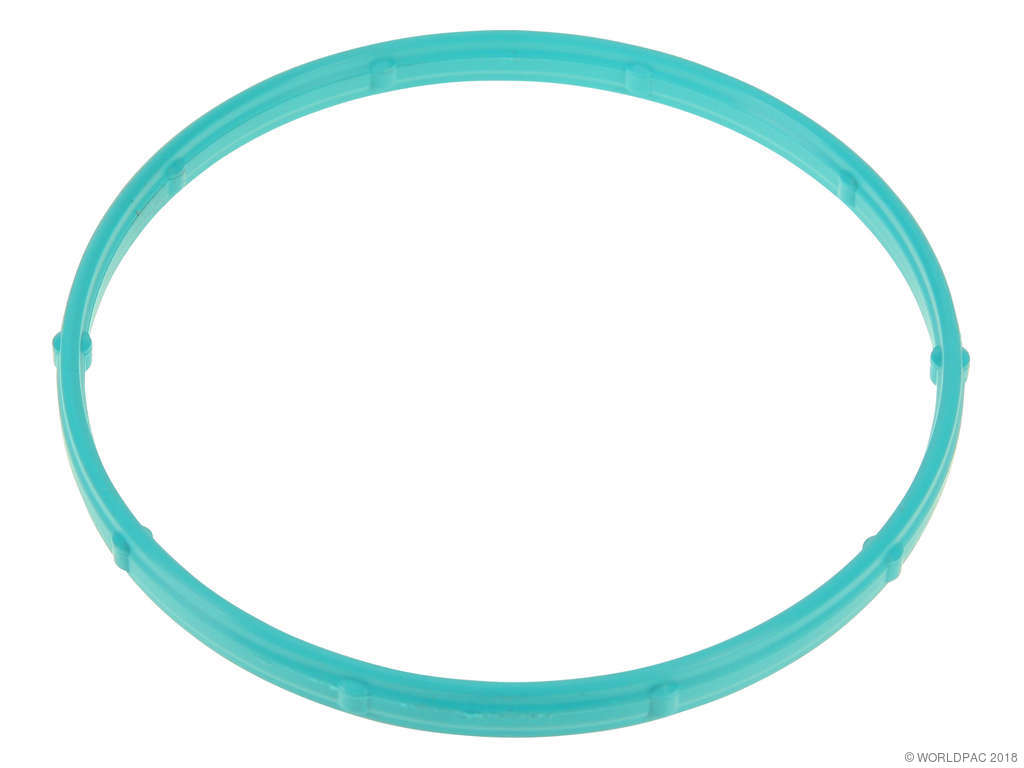
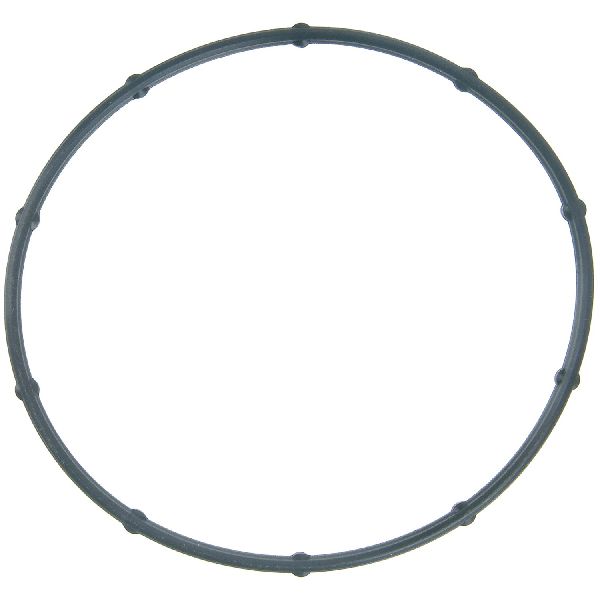
- Clean the Throttle Body: Disconnect the battery. Remove the throttle body for best results. Clean it thoroughly using a dedicated throttle body cleaner and a rag. Manually move the plate to clean all surfaces. Reinstall with a new gasket if needed.
- Perform Throttle Relearn: After cleaning, a relearn is crucial. A common manual method is: Key ON (engine off) for 3 minutes, then key OFF for 1 minute. Start engine and idle for 3 minutes. If this fails, a scan tool with bidirectional control may be needed to perform the 'Idle Learn Reset'.
- Check for vacuum leaks. With the engine idling, spray carburetor cleaner around the intake manifold gasket seams and vacuum hose connections. A change in engine idle speed indicates a leak.
- If the code persists, use a scan tool to monitor live data from the MAP, MAF, and TPS sensors to ensure their readings are logical and responsive.
- Inspect the electrical connectors for the MAP, MAF, and throttle body for corrosion, damage, or loose pins.
- If a sensor is suspected, test its voltage. The MAP sensor should show ~4.5-5V with key-on-engine-off and drop to ~1-1.5V at idle. The TPS should show a smooth sweep from ~0.5V to ~4.5V as the throttle is opened.
- After any repair, clear the codes and perform a test drive to confirm the fix.
Parts You'll Likely Need
- Throttle Body Cleaner
(OEM #ACDelco 10-201)— This is the most common fix. Carbon buildup on the throttle plate is the primary cause of the sensor correlation error on these trucks.
Trusted brands: CRC, ACDelco, Gumout
OEM price range: $10-$15
Aftermarket price range: $5-$10 - Manifold Absolute Pressure (MAP) Sensor
(OEM #12644228)— If the throttle body is clean and there are no vacuum leaks, a failing MAP sensor is the next most likely component to cause this correlation fault.
Trusted brands: ACDelco, Delphi, Standard Motor Products
OEM price range: $50-$75
Aftermarket price range: $25-$50 - Throttle Body Assembly
(OEM #12678223)— If cleaning and a relearn procedure do not fix the issue, and especially if other throttle-related codes are present, the internal electronics may have failed, requiring a full replacement.
Trusted brands: ACDelco, Hitachi, Dorman
OEM price range: $200-$300
Related Codes That Often Appear With This One
- P0121 — Indicates a problem with the Throttle Position Sensor's performance, often triggered by the same carbon buildup or electronic fault within the throttle body.
- P1516 — This GM-specific code relates to the Throttle Actuator Control (TAC) module, indicating a mismatch between the predicted and actual throttle position 🎬 Watch: How to diagnose and fix the P0068 correlation code., which is directly related to the P0068 fault logic.
- P2101 — This code means the Control Module Throttle Actuator Control Motor Range/Performance is off, pointing directly to a problem with the electronic throttle body itself.
- P2176 — This code indicates the Throttle Actuator Control System is in 'Idle Position Not Learned' state. It often appears after a throttle body cleaning or replacement if the relearn procedure was not performed correctly.
- P0171 / P0174 — These 'System Too Lean' codes indicate unmetered air is entering the engine, which is a primary cause of P0068. They strongly suggest a vacuum leak at the intake manifold gasket or PCV system.
Technical Service Bulletins (TSBs) & Recalls
- TSB #PIP4578B: Addresses 'SES Light, Idle Surge, and/or Reduced Engine Power Mode with DTCs P0068, P0121, P1516, P2101, P2119, and/or P2176'. It specifically points to carbon buildup in the throttle body on high-mileage vehicles and mandates cleaning followed by an 'idle learn reset' with a scan tool.
Platform-Specific Known Issues
- A GM Technical Service Bulletin (TSB #PIP4578B) directly links P0068 with other throttle-related codes (P0121, P1516, P2101, P2119, P2176) on high-mileage vehicles, often causing an idle surge or reduced power mode. This strongly suggests a pattern of throttle body issues on this platform.
Mechanic-Grade Diagnostic Values
- MAP Sensor Signal Voltage (Key On, Engine Off) — expected: 4.5V - 5.0V DC (should be close to Barometric Pressure sensor reading). Failure: Voltage is significantly lower, stuck, or does not match BARO reading on a scan tool.
- MAP Sensor Signal Voltage (Engine at Idle) — expected: 1.0V - 1.5V DC (for a stock engine). Failure: Voltage remains high (near KOEO reading), is erratic, or does not respond to throttle changes.
- Throttle Position Sensor (TPS) Signal Voltage — expected: Smooth sweep from ~0.5V (closed throttle) to ~4.5V (wide-open throttle).. Failure: Voltage jumps, drops out, or has dead spots as the pedal is pressed smoothly.
- MAP Sensor Reading in kPa (Key On, Engine Off) — expected: 95-105 kPa (at or near sea level). Failure: Reading is significantly different from the Barometric pressure reading.
- MAP Sensor Reading in kPa (Engine at Idle) — expected: 30-50 kPa. Failure: Reading is much higher, indicating low vacuum (potential leak or mechanical issue).
Scan Tool Commands That Help
- GM Tech2 / GDS2: Idle Learn Reset — This function is used after cleaning or replacing the throttle body to force the ECM to relearn the new minimum throttle plate position. It is often required if manual relearn procedures fail or if code P2176 ('Idle Position Not Learned') is present.
- GM Tech2 / GDS2: Throttle Actuator Control (TAC) Test — This bidirectional test allows a technician to command the throttle plate to specific angles and observe the reported TPS percentage and voltage. It is used to confirm if the throttle body is responding correctly to ECM commands, helping to isolate a faulty throttle body from wiring or ECM issues.
Wiring & Ground Locations
- G103 — On the front of the passenger side (right) cylinder head.. This is a primary engine ground point. Corrosion or a loose connection here can create electrical noise and unstable voltage references for sensors mounted on the engine, including the MAP and throttle body, potentially causing correlation errors.
- G104 — On the rear of the driver side (left) cylinder head.. This ground serves a similar purpose to G103, grounding the engine block and components to the chassis. A poor connection here can lead to intermittent and hard-to-diagnose sensor issues.
- MAP Sensor Connector — At the rear of the intake manifold, near the firewall.. The connector itself or the pigtail wiring can become brittle from heat and age. Technicians should check for a solid 5V reference, a good ground, and a clean signal wire back to the ECM. A damaged connector is a common point of failure.
- Main Engine-to-Chassis Ground — Typically a braided strap from the rear of the engine block to the firewall, or from the block to the frame.. This is the main path for current from the engine block back to the battery negative. If this strap is broken or corroded, the electrical system will try to find other paths to ground, often through smaller sensor ground wires, which can overload them and cause erratic sensor behavior.
Real Owner Repair Stories
- Reddit user in r/subaru (on a different vehicle, but identical code logic) (2017 Subaru Legacy 3.6R) — Car stalled when backing out of driveway, Check Engine Light on with code P0068. No other noticeable symptoms like rough idle or loss of power.
❌ Tried (didn't work) Cleaning the MAF sensor.
✅ What actually fixed it A small vacuum hose running to the MAP sensor was found to be completely disconnected. Reconnecting the hose and clearing the code resolved the issue instantly.
"I Checked Everything" — The Actual Cause
- In some cases, a smoke test may not reveal a leak if the leak only occurs under specific temperature or vibration conditions. A very common cause that can be missed is a physically cracked plastic intake manifold, often near a bolt hole or seam. While a smoke test should ideally find this, a hairline crack might only open up when the engine is hot. If all sensors and gaskets check out, a very close physical inspection of the intake manifold itself is warranted.
OEM Part Supersession History
12644228→12711681— Standard part evolution for improved reliability or manufacturing process.
Heads up: The new part number (12711681) is the direct, backward-compatible replacement for the original. Using other similar-looking MAP sensors like 12591290 is not recommended as their calibration may differ.
Helpful Videos
Used OEM Parts in Stock
New Aftermarket Parts Available


The information in this article is provided for general reference and educational purposes only. Vehicle specifications, procedures, and part compatibility can vary by production date, trim level, and region. Always consult your vehicle's factory service manual and verify part numbers before purchasing or performing repairs. Safety-critical components such as airbags, seat belts, and braking systems should be installed by a qualified professional.
- Chevrolet AVALANCHE:
- 🧭 Diagnostic Flowchart
- 🎬 Helpful Videos
- 🛍️ Shop This Part
- What's Unique About the 2007-2013 Chevrolet AVALANCHE
- Symptoms You May Notice
- Most Likely Causes
- Rare But Worth Checking
- Diagnosis Steps
- Parts You'll Likely Need
- Related Codes That Often Appear With This One
- Technical Service Bulletins (TSBs) & Recalls
- Platform-Specific Known Issues
- Mechanic-Grade Diagnostic Values
- Scan Tool Commands That Help
- Wiring & Ground Locations
- Real Owner Repair Stories
- "I Checked Everything" — The Actual Cause
- OEM Part Supersession History
- 🎟️ Get 5% Off