

P0068 on 2009-2017 Chevrolet Traverse: MAP/MAF Throttle Position Correlation Fixes
On a 2009-2017 Traverse, P0068 is almost always caused by a dirty, carbon-caked throttle body or a vacuum leak from a cracked PCV hose. Cleaning the throttle body is the most common fix and costs less than $20 in materials. If the problem persists, especially on 2009-2012 models, the root cause is often a clogged PCV orifice in the rear valve cover.
- Always start by thoroughly cleaning the throttle body. This is the most likely and cheapest fix for P0068 on a Traverse.
- Carefully inspect the PCV hoses for cracks, as vacuum leaks are the second most common cause.
- Do not replace any sensors (MAP, MAF, or TPS) until you have ruled out a dirty throttle body and vacuum leaks.
- After cleaning the throttle body or replacing components, you must perform an idle relearn procedure for the computer to adapt to the corrected airflow.
What's Unique About the 2009-2017 Chevrolet Traverse
The 3.6L V6 engine in the Traverse is a direct-injection design. Unlike older port-injected engines, fuel is not sprayed over the intake path, so it doesn't have a natural cleaning effect on the throttle body. This design, combined with a PCV (Positive Crankcase Ventilation) system known for clogging, allows oil vapors to bake onto the throttle plate as hard carbon deposits, which is the most frequent trigger for the P0068 code on this specific vehicle.
Generation note: The 2009-2017 year range covers the first generation of the Chevrolet Traverse. However, it includes two versions of the 3.6L V6: the LLT (2009-2012) and the LFX (2013-2017). While the root causes of P0068 are the same for both, some parts like PCV hoses and valve covers may have different part numbers. The core issues of throttle body carbon buildup and PCV system problems are common to both engine versions, though the PCV orifice clogging is a more pronounced issue on the LLT.
Symptoms You May Notice
- Rough or unstable idle.
- Vehicle enters 'Reduced Engine Power' or 'Limp Mode'.
- Hesitation or lack of power during acceleration.
- Check Engine Light is on.
- Stabilitrak/Traction Control warning lights may illuminate, as the throttle body is a key input for these systems.
- Occasional stalling at stops.
- Harsh 'clunk' when shifting from Park into Drive or Reverse due to high idle RPM.
- Vehicle slowing to "just about a stop" while driving, as reported in NHTSA ODI #11098674.
- Replacing the MAP or MAF sensors before thoroughly cleaning the throttle body and inspecting for vacuum leaks. The sensors are often correctly reporting a problem caused by a physical issue (blockage or leak).
Most Likely Causes
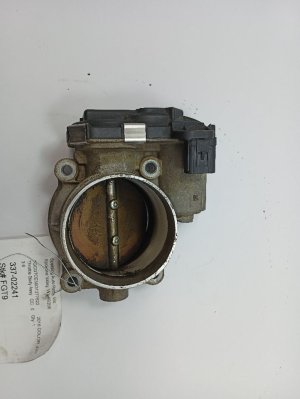
- Dirty or Carbon-Clogged Throttle Body 🔴 High Probability → Shop Fuel Injection Throttle Body The direct-injection design of the 3.6L V6 allows oil vapors from the PCV system to bake onto the throttle plate without being washed off by fuel. This is a widely documented issue on this engine family and is noted in GM TSB PIP4578B.
How to confirm: Remove the air intake duct from the throttle body and visually inspect for a thick, black ring of carbon buildup around the throttle plate and bore. The plate should be shiny, not black.
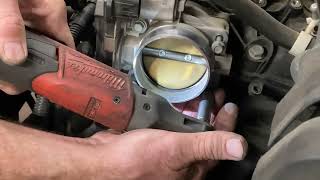
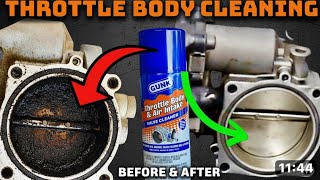
Typical fix: Thoroughly clean the throttle body bore and plate with a dedicated throttle body cleaner and a soft cloth or brush. 🎬 Watch this step-by-step guide on cleaning your throttle body properly. An idle relearn procedure is often required after cleaning.
Est. part cost: $5-$15 - Vacuum Leak (Cracked PCV Tube) 🔴 High Probability The PCV 'foul air' tube, which connects the front valve cover to the intake air duct, is made of plastic with rubber ends that become brittle and crack over time, creating a significant unmetered air leak.
How to confirm: Visually inspect the PCV tube for obvious cracks, especially at the flexible ends. A smoke test is the most definitive way to confirm a leak.
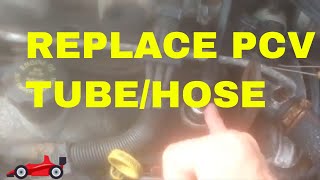
Typical fix: Replace the entire PCV tube assembly. It is a relatively inexpensive part. 🎬 See how to replace a cracked or brittle PCV hose.
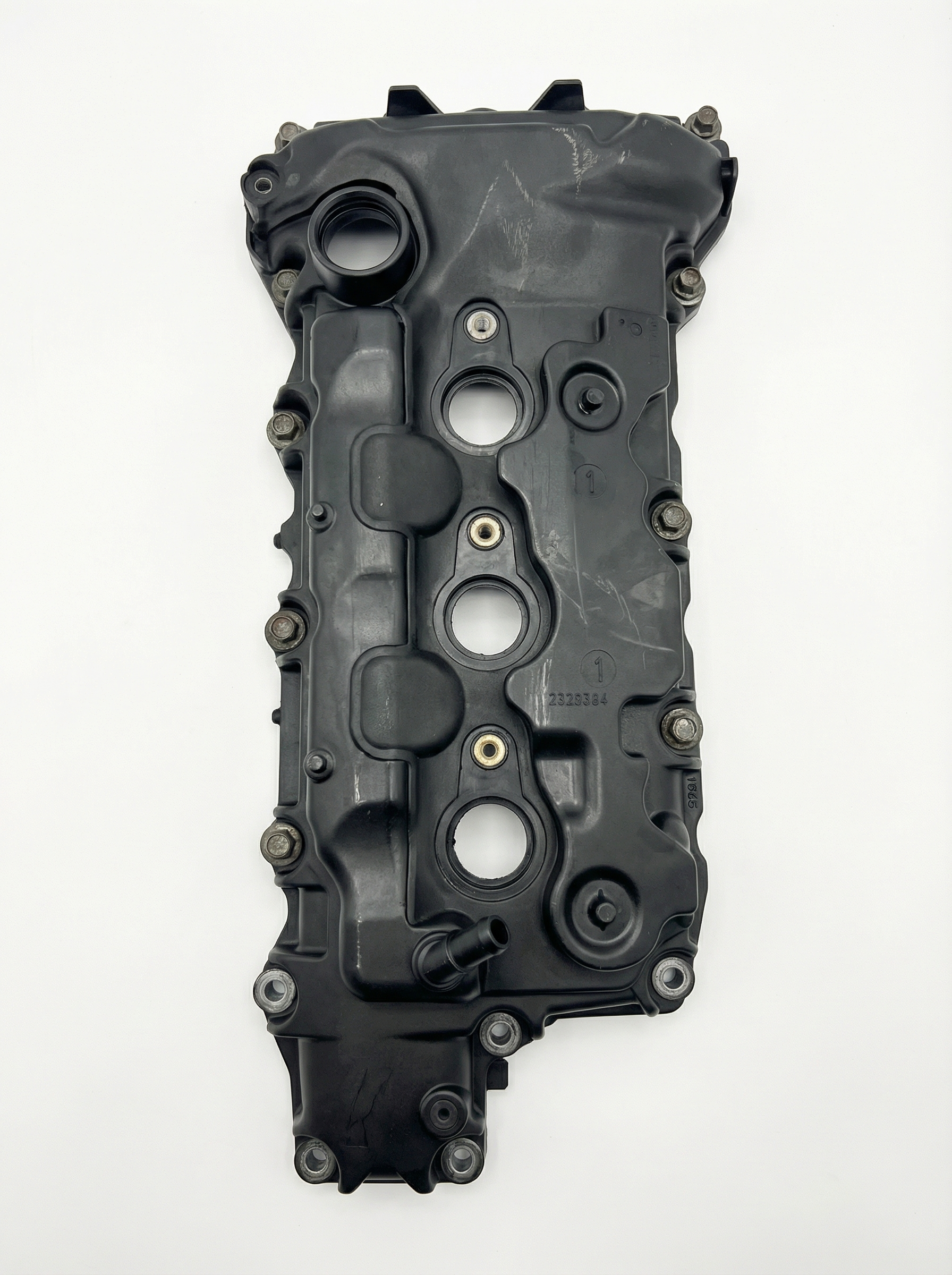
Est. part cost: $30-$60 - Clogged PCV Orifice / Faulty PCV System 🟡 Medium Probability → Shop PCV Valve On the LLT engine (2009-2012), the PCV orifice is a small, fixed hole integrated into the rear valve cover that is notorious for clogging with sludge. This forces oil vapor into the intake, contaminating the throttle body and MAP sensor.
How to confirm: With the engine running, remove the oil cap. If there is strong suction holding the cap down or significant pressure blowing out, the PCV orifice is likely clogged. Fresh oil found inside the intake tube is another strong indicator.
Typical fix: The orifice is not separately serviceable, so the entire rear valve cover must be replaced with an updated part.
Est. part cost: $80-$220 - Faulty Manifold Absolute Pressure (MAP) Sensor ⚪ Low Probability → Shop Manifold Absolute Pressure Sensor The sensor itself can fail, but it's more often contaminated by oil forced into the intake by a faulty PCV system.
How to confirm: After confirming the throttle body is clean and there are no vacuum leaks, test the MAP sensor's voltage with a scan tool. The signal should change smoothly with engine RPM and load. Check for oil contamination on the sensor tip.
Typical fix: Replace the MAP sensor. If it is oil-fouled, the underlying PCV issue must be addressed to prevent repeat failure.
Est. part cost: $25-$80
Rare But Worth Checking
- Faulty Mass Airflow (MAF) Sensor: → Shop Fuel Injection Air Flow Meter While it can fail, it's more common for the MAF sensor to simply be dirty. Cleaning it with a dedicated MAF sensor cleaner should be attempted before replacement.
- Damaged Wiring: Check the wiring harnesses and connectors for the MAP, MAF, and Throttle Position (TPS) sensors for any signs of corrosion, fraying, or loose connections before replacing any components.
- Loose Intake Manifold Bolts: → Shop Engine Intake Manifold A known issue on related GM engines, documented in TSB PIP5529B, is that loose intake manifold bolts can cause a hard-to-find vacuum leak that triggers P0068. The fix involves re-torquing the bolts with threadlocker.
- Aftermarket Secondary Air Check Valve: As noted in a cross-manufacturer reference (NHTSA ODI #10980487), an aftermarket secondary air check valve was reported to cause P0068 along with other sensor codes.
Diagnosis Steps
- Scan the PCM for P0068 and any other stored codes. Note codes like P0171, P0106, or P0121, as they strongly suggest a vacuum leak or throttle body issue. Manufacturer Bulletin #PIP5529A suggests P0068 may appear in combination with P0101, P0106, P0171, and several other sensor codes.
- Visually inspect the air intake system. Check for a dirty air filter and look for cracks or loose connections in the intake tube between the air filter housing and the throttle body.
- Inspect the PCV 'foul air' tube that runs from the front valve cover to the intake duct. Check carefully for cracks, especially at the rubber ends.
- Remove the intake duct from the throttle body. Visually inspect for heavy carbon buildup on the throttle plate and in the bore.
- If the throttle body is dirty, clean it thoroughly using throttle body cleaner and a soft brush/rag. Do not spray directly into the electronic components.
- If cleaning the throttle body does not resolve the issue, perform a smoke test to definitively check for vacuum leaks from the intake manifold gaskets, brake booster hose, or other vacuum lines.
- If no vacuum leaks are found and the throttle body is clean, use a scan tool to monitor live data from the MAP, MAF, and TPS sensors to check for erratic or out-of-range readings that would indicate a failed sensor.
- For LLT engines (2009-2012), check for a clogged PCV orifice by removing the oil cap while the engine is running to check for excessive suction or pressure.
- After any repair, clear the codes and perform an idle relearn procedure. This may involve letting the car idle for several minutes, then driving under various conditions.
Parts You'll Likely Need
- Throttle Body Cleaner — This is the most common first step, as carbon buildup is the leading cause of P0068 on this engine.
Trusted brands: CRC, Gumout, Berryman
Aftermarket price range: $5-$15 - PCV Foul Air Tube / Hose
(OEM #12680863 (for 2009-2011 LLT), 12637451 (for 2012-2017 LFX))— This specific hose is a known failure point that becomes brittle and cracks, causing a significant vacuum leak. Part numbers differ between LLT and LFX engines.
Trusted brands: ACDelco, Dorman
OEM price range: $40-$60
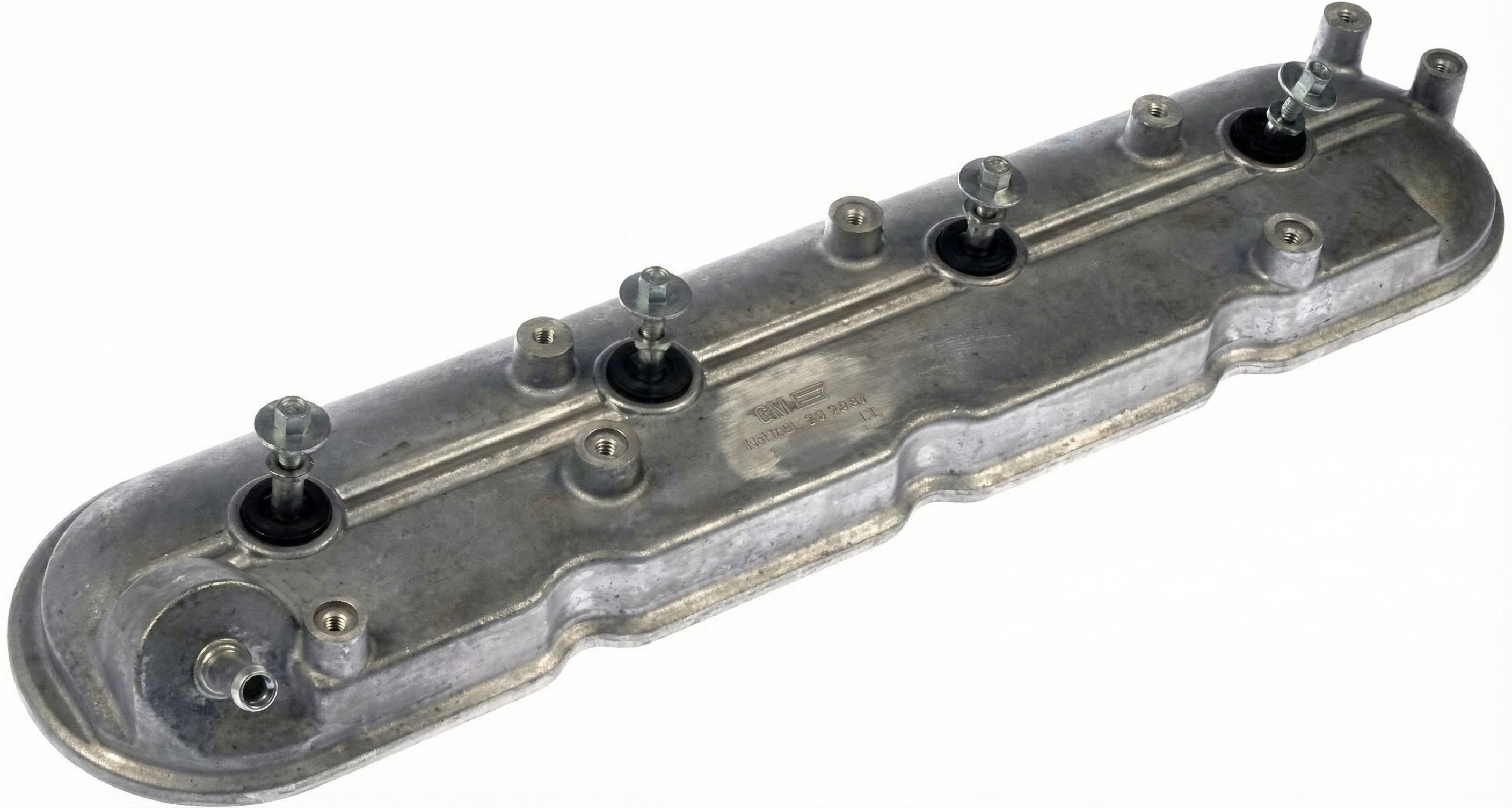
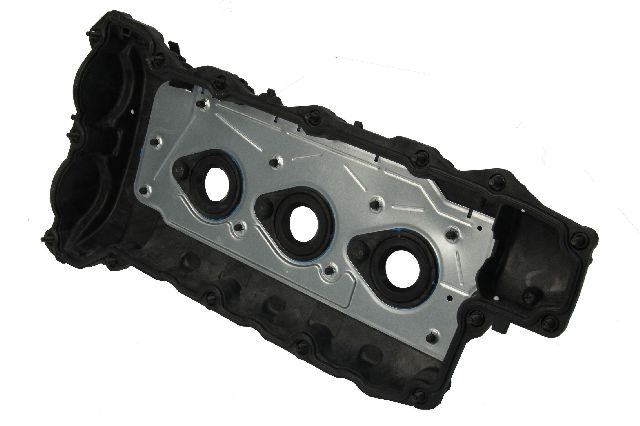
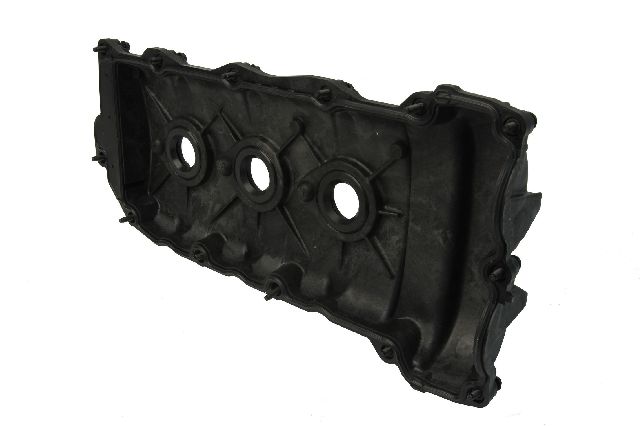
Aftermarket price range: $25-$45 - Rear Valve Cover (with integrated PCV orifice)
(OEM #12641262 (superseded by 12648731))— For 2009-2012 LLT engines, the PCV orifice clogs and is integrated into the valve cover, requiring replacement of the entire assembly to fix the restriction. Using the updated part number is recommended.
Trusted brands: ACDelco
OEM price range: $80-$220
Aftermarket price range: $60-$150 - Manifold Absolute Pressure (MAP) Sensor
(OEM #12644228)— Replaced if it fails testing or is heavily contaminated with oil from a faulty PCV system.
Trusted brands: ACDelco, Bosch, Delphi
OEM price range: $50-$90
Aftermarket price range: $25-$60 - Intake Manifold Gasket Set — If a vacuum leak is traced to the intake manifold, which can happen due to loose bolts or aged gaskets, these will need to be replaced.
Trusted brands: Fel-Pro, Mahle, ACDelco
OEM price range: $45-$70
Aftermarket price range: $25-$50
Related Codes That Often Appear With This One
- P0171 / P0174 — These 'System Too Lean' codes are often triggered by the same vacuum leaks that cause P0068.
- P0106 — This code for MAP Sensor Performance is directly related, as a dirty throttle body or vacuum leak will cause the MAP sensor's readings to be out of the expected range.
- P0121 — This Throttle Position Sensor (TPS) Performance code can appear because a dirty, sticking throttle body directly affects the TPS readings.
- P2176 — This code for 'Minimum Throttle Position Not Learned' often appears after cleaning the throttle body if the idle relearn procedure is not performed, or if carbon buildup prevents the throttle from closing fully.
- P0089 / P0101 — These codes for the fuel pressure regulator and MAF sensor performance may appear alongside P0068 during a failure event, as noted in NHTSA ODI #11591751.
Technical Service Bulletins (TSBs) & Recalls
- PIP4578B: References carbon buildup in the throttle body as a cause for codes like P0068 and P0121 on various GM vehicles.
- Bulletin #PIP5529A: Provides additional diagnostics and repair for MIL illumination involving P0068 and multiple other sensor performance codes.
- Bulletin #PIP5529B: Notes that loose intake manifold bolts can cause vacuum leaks triggering P0068; the fix involves re-torquing bolts with threadlocker.
Platform-Specific Known Issues
- The direct-injection design of the 3.6L LLT V6 leads to significant carbon buildup on the intake valves and throttle body over time, as there is no fuel to wash them clean.
- The PCV system on the LLT engine (2009-2012) utilizes a fixed orifice in the valve cover that is prone to clogging with sludge, which can cause a cascade of issues including this code.
Mechanic-Grade Diagnostic Values
- MAP Sensor Voltage (Key On, Engine Off) — expected: 4.5V - 4.8V at sea level, should correlate with BARO reading.. Failure: A reading stuck at 5.0V or one that significantly differs from the BARO sensor reading suggests a circuit fault or failed sensor.
- MAP Sensor Voltage (Engine at Idle) — expected: 1.0V - 1.5V. Failure: Voltage remains high (near the KOEO reading) when the engine is idling, indicating the sensor is not responding to vacuum.
- MAF Sensor Reading (g/s) at idle — expected: 4-7 g/s for a warmed-up 3.6L engine.. Failure: Readings significantly outside this range, or readings that do not increase smoothly with RPM, can indicate a vacuum leak or a faulty sensor.
- Throttle Position Sensor Voltage — expected: Smoothly climbs from ~0.5V at idle to ~4.5V at wide-open throttle.. Failure: Any spikes, drops, or glitches in the voltage sweep indicate a failing sensor.
- MAP Sensor Ground Circuit Resistance — expected: < 5 Ohms to a known good ground.. Failure: High resistance indicates a poor ground connection, which can cause false high voltage readings from the sensor.
Scan Tool Commands That Help
- GDS2 / Tech2: Idle Learn Reset / Throttle Learn — This is a critical step after cleaning or replacing the throttle body. The ECM learns and compensates for carbon buildup over time; this function resets those learned values to match the clean throttle body, preventing a high idle and recurrence of P0068.
- GDS2 / Tech2: Engine Output Controls — Allows a technician to command specific engine functions, like the EVAP purge solenoid, to test their operation without the engine running, which can help isolate vacuum leaks or faulty components.
Wiring & Ground Locations
- G103 / G104 — Primary engine grounds bolted to the cylinder heads. G103 is often on the front of the passenger side (Bank 1) cylinder head, and G104 is on the rear of the driver's side (Bank 2) cylinder head.. The ECM and all its sensors (MAP, MAF, TPS) rely on a stable ground reference. A loose or corroded connection at these primary ground points can cause erratic voltage readings, leading to false correlation codes like P0068.
- MAP Sensor Connector — On top of the intake manifold, easily visible after removing the engine cover.. This connector should be checked for corrosion, moisture, or pushed-out pins. The circuit includes a 5V reference, a ground, and a signal wire back to the ECM. A fault in any of these can mimic a bad sensor.
- ECM Connectors (X1, X2) — The Engine Control Module (ECM) is located in the engine bay, near the firewall or airbox.. All sensor data for P0068 is processed here. In rare cases of persistent issues with no other cause found, checking for corrosion or pin fitment at the main ECM connectors is a valid diagnostic step.
Real Owner Repair Stories
- Reddit r/AskAMechanic (2017 Chevrolet Traverse 3.6L) — P0068 and P0101 codes, reduced power mode, sluggish acceleration.
❌ Tried (didn't work) Initial diagnosis was inconclusive.
✅ What actually fixed it The confirmed fix was replacing a cracked PCV tube, which was causing a significant vacuum leak. - NHTSA ODI #11591751 — An owner reported that the vehicle would not accelerate past 9 mph. A technician found code P0068 for the throttle body along with P0089 and P0101.
OEM Part Supersession History
12641262→12648731— The original rear valve cover for the LLT engine had a PCV orifice prone to clogging with sludge. The updated part number features a revised design to mitigate this issue.
Model Year Variations Within This Range
- 2009-2012 (LLT Engine): Features the rear valve cover with the integrated, non-serviceable PCV orifice that is highly prone to clogging. This is the primary model range where valve cover replacement is a common fix for persistent P0068.
- 2013-2017 (LFX Engine): The LFX engine has a redesigned PCV system that is less prone to the specific orifice-clogging issue of the LLT. While still susceptible to throttle body carbon and cracked hoses, the valve cover is not as common of a failure point for this code.
- 2009-2011 vs 2012-2017: The PCV 'foul air' tube has different part numbers for the LLT (12680863) and LFX (12637451) engines. Ensure the correct part is ordered for the specific model year.
Diagnostic Flowchart
Other Known Issues on This Vehicle
Issues unrelated to this code that are worth knowing about as an owner of this generation:
- Premature Timing Chain Stretch (LLT Engine) 🔴 High — Very common on 2009-2012 models, often appearing between 70,000 and 120,000 miles. Triggers codes like P0008, P0017, P0018. (Ref: GM Special Coverage 11340C extended the warranty to 10 years/120,000 miles, but this has since expired for all vehicles.)
- 3-5-R Wave Plate Failure (6T75 Transmission) 🔴 High — Common on 2009-2012 models, leading to loss of 3rd, 5th, and Reverse gears and requiring a transmission rebuild. (Ref: GM Special Coverage 14404B extended the warranty to 10 years/120,000 miles, but this has also expired.)
- Power Steering Pump/Rack Failure 🟠 Medium — Widespread across the first generation, characterized by a whining noise, fluid leaks, and difficulty steering.
- Water Pump Failure 🔴 High — The water pump on the 3.6L V6 is internal and chain-driven. When the seal fails, it can leak coolant directly into the engine oil, leading to catastrophic engine damage if not caught early.
- Excessive Oil Consumption 🟠 Medium — Often linked to PCV system issues or worn piston rings, requiring frequent oil top-offs. (Ref: TSB PIP5025H addresses oil consumption related to PCV system icing in cold weather.)
Used vs. New Parts: Buying Guide for This Vehicle
When a used part is the smart pick: A used throttle body from a low-mileage donor can be a cost-effective option, provided it is thoroughly cleaned and inspected for wear on the throttle plate shaft before installation. Other components like hoses and engine covers are also generally safe to source from a junkyard.
Donor-vehicle mileage cap: roughly under 80000 miles for the part to have meaningful remaining life.
What to inspect on the donor part:
- For a throttle body, check for minimal side-to-side play in the throttle plate shaft.
- For any plastic or rubber parts like PCV hoses, inspect carefully for brittleness, hairline cracks, or swelling.
- Check the donor vehicle's oil cap and dipstick for signs of heavy sludge, which would suggest the PCV system was overworked and parts may be clogged.
OEM-only on this vehicle (don't cheap out):
- Rear Valve Cover (for LLT engines): Given that the original design was flawed, using a new, updated OEM (ACDelco) part is critical to ensure the PCV orifice clogging issue is permanently resolved.
Aftermarket brands forum-validated for this vehicle:
- ACDelco (OEM)
- Bosch (for sensors)
- Delphi (for sensors)
- Fel-Pro (for gaskets)
Brands owners have reported issues with on this vehicle:
- Unnamed or 'white box' sensors from online marketplaces should be avoided, as their calibration and longevity are often poor.
- Some forum users report mixed results with Dorman parts, citing lower reliability compared to OEM for certain components.
Real Owner Stories
Aggregated from forums and TSBs cited above. Mileages and costs reflect what owners reported in those sources.
2009-2017 Chevrolet Traverse 3.6L
Symptoms: Cleaned the throttle body... took about 20 minutes and the problem was solved.
What fixed it: Cleaning the throttle body.
Source hint: traverseforum.com
2009-2017 GMC Acadia 3.6L
Symptoms: P0068, P0171, and P0174 codes present.
What fixed it: Replacing a cracked PCV hose after an initial throttle body cleaning didn't fully resolve the issue.
Source hint: acadiaforum.net thread titled 'P0068, P0171, P0174'
2009-2012 GM 3.6L (LLT)
Symptoms: P0068 and high idle; throttle body cleaning did not provide a permanent fix.
What fixed it: Checking for and clearing a clogged PCV orifice in the valve cover.
Source hint: reddit.com/r/MechanicAdvice
2012 Chevrolet Traverse
Symptoms: Scanner showed codes P0017, P0018, P0019, P0068, P0089, P0106, and P228C.
What fixed it: NHTSA ODI #11098674 reports the vehicle would slow to nearly a stop while driving with these multiple correlation and performance codes present.
Related OBD-II Codes
Frequently Asked Questions
Does GM TSB PIP4578B apply to my Chevrolet Traverse regarding the P0068 code?
Why does my Traverse enter 'Reduced Engine Power' mode when P0068 is triggered?
Is the clogged PCV orifice issue specific to certain years of the Traverse?
Can a dirty throttle body cause my Stabilitrak and Traction Control lights to come on?
How can I tell if my PCV 'foul air' tube is causing the P0068 code?
What is the estimated cost to fix a P0068 caused by carbon buildup on this 3.6L engine?
Helpful Videos

Used OEM Parts in Stock
New Aftermarket Parts Available


The information in this article is provided for general reference and educational purposes only. Vehicle specifications, procedures, and part compatibility can vary by production date, trim level, and region. Always consult your vehicle's factory service manual and verify part numbers before purchasing or performing repairs. Safety-critical components such as airbags, seat belts, and braking systems should be installed by a qualified professional.
- Chevrolet Traverse:
- 🧭 Diagnostic Flowchart
- 🎬 Helpful Videos
- 🛍️ Shop This Part
- What's Unique About the 2009-2017 Chevrolet Traverse
- Symptoms You May Notice
- Most Likely Causes
- Rare But Worth Checking
- Diagnosis Steps
- Parts You'll Likely Need
- Related Codes That Often Appear With This One
- Technical Service Bulletins (TSBs) & Recalls
- Platform-Specific Known Issues
- Mechanic-Grade Diagnostic Values
- Scan Tool Commands That Help
- Wiring & Ground Locations
- Real Owner Repair Stories
- OEM Part Supersession History
- Model Year Variations Within This Range
- Other Known Issues on This Vehicle
- Used vs. New Parts: Buying Guide for This Vehicle
- Real Owner Stories
- 2009-2017 Chevrolet Traverse 3.6L
- 2009-2017 GMC Acadia 3.6L
- 2009-2012 GM 3.6L (LLT)
- 2012 Chevrolet Traverse
- Related OBD-II Codes
- Frequently Asked Questions
- 🎟️ Get 5% Off