

P0068 on 2000-2003 Dodge Durango 4.7L: MAP/Throttle Position Correlation Causes and Fixes
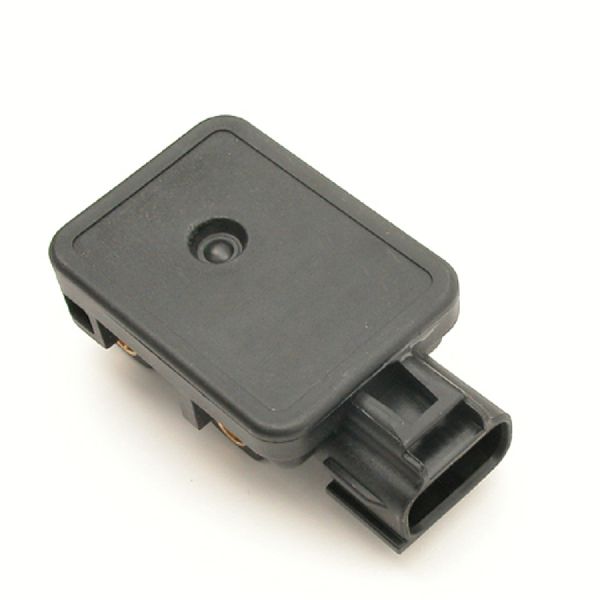
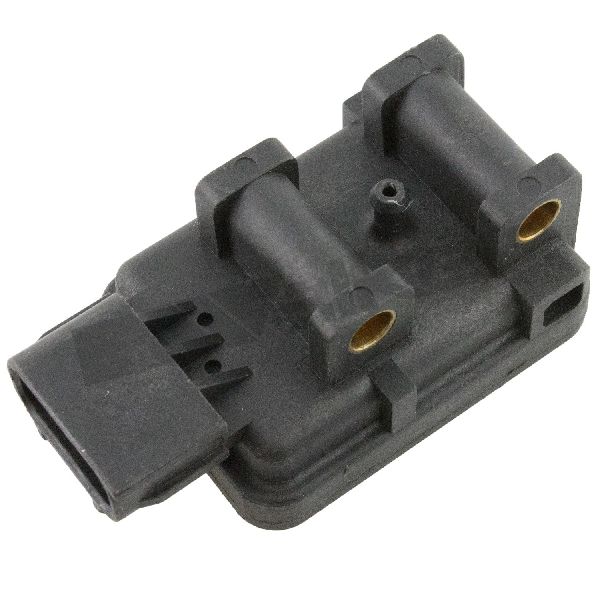
On a 2000-2003 Durango 4.7L, P0068 is most often caused by a failing Manifold Absolute Pressure (MAP) sensor or a significant vacuum leak, commonly from a bad PCV valve or hose. Replacing the MAP sensor is a common, effective fix, with the part costing around $40-$80.
- P0068 means the engine computer sees a disagreement between the MAP sensor and the Throttle Position Sensor.
- Before replacing any parts, inspect for vacuum leaks and clean the throttle body, as these are common, low-cost fixes.
- The most likely failed component on a 2000-2003 Durango 4.7L is the Manifold Absolute Pressure (MAP) sensor.
- A scan tool that can read live sensor data is extremely helpful for diagnosing whether the MAP or TPS is faulty.
- Ignoring this code can lead to poor performance, bad fuel economy, and eventual expensive damage to your catalytic converter.
What's Unique About the 2000-2003 Dodge Durango
The 4.7L PowerTech V8 in this generation of Durango is known for being sensitive to vacuum leaks and sensor failures as it ages. Unlike some other vehicles where a dirty throttle body is the primary culprit for this code, the MAP sensor itself is a very frequent point of failure on this specific engine. The sensor is located at the front of the intake manifold, making it relatively accessible but also subject to heat and vibration that can lead to premature failure. Additionally, the PCV system on the early 4.7L engines, located in the oil filler neck, is a known weak point, with the valve and its connecting hoses often cracking or clogging, creating a significant vacuum leak that directly causes P0068.
Symptoms You May Notice
- Rough or unstable idle, sometimes surging between 500-900 RPM.
- Hesitation or stumbling during acceleration, feeling like a 'dead spot' when pressing the gas pedal.
- Reduced engine power and poor throttle response.
- Engine stalling, especially when coming to a stop or after revving the engine.
- Increased fuel consumption.
- Difficulty starting the engine or hard starting.
- Engine may not rev past 2,500-3,000 RPM (limp mode).
- Replacing the Throttle Position Sensor (TPS) when the Manifold Absolute Pressure (MAP) sensor is actually at fault.
- Replacing sensors without first checking for vacuum leaks (especially from the PCV system) or a dirty throttle body, which are common and cheaper fixes.
- Assuming the MAP or TPS sensor is bad when the issue is a poor connection or damaged wiring to the sensor.
Most Likely Causes
- Faulty Manifold Absolute Pressure (MAP) Sensor 🔴 High Probability → Shop Manifold Absolute Pressure Sensor The MAP sensor on the 4.7L V8 is a very common failure item that directly causes this correlation code. Its location at the front of the hot intake manifold contributes to its failure rate.
How to confirm: With a scan tool, monitor the MAP sensor voltage at Key On, Engine Off (KOEO). It should be near 4.5V at sea level and correlate with barometric pressure. At idle, it should drop to 1.5-2.1V. A faulty sensor will often have readings that are stuck, slow to respond, or out of this range.
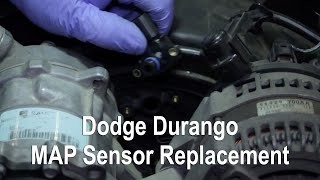
Typical fix: Replace the MAP sensor. It is held in by two T15 Torx screws at the front of the intake manifold, next to the A/C compressor. 🎬 Watch: This quick guide shows you how to swap the sensor.
Est. part cost: $40-$80 - Vacuum Leak 🟡 Medium Probability Aging rubber vacuum hoses and intake manifold gaskets are prone to cracking and causing unmetered air to enter the engine. The PCV valve and hose, located on the oil filler neck on these early 4.7L engines, are extremely common culprits for cracking and creating a large vacuum leak.
How to confirm: Perform a smoke test by introducing smoke into the intake system and watching for leaks from hoses, the PCV system, intake manifold gaskets, or the throttle body base. Alternatively, you can carefully spray short bursts of carb cleaner around suspected leak areas with the engine running; a change in idle RPM indicates a leak.
Typical fix: Replace the cracked vacuum hose(s) or leaking gaskets. The PCV valve is a simple, inexpensive part to replace during this process. 🎬 See how to replace the PCV valve and check for leaks.
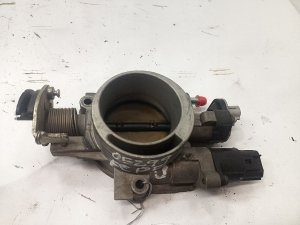
Est. part cost: $10-$100 - Dirty or Sticking Throttle Body 🟡 Medium Probability → Shop Fuel Injection Throttle Body Carbon and oil vapor from the PCV system can build up around the throttle plate, preventing it from closing properly or moving smoothly. This causes the actual airflow to differ from what the TPS reports, especially at idle.
How to confirm: Remove the air intake tube from the throttle body and visually inspect the throttle plate and bore for black, greasy buildup ('coke').
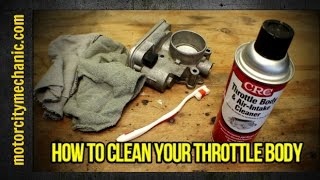
Typical fix: Clean the throttle body bore and plate thoroughly with a dedicated throttle body cleaner and a soft cloth or brush. After cleaning, a throttle relearn procedure may be necessary, which can sometimes be accomplished by disconnecting the battery for 30 minutes or with a capable scan tool. 🎬 Watch: A pro shows you how to clean the throttle body.
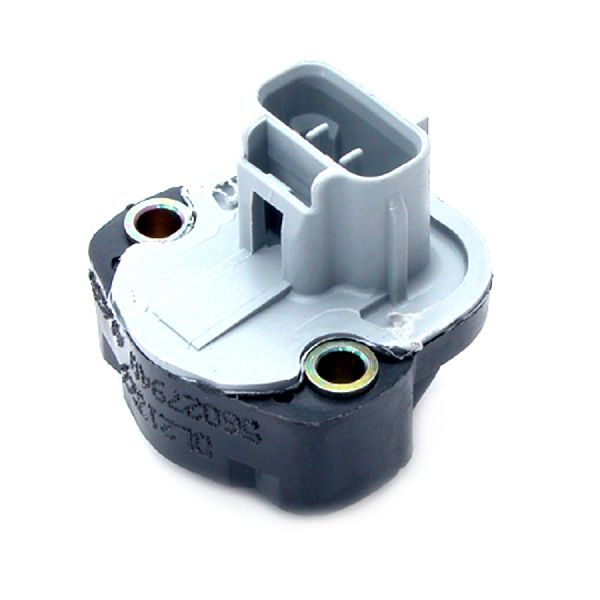
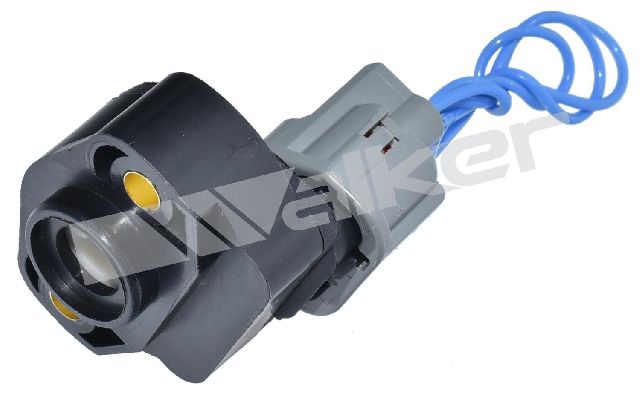
Est. part cost: $10-$15 - Faulty Throttle Position Sensor (TPS) ⚪ Low Probability → Shop Fuel Injection Throttle Body While less common than a MAP sensor failure for this specific code, the TPS can wear out, causing its signal to become erratic, have dead spots, or provide incorrect voltage readings.
How to confirm: Use a scan tool to graph the TPS voltage while slowly opening and closing the throttle. The voltage should move smoothly from about 0.5V to 4.5V without any spikes or dropouts. Some owners report issues where multiple new aftermarket sensors fail to read within the correct voltage range, indicating a potential quality control issue with non-OEM parts.
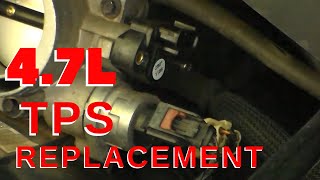
Typical fix: Replace the Throttle Position Sensor, which is mounted on the side of the throttle body. Using a Mopar OEM part is often recommended to avoid voltage range issues.
Est. part cost: $25-$60
Rare But Worth Checking
- Faulty or Clogged PCV Valve: → Shop PCV Valve On the 4.7L, the PCV valve is more than just a simple hose. It's a calibrated orifice located in the oil filler neck that can become completely clogged with sludge. A clogged valve can increase crankcase pressure, while a broken one can act as a massive vacuum leak, both of which can trigger P0068. It's often overlooked and is a very common point of failure.
- Damaged Wiring or Connectors: Check the wiring harnesses for the MAP and TPS sensors for any signs of corrosion, fraying, or loose pins, especially if work has recently been done in the area. Pay close attention to the connectors themselves for pushed-out pins or corrosion.
- Clogged Air Filter: A severely clogged engine air filter can restrict airflow enough to cause a discrepancy between what the MAP sensor reads and what the computer expects for a given throttle position.
Diagnosis Steps
- Check for any other stored trouble codes that could point to a specific sensor (e.g., MAP or TPS circuit codes like P0107, P0122).
- Visually inspect the entire air intake system, from the air filter box to the throttle body, for loose clamps or cracked hoses.
- Inspect all vacuum lines connected to the intake manifold for cracks, brittleness, or loose connections. Pay special attention to the PCV valve and hose assembly on the oil filler neck.
- Remove the air intake hose and inspect the throttle body for heavy carbon buildup. Clean if necessary.
- With a scan tool, monitor live data for the MAP sensor, TPS, and engine RPM. Observe the sensor readings with the key on/engine off, and then at idle and while slowly increasing engine speed.
- Look for inconsistencies. Does the MAP sensor reading change logically as the TPS reading increases? The code means the PCM sees a MAP reading that is not logical for the reported throttle angle.
- If a vacuum leak is suspected, perform a smoke test to pinpoint the source. This is the most effective method.
- If sensor readings are erratic or out of specification, test the sensor's wiring for proper 5V reference, ground, and signal integrity before replacing the sensor itself.
- After repairs like cleaning the throttle body or replacing the TPS, perform an ETC (Electronic Throttle Control) Relearn procedure. This can sometimes be done by disconnecting the battery for 30 minutes, but a proper scan tool is more reliable.
Parts You'll Likely Need
- Manifold Absolute Pressure (MAP) Sensor
(OEM #56028390AB (May be superseded by 56041018AB))— This is the most frequent component failure leading to a P0068 code on the 4.7L V8.
Trusted brands: Mopar, Standard Motor Products, Delphi, Bosch
OEM price range: $60-$90
Aftermarket price range: $30-$55 - PCV Valve
(OEM #53032800AA)— The PCV valve and its associated hoses on the oil filler neck are a very common source of vacuum leaks that directly cause P0068. The plastic becomes brittle and cracks.
Trusted brands: Mopar, Standard Motor Products
OEM price range: $15-$25
Aftermarket price range: $5-$15 - Throttle Position Sensor (TPS)
(OEM #5017479AA)— If the MAP sensor and vacuum systems check out, an erratic TPS could be the cause. It's less common for this specific code but still a possibility.
Related Codes That Often Appear With This One
- P0122: Throttle/Pedal Position Sensor 'A' Circuit Low
- P0123: Throttle/Pedal Position Sensor 'A' Circuit High
- P0107: Manifold Absolute Pressure/Barometric Pressure Circuit Low Input
- P0108: Manifold Absolute Pressure/Barometric Pressure Circuit High Input
- P0172: System Too Rich (Bank 1)
- P0175: System Too Rich (Bank 2)
- P0300: Random/Multiple Cylinder Misfire Detected
Technical Service Bulletins (TSBs) & Recalls
- A search of a 2005 Dodge Ram Factory Service Manual shows that P0068 has a dedicated diagnostic procedure. The theory of operation states, 'This DTC sets when an unexpected high intake manifold air flow condition exists that can lead to increased engine speed'. While not a recall or a specific fix, its inclusion in the FSM with a detailed troubleshooting tree confirms it is a known issue for the manufacturer.
Platform-Specific Known Issues
- Owner Experience: Replacing Multiple Parts: A Reddit user with a 2006 Ram 4.7L documented their struggle with P0068. They initially had multiple codes (P0068, P0113, P0172, P0175) and a very rough idle. They replaced the MAP, IAT, TPS, IAC, PCV, and all spark plugs, and cleaned the throttle body. After all this, only P0068 remained, along with hard starting and stalling. This highlights the importance of proper diagnosis (like a smoke test and checking live data) before replacing multiple parts.
- Owner Experience: Intake Manifold Gasket Leak: → Shop Engine Intake Manifold Another Reddit user with a 2004 Ram 4.7L fixed their P0068, rough idle, and stalling by identifying and replacing a leaking intake manifold gasket. They found the leak using the brake cleaner spray method. Interestingly, the code returned a few days later even though the truck ran perfectly, suggesting the PCM may take time to relearn or another minor issue was present.
- Owner Experience: Aftermarket TPS Voltage Issues: On DodgeForum.com, a user with an '05 Dakota 4.7L reported a P0068 with rough idle and stalling. They discovered their TPS voltage was only 0.17V at idle (spec is ~0.5V). They tried five different TPS sensors (Duralast, NGK, eBay) and all of them gave the same incorrect low voltage reading, highlighting a potential issue with the quality or calibration of aftermarket sensors for this application.
- Confirmed Fix: Bad TPS: A technician on YouTube diagnosed a 2004 Durango 4.7L with P0068 and a surging idle. Live data showed the TPS voltage at idle was 1.4V, far too high. Tapping on the sensor caused the idle to change, confirming it was internally faulty. Replacing the TPS resolved the high idle, surge, and the trouble code.
Mechanic-Grade Diagnostic Values
- MAP Sensor 5V Reference Voltage — expected: ~5.0V. Failure: Voltage significantly lower than 5.0V or 0V indicates a wiring issue or a problem with the PCM's 5V reference circuit.
- MAP Sensor Signal Voltage (KOEO) — expected: ~3.8V to 4.5V at sea level (Key On, Engine Off). Failure: A reading that is stuck low (e.g., under 1.0V) or does not match the expected barometric pressure reading suggests a faulty sensor or signal wire issue.
- MAP Sensor Signal Voltage (Engine Idling) — expected: 1.0V to 2.1V. Failure: Voltage remains high (similar to KOEO reading) or is erratic. A high reading at idle points to a large vacuum leak or a failed sensor.
- TPS Sensor Signal Voltage — expected: Smoothly sweeps from ~0.5V (closed throttle) to ~4.5V (wide-open throttle).. Failure: Any spikes, dropouts, or dead spots in the voltage as the throttle is slowly opened indicates a worn or faulty TPS.
Scan Tool Commands That Help
- DRB III (or equivalent high-end scanner): ETC Relearn / Throttle Relearn — This function should be used after cleaning the throttle body or replacing the TPS. It forces the PCM to relearn the closed and wide-open throttle positions, which can resolve correlation issues if the physical components are now working correctly.
Wiring & Ground Locations
- G100 / G110 — Located on the left front of the engine block.. This is a primary engine ground. A loose or corroded connection here can cause floating grounds for various sensors, leading to erratic voltage readings for the MAP and TPS that the PCM cannot interpret correctly.
- G105 — Located at the right rear of the engine compartment.. Another key ground point in the engine bay. Ensuring this ground is clean and tight is a crucial step in diagnosing any electrical fault, including sensor correlation codes.
- MAP Sensor Connector — Front of the intake manifold, on the MAP sensor itself.. The three wires are typically 5V reference, signal, and ground. Corrosion or pushed-out pins in this connector are a common point of failure, directly interrupting the signal the PCM needs to see.
Real Owner Repair Stories
- Reddit user u/Historical-Wolf-4774 (2006 Dodge Ram 1500 4.7L (Note: slightly newer but same engine and common issue)) — Rough idle, stalling when stopping, hesitation when accelerating from a stop. Initially had codes P0068, P0113, P0172, P0175.
❌ Tried (didn't work) Replaced MAP sensor, Replaced IAT sensor, Replaced TPS, Replaced IAC valve, Cleaned throttle body, Replaced all spark plugs, Replaced PCV valve, Performed smoke test (found exhaust leak, no intake leak), Drained and refilled fuel tank
✅ What actually fixed it The user had replaced nearly every related component and the P0068 code remained. The final suspicion, though not confirmed in the thread, was a faulty Powertrain Control Module (PCM) sending false information. This highlights a rare but possible scenario where the PCM itself is the root cause after all other components and wiring have been ruled out. - DodgeForum.com user (2004 Dodge Ram 1500 4.7L) — Rough idle, stalling, loss of power, P0068 code.
❌ Tried (didn't work) Replacing the TPS because it had been replaced a year prior.
✅ What actually fixed it The owner found a vacuum leak at the intake manifold gasket using brake cleaner. They replaced the gasket and spark plugs. The code returned a few days later despite the truck running perfectly. This indicates the PCM can sometimes be sensitive and may require a drive cycle or a battery disconnect reset to fully clear the 'learned' fault, or that another marginal component (like the year-old TPS) was still contributing to the issue. - NHTSA ODI #10212134 — An owner reported that their check engine light returned with a cluster of codes including P0068, P0123 (TPS High), P0441 (Evap Purge), and P2074, indicating a widespread correlation or circuit issue affecting multiple engine management systems simultaneously.
"I Checked Everything" — The Actual Cause
- In some documented cases, a smoke test of the intake manifold comes back clean, yet the P0068 code persists. One often-overlooked cause is a clogged or malfunctioning PCV valve located in the oil filler neck. If the valve is stuck open internally, it acts as a significant, unmetered vacuum leak that a smoke test might not easily reveal, as the smoke may not be forced through the crankcase effectively. Another possibility is an internal failure of the MAP sensor itself, where it provides a signal that is electrically valid but factually incorrect for the given pressure, fooling the PCM.
OEM Part Supersession History
56028390AB→56041018AB, 56041018AD, 68002763AA— Standard part evolution and consolidation by Mopar.
Heads up: While multiple part numbers exist and are often listed as compatible, using the latest Mopar revision (e.g., 68002763AA) is recommended to ensure compatibility with any PCM software updates and to get the most recent design.
Model Year Variations Within This Range
- 2002-2003: A mid-generation transition occurred from the JTEC (Jeep/Truck Engine Controller) to the NGC (Next Generation Controller) PCM. 2000-2001 models are typically JTEC, while 2003 models are NGC. The 2002 model year is a transition year and could have either. A JTEC PCM has 3 large connectors, while an NGC PCM has 4. This change affects the entire engine management system, including sensor compatibility and wiring diagrams. It is critical to identify which controller the vehicle has before diagnosing or ordering parts.
Diagnostic Flowchart
Used vs. New Parts: Buying Guide for This Vehicle
When a used part is the smart pick: For this repair, using used parts is generally not recommended for the electronic sensors (MAP, TPS). However, obtaining a used throttle body assembly from a low-mileage donor vehicle can be a cost-effective option if yours is damaged beyond simple cleaning. A used oil filler neck assembly (with the PCV valve) could also be considered if the plastic is in excellent, crack-free condition.
Donor-vehicle mileage cap: roughly under 80000 miles for the part to have meaningful remaining life.
What to inspect on the donor part:
- For a throttle body, check for minimal carbon buildup and smooth plate operation.
- For plastic parts like the oil filler neck, inspect meticulously for any hairline cracks, especially around the PCV port and mounting points.
- Avoid parts from vehicles that show signs of overheating or engine sludge.
OEM-only on this vehicle (don't cheap out):
- Manifold Absolute Pressure (MAP) Sensor
- Throttle Position Sensor (TPS)
Aftermarket brands forum-validated for this vehicle:
- Delphi
- NGK/NTK
- Standard Motor Products (SMP)
Brands owners have reported issues with on this vehicle:
- Unbranded, 'white-box' parts from online marketplaces are frequently cited in forums as being out-of-spec on arrival or failing prematurely, often causing the same P0068 code to return.
Real Owner Stories
Aggregated from forums and TSBs cited above. Mileages and costs reflect what owners reported in those sources.
2004 Durango 4.7L
Symptoms: surging idle
What fixed it: Live data showed the TPS voltage was 1.4V at idle (far too high). Tapping on the sensor caused the idle to change. Replacing the faulty TPS resolved the high idle, surge, and the trouble code.
Source hint: Technician on YouTube, cited in 'Confirmed Fix: Bad TPS'
2004 Ram 4.7L
Symptoms: rough idle, and stalling
What fixed it: The owner identified a leaking intake manifold gasket using the brake cleaner spray method. Replacing the gasket fixed the symptoms, though the code reportedly returned days later despite the truck running perfectly.
Source hint: Reddit: P0068 on 2004 Dodge Ram 4.7L V8
2005 Dakota 4.7L
Symptoms: rough idle and stalling
What fixed it: This was a diagnostic finding rather than a final fix. The owner discovered that five different aftermarket TPS sensors (Duralast, NGK, eBay) all read an incorrect low voltage of 0.17V at idle, highlighting a quality control issue with non-OEM parts for this application.
Source hint: DodgeForum.com, cited in 'Owner Experience: Aftermarket TPS Voltage Issues'
2006 Ram 4.7L
Symptoms: very rough idle, hard starting and stalling
What fixed it: This is a cautionary tale. The owner replaced the MAP, IAT, TPS, IAC, PCV, and all spark plugs, and cleaned the throttle body, but the P0068 code remained, highlighting the importance of proper diagnosis before replacing multiple parts.
Source hint: Reddit: P0068 on 2006 Dodge Ram 1500 4.7L
Related OBD-II Codes
Frequently Asked Questions
My Durango has a P0068 code. Should I replace the MAP sensor or the TPS first?
Where is the PCV valve on my 2000-2003 Durango 4.7L, and could it cause P0068?
I replaced the TPS on my Durango, but the P0068 code is still there. What went wrong?
What is the most effective way to find a vacuum leak that's causing my P0068 code?
After cleaning the throttle body on my Durango, is there any special procedure I need to follow?
My Durango is in 'limp mode' and won't rev past 3,000 RPM with a P0068 code. Is this related?
Helpful Videos
Used OEM Parts in Stock
New Aftermarket Parts Available


The information in this article is provided for general reference and educational purposes only. Vehicle specifications, procedures, and part compatibility can vary by production date, trim level, and region. Always consult your vehicle's factory service manual and verify part numbers before purchasing or performing repairs. Safety-critical components such as airbags, seat belts, and braking systems should be installed by a qualified professional.
- Dodge Durango:
- 🧭 Diagnostic Flowchart
- 🎬 Helpful Videos
- 🛍️ Shop This Part
- What's Unique About the 2000-2003 Dodge Durango
- Symptoms You May Notice
- Most Likely Causes
- Rare But Worth Checking
- Diagnosis Steps
- Parts You'll Likely Need
- Related Codes That Often Appear With This One
- Technical Service Bulletins (TSBs) & Recalls
- Platform-Specific Known Issues
- Mechanic-Grade Diagnostic Values
- Scan Tool Commands That Help
- Wiring & Ground Locations
- Real Owner Repair Stories
- "I Checked Everything" — The Actual Cause
- OEM Part Supersession History
- Model Year Variations Within This Range
- Used vs. New Parts: Buying Guide for This Vehicle
- Real Owner Stories
- 2004 Durango 4.7L
- 2004 Ram 4.7L
- 2005 Dakota 4.7L
- 2006 Ram 4.7L
- Related OBD-II Codes
- Frequently Asked Questions
- 🎟️ Get 5% Off