

P0068 on 2010-2017 GMC Terrain 3.6L: MAP/MAF Throttle Position Correlation Causes and Fixes
On a 2010-2017 GMC Terrain with the 3.6L V6, code P0068 is most often caused by a dirty electronic throttle body restricting airflow. A thorough cleaning of the throttle body and performing an idle relearn procedure is the most likely fix, costing under $20 for a can of cleaner and about an hour of your time. If cleaning doesn't work, suspect a vacuum leak from a cracked PCV hose or loose intake manifold bolts.
- Code P0068 on the 3.6L Terrain is almost always caused by a dirty throttle body.
- Start your diagnosis by cleaning the throttle body. This is a cheap and easy first step that usually fixes the problem.
- After cleaning the throttle body, you must perform an idle relearn procedure for the computer to adapt.
- Do not replace the MAP sensor or throttle body assembly unless you have confirmed they are faulty through testing, after cleaning the throttle body and checking for vacuum leaks.
What's Unique About the 2010-2017 GMC Terrain
The 3.6L LFX V6 engine in the GMC Terrain is a direct-injection design. This means fuel is sprayed directly into the cylinders, so it never washes over the intake components like the throttle body. The engine's Positive Crankcase Ventilation (PCV) system routes oil vapors and combustion byproducts back into the intake, where they can bake onto the throttle plate without being cleaned by gasoline. This makes the LFX engine particularly prone to the carbon buildup that restricts the small air gap needed for idle, causing the sensor correlation issues that trigger code P0068. This issue is so common that GM issued TSB PIP4578B, which specifically identifies throttle body carbon buildup as a cause for P0068 on these engines. Manufacturer service bulletin TSB Bulletin #PIP4578B further notes that high mileage vehicles may experience an idle surge or reduced engine power mode in conjunction with this code.
Symptoms You May Notice
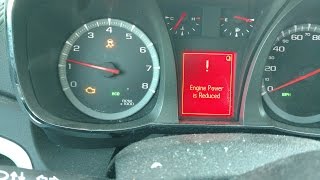
- "Reduced Engine Power" warning light on the dashboard
- "Service StabiliTrak" message displayed
- Check Engine Light is on
- Rough or unstable idle
- Hesitation or stumbling during acceleration
- Vehicle may stall when coming to a stop or at idle.
- Engine may be hard to start
- Replacing the MAP sensor before cleaning the throttle body. A dirty throttle body is far more common and should always be the first step.
- Replacing the throttle body assembly when only a cleaning is needed. A cleaning and idle relearn procedure resolves the vast majority of cases.
- Replacing the MAF sensor. While a dirty MAF can cause issues, it's less likely to be the primary cause of P0068 on this engine compared to throttle body coking or a vacuum leak.
Most Likely Causes
- Dirty or Carbon-Fouled Throttle Body 🔴 High Probability → Shop Fuel Injection Throttle Body The direct-injection LFX engine allows oil and carbon deposits from the PCV system to bake onto the throttle plate, restricting the precise airflow needed for idle and low-speed driving. This is a well-documented issue acknowledged by GM in TSB PIP4578B.
How to confirm: Remove the air intake duct leading to the throttle body. Visually inspect the throttle plate and the inside of the throttle body bore for a thick, black, sticky layer of carbon buildup. The buildup is often most significant on the back side of the plate and in a ring where the plate rests at idle. A scan tool may show a Throttle Position of greater than 1% with the key on and engine off, indicating the plate cannot fully close.
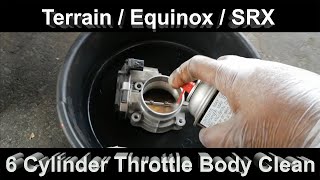
Typical fix: Remove the throttle body from the intake manifold for a thorough cleaning. Use a dedicated throttle body cleaner and a soft cloth or brush to remove all carbon deposits. Reinstall and perform an idle relearn procedure, which is a critical step.
Est. part cost: $10-$20 - Vacuum Leak 🟡 Medium Probability Hoses can become brittle over time. A very common failure point on the 3.6L LFX is the PCV foul air tube that connects to the intake manifold; it cracks and creates a large vacuum leak. Additionally, GM Technical Service Bulletin (PIP5529B) notes that loose intake manifold bolts can be a source of vacuum leaks on this engine family, causing a variety of codes including P0068. TSB Bulletin #PIP5529A also provides additional diagnostics and repair steps to resolve malfunction indicator lamp illumination when P0068 appears with other codes like P0171 or P0101.
How to confirm: With the engine running, listen for a hissing sound around the intake manifold and PCV hoses. A professional smoke test is the most definitive way to locate a leak. You can also carefully spray carburetor cleaner around the intake manifold gaskets and vacuum line connections; a change in engine idle indicates a leak. Inspect the PCV tube (Part No. 12637451) for cracks.
Typical fix: Replace the cracked vacuum hose or leaking gasket. If intake manifold bolts are loose, they should be removed one at a time, have blue (medium strength) threadlocker applied, and be torqued to specification (22 Nm or 16 lb-ft).
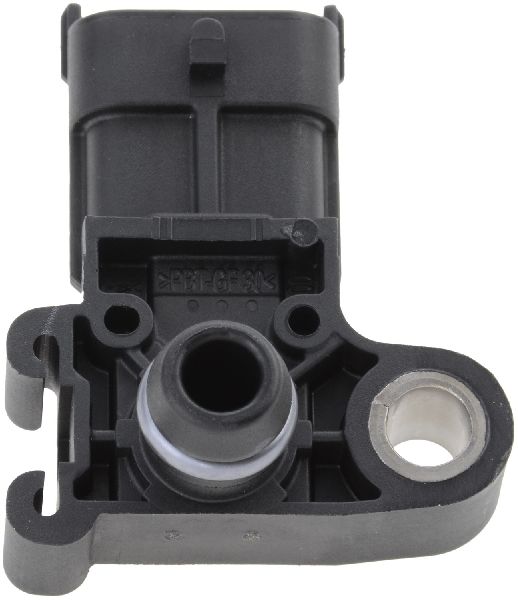
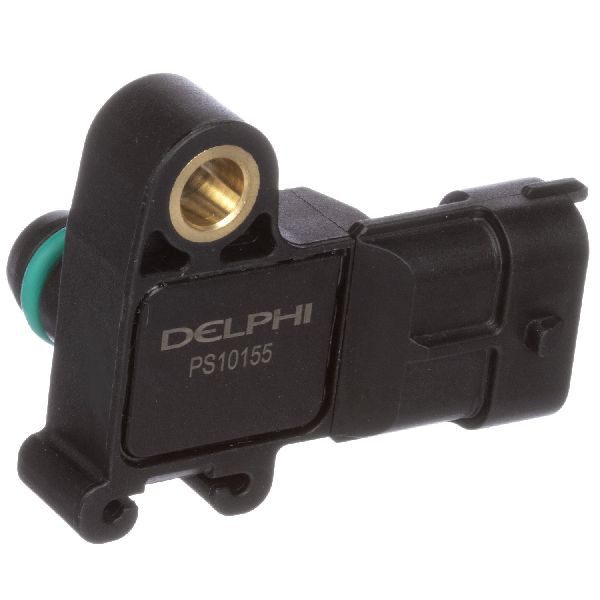
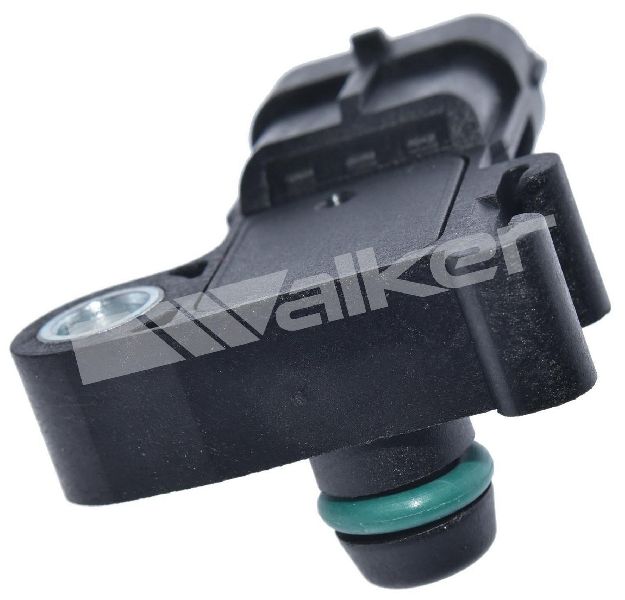
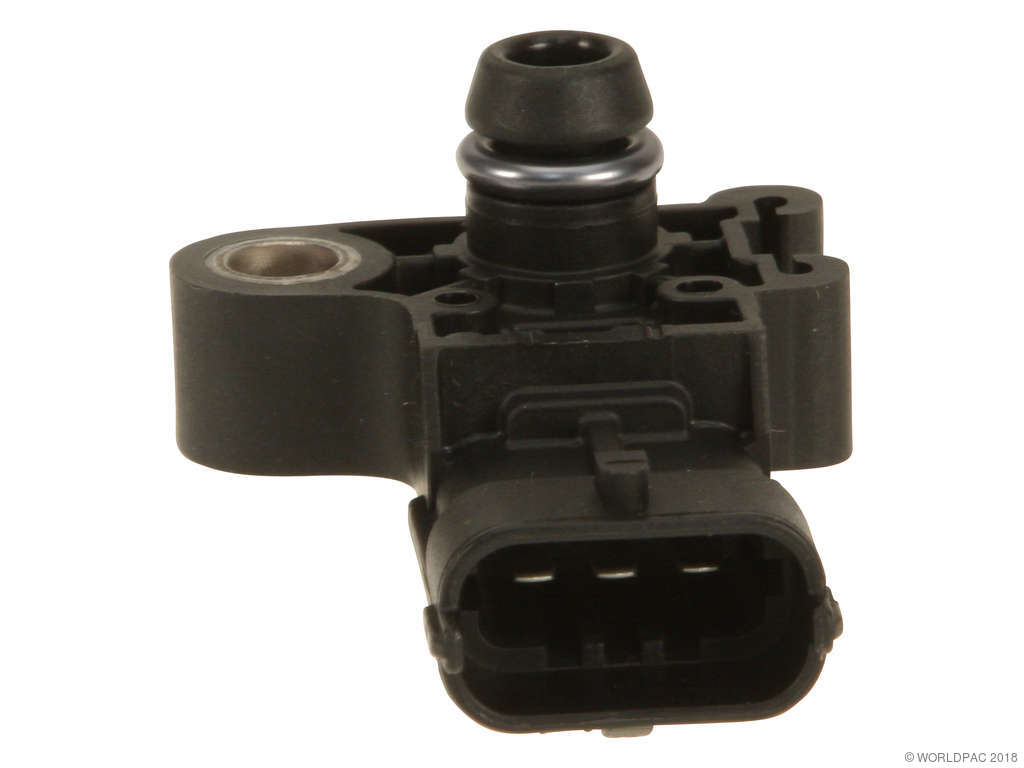
Est. part cost: $20-$100 - Faulty Manifold Absolute Pressure (MAP) Sensor ⚪ Low Probability → Shop Manifold Absolute Pressure Sensor While not exceptionally prone to failure, the MAP sensor can become contaminated with oil from the PCV system or fail electronically. It is often replaced unnecessarily when the root cause is a dirty throttle body or vacuum leak.
How to confirm: Use a scan tool to monitor the MAP sensor voltage or pressure reading (kPa). With the key on and engine off, it should read atmospheric pressure (approx. 101 kPa at sea level) with a voltage of 4.5-5.0V. With the engine idling, it should drop significantly (e.g., 30-40 kPa) with a voltage of 1.0-1.5V. If readings are stuck, erratic, or don't change with engine load, the sensor is likely faulty.
Typical fix: Replace the MAP sensor. It is mounted directly on the upper intake manifold and held in by a single bolt, making for a relatively easy replacement.
Est. part cost: $30-$65
Rare But Worth Checking
- Faulty Throttle Position Sensor (TPS): → Shop Fuel Injection Throttle Body The TPS is integrated into the electronic throttle body assembly on this vehicle. If the sensor fails, the entire throttle body must be replaced. This is usually accompanied by other codes like P2135 (Throttle/Pedal Position Sensor Correlation) or P0121 (TPS Performance).
- Damaged Wiring or Connectors: Frayed wires or corroded pins on the MAP sensor or throttle body connectors can cause intermittent signal loss, triggering P0068. A visual inspection of the harnesses is required. Poor engine ground connections can also cause erratic sensor readings.
- Clogged PCV Orifice: → Shop PCV Valve On some 3.6L LFX engines, the fixed PCV orifice within the valve cover can become clogged. This can lead to improper crankcase ventilation and pressure, which can affect airflow readings and potentially contribute to P0068. Some owners have reported success by drilling out the orifice to a slightly larger size.
- Aftermarket Cold Air Intake: Installing an aftermarket cold air intake, especially one with a larger diameter tube or an oiled filter, can alter the airflow characteristics across the MAF sensor. If the vehicle's computer is not tuned for this change, it can cause the MAF readings to conflict with MAP and TPS data, triggering a P0068 code.
Diagnosis Steps
- Read the codes with an OBD-II scanner to confirm P0068 and note any other codes present.
- Visually inspect the air intake system, including the flexible ducting between the air filter and throttle body, for any cracks or loose clamps. Pay close attention to the PCV foul air tube (GM Part #12637451) that connects to the intake manifold.
- Remove the intake duct from the throttle body and inspect for heavy carbon buildup. If significant buildup is present, proceed with cleaning.
- Remove the four 10mm bolts holding the throttle body to the intake manifold. Disconnect the electrical connector.
- Thoroughly clean the throttle plate (both sides) and the throttle body bore using a dedicated throttle body cleaner and a soft cloth or non-abrasive brush. Do not use harsh tools that could scratch the metal or force the plate by hand.
- Reinstall the throttle body and reconnect the intake duct. Torque bolts to 10 Nm (89 lb-in).
- Perform an idle relearn procedure. A common manual method is to start the engine and let it idle in Park for 3 minutes, then turn the engine off for 60 seconds. Start the engine again and let it idle in Park for another 3 minutes. The idle should stabilize. A test drive with varied speeds and stops may also be required.
- If the code returns, check for vacuum leaks. A smoke test is the most reliable method.
- Per TSB PIP5529B, check the torque on the intake manifold bolts. If loose, remove them one by one, apply medium-strength threadlocker, and torque in sequence to 22 Nm (16 lb-ft).
- If no leaks are found, use a scan tool to monitor live data from the MAP sensor and TPS to ensure they are reading correctly and responding smoothly to changes in throttle and engine load.
Parts You'll Likely Need
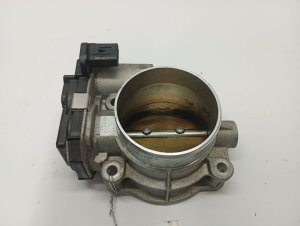
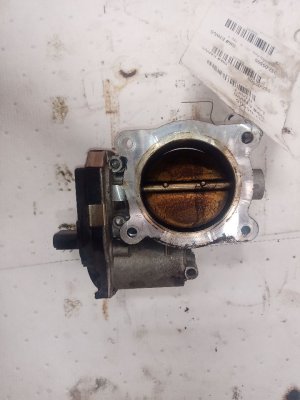
- Electronic Throttle Body Assembly
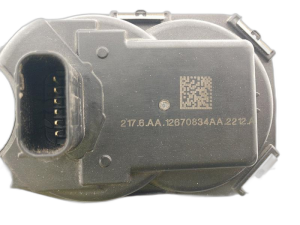
(OEM #12670833 (supersedes 12632190))— Only needed if a thorough cleaning does not resolve the issue and the internal Throttle Position Sensor (TPS) has failed. On the LFX engine, the sensor is not serviced separately.
Trusted brands: ACDelco, Bosch
OEM price range: $150-$250
Aftermarket price range: $100-$180 - Manifold Absolute Pressure (MAP) Sensor
(OEM #12644228)— Replaced if diagnostic testing shows the sensor is providing incorrect or erratic voltage readings after the throttle body has been cleaned and vacuum leaks have been ruled out.
Trusted brands: ACDelco, Bosch, NTK
OEM price range: $40-$60
Aftermarket price range: $25-$50 - Upper Intake Manifold Gasket Set
(OEM #12635243)— Needed if a vacuum leak is traced to the intake manifold gaskets, or if re-torquing the manifold bolts per TSB PIP5529B does not solve the leak.
Trusted brands: ACDelco, Fel-Pro
OEM price range: $40-$60
Aftermarket price range: $25-$45 - PCV Foul Air Tube
(OEM #12637451)— This specific hose is a known failure point that becomes brittle and cracks, causing a significant vacuum leak that can trigger P0068.
Trusted brands: ACDelco, GM Genuine
OEM price range: $25-$40
Aftermarket price range: $15-$30
Related Codes That Often Appear With This One
- P0101 — Mass Airflow (MAF) Sensor Performance. This code relates to the MAF sensor readings, which are also part of the airflow calculation that triggers P0068. A vacuum leak is a common cause for both codes appearing together.
- P0106 — Manifold Absolute Pressure (MAP) Sensor Performance. This code points more directly to a problem with the MAP sensor's signal, which can be a root cause of the P0068 correlation fault. TSB PIP5529B lists both codes as potential results of loose intake manifold bolts.
- P0506 — Idle Air Control RPM Lower Than Expected. A dirty throttle body that causes P0068 will also restrict airflow at idle, often causing the idle speed to be too low and setting P0506.
- P2135 — Throttle/Pedal Position Sensor/Switch 'A'/'B' Voltage Correlation. This code indicates a fault within the throttle position sensor itself, which would require replacing the entire throttle body assembly.
- P0171/P0174 — System Too Lean (Bank 1/Bank 2). A vacuum leak that causes P0068 will introduce unmetered air into the engine, causing the oxygen sensors to detect a lean condition and trigger these codes.
Technical Service Bulletins (TSBs) & Recalls
- PIP5529B: Addresses a wide range of codes including P0068, P0101, and P0106. Instructs technicians to inspect for loose intake manifold bolts if standard diagnostics do not find a cause. The fix is to apply medium-strength threadlocker and re-torque the bolts.
- PIP5529A: Provides additional diagnostics and repair information to assist in resolving malfunction indicator lamp illumination due to combinations of codes including P0068, P0101, P0106, P0171, and P0506.
- PIP4578B: Specifically calls out carbon buildup in the throttle body as a cause for codes like P0068, P0121, and P0506 on high-mileage vehicles. It emphasizes that an idle learn reset is required after cleaning and notes that symptoms may include reduced engine power mode.
- 12-06-01-009F: While primarily for timing chain codes (P0008, P0009), this TSB is a general acknowledgment by GM of issues with the High Feature V6 engine family, providing context for the engine's overall characteristics.
Platform-Specific Known Issues
- Owner Experience on TraverseForum.com: A user with a 2017 Chevrolet Traverse (a platform mate with the same 3.6L LFX engine) reported receiving codes P0068 and P0101. The confirmed fix was replacing a cracked PCV tube, which was causing a significant vacuum leak. This highlights the importance of checking for vacuum leaks before replacing more expensive sensors.
- Forum Consensus on ImpalaForums.com: On a thread for a 2012 Impala with the LFX engine experiencing low idle and stalling (P0506), which often accompanies P0068, the overwhelming advice from other owners was to perform a thorough throttle body cleaning. The original poster confirmed this simple fix resolved their issue, reinforcing it as the primary diagnostic step.
Mechanic-Grade Diagnostic Values
- MAP Sensor Voltage (Key On, Engine Off) — expected: 4.5V - 5.0V. Failure: Voltage outside this range indicates a sensor or wiring issue. Should correlate to local barometric pressure.
- MAP Sensor Voltage (Engine at Idle) — expected: ~1.0V - 1.5V. Failure: Voltage stuck high (near 4.5V) when the engine is running indicates the sensor is not responding to engine vacuum.
- Mass Airflow (MAF) Sensor Reading (Warm Idle) — expected: 4.2 - 4.8 g/s. Failure: Significantly lower readings can indicate a vacuum leak (unmetered air). Readings that don't increase with RPM suggest a faulty sensor.
- Throttle Position Sensor (TPS) Percentage (Key On, Engine Off) — expected: 0-1%. Failure: A reading of 5%, 10%, or higher with the engine off indicates the throttle plate is not closing fully, likely due to carbon buildup or a failed sensor.
- Throttle Position Sensor (TPS) Voltage Sweep — expected: ~0.5V at closed throttle to ~4.5V at wide-open throttle.. Failure: Any spikes, dropouts, or non-linear response during a slow pedal sweep indicates a worn or failed sensor track within the throttle body.
Scan Tool Commands That Help
- GDS2 / Professional Scan Tool: Idle Learn Reset / Throttle Relearn — This is a mandatory step after cleaning or replacing the throttle body. The ECM must relearn the new closed-throttle position to ensure a stable idle and prevent other codes like P2176 from appearing.
Wiring & Ground Locations
- MAP Sensor Connector — On the intake manifold. On the 3.6L LFX, it is often at the rear of the engine, sometimes requiring the upper intake to be lifted for access.. This is the primary connection point to test for the MAP sensor's 5V reference, ground, and signal wires. Corrosion or damage here will directly cause sensor correlation faults.
- G103 — Typically located on the front of the passenger side (Bank 2) cylinder head or on the cowl in the rear of the engine compartment.. This is a primary engine and sensor ground point. The MAP sensor's Low Reference (ground) circuit often terminates here via a splice pack. High resistance at this ground can cause floating voltages and erratic sensor readings, triggering P0068.
- Throttle Body Connector — Directly on the electronic throttle body assembly.. This 6-pin connector contains the two redundant circuits for the Throttle Position Sensor (TPS). A poor connection here can cause TPS-related faults that contribute to the P0068 correlation error.
Real Owner Repair Stories
- YouTube user Ron Williams, working on a Cadillac with a similar GM engine (2005 Cadillac STS (with P0068, P1101, P0171, P0174)) — Check engine light with multiple codes related to airflow and lean conditions.
❌ Tried (didn't work) Initial diagnosis might point to intake manifold gaskets, a bad MAF sensor, or fuel pressure issues.
✅ What actually fixed it The brake booster vacuum hose had become oil-saturated and swollen where it connected to the back of the intake manifold, creating a significant vacuum leak. Replacing the hose resolved the codes. - acadiaforum.net user (GMC Acadia with 3.6L V6 (platform mate)) — P0068 code present.
❌ Tried (didn't work) Sensor replacement was considered.
✅ What actually fixed it The final fix was a thorough cleaning of the throttle body and inspecting for a cracked air intake tube between the filter and the throttle body.
OEM Part Supersession History
12631186 (and others)→12670839— GM often updates parts to improve reliability or address known failure modes. This is a common supersession for the LFX throttle body.
Heads up: While physically interchangeable, always verify the part number against the vehicle's VIN. Some aftermarket or ported throttle bodies may require an ECU tune to function correctly.
Model Year Variations Within This Range
- 2013-2017: The 3.6L LFX V6 engine, which this article focuses on, replaced the earlier 3.0L V6 (LF1/LFW) starting in the 2013 model year for the GMC Terrain. The stock LFX throttle body has a 72mm bore.
Diagnostic Flowchart
Other Known Issues on This Vehicle
Issues unrelated to this code that are worth knowing about as an owner of this generation:
- Premature Timing Chain Stretch 🔴 High — Common on earlier High Feature V6 engines (pre-LFX), but the LFX saw design improvements. Still possible, especially with poor oil maintenance. Typically occurs between 70,000-120,000 miles. Triggers codes P0008, P0009, P0017, etc. (Ref: TSB 12-06-01-009F, Special Coverage 11340C (expired for most))
- Excessive Oil Consumption 🟠 Medium — More prevalent on the 2.4L 4-cylinder, but some 3.6L V6 owners also report issues, often linked to PCV system problems or stuck piston rings. Monitoring oil level is critical.
- Sticking/Failed EVAP Purge Solenoid 🟡 Low — A very common failure part on many GM vehicles. The solenoid sticks open, causing a vacuum leak that can lead to a rough idle and difficulty starting after refueling. Triggers codes P0496 or P0443.
- Water Pump Failure 🟠 Medium — The water pump can fail, leading to coolant leaks and potential overheating. Leaks are often seen from the pump's weep hole. Failure can occur under 100,000 miles.
- Carbon Buildup on Intake Valves 🟠 Medium — A systemic issue with all direct-injection engines, including the LFX. Over time, carbon builds up on the back of the intake valves, restricting airflow and causing misfires (P0300) and rough running. Typically requires walnut shell blasting to clean every 60,000-100,000 miles.
Used vs. New Parts: Buying Guide for This Vehicle
When a used part is the smart pick: A used throttle body from a low-mileage donor vehicle can be a cost-effective option, as the failure mode is often carbon buildup (which can be cleaned) rather than electronic failure. However, given the low cost of new aftermarket units, many owners opt for new.
Donor-vehicle mileage cap: roughly under 75000 miles for the part to have meaningful remaining life.
What to inspect on the donor part:
- Check for minimal scoring or scratches on the throttle body bore.
- Ensure the electrical connector pins are clean, straight, and free of corrosion.
- Verify the part number matches the required OEM number or its known supersession (e.g., 12670839).
- Avoid parts from vehicles with signs of major engine failure or fire.
OEM-only on this vehicle (don't cheap out):
- While not strictly OEM-only, it is critical that any replacement MAP sensor is from a reputable brand (like NTK or original ACDelco) as cheap, no-name sensors are known to have high failure rates and incorrect voltage outputs.
Aftermarket brands forum-validated for this vehicle:
- For throttle bodies, ported versions from Soler Performance or Tracy Lewis Performance are mentioned in enthusiast forums for improved throttle response, though they may not be necessary for a simple repair.
- For MAP sensors, NTK is a reputable OEM-equivalent supplier.
Brands owners have reported issues with on this vehicle:
- Avoid unbranded, generic electronic parts like MAP sensors and throttle bodies from online marketplaces, as their calibration and longevity are often questionable.
Real Owner Stories
Aggregated from forums and TSBs cited above. Mileages and costs reflect what owners reported in those sources.
2017 Chevrolet Traverse 3.6L LFX
Symptoms: The vehicle was throwing codes P0068 and P0101.
What fixed it: Replacing a cracked PCV tube which was causing a significant vacuum leak.
Source hint: Owner Experience on TraverseForum.com
2012 Chevrolet Impala 3.6L LFX
Symptoms: Low idle and stalling, accompanied by code P0506.
What fixed it: A thorough throttle body cleaning to remove carbon deposits.
Source hint: Forum Consensus on ImpalaForums.com
Related OBD-II Codes
Frequently Asked Questions
Which GM Technical Service Bulletin addresses the loose intake manifold bolts on the 3.6L LFX engine?
Is there a specific part I should check for vacuum leaks on my GMC Terrain 3.6L?
Does GM acknowledge carbon buildup as a cause for P0068 on high-mileage Terrains?
What is the correct torque specification for the throttle body bolts after cleaning?
Do I need to do anything special after cleaning the throttle body to clear the 'Reduced Engine Power' message?
Helpful Videos
Used OEM Parts in Stock
New Aftermarket Parts Available


The information in this article is provided for general reference and educational purposes only. Vehicle specifications, procedures, and part compatibility can vary by production date, trim level, and region. Always consult your vehicle's factory service manual and verify part numbers before purchasing or performing repairs. Safety-critical components such as airbags, seat belts, and braking systems should be installed by a qualified professional.
- GMC Terrain:
- 🧭 Diagnostic Flowchart
- 🎬 Helpful Videos
- 🛍️ Shop This Part
- What's Unique About the 2010-2017 GMC Terrain
- Symptoms You May Notice
- Most Likely Causes
- Rare But Worth Checking
- Diagnosis Steps
- Parts You'll Likely Need
- Related Codes That Often Appear With This One
- Technical Service Bulletins (TSBs) & Recalls
- Platform-Specific Known Issues
- Mechanic-Grade Diagnostic Values
- Scan Tool Commands That Help
- Wiring & Ground Locations
- Real Owner Repair Stories
- OEM Part Supersession History
- Model Year Variations Within This Range
- Other Known Issues on This Vehicle
- Used vs. New Parts: Buying Guide for This Vehicle
- Real Owner Stories
- 2017 Chevrolet Traverse 3.6L LFX
- 2012 Chevrolet Impala 3.6L LFX
- Related OBD-II Codes
- Frequently Asked Questions
- 🎟️ Get 5% Off