

P0068 on 2020 Hyundai Elantra: MAP/MAF/Throttle Correlation Causes and Fixes
On a 2020 Hyundai Elantra with the 2.0L (G4NH) engine, code P0068 is most often caused by outdated engine software, as identified in manufacturer TSB #21-01-041H. The primary fix is a software update performed by a dealer. If the software is current, the next most likely causes are a dirty throttle body, a vacuum leak (including from the PCV system), or a contaminated MAP sensor.
- For a 2020 Elantra 2.0L, P0068 is most likely a software issue, not a broken part.
- Your first step should be to contact a Hyundai dealer and ask if TSB #21-01-041H has been performed on your vehicle.
- Do not replace the MAP or MAF sensors before checking for software updates, vacuum leaks, and a dirty throttle body.
- Symptoms like rough idle and hesitation are common with this code and can pose a safety risk in traffic.
What's Unique About the 2020-2020 Hyundai ELANTRA
For the 2020 Elantra with the 2.0L Nu (G4NH) engine, this code is unique because Hyundai has officially acknowledged a software logic flaw as a primary cause. Rather than an immediate component failure, the code is frequently triggered by an overly sensitive engine computer. Hyundai issued Technical Service Bulletin #21-01-041H (Service Campaign T5S) with a specific software update to revise the logic and prevent this false code from appearing, making a trip to the dealer for a reflash a very common and necessary fix.
Diagnostic Flowchart
Tap your situation to follow the diagnostic path that matches what you're seeing on this vehicle.
Symptoms You May Notice
- Check Engine Light is on
- Rough or unstable idle, sometimes fluctuating.
- Engine hesitation or stumbling during acceleration.
- Reduced engine power.
- Engine may stall when coming to a stop.
- Difficulty starting, especially after the engine has been off for a short period (20 minutes to 3 hours).
- Reduced fuel economy.
- Hissing or whistling noise from the engine bay.
- Replacing the MAP or MAF sensor without first checking for required software updates (TSB #21-01-041H) or thoroughly inspecting for vacuum leaks and a dirty throttle body.
Most Likely Causes
- Outdated Engine Control Module (ECM) Software 🔴 High Probability → Shop Engine Control Module (ECM) Hyundai issued TSB #21-01-041H (Service Campaign T5S) specifically to revise the ECM logic for P0068, P0101, and P0106 on the 2020 Elantra 2.0L, indicating the original software was too sensitive.
How to confirm: A Hyundai dealer or a qualified shop with access to Hyundai's service information can check if the vehicle's software has been updated per TSB #21-01-041H by checking the ROM ID against the bulletin's information table.
Typical fix: Perform an ECM software update (reflash) using a GDS-M tool. This is typically done at a dealership and takes about 0.3 hours.
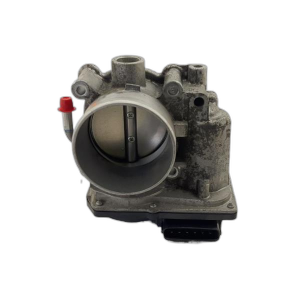
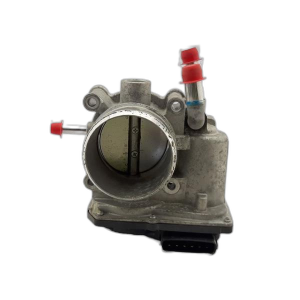
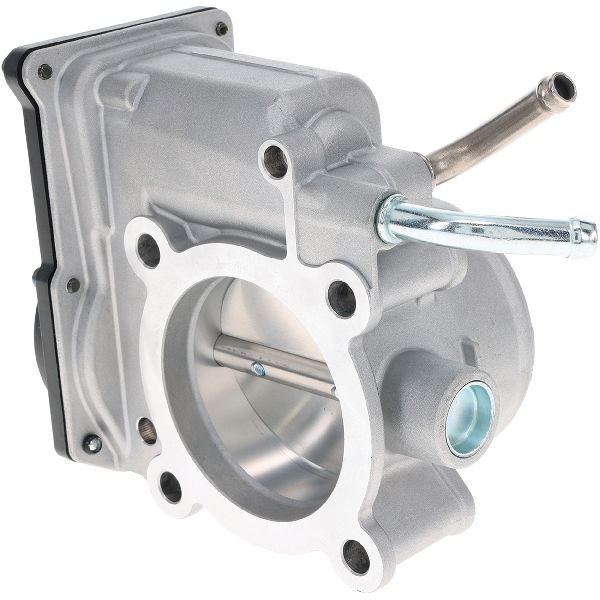
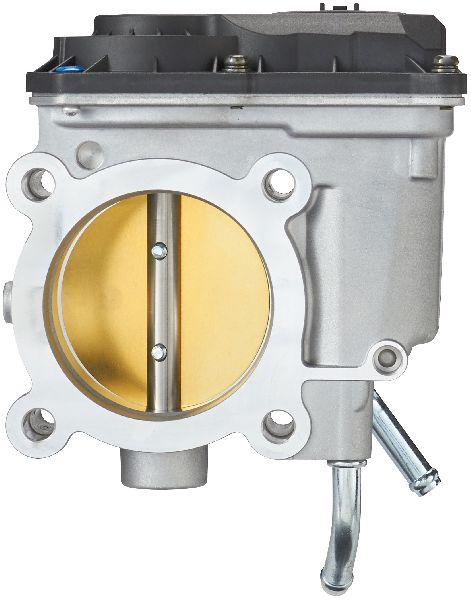
Est. part cost: $0 (if under warranty/campaign) - Dirty Throttle Body 🟡 Medium Probability → Shop Fuel Injection Throttle Body Carbon and oil vapor buildup from the PCV system can restrict the movement of the throttle plate or the surrounding bore, causing its actual position to differ from what the sensor reports to the ECM, leading to a correlation error.
How to confirm: Visually inspect the inside of the throttle body bore and the edges of the throttle plate for black, greasy buildup (coke) after removing the intake boot.
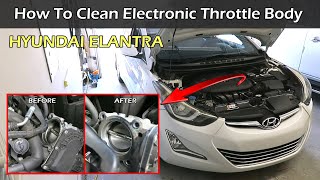
Typical fix: Clean the throttle body and plate with a dedicated throttle body cleaner and a soft cloth. The throttle body may need to be removed for thorough cleaning. A throttle position relearn procedure may be required afterward.
Est. part cost: $5-$15 - Vacuum Leak 🟡 Medium Probability Cracked or disconnected vacuum hoses (especially the PCV hose), a leaking intake manifold gasket, or a faulty PCV valve allow unmetered air into the engine. This extra air is not measured correctly, causing a discrepancy with MAP and TPS readings.
How to confirm: Visually inspect all vacuum lines for cracks or loose connections. Listen for a hissing sound at idle. A smoke test is the most effective way to find small leaks in the intake system.
Typical fix: Replace the cracked hose or faulty gasket that is causing the leak. The PCV valve is an inexpensive part to check and replace if suspect.
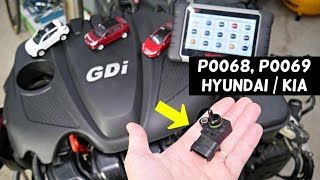
Est. part cost: $10-$50 - Faulty or Contaminated Manifold Absolute Pressure (MAP) Sensor ⚪ Low Probability → Shop Manifold Absolute Pressure Sensor The MAP sensor can become contaminated with oil or carbon from the crankcase ventilation system, or it can fail electronically. A Reddit user with a similar Hyundai engine reported their MAP sensor was covered in carbon/sludge, causing an intermittent P0068 code.
How to confirm: Use a scan tool to monitor the MAP sensor's live data with the key on, engine off, and compare it to the barometric pressure reading. The values should be nearly identical. The reading should change predictably as engine vacuum changes. Visually inspect the sensor for contamination.
Typical fix: First, try cleaning the sensor with a dedicated MAF/sensor cleaner. If the issue persists or the sensor fails electrical tests, replace the MAP sensor.
Est. part cost: $60-$140
Rare But Worth Checking
- Dirty or Clogged Air Filter: A severely clogged air filter can restrict airflow enough to cause a correlation error between the sensors. It's a simple and inexpensive item to check first.
- Faulty Mass Air Flow (MAF) Sensor: → Shop Fuel Injection Air Flow Meter While less common than a MAP sensor issue or software glitch on this model, a failing or dirty MAF sensor can provide incorrect airflow data and trigger P0068.
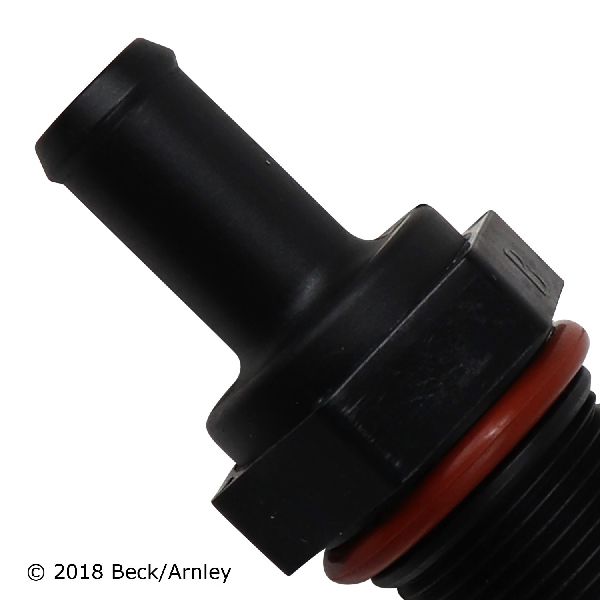
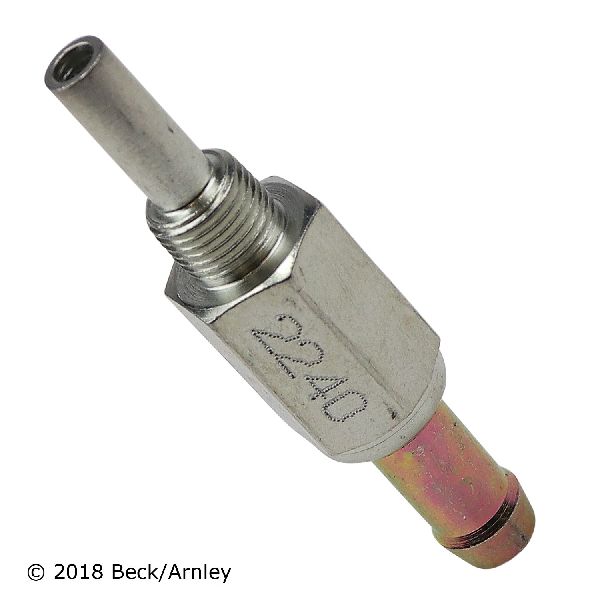
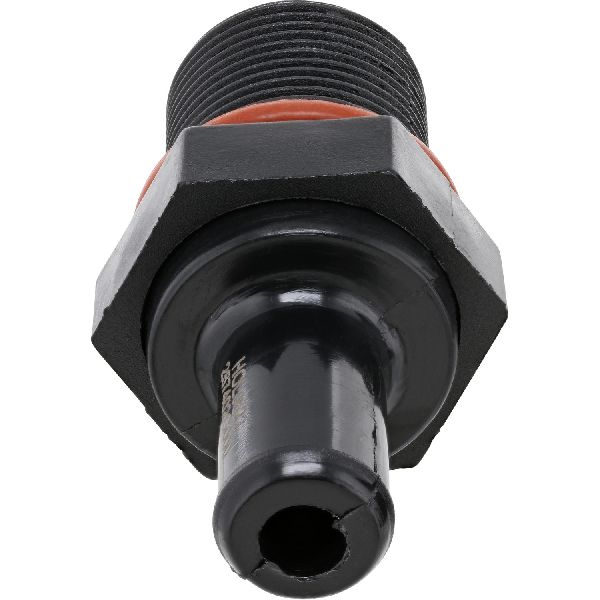
- Faulty or Sticking PCV Valve: → Shop PCV Valve A PCV valve that is stuck open can create a significant vacuum leak, while a stuck-closed valve can increase crankcase pressure. Both conditions can contribute to sensor correlation errors.
- Wiring Issue: Damaged wires or corroded connectors for the MAP, MAF, or TPS can cause intermittent or incorrect signals, leading to the code. This is especially possible for the MAP sensor, which is often located near the hot radiator fan.
Diagnosis Steps
- Check for Technical Service Bulletins (TSBs). For this specific vehicle, confirm with a dealer if Service Campaign T5S (TSB #21-01-041H) has been performed.
- If the software is out of date, have the ECM updated. This is the most likely fix and should be the first step.
- If the software is current, perform a visual inspection of the air intake system, including the air filter and the intake boot between the MAF sensor and the throttle body, for any loose clamps or cracks.
- Inspect the engine for any obvious vacuum leaks, such as cracked or disconnected hoses. Pay close attention to the PCV valve and its hose.
- Remove the air intake duct and inspect the throttle body for carbon buildup. Clean it if it is dirty. After cleaning, perform a throttle position relearn procedure if specified for the vehicle.
- Use a scan tool to monitor live data from the MAP, MAF, and TPS sensors to ensure their readings are plausible and change with engine RPM and load.
- If a vacuum leak is suspected but not visible, perform a smoke test to pinpoint the source of the leak.
- Inspect the MAP sensor for contamination. If dirty, clean it with sensor-safe cleaner. If clean and all other steps fail, test the sensor's circuit for proper voltage and ground before condemning the sensor.
Parts You'll Likely Need
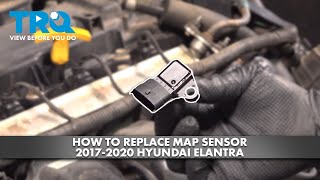
- Manifold Absolute Pressure (MAP) Sensor
(OEM #39300-2E600)— If mechanical and software issues are ruled out, the MAP sensor itself may have failed or be too contaminated to clean, providing incorrect pressure readings to the ECM.
Trusted brands: Hyundai (OEM), Bosch, Delphi
OEM price range: $60-$85
Aftermarket price range: $30-$60 - Throttle Body Cleaner — Often, the code is caused by a dirty throttle body, and a simple cleaning is all that is required. This is a maintenance item, not a replacement part.
Trusted brands: CRC, Berryman, Gumout
Aftermarket price range: $5-$15 - PCV Valve — A faulty PCV valve is a common source of vacuum leaks that can trigger a P0068 code and is an inexpensive and easy part to replace during diagnosis.
Trusted brands: Hyundai (OEM)
OEM price range: $15-$30
Aftermarket price range: $10-$20
Related Codes That Often Appear With This One
- P0101 — This code relates to 'Mass Air Flow (MAF) Sensor - Range/Performance'. It often appears with P0068 because both codes are addressed by the same Hyundai software update (TSB #21-01-041H) and involve the air intake measurement system.
- P0106 — This code indicates a 'MAP Sensor / Baro Pressure (BARO) Sensor - Range/Performance' issue. It is also frequently linked to P0068 and is part of the same software update campaign from Hyundai, pointing to a systemic logic issue.
Technical Service Bulletins (TSBs) & Recalls
- 21-01-041H: ECM software update to revise the logic for DTCs P0068, P0101, and P0106. This is also known as Service Campaign T5S.
- 20-01-028H: Mentions ECU DTC P0068 in conjunction with TCU software updates for the IVT transmission.
- Campaign T5B Dea: Also lists ECU DTC P0068 in the context of a service campaign related to the IVT transmission.
Platform-Specific Known Issues
- The primary vehicle-specific issue is the ECM software logic flaw identified by Hyundai in TSB #21-01-041H (Service Campaign T5S), which causes P0068, P0101, and P0106 to be set incorrectly on 2020 Elantras with the 2.0L G4NH engine.
- TSBs #20-01-028H and #Campaign T5B Dea also list P0068 as a potential ECU code related to transmission software updates, further highlighting the platform's sensitivity to software correlation issues.
- The 2.0L Nu engine family has other service campaigns and recalls related to engine monitoring and oil consumption (Recalls 198, 203), which, while not directly related to P0068, indicate a history of software and sensor-related updates for this powertrain.
Mechanic-Grade Diagnostic Values
- MAP Sensor Voltage (Key On, Engine Off) — expected: 4.5V to 5.0V at sea level.. Failure: Voltage significantly lower than 4.5V indicates a potential sensor or wiring issue.
- MAP Sensor Voltage (Engine Idling) — expected: 0.5V to 1.5V.. Failure: Voltage significantly higher than 1.5V at idle could indicate a vacuum leak or a faulty sensor that isn't detecting engine vacuum.
- Throttle Position Sensor (TPS) Voltage (Closed Throttle) — expected: 0.2V to 0.8V.. Failure: Voltage outside this range at closed throttle indicates a miscalibrated or faulty TPS.
- Throttle Position Sensor (TPS) Voltage (Wide-Open Throttle) — expected: 4.3V to 4.8V.. Failure: Failure to reach over 4.0V, or voltage that jumps or drops out as the pedal is pressed, indicates a faulty sensor.
Scan Tool Commands That Help
- No-Tool Procedure: Throttle Position Sensor Relearn / Throttle Body Reset — This procedure should be performed after cleaning or replacing the throttle body to recalibrate the ECM to the new closed and open throttle positions. Failure to do so can cause an unstable idle. The engine should be warm and the battery voltage above 10V. For push-start models: with the brake pedal NOT pressed, push the start button twice to enter the 'ON' position (engine off). Wait 15 seconds. Turn the vehicle completely off. Wait 5 seconds. Repeat this cycle a total of 5 times.
- Hyundai GDS-M: ECM Software Update — This is the primary fix for P0068 on the 2020 Elantra 2.0L, as per TSB #21-01-041H. It revises the sensitive logic in the engine computer that causes the false code. This can only be performed by a dealer or a shop with the appropriate Hyundai-specific equipment.
Wiring & Ground Locations
- MAP Sensor Connector — On the front of the intake manifold, often tucked under the upper radiator hose.. The MAP sensor is a 3-wire sensor (5V reference, ground, and signal). Its proximity to the radiator fan makes its wiring vulnerable to damage if not properly secured, leading to intermittent signals or a complete loss of data. Always inspect the connector and harness for signs of chafing or melting.
- Engine Ground Wiring Assembly — Various points on the engine block and chassis.. A poor engine ground can cause erratic voltage readings from all engine sensors, including the MAP, MAF, and TPS, leading to correlation codes like P0068. The specific ground wiring assembly for the 2.0L NU engine in the 2020 Elantra is part number 91861-F3020. Ensuring this ground strap is clean and tight is a crucial electrical diagnostic step.
OEM Part Supersession History
39300-2E600→39300-2E600 (current)— This part number remains the current OEM part for the 2020 Elantra 2.0L. No supersessions were found.
Heads up: While there are no supersessions, some owners have reported repeated failures with aftermarket MAP sensors, suggesting that using a genuine Hyundai OEM part (39300-2E600) is the most reliable option if the sensor is confirmed to be faulty.
Helpful Videos

Used OEM Parts in Stock
New Aftermarket Parts Available


The information in this article is provided for general reference and educational purposes only. Vehicle specifications, procedures, and part compatibility can vary by production date, trim level, and region. Always consult your vehicle's factory service manual and verify part numbers before purchasing or performing repairs. Safety-critical components such as airbags, seat belts, and braking systems should be installed by a qualified professional.
- Hyundai ELANTRA:
- 🧭 Diagnostic Flowchart
- 🎬 Helpful Videos
- 🛍️ Shop This Part
- What's Unique About the 2020-2020 Hyundai ELANTRA
- Symptoms You May Notice
- Most Likely Causes
- Rare But Worth Checking
- Diagnosis Steps
- Parts You'll Likely Need
- Related Codes That Often Appear With This One
- Technical Service Bulletins (TSBs) & Recalls
- Platform-Specific Known Issues
- Mechanic-Grade Diagnostic Values
- Scan Tool Commands That Help
- Wiring & Ground Locations
- OEM Part Supersession History
- 🎟️ Get 5% Off