

P0068 on 2019-2020 Kia Forte: MAP/MAF Throttle Position Correlation Causes and Fixes
On a 2019-2020 Kia Forte with the 2.0L Nu engine, code P0068 is often caused by a dirty throttle body, a vacuum leak, or a software issue. A Kia Technical Service Bulletin (TSB_FUE047) specifically addresses this code and requires a dealer to perform a software update, which is a very common final resolution for this specific vehicle.
- Code P0068 on a 2019-2020 Kia Forte means the engine's airflow sensors are giving conflicting reports.
- Before replacing any parts, inspect for vacuum leaks and clean the throttle body, as these are common, low-cost fixes.
- A known Kia Technical Service Bulletin (TSB_FUE047) addresses this exact code for this car and engine, and the solution may be a simple software update performed by a dealer.
- This code is often accompanied by P0101 and P0106, which point to the same group of sensors.
- Driving with this code can lead to poor performance, stalling, and reduced fuel economy, so it should be addressed promptly.
What's Unique About the 2019-2020 Kia FORTE
For the 2019-2020 Forte with the 2.0L Nu MPI Atkinson engine, this code is specifically mentioned in a manufacturer's Technical Service Bulletin (TSB). Kia issued TSB_FUE047 because these vehicles can trigger P0068, along with P0101 and P0106, due to a sensitivity in the Electronic Throttle Control (ETC) system's software logic. This makes a PCM software update a more likely and necessary fix on this specific platform compared to others. The same issue exists on the platform-mate Hyundai Elantra (2020 model year), which has its own TSB (20-FL-004H) for the exact same codes and engine, further confirming this is a known software issue from the manufacturer.
Diagnostic Flowchart
Tap your situation to follow the diagnostic path that matches what you're seeing on this vehicle.
Symptoms You May Notice
- Check Engine Light is on
- Rough or unstable idle
- Hesitation or stumbling during acceleration
- Engine surging at idle or when coming to a stop
- Reduced engine power or entering 'limp mode'
- Occasional stalling, especially when coming to a stop
- Increased fuel consumption
- Replacing the MAP sensor without first checking for vacuum leaks, a dirty throttle body, or the required TSB software update. The software update is a particularly common oversight for this specific vehicle.
Most Likely Causes
- PCM Software Update Required 🔴 High Probability Kia TSB_FUE047 directly addresses this code on this vehicle and engine, indicating a known logic issue that can be fixed with a software update. This is a very common fix reported by owners after other basic checks fail.
How to confirm: A Kia dealership or a qualified shop with access to OEM tools can check the current software (ROM ID) against the latest version specified in the TSB. A corresponding campaign (T5S, detailed in TSB 20-FL-004H) was issued for 2020 Hyundai Elantra vehicles with the same engine for the same codes, corroborating the issue.
Typical fix: The dealer will reflash the Powertrain Control Module (PCM) with the updated software. This is typically a quick procedure.
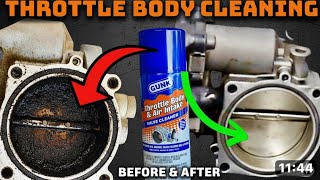
Est. part cost: $0-$250 - Dirty or Faulty Throttle Body 🔴 High Probability → Shop Fuel Injection Throttle Body Carbon buildup (coke) around the throttle plate can prevent it from moving smoothly or closing properly, causing its actual position to differ from what the sensor reports, leading to a correlation fault.
How to confirm: Visually inspect the throttle body bore and plate for black, greasy carbon deposits after removing the air intake duct. The plate should be clean and shiny.
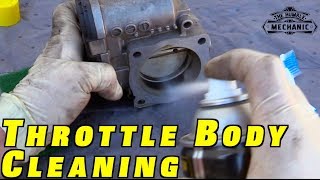
Typical fix: Clean the throttle body thoroughly with a dedicated throttle body cleaner and a soft brush or rag. 🎬 See this walkthrough on cleaning your throttle body the right way. If cleaning doesn't resolve the issue or the electronic components are faulty, the entire throttle body assembly may need replacement. A throttle relearn procedure may be needed after cleaning or replacement.
Est. part cost: $150-$400 - Vacuum Leak 🟡 Medium Probability Unmetered air entering the intake manifold is a primary cause for sensor correlation codes on any modern engine. Common sources include cracked hoses (especially the PCV hose), leaking intake manifold gaskets, or a bad MAP sensor O-ring.
How to confirm: Perform a smoke test by introducing smoke into the intake system and watching for leaks from gaskets, hoses, or the intake manifold itself. A hissing sound near the engine at idle can also indicate a leak.
Typical fix: Repair the source of the leak, which usually involves replacing a cracked hose or a faulty gasket.
Est. part cost: $10-$100 - Faulty Manifold Absolute Pressure (MAP) Sensor 🟡 Medium Probability → Shop Manifold Absolute Pressure Sensor
How to confirm: Use a scan tool to monitor the MAP sensor's live data to see if its readings are erratic or illogical. With the key on and engine off, voltage should be around 4.5-5V, dropping to 1-1.5V at idle. Check the sensor's wiring and connector for damage.
Typical fix: Replace the MAP sensor. It's typically a simple sensor to access and replace on the intake manifold, held by one bolt. 🎬 Watch: Step-by-step guide to replacing the MAP sensor on your Forte.
Est. part cost: $40-$120
Rare But Worth Checking
- Faulty Mass Air Flow (MAF) Sensor: → Shop Fuel Injection Air Flow Meter While the 2.0L Nu engine in the Forte primarily uses a MAP sensor for load calculation, some documentation for P0068 generally includes the MAF sensor. If present, a dirty or failing MAF sensor can provide incorrect airflow data, contributing to the correlation error.
- Clogged Air Filter: A severely restricted air filter can starve the engine of air, causing a mismatch between expected and actual airflow readings. This is a simple and inexpensive check.
- Wiring Issues: Damaged or corroded wiring or connectors for the MAP sensor or throttle body sensors can cause intermittent or incorrect signals, leading to the code.
Diagnosis Steps
- Check for other stored trouble codes that could provide more clues, especially P0101 and P0106.
- Visually inspect the entire air intake system from the air filter box to the throttle body for any loose clamps, cracked hoses, or disconnected components.
- Inspect the throttle body for significant carbon buildup. Clean if necessary, then perform a throttle relearn procedure.
- Perform a vacuum leak test using a smoke machine to check for leaks at the intake manifold gasket, vacuum lines, and PCV system.
- Inspect the wiring and connectors for the MAP sensor and throttle body for any signs of damage, corrosion, or loose pins.
- Use a scan tool to observe live data from the MAP sensor and Throttle Position sensor at idle and while revving the engine to see if any sensor is providing irrational readings. Compare MAP voltage to known good values (approx. 4.5V key on/engine off, 1.0-1.5V at idle).
- If all physical checks pass, contact a Kia dealership to inquire about TSB_FUE047. Provide your VIN and ask them to verify if the PCM software update has been performed. This is the most likely final fix.
Parts You'll Likely Need
- Manifold Absolute Pressure (MAP) Sensor
(OEM #39300-2E600)— A faulty MAP sensor is a direct potential cause of this correlation code. This part number is listed for the 2.0L Forte.
Trusted brands: Kia (OEM), Delphi, Standard Motor Products, Hella
OEM price range: $60-$90
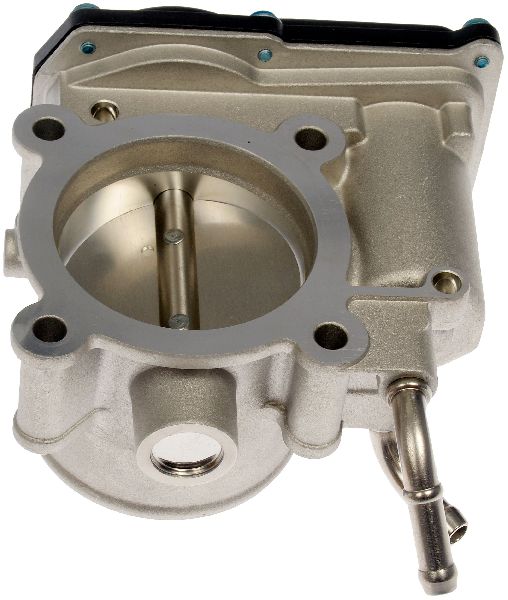
Aftermarket price range: $35-$60 - Throttle Body Assembly
(OEM #35100-2E710)— If the internal throttle position sensor fails or the unit is heavily contaminated and cannot be cleaned, replacement is necessary. This part number supersedes 35100-2E700.
Trusted brands: Kia (OEM), Dorman
OEM price range: $300-$500
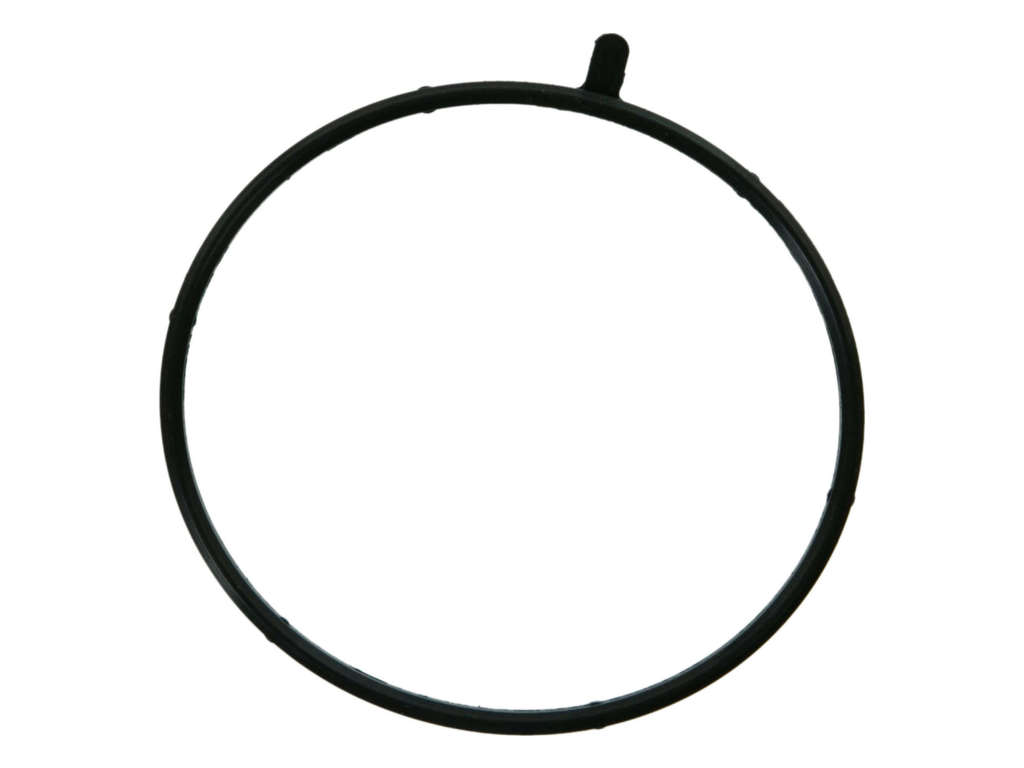
Aftermarket price range: $175-$350 - Throttle Body Gasket — Often needs to be replaced when cleaning or replacing the throttle body to prevent vacuum leaks.
Trusted brands: Fel-Pro, Mahle
OEM price range: $10-$20
Aftermarket price range: $5-$15
Related Codes That Often Appear With This One
- P0101 — This code for 'MAF Circuit Range/Performance' is often triggered alongside P0068 because both relate to incorrect airflow measurement. TSB_FUE047 explicitly lists them together as being resolved by the same software update.
- P0106 — This code for 'MAP/Barometric Pressure Circuit Range/Performance' is also commonly seen with P0068 as they both involve the MAP sensor's data. TSB_FUE047 also lists this code as part of the same underlying software issue.
Technical Service Bulletins (TSBs) & Recalls
- TSB_FUE047: Addresses potential MIL illumination with DTC P0068, P0101, and/or P0106 on some 2019-2020MY Forte (BDm) vehicles with the NU 2.0L MPI Atkinson engine, related to the Electronic Throttle Control (ETC) system logic. The prescribed fix is an ECM software update.
- Hyundai TSB 20-FL-004H (Service Campaign T5S): A parallel bulletin for the 2020 Hyundai Elantra with the same 2.0L engine, addressing the same set of DTCs (P0068, P0101, P0106) with an ECM software update. This corroborates the issue across platforms.
Platform-Specific Known Issues
- A known issue documented in Kia TSB_FUE047 may cause the Malfunction Indicator Lamp (MIL) to illuminate with DTC P0068, P0101, and/or P0106 on 2019-2020 Forte models with the Nu 2.0L MPI Atkinson engine. The fix is a software update for the engine control module to revise the system's diagnostic logic.
- Owners often report that cleaning the throttle body provides a temporary fix, but the code returns until the dealer performs the TSB software update, which permanently resolves the issue.
Mechanic-Grade Diagnostic Values
- MAP Sensor Voltage (Key On, Engine Off) — expected: ~4.5 - 5.0 Volts. Failure: Significantly lower or no voltage, indicating a sensor or wiring issue.
- MAP Sensor Voltage (Engine Idling) — expected: ~1.0 - 1.5 Volts. Failure: Voltage is too high (closer to KOEO reading) or doesn't change with engine RPM, suggesting a vacuum leak or bad sensor.
- Throttle Position Sensor (TPS) Voltage (Closed Throttle) — expected: ~0.5 Volts. Failure: Voltage is significantly higher or lower.
- Throttle Position Sensor (TPS) Voltage (Wide Open Throttle) — expected: ~4.5 Volts. Failure: Voltage does not reach near 4.5V, or has dead spots/spikes during sweep, indicating a faulty sensor.
Scan Tool Commands That Help
- Kia GDS or compatible bidirectional scanner: ETC (Electronic Throttle Control) Adaptive Values Reset / Throttle Relearn — This function should be used after cleaning or replacing the throttle body assembly to erase old learned values and force the ECM to relearn the new correct closed-throttle position.
- No Tool Procedure: Manual Throttle Position Reset — A non-scan tool method reported by owners involves key cycles. After warming the engine, turn the key to the 'ON' position (engine off) for 15 seconds, then 'OFF' for 15 seconds. This can sometimes force a relearn if a scan tool is unavailable.
Wiring & Ground Locations
- GC402 — Left rear of the engine compartment.. A poor ground at this location could potentially affect the engine control system and its sensors, leading to erratic readings and correlation faults.
- ECM Ground Pins — On the main Engine Control Module connector. For the 2020 model, pins 19, 20, and 22 are listed as grounds.. Verifying a solid ground connection at the ECM itself is a critical step in diagnosing electrical faults. A bad ground here can cause numerous, difficult-to-trace sensor issues, including P0068.
- MAP Sensor Connector — On the intake manifold, near the throttle body. The wiring harness is close to the radiator fan.. The proximity to the radiator fan makes the MAP sensor wiring vulnerable to damage if it is not properly secured, leading to an open or short in the circuit.
OEM Part Supersession History
35100-2E700→35100-2E710— Standard part revision by the manufacturer. The new part is a direct replacement.
Model Year Variations Within This Range
- 2019-2020: These specific model years are subject to TSB_FUE047, which calls for a PCM software update to revise the diagnostic logic for the ETC system. While the physical parts may be the same as later years, the original software calibration makes these years uniquely prone to setting P0068 (and related codes P0101, P0106) without a true hardware fault.
Helpful Videos

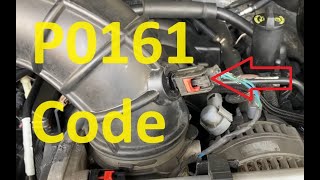
Used OEM Parts in Stock
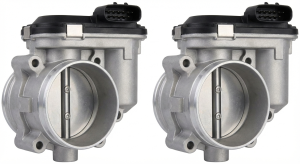
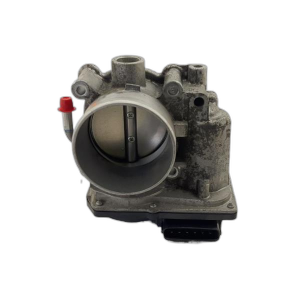
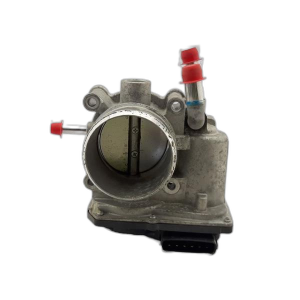
New Aftermarket Parts Available




The information in this article is provided for general reference and educational purposes only. Vehicle specifications, procedures, and part compatibility can vary by production date, trim level, and region. Always consult your vehicle's factory service manual and verify part numbers before purchasing or performing repairs. Safety-critical components such as airbags, seat belts, and braking systems should be installed by a qualified professional.
- Kia FORTE:
- 🧭 Diagnostic Flowchart
- 🎬 Helpful Videos
- 🛍️ Shop This Part
- What's Unique About the 2019-2020 Kia FORTE
- Symptoms You May Notice
- Most Likely Causes
- Rare But Worth Checking
- Diagnosis Steps
- Parts You'll Likely Need
- Related Codes That Often Appear With This One
- Technical Service Bulletins (TSBs) & Recalls
- Platform-Specific Known Issues
- Mechanic-Grade Diagnostic Values
- Scan Tool Commands That Help
- Wiring & Ground Locations
- OEM Part Supersession History
- Model Year Variations Within This Range
- 🎟️ Get 5% Off