

P0068 on 2006-2011 Kia Rio 1.6L: MAP/Throttle Position Correlation Causes and Fixes
On a 2006-2011 Kia Rio 1.6L, code P0068 is most often caused by a dirty throttle body or a faulty Manifold Absolute Pressure (MAP) sensor. A very common and often overlooked cause is also a cracked vacuum hose, especially the PCV hose. Cleaning the throttle body costs about $10 for a can of cleaner, while a new MAP sensor costs between $45 for an aftermarket part and $125 for an OEM one. Both are simple DIY fixes.
- Start with the cheapest and easiest fix: clean the throttle body. This resolves the issue in a high percentage of cases for just the cost of a can of cleaner.
- This Kia Rio model uses a MAP sensor, not a MAF sensor. Do not waste time or money looking for or replacing a MAF sensor.
- If cleaning the throttle body doesn't work, the next most likely culprit is the MAP sensor itself. It's a simple replacement, typically held by one bolt.
- Always check for simple vacuum leaks from cracked hoses around the intake manifold before replacing more expensive parts.
- The Throttle Position Sensor (TPS) can be replaced separately from the entire throttle body, offering a more affordable repair if the TPS is confirmed to be faulty.
What's Unique About the 2006-2011 Kia Rio
The 1.6L 'Alpha II' G4ED engine in the second-generation Kia Rio uses a speed-density fuel injection system, which relies on a Manifold Absolute Pressure (MAP) sensor to calculate engine load. Unlike many other vehicles, it does not have a Mass Air Flow (MAF) sensor. This is a critical distinction, as a common misdiagnosis is to look for a MAF sensor that doesn't exist. All diagnostic efforts for P0068 on this car must focus on the relationship 🎬 Watch: How to diagnose and fix a P0068 correlation code between the MAP sensor, the throttle body, and potential vacuum leaks, which are very common on this platform due to aging rubber hoses.
Symptoms You May Notice
- Rough or unstable idle
- Hesitation or stumbling during acceleration
- Reduced engine power
- Poor fuel economy
- Engine may stall, especially when coming to a stop
- Illuminated Check Engine Light
- Hissing sound from the engine bay, indicating a vacuum leak.
- Replacing the Mass Air Flow (MAF) sensor. This vehicle does not have a MAF sensor; it uses a MAP sensor instead.
- Replacing the oxygen sensors. While a bad air/fuel mixture can affect O2 sensor readings, they are not the root cause of a P0068 code.
Most Likely Causes
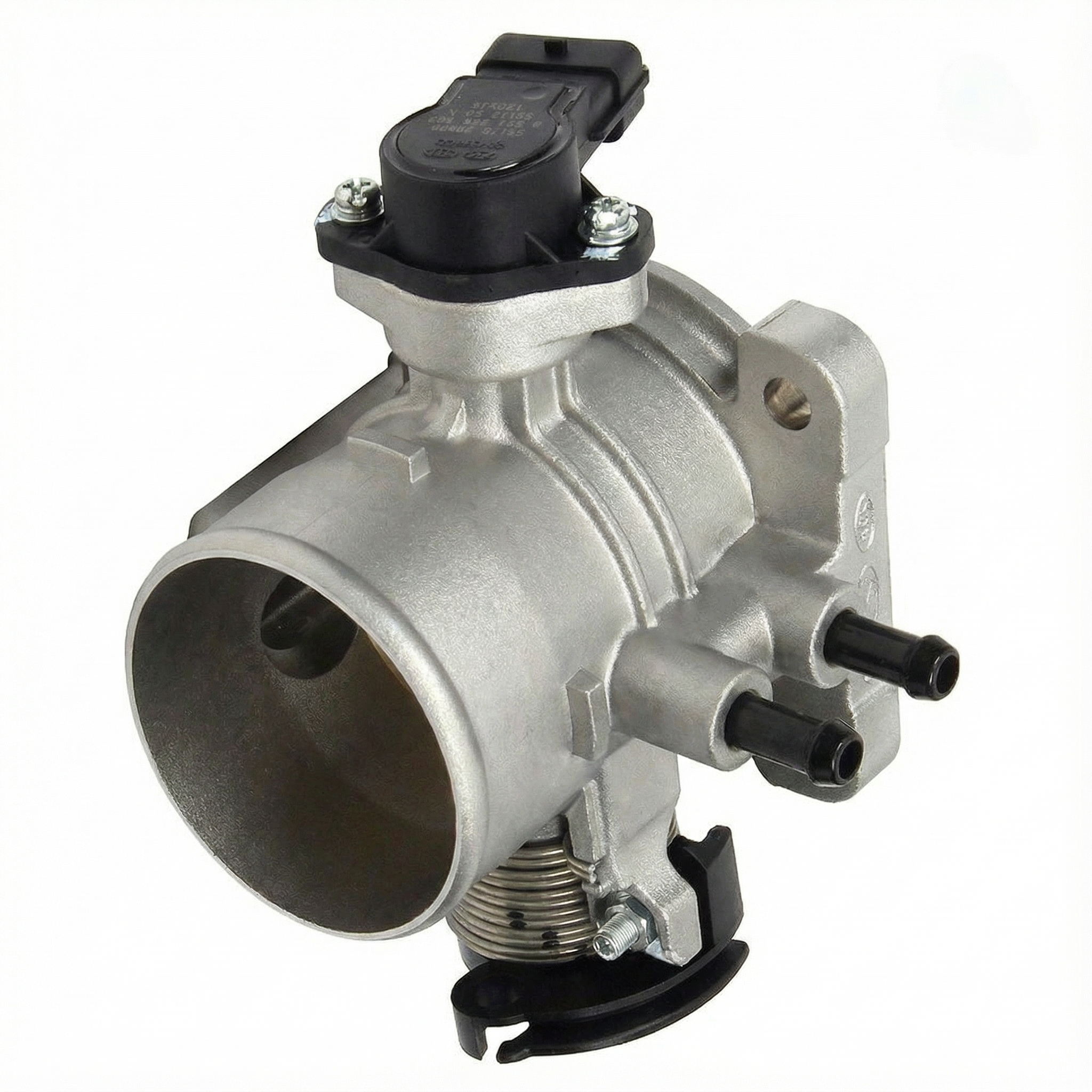
- Dirty or Sticking Throttle Body 🔴 High Probability → Shop Fuel Injection Throttle Body Over time, carbon and oil vapor from the PCV system can build up inside the throttle body, restricting the movement of the throttle plate. This causes the actual airflow to differ from what the PCM expects at a given throttle angle, triggering the correlation code.
How to confirm: Remove the air intake hose from the throttle body and visually inspect the throttle plate and bore for black, sticky carbon deposits. The plate may feel sticky or slow to move when operated by hand (with the engine off).
Typical fix: Clean the throttle body thoroughly with a dedicated throttle body cleaner and a soft brush or rag. Do not force the butterfly valve open on this electronic throttle body; 🎬 See this walkthrough on how to clean a throttle body correctly have a helper turn the key to the 'ON' position and press the gas pedal to open it safely.
Est. part cost: $5-$15 - Vacuum Leak 🔴 High Probability The rubber hoses used in the PCV system and other vacuum lines become brittle and crack with age and heat exposure. A leak allows unmetered air into the intake manifold, causing the MAP sensor to read a higher pressure (less vacuum) than expected for the given throttle position. The PCV hose is a particularly common failure point.
How to confirm: Visually inspect all vacuum lines and the air intake hose for cracks or loose connections. A hissing noise near the intake manifold at idle is a strong indicator. A smoke test is the most effective method, where smoke is fed into the intake system to reveal the source of any leaks.
Typical fix: Replace the cracked hose or faulty gasket. Common sources include the PCV hose, brake booster hose, or the MAP sensor's O-ring seal.
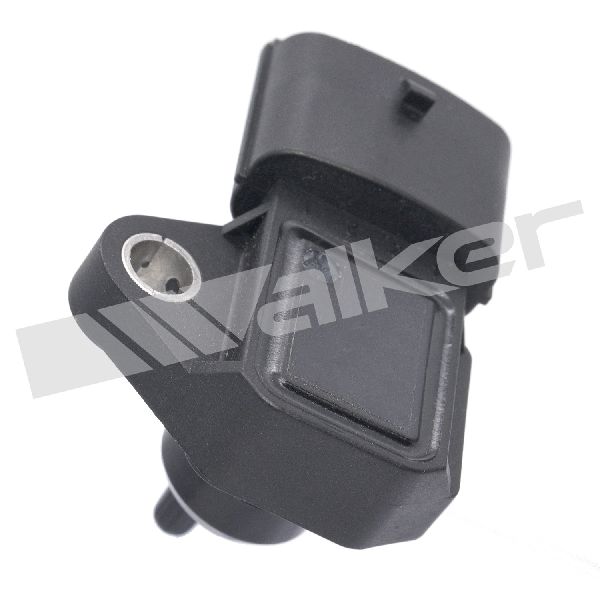
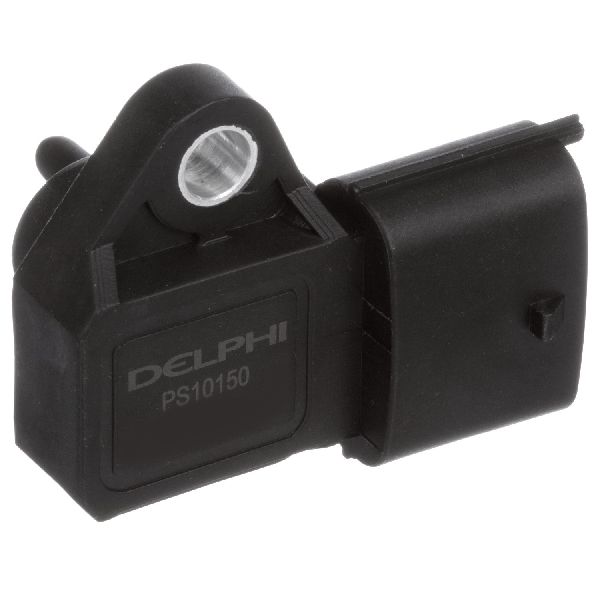
Est. part cost: $5-$50 - Faulty Manifold Absolute Pressure (MAP) Sensor 🟡 Medium Probability → Shop Manifold Absolute Pressure Sensor The MAP sensor is a critical electronic component that can fail over time due to heat cycles and vibration. A failed sensor will send incorrect pressure readings to the PCM, directly causing the correlation fault.
How to confirm: With a scan tool, check the MAP sensor reading (usually in kPa or inHg) with the key on, engine off. It should match the local barometric pressure. With the engine idling, the reading should drop significantly to show a strong vacuum. If the reading is stuck or doesn't change with engine load, the sensor is likely bad.
Typical fix: Replace the MAP sensor. It is typically held onto the intake manifold by a single bolt. The OEM part number is 39300-22600.
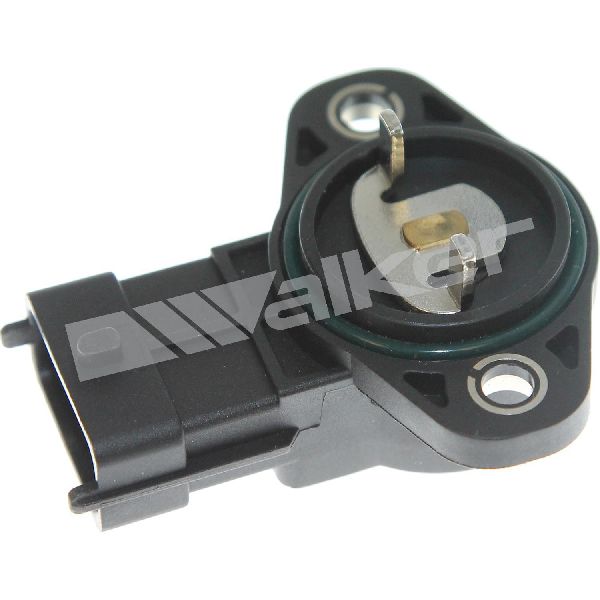
Est. part cost: $45-$130 - Faulty Throttle Position Sensor (TPS) ⚪ Low Probability → Shop Fuel Injection Throttle Body
How to confirm: Use a scan tool to monitor the TPS percentage or voltage as you slowly press the accelerator pedal. The reading should be smooth from idle (around 10-15%) to wide-open throttle (around 80-90%) without any jumps or dead spots. The TPS is mounted on the side of the throttle body.
Typical fix: Replace the throttle position sensor. On this vehicle, it is available as a separate component. The OEM part number is 35170-26900.
Est. part cost: $30-$80
Rare But Worth Checking
- Wiring or Connector Issue: Check the wiring harnesses for the MAP sensor and TPS for any signs of damage, corrosion, or loose pins, especially if the problem is intermittent. A poor electrical connection can mimic a failed sensor.
- Faulty Powertrain Control Module (PCM): → Shop Engine Control Module (ECM) This is extremely rare and should only be considered after all other possibilities, including sensors, wiring, and vacuum leaks, have been definitively ruled out.
Diagnosis Steps
- Read the codes with an OBD-II scanner to confirm P0068 and check for any other related codes.
- Visually inspect the entire air intake system, including the air filter box, intake boot, and all vacuum lines connected to the intake manifold. Pay close attention to the PCV hose for cracks, which is a common failure point.
- With the engine idling, listen for any hissing sounds that would indicate a vacuum leak.
- Remove the intake boot from the throttle body. Inspect the throttle plate and bore for heavy carbon buildup. If dirty, clean it thoroughly with throttle body cleaner.
- Inspect the electrical connectors for the MAP sensor and the Throttle Position Sensor (TPS) for corrosion, damage, or loose pins.
- With a scan tool, monitor live data. With the Key On, Engine Off (KOEO), the MAP sensor reading should be close to the atmospheric pressure of your location. At idle, it should show a strong vacuum (low kPa value).
- While still monitoring live data, watch the TPS reading as you slowly depress the accelerator pedal. The value should increase smoothly with no glitches or dropouts.
- If a vacuum leak is suspected but not visible, perform a smoke test to pinpoint the source of the leak. This is the most definitive way to find small cracks in hoses or gaskets.
- If sensor data is erratic or incorrect, test the sensor's wiring for power, ground, and signal integrity before replacing the sensor.
- After any repair (especially cleaning the throttle body or replacing the TPS), perform an idle relearn procedure. Disconnect the battery for 15 minutes, reconnect it, start the engine, and let it idle for 10-15 minutes to allow the PCM to recalibrate.
Parts You'll Likely Need
- Manifold Absolute Pressure (MAP) Sensor
(OEM #39300-22600)— This sensor is a common failure point that directly causes the P0068 code by providing incorrect pressure data to the PCM.
Trusted brands: Kia (OEM), Bosch, Standard Motor Products, Beck/Arnley
OEM price range: $110-$130
Aftermarket price range: $45-$80 - Throttle Body Cleaner — Often, the only problem is carbon buildup inside the throttle body, which prevents the throttle plate from operating correctly. A simple cleaning is the most cost-effective first step.
Trusted brands: CRC, Gumout
Aftermarket price range: $5-$15 - Throttle Position Sensor (TPS)
(OEM #35170-26900)— If the sensor that reports the throttle's angle is faulty, it will create a conflict with the MAP sensor reading. It is replaceable separately from the throttle body on this model.
Trusted brands: Kia (OEM), Delphi, Walker Products
OEM price range: $60-$80
Aftermarket price range: $30-$60 - PCV Hose / Vacuum Hose — Vacuum leaks from cracked rubber hoses are a very high probability cause for P0068 on this vehicle due to age. The PCV hose is a frequent culprit.
Trusted brands: Kia (OEM), Gates (Aftermarket)
OEM price range: $15-$30
Aftermarket price range: $5-$15
Related Codes That Often Appear With This One
- P0106 — This code indicates 'MAP/Barometric Pressure Circuit Range/Performance Problem,' which directly points to a potential issue with the MAP sensor itself or a large vacuum leak.
- P0121, P0122, or P0123 — These codes are specific to the Throttle Position Sensor (TPS) performance, circuit low input, or circuit high input, respectively. If one of these is present with P0068, the TPS is a very likely culprit.
- P0171 — This code for 'System Too Lean' can be triggered by a significant vacuum leak, which is also a primary cause of P0068. The unmetered air throws off both the air/fuel mixture and the MAP/TPS correlation.
Platform-Specific Known Issues
- Real Owner Experience: Cracked PCV Hose: → Shop PCV Valve Hose On forums for the Kia Rio and its twin, the Hyundai Accent, owners frequently report that a brittle, cracked rubber hose going to the PCV valve created a significant vacuum leak that was the sole cause of their P0068 code. This should be one of the first items inspected.
- Real Owner Experience: Aftermarket Sensor Failure: A diagnostic case on a 2007 Kia Rio with P0068 highlighted that even after replacing sensors, the code can return. This emphasizes the need to test new parts, as cheap aftermarket sensors can sometimes be faulty out of the box.
Technical Service Bulletins (TSBs) & Recalls
While specific to other models in the Kia lineup, manufacturer service bulletins highlight the persistent nature of this code across the brand's electronic throttle control systems. For instance, TSB Bulletin #TSB_FUE047 notes that certain vehicles may exhibit a Malfunction Indicator Lamp (MIL) with DTC P0068, often appearing alongside P0101 or P0106.
Mechanic-Grade Diagnostic Values
- Throttle Position Sensor (TPS) #1 Signal Voltage — expected: 0.3V ~ 0.9V at idle/closed throttle.. Failure: Voltage that is stuck, erratic, or outside the expected range when the throttle is opened and closed.
- MAP Sensor Signal (Key On, Engine Off) — expected: Should correspond to barometric pressure (approx. 101 kPa at sea level).. Failure: A reading that is significantly different from the local atmospheric pressure.
- MAP Sensor Signal (Engine at Idle) — expected: A low pressure (high vacuum) reading, typically 20-40 kPa.. Failure: A high reading (closer to atmospheric pressure) at idle suggests a major vacuum leak or a faulty sensor.
Scan Tool Commands That Help
- Generic OBD-II Scanner / Kia GDS: Idle Relearn / Adaptive Memory Reset — After cleaning the throttle body or replacing the TPS or MAP sensor, the PCM's learned fuel and idle trim values should be reset. This can be done by disconnecting the battery for 15 minutes. This forces the PCM to relearn the new baseline values from the clean/new components, preventing a persistent high idle or rough running after the repair.
Wiring & Ground Locations
- MAP Sensor Connector — On the intake manifold, often near the throttle body. It is a 4-pin connector.. This connector provides power, ground, and signal return for the MAP sensor. Corrosion or a loose connection here will cause incorrect readings, directly triggering P0068.
- TPS Connector — On the side of the throttle body assembly.. This connector carries the signal indicating the throttle plate's angle. A fault here creates a direct conflict with the MAP sensor's reading.
- ECM Pin 19 — On the Engine Control Module (ECM) connector.. This is the specific pin for the MAP sensor signal input to the ECM on a G4ED engine. Technicians can test for signal voltage directly at this pin to verify the integrity of the wiring harness between the sensor and the computer.
- ECM Pin 81 — On the Engine Control Module (ECM) connector.. This pin provides the 5V reference power to the MAP sensor for the G4ED engine. A loss of voltage here would render the sensor inoperative.
Real Owner Repair Stories
- BAT Auto Technical forum (2007 Kia Rio, 1.6L, 113,000 miles) — Check Engine Light with code P0068.
❌ Tried (didn't work) The owner had already replaced the MAP sensor and the Throttle Position Sensor (TPS) before seeking help., Disconnecting the battery to clear the code resulted in the code returning after a short while.
NHTSA ODI #11390539 describes a similar situation where a Kia owner experienced a rough idle and check engine light with codes P0108 and P0068; despite being driven to a dealer, the issue was not immediately found.
✅ What actually fixed it The forum discussion highlighted the high failure rate of aftermarket sensors. The resolution pointed towards the need to verify sensor performance with a scan tool even if the part is new, and to thoroughly check for vacuum leaks as the primary step before replacing components. The final fix was implied to be a proper diagnosis leading to either a quality OEM sensor or finding an overlooked vacuum leak. - Reddit user /u/johnfawaz (2006 Kia Rio LX, 139,000 miles) — Intermittent P0068 code, car does not misfire or surge when warming up but will after driving for about 30 minutes.
❌ Tried (didn't work) Replaced the Throttle Position Sensor (TPS) twice., Replaced the MAP sensor twice.
NHTSA ODI #11723229 reports a similar frustration with recurring codes including P0068, P0017, P000B, and P0014, noting it as a significant problem for the manufacturer to rectify.
✅ What actually fixed it The user was investigating a partially restricted catalytic converter as the potential cause of the persistent, intermittent P0068 code after having replaced the common sensor culprits multiple times. While not explicitly stated as the final fix, it represents a real-world scenario where common solutions failed.
OEM Part Supersession History
39300-38110→39300-22600— Part number consolidation and potential design update by Hyundai/Kia.
Heads up: The new part number 39300-22600 is the correct direct replacement for the original. Using the old number may lead to sourcing old stock.
Model Year Variations Within This Range
- 2010-2011: For the 2010 model year, the Kia Rio received a facelift that included the adoption of Kia's new 'Tiger Nose' grille, a revised steering wheel, and updated gauge clusters. While the 1.6L G4ED engine and its core components related to P0068 remained the same, technicians should be aware of minor cosmetic and interior electronic differences when diagnosing.
Diagnostic Flowchart
Other Known Issues on This Vehicle
Issues unrelated to this code that are worth knowing about as an owner of this generation:
- Timing Belt Failure 🔴 High — The 1.6L G4ED is an interference engine. The timing belt has a recommended replacement interval of 60,000 miles. Failure to replace it can lead to catastrophic engine damage (bent valves, damaged pistons) if it snaps.
- Automatic Transmission Problems 🟠 Medium — Owners report issues like jerky or delayed shifting, particularly between 1st and 2nd gear, often appearing after 80,000-100,000 km (50,000-62,000 miles). Problems can sometimes be traced to faulty solenoid valves or the transmission control unit.
- Knock Sensor Failure 🟡 Low — The knock sensor, located under the intake manifold, can fail over time, leading to a check engine light and potentially reduced performance. It is a relatively common repair.
Used vs. New Parts: Buying Guide for This Vehicle
When a used part is the smart pick: For this repair, a used throttle body assembly from a low-mileage donor vehicle can be a cost-effective option, as the primary failure mode is often carbon buildup, not mechanical failure. A used part may be significantly cleaner than the one being replaced. Simple, non-brittle vacuum hoses can also be sourced from a junkyard in a pinch.
Donor-vehicle mileage cap: roughly under 80000 miles for the part to have meaningful remaining life.
What to inspect on the donor part:
- For a throttle body: Inspect the throttle bore visually. Avoid any with heavy, baked-on carbon or visible scoring on the walls.
- For hoses: Squeeze the hose. It should feel pliable and not crack or feel hard and brittle. Check the ends for any splits or fraying.
- Check the vehicle's VIN or door jamb sticker to ensure it falls within the 2006-2011 range and has the same 1.6L engine.
OEM-only on this vehicle (don't cheap out):
- Manifold Absolute Pressure (MAP) Sensor
- Throttle Position Sensor (TPS)
Aftermarket brands forum-validated for this vehicle:
- Bosch
- Delphi
- Standard Motor Products (SMP)
Brands owners have reported issues with on this vehicle:
- No-name, unbranded sensors sold on marketplaces like eBay or Amazon should be avoided. Forum discussions frequently mention issues with cheap aftermarket sensors being faulty out of the box or failing prematurely, leading to the code returning.
Real Owner Stories
Aggregated from forums and TSBs cited above. Mileages and costs reflect what owners reported in those sources.
2007 Kia Rio 1.6L
Symptoms: The owner had already replaced the MAP and TPS sensors, but the P0068 code returned. The discussion focused on identifying large vacuum leaks.
What fixed it: Inspection for large vacuum leaks (as the model lacks a MAF sensor).
Source hint: BAT Auto Technical: Connecting a reader to a KIA & code P0068
2006-2011 Kia Rio 1.6L
Symptoms: Significant vacuum leak and P0068 correlation code.
What fixed it: Replacing a brittle, cracked rubber hose going to the PCV valve.
Source hint: Real Owner Experience: Cracked PCV Hose
2007 Kia Rio 1.6L
Symptoms: P0068 code returned even after sensors were replaced.
What fixed it: Testing and potentially replacing faulty aftermarket sensors that were bad out of the box.
Source hint: Real Owner Experience: Aftermarket Sensor Failure
Related OBD-II Codes
Frequently Asked Questions
Does the 2006-2011 Kia Rio 1.6L have a Mass Air Flow (MAF) sensor that could cause P0068?
What is the correct replacement part number for the MAP sensor on my Kia Rio?
Can I replace just the Throttle Position Sensor (TPS) on this vehicle, or do I need a whole throttle body?
Is there a specific procedure I should follow after cleaning the throttle body to clear P0068?
I'm hearing a hissing sound from the engine bay along with the P0068 code; what is the most likely culprit?
How can I safely open the electronic throttle plate to clean it without damaging the motor?
Helpful Videos
Used OEM Parts in Stock
New Aftermarket Parts Available


The information in this article is provided for general reference and educational purposes only. Vehicle specifications, procedures, and part compatibility can vary by production date, trim level, and region. Always consult your vehicle's factory service manual and verify part numbers before purchasing or performing repairs. Safety-critical components such as airbags, seat belts, and braking systems should be installed by a qualified professional.
- Kia Rio:
- 🧭 Diagnostic Flowchart
- 🎬 Helpful Videos
- 🛍️ Shop This Part
- What's Unique About the 2006-2011 Kia Rio
- Symptoms You May Notice
- Most Likely Causes
- Rare But Worth Checking
- Diagnosis Steps
- Parts You'll Likely Need
- Related Codes That Often Appear With This One
- Platform-Specific Known Issues
- Technical Service Bulletins (TSBs) & Recalls
- Mechanic-Grade Diagnostic Values
- Scan Tool Commands That Help
- Wiring & Ground Locations
- Real Owner Repair Stories
- OEM Part Supersession History
- Model Year Variations Within This Range
- Other Known Issues on This Vehicle
- Used vs. New Parts: Buying Guide for This Vehicle
- Real Owner Stories
- 2007 Kia Rio 1.6L
- 2006-2011 Kia Rio 1.6L
- 2007 Kia Rio 1.6L
- Related OBD-II Codes
- Frequently Asked Questions
- 🎟️ Get 5% Off