

P0087 on 2015-2020 Acura TLX: Fuel Rail Pressure Too Low Causes and Fixes
On a 2015-2020 TLX, P0087 is most often caused by a failed in-tank low-pressure fuel pump, which is covered by a major safety recall (NHTSA 21V-215 and its expansions). Check your VIN for the free recall repair first. If not covered, the next most likely cause is a failed high-pressure fuel pump (HPFP) on the engine, which is also a known failure point.
- First, check if your TLX is part of the safety recall (NHTSA 21V-215) for the low-pressure fuel pump. This is a free repair and the most likely cause.
- Do not drive the vehicle. The risk of the engine stalling unexpectedly is high and poses a serious safety hazard.
- If the recall does not apply, the next most likely culprit is the engine-mounted high-pressure fuel pump (HPFP), especially if you hear a knocking noise from the engine.
- Diagnosis requires a scan tool to compare desired and actual fuel rail pressure. A significant difference confirms a fuel delivery issue.
- Repairing the high-pressure fuel system can be complex and dangerous; professional service is strongly recommended.
What's Unique About the 2015-2020 Acura TLX
The 2015-2020 TLX is defined by two very common but distinct issues that cause P0087. The first is a widespread safety recall for the low-pressure fuel pump, where a defective Denso-made impeller can absorb fuel, swell, and cause the pump to fail and the engine to stall. The second is a common failure of the high-pressure fuel pump (HPFP) itself, often accompanied by a distinct knocking or chirping noise. Because of the recall, it is critical for owners to check their VIN status before attempting any other diagnosis or repair, as Acura's service bulletin explicitly prioritizes vehicles with an active P0087 code for the free recall repair. Additionally, a 2019 recall (NHTSA 19V060000) for 2015-2019 V6 models involved an ECM/PGM-FI software update to change how the fuel pump is commanded, which can affect diagnostics if not accounted for.
Symptoms You May Notice
- Check Engine Light is on
- Engine stalling, sometimes while driving at low or high speeds
- Severe engine hesitation or bogging on acceleration, feeling 'gutless'
- Reduced engine power and sluggish performance
- Difficulty starting the engine or a no-start condition
- Rough or unstable idle
- Loud knocking, rattling, or chirping noise from the engine bay, specifically from the high-pressure fuel pump
- Multiple warning lights on the dashboard, often described as a 'Christmas tree'
- Replacing the high-pressure fuel pump when the actual cause is the recalled low-pressure pump. Always check for recall eligibility first to avoid unnecessary expense.
- Some owners have reported being told the HPFP is not covered under the powertrain warranty, even though "fuel pump" is listed. It may require escalating the issue with Acura corporate to get it covered.
Most Likely Causes
- Failing Low-Pressure Fuel Pump (In-Tank) 🔴 High Probability → Shop Fuel Pump A defective fuel pump impeller made of a low-density material can absorb fuel, swell, and cause the pump to seize. This was the subject of a major safety recall (NHTSA Campaign: 21V215000 and subsequent expansions like 24V-022) and Acura Service Bulletin 24-011.
How to confirm: Check the vehicle's VIN for recall eligibility on the NHTSA website or by contacting an Acura dealership. Acura's service bulletin 24-011 explicitly lists P0087 as a primary symptom that prioritizes the vehicle for immediate repair under the recall, even when parts are in limited supply.
Typical fix: The dealer will replace the fuel pump motor assembly free of charge under the recall campaign.
Est. part cost: $0 - Failing High-Pressure Fuel Pump (HPFP) 🟡 Medium Probability → Shop Fuel Pump The mechanically-driven HPFP is a common failure point on both the 2.4L and 3.5L direct-injection engines. Acura issued TSB 16-008 for a 'chirping' noise from the HPFP on 2015-2018 V6 models. Owners on forums report failures causing stalling and violent vibrations, sometimes shortly after other major engine work like the connecting rod recall repair. A failed internal pulsation damper is often the cause of the noise.
How to confirm: Use a scan tool to monitor desired vs. actual fuel rail pressure. If actual pressure is significantly lower than desired pressure (e.g., 250 kPa when 10,000 kPa is commanded), the HPFP is likely faulty. A loud, rhythmic knocking or rattling noise 🎬 See a demonstration of the HPFP failure and replacement process. from the pump is also a strong indicator of failure. A technician may also inspect the camshaft lobe and roller that drive the pump for wear.
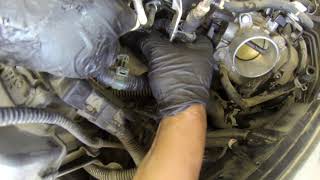
Typical fix: Replace the high-pressure fuel pump and any associated seals or lines as recommended by the service manual. On the V6 engine, this requires removing the intake manifold and setting the engine to Top Dead Center 🎬 Watch: Step-by-step removal of the V6 high-pressure fuel pump. (TDC) for cylinder 1 to ensure the cam lobe is in the correct position for pump removal. The fuel joint pipe is often replaced at the same time.
Est. part cost: $200-$600
Rare But Worth Checking
- Faulty Fuel Rail Pressure Sensor: → Shop Fuel Pressure Sensor This sensor tells the computer the pressure in the rail. If it fails and reads artificially low, it can trigger P0087 even if the pumps are working correctly. It can be diagnosed by comparing the scan tool pressure reading to a mechanical gauge; if they don't match, the sensor is suspect. A faulty sensor may also show an unchanging voltage (e.g., stuck at 4.8V) when tested with a multimeter, even as engine conditions change.
- Clogged Fuel Filter or Restricted Fuel Line: → Shop Fuel Filter While less common than pump failure, a clogged in-tank fuel filter (sock) or a kinked/dented fuel line can restrict flow from the low-pressure pump to the high-pressure pump, causing this code.
- Worn HPFP Cam Follower/Roller: → Shop Fuel Pump The HPFP is driven by a lobe on the camshaft via a roller or follower. If this component wears down or breaks, the pump's plunger won't be actuated correctly, leading to low pressure. It's recommended to inspect the roller and cam lobe for wear whenever the HPFP is replaced.
- Faulty Fuel Pump Control Module: → Shop Fuel Pump This module regulates the voltage to the in-tank low-pressure fuel pump. A failure can mimic a bad fuel pump, causing low pressure. It is a separate component from the fuel pump itself and on the TLX is typically located in the trunk or under the rear seat area. A 2019 recall for V6 models included a software update that changed how this module is controlled, so compatibility is a concern if replacing with a used part.
Diagnosis Steps
- Check for Recalls: Enter the vehicle's VIN on the NHTSA website (nhtsa.gov/recalls) to check for eligibility for recall 21V-215 or related campaigns (e.g., TSB 24-011). If active, schedule a free repair at an Acura dealership. This is the most important first step, as P0087 is a priority symptom for the repair.
- Scan for Codes: Use an OBD-II scanner to confirm P0087 and check for any other related codes, such as misfire (P030x) or lean condition (P0171/P0174) codes.
- Monitor Fuel Pressure Data: Use a scan tool with live data capability. Observe the 'Fuel Rail Pressure' PID. Compare the actual pressure to the desired pressure at idle and while carefully attempting to accelerate. A large, consistent gap between desired 🎬 Watch: How to diagnose and fix the P0087 fault code. and actual pressure points to a fuel delivery problem. A technician reported a case where desired pressure was 10,000 kPa, but actual was only 250 kPa, indicating a severe failure.
- Listen for Noise: With the engine running, listen carefully to the high-pressure fuel pump (located on the engine). A loud, rhythmic knocking, chirping, or rattling sound is a common symptom of HPFP failure.
- Test Low-Pressure System (If Recall Not Applicable): If the vehicle is not part of the recall, test the low-pressure fuel pump's output. The target pressure is typically 43.4-50.5 psi (299-348 kPa). This can be done by connecting a fuel pressure gauge to the low-pressure line.
- Inspect HPFP and Drive Components: If the low-pressure side is healthy but high-pressure remains low, the problem is likely the HPFP or the rail pressure sensor. Given the high failure rate of the HPFP, it is the primary suspect. During replacement, inspect the cam follower/roller and the camshaft lobe for any signs of wear or damage.
Parts You'll Likely Need
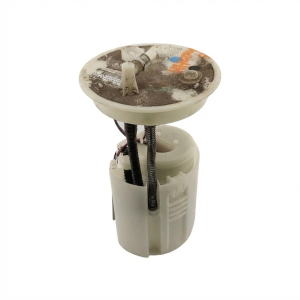
- Low-Pressure Fuel Pump Motor/Assembly — This is the primary cause due to a widespread safety recall (NHTSA 21V-215, TSB 24-011). The repair should be performed for free at a dealership if the VIN is affected.
Trusted brands: Acura (OEM)
OEM price range: $0 (under recall)
Aftermarket price range: $100-$250 - High-Pressure Fuel Pump (HPFP)
(OEM #16790-5J6-A01 (3.5L V6), 16790-5LA-305 (2.4L I4))— This is the second most common failure point after the recalled low-pressure pump. It is responsible for generating the high pressure needed for direct injection and is a known wear item.
Trusted brands: Acura (OEM), Denso, Bosch, Standard Motor Products
OEM price range: $450-$600
Aftermarket price range: $200-$450
Related Codes That Often Appear With This One
- P0300-P0306 — Misfire codes (P030x) can occur because the low fuel pressure prevents proper fuel atomization, leading to incomplete combustion in one or more cylinders.
- P0171 / P0174 — System Too Lean codes can be triggered as the lack of fuel pressure creates a lean air-fuel mixture that the oxygen sensors detect. This can also be caused by faulty fuel injectors, which are another known issue on the V6 engine (TSB 22-015).
Technical Service Bulletins (TSBs) & Recalls
- Acura Service Bulletin 24-011: 'Safety Recall: 2015–20 TLX SH-AWD Fuel Pump Motor' - This bulletin outlines the procedure for the low-pressure fuel pump recall and explicitly states that vehicles with DTC P0087 should be prioritized for repair.
- Acura Service Bulletin 16-008: 'High Pressure Fuel Pump Chirps' - Applies to 2015-2018 V6 models and acknowledges a noise issue with the HPFP, a common cause of P0087.
Platform-Specific Known Issues
- Safety Recall NHTSA 21V-215 / Acura TSB 24-011: Affects 2015-2020 TLX models for a defective low-pressure fuel pump impeller that can cause the engine to stall. P0087 is a key symptom listed in the service bulletin that prioritizes the vehicle for immediate repair.
- TSB 16-008: Addresses a 'chirping' noise from the high-pressure fuel pump on 2015-2018 V6 models, indicating a known issue with the HPFP assembly.
Mechanic-Grade Diagnostic Values
- Low-Pressure Fuel System Pressure — expected: 43.4-50.5 psi (299-348 kPa) with engine idling and regulator vacuum line disconnected.. Failure: Pressure significantly below this range indicates a weak in-tank pump or restriction.
- Fuel Rail Pressure Sensor Signal Voltage (Key On, Engine Off) — expected: Approximately 0.5V at zero pressure.. Failure: Voltage that is stuck high (e.g., 4.8V) or does not correspond to pressure changes indicates a faulty sensor or wiring issue.
- Fuel Rail Pressure Sensor Signal Voltage (Idling) — expected: Approximately 1.32V.. Failure: Reading significantly deviates from expected value relative to actual pressure.
- High-Pressure Fuel Pump Commanded vs. Actual Pressure — expected: Actual pressure should closely track commanded pressure on a scan tool.. Failure: A large, consistent discrepancy. One technician noted a failure where commanded pressure was 10,000 kPa but actual was only 250 kPa.
Scan Tool Commands That Help
- Acura i-HDS (Honda Diagnostic System): FUEL PUMP OFF — This function in the PGM-FI system test menu is used to safely relieve fuel system pressure before servicing components. The technician runs the engine until it stalls, depressurizing the lines.
- Acura i-HDS (Honda Diagnostic System): Clear All DTCs — Required after completing fuel system repairs, such as the fuel pump recall, to clear any codes set during the procedure.
Wiring & Ground Locations
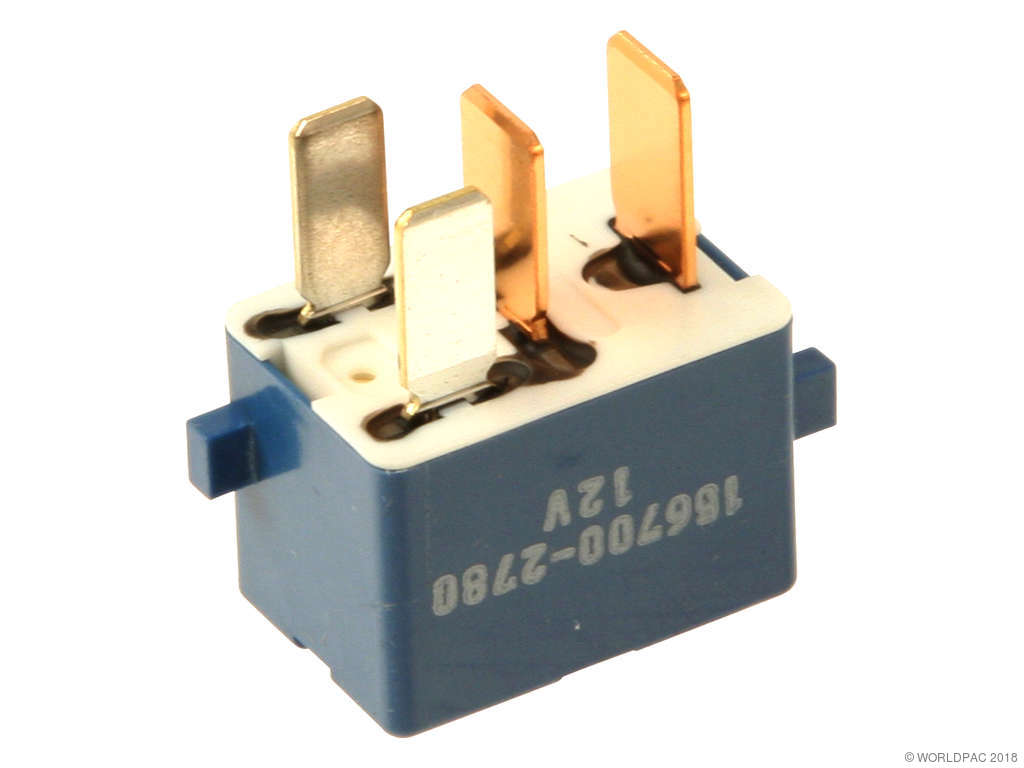
- PGM-FI Main Relay (Fuel Pump Relay) — Located in the under-dash fuse/relay box, typically under the steering column area. Access requires removing the lower dashboard cover.. This relay powers the fuel pump circuit. A faulty relay or poor connection can cut power to the low-pressure fuel pump, causing a no-start or stalling condition that could be misdiagnosed as a failed pump.
- Fuel Pump Control Module — Typically found in the trunk or under the rear seat area, separate from the main fuel pump access cover.. This module controls the voltage and speed of the low-pressure fuel pump. A failure in this module can starve the engine of fuel, mimicking the symptoms of a bad pump and triggering P0087.
Real Owner Repair Stories
- YouTube user NBS auto (Acura J-series V6 (MDX/TLX/ILX family)) — Bogging on acceleration, no power, sluggish, 'Christmas tree' of lights on the dash.
✅ What actually fixed it The high-pressure fuel pump (HPFP) was confirmed as the cause after a scan tool showed actual pressure at 250 kPa while commanded pressure was 10,000 kPa. The video details the replacement of the HPFP, which resolved the issue. - Reddit user on r/Acura (2020 TLX V6 with 117,000 km) — A grumbling noise like a dirt bike under 2000 RPM.
❌ Tried (didn't work) Initially questioned if it was related to the unperformed low-pressure fuel pump recall.
✅ What actually fixed it Diagnosed by an Acura dealer as a high-pressure fuel pump issue. A technician in the thread clarified that the noise is caused by a failed internal pulsation damper in the HPFP, which is a separate failure from the low-pressure pump recall.
OEM Part Supersession History
16790-5J6-A01, 16790-R9P-A01, 16790-R9S-A01→16790-5J6-305— Standard part revision and consolidation by the manufacturer.
Heads up: Applies to the 3.5L V6 High-Pressure Fuel Pump.16790-5A2-A01→16790-5LA-305— Standard part revision by the manufacturer.
Heads up: Applies to the 2.4L I4 High-Pressure Fuel Pump.
Model Year Variations Within This Range
- 2015-2019 (V6 models): A recall (NHTSA 19V060000) was issued to update the fuel injection engine control unit (FI-ECU) software due to particulates in fuel restricting the pump. The fix was a software update, with pump replacement only if a stall was verified. This means a vehicle's ECM logic for controlling the fuel pump may differ depending on whether this recall was performed.
Diagnostic Flowchart
Other Known Issues on This Vehicle
Issues unrelated to this code that are worth knowing about as an owner of this generation:
- Harsh/Jerky Shifting from 9-Speed Automatic Transmission 🔴 High — Very common, especially on 2015-2016 models. Less frequent on later years but still present. (Ref: Multiple TSBs issued (e.g., 16-012, 20-015) to update transmission software (TCM) to improve shift quality. A recall was also issued for early 2015 models for unexpected shifts to neutral.)
- Excessive Oil Consumption (V6 Engine) 🟠 Medium — Reported by a significant number of owners, though not universal. Can start around 15,000-20,000 miles. (Ref: While no specific TSB for the TLX, this is a known issue with the larger family of Honda J-series engines (J37 in particular), often attributed to clogged oil control rings.)
- Infotainment System Glitches and Failures 🟡 Low — Common across all model years (2015-2020). Symptoms include freezing screens, Bluetooth issues, and random reboots. (Ref: No specific recall, but widely documented by owners. The cause is generally attributed to software bugs and hardware degradation.)
- V6 Connecting Rod Bearing Failure 🔴 High — Affects a specific subset of 2015-2020 V6 models, but can lead to complete engine failure. (Ref: Yes, a major safety recall was issued. The fix involves inspecting and potentially replacing the crankshaft and connecting rod bearings.)
Used vs. New Parts: Buying Guide for This Vehicle
When a used part is the smart pick: For this specific P0087 issue, used parts are generally not recommended for the primary failure components. A used Fuel Rail Pressure Sensor or Fuel Pump Control Module could be considered if sourced from a low-mileage, verified-running donor vehicle, but the risk of failure and compatibility issues exists.
Donor-vehicle mileage cap: roughly under 60000 miles for the part to have meaningful remaining life.
What to inspect on the donor part:
- Verify the donor vehicle was not involved in a rear-end collision.
- Check the VIN of the donor vehicle for recall completion status, especially the FI-ECU software update for V6 models, as this could affect fuel pump controller compatibility.
- For sensors, ensure connectors are clean, un-corroded, and the wiring pigtail is not damaged.
OEM-only on this vehicle (don't cheap out):
- Low-Pressure Fuel Pump: Due to the widespread safety recall for defective impellers, installing a used OEM or aftermarket pump is extremely risky. The only safe option is a new OEM part installed by a dealer, ideally under the recall campaign.
- High-Pressure Fuel Pump (HPFP): This is a high-wear, precision mechanical part. A used unit has an unknown history and is likely to have significant wear. Given the labor to replace it, a new OEM or high-quality new aftermarket part is the only reliable choice.
Aftermarket brands forum-validated for this vehicle:
- Denso (Often the OEM supplier)
- Bosch
Brands owners have reported issues with on this vehicle:
- Unbranded, low-cost HPFPs from online marketplaces are frequently cited as unreliable and should be avoided due to the critical safety function of the part.
Real Owner Stories
Aggregated from forums and TSBs cited above. Mileages and costs reflect what owners reported in those sources.
2019 Acura TLX 3.5L V6
Symptoms: High-pressure fuel pump failure occurred immediately following a connecting rod recall repair. Another user reported the pump vibrating so violently it caused the fuel lines to vibrate.
What fixed it: Replacement of the high-pressure fuel pump (HPFP).
Source hint: Reddit r/Acura
2015-2018 Acura TLX V6
Symptoms: A rhythmic 'chirping' noise coming from the engine bay area.
What fixed it: Replacement of the high-pressure fuel pump assembly as per TSB 16-008.
Source hint: Acura Service Bulletin 16-008
2015-2020 Acura TLX SH-AWD
Symptoms: Engine stalling, sometimes while driving at low or high speeds; Check Engine Light with code P0087.
What fixed it: Replacement of the fuel pump motor assembly under safety recall.
Source hint: Acura Service Bulletin 24-011
Related OBD-II Codes
Frequently Asked Questions
Is there a recall for the P0087 code on my 2015-2020 Acura TLX?
My 2016 TLX V6 is making a chirping noise from the engine; is this related to P0087?
Can the connecting rod recall repair cause a P0087 code?
What should the fuel pressure be for the low-pressure system if I'm diagnosing P0087?
Why does Service Bulletin 24-011 say my car should be prioritized for repair?
Does the P0087 code on a TLX always mean I need a new high-pressure pump?
Helpful Videos
Used OEM Parts in Stock
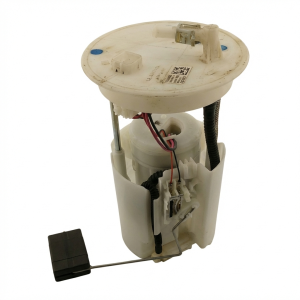
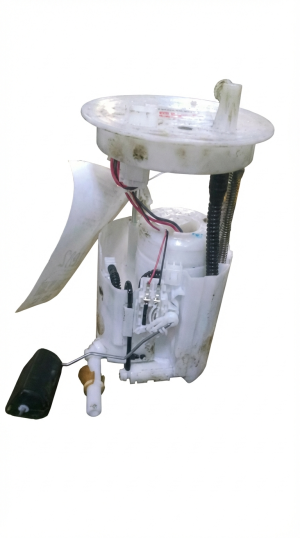
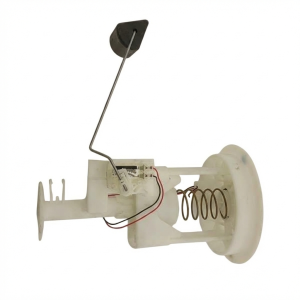
New Aftermarket Parts Available

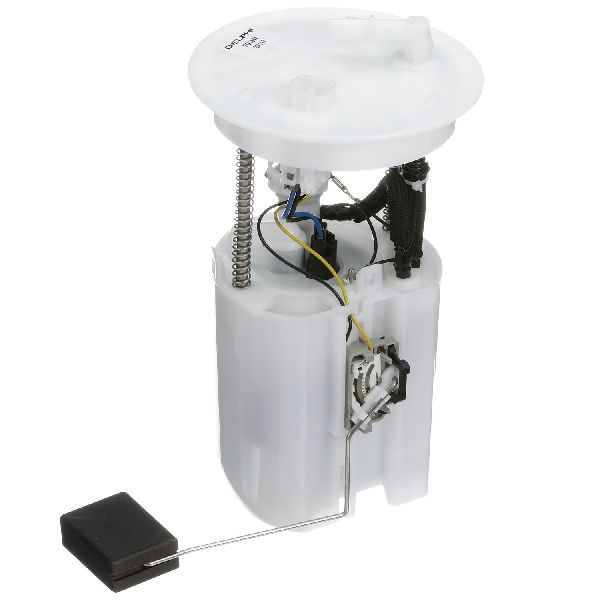

The information in this article is provided for general reference and educational purposes only. Vehicle specifications, procedures, and part compatibility can vary by production date, trim level, and region. Always consult your vehicle's factory service manual and verify part numbers before purchasing or performing repairs. Safety-critical components such as airbags, seat belts, and braking systems should be installed by a qualified professional.
- Acura TLX:
- 🧭 Diagnostic Flowchart
- 🎬 Helpful Videos
- 🛍️ Shop This Part
- What's Unique About the 2015-2020 Acura TLX
- Symptoms You May Notice
- Most Likely Causes
- Rare But Worth Checking
- Diagnosis Steps
- Parts You'll Likely Need
- Related Codes That Often Appear With This One
- Technical Service Bulletins (TSBs) & Recalls
- Platform-Specific Known Issues
- Mechanic-Grade Diagnostic Values
- Scan Tool Commands That Help
- Wiring & Ground Locations
- Real Owner Repair Stories
- OEM Part Supersession History
- Model Year Variations Within This Range
- Other Known Issues on This Vehicle
- Used vs. New Parts: Buying Guide for This Vehicle
- Real Owner Stories
- 2019 Acura TLX 3.5L V6
- 2015-2018 Acura TLX V6
- 2015-2020 Acura TLX SH-AWD
- Related OBD-II Codes
- Frequently Asked Questions
- 🎟️ Get 5% Off