

P0087 on 2015-2017 Chevrolet Silverado: Low Fuel Pressure Causes & Fixes
P0087 on a 2015-2017 Silverado most often indicates a failing high-pressure fuel pump (HPFP) or a weak in-tank low-pressure fuel pump. A failing HPFP can leak fuel into the engine oil, while the in-tank pump is known to fail in cold weather. Diagnosis requires checking both pressure systems, starting with the low-pressure side.
- P0087 on a 2015-2017 Silverado is a serious code indicating dangerously low fuel pressure that can cause the engine to stall at any time.
- The two most likely causes are a failed high-pressure fuel pump (HPFP) or a failed in-tank low-pressure pump.
- A critical first diagnostic step is to check the engine oil. If it is overfull and smells like gasoline, the HPFP has failed and is leaking fuel into the engine.
- Be aware of cold weather conditions. A specific TSB confirms the in-tank pump can fail below 20°F (-6°C), causing this exact code.
- Due to the complexity and safety risks, professional diagnosis is strongly recommended.
What's Unique About the 2015-2017 Chevrolet SILVERADO
The 2015-2017 Silverado's EcoTec3 engines use a dual-pump fuel system: a low-pressure electric pump in the gas tank and a high-pressure mechanical pump (HPFP) on the engine, driven by the camshaft. This code can be triggered by a failure in either pump, making diagnosis complex. This platform is specifically known for HPFP failures that can leak fuel into the engine oil, and a well-documented issue where the in-tank pump falters in very cold weather, as noted in manufacturer TSB #18NA103.
Diagnostic Flowchart
Tap your situation to follow the diagnostic path that matches what you're seeing on this vehicle.
Symptoms You May Notice
- Reduced engine power or entering 'limp mode'
- Engine stalling, sometimes unexpectedly while driving.
- Hard starting or failure to start. [Bulletin #PIP4949D, Bulletin #PIP5151F, 5]
- Rough running or idling. [Bulletin #PIP5151F, 5]
- Hesitation or stumbling during acceleration.
- Check Engine Light is on
- Engine oil level is high and smells strongly of gasoline.
- Whining or humming noise from the fuel tank area, indicating a struggling in-tank pump.
- Replacing the in-tank fuel pump when the high-pressure fuel pump (HPFP) was the actual cause.
- Replacing the HPFP when the in-tank pump or its control module (FPDM) was the actual cause.
- Replacing fuel pumps without checking for fuel contamination, leading to a repeat failure.
- Replacing fuel injectors when the root cause is insufficient fuel pressure from a failing pump.
Most Likely Causes
- High-Pressure Fuel Pump (HPFP) Failure 🔴 High Probability → Shop Fuel Pump The mechanical HPFP on the EcoTec3 engines is a well-documented failure item. A common failure mode is the internal seal degrading, allowing gasoline to leak directly into the engine crankcase, contaminating the oil.
How to confirm: Check the engine oil dipstick. If the oil level is overfull and smells strongly of gasoline, the HPFP has almost certainly failed. A scan tool can also show that the 'Actual' high-side fuel pressure is not meeting the 'Desired' pressure commanded by the ECM, especially under load.
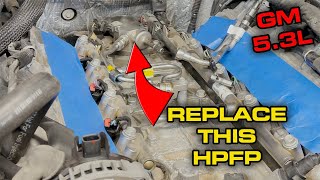
Typical fix: Replacement of the high-pressure fuel pump. This is a labor-intensive job as the pump is located in the engine valley under the intake manifold. 🎬 Watch this step-by-step guide to replacing the high-pressure fuel pump. The contaminated engine oil and filter must also be changed to prevent engine damage.
Est. part cost: $400-$800 - In-Tank Low-Pressure Fuel Pump Failure 🟡 Medium Probability → Shop Fuel Pump GM Technical Service Bulletin #18NA103 specifically documents that the in-tank fuel pump can perform poorly or fail in temperatures below 20°F (-6°C), causing a start-and-stall or no-start condition with code P0087. This is sometimes attributed to fuel gelling in extreme cold.
How to confirm: Use a scan tool to monitor the low-pressure fuel system pressure. If the pressure is below specification (typically should be 50-75 PSI), the in-tank pump is suspect. You may also hear a loud whining from the fuel tank. A physical fuel pressure gauge can be connected to the low-pressure line for definitive confirmation.
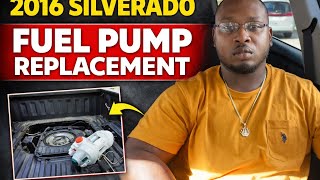
Typical fix: Replacement of the in-tank fuel pump module. This requires dropping the fuel tank.
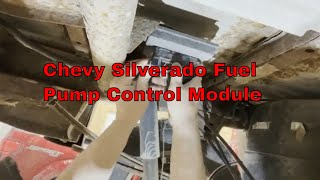
Est. part cost: $300-$500 - Failed Fuel Pump Driver Module (FPDM) ⚪ Low Probability → Shop Fuel Pump The FPDM (also called the Fuel System Control Module or FSCM) is mounted to the frame rail, often near the spare tire, 🎬 Watch this video to locate and inspect your fuel control module. where it is exposed to moisture and road salt, leading to corrosion and failure. This failure is more common on the previous generation (2010-2013) but still occurs on K2XX trucks.
How to confirm: Check for power and ground at the module and check for a command signal from the ECM. Visually inspect the module and its connector for green or white corrosion. If the in-tank pump is not running and the module has power and ground, the module itself may be faulty.
Typical fix: Replacement of the Fuel Pump Driver Module and cleaning its electrical connector and ground connection. Some replacement modules may require programming by a dealer or a shop with the appropriate tools.
Est. part cost: $80-$150 - Faulty Fuel Rail Pressure Sensor ⚪ Low Probability → Shop Fuel Pressure Sensor While not as common as pump failure, the sensor or its electrical connector can fail, sending incorrect low-pressure signals to the ECM. TSB #20-NA-197 mentions connector corrosion as a possible cause for fuel pressure codes.
How to confirm: With a scan tool, compare the fuel rail pressure reading to a known good mechanical gauge. If the readings differ significantly, the sensor is likely faulty. Inspect the connector for corrosion or damage.
Typical fix: Replacement of the fuel rail pressure sensor and/or its pigtail connector.
Est. part cost: $50-$100
Rare But Worth Checking
- Fuel System Contamination: As per TSB #PIP5151F, contamination found in the fuel system can cause low pressure. This is a serious issue that may require replacing the entire fuel system to prevent repeat failures of new pumps.
- Clogged Fuel Filter: → Shop Fuel Filter The fuel filter is part of the in-tank fuel pump module and is not typically serviced separately. However, a tank of bad fuel can clog it, restricting flow and necessitating the replacement of the entire module.
- Worn Camshaft Lobe: → Shop Engine Camshaft The high-pressure fuel pump is driven by a specific lobe on the camshaft. In rare, high-mileage cases, this lobe can wear down due to lubrication breakdown or material fatigue, preventing the pump from generating sufficient pressure even if the pump itself is new.
Diagnosis Steps
- Check the engine oil level and smell it for gasoline. An overfull level and strong fuel smell is a clear sign of a failed high-pressure fuel pump (HPFP).
- Connect a scan tool and monitor both low-pressure (in-tank pump) and high-pressure (fuel rail) sensor data. Compare the 'desired' pressure with the 'actual' pressure for both systems. A significant discrepancy on the high side under load points to the HPFP, while low pressure on the low side points to the in-tank pump or FPDM.
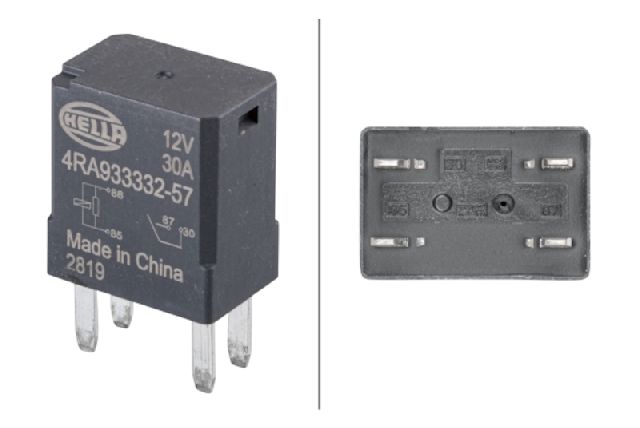
- If low-side pressure is below specification (typically 50-75 PSI at idle), investigate the in-tank fuel pump, its fuse/relay, and the Fuel Pump Driver Module (FPDM). Confirm with a mechanical pressure gauge if possible.
- If low-side pressure is good but high-side pressure is significantly below the commanded value (especially under load), the HPFP is the primary suspect.
- Visually inspect the Fuel Pump Driver Module (FPDM) on the frame rail near the spare tire for any signs of corrosion or physical damage.
- Inspect the fuel rail pressure sensor connector for any signs of corrosion or damage, as noted in TSB #20-NA-197.
- If possible, check for fuel contamination by taking a sample from the fuel rail. [Bulletin #PIP5151F]
Parts You'll Likely Need
- High-Pressure Fuel Pump
(OEM #12641847)— This is the most common failure point causing P0087 on this platform, often leaking fuel into the crankcase. This part number supersedes previous versions like 12633115 and 12639694.
Trusted brands: ACDelco, Bosch
OEM price range: $500-$800
Aftermarket price range: $300-$550 - In-Tank Fuel Pump Module
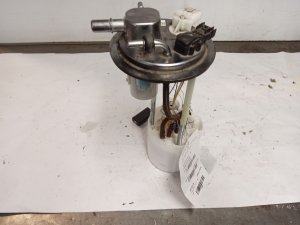
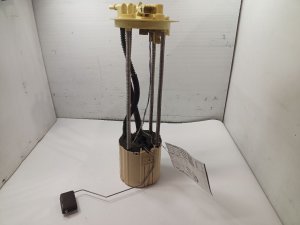
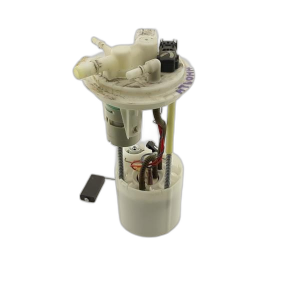
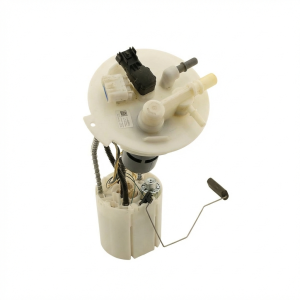
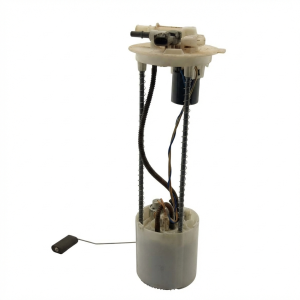
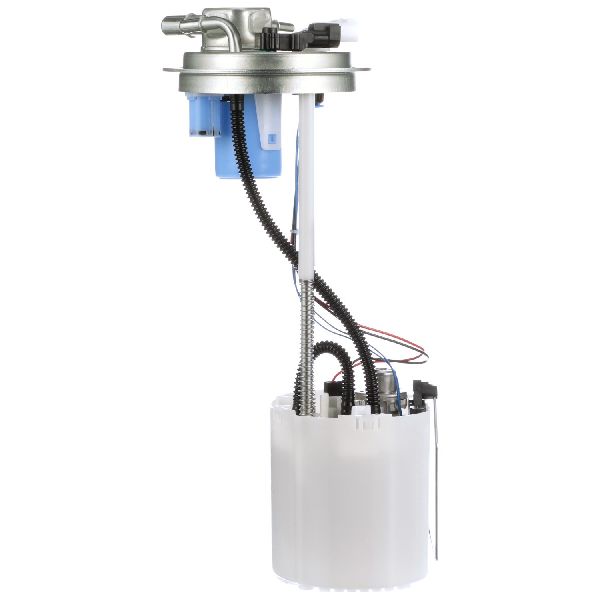
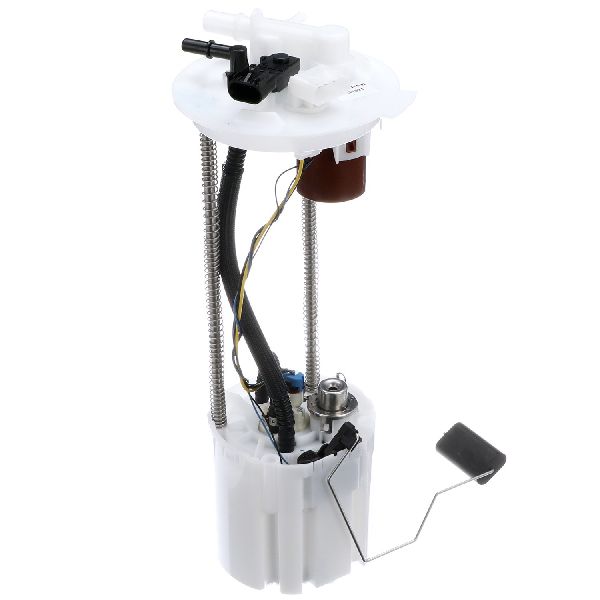
(OEM #Varies by tank size and cab configuration.)— This pump is known to fail or perform poorly in cold weather, directly causing P0087 as documented in TSB #18NA103.
Related Codes That Often Appear With This One
- P0088 — Stands for 'Fuel Rail Pressure Too High'. It can appear with P0087 if a failing component is causing erratic pressure fluctuations. [Bulletin #PIP4949D, Bulletin #PIP5151F, 3]
- P0191 — Stands for 'Fuel Rail Pressure Sensor Circuit Range/Performance'. This often indicates the sensor's readings are illogical, which can be caused by the sensor itself or by the severe pressure drops that set P0087. [Bulletin #PIP4949D, Bulletin #PIP5151F, 3]
- P0172 / P0175 — These codes mean 'System Too Rich'. They are a strong indicator that the high-pressure fuel pump has failed and is leaking fuel into the engine oil, creating a rich condition.
- P2635 — Stands for 'Fuel Pump 'A' Low Flow/Performance'. This code points directly to a problem with the low-pressure in-tank fuel pump's ability to deliver fuel and is specifically cited in TSB #18NA103. [Bulletin #18NA103]
- P228B — Stands for 'Fuel Pressure Regulator 2 Control - Forced Engine Shutdown'. This code is often seen with P0087, especially in cold weather, indicating the system has detected a pressure issue severe enough to command a shutdown.
Technical Service Bulletins (TSBs) & Recalls
- 18-NA-103: Documents in-tank fuel pump issues in cold weather (below 20°F/-6°C) causing P0087, P2635, and other codes.
- PIP5151F: Discusses fuel system contamination as a cause for P0087 and related codes, stressing that the entire system may need replacement if contamination is found.
- PIP4949D: Relates P0087 to hard start/no start conditions and lists it with other pressure codes like P0088 and P0191.
- 20-NA-197: Mentions that corrosion on the fuel pressure sensor connector can be a cause for various fuel pressure codes.
Platform-Specific Known Issues
- HPFP Failure and Oil Contamination: The most critical issue for the 2015-2017 Silverado is the high-pressure fuel pump's tendency to fail internally and leak gasoline directly into the engine oil. Owners must check the oil for a fuel smell immediately if P0087 appears. Ignoring this can lead to catastrophic engine failure due to oil dilution and loss of lubrication.
- Cold Weather Stalling: As confirmed by TSB 18-NA-103, these trucks are known for stalling, hard starting, or setting a P0087 code in temperatures below 20°F (-6°C). This is directly linked to the performance of the in-tank (low pressure) fuel pump in cold climates.
Mechanic-Grade Diagnostic Values
- Low-Pressure Fuel System Pressure (In-tank pump) — expected: 50-75 PSI at idle.. Failure: Pressure below 50 PSI, fluctuating wildly, or dropping significantly under load.
- High-Pressure Fuel System Pressure at Idle (Fuel Rail) — expected: Approximately 500-900 PSI.. Failure: Pressure significantly below 500 PSI or failing to meet the 'Desired' pressure on a scan tool.
- High-Pressure Fuel System Pressure During Cranking — expected: 300-400 PSI.. Failure: Pressure does not build or is significantly below 300 PSI while cranking.
- High-Pressure Fuel System Pressure Under Load — expected: Varies with load, can exceed 2,000 PSI. The 'Actual' pressure should closely match the 'Desired' pressure on a scan tool.. Failure: A significant drop of over 1000 PSI between 'Desired' and 'Actual' pressure readings during heavy acceleration.
- FSCM Command Signal Wire Voltage — expected: 12 volts on the Dark Green/White wire at Pin 13 of the FSCM connector when cranking or for 3-6 seconds with key on.. Failure: No voltage present on the command wire indicates a wiring issue or a faulty ECM.
Scan Tool Commands That Help
- GM GDS2 (Global Diagnostic System 2): Fuel Pump Control Module bidirectional controls — To command the in-tank fuel pump on/off to verify the functionality of the pump and the Fuel System Control Module (FSCM) independently of the ECM's command.
- GM GDS2 (Global Diagnostic System 2): Data Display -> Fuel System Data — To monitor live data parameters such as 'Desired Fuel Rail Pressure' and 'Actual Fuel Rail Pressure' to see if the high-pressure pump is keeping up with the ECM's request under various loads.
- GM GDS2 (Global Diagnostic System 2): Module Diagnostics -> ECM -> Configuration/Resets — After replacing certain fuel system components, some learn functions or resets may be required to ensure the system operates correctly.
Wiring & Ground Locations
- Fuel System Control Module (FSCM/FPDM) — Mounted on the frame rail, typically above the spare tire.. This module controls the in-tank fuel pump. Its location makes it highly susceptible to corrosion from road salt and moisture, which can cause intermittent or total failure of the low-pressure fuel system, triggering P0087.
- FSCM Connector Pin 13 (Dark Green/White wire) — At the main electrical connector for the Fuel System Control Module.. This is the command wire from the ECM that tells the FSCM to turn the fuel pump on. If there is no 12V signal on this wire during cranking, the problem lies with the ECM or the wiring between the ECM and FSCM, not the FSCM or pump itself.
- ECM Connector X1, Pin 50 (Dark Green/White wire) — On the black ECM connector. It is the third pin from the top in the third row.. This is the origin point of the fuel pump command signal. If there is 12V here with the key on but not at the FSCM connector, there is a break in the wire between the two components.
- FSCM Power and Ground Pins — At the FSCM connector, the two large pins on one side are power/ground inputs, and the two large pins on the other side are the outputs to the fuel pump.. A quick diagnostic test involves jumping the power/ground input pins to the fuel pump output pins to bypass the module and directly power the pump. If the pump runs, it confirms the pump is good and the module is likely faulty.
Real Owner Repair Stories
- Reddit user in r/Silverado (2015 Chevrolet Silverado) — Truck died while driving and would not restart.
❌ Tried (didn't work) Initial diagnosis was uncertain.
✅ What actually fixed it The dealer confirmed the Fuel Pump Control Module (FPCM/FSCM) had failed. Replacing the module resolved the no-start condition.
Helpful Videos

Used OEM Parts in Stock
New Aftermarket Parts Available


The information in this article is provided for general reference and educational purposes only. Vehicle specifications, procedures, and part compatibility can vary by production date, trim level, and region. Always consult your vehicle's factory service manual and verify part numbers before purchasing or performing repairs. Safety-critical components such as airbags, seat belts, and braking systems should be installed by a qualified professional.
- Chevrolet SILVERADO:
- 🧭 Diagnostic Flowchart
- 🎬 Helpful Videos
- 🛍️ Shop This Part
- What's Unique About the 2015-2017 Chevrolet SILVERADO
- Symptoms You May Notice
- Most Likely Causes
- Rare But Worth Checking
- Diagnosis Steps
- Parts You'll Likely Need
- Related Codes That Often Appear With This One
- Technical Service Bulletins (TSBs) & Recalls
- Platform-Specific Known Issues
- Mechanic-Grade Diagnostic Values
- Scan Tool Commands That Help
- Wiring & Ground Locations
- Real Owner Repair Stories
- 🎟️ Get 5% Off