

P0087 on 2011-2016 Chevy Silverado 6.6L LML Duramax: Low Fuel Rail Pressure Causes & Fixes
P0087 on an LML Duramax most often means a clogged fuel filter. If a new filter doesn't fix it, the next most likely cause is a failing fuel pressure regulator on the CP4 pump. However, this code is a serious warning for a potential catastrophic failure of the high-pressure CP4 fuel pump, a repair that can exceed $10,000.
- Always replace the fuel filter first when you see a P0087 code; it's the most common and cheapest fix.
- When you change the filter, you MUST inspect the old one for metal shavings. This is the key step to determine if you have a simple clog or a catastrophic CP4 pump failure.
- Do NOT continue to drive with this code. Stalling is a major safety risk, and if the CP4 pump is failing, you will cause thousands of dollars in additional damage.
- The Fuel Pressure Regulator (FPR) on the CP4 pump is a common failure item that can be replaced separately, potentially saving you from a full pump replacement.
- Due to the risk of a $10,000+ repair from a misdiagnosed or failing CP4 pump, professional diagnosis is strongly recommended if a new fuel filter does not solve the issue.
What's Unique About the 2011-2016 Chevrolet Silverado 2500HD/3500HD
The 2011-2016 LML Duramax is equipped with a Bosch CP4.2 high-pressure injection pump, which is notoriously prone to failure compared to the more robust CP3 pump used in previous generations. A class-action lawsuit was filed against GM for using this pump, alleging its design was not suited for American ultra-low sulfur diesel, leading to inadequate lubrication and premature failure. When this pump self-destructs, it sends metallic shrapnel throughout the entire fuel system, causing catastrophic damage. Because of this well-documented weakness, a P0087 code on an LML engine is taken much more seriously than on other vehicles and requires immediate, careful diagnosis to rule out a pump failure.
Generation note: The 2011-2016 model years span two Silverado generations (a GMT900 refresh from 2011-2014 and the K2XX platform from 2015-2016), but they share the same 6.6L LML Duramax engine and its associated fuel system. The causes and fixes for P0087 are consistent across these years as they relate to the LML engine platform.
Symptoms You May Notice
- Check Engine Light is on
- Reduced engine power or "limp mode," especially when towing or accelerating.
- Engine stalling or hard starting.
- Rough or surging idle.
- Sluggish or poor throttle response.
- Message on Driver Information Center (DIC) like "Change Fuel Filter".
- Replacing the entire CP4 pump when only the more affordable Fuel Pressure Regulator (FPR) was faulty.
- Replacing fuel injectors when the root cause was a simple clogged fuel filter or an air leak.
- Condemning the CP4 pump without first checking for fuel line restrictions or a collapsed soft line.
Most Likely Causes
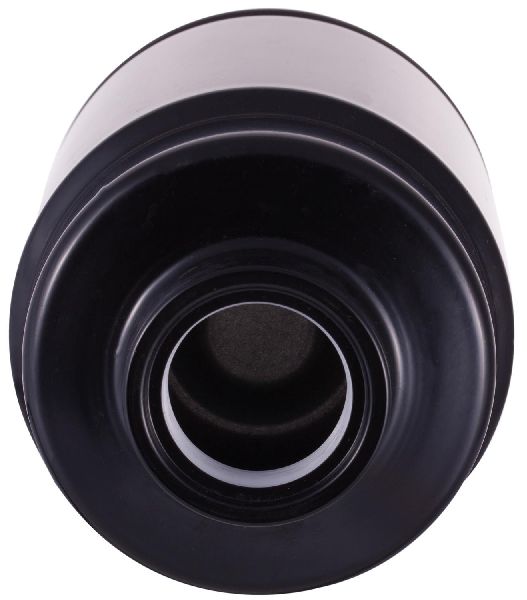
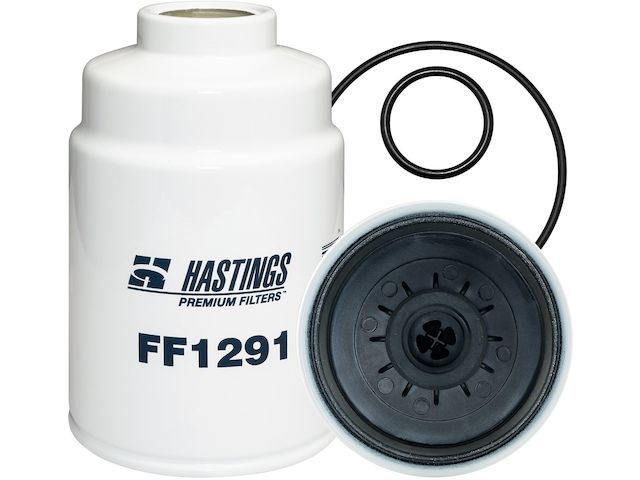
- Clogged Fuel Filter 🔴 High Probability → Shop Fuel Filter The LML Duramax has no factory lift pump, meaning the CP4 injection pump pulls fuel from the tank under a vacuum. This makes the system extremely sensitive to restrictions, and a dirty filter is the most common one.
How to confirm: Replace the fuel filter, as it's an inexpensive maintenance item. Afterwards, cut open the old filter can (using a filter cutter, not a saw) and inspect the filter media for metallic glitter. Any metal shavings are a definitive sign of CP4 pump failure.
Typical fix: Replace the fuel filter with a high-quality OEM-spec part. The recommended part is the ACDelco TP3018, which has been updated over the years for better filtration.
Est. part cost: $30-$60 - Failing Fuel Pressure Regulator (FPR) 🟡 Medium Probability → Shop Fuel Injection Pressure Regulator Also known as the MPROP or Fuel Control Actuator, this electronic solenoid is mounted on the CP4 pump and is a common failure point. It can stick or fail electronically, causing erratic fuel pressure.
How to confirm: Use a scan tool to monitor desired versus actual fuel rail pressure at idle. A large, erratic spread often points to the FPR. Unplugging it should cause rail pressure to spike, which can also help confirm its function.
Typical fix: Replace the fuel pressure regulator on the CP4 pump. Bosch is the OEM manufacturer, and the part number is commonly listed as 1462C00998.
Est. part cost: $150-$250 - Failing High-Pressure Fuel Pump (Bosch CP4.2) 🟡 Medium Probability → Shop Fuel Pump The CP4.2 pump is the infamous weak point of the LML fuel system. It is known to fail internally, sending metal debris throughout the fuel rails, lines, and injectors.
How to confirm: The definitive sign is finding metallic shavings or glitter in the fuel filter housing or on the fuel pressure regulator screen. TSB 16-NA-102 provides a specific procedure for inspecting the regulator for magnetic debris to confirm pump failure.
Typical fix: A complete fuel system replacement is required. This includes the CP4 pump (Bosch P/N 0445010817 for new), all 8 fuel injectors, both fuel rails, and all high- and low-pressure fuel lines, followed by flushing the tank. This is often called a "CP4 disaster" repair and can cost $8,000-$12,000.
Est. part cost: $4,000-$8,000+ - Air Leaking into the Fuel System ⚪ Low Probability Since the system is under vacuum, any small leak can introduce air. Common leak points are the fuel filter housing O-rings, the water-in-fuel sensor, or cracked/loose fuel lines. The plastic bleeder screw on the filter housing is a known weak point.
How to confirm: Visually inspect all fuel lines and the filter housing for cracks or wetness. After the truck sits, press the primer pump on the filter housing; if it's soft, you have an air leak. Installing a clear hose on the low-pressure side can help visually confirm air bubbles.
Typical fix: Replace the leaking component, which is often a rebuild kit for the fuel filter housing or the entire housing assembly.
Est. part cost: $25-$200 - Leaking Fuel Injector(s) ⚪ Low Probability → Shop Fuel Injector An injector can fail internally and return too much fuel back to the tank instead of sending it to the cylinder. This excessive return flow bleeds off rail pressure.
How to confirm: Perform an injector return rate test. This involves measuring the amount of fuel returned from each injector over a set time. A single injector returning significantly more fuel than the others is faulty. Scan tool balance rates can be an indicator, but a return rate test is definitive.
Typical fix: Replace the faulty fuel injector. It is often recommended to replace them as a full set if they have high mileage. Injectors must be coded to the ECM.
Est. part cost: $300-$500 per injector
Rare But Worth Checking
- Collapsed Soft Fuel Line: → Shop Fuel Line A soft rubber fuel line, particularly one near the driver's side valve cover connecting the frame hard line to the engine, can collapse internally under vacuum, especially when hot. This restricts fuel flow and starves the CP4 pump, triggering P0087.
- Fuel Contamination: Water or Diesel Exhaust Fluid (DEF) in the fuel can cause immediate and severe damage to the high-pressure fuel system. TSB 18-NA-361 notes that DEF contamination can cause P0087.
- Cold Weather Fuel Gelling: While more common in diesels, manufacturer service bulletin #18NA103 notes that at temperatures below -6C or 20F, fuel system issues can be accompanied by a loss of power and DTC P0087.
Diagnosis Steps
- Check for any other stored diagnostic trouble codes.
- Check the Fuel Filter Life monitor on the Driver Information Center. If it is low or the filter's age is unknown, replace the fuel filter with an ACDelco TP3018. This is the most common and cheapest fix.
- Carefully cut open the old fuel filter and inspect the pleats for any sign of metallic debris or glitter. The presence of metal confirms a CP4 pump failure and means diagnosis should stop to prevent further damage.
- If no metal is found, connect a scan tool and monitor Desired vs. Actual Fuel Rail Pressure while driving under load (e.g., up a hill or hard acceleration). A significant deviation where actual pressure cannot keep up with desired pressure confirms a performance issue.
- Check for air in the system. Inspect the fuel filter housing for leaks, especially around the primer button and plastic bleeder screw. Check all fuel lines for cracks or damage.
- Test the low-pressure side of the system using a vacuum gauge at the test port on the filter housing. You should see 1-4 inches of Hg vacuum at idle, not exceeding 5-8 inches under full load. More than that indicates a restriction between the tank and the pump.
- If the low-pressure side is healthy, test the Fuel Pressure Regulator (FPR) per TSB 16-NA-102 by removing it and inspecting for metal debris. This is the definitive test for CP4 failure.
- If all other components test good, perform an injector return rate test to check for a leaking injector bleeding off pressure.
Parts You'll Likely Need
- Fuel Filter
(OEM #19420325)— This is the most common cause of P0087 due to restriction. It is a mandatory first step in any diagnosis.
Trusted brands: ACDelco
OEM price range: $40-$60
Aftermarket price range: $25-$50 - Fuel Pressure Regulator (on CP4 Pump)
(OEM #12641035)— This regulator is a frequent failure point on the CP4 pump and can cause low or erratic fuel pressure without a full pump failure.
Trusted brands: Bosch, ACDelco
OEM price range: $150-$250
Aftermarket price range: $100-$180
Related Codes That Often Appear With This One
- P0088 — This code for "Fuel Rail Pressure Too High" can appear with P0087 if the Fuel Pressure Regulator is failing erratically, causing wild pressure swings.
- P0191 — Stands for "Fuel Rail Pressure Sensor Circuit Range/Performance." It often appears when the pressure drops suddenly under load, which is a direct symptom of the P0087 condition.
- P128E — A GM-specific code for fuel rail pressure performance that is often triggered alongside P0087, as noted in TSB 16-NA-102.
- P228B — This code for fuel pressure regulator performance often appears alongside P0087 in cold weather conditions, as noted in NHTSA ODI #11716292.
Technical Service Bulletins (TSBs) & Recalls
- source — This is the primary TSB for P0087 on the LML. It outlines the official diagnostic procedure, which critically involves removing the Fuel Pressure Regulator 1 from the CP4 pump and inspecting its screen for magnetic metal debris. Finding debris confirms CP4 failure and mandates a full fuel system replacement, including the pump, injectors, rails, and lines, plus flushing the tank and low-pressure lines.
- Notes that fuel contamination with substances like water or Diesel Exhaust Fluid (DEF) can cause severe fuel system damage and trigger codes like P0087.
- A Preliminary Information bulletin that provides visual examples of different types of fuel system contamination, such as rust from water or crystallization from DEF, to help technicians identify the root cause of fuel system failures.
- Bulletin #18NA103 notes that fuel system issues can occur at temperatures below -6C or 20F, resulting in a start and stall, no start, or loss of power with P0087 set in the ECM.
Platform-Specific Known Issues
- The Bosch CP4.2 high-pressure fuel pump is a well-documented failure point on the LML Duramax engine, often leading to catastrophic and expensive fuel system contamination.
- Many owners proactively install an aftermarket lift pump (from brands like FASS or AirDog) to provide positive fuel pressure to the CP4 pump, which is believed to improve its longevity by preventing starvation and reducing vacuum stress.
- GM issued Technical Service Bulletin (TSB) 16-NA-102, which provides specific diagnostic procedures for P0087, focusing on inspecting the fuel pressure regulator and sensor for magnetic metal debris to confirm CP4 pump failure.
Mechanic-Grade Diagnostic Values
- Low-Pressure Fuel System Vacuum — expected: 1-4 inches of Hg at idle. Not to exceed 5-8 inches of Hg at full load/WOT.. Failure: Vacuum exceeding 8 inches of Hg indicates a restriction (clogged filter, collapsed line, clogged tank pickup). Vacuum below 2 inches of Hg may indicate an air leak into the system.
- Fuel Rail Pressure (FRP) Sensor Voltage — expected: The sensor operates on a 5V reference. Signal voltage should be ~1.1V at idle (~4,000 PSI) and rise with pressure. With the sensor unplugged and ignition on, a scan tool should read a default high pressure (e.g., 29,000 PSI / 200 MPa).. Failure: Signal voltage stuck high (e.g., 4.8V) or low, or no voltage on the 5V reference wire, indicates a sensor or wiring issue. If unplugging the sensor does not cause the scan tool reading to default high, there may be a wiring short or ECM issue.
- Injector Return Flow Rate — expected: Less than 3-5 ml per injector over a 15-second test period (cranking or at idle).. Failure: Any single injector returning significantly more fuel than the others, or exceeding the 3-5 ml specification, is considered failed and is bleeding off rail pressure.
- Injector Balance Rates (Scan Tool) — expected: At operating temperature in Park/Neutral, rates should be within ±2.5 mm³ per stroke. A perfectly balanced cylinder would be 0.. Failure: A positive number (e.g., +2.5) means the ECM is adding fuel to compensate for a weak cylinder (low compression or poor spray). A negative number (e.g., -2.5) means the ECM is removing fuel because of excess from a leaking injector.
- Injector Return Line Backpressure — expected: The system requires 0.4 to 1.1 MPa (58-160 PSI) of pressure in the return lines for the piezo injectors to function correctly.. Failure: Improper return line pressure, often caused by a faulty return line pressure retention valve, can cause a no-start or performance issue that mimics other P0087 causes.
Scan Tool Commands That Help
- GDS2/Tech2 or equivalent professional scan tool: Injector Balance Rates — Use when P0087 is present without obvious signs of CP4 metal contamination. This test helps identify if a single injector is failing or leaking, causing the pressure drop, before performing a more invasive manual return rate test. It should be performed with the engine fully warmed up.
- GDS2/Tech2 or equivalent professional scan tool: Fuel Rail Pressure Control — This bidirectional control allows a technician to command a specific rail pressure at idle. It's used to test the CP4 pump's ability to build pressure and the Fuel Pressure Regulator's ability to control it in a static environment, helping to isolate the pump from the injectors.
Wiring & Ground Locations
- Fuel Rail Pressure (FRP) Sensor Connector — Located on the rear of the driver's side fuel rail.. This is the primary sensor for reporting rail pressure to the ECM. A damaged connector or wiring here can cause false P0087 codes. The 3 wires are typically a 5V reference, a signal wire, and a low reference (ground).
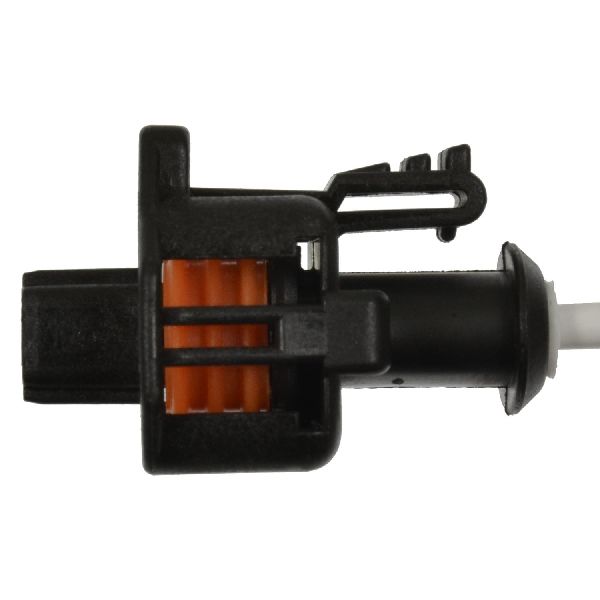
- Fuel Pressure Regulator (FPR) Connector — Located on the top of the CP4 high-pressure pump, under the intake Y-bridge.. This connector provides the signal to the regulator that controls fuel flow into the pump. Damage or corrosion here can cause the regulator to malfunction, leading directly to P0087 or P0088 codes.
- Soft Fuel Line (Suction Side) — A rubber section of fuel line runs from the frame hard line up to the engine, typically near the driver's side valve cover.. This specific soft line is a known failure point. It can degrade internally and collapse under the vacuum from the CP4 pump, especially when hot, creating a severe restriction that mimics a clogged filter and causes P0087.
Real Owner Repair Stories
- DuramaxDiesels.com forum user (2015 LML Duramax) — P0087 code, truck would not start.
❌ Tried (didn't work) Complete fuel system replacement (pump, lines, injectors) after a suspected CP4 failure.
✅ What actually fixed it The injector return line regulator. The LML injectors require specific backpressure on the return side to function, and the regulator had failed. After replacing this small part, the truck ran correctly. - DuramaxDiesels.com forum user (LMM Duramax (similar fuel system architecture)) — P0087 code, fuel filter life dropping from 100% to 0% rapidly.
❌ Tried (didn't work) Replacing the fuel filter., Squeezing the collapsed soft line back into shape.
✅ What actually fixed it The user identified that the soft fuel line near the driver's side valve cover was collapsing. The final fix, recommended by others in the thread, was to replace the stock rubber hose with a higher quality hydraulic hose (like a Parker hose) that would not collapse under vacuum, per a GM service bulletin. - YouTube channel "Ben's Automotive" a.k.a. "BA" (Duramax (unspecified year, LMM/LML family)) — Intermittent P0087, truck would die randomly.
❌ Tried (didn't work) Replacing the fuel filter (ACDelco brand)., Replacing the rail pressure fitting.
✅ What actually fixed it The fuel tank was dropped and found to have a significant amount of debris and sludge that was intermittently clogging the fuel tank pickup/sending unit. The fix was to clean the tank and install an in-tank lift pump (Fleece brand) which also replaces the factory pickup. - NHTSA ODI #10641106 describes an owner of a Silverado 3500 who reported intermittent P0087 low fuel pressure codes and a "Change Fuel Filter" display on the dash while the truck was totally stock.
Documented NHTSA Reports
- NHTSA ODI #11716292: An owner reported issues with the fuel management system giving a “reduced acceleration” warning with codes P0087 and P228B in weather below 28-30F.
- NHTSA ODI #11150332: A report notes that P0087 was detected by OnStar, indicating the engine and transmission system was not performing as expected.
OEM Part Supersession History
GM 12664429 (ACDelco TP3018, white can)→GM 19420323 (ACDelco TP3018, blue can)— Running change to improve filtration media and water removal efficiency. The new design has 10-20% higher water removal efficiency.
Heads up: The parts are fully interchangeable. The original TP3012 was also superseded by the TP3018.GM 12641035 (Fuel Pressure Regulator)→Bosch 1462C00998, Bosch 0281006019— Bosch is the original equipment manufacturer. These part numbers are often used interchangeably in the aftermarket.
Model Year Variations Within This Range
- 2011-2016: While the core LML engine and CP4.2 fuel pump are consistent from 2011-2016, the truck platforms changed. 2011-2014 models are on the GMT900 chassis, while 2015-2016 models are on the newer K2XX chassis. This does not significantly affect the causes or diagnosis of P0087, but there can be minor differences in component location or access.
- 2011-2016: The LML engine uses two fuel pressure regulators. FRPR1 is the commonly replaced unit on the CP4 pump. FRPR2 is a second, normally open solenoid located on the front of the left fuel rail, which the ECM uses to control the amount of fuel returned to the tank. This second regulator is a unique feature of the LML system.
Diagnostic Flowchart
Other Known Issues on This Vehicle
Issues unrelated to this code that are worth knowing about as an owner of this generation:
- DEF System Failures (Heater, Pump, Sensors) 🔴 High — Very common, especially in colder climates where the DEF tank heater is prone to failure. Many owners report 'Service Exhaust Fluid System' warnings that lead to limp mode. (Ref: Multiple TSBs address sensor calibrations and heater issues.)
- NOx Sensor Failures 🟠 Medium — Widespread issue across all LML model years. A failing NOx sensor can falsely trigger 'Bad DEF Quality' messages and countdowns to limp mode, even when the fluid is fine. Aftermarket sensors are noted to have a high failure rate. (Ref: TSBs exist for calibration issues, particularly on early 2011 models.)
- Turbocharger Vane Position Sensor Failure 🟠 Medium — Common as the trucks age. Soot buildup can cause the turbo vanes to stick, but often the sensor itself fails, leading to reduced power and check engine lights. Diagnosis involves checking if the vanes can be swept manually.
- Cracked Fuel Filter Housing 🟡 Low → Shop Fuel Filter — The plastic housing can develop hairline cracks over time, leading to air leaks on the suction side of the fuel system, which can contribute to P0087 or cause hard starting.
- Cracked Pistons 🔴 High — Less common than fuel system issues but a known catastrophic failure, particularly on tuned or hard-worked engines. The #8 piston is often cited as the most vulnerable.
Used vs. New Parts: Buying Guide for This Vehicle
When a used part is the smart pick: For this specific P0087 issue on an LML, using used parts is extremely risky for any core fuel system component. Used parts should be limited to external, non-wearing components like brackets, connector pigtails, or maybe a fuel tank that has been professionally cleaned and inspected. Never use a used high-pressure pump, injector, or fuel rail.
Donor-vehicle mileage cap: roughly under 50000 miles for the part to have meaningful remaining life.
What to inspect on the donor part:
- For any part, confirm the donor vehicle did NOT have a CP4 failure.
- Verify the donor vehicle was not from a heavy salt-belt region to avoid corroded lines and connectors.
- Look for evidence of regular maintenance on the donor vehicle if possible.
OEM-only on this vehicle (don't cheap out):
- Fuel Pressure Regulator (FPR/MPROP)
- Fuel Rail Pressure Sensor (FRP)
- High-Pressure Fuel Pump (CP4 or CP3 conversion)
- Fuel Injectors
Aftermarket brands forum-validated for this vehicle:
- Lift Pumps: FASS, AirDog, Fleece (in-tank). Adding a lift pump is the single most recommended preventative measure for P0087 and CP4 longevity.
- CP3 Conversion Kits: S&S Diesel Motorsport, Fleece Performance, Industrial Injection. These kits replace the failure-prone CP4 with the older, more robust CP3 pump.
- CP4 Disaster Prevention Kits: S&S Diesel Motorsport. These kits don't replace the CP4 but are designed to prevent contamination of the whole system if the pump fails.
- Fuel Filters: ACDelco (OEM), Donaldson, Baldwin, WIX.
Brands owners have reported issues with on this vehicle:
- Unbranded or 'white-box' injectors and sensors from online marketplaces.
- Remanufactured CP4 pumps from unknown rebuilders. Stick to new Bosch OEM pumps if not doing a CP3 conversion.
Real Owner Stories
Aggregated from forums and TSBs cited above. Mileages and costs reflect what owners reported in those sources.
2015 Chevrolet Silverado 2500HD LML Duramax
Symptoms: The owner experienced serious issues with the 'Service Exhaust Fluid System' message and related emissions failures, illustrating the high cost and complexity of the LML platform's systems.
What fixed it: The owner replaced both NOx sensors, the DEF injector, and the DEF heater/pump.
Source hint: Reddit r/ChevyTrucks - 'My Duramax lml giving me serious issues'
Related OBD-II Codes
Frequently Asked Questions
What is the official GM diagnostic procedure for P0087 on my LML Duramax?
Which fuel filter should I use to prevent P0087 on my 2011-2016 Silverado 2500HD?
Can fuel contamination cause this code on my truck?
Why does my Silverado 3500HD go into 'Limp Mode' when towing with P0087?
How can I check if my CP4 pump has failed without a full teardown?
Is there a specific part number for the Fuel Pressure Regulator if it's sticking?
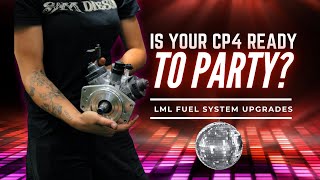
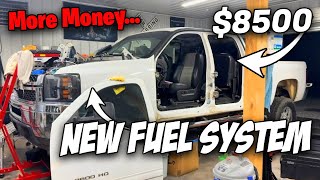
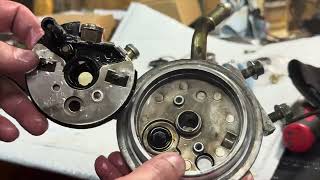
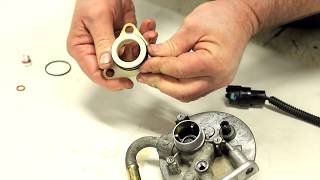
Helpful Videos
We Have This Part in Stock


The information in this article is provided for general reference and educational purposes only. Vehicle specifications, procedures, and part compatibility can vary by production date, trim level, and region. Always consult your vehicle's factory service manual and verify part numbers before purchasing or performing repairs. Safety-critical components such as airbags, seat belts, and braking systems should be installed by a qualified professional.
- Chevrolet Silverado 2500HD/3500HD:
- 🧭 Diagnostic Flowchart
- 🎬 Helpful Videos
- 🛍️ Shop This Part
- What's Unique About the 2011-2016 Chevrolet Silverado 2500HD/3500HD
- Symptoms You May Notice
- Most Likely Causes
- Rare But Worth Checking
- Diagnosis Steps
- Parts You'll Likely Need
- Related Codes That Often Appear With This One
- Technical Service Bulletins (TSBs) & Recalls
- Platform-Specific Known Issues
- Mechanic-Grade Diagnostic Values
- Scan Tool Commands That Help
- Wiring & Ground Locations
- Real Owner Repair Stories
- Documented NHTSA Reports
- OEM Part Supersession History
- Model Year Variations Within This Range
- Other Known Issues on This Vehicle
- Used vs. New Parts: Buying Guide for This Vehicle
- Real Owner Stories
- 2015 Chevrolet Silverado 2500HD LML Duramax
- Related OBD-II Codes
- Frequently Asked Questions
- 🎟️ Get 5% Off