

P0087 on 2010-2014 GMC Savana: Fuel Pressure Too Low Causes & Fixes
On a 2010-2014 Savana or its platform-mate, the Chevrolet Express, P0087 indicates low fuel pressure. This is most often caused by a failing in-tank fuel pump (especially in cold weather), a clogged fuel filter, or widespread fuel system contamination. Expect to pay $250-$450 for a quality replacement fuel pump assembly, plus labor.
- P0087 on a GMC Savana means fuel pressure is dangerously low, requiring immediate attention.
- The most likely causes are a failing fuel pump (especially in cold weather) or fuel system contamination, as confirmed by multiple GM service bulletins.
- Always start diagnosis with a mechanical fuel pressure test to confirm the problem before replacing parts.
- If you replace the fuel pump, it is critical to inspect the fuel tank for debris. If contamination is present, a simple pump swap will not be a long-term solution.
- Replacing the fuel filter is an inexpensive first step that may solve the problem if it is severely clogged.
What's Unique About the 2010-2014 Gmc SAVANA
The GMC Savana and its twin, the Chevrolet Express, are particularly susceptible to two main issues that cause P0087, as documented in official GM Technical Service Bulletins (TSBs). Firstly, fuel system contamination from debris is a significant problem, sometimes requiring the entire fuel system to be cleaned or replaced (TSB #16-NA-102, #PIP5151F). Secondly, a specific TSB (#18NA103) points to the in-tank fuel pump failing in cold weather (below 20°F / -6°C), causing no-start or stalling conditions. These vans utilize a returnless fuel system with a Fuel Pump Control Module (FPCM) to vary pump speed, making the FPCM and its wiring another key failure point.
Diagnostic Flowchart
Tap your situation to follow the diagnostic path that matches what you're seeing on this vehicle.
Symptoms You May Notice
- Check Engine Light is on
- Engine hesitation or stumbling, especially under load or acceleration
- Severe loss of engine power ('limp mode')
- Hard starting or extended cranking time
- No-start condition, particularly in cold weather
- Engine stalls, sometimes intermittently, especially when coming to a stop
- Rough idle
- Decreased fuel economy
- Replacing the fuel rail pressure sensor without first verifying the actual fuel pressure with a mechanical gauge.
- Replacing just the fuel pump when the entire system is contaminated, leading to a repeat failure of the new pump.
- On Duramax diesel models, replacing injectors or the fuel pressure regulator when the root cause is a failing high-pressure fuel pump (CP4) that has contaminated the system.
Most Likely Causes
- Failing In-Tank Fuel Pump 🔴 High Probability → Shop Fuel Pump TSB #18NA103 specifically calls out fuel pump failure in cold temperatures. General wear and tear is also very common, and the ACDelco OE pumps are known to be a frequent replacement item.
How to confirm: Perform a fuel pressure test with a mechanical gauge connected to the Schrader valve on the fuel rail. With the key on and engine off, pressure should be 50-66 PSI. If pressure is low and the pump has power (verified at the FPDM and pump connector), the pump is weak.
Typical fix: Replace the entire fuel pump module assembly in the fuel tank. This is a labor-intensive job that requires dropping the fuel tank.
Est. part cost: $250-$450 - Fuel System Contamination 🔴 High Probability Multiple TSBs (#16-NA-102, #PIP5151F) identify this as a known issue. Debris, which can include metallic particles from a failing high-pressure pump on diesel models or rust/dirt from the tank, can clog the fuel pump pickup sock, fuel filter, and injectors.
How to confirm: Inspect the fuel tank for debris when replacing the fuel pump or filter. Check the old fuel filter for excessive dirt or metal particles. TSB #16-NA-102 instructs technicians to inspect the fuel pressure regulator for magnetic metal debris on diesel models, which indicates a failing injection pump.
Typical fix: If contamination is found, the TSBs recommend cleaning the entire fuel system, including the tank, lines, and replacing affected components like the pump and filter to prevent repeat failures.
Est. part cost: $50-$500+ - Clogged Fuel Filter 🟡 Medium Probability → Shop Fuel Filter The fuel filter is a standard maintenance item that is often neglected. It can become clogged with debris over time, restricting fuel flow. This is often the first and most cost-effective part to replace when troubleshooting.
How to confirm: If the fuel filter hasn't been replaced in over 30,000 miles, it's a likely suspect. A fuel pressure test before and after the filter can confirm a restriction, but replacement is often easier and inexpensive as a first step.
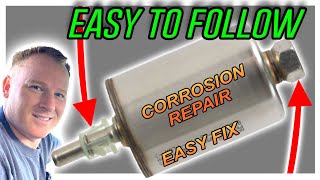
Typical fix: Replace the fuel filter. It is located on the frame rail. 🎬 See this pro walkthrough on replacing the fuel filter safely.
Est. part cost: $15-$40 - Faulty Fuel Pump Driver Module (FPDM) ⚪ Low Probability → Shop Fuel Pump The FPDM (also called a Fuel System Control Module or FSCM) is mounted on the frame rail, making it susceptible to corrosion and damage from road debris and weather. Not all vehicles have one, but it is common on these GM vans.
How to confirm: Using a multimeter and a wiring diagram, check for proper voltage input from the battery, a command signal from the ECM (typically a dark green/white wire), and output voltage to the fuel pump. A scan tool may show a specific code like P069E if the module is faulty.
Typical fix: Replace the Fuel Pump Driver Module. It is typically located on the frame rail near the spare tire.
Est. part cost: $45-$170 - Faulty Fuel Rail Pressure Sensor ⚪ Low Probability → Shop Fuel Pressure Sensor
How to confirm: Compare the sensor's reading on a scan tool to a mechanical fuel pressure gauge connected to the rail. If the readings differ significantly (e.g., gauge shows 60 PSI, but scan tool shows 30 PSI), the sensor is likely faulty.
Typical fix: Replace the fuel rail pressure sensor. It is located on the fuel rail in the engine bay.
Est. part cost: $40-$80
Rare But Worth Checking
- Kinked or Damaged Fuel Line: → Shop Fuel Line A physical restriction in a fuel line can starve the engine of fuel. This can happen from road debris or improper service. A visual inspection of the lines from the tank to the engine is necessary.
- Leaking Fuel Injector: → Shop Fuel Injector An injector that is stuck open will cause a constant drop in fuel rail pressure, though this may also be accompanied by other codes like a misfire (P030x) or rich condition.
- Failed High-Pressure Fuel Pump (Diesel Only): → Shop Fuel Pump For models with the 6.6L Duramax diesel engine, P0087 is a very common indicator that the high-pressure fuel pump (CP3 or CP4) is failing and sending metal debris through the system. This is a major and expensive repair.
Diagnosis Steps
- Scan the ECM for P0087 and any other stored codes. Note any related codes like P0088, P0191, or P069E.
- Visually inspect for the smell of fuel or visible leaks around the fuel lines, rail, and tank.
- Connect a mechanical fuel pressure gauge to the service port (Schrader valve) on the fuel rail.
- Turn the ignition to 'ON' (without starting) to prime the pump. The gauge reading should jump to the manufacturer's specification, typically 50-66 PSI for gasoline engines.
- If pressure is low, start with the easiest and cheapest fix: replace the fuel filter, especially if its age is unknown.
- If the new filter does not resolve low pressure, test the Fuel Pump Driver Module (FPDM/FSCM), if equipped. Verify it's receiving power and a command signal from the ECM, and sending voltage to the pump.
- If the FPDM is working correctly (or not equipped), check for power and ground at the fuel pump connector itself. This requires accessing the top of the fuel tank.
- If the pump receives correct voltage but pressure remains low, the fuel pump is faulty. When replacing the pump, drop the tank and inspect it thoroughly for contamination (rust, debris).
- If the mechanical pressure on the gauge is good (within 50-66 PSI) but the code persists, the fuel rail pressure sensor is likely providing false readings to the ECM. Compare the gauge reading to the live data from the sensor on a scan tool to confirm.
Parts You'll Likely Need
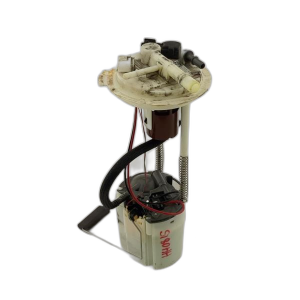
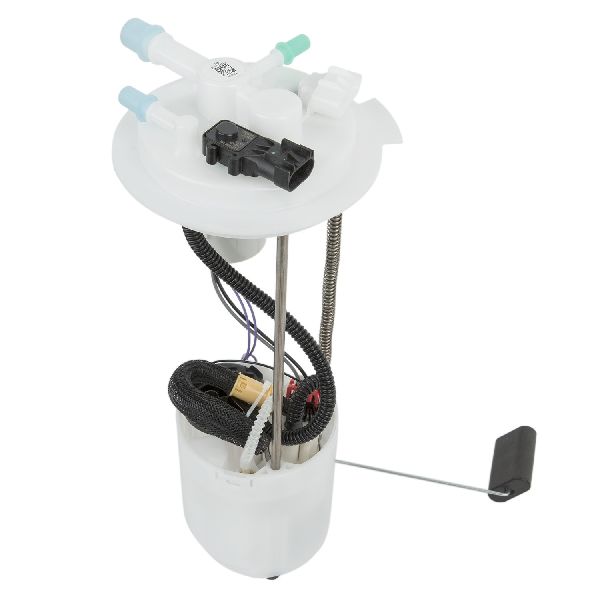
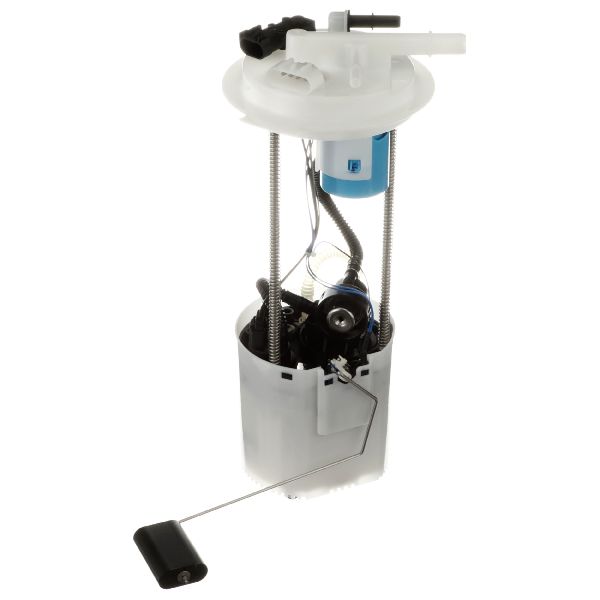
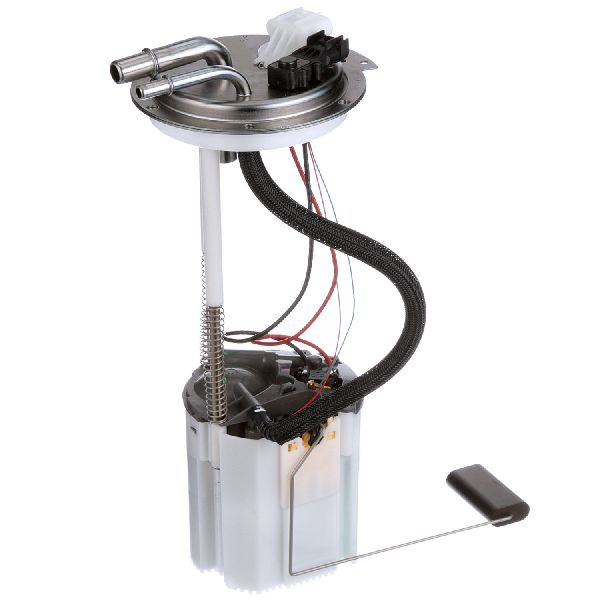
- Fuel Pump Module Assembly
(OEM #19420773)— This is the most common cause of P0087 on the Savana, especially in cold weather or due to contamination. The assembly includes the pump, sending unit, and pickup filter. The ACDelco part is the genuine GM OE part.
Trusted brands: ACDelco (GM Genuine), Delphi
OEM price range: $380-$440
Aftermarket price range: $200-$350 - Fuel Filter
(OEM #GF822 (ACDelco))— A clogged filter is a common and inexpensive potential cause for fuel pressure restriction. It's a primary maintenance item that should be replaced first.
Trusted brands: ACDelco, Wix, Fram
OEM price range: $25-$40
Aftermarket price range: $15-$30 - Fuel Rail Pressure Sensor
(OEM #12651990 (ACDelco))— Can fail and send incorrect low-pressure readings to the ECM, triggering the code even if mechanical pressure is fine.
Trusted brands: ACDelco (GM Genuine), Standard Motor Products (SMP), Dorman
OEM price range: $95-$125
Aftermarket price range: $40-$80
Related Codes That Often Appear With This One
- P0088 — This code for 'Fuel Rail Pressure Too High' can appear with P0087 if the system is struggling to regulate pressure, as noted in TSBs #PIP4949E and #16-NA-102.
- P0191 — 'Fuel Rail Pressure Sensor Circuit Range/Performance' often accompanies P0087, indicating the sensor's readings are erratic, which could be due to the low pressure itself or a faulty sensor.
- P2635 — 'Fuel Pump 'A' Flow Performance' is directly related to the fuel pump's ability to supply the correct volume of fuel and is cited alongside P0087 in TSB #18NA103.
- P069E — This code points to a fault in the Fuel Pump Driver Module itself, which would be the root cause of the low pressure seen in P0087.
Technical Service Bulletins (TSBs) & Recalls
- 18NA103: Addresses fuel pump issues in cold weather.
- PIP4949E: Mentions P0087 in relation to hard start or no-start conditions.
- 16-NA-102: Concerns fuel system contamination causing hard/no-start and P0087, particularly metallic debris in Duramax diesel models.
- PIP5151F: Also relates to fuel system contamination causing various driveability issues and P0087.
- 18-NA-361: Details a fuel system flushing procedure for contamination issues.
Platform-Specific Known Issues
- TSB #18NA103: Notes that the in-tank fuel pump may perform poorly at temperatures below 20°F (-6°C), causing start/stall, no-start, loss of power, and setting DTC P0087.
- TSB #16-NA-102 & #PIP5151F: Warn that fuel system contamination is a common cause for P0087. If debris is found, the bulletins advise that the complete fuel system may need to be cleaned or replaced to ensure a permanent fix. For Duramax diesels, this TSB specifically addresses metallic debris from a failing high-pressure injection pump.
- TSB #18-NA-361: Provides a specific fuel system flushing procedure to be used when contamination is found, as a less extreme alternative to replacing the entire system as suggested in TSB 16-NA-102.
Mechanic-Grade Diagnostic Values
- Fuel Pressure (Key On, Engine Off, Pump Commanded ON) — expected: 345-690 kPa (50-100 psi). Failure: Pressure below 345 kPa (50 psi) indicates a weak pump, clogged filter, or restriction. Pressure above 690 kPa (100 psi) indicates a faulty regulator in the pump module.
- Fuel Pressure (Engine Idling at Operating Temp) — expected: 296-310 kPa (43-45 psi). Failure: Pressure significantly below this range indicates a regulation problem.
- Fuel System Leak-Down Test — expected: Pressure should not decrease more than 34 kPa (5 psi) in 1 minute after the pump is turned off.. Failure: A drop greater than 5 psi in one minute suggests a leaking fuel injector. If the pressure drops rapidly after initially holding, it points to a bad check valve in the fuel pump module.
- FSCM Command Signal from ECM (Dark Green/White wire) — expected: 12V for 2-3 seconds with key-on, constant 12V while cranking, or constant 12V with engine running.. Failure: No voltage indicates a problem with the ECM or the wiring from the ECM.
- FSCM 5V Sensor Reference Output (Brown/Red wire) — expected: Approximately 5V DC.. Failure: Voltage below 4.2V suggests a faulty FSCM.
Scan Tool Commands That Help
- GDS2 / Tech2: Fuel Pump On/Off Command — Used during a fuel pressure test to manually run the in-tank fuel pump without the engine running. This allows for safe and accurate measurement of maximum pump pressure and leak-down rates.
- GDS2 / Tech2: View 'Desired Fuel Rail Pressure' vs. 'Actual Fuel Rail Pressure' — Comparing the ECM's commanded pressure to the actual sensor reading is critical. If a mechanical gauge shows good pressure but the 'Actual' value on the scan tool is low, it points to a faulty fuel rail pressure sensor or its wiring.
- GDS2 / Tech2: Fuel System Control Module (FSCM) Replacement/Setup — After replacing the FSCM, a setup or programming procedure may be required to configure the new module to the vehicle. Some aftermarket modules are pre-programmed and do not require this step.
Wiring & Ground Locations
- Fuel System Control Module (FSCM) — Typically mounted on the driver's side frame rail, often near the spare tire area.. This location makes the module and its connector highly susceptible to corrosion from road salt and moisture, which can cause poor connections, loss of power to the fuel pump, or module failure, directly leading to P0087.
- FSCM Connector Pin 13 (Dark Green/White wire) — At the FSCM connector.. This is the command signal wire from the ECM. A technician must verify voltage here to confirm the FSCM is being told to turn on. A lack of signal points the diagnosis away from the fuel pump/FSCM and towards the ECM or wiring.
- FSCM Connector Pin 47 (Gray wire) — At the FSCM connector.. This is the 12V+ power output wire to the fuel pump. Testing voltage here confirms if the FSCM is sending power to the pump. Low or no voltage, despite a good command signal on Pin 13, points to a failed FSCM.
- Frame Ground near FSCM — On the frame rail, near where the FSCM is mounted.. The FSCM and fuel pump rely on a solid chassis ground. Corrosion on the frame rail can create a poor ground connection, leading to intermittent or total loss of fuel pump operation and causing a P0087 code.
Real Owner Repair Stories
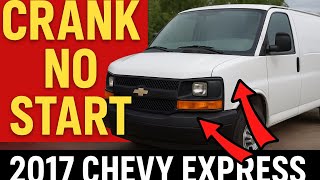
- YouTube channel 'R&R Garage' (2017 Chevrolet Express 6.0L (similar platform)) — Crank, no start. No fuel pressure.
❌ Tried (didn't work) Initial thought was a bad fuel pump or Fuel System Control Module (FSCM).
✅ What actually fixed it The ground wire for the FSCM was not making a connection. The technician found no ground at the FSCM connector. Tracing the wire led to a chassis ground point on the frame that was corroded. Cleaning the ground connection and ensuring a solid contact restored power to the fuel system and fixed the no-start condition.
OEM Part Supersession History
19329210→19420773— Standard part lifecycle update by GM.Multiple (13534714, 13537053, etc.)→13554821— Consolidation of Fuel Pump Control Module part numbers for various GM models.
Heads up: When replacing the FSCM, programming may be required. Always verify if the replacement part is pre-programmed or requires a dealer-level tool for setup.
Model Year Variations Within This Range
- 2010-2014: All gasoline engine models in this range use a variable-speed in-tank fuel pump controlled by a Fuel System Control Module (FSCM), also known as a Fuel Pump Driver Module (FPDM). This is different from older systems that used a simple relay and ran the pump at full speed. Diagnosis must include testing the FSCM and its wiring.
Helpful Videos
Used OEM Parts in Stock
New Aftermarket Parts Available



The information in this article is provided for general reference and educational purposes only. Vehicle specifications, procedures, and part compatibility can vary by production date, trim level, and region. Always consult your vehicle's factory service manual and verify part numbers before purchasing or performing repairs. Safety-critical components such as airbags, seat belts, and braking systems should be installed by a qualified professional.
- Gmc SAVANA:
- 🧭 Diagnostic Flowchart
- 🎬 Helpful Videos
- 🛍️ Shop This Part
- What's Unique About the 2010-2014 Gmc SAVANA
- Symptoms You May Notice
- Most Likely Causes
- Rare But Worth Checking
- Diagnosis Steps
- Parts You'll Likely Need
- Related Codes That Often Appear With This One
- Technical Service Bulletins (TSBs) & Recalls
- Platform-Specific Known Issues
- Mechanic-Grade Diagnostic Values
- Scan Tool Commands That Help
- Wiring & Ground Locations
- Real Owner Repair Stories
- OEM Part Supersession History
- Model Year Variations Within This Range
- 🎟️ Get 5% Off