

P0087 on 2016-2018 Lexus GS HYBRID: Low Fuel Pressure Causes and Fixes
Code P0087 on a 2016-2018 Lexus GS Hybrid (GS 450h) means fuel pressure is too low. The most likely cause is a failing in-tank low-pressure fuel pump, which was subject to a major safety recall. Check for recall completion first; otherwise, the high-pressure fuel pump (HPFP) or a faulty fuel pressure sensor are the next suspects.
- P0087 on the GS 450h indicates dangerously low fuel pressure that can cause the engine to stall.
- Your first and most important action is to check if your vehicle is part of the Lexus safety recall (20LA01) for the low-pressure fuel pump. A free dealer repair may be available.
- Do not continue to drive the vehicle, as the risk of stalling in traffic is high.
- If the recall does not apply or has been completed, diagnosis will involve testing both the low-pressure (in-tank) and high-pressure (engine-mounted) fuel pumps.
- This is a complex repair best left to a professional due to the high pressures and fire risk involved.
What's Unique About the 2016-2018 Lexus GS HYBRID
The GS 450h's 2GR-FXE engine uses a sophisticated D-4S dual fuel injection system, combining port and direct injection. This requires both a low-pressure and a high-pressure fuel pump, increasing the complexity and potential points of failure. Critically, many Lexus vehicles from this era, including the GS line, were part of a massive safety recall for defective Denso low-pressure fuel pumps that could fail suddenly and cause the engine to stall. This recall is a primary factor to consider when diagnosing P0087 🎬 See how to diagnose and fix a P0087 code on this specific vehicle.
Diagnostic Flowchart
Tap your situation to follow the diagnostic path that matches what you're seeing on this vehicle.
Symptoms You May Notice
- Engine hesitation or sputtering, especially during acceleration.
- Sudden loss of power, with the car reverting to electric-only mode when throttle is applied.
- Engine stalling, potentially while driving at high speeds.
- Difficulty starting the engine or extended cranking time.
- Check Engine Light illuminated.
- Rough or uneven idling.
- Loud whining or humming noise from the rear seat area (fuel tank), indicating a strained low-pressure pump.
- Vehicle enters 'limp mode,' refusing to accelerate past a certain RPM (e.g., 2500 RPM).
- Replacing only the high-pressure pump when the in-tank low-pressure pump is the actual cause of fuel starvation.
- Replacing fuel injectors when the issue is a lack of fuel pressure supplying them.
- Assuming the low-pressure pump is good just because the recall was performed. A replacement pump can still fail, though it's less likely.
Most Likely Causes
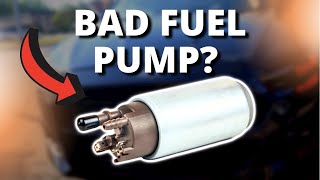
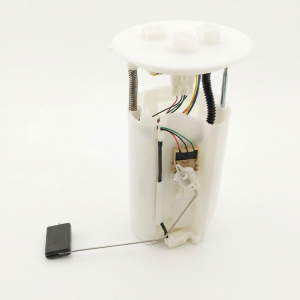
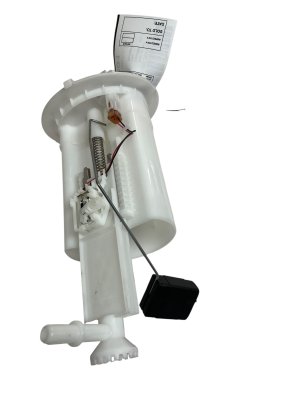
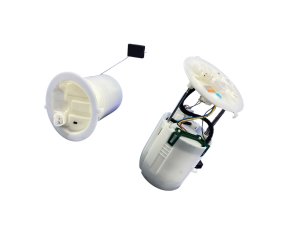
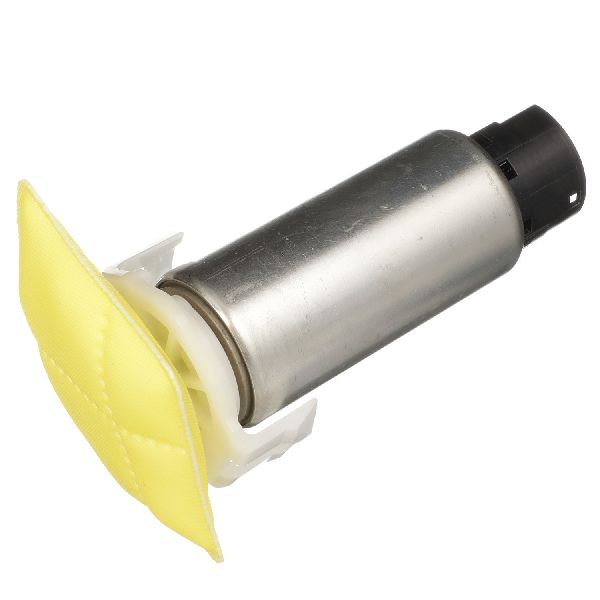
- Failing Low-Pressure Fuel Pump (In-Tank) 🔴 High Probability → Shop Fuel Pump Many 2015-2020 Lexus models, including the GS450h, were equipped with a defective Denso fuel pump impeller that could absorb fuel, deform, and cause the pump to fail. This was the subject of a major safety recall (NHTSA Campaign ID 20V012000, Lexus code 20LA01).
How to confirm: First, check with a Lexus dealer or on the NHTSA website using your VIN to see if the recall applies and was completed. A technician can use a scan tool like Techstream to monitor low-pressure fuel system readings; a significant drop from the target pressure under load indicates a pump or filter issue.
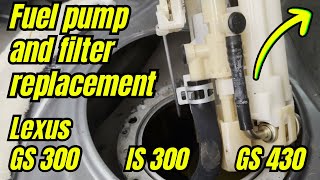
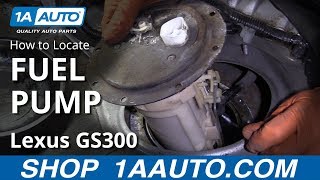
Typical fix: If the recall applies and has not been performed, a Lexus dealer will replace the fuel pump motor free of charge. If the vehicle is not under recall but the pump has failed, the in-tank fuel pump assembly must be replaced. 🎬 Watch this walkthrough on replacing the fuel pump and filter
Est. part cost: $0 (if under recall), $250-$500 (aftermarket), $1600+ (OEM assembly) - Failing High-Pressure Fuel Pump (HPFP) 🟡 Medium Probability → Shop Fuel Pump The HPFP is a mechanical pump driven by the camshaft. As a component with moving parts, it is subject to wear and tear over time. A failure in the pump's internal seals or the cam follower can lead to a loss of pressure. In some cases, improper installation without a gasket has led to catastrophic failure of the follower.
How to confirm: Use a diagnostic scan tool to monitor the high-pressure fuel rail readings. One owner reported seeing actual pressure around 200 kPa when the target was 40-41 MPa (a massive difference). If the low-pressure system is confirmed to be working correctly but the high-pressure side does not meet the target pressure under load, the HPFP is the likely culprit.
Typical fix: Replacement of the high-pressure fuel pump located on the engine.
Est. part cost: $300-$600 (aftermarket), $1500+ (OEM) - Clogged Fuel Filter ⚪ Low Probability → Shop Fuel Filter The fuel filter is integrated into the low-pressure fuel pump module inside the tank. While it can become clogged from contaminated fuel, it's more common for the pump motor itself to fail first. It is typically replaced with the entire pump assembly.
How to confirm: A significant drop in pressure between the fuel tank and the engine would indicate a restriction. Diagnosis is difficult without removing the pump assembly and inspecting the filter sock.
Typical fix: Replacement of the fuel pump module assembly, which includes the filter.
Est. part cost: $250-$500 (aftermarket assembly)
Rare But Worth Checking
- Faulty Fuel Pressure Sensor: → Shop Fuel Pressure Sensor A failing sensor can incorrectly report low pressure to the ECM. A forum member with a GS350 reported fixing P0087 by replacing the low-pressure sensor on the fuel delivery pipe (Part No. 89459-30010 for a similar model), after confirming the pumps were good. A diagnostic tip is to unplug the sensor; if the engine then starts (though it will run in limp mode), the sensor is likely faulty.
- Fuel Pump Control Module Failure: → Shop Fuel Pump The module that commands the in-tank fuel pump can fail, leading to a no-power situation for the pump. This would be diagnosed by checking for power at the fuel pump connector while trying to start the engine.
- Leaking Fuel Injector: → Shop Fuel Injector While less common, a stuck-open fuel injector can cause a drop in rail pressure, potentially triggering P0087. This would usually be accompanied by other codes for a rich condition or misfires on a specific cylinder.
Diagnosis Steps
- Check for any other stored DTCs, paying close attention to lean codes (P0171/P0174) or misfire codes.
- CRITICAL: Enter the vehicle's VIN on the NHTSA or Lexus official recall website to check the status of Safety Recall 20LA01 for the low-pressure fuel pump.
- Connect a diagnostic scan tool (like Toyota Techstream) capable of reading live data. Monitor 'Fuel Press' (low pressure) and 'Fuel Rail Pressure' (high pressure).
- At idle, the low-pressure system should be stable. The high-pressure side should match the 'Target Fuel Rail Pressure'. One user with P0087 saw an actual high pressure of ~200 kPa while the target was ~40,000 kPa (40 MPa), indicating a severe deficit.
- If low-pressure readings are below specification or unstable, the issue is likely the in-tank fuel pump, filter, or control module.
- If low-pressure readings are stable and within spec, but high-pressure readings are well below the target (especially under load), the issue is likely the engine-mounted high-pressure fuel pump (HPFP).
- Visually inspect for any obvious fuel leaks, particularly around the high-pressure pump and fuel lines on the engine.
- As a test for a faulty low-pressure sensor, try disconnecting its electrical connector. If the car, which previously would not start, now starts and idles (likely in limp mode), the sensor is a strong candidate for replacement.
Parts You'll Likely Need
- Low-Pressure Fuel Pump Module
(OEM #23221-31130)— This is the subject of a major safety recall and a very common failure point. It is the primary suspect for P0087 on this vehicle.
Trusted brands: Denso, Delphi
OEM price range: $1600-$1800
Aftermarket price range: $250-$500 - High-Pressure Fuel Pump
(OEM #23100-39645)— The second most likely cause after the low-pressure pump is ruled out. This mechanical pump is a known wear item on direct-injection engines.
Trusted brands: Genuine Lexus/Toyota, Bosch
OEM price range: $1500+
Aftermarket price range: $300-$600
Related Codes That Often Appear With This One
- P0171 — System Too Lean (Bank 1) - Insufficient fuel pressure leads to a lean air/fuel mixture, which this code detects. This is mentioned in TSB L-SB-0005-23.
- P0174 — System Too Lean (Bank 2) - Same as P0171, but for the second cylinder bank. This is also mentioned in TSB L-SB-0005-23.
- P0300-P0306 — Random or specific cylinder misfire codes can occur because the low fuel pressure prevents proper combustion.
Technical Service Bulletins (TSBs) & Recalls
- L-SB-0005-23: Notes that DTC P0087 may be seen with lean codes P0171 and/or P0174, and recommends using Techstream to analyze fuel trim data. This TSB provides the official repair procedure for a related Customer Support Program (23LE01).
Platform-Specific Known Issues
- This vehicle is very likely covered by Lexus Safety Recall 20LA01 (NHTSA Campaign 20V012000) for a defective Denso low-pressure fuel pump that can cause the engine to stall while driving. Owners must verify the recall status of their vehicle immediately, as the repair is performed free of charge by a Lexus dealer.
- Lexus also issued a Customer Support Program (23LE01) related to TSB L-SB-0005-23, extending coverage for repairs related to P0087 and associated lean codes for some vehicles. Check with a dealer for VIN applicability.
Mechanic-Grade Diagnostic Values
- High-Pressure Fuel System (Direct Injection) — expected: 4 to 13 MPa (580 to 1885 psi) depending on engine load.. Failure: A reading that is significantly below the 'Target Fuel Rail Pressure' on a scan tool, such as an actual pressure of 200 kPa when the target is 40,000 kPa, indicates a major failure.
- Low-Pressure Fuel System (In-Tank Pump) — expected: Typically 300 to 400 kPa (44 to 58 psi).. Failure: Pressure below 300 kPa (44 psi) points to a problem with the in-tank pump, its controller, or a clogged filter. A user on a similar platform measured 2 bar (200 kPa) just before the HPFP, which was considered borderline but acceptable.
- Fuel Pressure Sensor Voltage (Key On, Engine Off) — expected: Approximately 0.5V to 1.32V.. Failure: Voltage that is stuck low (near 0V) or high (near 5V) suggests a faulty sensor or a wiring issue.
Hidden / Shadow Codes Worth Checking
- P008700: This is a manufacturer-specific format for the generic P0087 code. It does not provide new information but may be the format displayed on advanced scanners like Techstream. Some TSBs reference the code in this format. (see via Toyota Techstream or other professional J2534-compliant scan tools.)
Scan Tool Commands That Help
- Techstream: Active Test: Control the Fuel Pump / Speed — This allows a technician to command the in-tank low-pressure fuel pump to run independently of the engine. It is crucial for isolating a faulty pump from a control module or wiring issue by verifying if the pump runs and builds pressure when commanded ON.
- Techstream: Data List: Fuel Press & Fuel Rail Pressure — This is the primary diagnostic screen. 'Fuel Press' shows the low-pressure side, and 'Fuel Rail Pressure' shows the high-pressure side. Comparing the 'Fuel Rail Pressure' to the 'Target Fuel Rail Pressure' under various loads (idle, snap acceleration) is essential to determine if the HPFP is failing.
- Techstream: Utility: All Readiness — After a repair, this function can be used to check the DTC judgment result for P0087 to confirm if the malfunction has been resolved without having to complete a full drive cycle.
Wiring & Ground Locations
- Fuel Pump Control Module — On many Lexus models of this era, the fuel pump control module (or driver) is located in the trunk area, often behind the rear seat trim panels or near the spare tire.. This module controls the voltage supplied to the in-tank low-pressure fuel pump. A failure of this module or its wiring/ground can mimic a failed fuel pump, causing P0087. Checking for power and ground at this module is a key diagnostic step.
- Ground Points: A1, A2, B1, B2 — Wiring diagrams for the 2013 GS 450h show several key ground points in the engine compartment: A1 and A2 are at the left rear, B1 is at the right front, and B2 is at the left front of the engine compartment.. The ECM and various fuel system sensors rely on clean ground connections. A corroded or loose ground at one of these primary locations could cause erratic sensor readings or control module behavior, potentially leading to a false P0087 code.
Real Owner Repair Stories
- ClubLexus Forum User (2013 Lexus GS350 (similar 2GR engine and fuel system)) — No-start condition, P0087 code present.
❌ Tried (didn't work) Checked all related fuses and relays (all were good)., Attempted to test for power at the low-pressure fuel pump connector but saw no voltage.
✅ What actually fixed it The problem was a faulty low-pressure fuel sensor on the fuel delivery pipe near the firewall. The owner diagnosed this by unplugging the sensor; the engine then started and ran in limp mode. Replacing the sensor (Part No. 89459-30010) resolved the issue completely.
OEM Part Supersession History
23100-39615, 23100-39617, 23100-39618, 23100-39625→23100-39645, 23100-39646— Standard part revision and improvement over time for the high-pressure fuel pump.
Helpful Videos
Used OEM Parts in Stock
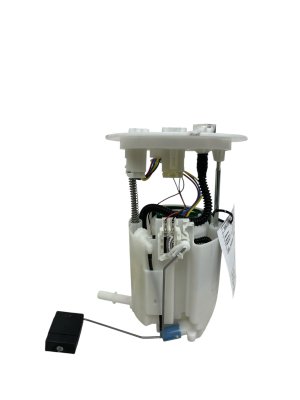
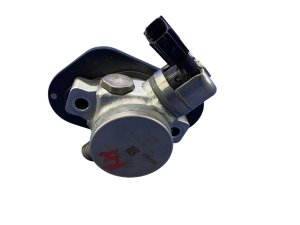
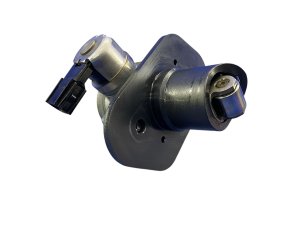
New Aftermarket Parts Available
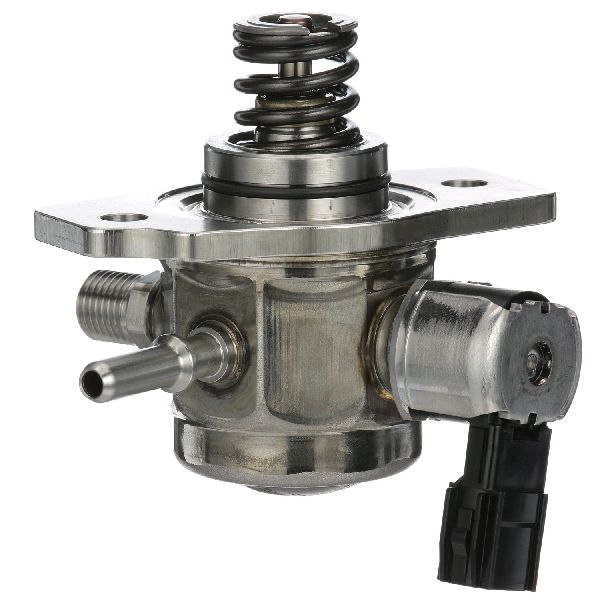


The information in this article is provided for general reference and educational purposes only. Vehicle specifications, procedures, and part compatibility can vary by production date, trim level, and region. Always consult your vehicle's factory service manual and verify part numbers before purchasing or performing repairs. Safety-critical components such as airbags, seat belts, and braking systems should be installed by a qualified professional.
- Lexus GS HYBRID:
- 🧭 Diagnostic Flowchart
- 🎬 Helpful Videos
- 🛍️ Shop This Part
- What's Unique About the 2016-2018 Lexus GS HYBRID
- Symptoms You May Notice
- Most Likely Causes
- Rare But Worth Checking
- Diagnosis Steps
- Parts You'll Likely Need
- Related Codes That Often Appear With This One
- Technical Service Bulletins (TSBs) & Recalls
- Platform-Specific Known Issues
- Mechanic-Grade Diagnostic Values
- Hidden / Shadow Codes Worth Checking
- Scan Tool Commands That Help
- Wiring & Ground Locations
- Real Owner Repair Stories
- OEM Part Supersession History
- 🎟️ Get 5% Off