

P0087 on 2014-2018 Subaru Forester XT 2.0L Turbo: Low Fuel Rail Pressure Causes and Fixes
For a 2014-2018 Forester XT, code P0087 almost always points to a failing high-pressure fuel pump (HPFP). Expect to pay $300-$500 for the part. Before replacing it, verify the in-tank low-pressure pump is working correctly (supplying 49-58 PSI) and that there are no TSBs for an ECM reflash, as its failure can mimic HPFP issues.
- P0087 on your Forester XT means the high-pressure fuel system is failing, which is a serious issue that can leave you stranded.
- The most likely cause is a failed High-Pressure Fuel Pump (HPFP).
- Before spending money on an HPFP, a mechanic must confirm the low-pressure pump is delivering 49-58 PSI to the engine.
What's Unique About the 2014-2018 Subaru Forester
The FA20DIT engine in the Forester XT was one of Subaru's early applications of direct injection turbo technology. This system's complexity, with both low and high-pressure fuel circuits, makes it susceptible to this code. While later Subaru models have well-documented TSBs for P0087 related to pump design, the 2014-2018 Forester XT's issues are primarily known through owner forums and mechanic experience, often pointing towards the high-pressure fuel pump as a common failure point. The same engine is used in the 2015+ Subaru WRX, which shares this vulnerability.
Symptoms You May Notice
- Check Engine Light is on
- Significant loss of power, especially during acceleration or under load
- Engine hesitation, sputtering, or running rough
- Vehicle enters a reduced-power 'limp mode'
- Engine stalling, sometimes without warning, even at highway speeds
- Difficulty restarting the engine, particularly when warm
- Decreased fuel economy
- Rough or unstable idle
- Replacing the fuel rail pressure sensor without verifying that the fuel pumps are functioning correctly.
- Replacing the high-pressure fuel pump (HPFP) without first confirming that the low-pressure fuel pump (LPFP) is supplying it with adequate fuel (49-58 PSI).
Most Likely Causes
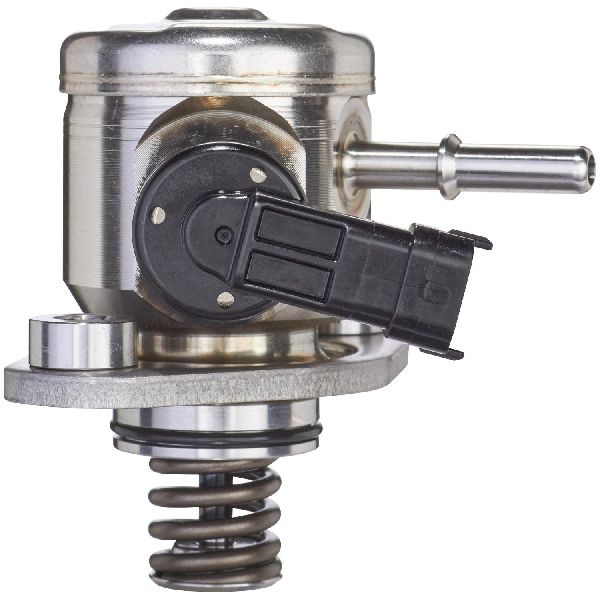
- Failing High-Pressure Fuel Pump (HPFP) 🔴 High Probability → Shop Fuel Pump The HPFP is a known weak point on this direct-injection engine. It is a complex mechanical part that can wear out over time. Later Subaru models using similar systems had TSBs issued for redesigned pumps to address this exact code, indicating a pattern of failure. Manufacturer TSB Bulletin #09-123-24R specifically announces a design change made to the high-pressure fuel pump developed to prevent DTC P0087.
How to confirm: Use a diagnostic scan tool to monitor 'Commanded Fuel Rail Pressure' versus 'Actual Fuel Rail Pressure'. A significant drop in actual pressure under load confirms a high-pressure side issue. A 2014 Forester XT owner on Reddit reported seeing a commanded pressure of 750 PSI while the actual was only 60 PSI, a classic sign of HPFP failure. At idle, pressure should be 580 - 1015 PSI, rising with RPM.
Typical fix: Replace the high-pressure fuel pump.
Est. part cost: $300-$500 - Failing In-Tank Low-Pressure Fuel Pump (LPFP) 🟡 Medium Probability → Shop Fuel Pump The LPFP can weaken and fail to supply the HPFP with enough fuel, especially under 'heat soak' conditions (when the car is hot). This starves the HPFP and produces the same P0087 code. A failing LPFP may also produce a whining or buzzing noise from the fuel tank area.
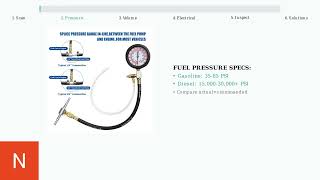
How to confirm: Test the low-pressure fuel system's pressure at the feed line to the HPFP. Expected pressure should be between 49-58 psi (340-400 kPa). The test should be performed when the engine is hot and symptoms are present to catch intermittent failures.
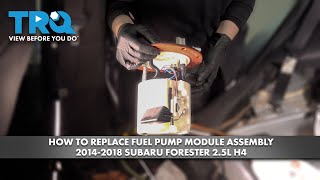
Typical fix: Replace the in-tank low-pressure fuel pump assembly.
Est. part cost: $200-$450 - Clogged Fuel Filter ⚪ Low Probability → Shop Fuel Filter The fuel filter is part of the in-tank fuel pump assembly. While not a common failure point on its own, a severely clogged filter from contaminated fuel can restrict flow and starve the HPFP.
How to confirm: If a low-pressure fuel system test shows low pressure or volume, the filter is a likely suspect. This is diagnosed as part of the LPFP test.
Typical fix: The filter is integrated with the low-pressure fuel pump assembly, so the entire unit is replaced.
Est. part cost: $200-$450
Rare But Worth Checking
- Faulty Fuel Rail Pressure Sensor: → Shop Fuel Pressure Sensor This sensor tells the ECM the pressure in the rail. While it can fail, it's less common than pump failures. It's often misdiagnosed and replaced unnecessarily. Testing the sensor's voltage signal (0.5V-4.5V) is a key diagnostic step before replacement.
- Worn Camshaft Lobe: → Shop Engine Camshaft The HPFP is driven by a lobe on the camshaft. Extreme, high-mileage wear on this lobe could prevent the pump from generating pressure. This is a major mechanical failure and is very rare.
- Damaged or Kinked Fuel Lines: → Shop Fuel Line A physical restriction in the fuel line between the tank and the HPFP can cause a drop in pressure. This is unlikely but should be checked with a visual inspection, especially if the vehicle has been lifted improperly or has underbody damage.
Diagnosis Steps
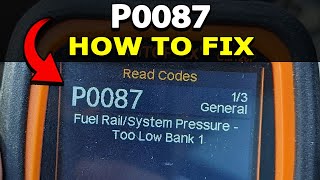
- Connect an OBD-II scanner and confirm P0087 is the primary code. Note any other codes present, such as misfire or injector circuit codes.
- Using the scanner's live data function, monitor 'Commanded Fuel Rail Pressure' and 'Actual Fuel Rail Pressure'.
- Safely test drive the vehicle under load (e.g., accelerating up a hill) and observe if the 'Actual' pressure drops significantly below the 'Commanded' pressure. If it does, a fuel delivery problem is confirmed.
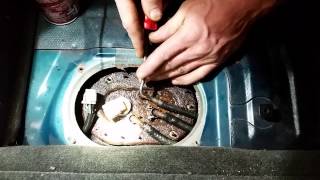
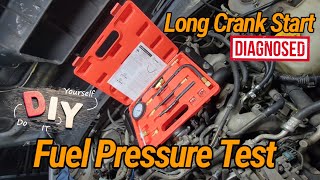
- Test the low-pressure fuel pump's pressure at the feed line to the HPFP. Ensure it meets the manufacturer specification of 49-58 psi, especially when the engine is hot and symptoms are present. 🎬 Watch: How to check fuel pressure on a Subaru
- If low-side pressure is good but high-side pressure drops under load, the HPFP is the most likely culprit.
- If low-side pressure is weak, the issue is with the in-tank pump, its integrated filter, or a restriction in the line.
- Visually inspect all fuel lines for kinks, damage, or leaks.
- Check for any available ECM software updates from a Subaru dealer. TSB Bulletin #09-120-24 notes the availability of new reprogramming files for the ECM developed to remedy P0087 and optimize stabilization.
Parts You'll Likely Need
- High-Pressure Fuel Pump
(OEM #16625AA071)— This is the most common component to fail and cause the P0087 code on the FA20DIT engine.
Trusted brands: Subaru (OEM)
OEM price range: $350-$500
Aftermarket price range: $280-$450 - Low-Pressure Fuel Pump Assembly
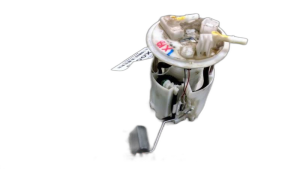
(OEM #42022SG000)— If diagnosis reveals the in-tank pump is failing to supply the HPFP, this assembly (which includes the filter) must be replaced.
Trusted brands: Denso, Subaru (OEM)
OEM price range: $350-$450
Aftermarket price range: $200-$300
Related Codes That Often Appear With This One
- P0300-P0304 — A low fuel pressure condition can lead to lean misfires in one or more cylinders.
- P062D, P1263, P1264 — A Reddit user with a 2014 Forester XT reported these codes alongside P0087, related to fuel injector driver circuit performance, indicating a systemic fuel delivery crisis that can trigger multiple related faults.
- P0016, P0017, P0018, P0019 — These correlation codes are mentioned in TSB Bulletin #09-120-24R as being addressed by the same ECM logic updates that remedy P0087.
Technical Service Bulletins (TSBs) & Recalls
- While no TSBs are specific to the 2014-2018 Forester for P0087, Subaru did issue TSB 09-123-24 for later models (Impreza, Outback, Legacy) with similar direct injection systems. This TSB acknowledges a design flaw in the original HPFP where engine vibrations could cause unstable fuel pressure and advises replacement with a redesigned part. This provides strong circumstantial evidence for the HPFP being a weak point on the FA20DIT as well.
- TSB Bulletin #09-123-24R announces a design change to the high-pressure fuel pump specifically developed to prevent DTC P0087.
- TSB Bulletin #09-120-24R describes enhanced logic for the self-diagnosis program of the ECM to optimize stabilization and remedy P0087.
Mechanic-Grade Diagnostic Values
- Low-Pressure Fuel System Pressure — expected: 49-58 psi (340-400 kPa) at the inlet of the high-pressure fuel pump.. Failure: Pressure consistently below 49 psi, especially when the engine is hot.
- High-Pressure Fuel System Pressure (Live Data) — expected: 580 - 1015 PSI (4.0 - 7.0 MPa) at idle, rising above 2,500-3,000 PSI under load.. Failure: 'Actual Fuel Pressure' on a scan tool significantly lags behind 'Commanded Fuel Pressure' during acceleration.
- Fuel Rail Pressure Sensor Voltage — expected: Signal ranges from ~0.5V (low pressure) to ~4.5V (high pressure).. Failure: Voltage is stuck low, does not change with RPM, or conflicts with a mechanical gauge reading.
- Long-Term Fuel Trim (LTFT) — expected: Ideally within +/- 10%.. Failure: Sustained positive values (e.g., > +15%) indicate the ECU is compensating for a lean condition, which can be caused by low fuel pressure.
Scan Tool Commands That Help
- Subaru Select Monitor (SSM) or equivalent: Reset Fuel Learning Value — This function should be performed after replacing a major fuel system component like the HPFP or injectors to clear long-term fuel trim adjustments and allow the ECM to relearn with the new part.
- Professional Scan Tool: Fuel Pump Driver Circuit Bidirectional Test — This can be used to manually command the fuel pump on/off to test the control circuit's integrity after wiring and sensors have been verified.
- Physical Connectors: Connect Green 'Test Mode' Connectors — Connecting the two green connectors under the driver's side dash puts the vehicle into a diagnostic mode that cycles various relays, including the fuel pump. This allows a technician to check for voltage at the pump without needing to crank the engine.
Wiring & Ground Locations
- Fuel Pump Relay — Located in the main fuse and relay box in the engine compartment, on the driver's side.. A faulty relay can prevent the low-pressure fuel pump from activating, starving the high-pressure pump and causing P0087.
- Low-Pressure Fuel Pump Connector — Under the rear seat, typically on the passenger side, on top of the fuel tank access panel.. This is the primary connection point for testing voltage and ground to the in-tank pump. Corrosion or damage here can cause intermittent pump operation.
- Low-Pressure Fuel Pump Ground — The ground wire is typically a solid Black wire at the fuel pump connector under the rear seat.. A poor ground connection will cause the low-pressure pump to perform weakly or not at all, leading to P0087. Verifying a solid ground is a key electrical diagnostic step.
Real Owner Repair Stories
- Reddit user u/pldns in r/subaru (2014 Subaru Forester XT 2.0L Turbo) — Engine has no power, rough idle.
❌ Tried (didn't work) Initial diagnosis was challenging due to multiple codes.
✅ What actually fixed it Diagnosis pointed definitively to a failed High-Pressure Fuel Pump (HPFP) after live data showed commanded fuel pressure at ~750 PSI while actual pressure was only ~60 PSI. The fix is replacing the HPFP.
OEM Part Supersession History
16625AA070→16625AA071— The part was likely updated to improve reliability and address unstable fuel pressure issues, as noted in TSBs for similar Subaru engines which received a redesigned pump to fix P0087.
Diagnostic Flowchart
Other Known Issues on This Vehicle
Issues unrelated to this code that are worth knowing about as an owner of this generation:
- Intake Valve Carbon Buildup 🟠 Medium — Becomes noticeable around 30k-60k miles, causing rough idle, hesitation, and power loss. Requires periodic cleaning.
- High-Torque CVT (TR690) Reliability 🔴 High — The CVT paired with the turbo engine is a known weak point. Failures can occur, often requiring a full replacement costing $7,000+. Subaru extended the CVT warranty to 10 years/100,000 miles for many vehicles due to complaints. (Ref: Warranty Extension (WTV-78))
- Excessive Oil Consumption 🟠 Medium — While more prevalent on the 2.5L non-turbo engine, some FA20DIT owners report higher than normal oil use, potentially related to PCV system design and piston rings. Frequent oil level checks are recommended. (Ref: Multiple TSBs exist for oil consumption on various Subaru engines.)
- Rear Suspension Coil Spring Failure 🟡 Low — Some 2014 models in particular were prone to rear coil springs breaking. A recall was issued for this problem. (Ref: Recall for faulty rear suspension springs.)
Used vs. New Parts: Buying Guide for This Vehicle
When a used part is the smart pick: For this repair, sourcing used parts is generally not recommended for the fuel pumps. A used fuel rail pressure sensor, fuel lines, or connectors from a reputable salvage yard can be a cost-effective option. A used HPFP is a major gamble.
Donor-vehicle mileage cap: roughly under 60000 miles for the part to have meaningful remaining life.
What to inspect on the donor part:
- For an HPFP, only consider from a very low-mileage, front-end collision donor where the engine was unaffected.
- Inspect electrical connectors for corrosion or damage.
- Avoid parts from vehicles that show signs of sitting for long periods (e.g., heavy rust, water damage).
OEM-only on this vehicle (don't cheap out):
- High-Pressure Fuel Pump (HPFP) - This part is a known failure point and was subject to design revisions. An OEM new part (specifically the latest revision, 16625AA071) is the most reliable fix.
Aftermarket brands forum-validated for this vehicle:
- Denso (for Low-Pressure Fuel Pump Assembly) - Denso is the original equipment manufacturer for many Subaru fuel system components and offers OEM quality.
Brands owners have reported issues with on this vehicle:
- Generic, unbranded 'white-box' fuel pumps from online marketplaces should be avoided due to high failure rates and inconsistent quality control.
Real Owner Stories
Aggregated from forums and TSBs cited above. Mileages and costs reflect what owners reported in those sources.
2014 Forester XT 2.0 turbo
Symptoms: Engine has no power, rough idle, and multiple trouble codes. Scan tool showed the high-pressure fuel system was only reading 60 psi when the target was 750 psi.
What fixed it: The owner performed extensive diagnostics including checking injector resistance (2.0 ohms), HPFP resistance (10.4 ohms), and cleaning grounds on the transmission bellhousing, though the final resolution was not posted after suspecting the ECM.
Source hint: Reddit thread titled 'Forester 2014 trouble' in r/subaru or r/AskMechanics
Related OBD-II Codes
Frequently Asked Questions
Is there a TSB for the High-Pressure Fuel Pump (HPFP) on my 2014-2018 Forester XT?
What should the fuel rail pressure be at idle for my FA20DIT engine?
Can I just replace the fuel filter to fix P0087 on my Forester?
My Forester XT is stalling at highway speeds; could this be the fuel pump?
Does the 2014-2018 Forester have a warranty extension for the transmission that might be related to my power loss?
How do I know if it's the high-pressure pump or the in-tank pump failing?
Helpful Videos
Used OEM Parts in Stock
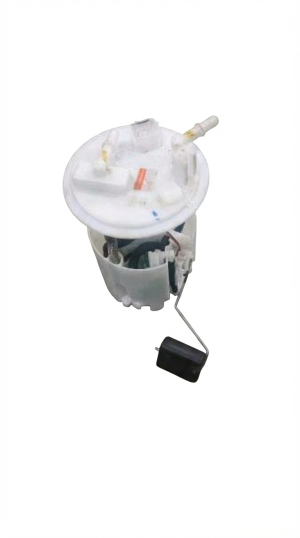
New Aftermarket Parts Available

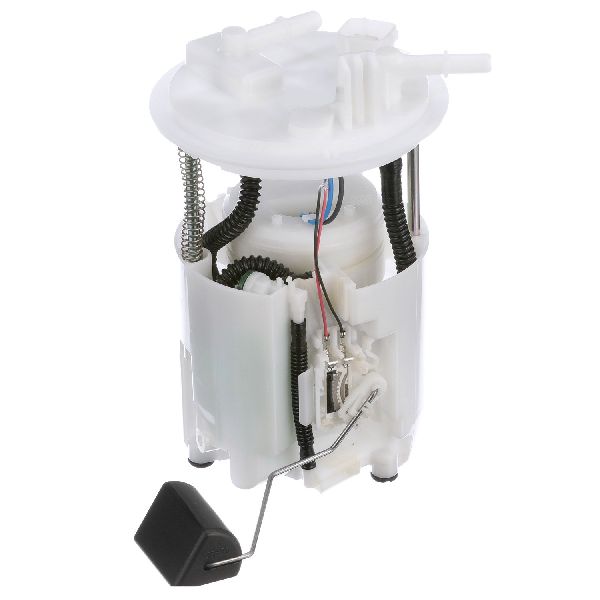

The information in this article is provided for general reference and educational purposes only. Vehicle specifications, procedures, and part compatibility can vary by production date, trim level, and region. Always consult your vehicle's factory service manual and verify part numbers before purchasing or performing repairs. Safety-critical components such as airbags, seat belts, and braking systems should be installed by a qualified professional.
- Subaru Forester:
- 🧭 Diagnostic Flowchart
- 🎬 Helpful Videos
- 🛍️ Shop This Part
- What's Unique About the 2014-2018 Subaru Forester
- Symptoms You May Notice
- Most Likely Causes
- Rare But Worth Checking
- Diagnosis Steps
- Parts You'll Likely Need
- Related Codes That Often Appear With This One
- Technical Service Bulletins (TSBs) & Recalls
- Mechanic-Grade Diagnostic Values
- Scan Tool Commands That Help
- Wiring & Ground Locations
- Real Owner Repair Stories
- OEM Part Supersession History
- Other Known Issues on This Vehicle
- Used vs. New Parts: Buying Guide for This Vehicle
- Real Owner Stories
- 2014 Forester XT 2.0 turbo
- Related OBD-II Codes
- Frequently Asked Questions
- 🎟️ Get 5% Off