

P0087 on 2017-2024 Subaru Forester: Fuel Pressure Too Low Causes & Fixes
On 2019-2024 Foresters with direct injection, P0087 is almost always caused by a faulty high-pressure fuel pump (HPFP) or outdated engine software. Subaru has issued service bulletins for both. An ECM software update at the dealer is the first step, but pump replacement (around $700-$1300) is common. The issue is so well-known that Subaru redesigned the HPFP to address the flaw (TSB 09-123-24).
- For a 2019-2024 Forester, P0087 is a well-known issue with documented fixes from Subaru.
- Always have a dealer check for an ECM software update first; it's the cheapest potential fix and may solve the problem.
- The most likely hardware failure is the high-pressure fuel pump (HPFP), which Subaru redesigned for better reliability.
- This is not a recommended DIY repair due to the very high pressures in the fuel system and the need for specialized diagnostic tools.
What's Unique About the 2017-2024 Subaru FORESTER

The 2019 model year marked the Forester's switch to a direct-injection (DI) fuel system for its 2.5L engine (FB25DI). This introduced a new component, the high-pressure fuel pump (HPFP), which quickly became the primary cause for P0087 codes 🎬 Watch: A quick breakdown of P0087 causes and common fixes. on this platform. Subaru has officially acknowledged this weakness by issuing a Technical Service Bulletin (TSB #09-123-24) for a redesigned HPFP, stating the original's internal discharge valve performance was suboptimal and could cause unstable pressure from engine vibrations. Separate TSBs (#09-120-24R, #09-112-23) were also released for software updates to improve the diagnostic logic, making this a well-documented issue specific to the newer generation.
Diagnostic Flowchart

Tap your situation to follow the diagnostic path that matches what you're seeing on this vehicle.
Generation note: This range covers the end of the 4th generation (SJ, 2017-2018) and the 5th generation (SK, 2019-2024). P0087 issues are most prominently documented for the 5th-gen models due to the introduction of a direct-injection fuel system with a high-pressure fuel pump (HPFP). The 4th-gen Forester (2017-2018) uses a port-injected FB25 engine and is far less likely to see this code, though a failing in-tank pump could still cause it.
Symptoms You May Notice

- Check Engine Light is on
- Engine hesitation or stumbling, especially under acceleration
- Lack of power or poor acceleration
- Engine stalling, sometimes unexpectedly, even at highway speeds
- Rough or unstable idle
- Vehicle enters 'limp mode' with severely restricted power
- Difficulty starting the engine, requiring longer than normal cranking
- A whining or buzzing noise from the fuel tank area, indicating a struggling low-pressure pump
- Replacing the in-tank (low-pressure) fuel pump when the actual fault is with the engine-mounted high-pressure fuel pump (HPFP) or ECM software.
- Replacing the fuel rail pressure sensor without first verifying that the fuel pumps can generate the required pressure and that the ECM software is up to date.
- Replacing the HPFP without first performing the ECM software update, which is a cheaper and very common solution.
Most Likely Causes

- Failing High-Pressure Fuel Pump (HPFP) 🔴 High Probability → Shop Fuel Pump Subaru issued TSB #09-123-24 announcing a redesigned HPFP specifically to prevent DTC P0087, acknowledging a flaw in the original part. The TSB notes the new pump's internal valve was optimized to prevent unstable fuel pressure caused by engine vibrations. This is the most common point of failure for this code on 2019+ models.
How to confirm: A technician can use a scan tool to monitor 'Commanded Fuel Rail Pressure' vs. 'Actual Fuel Rail Pressure'. If the actual pressure consistently fails to meet the commanded pressure under load, the HPFP is the likely culprit. A Reddit user with a 2014 Forester XT noted their scan tool showed a target of 750 psi while the actual reading was only 60 psi, 🎬 Watch: How to diagnose and fix low fuel rail pressure. clearly indicating a high-pressure side failure.
Typical fix: Replace the high-pressure fuel pump with the updated part (OEM #16625AA071).
Est. part cost: $280-$450 - Outdated Engine Control Module (ECM) Software 🔴 High Probability → Shop Engine Control Module (ECM) Subaru released TSBs #09-120-24R and #09-112-23 with new ECM software to remedy this code. The original diagnostic logic may be overly sensitive, triggering the code incorrectly. The TSBs state the new files contain "enhanced logic for the self-diagnosis program of the ECM and to optimize stabilization of fuel pressure."
How to confirm: A Subaru dealership or a properly equipped independent shop can check the vehicle's current software calibration ID and determine if an update is available based on the TSBs.
Typical fix: Reprogram the ECM with the latest software file. This should always be the first step before replacing hardware, as it is the least expensive solution.
Est. part cost: $0 (if under warranty) - $150 (dealer labor) - Failing In-Tank Low-Pressure Fuel Pump 🟡 Medium Probability → Shop Fuel Pump A massive recall and subsequent warranty extension (TSB #09-129-24R) were issued for defective Denso low-pressure fuel pump impellers in many 2018-2020 Subarus, including the Forester. A failing low-pressure pump can starve the HPFP, causing it to underperform and trigger P0087.
How to confirm: Test the fuel pressure from the in-tank pump to ensure it is supplying adequate volume and pressure to the HPFP. If the low-side pressure is below specification, the HPFP is being starved of fuel. A user on the r/SubaruAscent subreddit with a P0087 code confirmed their dealer found the low-pressure pump was not properly supplying fuel to the vehicle.
Typical fix: Replace the in-tank low-pressure fuel pump assembly. Check VIN for recall or warranty extension coverage first. 🎬 See this step-by-step guide for replacing the in-tank fuel pump.
Est. part cost: $200-$460 - Faulty Fuel Rail Pressure Sensor ⚪ Low Probability → Shop Fuel Pressure Sensor
How to confirm: Monitor the sensor's voltage or pressure readings on a scan tool. If the readings are erratic, stuck low, or do not change with engine RPM, the sensor may be faulty. Compare the scan tool reading to a manual pressure gauge; if the gauge shows good pressure but the scan tool shows low pressure, the sensor is likely bad.
Typical fix: Replace the fuel rail pressure sensor.
Est. part cost: $50-$100
Rare But Worth Checking
- Clogged Fuel Filter: → Shop Fuel Filter The primary fuel filter is typically part of the in-tank fuel pump assembly and not serviced separately. This is an unlikely cause unless the vehicle has very high mileage or has been run with contaminated fuel.
- Leaking Fuel Injector: → Shop Fuel Injector A direct injector stuck open can cause a drop in rail pressure, though this would likely be accompanied by other codes like a cylinder misfire (e.g., P030X).
- Worn Camshaft Lobe: → Shop Engine Camshaft The HPFP is driven by a lobe on the camshaft. In very high mileage cases, wear on this lobe could potentially reduce the pump's stroke and its ability to generate pressure, though this is very rare.
Diagnosis Steps
- Check for any Technical Service Bulletins (TSBs) related to P0087 for your specific vehicle VIN. Pay close attention to TSBs for ECM updates and the HPFP design change.
- Using a Subaru-capable scan tool, check if an ECM software update is available. This is the most common and least expensive first step for 2019+ models.
- Scan for any other accompanying fault codes that could provide more clues (e.g., camshaft correlation, misfires).
- Using the scan tool's live data function, monitor both 'Commanded Fuel Rail Pressure' and 'Actual Fuel Rail Pressure'. Start the engine and let it idle, then perform a cautious test drive with varied throttle input.
- If actual pressure drops significantly below commanded pressure under load (e.g., during acceleration), the HPFP is suspect.
- If pressure readings are erratic, nonsensical, or stuck at a low value, test the fuel rail pressure sensor and its wiring. Compare scan tool data to a manual pressure gauge if possible.
- If the high-pressure system seems okay or if the HPFP was replaced without fixing the issue, test the pressure of the low-pressure in-tank fuel pump to ensure it's feeding the HPFP correctly. Check if the vehicle is covered by the low-pressure pump warranty extension (TSB #09-129-24R).
- If a pump failure is suspected, check the engine oil for signs of fuel contamination, which can occur if the HPFP fails internally.
Parts You'll Likely Need
- High-Pressure Fuel Pump
(OEM #16625AA071)— This is the updated, redesigned part from Subaru intended to fix the root cause of P0087, as noted in TSB #09-123-24. The original part, 16625AA070, is prone to failure.
Trusted brands: Subaru (OEM)
OEM price range: $275-$415
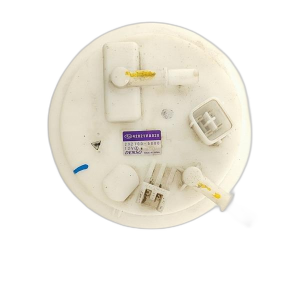
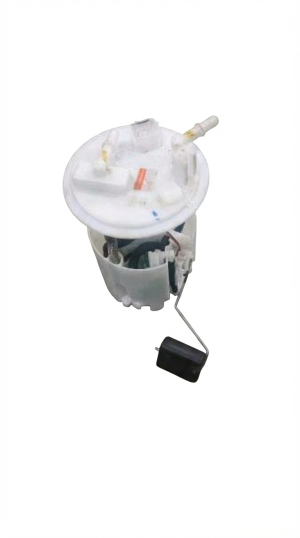
Aftermarket price range: $200-$350 - Low-Pressure In-Tank Fuel Pump Assembly
(OEM #42021FL040)— If the low-pressure side is found to be weak, it can starve the HPFP. This is a known issue covered by a recall and warranty extension on some model years.
Trusted brands: Subaru (OEM), Denso
OEM price range: $450-$670
Aftermarket price range: $250-$400
Related Codes That Often Appear With This One
- P0016, P0017, P0018, P0019 — TSB #09-120-24R and #09-112-23 indicate that the same ECM software update developed to fix P0087 also addresses these camshaft position correlation codes.
- P0088 — This code for 'Fuel Rail/System Pressure - Too High' can sometimes appear intermittently with P0087 if the fuel pressure regulation is erratic due to a failing HPFP or sensor.
- P0300-P0304 — Misfire codes can occur as a direct result of the low fuel pressure condition, as the cylinders are not receiving enough fuel to combust properly.
Technical Service Bulletins (TSBs) & Recalls
- 09-123-24: Announces a design change to the high-pressure fuel pump to prevent DTC P0087.
- 09-120-24R: Details availability of new ECM reprogramming files to fix P0087 and other codes.
- 09-120-24: Announces availability of new ECM reprogramming files to remedy DTC P0087.
- 09-112-23: Announces new ECM reprogramming files for 2019-2022 Forester (among others) to remedy P0087 and camshaft correlation codes.
- 09-129-24R: Details a warranty extension for the low-pressure fuel pump impeller on certain 2018-2019 Forester models.
Platform-Specific Known Issues
- A known design flaw in the original high-pressure fuel pump on 2019+ models prompted Subaru to issue TSB #09-123-24 and release a redesigned pump. The TSB specifically mentions the new pump optimizes an internal valve to prevent unstable pressure from engine vibrations.
- The ECM software on early-build 5th generation Foresters was often too sensitive, leading to false P0087 codes, which is addressed by TSBs #09-120-24 and #09-120-24R.
- Some 2019-2020 Foresters are affected by a recall and warranty extension (TSB #09-129-24R) for the in-tank low-pressure fuel pump, which can also be a cause for this code.
Mechanic-Grade Diagnostic Values
- Low-Pressure Fuel System Pressure — expected: 49-58 psi (340-400 kPa) at the inlet of the high-pressure fuel pump.. Failure: Pressure consistently below 49 psi indicates a failing in-tank pump, clogged filter, or a fault in the low-pressure control system.
- High-Pressure Fuel System Pressure (Live Data) — expected: 580 - 1015 PSI (4.0 - 7.0 MPa) at idle. Pressure should rise with engine RPM, potentially exceeding 3,000 PSI under load.. Failure: If 'Actual Fuel Pressure' on a scan tool consistently lags behind 'Desired Fuel Pressure', especially during acceleration, the HPFP is likely failing.
- High-Pressure Fuel Pump (HPFP) Internal Resistance — expected: 10.1 Ohms +/- 1 Ohm when measured across the terminals of the pump's connector.. Failure: A resistance reading significantly outside of this range can indicate a failing internal control solenoid within the HPFP.
Scan Tool Commands That Help
- Subaru Select Monitor (SSM): Reset Fuel Learning Value — This function should be used after replacing a major fuel system component like the high-pressure fuel pump or injectors. It clears the ECM's long-term fuel trim adjustments, allowing it to re-learn and adapt to the new component's performance characteristics correctly.
Wiring & Ground Locations
- In-Tank Fuel Pump Module Connector — Under the rear passenger-side seat. An access cover on the vehicle floor must be removed to expose the top of the fuel tank and the connector on the pump module.. This is the primary electrical connection for the low-pressure fuel pump. Checking for voltage and a good connection here is a key step in diagnosing if the low-pressure pump is receiving power from the fuel pump control module.
- Fuel Pump Control Module (FPCM) — On many modern vehicles, this module is located near the fuel tank, often bolted to the frame rail or located in a protected area under the rear seat or carpeting.. The FPCM regulates the voltage sent to the in-tank fuel pump. A failure of this module can cause the low-pressure pump to run poorly or not at all, starving the high-pressure pump and triggering P0087.
Real Owner Repair Stories
- Reddit user jobjohnny in r/SubaruAscent (2019 Subaru Ascent with 70,000 miles (engine platform shares DI technology with the Forester)) — After driving for an hour in hot, humid weather, the vehicle would not restart after being shut off for 10-15 minutes. When it did try to start, it would misfire, run terribly, and then stall. After cooling down for two hours, it would start and run normally.
❌ Tried (didn't work) The dealership initially could not replicate the problem by driving the car for short periods around the shop.
✅ What actually fixed it After deeper diagnosis, the dealer found there was almost no pressure on the high-pressure side because the low-pressure in-tank fuel pump was not properly supplying fuel to the engine, a condition that only manifested when the pump became hot.
When the Usual Fixes Don't Work
- While the most common fix for P0087 on the 2019+ Forester is replacing the high-pressure fuel pump (HPFP), this may not always be the root cause. A documented case on a similar Subaru platform showed that a failing low-pressure pump in the fuel tank can cause identical symptoms, but only under specific 'heat soak' conditions. The low-pressure pump worked perfectly when cool but failed when hot, starving the HPFP of fuel. This highlights the importance of diagnosing the entire fuel system, including testing low-side pressure under various temperature conditions, before defaulting to an expensive HPFP replacement.
OEM Part Supersession History
16625AA070→16625AA071— The original pump was prone to failure due to engine vibrations affecting an internal discharge valve. The new part is a redesigned High-Pressure Fuel Pump (HPFP) intended to prevent DTC P0087.
Model Year Variations Within This Range
- 2019 - early 2024: Vehicles produced before the production change noted in TSB #09-123-24 were factory-equipped with the original, failure-prone high-pressure fuel pump (16625AA070). Models produced after the change have the updated part (16625AA071).
- 2019-2022: These model years are the primary targets for the ECM reprogramming TSBs (#09-120-24, #09-120-24R). Later models (2023+) are more likely to have shipped from the factory with the updated software logic already installed, making a software update a less probable fix.
Helpful Videos

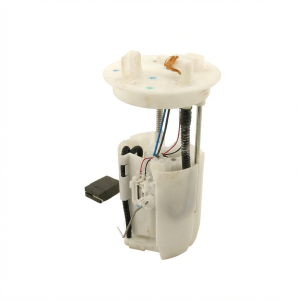
We Have This Part in Stock

The information in this article is provided for general reference and educational purposes only. Vehicle specifications, procedures, and part compatibility can vary by production date, trim level, and region. Always consult your vehicle's factory service manual and verify part numbers before purchasing or performing repairs. Safety-critical components such as airbags, seat belts, and braking systems should be installed by a qualified professional.
- Subaru FORESTER:
- 🧭 Diagnostic Flowchart
- 🎬 Helpful Videos
- 🛍️ Shop This Part
- What's Unique About the 2017-2024 Subaru FORESTER
- Symptoms You May Notice
- Most Likely Causes
- Rare But Worth Checking
- Diagnosis Steps
- Parts You'll Likely Need
- Related Codes That Often Appear With This One
- Technical Service Bulletins (TSBs) & Recalls
- Platform-Specific Known Issues
- Mechanic-Grade Diagnostic Values
- Scan Tool Commands That Help
- Wiring & Ground Locations
- Real Owner Repair Stories
- When the Usual Fixes Don't Work
- OEM Part Supersession History
- Model Year Variations Within This Range
- 🎟️ Get 5% Off