

P0087 on 2018-2020 Toyota Camry: Low Fuel Pressure Causes & Fixes
P0087 on a 2018-2020 Camry almost always indicates a failing low-pressure in-tank fuel pump. This was a widespread issue leading to a massive recall (Toyota 20TA02 / NHTSA 20V-012). The pump's defective Denso impeller can deform and stop working, causing stalling and hesitation. Even if your VIN isn't covered, the pump is the most likely culprit.
- P0087 on a 2018-2020 Camry is most likely a failed in-tank low-pressure fuel pump.
- Check your VIN for Toyota Safety Recall 20TA02, as the repair may be free at a dealership.
- Even if your VIN is not on the recall list, the fuel pump is the primary suspect due to a known manufacturing defect.
- Driving with this code is unsafe due to the high risk of the engine stalling in traffic.
- This code is often accompanied by lean codes P0171/P0174, as confirmed by Toyota TSB T-SB-0009-23.
What's Unique About the 2018-2020 Toyota CAMRY

The 2018-2020 Toyota Camry was part of a massive safety recall for defective low-pressure fuel pumps made by Denso. The pump's impeller could absorb fuel, deform, and cause the pump to stop working, leading to engine stalling. This defect prompted Toyota to recall millions of vehicles across its and Lexus's lineup. As documented in NHTSA owner complaint #11716690, many owners whose vehicles were not officially part of the recall experienced the exact same failure, making the fuel pump the primary suspect for P0087 on this platform regardless of recall status.
Diagnostic Flowchart

Tap your situation to follow the diagnostic path that matches what you're seeing on this vehicle.
Symptoms You May Notice
- Hesitant or sluggish acceleration.
- Engine stalling, sometimes while driving at high speeds.
- Check Engine Light is on.
- Vehicle enters 'limp mode' with reduced power.
- Rough running or engine sputtering.
- Engine cranks but fails to start.
- Whining noise from the fuel tank area.
- Replacing the high-pressure fuel pump (HPFP) when the recalled low-pressure fuel pump (LPFP) is the actual cause. A Tacoma owner reported this exact experience with a dealer.
- Replacing fuel injectors when the issue is a lack of fuel supply.
- Assuming the vehicle is fine because its VIN is not on the recall list, despite exhibiting identical symptoms.
Most Likely Causes

- Failing Low-Pressure Fuel Pump (In-Tank) 🔴 High Probability → Shop Fuel Pump A defective Denso fuel pump impeller was prone to absorbing fuel, deforming, and failing. This prompted Toyota Safety Recall 20TA02 (NHTSA 20V-012), affecting millions of vehicles, including the 2018-2020 Camry. The issue was traced to impellers with lower density plastic that were exposed to production solvents for too long.
How to confirm: First, check if your VIN is included in the recall on Toyota's or NHTSA's website. If not, a technician can perform a fuel pressure test on the low-pressure system. A pressure reading below specification confirms a weak or failed pump. On many Toyotas without a test port, this requires using a T-fitting to connect a gauge in-line.
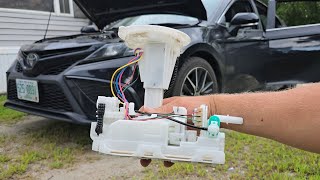
Typical fix: Replace the low-pressure fuel pump assembly located in the fuel tank. Toyota dealers will perform this for free if the vehicle is under recall. The replacement is an improved version of the pump.
Est. part cost: $200-$400 - Clogged Fuel Filter 🟡 Medium Probability → Shop Fuel Filter The fuel filter is integrated into the fuel pump assembly. If the original pump is failing, debris from the deteriorating impeller can clog the filter sock, restricting fuel flow.
How to confirm: A fuel pressure test will show low pressure. Visual inspection of the filter sock during pump replacement may show significant contamination. The filter is not serviced separately.
Typical fix: The fuel filter is replaced as part of the complete fuel pump assembly.
Est. part cost: $0 (included with pump) - Failing High-Pressure Fuel Pump (HPFP) ⚪ Low Probability → Shop Fuel Pump While less common than the low-pressure pump failure, the direct-injection HPFP can also fail. Starvation from a weak low-pressure pump can sometimes put extra strain on the high-pressure pump. However, for this specific vehicle and code, the LPFP is the overwhelming cause.
How to confirm: Requires a scan tool capable of reading high-pressure fuel rail data. If low-pressure system tests are normal but high-pressure readings are below target, the HPFP is suspect. A Tacoma owner with a similar recall issue noted their dealer mistakenly focused on the HPFP first.
Typical fix: Replace the high-pressure fuel pump, which is mounted on the engine.
Est. part cost: $300-$600 - Faulty Fuel Pressure Sensor ⚪ Low Probability → Shop Fuel Pressure Sensor Not a common failure point, but the sensor that reads the fuel rail pressure can fail and send incorrect low-pressure signals to the ECM.
How to confirm: Compare the sensor's reading on a scan tool to a manual pressure gauge connected to the fuel rail. If the readings differ significantly, the sensor is likely faulty.
Typical fix: Replace the fuel pressure sensor.
Est. part cost: $50-$150
Rare But Worth Checking
- Restricted Fuel Line: → Shop Fuel Line A physically kinked or damaged fuel line can restrict flow, mimicking a weak pump. This is unlikely unless the vehicle has undergone recent underbody work or sustained damage.
Diagnosis Steps
- Check the vehicle's VIN for applicability to Toyota Safety Recall 20TA02 / NHTSA Recall 20V-012 regarding the low-pressure fuel pump. This is the most critical first step.
- Connect an OBD-II scanner and check for any other accompanying codes, such as P0171 or P0174, which are often seen with P0087 due to the lean condition caused by low fuel pressure.
- Use a scan tool with live data to monitor fuel rail pressure. Compare the desired pressure with the actual pressure during idle and under load.
- Perform a manual fuel pressure test on the low-pressure side to confirm the output of the in-tank pump. According to TSB T-SB-0009-23, this is a key diagnostic step. If pressure is below specifications, the pump is faulty.
- If low-pressure is adequate, use the scan tool to monitor the high-pressure fuel pump's performance. A failure here would point to the HPFP or its control circuit.
- Inspect for any visible fuel leaks along the lines from the tank to the engine.
- If all pump and pressure tests are normal, test the fuel pressure sensor by comparing its live data reading to a mechanical gauge.
Parts You'll Likely Need
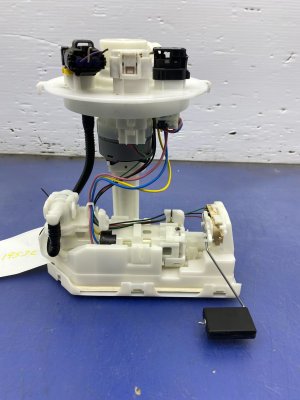
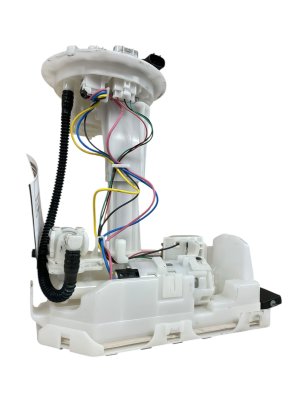
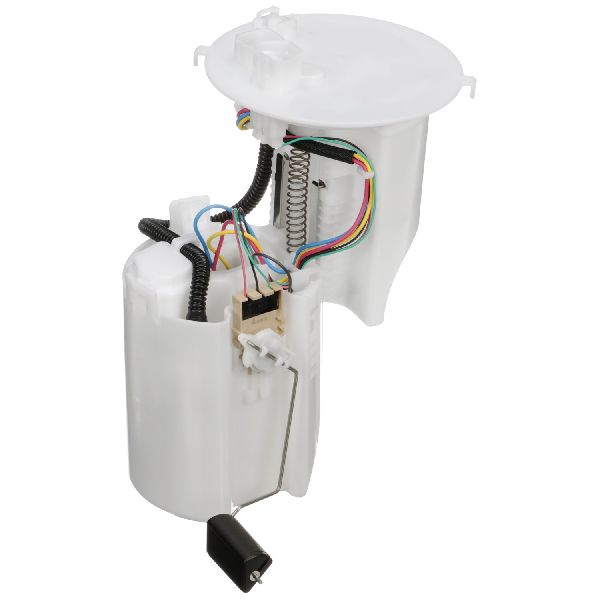
- Low-Pressure Fuel Pump Assembly
(OEM #77020-06520 (Example for 2019 Camry, verify with VIN))— This is the component identified in the massive Toyota safety recall and is the most common cause of P0087 on this vehicle, responsible for supplying fuel from the tank to the engine.
Trusted brands: Denso, Aisin
OEM price range: $300-$450
Aftermarket price range: $200-$350
Related Codes That Often Appear With This One
- P0171 — System Too Lean (Bank 1) - Insufficient fuel pressure leads to a lean air/fuel mixture, which is detected by the oxygen sensors. TSB T-SB-0009-23 specifically links these codes and points to a fuel delivery failure.
- P0174 — System Too Lean (Bank 2) - Same reason as P0171, but for the second bank of cylinders on V6 models. TSB T-SB-0009-23 also links this code.
Technical Service Bulletins (TSBs) & Recalls
- TSB T-SB-0009-23: Links P0087 with lean codes (P0171/P0174) and points towards a no-pressure condition, corroborating a fuel delivery failure. It outlines a diagnostic procedure using Techstream and a manual pressure gauge.
- Recall Communication 20TA02 / 20TB02: This is the official safety recall notice from Toyota which details the defect, the safety risk (stalling at high speed), and the remedy (replace the low-pressure fuel pump with an improved one).
Platform-Specific Known Issues
- Toyota Safety Recall 20TA02 / NHTSA 20V-012: The most critical issue for this vehicle and code. It addresses a defective Denso low-pressure fuel pump that can fail and cause the engine to stall. The recall was expanded multiple times to eventually cover over 3.3 million vehicles.
- Excluded VINs Still Failing: As noted in NHTSA complaint ODI #11716690, some Camry owners have experienced the exact fuel pump failure symptoms and P0087 code, even though their vehicle's VIN was not included in the official recall population. This indicates the problem may be more widespread than the recall covers.
- Remedy Part Backorder: Some owners have reported that even when their vehicle is covered by the recall, the replacement parts can be on backorder, delaying the repair. A Tacoma owner in June 2024 mentioned the dealer was having trouble sourcing the remedy parts.
Mechanic-Grade Diagnostic Values
- High-Pressure Fuel System (D-4S) — expected: 2.4 to 20 MPa (approx. 350 to 2900 psi), varies with engine load.. Failure: Actual pressure on scan tool live data consistently fails to meet target pressure, especially under acceleration.
- Low-Pressure Fuel Pump Resistance — expected: 0.2 to 3.0 Ω at 20°C (68°F).. Failure: Resistance is outside of this range, indicating a fault in the pump motor windings.
- Freeze Frame Data Analysis (for High Altitude/Temp issue) — expected: N/A. Failure: DTC is set when ambient temperature is above 85°F (30°C) AND atmospheric pressure is at or below 12.7 psi.
Hidden / Shadow Codes Worth Checking
- P008700: An extended version of P0087, 'Fuel Rail/System Pressure – Too Low', used in some Toyota ECU logic. (see via Professional scan tools like Toyota Techstream.)
- P107A2A: Fuel Rail Pressure Sensor (Low) Signal Stuck in Range. (see via Often appears with P0087 in specific scenarios, like high altitude and high temperature operation, as documented in Toyota TSBs. Visible with Toyota Techstream.)
Scan Tool Commands That Help
- Toyota Techstream: Active Test: Fuel Pump / SPD or Fuel Pump / Circuit Relay — Use this to manually command the low-pressure fuel pump ON to verify it operates (audible sound from tank) and to check the integrity of the control circuit.
- Toyota Techstream: Active Test: Control the Injection Mode — For advanced diagnosis, this allows a technician to switch between port, direct, or combined injection modes to isolate a pressure drop issue to a specific part of the D-4S system.
Wiring & Ground Locations
- Fuel Pump Control Module — Located in the trunk (boot) of the vehicle.. This module controls the voltage and operation of the in-tank low-pressure fuel pump. A failure in the module or its wiring/connectors can cause low fuel pressure and trigger P0087.
- Low-Pressure Fuel Pump Access Covers — Under the rear passenger seat bottom cushion. There are two access covers for the primary and secondary pump/sender units.. This is the physical access point for testing or replacing the in-tank low-pressure fuel pump, which is the most common cause of P0087.
OEM Part Supersession History
77020-33530→77020-06520— Part update or replacement for the fuel pump assembly.
Model Year Variations Within This Range
- 2018-2020: The primary cause of P0087, the defective Denso low-pressure fuel pump, is a consistent issue across this entire model year range due to the XV70 platform and A25A engine family being used throughout.
Helpful Videos

Used OEM Parts in Stock
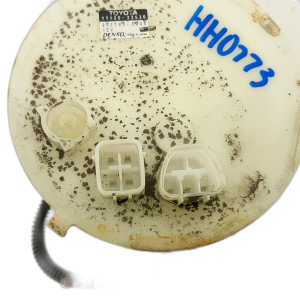
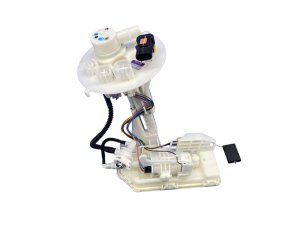
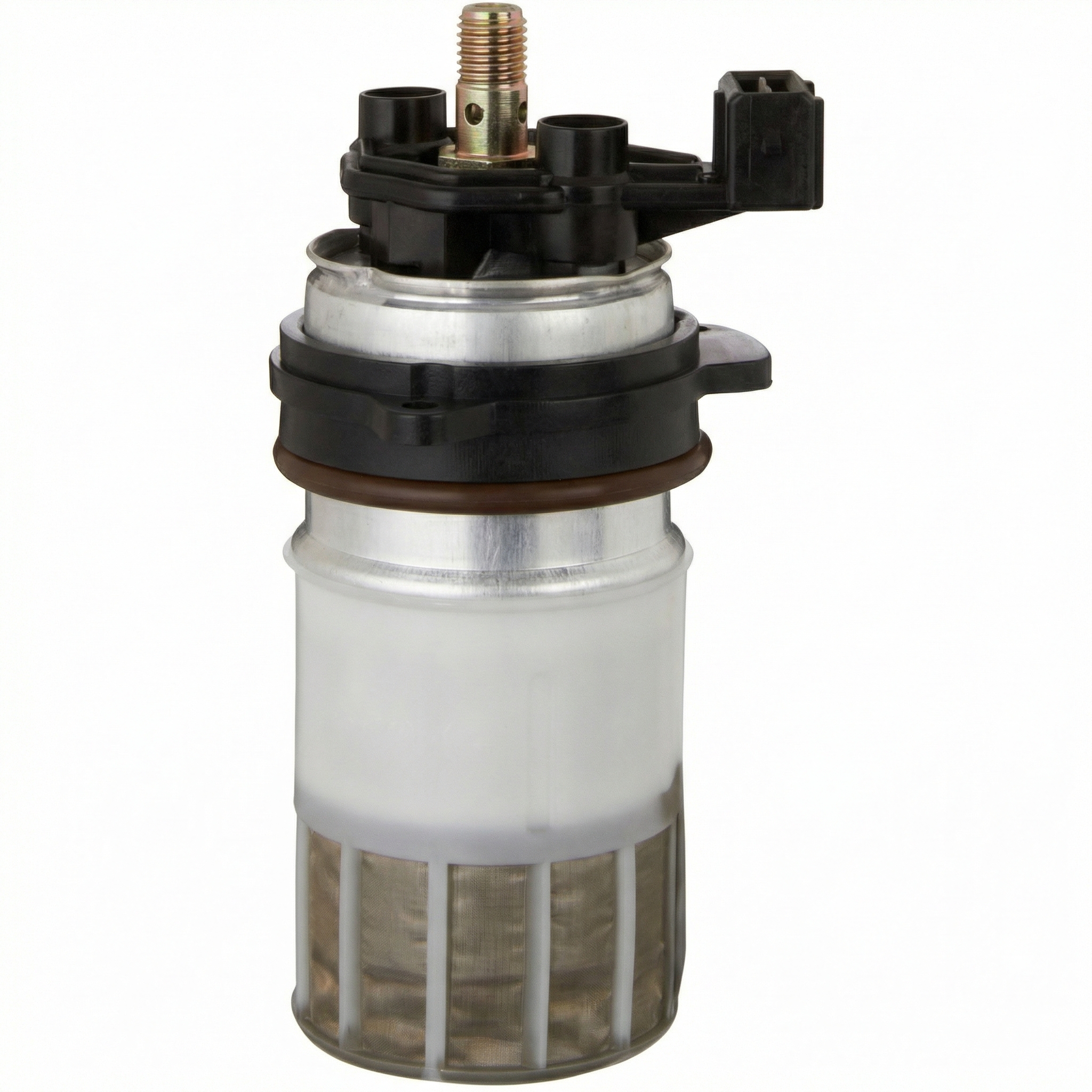
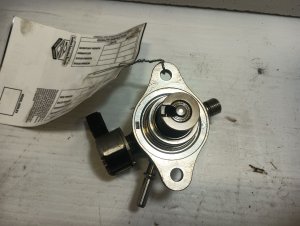
New Aftermarket Parts Available


The information in this article is provided for general reference and educational purposes only. Vehicle specifications, procedures, and part compatibility can vary by production date, trim level, and region. Always consult your vehicle's factory service manual and verify part numbers before purchasing or performing repairs. Safety-critical components such as airbags, seat belts, and braking systems should be installed by a qualified professional.
- Toyota CAMRY:
- 🧭 Diagnostic Flowchart
- 🎬 Helpful Videos
- 🛍️ Shop This Part
- What's Unique About the 2018-2020 Toyota CAMRY
- Symptoms You May Notice
- Most Likely Causes
- Rare But Worth Checking
- Diagnosis Steps
- Parts You'll Likely Need
- Related Codes That Often Appear With This One
- Technical Service Bulletins (TSBs) & Recalls
- Platform-Specific Known Issues
- Mechanic-Grade Diagnostic Values
- Hidden / Shadow Codes Worth Checking
- Scan Tool Commands That Help
- Wiring & Ground Locations
- OEM Part Supersession History
- Model Year Variations Within This Range
- 🎟️ Get 5% Off