

P0088 on 2009-2016 Audi A4 2.0T: Fuel Pressure Too High Causes and Fixes
On the 2009-2016 Audi A4 2.0T, P0088 most often indicates a faulty high-pressure fuel sensor (G247) or a failing high-pressure fuel pump (HPFP). However, a stretched timing chain is a significant and common underlying cause, especially on 2009-2012 models. A worn chain causes the HPFP to pressurize prematurely, triggering the code. Diagnosis must include checking timing correlation (P0016) before replacing fuel components.
- P0088 on a B8 Audi A4 means fuel pressure is too high, not too low.
- Always check for code P0016 alongside P0088. If present, a stretched timing chain is the most likely cause.
- A simple first check is to read the fuel pressure sensor with the engine off. If it's not near zero, the sensor is bad.
- The most common fixes, in order of complexity, are the fuel pressure sensor, the high-pressure fuel pump, or a full timing chain service.
What's Unique About the 2009-2016 Audi A4
For the Audi A4 B8 with the 2.0T CAEB engine, P0088 is not just a simple fuel sensor or pump issue. This engine platform, particularly in the 2009-2012 model years, is known for a faulty timing chain tensioner design that can lead to a stretched or worn timing chain. This timing issue directly affects the mechanical operation of the high-pressure fuel pump, which is driven by a lobe on the intake camshaft. A worn chain alters cam timing, causing the pump to actuate prematurely and generate excessive fuel pressure, which triggers P0088. Therefore, diagnosing this code often requires checking engine timing correlation in addition to the fuel system components.
Symptoms You May Notice
- Check Engine Light is on
- Engine runs rough or hesitates during acceleration
- Reduced engine power or 'limp mode'
- Poor fuel economy
- High-pitched whining noise from the engine bay, especially at idle
- Engine stalling
- Smell of fuel in the engine oil
- Replacing the in-tank low-pressure fuel pump. While a failing LPFP can cause fuel issues (usually low pressure, P0087), it is not a typical cause for the P0088 high-pressure code.
- Replacing the High-Pressure Fuel Pump (HPFP) without first checking the timing chain status. Many owners and shops have spent money on a new pump only to find the P0088 code returns because the underlying issue was a stretched chain.
Most Likely Causes
- Faulty Fuel Pressure Sensor (G247) 🔴 High Probability → Shop Fuel Pressure Sensor The sensor can fail electronically, sending incorrect high-voltage signals to the ECM, which are interpreted as high pressure. Audi issued a TSB (2027306/4) that includes a diagnostic procedure for this sensor because it's a common fault.
How to confirm: Use a diagnostic scan tool to monitor fuel rail pressure with the engine off (KOEO). If the pressure reads significantly above 5-10 bar, the sensor is likely faulty. Compare the sensor's reading to a mechanical fuel pressure gauge; a difference greater than 500 kPa (72.5 PSI) indicates a bad sensor per TSB 2027306/4.
Typical fix: Replace the fuel pressure sensor located on the high-pressure fuel rail.
Est. part cost: $50-$150 - Stretched Timing Chain 🟡 Medium Probability → Shop Engine Timing Chain Early versions of the CAEB engine (approx. 2009-2012) used a timing chain tensioner prone to failure, leading to chain stretch. This alters the timing between the crank and the cam that drives the HPFP, causing incorrect pump actuation and pressure spikes. This is a very common root cause for P0088 on this engine.
How to confirm: Check for code P0016 (Cam/Crank Incorrect Correlation) stored alongside P0088. Use a scan tool to check camshaft phase adjustment/adaptation values (MVB 208/209 or IDE00182/IDE00184). A deviation of 8 degrees or more indicates a stretched chain. A physical inspection of the tensioner extension through the inspection port on the lower timing cover is also a definitive check.
Typical fix: Replace the timing chain, tensioner, and all related guides. This is a labor-intensive job.
Est. part cost: $400-$800 - Failing High-Pressure Fuel Pump (HPFP) 🟡 Medium Probability → Shop Fuel Pump The internal pressure regulating valve (N276) on the pump can fail or stick, causing the pump to generate excessive pressure. While the pump can fail, it is often replaced unnecessarily when the root cause is the timing chain or sensor.
How to confirm: After ruling out the sensor and timing chain, the HPFP is the next logical suspect. Diagnosis involves monitoring specified vs. actual fuel pressure while running; if actual pressure is consistently and uncontrollably high, the pump's regulator has likely failed. A user on the Ross-Tech forums confirmed a new, but faulty aftermarket HPFP was the cause of their P0088 code.
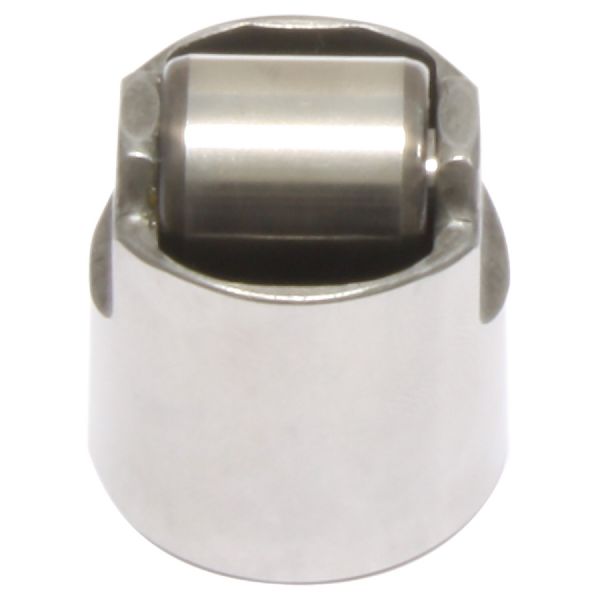
Typical fix: Replace the entire high-pressure fuel pump assembly. It is critical to also replace the cam follower (tappet) at the same time to prevent damage to the new pump.
Est. part cost: $250-$500
Rare But Worth Checking
- Restricted Fuel Return Line: A blockage or kink in the fuel return line can prevent excess pressure from bleeding off, causing it to build up in the rail. This is uncommon but worth checking if other diagnoses are inconclusive.
- Wiring Issue to G247 Sensor or N276 Regulator: Damaged wiring or a corroded connector can cause erratic signals, leading the ECM to misinterpret fuel pressure. Check the harness for any visible damage, especially near hot engine components.
Diagnosis Steps
- Connect a diagnostic scan tool (VCDS is recommended for VW/Audi) and check for any other stored fault codes, paying close attention to P0016.
- Access live data and monitor 'Specified' vs. 'Actual' fuel rail pressure. Also, note the camshaft phase adaptation value (e.g., in MVB 208/209).
- Timing Chain Check: If the camshaft phase adaptation value is 8 degrees or more, the timing chain has stretched and needs to be replaced. This is the likely root cause if code P0016 is also present. This should be the first mechanical check.
- Sensor Check: With the engine off (Key On, Engine Off), observe the 'Actual' fuel pressure reading. It should be near ambient pressure (5-10 bar). If it shows significant pressure (e.g., over 50 bar), the G247 sensor is faulty and should be replaced.
- Pump/Regulator Check: If the timing and sensor are confirmed to be good, start the engine. If the 'Actual' pressure is much higher than 'Specified' pressure at idle and does not respond correctly to changes in engine load, the high-pressure fuel pump or its internal regulator (N276) is likely at fault.
- Inspect wiring and connectors for the fuel pressure sensor (G247) and high-pressure fuel pump for any damage or corrosion.
- If all else fails, inspect the fuel return line for any kinks or blockages that could trap pressure in the system.
Parts You'll Likely Need
- High-Pressure Fuel Rail Sensor
(OEM #06J906051D)— This sensor is a common failure point and often sends erroneous high-pressure readings to the ECM. It's the simplest and cheapest component to replace first.
Trusted brands: Bosch, Genuine VW/Audi
OEM price range: $100-$150
Aftermarket price range: $50-$90 - High-Pressure Fuel Pump (HPFP)
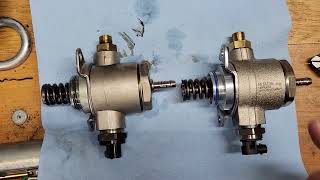
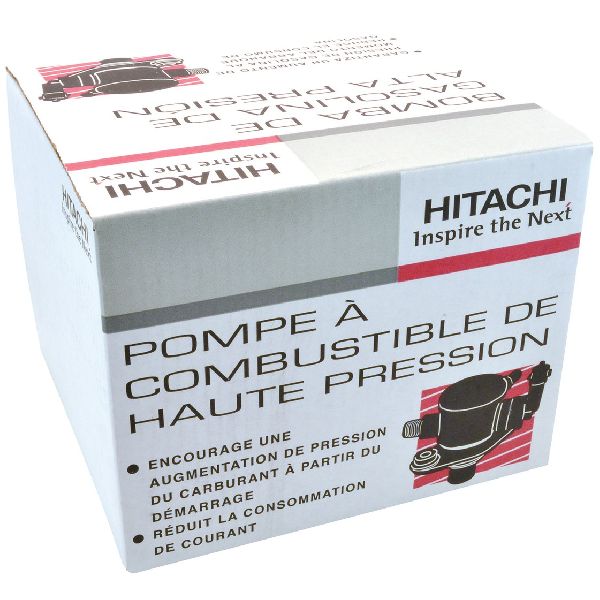
(OEM #06H127025Q)— The pump's internal regulator can fail, causing it to over-pressurize the fuel rail. This is a common cause after the sensor is ruled out. Part number 06H127025Q is the latest revision, superseding versions ending in K, M, E, G, N, and P.
Trusted brands: Bosch, Hitachi, Genuine VW/Audi
OEM price range: $400-$600
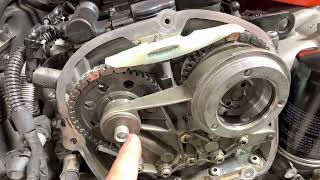
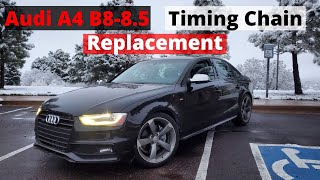
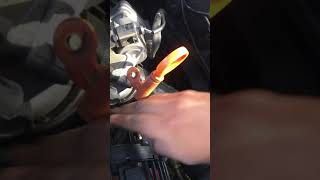
Aftermarket price range: $250-$350 - Timing Chain Kit — A stretched timing chain is a major underlying cause of P0088 on this engine. The fix requires replacing the chain, tensioner, and guides. 🎬 Watch: Complete walkthrough of the timing chain kit installation. A Reddit user emphasized not to buy a B8 A4 without proof this job has been done.
Trusted brands: Iwis, INA, FCP Euro Kit, Genuine VW/Audi
OEM price range: $600-$800
Aftermarket price range: $400-$600
Related Codes That Often Appear With This One
- P0016 — Stands for 'Crankshaft/Camshaft Position Correlation'. Its presence with P0088 is a very strong indicator that a stretched timing chain is the root cause of the high fuel pressure.
- P119A — This is a manufacturer-specific code for a fuel pressure sensor (G247) malfunction. It directly points to a problem with the sensor or its circuit and is often listed in the same TSB as P0088.
- P0087 — Stands for 'Fuel Rail/System Pressure - Too Low'. While it's the opposite of P0088, the same components (HPFP, sensor) can cause either code at different stages of failure. A user on an Audi owners club forum reported seeing both codes when their HPFP failed and produced metal flakes.
- P2293 — Stands for 'Fuel Pressure Regulator 2 Performance'. This code often appears with P0088 and points towards an issue with the high-pressure fuel system, either the HPFP itself or the sensor. A forum user reported this code alongside P0088, which was ultimately traced to a timing chain issue.
Technical Service Bulletins (TSBs) & Recalls
- Audi TSB 2027306/4 (Also referenced as 01-14-01): Addresses
Platform-Specific Known Issues
- A class-action lawsuit was filed regarding the failing timing chain tensioner on 2009-2012 2.0T TFSI engines, which is a primary cause of chain stretch leading to this code.
- Another class-action lawsuit addressed excessive oil consumption on 2009-2011 models with the CAEB engine, due to faulty piston rings. While not a direct cause of P0088, poor oil maintenance or low oil levels resulting from this issue can accelerate timing chain and tensioner wear.
Mechanic-Grade Diagnostic Values
- High-Pressure Fuel Rail at Idle (Warm Engine) — expected: Approx. 40 bar (4,000 kPa or 580 PSI).. Failure: Consistently reading double the specified value (e.g., 80 bar) points towards a mechanical over-pressurization from a timing issue or faulty HPFP.
- High-Pressure Fuel Rail Under Load — expected: Ramps up to 110+ bar.. Failure: If actual pressure significantly and uncontrollably exceeds specified pressure, the HPFP's internal regulator (N276) is likely faulty.
- Camshaft Adaptation Phase Position (VCDS Adv. Meas. Block IDE00184 or MVB 209) — expected: Between 0 and -4.0 degrees at idle.. Failure: A value greater (more negative) than -5.0 degrees (e.g., -8.0 degrees) is a strong indication of a stretched timing chain.
- Fuel Pressure Regulator Valve (N276) Resistance — expected: Approximately 1.0 to 5.0 Ω.. Failure: A reading of 0 ohms indicates a dead short, while a significantly higher reading (e.g., 15 Ω or 34k Ω) indicates a faulty solenoid coil.
- Fuel Pressure Sensor (G247) Signal Voltage (KOEO) — expected: ~0.5V.. Failure: Voltage significantly higher than 0.5V with no actual pressure, or a signal greater than 4.8V, suggests an internal sensor failure or a short to power.
- G247 Sensor Wiring Harness Resistance — expected: Less than 1.5 Ω between the sensor connector and the corresponding ECM connector pins.. Failure: Resistance higher than 1.5 Ω indicates a problem in the wiring harness, such as corrosion or a break.
Scan Tool Commands That Help
- VCDS (VAG-COM): Advanced Measuring Values (UDS) or Measuring Blocks (CAN) - Groups 106, 140, 141 — To log 'Fuel Rail Pressure (Specified)' vs. 'Fuel Rail Pressure (Actual)'. This is the primary method to observe if the HPFP is meeting the ECM's request under different loads (idle, WOT) and to identify the over-pressure condition.
- VCDS (VAG-COM): Advanced Measuring Values (UDS) or Measuring Blocks (CAN) - Groups 208, 209 or IDE00182/IDE00184 — To check the 'Camshaft phase adjustment' values. This is critical for diagnosing a stretched timing chain, a common root cause of P0088 on this engine. A deviation of 8 degrees or more indicates a problem.
- ODIS (VW/Audi Dealer Tool): Guided Fault Finding / Test Plan for N276 Fuel Pressure Regulator Valve — This function actively cycles the N276 solenoid on the HPFP. The technician should listen for an audible 'click' from the pump. An absent or weak click confirms a faulty HPFP regulator, as detailed in VW Technical Bulletins.
Wiring & Ground Locations
- Ground Point on Engine Block — Main ground strap from engine/gearbox to the chassis. On the B8 platform, a key engine ground is located on the cylinder head.. The HPFP (with its N276 regulator) and the G247 sensor rely on a stable ground reference. A corroded or loose engine ground can cause erratic voltage readings and actuator behavior, potentially mimicking a sensor or pump failure.
- G247 Sensor Connector — On the end of the high-pressure fuel rail, located under the plastic intake manifold.. This 3-pin connector provides the G247 sensor with a 5V reference, ground, and returns the signal voltage. Check for corrosion or damaged pins. Pin 3 should have a constant 5V reference from the ECM.
- N276 Regulator Valve Connector — The 2-pin black electrical connector on the High-Pressure Fuel Pump (HPFP) itself.. This connector provides the PWM signal from the ECM to control fuel pressure. A damaged connector or wiring here will cause an open circuit (P2294) or prevent the pump from regulating pressure correctly, leading to P0088 or P0087.
Real Owner Repair Stories
- Ross-Tech Forums user (2011 Audi Q5 2.0T) — P0088 Fuel Pressure too high error after replacing cylinder head and timing components. Car ran smoothly but had fuel rail pressure about double the specified value.
❌ Tried (didn't work) Replacing the fuel pressure sensor (G247)., Installing a new (aftermarket from China) High-Pressure Fuel Pump, which caused the car to run poorly.
✅ What actually fixed it The user determined the aftermarket HPFP's drive cam was timed slightly differently. The final fix was to reinstall the old pump and physically adjust its mounting position to the limit of the bolt holes to slightly retard its timing. This brought the pressure closer to spec and cleared the P0088 code, confirming the issue was the mechanical timing of the pump itself. - Ross-Tech Forums user (2007 Audi A4 2.0T) — P2294 - Fuel Pressure Regulator Valve (N276) Open Circuit, Intermittent.
❌ Tried (didn't work) Checking wiring with an ohm meter and load testing., Tugging and reseating the wiring harness.
✅ What actually fixed it Replacing the High-Pressure Fuel Pump (which includes the N276 valve) resolved the intermittent open circuit fault. This indicates the break was internal to the valve's coil winding.
OEM Part Supersession History
06H127025E, 06H127025G, 06H127025K, 06H127025M, 06H127025N, 06H127025P→06H127025Q— Multiple revisions to improve reliability and performance of the high-pressure fuel pump.
Heads up: All previous part numbers are superseded by 06H127025Q. It is critical to install the latest revision to ensure longevity.06J906051B→06J906051D— Revision to the G247 fuel pressure sensor to improve accuracy and reliability.
Heads up: One forum user noted that after replacing their HPFP, they were advised by a dealer that they should have also replaced the G247 sensor with the superseded part number to ensure compatibility and correct readings.
Model Year Variations Within This Range
- 2009-2012: These earlier B8 models are equipped with a timing chain tensioner design that is highly prone to failure. This leads to chain stretch, which is a primary underlying cause of P0088. Later B8.5 models (2013-2016) use an updated tensioner design that is more robust.
Diagnostic Flowchart
Other Known Issues on This Vehicle
Issues unrelated to this code that are worth knowing about as an owner of this generation:
- Excessive Oil Consumption 🔴 High — Very common on 2009-2011.5 CAEB engines. Often requires adding 1 quart of oil every 1,000-1,500 miles. (Ref: Subject of a class-action lawsuit (Asghari v. Volkswagen Group of America Inc.). The settlement offered a two-stage fix, but has since expired.)
- Timing Chain Tensioner Failure 🔴 High → Shop Engine Timing Chain — Common on pre-2013 models with the original tensioner design. Failure can occur as early as 60,000 miles, leading to catastrophic engine damage if not addressed. (Ref: Subject of a class-action lawsuit. An updated tensioner part was released.)
- Water Pump / Thermostat Housing Failure 🟠 Medium — Common failure item, often between 60,000-100,000 miles. The original plastic housing is prone to cracking and leaking. (Ref: Class-action lawsuits have been filed regarding the premature failure of the plastic water pump. Upgraded aftermarket aluminum housings are a popular fix.)
- PCV Valve (Oil Separator) Failure 🟠 Medium — The diaphragm inside the PCV can tear, typically around 50,000-80,000 miles, causing a high-pitched whistle, rough idle, and increased oil consumption. (Ref: Audi's first step in the oil consumption fix was often to replace the PCV with an updated version to lower crankcase pressure.)
- Intake Manifold Runner Flap Issues 🟡 Low — The plastic intake manifold on earlier models (pre-2012) can have issues with the runner flaps sticking or the actuator motor failing, causing fault codes and minor performance issues.
- Carbon Buildup on Intake Valves 🟠 Medium — As a direct-injection engine, fuel does not wash over the intake valves. Carbon deposits build up over time (typically noticeable by 60,000-80,000 miles), causing misfires, rough idle, and reduced performance.
Used vs. New Parts: Buying Guide for This Vehicle
When a used part is the smart pick: For this specific fault, using used parts is generally not recommended for the primary components. However, a used wiring harness pigtail for the G247 or N276 connector could be a cost-effective repair if only the connector is damaged. A used fuel rail (the metal pipe only, without sensor or injectors) is also a safe bet if the original is physically damaged.
Donor-vehicle mileage cap: roughly under 60000 miles for the part to have meaningful remaining life.
What to inspect on the donor part:
- For any electronic component, verify the part number is the latest revision (e.g., 06H127025Q for the HPFP).
- Ask for the VIN of the donor car to check its model year and look for evidence of regular maintenance.
- Avoid parts from vehicles that show signs of a major collision, fire, or flood damage.
- Inspect connectors for any signs of corrosion, bent pins, or brittle plastic.
OEM-only on this vehicle (don't cheap out):
- Timing Chain Kit: This is a critical, high-labor job. Using non-OEM or used parts introduces a significant risk of premature failure, leading to catastrophic engine damage. Always use a high-quality kit from an OEM supplier like Iwis or INA.
- High-Pressure Fuel Pump (HPFP): Given the high failure rate and the risk of receiving an out-of-spec aftermarket unit, sticking with an OEM pump (Bosch or Hitachi) of the latest revision (06H127025Q) is the safest choice.
- Fuel Pressure Sensor (G247): This is a sensitive electronic part critical for correct engine operation. Aftermarket sensors have a higher rate of being dead-on-arrival or failing prematurely. Use a Bosch or Genuine VW/Audi part.
Aftermarket brands forum-validated for this vehicle:
- Bosch (for HPFP and G247 sensor)
- Hitachi (for HPFP)
- Iwis (for Timing Chains)
- INA (for Timing Chain Tensioners and Guides)
Brands owners have reported issues with on this vehicle:
- Unbranded/generic HPFPs from online marketplaces: As documented in forums, these can be manufactured with incorrect mechanical timing, causing persistent P0088 codes or poor performance even when new.
Real Owner Stories
Aggregated from forums and TSBs cited above. Mileages and costs reflect what owners reported in those sources.
2009-2016 Audi A4 2.0T
Symptoms: The Check Engine Light was on with codes P2293 and P0088. The owner initially replaced the fuel pressure sensor, but it did not fix the problem.
What fixed it: The final fix was a new timing chain and tensioner, as the timing was found to be off by one tooth.
Source hint: AudiForums.com - 'CEL P2293 and P0088' thread
2009-2016 Audi A4 2.0T
Symptoms: The owner monitored fuel pressure and observed it spiking to double the normal values, leading to questions about a faulty regulator or sensor.
What fixed it: The technician advises that a worn timing chain causes the intake cam to pressurize the HPFP prematurely; the recommended fix is checking and replacing the tensioner/chain.
Source hint: YouTube - 'Audi Q5, A4, A3, A6 2.0l Turbo “P0088 Fuel pressure too high” how to fix.'
2009-2016 Audi A4 2.0T
Symptoms: The owner experienced a P0088 code and discovered the issue was caused by a component that was recently replaced.
What fixed it: Replacing a faulty aftermarket high-pressure fuel pump (HPFP) with a functional unit.
Source hint: Ross-Tech Wiki / forums
Related OBD-II Codes
Frequently Asked Questions
Does Audi TSB 2027306/4 apply to my A4's high fuel pressure issue?
Can the timing chain tensioner issue on my 2010 Audi A4 cause a P0088 code?
I have a P0088 code; should I replace the High-Pressure Fuel Pump (HPFP) first?
Is there a specific part number for the HPFP if I need to replace it on my 2.0T TSI?
Could my Audi's excessive oil consumption be related to the P0088 fuel rail pressure code?
How can I confirm if my fuel pressure sensor (G247) is the problem?
Helpful Videos
We Have This Part in Stock


The information in this article is provided for general reference and educational purposes only. Vehicle specifications, procedures, and part compatibility can vary by production date, trim level, and region. Always consult your vehicle's factory service manual and verify part numbers before purchasing or performing repairs. Safety-critical components such as airbags, seat belts, and braking systems should be installed by a qualified professional.
- Audi A4:
- 🧭 Diagnostic Flowchart
- 🎬 Helpful Videos
- 🛍️ Shop This Part
- What's Unique About the 2009-2016 Audi A4
- Symptoms You May Notice
- Most Likely Causes
- Rare But Worth Checking
- Diagnosis Steps
- Parts You'll Likely Need
- Related Codes That Often Appear With This One
- Technical Service Bulletins (TSBs) & Recalls
- Platform-Specific Known Issues
- Mechanic-Grade Diagnostic Values
- Scan Tool Commands That Help
- Wiring & Ground Locations
- Real Owner Repair Stories
- OEM Part Supersession History
- Model Year Variations Within This Range
- Other Known Issues on This Vehicle
- Used vs. New Parts: Buying Guide for This Vehicle
- Real Owner Stories
- 2009-2016 Audi A4 2.0T
- 2009-2016 Audi A4 2.0T
- 2009-2016 Audi A4 2.0T
- Related OBD-II Codes
- Frequently Asked Questions
- 🎟️ Get 5% Off