

P0088 on 2015-2018 GMC Savana: Fuel Pressure Too High Causes & Fixes (Gas & Diesel)
P0088 on a 2015-2018 GMC Savana indicates fuel pressure is too high. For gas engines (4.8L/6.0L), this is often a bad fuel pressure sensor, a faulty in-tank fuel pump/regulator, or a failing Fuel Pump Driver Module (FPDM). For the 2.8L Duramax diesel, the high-pressure fuel pump is a primary suspect. Fuel contamination is a known issue across all engines per GM TSBs.
- P0088 on a 2015-2018 Savana means fuel pressure is too high, which is a serious issue that should be addressed promptly.
- Unlike many vehicles, a key cause for this code on the Savana is fuel system contamination, as documented in multiple GM service bulletins.
- Diagnosis should always start by comparing a mechanical fuel pressure gauge reading to the scanner's data to determine if the fault is with the sensor or a mechanical part.
- The most common parts to fail are the fuel rail pressure sensor and the high-pressure fuel pump.
- Due to the fire risk associated with high-pressure fuel systems, professional service is strongly recommended for this repair.
What's Unique About the 2015-2018 Gmc SAVANA
The diagnostic approach for P0088 on a 2015-2018 GMC Savana is highly dependent on the engine. For the common gasoline V8s (4.8L, 6.0L), which are port-injected, the code points to a failure in the pressure regulation system, such as the in-tank pump's regulator or the Fuel Pump Driver Module (FPDM). Conversely, for the optional 2.8L Duramax diesel, the code points to a more conventional high-pressure common-rail system fault, likely the high-pressure pump or its regulator. Across all powertrains, GM has issued multiple Technical Service Bulletins (TSBs) linking P0088 to fuel system contamination, making debris inspection a critical and unique diagnostic step for these vans.
Diagnostic Flowchart
Tap your situation to follow the diagnostic path that matches what you're seeing on this vehicle.
Symptoms You May Notice
- Check Engine Light is on.
- Hard starting or no-start conditions.
- Rough running, surging, or stalling.
- Reduced engine power and poor acceleration (limp mode).
- Decreased fuel economy.
- Black smoke from the exhaust.
- Strong smell of raw fuel.
- Replacing the fuel pressure sensor without first verifying with a mechanical gauge if the pressure is actually high.
- On gasoline engines, assuming a GDI-style high-pressure pump has failed, when none exists.
- On diesel engines, replacing just the high-pressure pump without cleaning the entire fuel system when metallic contamination is present, leading to repeat failure of the new pump.
Most Likely Causes
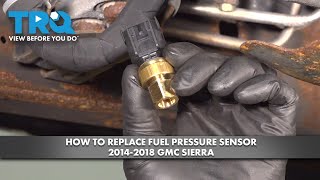
- Faulty Fuel Rail Pressure Sensor 🔴 High Probability → Shop Fuel Pressure Sensor The sensor can fail and send erroneously high voltage signals to the ECM, making it think the pressure is high when it is actually normal.
How to confirm: Use an OBD-II scanner to compare the live fuel pressure data with a reading from a mechanical fuel pressure gauge. If the scanner shows high pressure but the mechanical gauge shows normal pressure, the sensor is likely bad. With the engine off, the sensor should read near zero; a high reading indicates a faulty sensor.
Typical fix: Replace the fuel rail pressure sensor.
Est. part cost: $50-$150 - (Gasoline Engines) Faulty Fuel Pump Assembly or Fuel Pressure Regulator 🟡 Medium Probability → Shop Fuel Injection Pressure Regulator The gasoline engines in these vans use a returnless system where pressure is controlled by the in-tank fuel pump assembly, which has an integrated regulator. This regulator can stick or fail, often due to contamination, causing the pump to build excessive pressure in the rail.
How to confirm: If a mechanical gauge confirms fuel pressure is too high, and the sensor is good, the issue is mechanical. Following TSB 16-NA-102, the fuel system should be checked for debris that could cause the regulator to stick.
Typical fix: Replace the in-tank fuel pump module assembly. If contamination is found, the entire fuel system must be cleaned per TSB guidelines.
Est. part cost: $250-$500 - (2.8L Duramax Diesel) Failing High-Pressure Fuel Pump (HPFP) or Regulator 🟡 Medium Probability → Shop Fuel Pump The Bosch CP4-series high-pressure pump used in many Duramax engines is known for failures. The internal pressure regulator (MPROP/suction control valve) can stick or fail, causing the pump to generate excessive pressure in the common rail.
How to confirm: Diagnosis involves checking live data for desired vs. actual rail pressure. TSBs suggest inspecting the fuel pressure regulator on the pump for metallic debris, which indicates the pump is self-destructing.
Typical fix: Replace the fuel pressure regulator on the pump. If metallic debris is found, a full fuel system replacement (pump, rails, injectors, lines, tank cleaning) is required to prevent repeat failure.
Est. part cost: $200-$400 for regulator, $5000+ for full system replacement - Fuel System Contamination 🟡 Medium Probability GM has issued multiple TSBs (PIP5151F, 16-NA-102) for the Savana, indicating that debris (rust, dirt, water, DEF) in the fuel system is a primary cause for this code. The contamination can cause the fuel pressure regulator to stick or damage the high-pressure pump.
How to confirm: Inspect the fuel filter and the inside of the fuel tank for debris. TSBs for diesel models advise checking the fuel pressure regulators for magnetic metallic particles.
Typical fix: Per TSB 16-NA-102, a full system flush is required. This may include replacing the fuel tank, fuel pump, filter, and cleaning all lines. This is an extensive and costly repair.
Est. part cost: $100-$500+ for cleaning and filters, much higher if components are replaced.
Rare But Worth Checking
- Faulty Fuel Pump Driver Module (FPDM): → Shop Fuel Pump This module controls the voltage to the in-tank fuel pump on gasoline models to regulate its speed and pressure. If the module malfunctions, it can command the pump to run at maximum capacity continuously, leading to excessive pressure. Replacement requires programming.
- Clogged or Restricted Fuel Return Line (If Equipped): While most of these vans use a returnless system, some configurations may have a return line. A kink or blockage in this line prevents excess fuel from being sent back to the tank, causing pressure to build up in the fuel rail.
- Wiring Issues: A short circuit in the fuel pressure sensor's wiring harness can cause a constant high voltage signal to be sent to the ECM, mimicking a high-pressure condition. Rodent damage or chafing are possible causes.
Diagnosis Steps
- Connect an OBD-II scanner to verify the P0088 code and check for any other related codes.
- View live data on the scanner, focusing on the Fuel Rail Pressure (FRP) reading. Note the pressure with the key on/engine off, at idle, and while revving the engine.
- Connect a mechanical fuel pressure gauge to the fuel rail's service port to get a direct pressure reading.
- Compare the mechanical gauge reading to the scanner's live data. If the gauge is normal but the scanner is high, the fuel rail pressure sensor or its wiring is likely faulty.
- If both the gauge and scanner show excessively high pressure, the problem is mechanical or electrical control.
- For Gasoline Engines: Investigate the Fuel Pump Driver Module (FPDM). Check for proper voltage control of the fuel pump. If the FPDM is functioning correctly, suspect a faulty in-tank fuel pump/regulator assembly.
- For 2.8L Diesel Engines: Investigate the high-pressure fuel pump and its regulator (suction control valve).
- Following GM TSBs #PIP5151F and #16-NA-102, inspect the fuel system for contamination. Check the fuel filter first. On diesels, remove and inspect the fuel pressure regulator(s) for metallic debris.
- If contamination is found, the entire fuel system must be cleaned as specified in the TSBs.
- Inspect the wiring harness for the fuel pressure sensor and fuel pump control components for any signs of damage, corrosion, or short circuits.
Parts You'll Likely Need
- Fuel Rail Pressure Sensor
(OEM #ACDelco 12679394 (or superseded 213-4598))— This sensor is a common failure point and can send incorrect high-pressure readings to the computer, triggering the code even if the mechanical pressure is normal.
Trusted brands: ACDelco, Bosch, Delphi
OEM price range: $80-$150
Aftermarket price range: $50-$100 - Fuel Pump Driver Module (FPDM)
(OEM #ACDelco 23487338 (or superseded 23482933))— Specific to gasoline engines, this module controls the in-tank pump's speed. Failure can cause the pump to run at full speed, creating excess pressure. Requires programming upon replacement.
Trusted brands: ACDelco, Standard Motor Products
OEM price range: $70-$120
Aftermarket price range: $50-$90 - High-Pressure Fuel Pump (2.8L Diesel) — Specific to the 2.8L Duramax, the internal regulator can fail or the pump itself can self-destruct, causing high pressure. If it fails with contamination, the entire fuel system needs replacement.
Related Codes That Often Appear With This One
- P0087 — Fuel Rail/System Pressure - Too Low. This code often appears alongside P0088, as noted in GM TSBs. This can happen due to intermittent faults or widespread fuel system contamination causing erratic pressure readings.
- P0191 — Fuel Rail Pressure Sensor Circuit Range/Performance. This code points more directly to a problem with the sensor or its circuit and is also mentioned in the TSBs with P0088.
- P128E — This is a manufacturer-specific code also cited in the TSBs for the Savana, related to fuel system performance issues.
Technical Service Bulletins (TSBs) & Recalls
- PIP5151F: Addresses hard start, no start, rough running, and low fuel pressure linked to DTCs P0087, P0088, P0191, and P128E, often due to fuel system contamination.
- 16-NA-102: Outlines inspection and replacement of fuel components for hard/no-start issues caused by fuel system debris, setting codes P0087, P0088, P0191, or P128E.
- PIP4949E: Mentions hard start/no-start conditions with DTCs P0087, P0088, P0191, or P128E, directing technicians to follow standard diagnostic procedures.
Platform-Specific Known Issues
- GM TSB 16-NA-102: Fuel System Contamination Procedure: This bulletin provides a detailed procedure for diagnosing and repairing systems contaminated with debris. For diesels, it involves inspecting regulators for magnetic metal shavings. If found, it mandates the replacement of multiple fuel system components and thorough cleaning of the tank and lines to prevent a repeat failure.
- GM TSB PIP5151F: Preliminary Information on Fuel Contamination: This bulletin alerts technicians that codes P0087, P0088, and P0191 are often linked to fuel contamination (water, rust, DEF in diesels) and advises a thorough inspection and cleaning of the entire fuel system if any debris is found.
- 2.8L Duramax High-Pressure Fuel Pump (HPFP) Failures: → Shop Fuel Pump The 2.8L diesel engine, while not as notorious as the larger V8 Duramax, can still suffer from high-pressure fuel pump issues common to CP4-style pumps. A failure of the pump's internal regulator (suction control valve) is a frequent cause of P0088.
Mechanic-Grade Diagnostic Values
- Gasoline Engine (e.g., 6.0L V8) Fuel Pressure — expected: 55-65 PSI at idle. The system is regulated by the Fuel Pump Driver Module (FPDM).. Failure: Pressure consistently above 65-70 PSI, as measured with a mechanical gauge, indicates a failure in the FPDM or the in-tank regulator.
- 2.8L Duramax Diesel High-Pressure Rail (FRP) — expected: Idles around 4,000-5,000 PSI (approx. 27-34 MPa). Can reach up to 29,000 PSI (200 MPa) under load.. Failure: Actual pressure significantly exceeding desired pressure on a scan tool for more than a few seconds. A value over 16.5 MPa at idle after a cold start can trigger the code.
- Fuel Rail Pressure (FRP) Sensor Signal Voltage — expected: Key On, Engine Off (KOEO): ~0.5V. Idle: ~1.3V to 1.7V. Snap Acceleration: Voltage increases, can reach ~3.7V or higher. The sensor operates on a 5V reference circuit.. Failure: Voltage stuck at 5V or near 0V, or voltage that does not change with engine load, points to a faulty sensor or wiring issue.
- Fuel Pump Driver Module (FPDM) Command Signal (Gasoline) — expected: The Dark Green/White wire at Pin 13 of the FPDM connector should show 12V for 2-3 seconds at key-on, or be constant while cranking/running. This is the 'on' signal from the ECM.. Failure: No voltage on this wire indicates a problem with the ECM or the wiring from the ECM, not the FPDM itself.
Scan Tool Commands That Help
- GM GDS2: Fuel Pump Speed Control — For gasoline engines, this bidirectional control allows a technician to command the fuel pump to various duty cycles (e.g., 25%, 50%, 100%) to verify the FPDM and fuel pump are responding. This helps isolate a faulty module from a faulty pump.
- GM GDS2: Fuel Pressure Control Valve/Regulator Test — For the 2.8L Duramax, this function allows the technician to command the high-pressure pump's regulator to specific positions to see if it can control rail pressure effectively, helping to diagnose a sticking regulator.
- GM GDS2: Fuel Pump Driver Control Module Configuration — After replacing the FPDM on some GM vehicles, this function may be required to configure the new module. A GDS2 software update was released to address instances where this function was missing.
Wiring & Ground Locations
- FPDM Connector — On the frame rail, typically underneath the driver's side, near the fuel tank.. This connector is exposed to the elements and is a common point for corrosion and water intrusion, which can disrupt the FPDM's ability to control the fuel pump, leading to P0088. The connector housing itself can become brittle and break.
- G305 / G400 — These are chassis grounds located on the frame rail. G305 is often near the third body mount, while G400 is further back. Their exact location can vary based on upfitter modifications.. The Fuel Pump Driver Module relies on a clean chassis ground. A corroded or loose ground at G305 or G400 can cause erratic FPDM behavior and incorrect fuel pressure. GM issued a bulletin regarding improper G400 connections by upfitters causing fuel pump issues.
- FRP Sensor Wiring — The 3-wire harness connecting to the fuel rail pressure sensor on the engine.. The sensor uses a 5V reference wire, a signal wire, and a low reference (ground) wire that typically goes back to the ECM. A short between the 5V reference and signal wire, or a chafed wire grounding out, can cause the ECM to see a false high-pressure reading.
Real Owner Repair Stories
- GM-Trucks.com forum user (2017 GMC Savana 3500 with 6.0L V8) — Check Engine Light with code P0088, intermittent stalling, and hard starting.
❌ Tried (didn't work) Replaced the fuel rail pressure sensor., Checked fuel for contamination (none found).
✅ What actually fixed it The Fuel Pump Driver Module (FPDM) located on the frame rail was heavily corroded. Replacing the FPDM and cleaning the connector resolved all symptoms and the code did not return. - Diesel Place forum user (on a Chevrolet Colorado with the same engine) (2018 Chevrolet Colorado with 2.8L LWN Duramax) — P0088 and P0087 codes, engine surging and going into limp mode.
❌ Tried (didn't work) Replaced the fuel filter., Replaced the fuel rail pressure sensor.
✅ What actually fixed it The technician found fine metallic debris on the high-pressure fuel pump's regulator. This indicated the pump was failing internally. The final fix was a complete fuel system replacement, including the high-pressure pump, injectors, rails, and tank cleaning, as per GM guidelines for contamination.
OEM Part Supersession History
23482933→23487338, then 84408290— Revisions to improve reliability and sealing against weather.
Heads up: The latest part number (84408290) is the recommended replacement for all prior versions on gasoline engine models.12679394→12705953— Updated sensor design for improved accuracy and durability.
Model Year Variations Within This Range
- 2017-2018: For the 2.8L Duramax diesel, vans in these years use an 8L90 eight-speed automatic transmission, whereas the same engine in the Colorado/Canyon pickup used a 6L50 six-speed. This does not directly affect the P0088 cause but changes the overall powertrain calibration and diagnostic context.
Helpful Videos
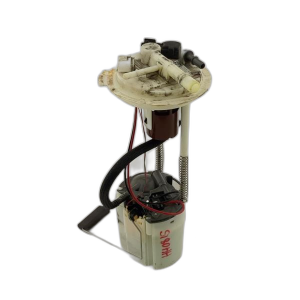
Used OEM Parts in Stock
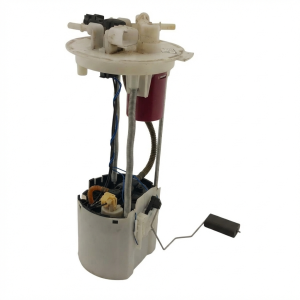
New Aftermarket Parts Available
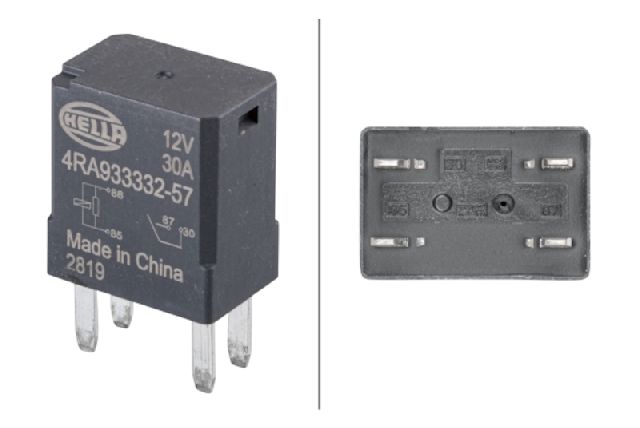


The information in this article is provided for general reference and educational purposes only. Vehicle specifications, procedures, and part compatibility can vary by production date, trim level, and region. Always consult your vehicle's factory service manual and verify part numbers before purchasing or performing repairs. Safety-critical components such as airbags, seat belts, and braking systems should be installed by a qualified professional.
- Gmc SAVANA:
- 🧭 Diagnostic Flowchart
- 🎬 Helpful Videos
- 🛍️ Shop This Part
- What's Unique About the 2015-2018 Gmc SAVANA
- Symptoms You May Notice
- Most Likely Causes
- Rare But Worth Checking
- Diagnosis Steps
- Parts You'll Likely Need
- Related Codes That Often Appear With This One
- Technical Service Bulletins (TSBs) & Recalls
- Platform-Specific Known Issues
- Mechanic-Grade Diagnostic Values
- Scan Tool Commands That Help
- Wiring & Ground Locations
- Real Owner Repair Stories
- OEM Part Supersession History
- Model Year Variations Within This Range
- 🎟️ Get 5% Off