

P0088 on 2010-2014 GMC Sierra: High Fuel Pressure Causes & Fixes
For 2010-2013 models, P0088 often points to a faulty fuel rail pressure sensor. On 2014 models with direct injection, the high-pressure fuel pump (HPFP) is the more common culprit. A sensor replacement is relatively affordable, while an HPFP replacement can cost over $1,000. A strong gasoline smell in the engine oil is a tell-tale sign of HPFP failure on 2014 models.
- P0088 means fuel pressure is too high, which is a serious issue that should be addressed immediately.
- The diagnostic approach depends heavily on the model year. For 2014 models, the High-Pressure Fuel Pump (HPFP) is a primary suspect.
- A key diagnostic step for 2014 models is to check the engine oil for a gasoline smell, which confirms HPFP failure.
- For 2010-2013 models, the issue is more likely a faulty fuel rail pressure sensor or a stuck fuel pressure regulator.
- Due to the extreme pressures and fire risk, professional service is highly recommended for this repair.
What's Unique About the 2010-2014 Gmc SIERRA
The 2010-2014 Sierra range spans a major fuel system change. The 2010-2013 models (GMT900 platform) use a traditional port fuel injection system with a single in-tank pump. In contrast, the 2014 model (K2XX platform) introduced Gasoline Direct Injection (GDI) engines like the 5.3L L83 and 6.2L L86, which feature a second, cam-driven high-pressure fuel pump (HPFP). This distinction is critical, as P0088 on a 2014 model frequently points to the new high-pressure fuel pump (HPFP), a known failure point, while on earlier models, the cause is more likely a sensor or regulator issue.
Diagnostic Flowchart
Tap your situation to follow the diagnostic path that matches what you're seeing on this vehicle.
Generation note: This range covers two Sierra generations. The 2010-2013 models are on the GMT900 platform with port injection, while the 2014 model is the first year of the K2XX platform, which introduced direct injection engines (4.3L LV3, 5.3L L83, 6.2L L86). The causes and diagnostic focus for P0088 differ significantly between these two systems.
Symptoms You May Notice
- Check Engine Light illuminated
- Engine running rough or stumbling [PIP5151A]
- Hard starting or no start [PIP5151A, 4]
- Reduced engine power / 'limp mode'
- Black smoke from the exhaust
- Strong smell of fuel, especially in the engine oil (a key indicator for 2014+ models)
- Engine stalling
- Engine knocking or louder than usual combustion sounds
- Replacing the in-tank (low-pressure) fuel pump. P0088 on GDI models relates to the high-pressure side of the system, so the low-pressure pump is rarely the cause unless its controlling module (FPCM) has failed.
Most Likely Causes
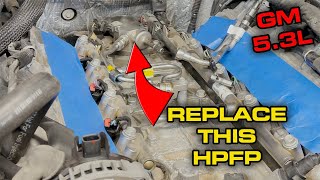
- Failing High-Pressure Fuel Pump (HPFP) 🔴 High Probability → Shop Fuel Pump Applies mainly to 2014 models with GDI engines (5.3L L83, 6.2L L86). These pumps are a known failure point where an internal seal fails, causing them to produce excessive pressure and leak fuel internally into the engine crankcase. GM also issued Service Update #13331 for misbuilt HPFPs on some 2014 models.
How to confirm: Check the engine oil dipstick for a strong smell of gasoline. This is a definitive sign of a failed HPFP. A scan tool will also show 'Actual Fuel Rail Pressure' significantly exceeding 'Desired Fuel Rail Pressure', especially on deceleration.
Typical fix: Replace the high-pressure fuel pump and the one-time-use high-pressure fuel line. An oil change is also mandatory to remove the contaminated oil.
Est. part cost: $400-$650 - Faulty Fuel Rail Pressure Sensor 🔴 High Probability → Shop Fuel Pressure Sensor This is a common cause across all model years in this range. The sensor can fail and send an erroneously high voltage signal (e.g., a constant 5 volts) to the ECM, making it think the pressure is high when it's not.
How to confirm: Use a scan tool to monitor live data with the Key On, Engine Off (KOEO). If the fuel pressure reads a high value (e.g., thousands of PSI) when it should be near zero, the sensor is bad. A KOEO voltage reading near 5V also suggests a failed sensor or a short to voltage in the signal wire.
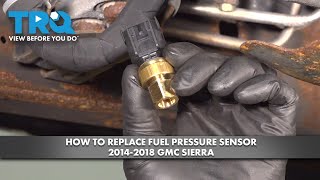
Typical fix: Replace the fuel rail pressure sensor.
Est. part cost: $50-$150 - Faulty Fuel Pressure Regulator 🟡 Medium Probability → Shop Fuel Injection Pressure Regulator More common on 2010-2013 models with port injection. The regulator can get stuck closed, preventing excess pressure from returning to the tank. For 2014 models, GM issued recall #13370A because some trucks were built with an incorrect fuel pump pressure regulator from the factory.
How to confirm: For 2010-2013, diagnosis involves testing the fuel system pressure with a mechanical gauge. For 2014 models, a dealer can check if the vehicle's VIN is part of recall 13370A.
Typical fix: Replace the fuel pressure regulator or, for the 2014 recall, the entire fuel pump module as directed by the dealer.
Est. part cost: $100-$250
Rare But Worth Checking
- Fuel System Contamination: As noted in TSB #PIP5151A, contamination (water, debris, incorrect fuel) can cause a variety of fuel pressure issues, including P0088. [PIP5151A] This may require flushing the entire fuel system.
- Wiring Harness Issue: Damage to the wiring for the fuel rail pressure sensor, often from rodents or chafing, can cause a short to voltage, sending a false high signal to the ECM. Also check engine grounds like G103 and G104 on the cylinder heads, as a bad ground can cause erratic sensor readings.
- Clogged or Restricted Fuel Return Line: This applies primarily to the 2010-2013 models with a return-style fuel system. A blockage in the return line to the tank prevents excess pressure from being bled off.
- Faulty Fuel Pump Driver Module (FPCM): → Shop Fuel Pump On 2014+ models, the FPCM controls the in-tank low-pressure pump. A failure could theoretically cause the pump to run at maximum duty cycle, supplying too much fuel to the HPFP and contributing to a high-pressure fault.
Diagnosis Steps
- Connect an OBD-II scanner and confirm P0088 is present. Check for any other related codes like P0087, P0191, P0172, or P0175.
- Use the scanner's live data feature to observe 'Desired Fuel Rail Pressure' vs. 'Actual Fuel Rail Pressure'.
- With the Key On and Engine Off (KOEO), check the 'Actual Fuel Rail Pressure' reading. If it shows a high value (e.g., over 100 PSI when it should be near 0), the Fuel Rail Pressure Sensor is likely faulty or its wiring is shorted.
- If the sensor reads normally with the engine off, start the engine and monitor the pressure. If the actual pressure is significantly and consistently higher than the desired pressure, the problem is likely mechanical (pump or regulator). 🎬 Watch a professional diagnostic walkthrough for the P0088 code.
- For 2014 GDI models: Carefully check the engine oil dipstick for a strong smell of gasoline. If detected, the High-Pressure Fuel Pump has failed internally and is leaking into the crankcase. This is a very reliable indicator.
- Inspect the wiring harness for the fuel rail pressure sensor for any visible damage, corrosion, or signs of rodents. Check engine block grounds G103 and G104 for tightness and corrosion.
- For 2010-2013 models, if the sensor is good, investigate the fuel pressure regulator and the fuel return line for restrictions.
- For 2014 models, check with a GM dealer if the vehicle's VIN is affected by Recall #13370A regarding the fuel pump pressure regulator or Service Update #13331 for a misbuilt HPFP.
Parts You'll Likely Need
- High-Pressure Fuel Pump (HPFP)
(OEM #ACDelco HPM1006 (supercedes 12658481, 12625817))— This is the most common cause for P0088 on 2014 models with direct injection, as they are a known failure point.
Trusted brands: ACDelco (GM Genuine), Bosch
OEM price range: $500-$650
Aftermarket price range: $350-$500 - Fuel Rail Pressure Sensor
(OEM #ACDelco 12673824 (Note: Part number varies, confirm by VIN))— A common failure across all years (2010-2014). It can send false high readings, tricking the computer.
Trusted brands: ACDelco, Bosch, Delphi
OEM price range: $80-$150
Aftermarket price range: $50-$100 - High-Pressure Fuel Pipe
(OEM #ACDelco 12673077)— This is a one-time-use part that MUST be replaced anytime the high-pressure fuel pump is serviced on 2014 GDI engines to ensure a safe, leak-free seal.
Trusted brands: ACDelco (GM Genuine)
OEM price range: $40-$70
Aftermarket price range: $30-$50
Related Codes That Often Appear With This One
- P0087 — Fuel Rail/System Pressure - Too Low. A failing pump or regulator can be erratic, causing both pressure spikes (P0088) and drops (P0087).
- P0191 — Fuel Rail Pressure Sensor Circuit Range/Performance. This code often appears with P0088 when the sensor or its wiring is the root cause.
- P128E — A manufacturer-specific code mentioned in TSB #PIP5151A alongside P0088, indicating a related fuel system fault, particularly with fuel contamination. [5, PIP5151A]
- P0172 / P0175 — System Too Rich (Bank 1 / Bank 2). These codes are common when a failing HPFP leaks excess fuel into the crankcase, which is then pulled into the intake via the PCV system, causing a rich condition.
Technical Service Bulletins (TSBs) & Recalls
- PIP5151A: Mentions P0088 in the context of hard start, no start, or rough running, pointing towards potential fuel system contamination. Primarily for Duramax diesel engines, but the diagnostic principle can apply.
- Service Update #13331: Pertains to certain 2014 models with the 5.3L L83 engine, where the high-pressure fuel pump may have been misbuilt, requiring replacement.
Platform-Specific Known Issues
- Recall #13370A: Incorrect Fuel Pump Pressure Regulator: → Shop Fuel Pump Affects some 2014 Sierra 1500s with 4.3L (LV3) or 5.3L (L83) engines. An incorrect fuel pump pressure regulator may have been installed at the factory, causing pressure faults, hard starts, and stalling. Dealers are to inspect and replace the fuel pump module if necessary, free of charge.
- Owner Experience: HPFP Failure on 2014+ GDI Engines: A very common story on forums for the 2014 Sierra involves a sudden rough idle, limp mode, and codes P0088, P0172, and P0175. The definitive confirmation is checking the oil dipstick and finding a strong smell of gasoline, which indicates the high-pressure fuel pump has failed and is leaking into the engine crankcase. The required repair includes replacing the HPFP, the one-time-use high-pressure fuel line, and performing an oil change to remove the contaminated oil.
Mechanic-Grade Diagnostic Values
- Low-Pressure Fuel System Pressure (2010-2014) — expected: 40-70 PSI, stable at idle.. Failure: Pressure is significantly below this range or drops under load, indicating a weak in-tank pump or FPCM issue.
- High-Pressure Fuel System Pressure at Idle (2014 GDI) — expected: ~290-700 PSI.. Failure: Actual pressure is consistently and significantly higher than desired pressure shown on a scan tool.
- Fuel Rail Pressure Sensor (FRPS) Voltage, KOEO (2014 GDI) — expected: ~0.5V after system depressurizes.. Failure: Voltage is stuck high (e.g., near 5V) or reads a high pressure value when it should be near zero. This points to a bad sensor or a signal wire shorted to voltage.
- Fuel Rail Pressure Sensor (FRPS) Voltage, Idle (2014 GDI) — expected: ~1.32V.. Failure: Voltage is significantly different or does not change with engine RPM.
- Fuel Rail Pressure Sensor (FRPS) Signal Wire at ECM (2014+ L83/L86) — expected: Voltage should vary between ~0.5V and 4.8V depending on pressure.. Failure: No signal or a fixed voltage indicates a wiring issue or faulty sensor.
Hidden / Shadow Codes Worth Checking
- Symptom Bytes: While no specific shadow codes for P0088 were found, GM vehicles often use 'symptom bytes' visible only on dealer-level scan tools like the GDS2. These provide more granular detail about why a code was set (e.g., 'signal above maximum threshold') and can be invaluable for advanced diagnosis. (see via GM GDS2 or equivalent high-end diagnostic scanner.)
Scan Tool Commands That Help
- GDS2 (GM Dealer Scan Tool): Fuel System Depressurize — This command is used to test the fuel rail pressure sensor. With the engine idling, the command is sent. The engine should stall and the scan tool's pressure reading should drop to zero. If the sensor still shows residual pressure after the stall, it is faulty.
- GDS2 / Tech 2: FPCM Duty Cycle Command — This allows a technician to manually command the in-tank low-pressure fuel pump to a specific speed (e.g., 25%, 50%, 75%). It is used to test the functionality of the low-pressure pump and the Fuel Pump Control Module (FPCM) independently.
- GDS2: Fuel Pump Driver Control Module Configuration — This self-learning or matching process is required after replacing the Fuel Pump Control Module (FPCM) to ensure the ECM can properly communicate with and control the new module. TSBs note this function may be missing from older GDS2 software versions, requiring a software update.
Wiring & Ground Locations
- G103 / G104 — These are primary engine grounds located on the cylinder heads. On many GM V8s of this era, G103 is on the front of the passenger side cylinder head, and G104 is on the rear of the driver's side cylinder head.. A poor engine ground can introduce electrical noise and voltage offsets that affect sensor readings across the engine, including the Fuel Rail Pressure Sensor, potentially leading to false high readings.
- ECM Connector X1 (2014+ L83/L86) — At the Engine Control Module (ECM), located on the left front of the engine compartment near the fan shroud.. The Fuel Rail Pressure Sensor wiring terminates here. Pin 19 (Dark Blue/White) is the signal wire, Pin 29 (Gray) is the 5V reference, and Pin 18 (Black/Light Blue) is the low reference (ground). Testing at these pins can isolate a wiring fault from a sensor fault.
- Fuel Rail Pressure Sensor Connector (2014+) — On the high-pressure fuel line, typically on the driver's side of the engine compartment, below the ABS module.. This is the primary connection point for the sensor. Damage or corrosion here will directly cause sensor-related codes like P0088 or P0191.
- FPCM Ground — On the driver's side frame rail, near the Fuel Pump Control Module (FPCM) which is located by the spare tire.. The FPCM is highly exposed to the elements, and a corroded ground is a very common failure point, leading to erratic low-pressure fuel supply which can indirectly affect the high-pressure system.
Real Owner Repair Stories
- Synthesized from multiple owner forums and repair sites (2014 GMC Sierra 5.3L V8) — Sudden rough idle, 'Reduced Engine Power' message, Check Engine Light with codes P0088, P0172, and P0175.
❌ Tried (didn't work) Clearing the codes (they returned immediately), Considering replacing the fuel rail pressure sensor first
✅ What actually fixed it Owner was advised to check the engine oil. A very strong smell of gasoline was present on the dipstick. This confirmed the high-pressure fuel pump (HPFP) had failed internally. The final repair was replacing the HPFP, the one-time-use high-pressure fuel line, and changing the oil and filter to remove the fuel contamination.
OEM Part Supersession History
12625817, 12658481→ACDelco HPM1006— Standard part evolution and design updates by GM for the high-pressure fuel pump.
Heads up: Always verify the part number with the vehicle's VIN. While HPM1006 is common for the 2014 GDI engines, other numbers like 12677329 and 12688607 are also associated with GM HPFPs.
Model Year Variations Within This Range
- 2014 (and later): The 2014 models use a 4-pin analog style Fuel Rail Pressure Sensor. Around 2016-2017, GM began phasing in a more accurate 3-pin digital sensor that uses a SENT protocol. While this doesn't affect the 2010-2013 models, it's critical for a 2014 owner to know they have the analog sensor and that diagnostic procedures involving checking for a 0-5V variable signal are correct for their year.
Helpful Videos
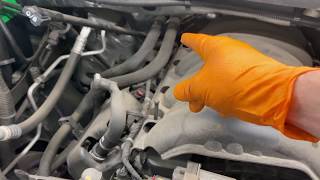
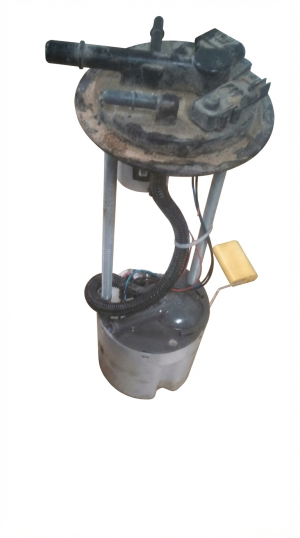
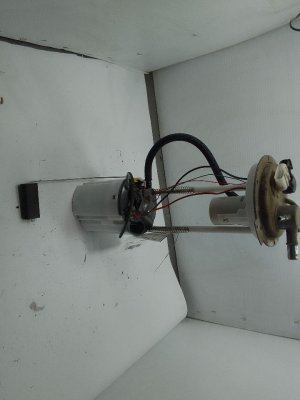
Used OEM Parts in Stock
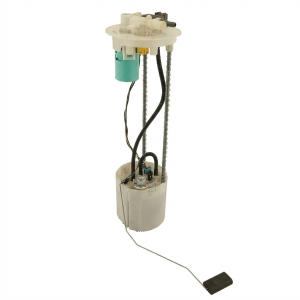
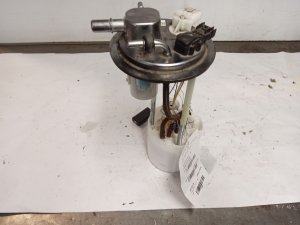
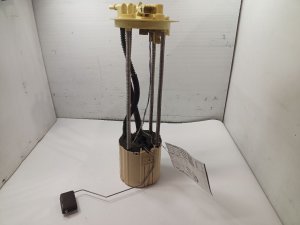
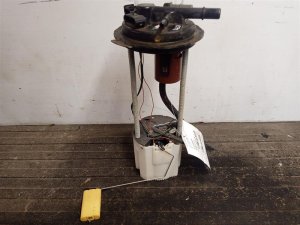
New Aftermarket Parts Available

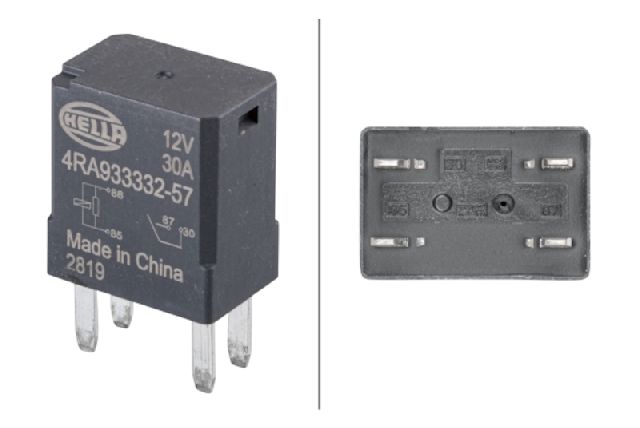


The information in this article is provided for general reference and educational purposes only. Vehicle specifications, procedures, and part compatibility can vary by production date, trim level, and region. Always consult your vehicle's factory service manual and verify part numbers before purchasing or performing repairs. Safety-critical components such as airbags, seat belts, and braking systems should be installed by a qualified professional.
- Gmc SIERRA:
- 🧭 Diagnostic Flowchart
- 🎬 Helpful Videos
- 🛍️ Shop This Part
- What's Unique About the 2010-2014 Gmc SIERRA
- Symptoms You May Notice
- Most Likely Causes
- Rare But Worth Checking
- Diagnosis Steps
- Parts You'll Likely Need
- Related Codes That Often Appear With This One
- Technical Service Bulletins (TSBs) & Recalls
- Platform-Specific Known Issues
- Mechanic-Grade Diagnostic Values
- Hidden / Shadow Codes Worth Checking
- Scan Tool Commands That Help
- Wiring & Ground Locations
- Real Owner Repair Stories
- OEM Part Supersession History
- Model Year Variations Within This Range
- 🎟️ Get 5% Off