

P0088 on 2019-2020 Kia Sorento 3.3L: Fuel Pressure Too High Causes and Fixes
For the 2019-2020 Kia Sorento with the 3.3L V6, code P0088 is almost always a failed high-pressure fuel pump (HPFP). The internal fuel control valve plunger wears out and sticks, causing excessive pressure. Kia has extended the warranty for this specific part to 15 years or 180,000 miles under program WTY034. Contact a Kia dealer with your VIN to have it diagnosed and replaced for free before paying for any repairs.
- P0088 on a 2019-2020 Sorento 3.3L almost certainly means the high-pressure fuel pump has failed due to a known manufacturing defect.
- DO NOT pay for this repair. Contact a Kia dealer immediately, as there is a 15-year/180,000-mile warranty extension (WTY034) that covers the diagnosis and replacement for free.
- Do not drive the vehicle if possible. The engine can stall or lose power, creating a safety hazard.
- The repair involves replacing the high-pressure fuel pump (OEM Part #35320-3L110) and the high-pressure fuel pipe.
What's Unique About the 2019-2020 Kia SORENTO

On this specific vehicle and engine, the P0088 code is not a mystery. The 3.3L GDI Lambda II engine family used in the Sorento and other Kia/Hyundai models has a well-documented issue with the high-pressure fuel pump (HPFP). The fuel control valve (FCV) plunger inside the pump can wear out unevenly and get stuck in the open position, causing dangerously high fuel pressure. The problem is so widespread that Kia issued a Technical Service Bulletin (FUE067) and a warranty extension (WTY034) to cover the replacement of this part for 15 years or 180,000 miles. 🎬 Watch: Real-world symptoms and warranty details for this P0088 issue. This makes the HPFP the overwhelming cause, unlike in other vehicles where P0088 might have more varied sources.
Diagnostic Flowchart

Tap your situation to follow the diagnostic path that matches what you're seeing on this vehicle.
Symptoms You May Notice
- Check Engine Light is on
- Engine hesitates or stumbles during acceleration
- Rough running or idling
- Vehicle enters 'limp mode' with severely reduced power
- Engine stalls, especially when coming to a stop
- Difficulty accelerating
- Reduced fuel economy
- In rare cases, the engine may shut off while at a stop, but can be immediately restarted
- Replacing the fuel rail pressure sensor
- Replacing the in-tank low-pressure fuel pump
- Replacing fuel injectors
Most Likely Causes

- Failing High-Pressure Fuel Pump (HPFP) 🔴 High Probability → Shop Fuel Pump A known defect causes the internal Fuel Control Valve (FCV) plunger to wear unevenly and stick open, leading to excessive pressure. This is officially recognized by Kia via TSB FUE067 and warranty extension WTY034.
How to confirm: Confirm the vehicle has an open campaign for warranty extension WTY034 by contacting a Kia dealer with the VIN. The dealer will use a scan tool to confirm DTC P0088 is present, which is the primary diagnostic step per the TSB. Live data on a scan tool would show 'Actual Fuel Rail Pressure' significantly exceeding 'Desired Fuel Rail Pressure'.
Typical fix: Replacement of the high-pressure fuel pump and associated high-pressure fuel pipe. This should be performed by a Kia dealer to be covered under the extended warranty.
Est. part cost: $0 (under warranty)
Rare But Worth Checking
- Faulty Fuel Rail Pressure Sensor: → Shop Fuel Pressure Sensor While possible for the sensor to fail and send incorrect high-pressure readings, it is far less common than the HPFP failure on this specific vehicle. The TSB procedure focuses entirely on the pump if code P0088 is present, indicating the sensor is rarely the root cause.
- Wiring Issues: Damage to the wiring harness for the fuel rail pressure sensor could cause erratic readings, but this is unlikely compared to the known HPFP issue. One owner on a forum mentioned a mechanic suspected rodent damage to wiring as a possible, though unconfirmed, cause of erratic high-pressure readings.
Diagnosis Steps
- The first and most important step is to contact an authorized Kia dealership with your vehicle's VIN.
- Inform them you have a P0088 code and ask them to check for the warranty extension program (WTY034) related to the high-pressure fuel pump.
- The dealer will schedule a diagnostic appointment, which should be free of charge under the program.
- The technician will use a Kia Diagnostic System (KDS) to confirm that DTC P0088 is stored. This is the only confirmation needed to proceed with the warranty repair.
- If the code is present, the dealer will proceed with replacing the high-pressure fuel pump and related components as per TSB FUE067, covered under the extended warranty.
- If you are outside the 15-year/180,000-mile warranty, diagnosis would involve using a scan tool to monitor live fuel rail pressure data to confirm it is exceeding specifications before replacing the HPFP. 🎬 Watch: How to test and diagnose high fuel rail pressure. A normal system may operate up to 2,900 PSI, while a fault code may trigger at pressures over 4,000 PSI.
Parts You'll Likely Need
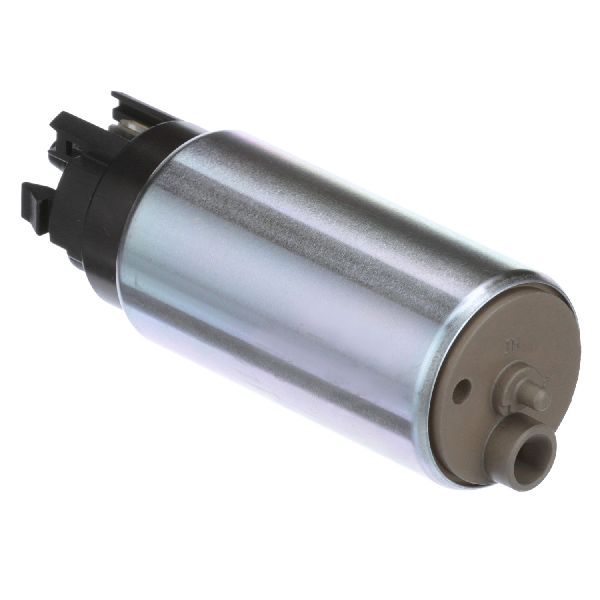
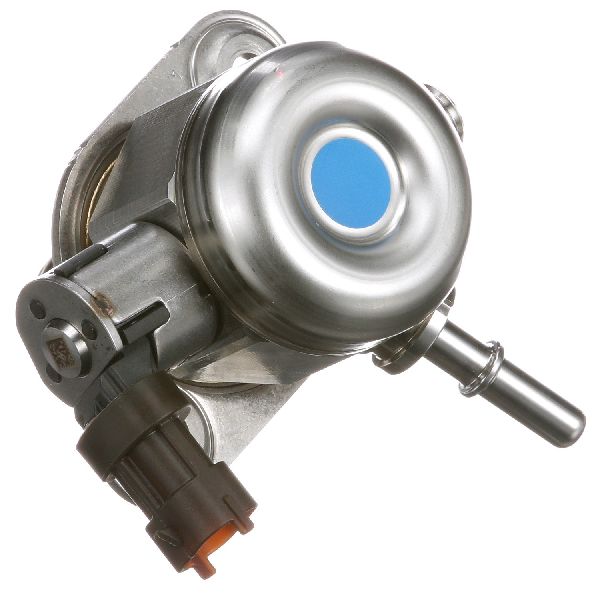
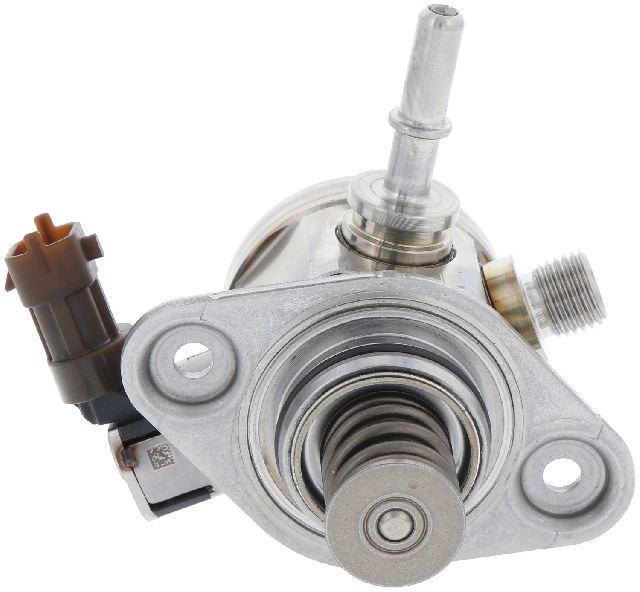
- High-Pressure Fuel Pump (HPFP)
(OEM #35320-3L110)— This is the known failure point for this code on this engine, as acknowledged by Kia's warranty extension.
Trusted brands: Kia Genuine
OEM price range: $295-$455
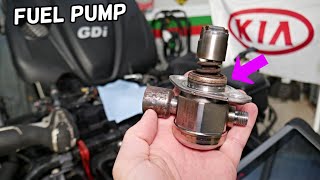
Aftermarket price range: $200-$350 - High-Pressure Fuel Pipe — This is a one-time use part that must be replaced anytime the high-pressure fuel pump is replaced, as per standard procedure for high-pressure fuel systems. 🎬 See this walkthrough of the high-pressure fuel pump replacement process.
Trusted brands: Kia Genuine
OEM price range: $50-$80
Aftermarket price range: $30-$60
Technical Service Bulletins (TSBs) & Recalls
- FUE067 (Rev 2, May 2024): Details the Warranty Extension Program (WTY034) to diagnose P0088 and replace the high-pressure fuel pump. It explicitly states the cause is the 'fuel control valve (FCV) plunger in the vehicle's high-pressure fuel pump may wear unevenly, and, over time, become stuck in the open position.'
- WTY034: The official name for the warranty extension program covering the HPFP for 15 years/180,000 miles.
Platform-Specific Known Issues
- Kia has issued a warranty extension (Program WTY034) for the high-pressure fuel pump on 2019-2020 Sorentos with the 3.3L engine (production dates January 24, 2018 to October 15, 2020). The coverage is extended to 15 years or 180,000 miles. If code P0088 is present, the dealer will replace the pump free of charge.
Mechanic-Grade Diagnostic Values
- High-Pressure Fuel System Maximum Operating Pressure — expected: ~2,900 PSI. Failure: The P0088 code sets when pressure exceeds this, with limp mode being triggered by readings over 4,000 PSI.
Scan Tool Commands That Help
- Kia KDS: Fault Code Searching — This is the first step in the official dealer procedure. The presence of DTC P0088 is the primary condition required to proceed with the warranty replacement of the HPFP under TSB SC281.
- Kia KDS: ECU Upgrade — After replacing the high-pressure fuel pump, a mandatory ECU software update (Event #690) must be performed to improve the limp-home logic and ensure compatibility with the new part.
- Kia KDS: Resetting Adaptive Values — This function is performed after the ECU upgrade to clear the PCM's old learned fuel pressure and trim adjustments, forcing it to re-learn with the new HPFP.
Real Owner Repair Stories
- Reddit user in r/kia (2019 Kia Sorento) — Car had problems accelerating, felt like it would not go, and the check engine light came on with code P0088. A mechanic measured the fuel pressure at an 'impossible' 4,000 PSI and refused to work on it, advising a trip to the dealer.
❌ Tried (didn't work) Cleaning a rodent nest out of the air filter box.
✅ What actually fixed it The user was advised by others that this is a known issue with the high-pressure fuel pump covered under an extended warranty. The confirmed fix is having the Kia dealer replace the HPFP under warranty campaign WTY034.
Helpful Videos

We Have This Part in Stock

The information in this article is provided for general reference and educational purposes only. Vehicle specifications, procedures, and part compatibility can vary by production date, trim level, and region. Always consult your vehicle's factory service manual and verify part numbers before purchasing or performing repairs. Safety-critical components such as airbags, seat belts, and braking systems should be installed by a qualified professional.
- Kia SORENTO:
- 🧭 Diagnostic Flowchart
- 🎬 Helpful Videos
- 🛍️ Shop This Part
- What's Unique About the 2019-2020 Kia SORENTO
- Symptoms You May Notice
- Most Likely Causes
- Rare But Worth Checking
- Diagnosis Steps
- Parts You'll Likely Need
- Technical Service Bulletins (TSBs) & Recalls
- Platform-Specific Known Issues
- Mechanic-Grade Diagnostic Values
- Scan Tool Commands That Help
- Real Owner Repair Stories
- 🎟️ Get 5% Off