

P0088 on 2012-2018 Mazda Mazda3 SKYACTIV: High Fuel Pressure Causes and Fixes
On 2012-2014 Mazda3 SKYACTIV models, code P0088 is almost always caused by a faulty high-pressure fuel pump (HPFP), a known issue covered by Mazda TSB 01-004/15. The fix is to replace the pump with an updated part. For later models (2015-2018), HPFP failure is still the most common cause, though diagnosis may also include the fuel rail pressure sensor.
- For 2012-2014 Mazda3s with a SKYACTIV engine, P0088 strongly points to a faulty high-pressure fuel pump due to a known defect.
- Check for Mazda TSB 01-004/15, as it is the most important document for diagnosing this code on early-production models.
- Do not drive the vehicle extensively with this code, as it can cause stalling and potential damage.
- Repair involves the high-pressure fuel system and is best left to a professional due to safety risks.
- When replacing the high-pressure fuel pump, the associated high-pressure fuel pipe must also be replaced.
What's Unique About the 2012-2018 Mazda Mazda3
For this specific platform, the story of P0088 is dominated by a known manufacturing defect. Mazda issued Technical Service Bulletin (TSB) 01-004/15 for early SKYACTIV-G engines, including the 2012-2013 and early 2014 Mazda3. This TSB explicitly states the cause is a "manufacturing error of the inner parts" of the original high-pressure fuel pump (HPFP). Therefore, for these specific model years, diagnosis often starts and ends with the HPFP, making it a much more straightforward problem than on other vehicles where causes can be more varied. Even on post-TSB models (2015-2018), HPFP failure remains the most reported cause for P0088.
Generation note: This range covers two Mazda3 generations. The 2nd generation (2012-2013, model BL) and the 3rd generation (2014-2018, model BM/BN). A Mazda TSB specifically identifies a faulty high-pressure fuel pump as the cause for all 2012-2013 models and 2014 models produced before December 1, 2013 (with VINs lower than JM1BM**154277). While the issue can still occur on later models, it is most common on these earlier vehicles.
Symptoms You May Notice
- Check Engine Light is on.
- Noticeable loss of engine power or acceleration.
- Vehicle enters 'limp mode', limiting engine RPM.
- Reduced fuel economy.
- Engine is hard to start or stalls after starting.
- Rough or high idle.
- Strange noises from the engine bay.
- Replacing the in-tank low-pressure fuel pump. This code is related to the high-pressure side of the fuel system, which is managed by the engine-mounted high-pressure fuel pump. A failing low-pressure pump typically causes low-pressure codes like P0087. One forum user mistakenly replaced the in-tank pump first before realizing the issue was elsewhere.
Most Likely Causes
- Faulty High-Pressure Fuel Pump (HPFP) 🔴 High Probability → Shop Fuel Pump A known manufacturing defect in the original HPFP affects 2012-2013 and early 2014 models, as documented in Mazda TSB 01-004/15. The internal parts of the pump fail, causing it to generate excessive pressure. This issue is also reported by owners of later models (2015+) not covered by the TSB, indicating the part can still fail prematurely.
How to confirm: Check the vehicle's production date and VIN. If it's a 2012-2013 model or a 2014 model built before Dec 1, 2013, the HPFP is the prime suspect per the TSB. For all years, a technician can use a scan tool to monitor requested vs. actual fuel rail pressure. If actual pressure is consistently and significantly higher than requested, the pump is at fault.
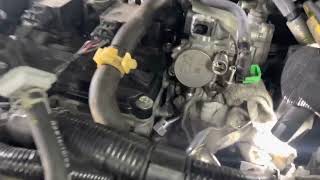
Typical fix: Replace the high-pressure fuel pump with the updated part. 🎬 Watch this step-by-step high-pressure fuel pump replacement walkthrough. The high-pressure fuel pipe and a rubber seal must also be replaced at the same time as they are one-time-use parts.
Est. part cost: $400-$700 - Defective Fuel Rail Pressure Sensor 🟡 Medium Probability → Shop Fuel Pressure Sensor
How to confirm: Using a scan tool, monitor the fuel pressure reading with the engine off; it should read near zero. If it shows high pressure when the engine is off or provides erratic readings that don't align with engine load, the sensor is likely faulty. A technician can also test the sensor's voltage; if it's stuck high (e.g., near 5 volts), it indicates a sensor or wiring issue.
Typical fix: Replace the fuel rail pressure sensor. It is typically located 🎬 See how to replace the fuel rail pressure sensor. on the end of the fuel rail.
Est. part cost: $70-$150
Rare But Worth Checking
- Leaking Fuel Injector: While less common for causing high pressure, a mechanically stuck-open injector could theoretically disrupt the system's pressure regulation, though it more commonly causes low pressure or misfires. Mazda lists it as a possible cause in their diagnostic procedure.
- Wiring or Connector Issue: A short or corrosion in the wiring to the fuel pressure sensor or HPFP could send incorrect signals to the PCM, leading to a false P0088 code. Rodent damage to the engine harness is a known, though infrequent, cause of such electrical faults.
Diagnosis Steps
- Check for Technical Service Bulletins (TSBs). For this vehicle, TSB 01-004/15 is highly relevant for 2012-2014 models and provides the most direct fix.
- Connect a professional scan tool to read the code and view live data.
- Monitor the 'FUEL_PRES' PID (Parameter ID). Compare the actual fuel rail pressure to the desired/target fuel rail pressure.
- If actual pressure is consistently much higher than desired, especially on a vehicle covered by the TSB, the high-pressure fuel pump is the most likely cause.
- If the pressure readings are erratic or read high even with the key on and engine off, inspect the fuel rail pressure sensor and its wiring. Check the sensor's voltage signal; a constant high voltage (e.g., 5V) points to a short or a bad sensor.
- If the sensor and pump are deemed functional, inspect the wiring harnesses for the HPFP and pressure sensor for any damage, corrosion, or loose connections.
- As a final, less likely step, investigate for a malfunctioning fuel injector or a restriction in the fuel return system.
Parts You'll Likely Need
- High-Pressure Fuel Pump
(OEM #PE19-20-3F0)— This is the updated part specified in Mazda TSB 01-004/15 to fix the root cause of P0088 on affected 2012-2014 models. It supersedes multiple previous part numbers including PE18-20-3F0, PE01-20-3F0B through F, and others.
Trusted brands: Mazda (OEM), Bosch
OEM price range: $500-$700
Aftermarket price range: $350-$550 - High-Pressure Fuel Pipe
(OEM #PE01-13-290D (2.0L) / PY01-13-290A (2.5L))— This is a one-time-use part that must be replaced any time the high-pressure fuel pump is removed or replaced, per Mazda's repair procedure outlined in TSB 01-004/15.
Trusted brands: Mazda (OEM)
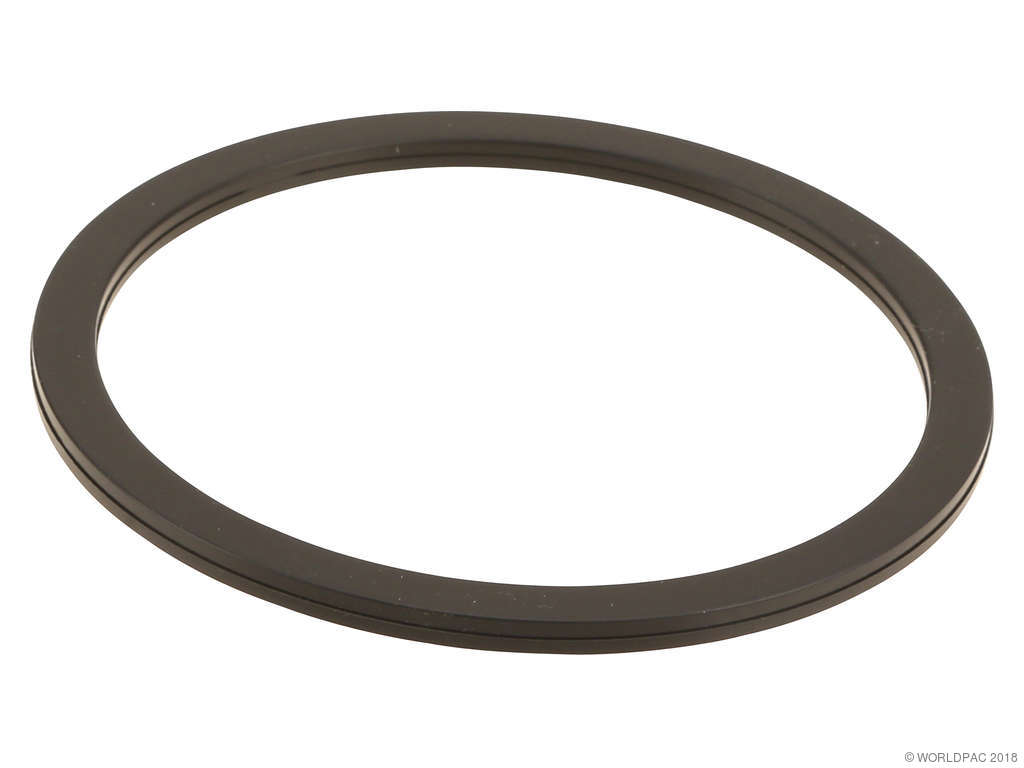
OEM price range: $40-$60 - Rubber Seal
(OEM #PE01-13-555)— This seal for the HPFP is also listed as a required replacement part in TSB 01-004/15.
Trusted brands: Mazda (OEM)
OEM price range: $10-$20 - Fuel Rail Pressure Sensor — This is the second most likely cause if the HPFP is not at fault, as it is the component responsible for reporting pressure to the PCM.
Trusted brands: Mazda (OEM), Denso, Bosch
OEM price range: $120-$200
Aftermarket price range: $70-$150
Related Codes That Often Appear With This One
- P0191 — This code for 'Fuel Rail Pressure Sensor Circuit Range/Performance' is often triggered by the same HPFP fault. The TSB 01-004/15 lists both P0088 and P0191 as potential codes for the same issue.
- P0193 — This code indicates 'Fuel Rail Pressure Sensor Circuit High Input'. It can be caused by a short in the sensor's wiring or an internal failure of the sensor itself, which could also lead the PCM to trigger P0088.
Technical Service Bulletins (TSBs) & Recalls
- 01-004/15 - Addresses P0088 or P0191 caused by a faulty high-pressure fuel pump on 2012-13 Mazda3, 2014 Mazda3, and other models with SKYACTIV-G engines. The fix is to replace the pump with a modified part (PE18-20-3F0, now PE19-20-3F0) along with the fuel pipe and rubber seal.
- Bulletin #01-004-15-3028 - Confirms that some vehicles may experience the Check Engine Light with DTC P0191:00 or DTC P0088:00 stored in memory, specifically identifying the fuel pressure sensor circuit range/performance as a primary concern.
Platform-Specific Known Issues
- A manufacturing defect in the high-pressure fuel pump on 2012-2013 Mazda3s and 2014 Mazda3s built before December 1, 2013, is a well-documented cause of this code, as outlined in TSB 01-004/15.
Mechanic-Grade Diagnostic Values
- Fuel Rail Pressure Sensor (FRP) Signal Voltage, Key On Engine Off (KOEO) — expected: Approx. 1.01 V. Failure: Voltage is stuck near 0V or 5.0V. A 5.0V reading indicates a short to power or an open in the ground or signal circuit.
- Fuel Rail Pressure (from scan tool PID 'FUEL_PRES'), at idle after warm-up — expected: Approx. 3.45 MPa (500 psi). Failure: Actual pressure is significantly higher than desired pressure by more than 1.2 MPa (174 psi).
- Fuel Rail Pressure (from scan tool PID 'FUEL_PRES'), at 4,000 RPM — expected: Approx. 15.1 MPa (2190 psi). Failure: Actual pressure significantly exceeds desired pressure.
- Low-Pressure Fuel System (In-tank pump) — expected: 64–92 psi. Failure: Pressure is outside of this range, indicating a fault with the in-tank pump or its regulator, which can affect HPFP operation.
Hidden / Shadow Codes Worth Checking
- PENDING CODE / FREEZE FRAME DATA: Mazda's system will store a 'PENDING CODE' on the first drive cycle a fault is detected. If it occurs on a second consecutive cycle, the code becomes active. The PCM also stores 'FREEZE FRAME DATA' (also called Snapshot data), which captures critical engine parameters at the exact moment the fault was triggered. This data is essential for diagnosis. (see via Professional scan tool like the Mazda M-MDS or other advanced OBD-II scanners with Mode 2 support.)
Scan Tool Commands That Help
- Mazda M-MDS (or equivalent): PID/DATA Monitor for 'FUEL_PRES' — This is the primary live data parameter to monitor. It allows a technician to compare the actual fuel rail pressure reported by the sensor against the PCM's desired pressure, immediately highlighting an overpressure condition.
- Mazda M-MDS (or equivalent): Simulation Item 'FP' (Fuel Pump) — This is a bidirectional test to command the low-pressure in-tank fuel pump to run. It is used to verify the health of the low-pressure side of the system. A technician can activate the pump and check if the low-side pressure reaches its specification (typically 62.4 psi / 430 kPa according to this test).
Wiring & Ground Locations
- G4 — Right side of the engine compartment.. A poor engine ground can cause incorrect readings from any engine-mounted sensor, including the fuel rail pressure sensor, by creating a floating ground reference.
- G11 — Under the center of the dashboard.. This is a primary interior ground point. While less likely to be the direct cause, it can affect PCM operation if the ground is compromised.
- Transmission Grounds — One ground on the harness on top of the transmission, and two on the front of the transmission case.. The engine and transmission share a common ground path to the chassis. A loose or corroded ground on the transmission can affect the entire engine's electrical system.
Real Owner Repair Stories
- Reddit user MattB_79 (2014 Mazda 3, 88,000 km (55,000 miles)) — P0088, performance loss, high fuel consumption, strange noises, hard starting, high idle, eventually stalling and would not restart.
❌ Tried (didn't work) Initial diagnosis pointed towards the high-pressure fuel pump (HPFP) or fuel rail pressure sensor.
✅ What actually fixed it Replaced the in-tank low-pressure fuel pump and fuel filter. The car started and ran correctly after the replacement, and the P0088 code did not return.
When the Usual Fixes Don't Work
- While the TSB and common knowledge point overwhelmingly to the high-pressure fuel pump (HPFP), there are documented cases where this diagnosis is incorrect. In one instance, a 2014 Mazda 3 with 55,000 miles threw a P0088 code but also developed a no-start condition. The owner suspected the HPFP but found the actual cause to be a failed in-tank low-pressure fuel pump. Replacing the low-pressure pump resolved all symptoms and the P0088 code. This serves as a critical reminder to perform a full system diagnosis, including checking low-side fuel pressure, before defaulting to replacing the expensive HPFP.
OEM Part Supersession History
PE01-20-3F0B, PE01-20-3F0C, PE01-20-3F0D, PE01-20-3F0E, PE01-20-3F0F, PE18-20-3F0, PE18-20-3F0A→PE19-20-3F0— Revisions to address the internal manufacturing defect that caused premature failure and pressure regulation issues, as identified in TSB 01-004/15.
Heads up: Using an older 'New Old Stock' (NOS) part is not recommended as it will still contain the original manufacturing defect. Only the latest part number should be used for replacement.
Model Year Variations Within This Range
- 2012-2014 (pre-Dec 1, 2013): These models were equipped with the original, defective high-pressure fuel pump from the factory and are specifically covered by TSB 01-004/15. Diagnosis for P0088 on these vehicles should treat the HPFP as the primary suspect with very high confidence.
Diagnostic Flowchart
Other Known Issues on This Vehicle
Issues unrelated to this code that are worth knowing about as an owner of this generation:
- Infotainment 'Ghost Touch' and Delamination 🟠 Medium — Very common on 2014-2016 models. The screen registers phantom touches or becomes unresponsive. The screen may also develop spider-web cracks under the surface. (Ref: Mazda created a warranty extension/customer service program (CSP13) in response to a class-action lawsuit, not a formal recall. Coverage varies by VIN and time.)
- Carbon Buildup on Intake Valves 🟡 Low — Inherent to all direct injection (GDI) engines. Symptoms like rough idle or hesitation may appear after 60,000-90,000 miles (100,000-150,000 km). Considered less severe on SKYACTIV engines compared to some competitors.
- Faulty Serpentine Belt Tensioner/Pulleys 🟡 Low — Some owners report squeaking or rattling noises from the belt area, particularly on 2012+ models. The tensioner may leak oil or pulleys can become noisy.
- Faulty Rear Sway Bar Links 🟡 Low — Owners of 2014-2015 models have reported rattling or clunking noises from the rear of the vehicle, often traced to loose or failed sway bar links.
Used vs. New Parts: Buying Guide for This Vehicle
When a used part is the smart pick: A used Fuel Rail Pressure Sensor from a verified low-mileage donor vehicle is a reasonable choice. A used wiring harness pigtail could also be used to repair a damaged connector.
Donor-vehicle mileage cap: roughly under 80000 miles for the part to have meaningful remaining life.
What to inspect on the donor part:
- For a Fuel Rail Pressure Sensor, inspect the connector pins for any signs of corrosion or damage.
- Verify the donor vehicle's mileage and ensure it was not involved in a front-end collision.
- Avoid parts from vehicles with known engine failure or fire damage.
OEM-only on this vehicle (don't cheap out):
- High-Pressure Fuel Pump (HPFP): Due to the known manufacturing defect in earlier versions, only a new OEM (Mazda) or OEM-supplier (Bosch) pump with the latest part number (PE19-20-3F0) should be used. A used pump carries a very high risk of being the same defective design.
- High-Pressure Fuel Pipe: This is a one-time-use, torque-to-yield part and must be purchased new from the dealer to ensure a safe, leak-free seal.
Aftermarket brands forum-validated for this vehicle:
- Bosch (Often the OEM supplier for Mazda fuel system components)
Brands owners have reported issues with on this vehicle:
- Unknown, no-name brands from online marketplaces should be avoided for critical high-pressure fuel system components.
Real Owner Stories
Aggregated from forums and TSBs cited above. Mileages and costs reflect what owners reported in those sources.
2014 Mazda 3
Symptoms: Check engine light, noticeable performance loss, higher fuel consumption, strange noises, trouble starting, and high idle. Eventually, the car would not pick up fuel and kept stalling.
What fixed it: Replaced the in-tank (low pressure) fuel pump and filter using a premium aftermarket pump and new o-rings.
Source hint: Reddit r/mazda3 - Thread '2014 Mazda 3 P0088 Error'
2015 Mazda 3 — ~65243 miles
Symptoms: High pressure fuel pump failure resulting in a P0088 code.
What fixed it: Replacement of the high-pressure fuel pump.
Cost: $2200-$2200
Source hint: Reddit r/mazda - Thread 'High pressure Fuel pump failed ('15 Mazda 3)'
2015 Mazda 3 — ~68000 miles
Symptoms: High pressure fuel pump failure on a vehicle not covered by the TSB.
What fixed it: Replacement of the high-pressure fuel pump.
Cost: $1200-$1700
Source hint: Reddit r/mazda - Thread 'High pressure Fuel pump failed ('15 Mazda 3)'
Related OBD-II Codes
Frequently Asked Questions
Does TSB 01-004/15 apply to my 2014 Mazda3?
What is the specific replacement part number for the high-pressure fuel pump on my Mazda3?
Can I just replace the pump, or do I need other parts for my SKYACTIV-G engine?
My 2015 Mazda3 is throwing P0088 but isn't on the TSB list. Is the pump still the likely cause?
How can a technician tell if it's the pump or the sensor causing the high pressure?
Are there other common issues on the 2014-2016 Mazda3 I should watch for while fixing this?
Helpful Videos
We Have This Part in Stock


The information in this article is provided for general reference and educational purposes only. Vehicle specifications, procedures, and part compatibility can vary by production date, trim level, and region. Always consult your vehicle's factory service manual and verify part numbers before purchasing or performing repairs. Safety-critical components such as airbags, seat belts, and braking systems should be installed by a qualified professional.
- Mazda Mazda3:
- 🧭 Diagnostic Flowchart
- 🎬 Helpful Videos
- 🛍️ Shop This Part
- What's Unique About the 2012-2018 Mazda Mazda3
- Symptoms You May Notice
- Most Likely Causes
- Rare But Worth Checking
- Diagnosis Steps
- Parts You'll Likely Need
- Related Codes That Often Appear With This One
- Technical Service Bulletins (TSBs) & Recalls
- Platform-Specific Known Issues
- Mechanic-Grade Diagnostic Values
- Hidden / Shadow Codes Worth Checking
- Scan Tool Commands That Help
- Wiring & Ground Locations
- Real Owner Repair Stories
- When the Usual Fixes Don't Work
- OEM Part Supersession History
- Model Year Variations Within This Range
- Other Known Issues on This Vehicle
- Used vs. New Parts: Buying Guide for This Vehicle
- Real Owner Stories
- 2014 Mazda 3
- 2015 Mazda 3 — ~65243 miles
- 2015 Mazda 3 — ~68000 miles
- Related OBD-II Codes
- Frequently Asked Questions
- 🎟️ Get 5% Off