

P0088 on 2018-2021 Volkswagen Atlas: Fuel Pressure Too High Causes and Fixes
On the 2018-2021 VW Atlas, code P0088 indicates excessively high pressure in the direct injection fuel system. For the 3.6L V6, the most likely cause, as cited in a VW Technical Service Bulletin, is a high-pressure fuel pump (HPFP) that is mechanically out of time due to stretched timing chains. Diagnosis involves checking for idle fuel pressure over 60 bar and camshaft adaptation values exceeding 8 degrees. Other possibilities include a faulty fuel rail pressure sensor or the HPFP itself.
- P0088 on a VW Atlas is a serious code indicating fuel pressure is too high and the vehicle should not be driven.
- A known issue documented by VW points to the high-pressure fuel pump (HPFP) being mechanically out of sync. This should be the first major suspicion.
- Other likely causes are a failed fuel rail pressure sensor or a faulty HPFP.
- Diagnosis requires a scan tool capable of reading live fuel pressure data and should be performed by a professional due to the dangers of high-pressure fuel systems.
What's Unique About the 2018-2021 Volkswagen ATLAS
For the VW Atlas and other models with the 3.6L VR6 engine, Volkswagen issued a Technical Tip (TT 01 20 05, also listed as TSB 2060799) stating that P0088 is frequently caused by the high-pressure fuel pump (HPFP) being mechanically 'out of time (sync)'. This is not just a pump failure, but a symptom of a larger engine timing issue, typically a stretched timing chain causing camshaft phase adaptation to exceed 8 degrees. This deviation throws off the timing of the camshaft-driven HPFP, causing pressure to build excessively. While sensor failures are possible, this documented mechanical timing problem is a key, and severe, issue for this platform.
Diagnostic Flowchart
Tap your situation to follow the diagnostic path that matches what you're seeing on this vehicle.
Symptoms You May Notice
- Check Engine Light is on.
- EPC (Electronic Power Control) light is on.
- Engine stalling or sputtering, especially at high speeds.
- Rough idle.
- Hard starting or extended crank time.
- Loss of power, poor acceleration, or entering 'limp mode'.
- Reduced fuel economy.
- Black smoke from the exhaust.
- High-pitched whining noise from the engine area.
- Replacing the in-tank low-pressure fuel pump. P0088 specifically refers to the high-pressure side of the fuel system, which is managed by the engine-mounted HPFP.
Most Likely Causes
- High-Pressure Fuel Pump (HPFP) Mechanically Out of Time (3.6L V6) 🔴 High Probability → Shop Fuel Pump This is a documented issue in Volkswagen Technical Tip #TT 01 20 05_4, which states that P0088 on the 3.6L engine is often a result of the HPFP being out of sync due to stretched timing chains.
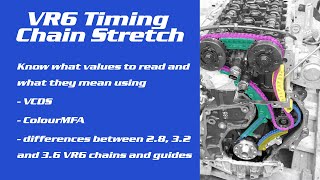
How to confirm: A technician will use a scan tool (like VCDS) to monitor requested vs. actual fuel rail pressure. If actual pressure is excessively high at idle (>60 bar), they will then check camshaft adaptation values (specifically, Measuring Blocks IDE00182 and IDE00184 🎬 Watch: How to check VR6 timing chain stretch using VCDS.). If these values exceed +/- 8 degrees, the engine timing is off, confirming this as the root cause.
Typical fix: This is an extensive repair that involves replacing the timing chains, tensioners, and guides to correct the base engine timing. Once timing is correct, the HPFP will function in sync again.
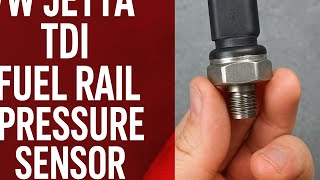
Est. part cost: $600-$1000 for a full timing kit - Faulty Fuel Rail Pressure Sensor (G247) 🟡 Medium Probability → Shop Fuel Pressure Sensor
How to confirm: Use a scan tool to observe the fuel rail pressure reading. If the reading is stuck at a very high value, doesn't change, or if both P0087 (too low) and P0088 (too high) appear intermittently, it can suggest an erratic sensor providing bad data to the ECM.
Typical fix: Replace the fuel rail pressure sensor.
Est. part cost: $50-$150 - Failed High-Pressure Fuel Pump (HPFP) 🟡 Medium Probability → Shop Fuel Pump The HPFP is a complex mechanical component that can fail internally. The internal fuel pressure regulator (N276 valve) can fail, causing the pump to default to maximum pressure and triggering P0088.
How to confirm: This is diagnosed after ruling out the sensor and timing issues. If pressure is genuinely high (verified with a gauge if necessary) and cam adaptation values are within spec (<8 degrees), the pump itself is the likely cause. A detailed diagnostic video on a Passat 3.6L showed the HPFP itself had jumped time on its drive sprocket, even when the main engine timing was correct, which is another possible failure mode.
Typical fix: Replace the high-pressure fuel pump.
Est. part cost: $300-$700
Rare But Worth Checking
- Blocked Fuel Return Line: While less common in modern returnless systems, a restriction in any part of the fuel line can prevent excess pressure from being bled off, causing it to build in the rail.
- Wiring Issues: A short circuit or damage to the wiring for the fuel rail pressure sensor (G247) or the pump's metering valve (N290) can cause incorrect readings or behavior. A 2019 Atlas owner reported a P0090 'Open Circuit' code for the N290 valve, which points to a wiring or valve issue.
- PCM/ECM Fault: In very rare cases, the Powertrain Control Module itself can be faulty, misinterpreting correct sensor data and setting the code. This is usually diagnosed only after all other possibilities have been exhausted.
Diagnosis Steps
- Connect a VW-compatible scan tool (VCDS, ODIS) and check for any other stored fault codes.
- View live data for 'Requested Fuel Rail Pressure' and 'Actual Fuel Rail Pressure'.
- At idle, observe the actual pressure. If it is significantly higher than the requested pressure, specifically over 60 bar (870 PSI) 🎬 See this walkthrough on diagnosing and repairing a P0088 code., it confirms an over-pressure condition.
- If the pressure reading is static or seems illogical, test the fuel rail pressure sensor (G247) and its wiring for faults.
- FOR 3.6L V6 ENGINES: If pressure is confirmed high, check the live data for camshaft adaptation. Look at 'IDE00182 - Camshaft adaptation intake bank 1: phase position' and 'IDE00184 - Camshaft adaptation exhaust bank 1: phase position'.
- If either adaptation value exceeds +/- 8.0 degrees, the engine timing is off. This is the root cause, and the fix is a timing chain service per TSB TT 01 20 05_4.
- If cam adaptation values are within spec, the issue is more likely a faulty HPFP or its control valve (N276/N290).
- FOR 2.0T ENGINES: Investigate the HPFP, its drive cam follower (a common wear item), and the G247 sensor.
Parts You'll Likely Need
- High-Pressure Fuel Pump (HPFP)
(OEM #3.6L V6: 03H127025S. 2.0T TSI: 06L127027C (supersedes 06L127027B, 06L127027A). 🎬 Watch: How to remove and install a high pressure pump.)— This is the most probable cause if timing is in spec, or if the pump itself has failed internally. It is often replaced as part of the timing job if the timing is found to be the cause.
Trusted brands: Bosch, Hitachi, Genuine VW
OEM price range: $500-$700
Aftermarket price range: $300-$500 - Fuel Rail Pressure Sensor (G247) — This sensor can fail and send incorrect high-pressure readings to the ECM, falsely triggering the code, or provide erratic readings that cause drivability issues.
Trusted brands: Bosch, Standard Motor Products
OEM price range: $100-$150
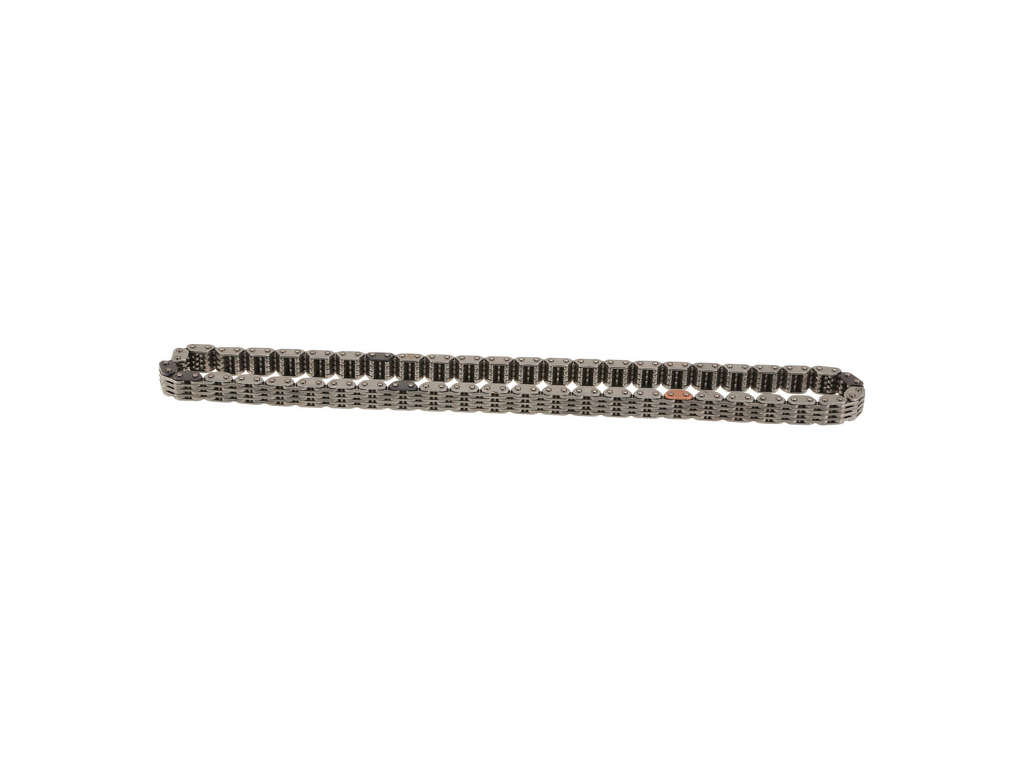
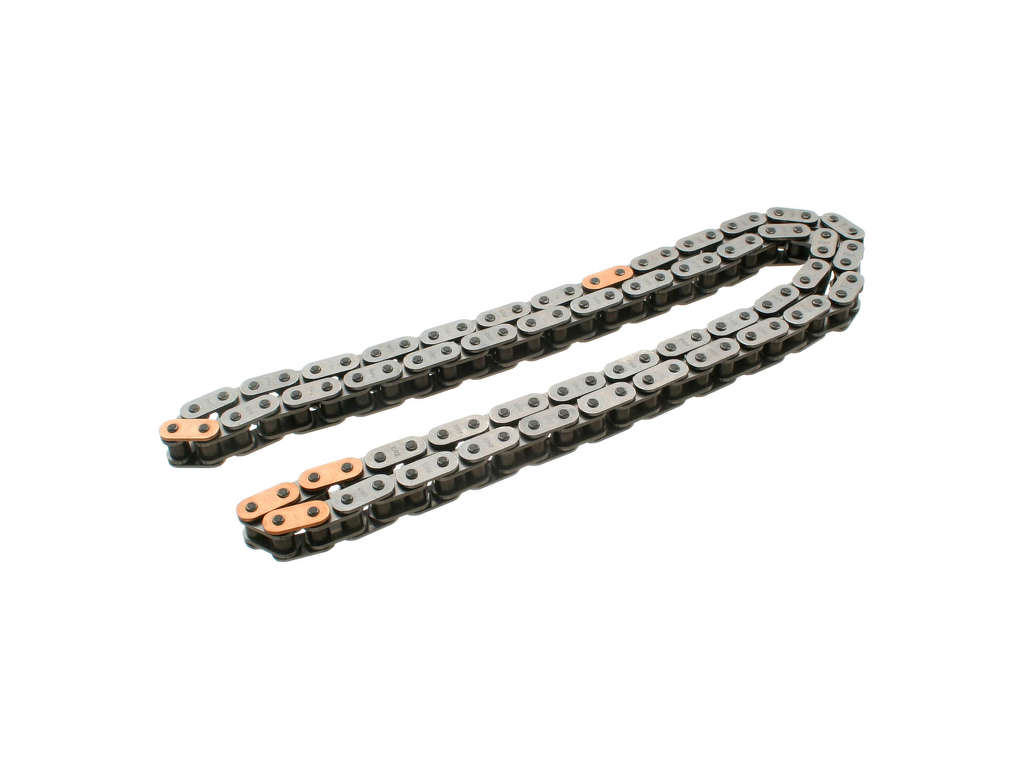
Aftermarket price range: $50-$90 - Timing Chain Kit (3.6L V6) — If diagnosis confirms cam adaptation values are over 8 degrees, this is the required fix. The kit includes chains, tensioners, and guides.
Trusted brands: Genuine VW, INA
OEM price range: $800-$1000
Aftermarket price range: $500-$700
Related Codes That Often Appear With This One
- P0087 — P0087 (Fuel Rail/System Pressure - Too Low) can appear with P0088 if the underlying issue (like a failing sensor or pump) is causing erratic pressure swings, both high and low.
- P1025 — This VW-specific code for 'Fuel Pressure Regulator Valve (N276), Mechanical Malfunction' is often triggered alongside P0088, as noted in TSB TT 01 20 05, pointing directly to a pressure regulation problem caused by the HPFP being out of time.
- P0016 — If P0016 (Crank/Cam Correlation) is present, it strongly suggests a base engine timing issue (e.g., stretched timing chain) is the root cause affecting the HPFP's timing, confirming the diagnosis path for the 3.6L engine.
- P053F — This code for 'Cold Start Fuel Pressure Performance' is also listed in TSB 2060799/4 as being related to the HPFP timing issue, as the system cannot achieve correct pressure on startup.
Technical Service Bulletins (TSBs) & Recalls
- TT 01 20 05_4 / TSB #2060799: States that DTCs P0088, P0087, P053F, and P1025 may set due to the high-pressure fuel pump being out of time (sync). Provides specific diagnostic criteria (fuel pressure >60 bar at idle, cam adaptation >8 degrees) for the 3.6L engine.
Platform-Specific Known Issues
- A Volkswagen Technical Tip (TT 01 20 05_4 / TSB #2060799) directly links P0088 on the 3.6L engine to the high-pressure fuel pump being 'out of time (sync)'. The diagnostic procedure is to check for fuel pressure over 60 bar at idle, and if confirmed, check camshaft adaptation values. If they exceed +/- 8 degrees, a full timing chain service is the prescribed repair.
Helpful Videos

Used OEM Parts in Stock
New Aftermarket Parts Available


The information in this article is provided for general reference and educational purposes only. Vehicle specifications, procedures, and part compatibility can vary by production date, trim level, and region. Always consult your vehicle's factory service manual and verify part numbers before purchasing or performing repairs. Safety-critical components such as airbags, seat belts, and braking systems should be installed by a qualified professional.
- Volkswagen ATLAS:
- 🧭 Diagnostic Flowchart
- 🎬 Helpful Videos
- 🛍️ Shop This Part
- What's Unique About the 2018-2021 Volkswagen ATLAS
- Symptoms You May Notice
- Most Likely Causes
- Rare But Worth Checking
- Diagnosis Steps
- Parts You'll Likely Need
- Related Codes That Often Appear With This One
- Technical Service Bulletins (TSBs) & Recalls
- Platform-Specific Known Issues
- 🎟️ Get 5% Off