

P0089 on 2010-2016 Buick LaCrosse 2.4L: Fuel Pressure Regulator Performance Causes and Fixes
On the 2.4L LaCrosse, code P0089 is almost always caused by a failing High-Pressure Fuel Pump (HPFP), often leaking fuel into the engine oil. Before buying parts, check your oil for a gasoline smell. A stretched timing chain is another very common root cause, as it drives the HPFP. If timing codes like P0016/P0017 are present, address the timing system first. The HPFP part costs between $150 and $400.
- Before replacing any parts for P0089, check the engine oil for a gasoline smell. This is a tell-tale sign of a failed High-Pressure Fuel Pump (HPFP).
- If timing-related codes like P0016 or P0017 are also present, the timing chain system is the most likely cause, not the fuel pump.
- The High-Pressure Fuel Pump (HPFP) is the most common part to fail and cause this code.
- Always replace the single-use high-pressure fuel line when replacing the HPFP to prevent dangerous leaks.
- If the HPFP has failed by leaking fuel into the oil, an engine oil and filter change is a required part of the repair.
What's Unique About the 2010-2016 Buick LaCrosse
The 2.4L Ecotec engine in this generation of LaCrosse is well-known for two specific issues that directly cause the P0089 code. The first is a high failure rate of the high-pressure fuel pump (HPFP), where an internal seal fails and leaks gasoline directly into the engine oil. This was common enough that GM issued Special Coverage #12313 and a voluntary emission recall #43180 for the 2010-2011 LAF engine. The second major issue is stretched timing chains, which is a frequent point of misdiagnosis. Because the HPFP is mechanically driven by a three-lobed section on the intake camshaft, a worn or jumped timing chain directly disrupts the pump's operation and triggers this fuel pressure code, even if the pump itself is not faulty. 🎬 Watch: How timing chain issues cause fuel pressure codes. This is why P0089 is often seen with timing codes like P0016 and P0017.
Symptoms You May Notice
- Reduced Engine Power message on the dashboard
- Hesitation or stumbling during acceleration
- Rough, unstable, or surging idle
- Engine stalling, especially at low speeds or when stopping
- Hard starting or long crank times
- Strong smell of gasoline in the engine oil
- Engine oil level is higher than normal
- Rattling or ticking noise from the engine area, especially on cold starts (indicative of timing chain issues)
- Whining noise from the high-pressure fuel pump area
- Replacing the high-pressure fuel pump (HPFP) when the actual root cause is a stretched timing chain. If timing codes like P0016/P0017 are present, the timing system must be addressed first, as the fuel pressure issue is a symptom of the bad timing.
Most Likely Causes
- Failing High-Pressure Fuel Pump (HPFP) 🔴 High Probability → Shop Fuel Pump The HPFP on this engine is a well-documented, common failure item. The internal plunger shaft seal can wear out, allowing fuel to contaminate the engine oil. GM issued Special Coverage Adjustment #12313 and Emission Recall #43180 for this exact issue on the 2.4L LAF engine.
How to confirm: The most definitive sign is a strong smell of raw gasoline on the engine oil dipstick. You can also use a scan tool to monitor 'Desired Fuel Rail Pressure' vs. 'Actual Fuel Rail Pressure'. If the actual pressure consistently fails to meet the desired pressure, especially under load, the HPFP is the likely culprit (assuming the low-pressure pump is working). The code can set if the actual pressure is more than 2,500 kPa (363 psi) different from desired for over 5 seconds.
Typical fix: Replace the high-pressure fuel pump and the single-use high-pressure fuel line. 🎬 See this walkthrough on replacing the high-pressure fuel pump. An oil and filter change is mandatory if fuel contamination is found to prevent engine damage.
Est. part cost: $150-$400 - Stretched Timing Chain or Failed Timing Components 🔴 High Probability → Shop Engine Timing Chain The timing chains on the 2.4L Ecotec are a known weak point, with wear often accelerated by oil consumption issues. Since the HPFP is driven by a lobe on the intake camshaft, incorrect cam timing directly affects the pump's ability to generate pressure, causing fuel codes like P0089.
How to confirm: Check for the presence of other diagnostic trouble codes, specifically timing-related codes like P0016 or P0017. A rattling noise from the passenger side of the engine is also a common symptom. A technician in a YouTube video confirmed that a failed aftermarket timing chain tensioner caused P0089 and P228D on a 2015 Equinox. 🎬 Watch: How a failed tensioner was finally diagnosed and resolved. Final confirmation requires inspecting the timing components.
Typical fix: Replace the timing chains, guides, and tensioners as a complete kit. It is critical to use high-quality OEM or equivalent parts, as cheap components are known to fail quickly. While doing the job, it is wise to also replace the water pump and VVT solenoids.
Est. part cost: $200-$500 for a kit - Faulty Fuel Rail Pressure Sensor ⚪ Low Probability → Shop Fuel Pressure Sensor
How to confirm: Using a scan tool, observe the fuel rail pressure reading. If the reading is erratic, stuck at a specific value, or clearly incorrect (e.g., reading high pressure when the engine is off), the sensor is likely faulty. This is best diagnosed after confirming the HPFP and timing system are healthy. A technician on the iATN network found a P0089 was caused by a loose white wire in the sensor's pigtail connector, not the sensor itself.
Typical fix: Replace the fuel rail pressure sensor located on the high-pressure fuel rail.
Est. part cost: $50-$120
Rare But Worth Checking
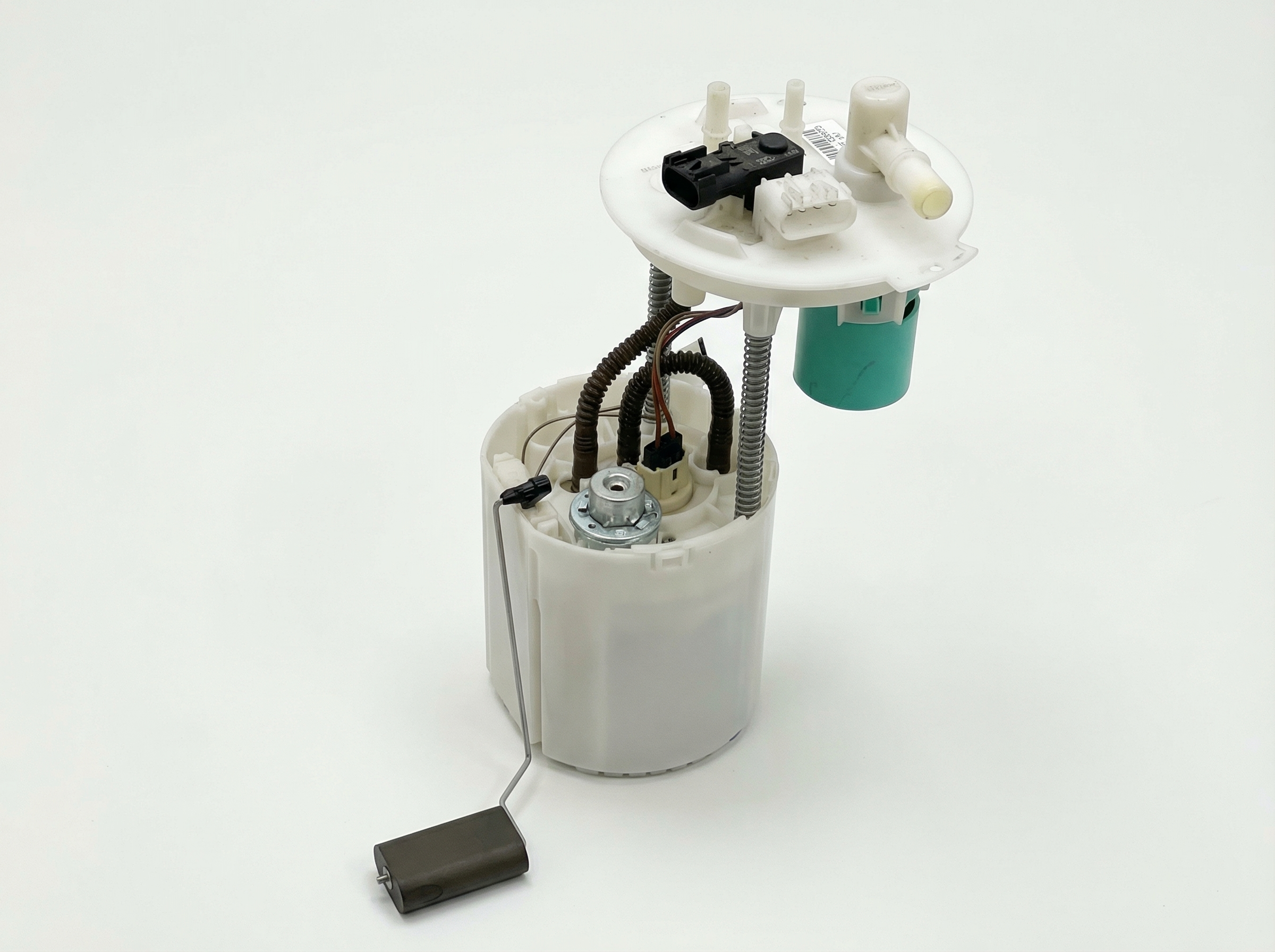
- Weak In-Tank (Low-Pressure) Fuel Pump: → Shop Fuel Pump The HPFP cannot function correctly if it is being starved of fuel. If you've ruled out the high-pressure side, it's worth testing the low-pressure pump's output. It should deliver 50-65 PSI (greater than 414 kPa) to the HPFP.
- Incorrect Camshaft Installed: → Shop Engine Camshaft According to GM TSB #PIP5203C, if major engine work was recently performed on a 2010-2011 model, an incorrect model year camshaft or actuator may have been installed, which can cause excessively high fuel pressure (2000-2500 PSI at idle) and trigger P0089 and P228D.
- Wiring or Connector Issues: A poor connection at the fuel rail pressure sensor or high-pressure fuel pump can cause erratic signals and trigger a P0089 code. A real-world repair story on iATN noted a single loose white wire in the sensor's connector pigtail was the ultimate cause after multiple parts were replaced.
- Worn Intake Camshaft Lobe: → Shop Engine Camshaft The HPFP is driven by a three-lobed section of the intake camshaft. In rare cases, particularly on high-mileage engines or those with poor lubrication history, these lobes can wear down, reducing the stroke of the HPFP plunger and causing low fuel pressure under load. This is difficult to diagnose without removing the HPFP and visually inspecting the camshaft lobes.
Diagnosis Steps
- Check for other stored DTCs. Pay close attention to any timing-related codes (P0016, P0017) or rich condition codes (P0172). The presence of timing codes makes the timing system the primary suspect.
- Perform the most critical check for this engine: Remove the engine oil dipstick and smell the oil. If it has a strong odor of raw gasoline, the High-Pressure Fuel Pump (HPFP) has failed internally and is leaking fuel into the crankcase. Also check if the oil level is overfull.
- If no fuel smell is present, connect a scan tool and monitor the Desired vs. Actual Fuel Rail Pressure PIDs. At idle, pressure should be around 1.9-2.1 MPa (279-305 psi). Command the engine RPM to 2500 and observe if the actual pressure can keep up with the desired pressure. A significant lag or inability to meet the target points to a fuel delivery issue.
- Test the low-pressure fuel system. Connect a fuel pressure gauge to the low-pressure feed line. The in-tank pump should provide a steady pressure greater than 60 PSI (414 kPa). If the low-side pressure is weak, the HPFP is being starved of fuel.
- If timing codes are present or a rattling noise is heard from the engine, the timing chain system must be inspected for wear, stretching, and proper tension before replacing any fuel system components.
- If the HPFP, timing system, and low-pressure pump are all confirmed to be in good working order, inspect the wiring and connector for the fuel rail pressure sensor for any damage or loose pins before replacing the sensor itself.
Parts You'll Likely Need
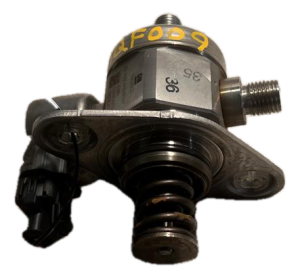
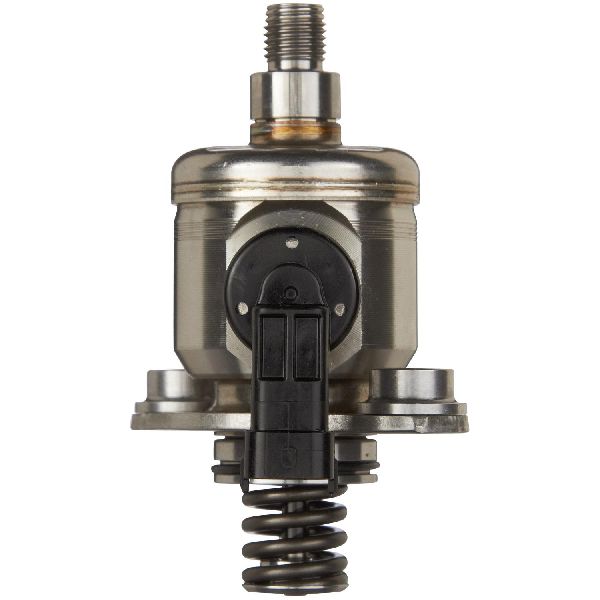
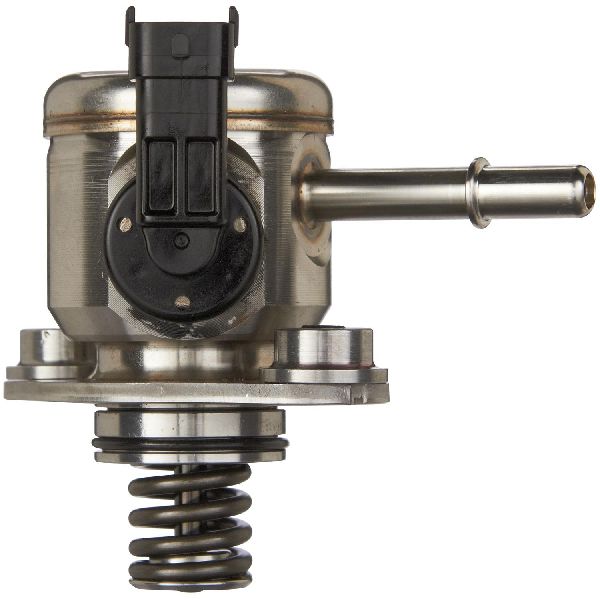
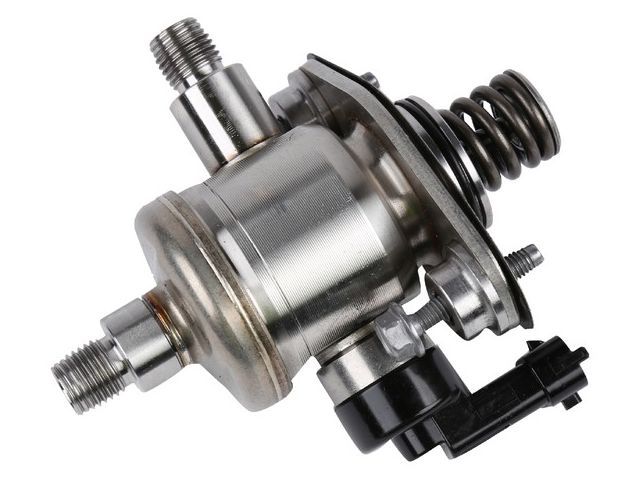
- High-Pressure Fuel Pump (HPFP)
(OEM #12641847)— This is the most common failure part for code P0089 on the 2.4L Ecotec engine, often failing by leaking fuel into the engine oil.
Trusted brands: ACDelco, GM Genuine
OEM price range: $250-$400
Related Codes That Often Appear With This One
- P0172 — System Too Rich. This code is often set when the HPFP fails and leaks fuel into the crankcase, causing an overly rich condition. GM's Special Coverage #12313 specifically mentions this code as a symptom of the HPFP failure.
- P0087 — Fuel Rail/System Pressure - Too Low. This is a more direct code indicating low pressure, which is the underlying performance issue captured by P0089.
- P228D — Fuel Pressure Regulator 1 Control Performance - High Pressure. This code frequently appears with P0089 and indicates the pressure is exceeding the commanded value. TSB #PIP5203C links these two codes directly to incorrect camshaft parts or timing issues.
- P0016 / P0017 — Crankshaft/Camshaft Position Correlation. These codes strongly suggest the timing chain has stretched or jumped. Because the HPFP is driven by the intake camshaft, these timing codes are a primary indicator that the P0089 code is a symptom of a larger mechanical timing problem.
Technical Service Bulletins (TSBs) & Recalls
- Special Coverage Adjustment – Engine Balance Chain and Fuel Pump: → Shop Fuel Pump Covers 2010-2011 LaCrosse/Equinox/Terrain and 2011 Regal with the 2.4L LAF engine. Addresses two conditions: a wearing balance chain that can stretch and break, and a fuel pump plunger shaft seal that can wear and leak fuel into the crankcase. The coverage was extended to 10 years or 120,000 miles.
- Poor Engine Performance P0089 P228D P0171 Whine Noise From High Pressure Fuel Pump: → Shop Fuel Pump Warns technicians that if major engine work was done (e.g., engine or camshaft replacement), installing an incorrect model year camshaft or actuator can cause P0089 and P228D with excessively high fuel pressure. This is due to differences in the camshaft design between 2010 and 2011 LAF engines.
- TSB Bulletin #PIP5203C: This bulletin notes that a Service Engine Soon light with codes P0089 and P228D may be set in the engine control module due to an incorrect intake camshaft or camshaft actuator sprocket.
Platform-Specific Known Issues
- GM Special Coverage Adjustment #12313 was issued for 2010-2011 models with the 2.4L LAF engine to extend the warranty on the high-pressure fuel pump due to high failure rates and fuel leaking into the crankcase.
- A common misdiagnosis is replacing the HPFP when a stretched timing chain is the true cause. The HPFP's performance is directly tied to the camshaft's timing.
Mechanic-Grade Diagnostic Values
- High-Pressure Fuel Rail Pressure at Idle — expected: 1.9 - 2.1 MPa (279 - 305 PSI). Failure: Significantly higher or lower pressure. Pressure over 2000 PSI at idle points to the incorrect camshaft issue described in TSB PIP5203C.
- Low-Pressure Fuel System Pressure (In-tank pump) — expected: Greater than 414 kPa (60 PSI). Failure: Pressure below this range indicates a weak in-tank pump or flow control module issue, which will starve the HPFP.
- High-Pressure Fuel Pump Actuator Solenoid Resistance — expected: 9 - 11 Ohms at 77°F (25°C). Failure: A reading outside this range, or less than infinite resistance between each terminal and the pump housing, indicates a faulty pump.
- DTC Set Condition (Pressure Deviation) — expected: Actual pressure should closely track desired pressure.. Failure: Code P0089 or P228D can set if actual pressure is more than 2,500-3,000 kPa (363-435 PSI) different from desired pressure for more than 5 seconds.
Scan Tool Commands That Help
- GDS2 / Professional Scan Tool: Fuel Rail Pressure Control / High Pressure Fuel Pump Output Control — This bidirectional command allows a technician to manually command specific fuel pressures and observe if the actual pressure PID follows the command. This directly tests the ECM's ability to control the HPFP and the pump's ability to respond, helping to isolate a control issue from a mechanical failure.
- GDS2 / Professional Scan Tool: Fuel Pump Enable ON/OFF — Used in conjunction with a mechanical fuel pressure gauge on the low-pressure line to test the in-tank pump's ability to build and hold pressure with the engine off. This helps rule out the low-pressure side before focusing on the high-pressure system.
Wiring & Ground Locations
- Fuel Rail Pressure Sensor Connector — Located on the high-pressure fuel rail, underneath the intake manifold.. This 3-wire connector provides the ECM with the actual fuel pressure reading. A loose pin or broken wire (specifically the white wire in one documented case) can cause erratic pressure readings and trigger P0089 even if the sensor and pump are good. The pigtail connector is available as ACDelco PT2798.
- G103 — Located at the left rear of the engine compartment on the cowl, above the brake booster.. This is a major ground point for the Body Control Module (BCM) and Data Link Connector (DLC). While not a direct engine ground, a poor connection here can cause a wide range of communication and electrical issues that could potentially mimic component failures.
- ECM Ground — The ECM grounds through the engine block and harness. A key ground point is G102, located at the left rear of the engine, which grounds ignition components and provides a reference for the ECM.. A poor engine or ECM ground can cause incorrect sensor readings and faulty operation of output drivers, such as the one that controls the HPFP actuator solenoid.
Real Owner Repair Stories
- iATN (International Automotive Technicians Network) (2010 Buick LaCrosse 3.6L (Similar GDI system)) — Hard start, runs poorly, runs rich, may pop back into intake, reduced power mode. Codes P0089, P0088, P2178, P2180, and multiple misfires.
❌ Tried (didn't work) New high-pressure fuel pump, New fuel lines, New pressure sensor, New O2 sensor, New #1 injector
✅ What actually fixed it After extensive diagnosis, the technician found a loose white wire in the fuel rail pressure sensor connector pigtail. Wiggling the connector caused pressure readings to jump erratically. Replacing the connector pigtail (ACDelco PT2798) resolved all issues. - YouTube channel 'G Auto Repair' (2015 Chevrolet Equinox 2.4L) — Intermittent P0089 and P228D codes, especially when the engine reached operating temperature (around 215°F). No timing codes were initially present.
❌ Tried (didn't work) Initial diagnosis focused on the fuel system due to the codes.
✅ What actually fixed it The vehicle had a recent timing chain job done with aftermarket parts. The technician discovered the aftermarket primary timing chain tensioner was failing/coming apart, causing oil pressure loss to the timing system and allowing the intake cam timing to wander. This wandering timing directly affected the cam-driven HPFP, creating the fuel pressure codes. Replacing the timing components with new OEM parts fixed the problem.
OEM Part Supersession History
12608371, 12633115, 12633423, 12639694→12641847— GM revised the high-pressure fuel pump part multiple times, likely to address the high failure rate and internal seal issues causing fuel/oil contamination.
Heads up: When replacing, it is critical to use the latest part number (12641847) or its ACDelco equivalent (EP1028) to get the most updated design.
Model Year Variations Within This Range
- 2010 vs. 2011: Per TSB #PIP5203C, the camshaft actuators are different. A 2010 LAF engine uses a gray intake actuator and a black exhaust actuator. A 2011 LAF engine uses black actuators for both intake and exhaust. Installing the wrong year camshaft or actuator during an engine repair will cause P0089 and P228D with excessively high fuel pressure.
Diagnostic Flowchart
Used vs. New Parts: Buying Guide for This Vehicle
When a used part is the smart pick: A used part is only a reasonable choice for the Fuel Rail Pressure Sensor, provided it comes from a low-mileage, verified running donor vehicle. For all other common causes, new parts are strongly recommended.
Donor-vehicle mileage cap: roughly under 80000 miles for the part to have meaningful remaining life.
What to inspect on the donor part:
- For a sensor, ensure the connector is not cracked or damaged.
- Check for any signs of extreme corrosion or physical damage.
- Verify the donor vehicle did not have fuel or timing-related trouble codes.
OEM-only on this vehicle (don't cheap out):
- High-Pressure Fuel Pump (HPFP): Given the extremely high failure rate and subsequent revisions, installing a used HPFP is a significant risk. Aftermarket pumps also have a mixed reputation; ACDelco/GM Genuine is the safest choice.
- Timing Chain Kit: This is a critical, high-wear system. Aftermarket kits, especially inexpensive ones, are a documented cause of repeat failures. Using an OEM or a highly reputable aftermarket kit is essential.
Aftermarket brands forum-validated for this vehicle:
- Timing Chain Kit: Cloyes is a widely respected OEM supplier and aftermarket brand for timing components. ZZPerformance also offers upgraded kits that are well-regarded in the enthusiast community.
Brands owners have reported issues with on this vehicle:
- Unbranded, low-cost timing chain kits from online marketplaces like eBay or Amazon. These are frequently cited as failing prematurely, causing the same codes to return.
Real Owner Stories
Aggregated from forums and TSBs cited above. Mileages and costs reflect what owners reported in those sources.
2011 GMC Terrain 2.4L
Symptoms: Owner reported a combination of codes: P0089, P228D, P0016, and P0017.
What fixed it: Diagnosed as a likely timing chain failure, as the combination of fuel pressure codes and camshaft correlation codes is a classic indicator of a stretched chain on this engine.
Source hint: GMTNation: 2011 Terrain codes; P228D, P0089, P0016, P0017
2015 Chevrolet Equinox 2.4L
Symptoms: Vehicle presented with codes P0089 and P228D.
What fixed it: The root cause was found to be a failed aftermarket timing chain tensioner, which led to a loss of oil pressure, erratic timing, and consequently, the fuel pressure codes.
Source hint: YouTube: Chevrolet Equinox 2.4l P0089, p228d finally resolved
Related OBD-II Codes
Frequently Asked Questions
I heard there was a special warranty or recall for the fuel pump on my 2011 LaCrosse. Is that true?
My mechanic says a stretched timing chain is causing my P0089 fuel code. Is that possible on this car?
What is the most important first check I can do myself for a P0089 code on my LaCrosse?
I just had major engine work done and now I have a P0089 code. What could have gone wrong?
If my high-pressure fuel pump failed and leaked gas into the oil, is just replacing the pump enough?
My engine is making a rattling noise and showing a P0089 code. Are these two things related?
Helpful Videos
Used OEM Parts in Stock
New Aftermarket Parts Available


The information in this article is provided for general reference and educational purposes only. Vehicle specifications, procedures, and part compatibility can vary by production date, trim level, and region. Always consult your vehicle's factory service manual and verify part numbers before purchasing or performing repairs. Safety-critical components such as airbags, seat belts, and braking systems should be installed by a qualified professional.
- Buick LaCrosse:
- 🧭 Diagnostic Flowchart
- 🎬 Helpful Videos
- 🛍️ Shop This Part
- What's Unique About the 2010-2016 Buick LaCrosse
- Symptoms You May Notice
- Most Likely Causes
- Rare But Worth Checking
- Diagnosis Steps
- Parts You'll Likely Need
- Related Codes That Often Appear With This One
- Technical Service Bulletins (TSBs) & Recalls
- Platform-Specific Known Issues
- Mechanic-Grade Diagnostic Values
- Scan Tool Commands That Help
- Wiring & Ground Locations
- Real Owner Repair Stories
- OEM Part Supersession History
- Model Year Variations Within This Range
- Used vs. New Parts: Buying Guide for This Vehicle
- Real Owner Stories
- 2011 GMC Terrain 2.4L
- 2015 Chevrolet Equinox 2.4L
- Related OBD-II Codes
- Frequently Asked Questions
- 🎟️ Get 5% Off