

P0089 on 2018-2020 Chevrolet Equinox 2.0L Turbo: Fuel Pressure Regulator Performance Guide
On a 2018-2020 Equinox with the 2.0L turbo engine, P0089 almost always indicates a failing high-pressure fuel pump (HPFP). This is a very common failure point. Before replacing the pump, check for any applicable software updates from a GM dealer, as TSBs exist for incorrect P0089 triggers. The repair is costly, typically $800-$2000 at a shop, and involves replacing the pump and often the single-use high-pressure fuel line.
- P0089 on a 2.0L Turbo Equinox is a serious code that makes the vehicle unsafe to drive due to the risk of stalling.
- The most likely cause is a failing high-pressure fuel pump (HPFP), a known weak point on this engine.
- Before replacing any parts, check with a GM dealer for any available ECM software updates, which can sometimes be the sole fix.
- This is not a beginner-friendly DIY repair due to the extremely high fuel pressures and complexity. Professional service is strongly recommended.
What's Unique About the 2018-2024 Chevrolet Equinox
The 2.0L LTG turbo engine in the Equinox, like many GM direct-injection engines of this era, is known for issues with its high-pressure fuel pump. The HPFP is a widely reported failure item, leading to stalling and various fuel pressure codes like P0089. The HPFP is mechanically driven by a dedicated lobe on the intake camshaft, and wear on this lobe or the pump's follower can also lead to pressure issues. GM has issued recalls and customer satisfaction programs for HPFP failures on other engines in the Equinox, highlighting fuel system vulnerability. Therefore, when P0089 appears, the HPFP is the immediate and most probable suspect.
Symptoms You May Notice
- Engine stalling, sometimes unexpectedly while driving
- Reduced Engine Power or 'limp mode' message
- Hesitation or stumbling during acceleration
- Rough idle
- Hard starting or long crank times
- Check Engine Light illuminated
- Decreased fuel economy, potentially by 15-25%
- Strong fuel smell from the engine bay or in the engine oil
- Replacing the fuel filter first. While a clogged filter can cause fuel pressure issues, it typically causes low-pressure codes (like P0087) and is less likely to be the root cause of a P0089 'performance' code on this GDI system.
- Condemning the HPFP without checking for software updates. GM has specifically issued TSBs for software-related false triggers of this code, making it a crucial first diagnostic step.
Most Likely Causes
- Failing High-Pressure Fuel Pump (HPFP) 🔴 High Probability → Shop Fuel Pump The HPFP is a well-documented, common failure point on the 2.0L LTG engine and related GM platforms. The internal regulator can fail or the pump can simply wear out and be unable to generate the commanded pressure, especially under load.
How to confirm: A technician will use a scan tool to monitor desired versus actual fuel rail pressure while the engine is running. A significant and persistent deviation, especially under load, points to a failing HPFP. Another key diagnostic step is to check the engine oil on the dipstick for a strong gasoline smell, which indicates a failed internal seal on the HPFP is leaking fuel into the crankcase.
Typical fix: Replace the high-pressure fuel pump, its associated one-time-use high-pressure fuel line, and the pump's cam follower (tappet). An oil change is mandatory if fuel contamination is present.
Est. part cost: $250-$600 - Faulty Fuel Rail Pressure Sensor 🟡 Medium Probability → Shop Fuel Pressure Sensor While less common than HPFP failure, the sensor that measures the pressure can fail and send incorrect data to the ECM, falsely triggering the code. An intermittent sensor can cause erratic readings that mimic a pump failure.
How to confirm: With a scan tool, observe the fuel rail pressure reading with the key on, engine off. The reading should be near zero. If it shows high pressure or an erratic value when there is none, the sensor is likely faulty. A technician can also compare the sensor's reading to a known-good mechanical gauge, though this is difficult on the high-pressure side.
Typical fix: Replace the fuel rail pressure sensor located on the high-pressure fuel rail.
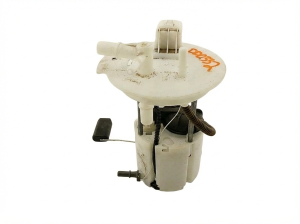
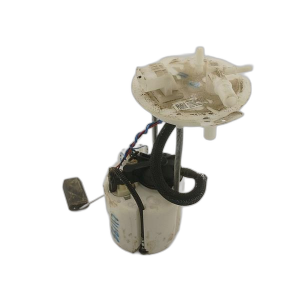
Est. part cost: $40-$100 - Weak In-Tank (Low-Pressure) Fuel Pump ⚪ Low Probability → Shop Fuel Pump The in-tank low-pressure pump for these vehicles is also a known issue, subject to recalls for some model years. A weak low-pressure pump can starve the HPFP, preventing it from reaching its target pressure and causing a P0089 code.
How to confirm: Test the low-pressure fuel system pressure at the supply line to the HPFP. It should typically be between 50 and 70 PSI. If pressure is low, the in-tank pump or its control module (FPCM) is suspect.
Typical fix: Replace the in-tank fuel pump module.
Est. part cost: $200-$400
Rare But Worth Checking
- ECM Software Calibration Issue: GM has released Technical Service Bulletins (TSBs) for similar models where a software glitch could incorrectly trigger P0089, often with P228C. It's critical to check with a dealer if any software updates are available for your vehicle's VIN before replacing expensive parts. TSB N252524760 is one such bulletin.
- Wiring or Connector Issues: Corrosion or damage to the wiring or electrical connector for the fuel rail pressure sensor or the HPFP's control solenoid can cause erratic signals and trigger this code. The connector for the HPFP is designated G18 by GM. TSB 20-NA-197 specifically addresses issues with corrosion on the fuel pressure sensor connector.
- Worn Intake Camshaft Lobe: → Shop Engine Camshaft The HPFP is driven by a special lobe on the intake camshaft. In high-mileage vehicles or those with poor oil maintenance, this lobe can wear down, preventing the pump from achieving full stroke and generating sufficient pressure. This is a rare but possible cause if a new HPFP does not solve the issue.
Diagnosis Steps
- Check for any Technical Service Bulletins (TSBs) or recalls related to the fuel system for your specific VIN. A software update (per TSB N252524760) may be the required fix.
- Connect a professional-grade OBD-II scanner and view live data. Monitor 'Desired Fuel Rail Pressure' and 'Actual Fuel Rail Pressure'.
- Observe the pressure readings at idle, during gentle acceleration, and under heavy load (snap throttles). Note any significant deviations (e.g., >300-500 PSI) between desired and actual pressure.
- Inspect the engine oil by pulling the dipstick. A strong gasoline smell is a definitive sign of a failed internal seal on the HPFP, which is leaking fuel into the crankcase.
- Visually inspect the area around the high-pressure fuel pump (rear of the cylinder head) and fuel rail for any signs of external fuel leaks.
- If the HPFP is suspected, test the low-pressure fuel pump's output to ensure it is supplying adequate fuel (50-70 PSI) to the HPFP.
- Per TSB PIP6003, a technician may perform an Active Fuel Injector Test (AFIT) to rule out leaking injectors before condemning the HPFP.
- If the low-pressure system is healthy, the software is updated, injectors are not leaking, and scan tool data points to a pressure deviation, the high-pressure fuel pump is the most likely culprit.
Parts You'll Likely Need
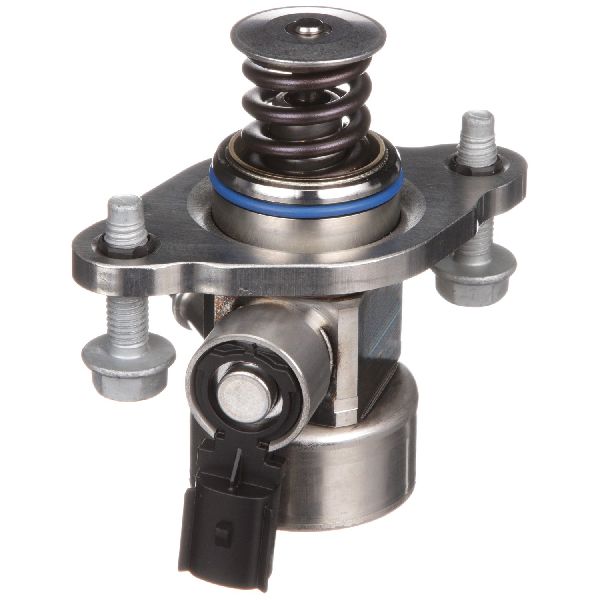
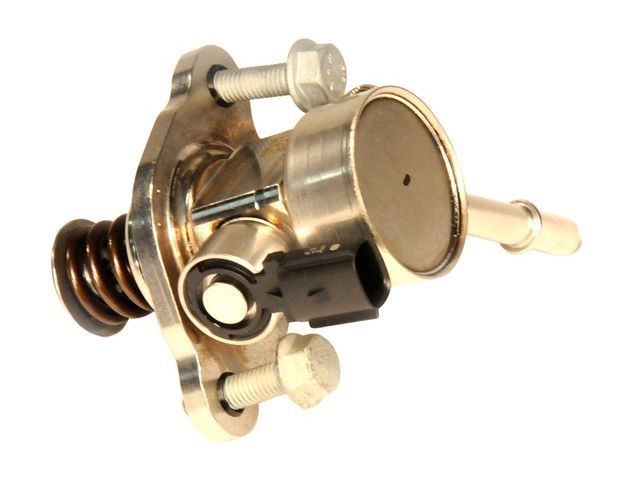
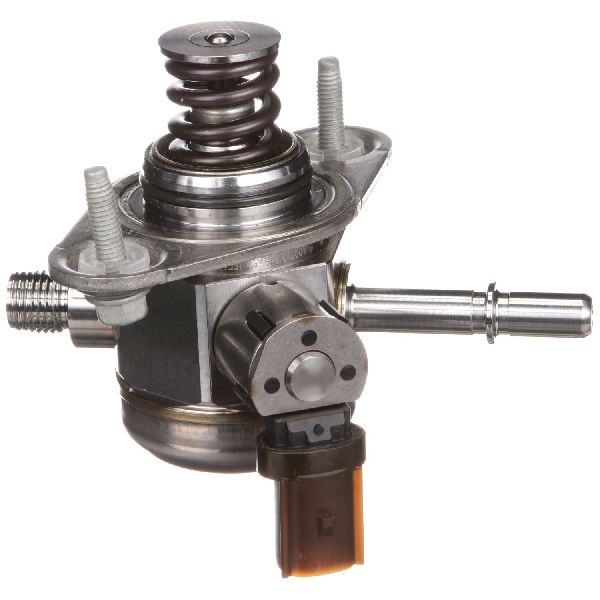
- High-Pressure Fuel Pump (HPFP)
(OEM #12691016 (supersedes 12677329))— This is the most common failure item that causes the P0089 code on the 2.0L LTG engine. The original pump is a known weak point.
Trusted brands: ACDelco (GM Genuine), Bosch
OEM price range: $400-$600
Aftermarket price range: $250-$450 - High-Pressure Fuel Feed Pipe
(OEM #12679365)— This is a one-time-use, torque-to-yield part. It connects the HPFP to the fuel rail and must be replaced anytime it is loosened to prevent high-pressure leaks.
Trusted brands: ACDelco (GM Genuine)
OEM price range: $30-$50
Aftermarket price range: $20-$40 - Fuel Rail Pressure Sensor
(OEM #12691242)— If the pump is functioning correctly, a faulty sensor giving incorrect readings to the ECM is the next most likely cause.
Trusted brands: ACDelco, Standard Motor Products
OEM price range: $60-$100
Aftermarket price range: $40-$80
Related Codes That Often Appear With This One
- P228C — This code means 'Fuel Pressure Regulator Control Performance - Low Pressure' and is very closely related, often appearing with P0089 when the HPFP is failing or a software glitch is present.
- P0087 — This code for 'Fuel Rail/System Pressure - Too Low' can accompany P0089 if the HPFP is unable to build sufficient pressure.
- P0191 — This code indicates a problem with the 'Fuel Rail Pressure Sensor Circuit Range/Performance', suggesting the sensor's readings are erratic or implausible, which can be a cause or a symptom of the P0089 issue.
- P228D — This code for 'Fuel Pressure Regulator 1 Exceeded Control Limits - Pressure Too High' can be set if the HPFP regulator fails in a way that causes excessive pressure.
Technical Service Bulletins (TSBs) & Recalls
- PIP5151F - Fuel system contamination causing various fuel pressure DTCs.
- N252524760 / PIP6003 - Addresses software calibration issues and diagnostic procedures for P0089 and related codes. Recommends checking for software updates and performing injector tests before replacing the HPFP.
- Bulletin #N252524760 - Notes that certain vehicles may set a Malfunction Indicator Light and DTCs P228C, P0089, and/or P006C, requiring a reprogram of the Engine Control Module.
- N182199610 - Customer Satisfaction Program for cracking HPFPs on 1.5L engines, not the 2.0L, but relevant to platform issues.
Platform-Specific Known Issues
- GM Customer Satisfaction Program N182199610 was issued for some 2018-2019 models with the 1.5L engine due to high-pressure fuel pumps that could crack and leak fuel. While not for the 2.0L, it shows a pattern of HPFP issues on the platform.
- GM TSB #PIP5151F notes that fuel system contamination (e.g., water, debris) can cause P0089 and related codes, requiring a full system inspection and cleaning, not just part replacement.
Mechanic-Grade Diagnostic Values
- Low-Pressure Fuel System Pressure (at HPFP inlet) — expected: 50-70 PSI. Failure: Pressure below 50 PSI indicates a weak in-tank pump, failing FPCM, or clogged filter.
- High-Pressure Fuel Rail Pressure at Idle — expected: ~440 PSI. Failure: Significantly lower pressure, or pressure that doesn't hold steady, suggests a failing HPFP or a supply issue from the low-pressure side.
- High-Pressure Fuel Rail Pressure Under Load — expected: 500 to 2,250+ PSI, dynamically adjusted by the ECM.. Failure: Actual pressure failing to meet desired pressure during acceleration is a classic sign of a weak HPFP.
- Fuel Rail Pressure Sensor Signal Voltage — expected: Varies between ~0.5V (low pressure) and ~4.5V (high pressure). At idle, expect around 2.2V.. Failure: Voltage is stuck at 0V, 5V, or does not change in response to engine load, indicating a faulty sensor or wiring issue.
- Fuel Rail Pressure Sensor 5V Reference — expected: 4.8 - 5.2 Volts with key ON, engine OFF.. Failure: Voltage outside this range points to a fault in the ECM or the wiring harness.
Scan Tool Commands That Help
- GDS2 (GM Global Diagnostic System 2): Fuel Rail Pressure Control — This bidirectional control allows a technician to command specific fuel pressures and observe if the HPFP and its integrated regulator respond. This is a key test to isolate a faulty pump from a sensor or other system issue.
- GDS2 (GM Global Diagnostic System 2): Active Fuel Injector Test (AFIT) — Per GM TSB PIP6003, this test should be run with the engine both hot and cold to rule out leaking or restricted fuel injectors before condemning the more expensive high-pressure fuel pump.
- GDS2 (GM Global Diagnostic System 2): Fuel Pump Control Module Command — This allows for direct testing of the low-pressure in-tank fuel pump circuit to verify its operation independently of the high-pressure system.
Wiring & Ground Locations
- Fuel Pump Control Module (FPCM) — Located under the driver's side of the vehicle, typically protected by a large shield held in place by 10mm nuts.. The FPCM controls the low-pressure in-tank pump. A failure of this module, its wiring, or its ground can starve the high-pressure pump, leading to P0089.
- G18 High Pressure Fuel Pump Connector — On the high-pressure fuel pump itself, located at the rear of the cylinder head where it is driven by the camshaft.. This is the electrical connector for the pump's internal pressure regulating solenoid. Diagnostics for P0089 involve checking for proper voltage and signals at this connector.
- Fuel Rail Pressure Sensor Connector — On the high-pressure fuel rail, which is mounted to the cylinder head near the fuel injectors. It is a 3-wire connector.. Corrosion, damage, or poor pin tension at this connector can cause erratic or incorrect pressure readings, leading to a false P0089. TSB 20-NA-197 specifically calls out inspecting this connector for corrosion.
Real Owner Repair Stories
- Reddit user on r/Audi (with similar GDI system) (Audi A4 2.0T) — P0089 Check Engine Light. Car seemed to run fine otherwise.
❌ Tried (didn't work) Replaced the HPFP cam follower.
✅ What actually fixed it After a shop diagnosed that the fuel pressure sensor readings were 'all over the place,' the owner replaced the high-pressure fuel sensor, which resolved the code. - PistonHeads Forum User (on a different 2.0T GDI engine) (Volvo S60 2.0T) — Stalling under load, lean running conditions, eventually set P0089.
❌ Tried (didn't work) Replacing front O2 sensor., Disconnecting A/C compressor belt to rule out excessive engine load.
✅ What actually fixed it A new low-pressure fuel pump. Diagnostics on a rolling road showed fuel pressure was fine at idle but dropped from 3 bar to 1.8 bar under heavy load, indicating the in-tank pump was weak and couldn't supply the HPFP fast enough.
OEM Part Supersession History
12677329→12691016— This is a common supersession for the HPFP used on many GM engines. While the exact reason for the change isn't public, part revisions are typically made to improve reliability, change suppliers, or address known failure modes.Multiple older PNs (12622475, 12629934, 12633594, 12641740, etc.)→12691016— Part number 12691016 has replaced a long list of previous HPFP part numbers, consolidating the component for various 3.0L, 3.6L, and other GM direct-injection engines.
Diagnostic Flowchart
Other Known Issues on This Vehicle
Issues unrelated to this code that are worth knowing about as an owner of this generation:
- 9-Speed (9T50) Transmission Shudder/Hesitation 🟠 Medium — Common complaint on 2018-2020 models, especially at low speeds (25-50 mph). (Ref: TSB 22-NA-015)
- Start-Stop Accumulator Bolt Failure 🔴 High — Affects a range of 2018-2020 GM vehicles. Can cause sudden transmission fluid leak and loss of propulsion. (Ref: NHTSA Recall N202313440)
- Charge Air Cooler (CAC) Pipe Disconnection 🟠 Medium — A very common issue on the 2.0L LTG engine where the pipe from the intercooler to the throttle body pops off, causing a sudden loss of power and code P1101. (Ref: TSB 22-NA-224)
- 'Shift to Park' Message 🟡 Low — Common issue where a faulty microswitch in the shifter assembly prevents the vehicle from recognizing it's in Park, which can drain the battery. (Ref: TSB 19-NA-206)
- Brake Vacuum Pump Failure 🔴 High — A widespread issue where the mechanically-driven vacuum pump can fail, leading to a loss of power brake assist. This issue has been subject to class-action lawsuits. (Ref: TSB #PIP5835)
Used vs. New Parts: Buying Guide for This Vehicle
When a used part is the smart pick: For this specific repair, sourcing used parts is generally not recommended. The High-Pressure Fuel Pump (HPFP) is a known high-failure item, and a used unit carries a significant risk of premature failure. A used Fuel Rail Pressure Sensor could be a viable option if sourced from a low-mileage vehicle, but the cost of a new sensor is low enough that it's usually not worth the risk.
Donor-vehicle mileage cap: roughly under 50000 miles for the part to have meaningful remaining life.
What to inspect on the donor part:
- For a sensor: Check for any physical damage, corrosion on the connector pins, or signs of being over-torqued.
- For a pump: Avoid completely. There are no reliable external cues to determine the remaining life of a used HPFP.
OEM-only on this vehicle (don't cheap out):
- High-Pressure Fuel Pump (HPFP): Given the high failure rate and the critical nature of this part, using a GM Genuine or ACDelco OEM part is strongly recommended to ensure reliability and longevity.
- High-Pressure Fuel Feed Pipe: This is a one-time-use, torque-to-yield part. It must be purchased new (OEM is the only reliable source) and replaced any time it is loosened to prevent catastrophic fuel leaks.
Aftermarket brands forum-validated for this vehicle:
- Bosch: Bosch is an original equipment manufacturer for many fuel system components for GM and other brands. Their HPFPs and sensors are generally considered to be of high quality, equivalent to OEM.
Brands owners have reported issues with on this vehicle:
- Unbranded or 'white-box' parts from online marketplaces should be avoided for this repair. The fuel system operates under extreme pressure, and failure of a low-quality component can lead to significant engine damage or fire.
Real Owner Stories
Aggregated from forums and TSBs cited above. Mileages and costs reflect what owners reported in those sources.
2011 Chevy Equinox 2.4L AWD
Symptoms: Intermittent P0089 and P228D codes.
What fixed it: Replacing a faulty intake camshaft phaser, as the camshaft timing was affecting the drive of the high-pressure fuel pump.
Source hint: ScannerDanner Forum - 'Intermittent P0089, P228D 2011 Chevy Equinox 2.4 AWD'
2010 Chevrolet Equinox
Symptoms: P0089 and P228D codes resulting in a 'Reduced Engine Power' message.
What fixed it: Diagnostic recommendation to check the fuel rail pressure sensor for a zero reading when pressure is bled off to confirm sensor failure.
Source hint: chevroletforum.com - 'Chevrolet Equinox Set A Code p228D and p0089 Reduced Engine Power'
2024 Chevy Equinox
Symptoms: The vehicle went into limp mode and lost acceleration while driving, throwing codes P228C and P0089.
What fixed it: Documented under NHTSA ODI #11719189; owner reported encountering limp mode previously without a check engine light before the codes finally set.
Source hint: NHTSA ODI #11719189
2023 Chevy Equinox
Symptoms: Hard starting requiring 10-15 seconds of cranking.
What fixed it: A certified dealer confirmed four codes: P0089 (fuel pressure regulator performance), P00C6 (fuel rail pressure low during cranking), and P228C (fuel pressure regulator control performance).
Source hint: NHTSA ODI #11564698
2020 Chevy Equinox
Symptoms: Check engine light with codes P0017, P0089, and P228D.
What fixed it: NHTSA ODI #11693101 notes the owner was told the ECM was replaced after the vehicle required towing and failed to start.
Source hint: NHTSA ODI #11693101
Related OBD-II Codes
Frequently Asked Questions
My 2018 Equinox 2.0L is stalling and showing P0089; is there a software fix before I replace the pump?
I smell gas when I check my oil dipstick on my 2019 Equinox 2.0L. Is this related to P0089?
Does the recall for cracking fuel pumps on the 1.5L Equinox (N182199610) apply to my 2.0L LTG engine?
What should the low-pressure fuel readings be for a 2018-2020 Equinox 2.0L?
Can fuel contamination cause P0089 on my Chevy Equinox?
Is there a specific part I must replace along with the High-Pressure Fuel Pump?
Helpful Videos
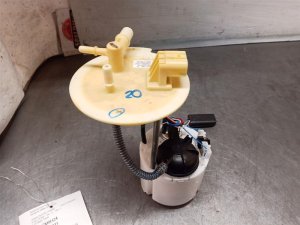
Used OEM Parts in Stock
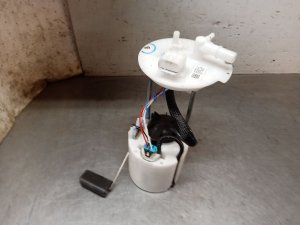
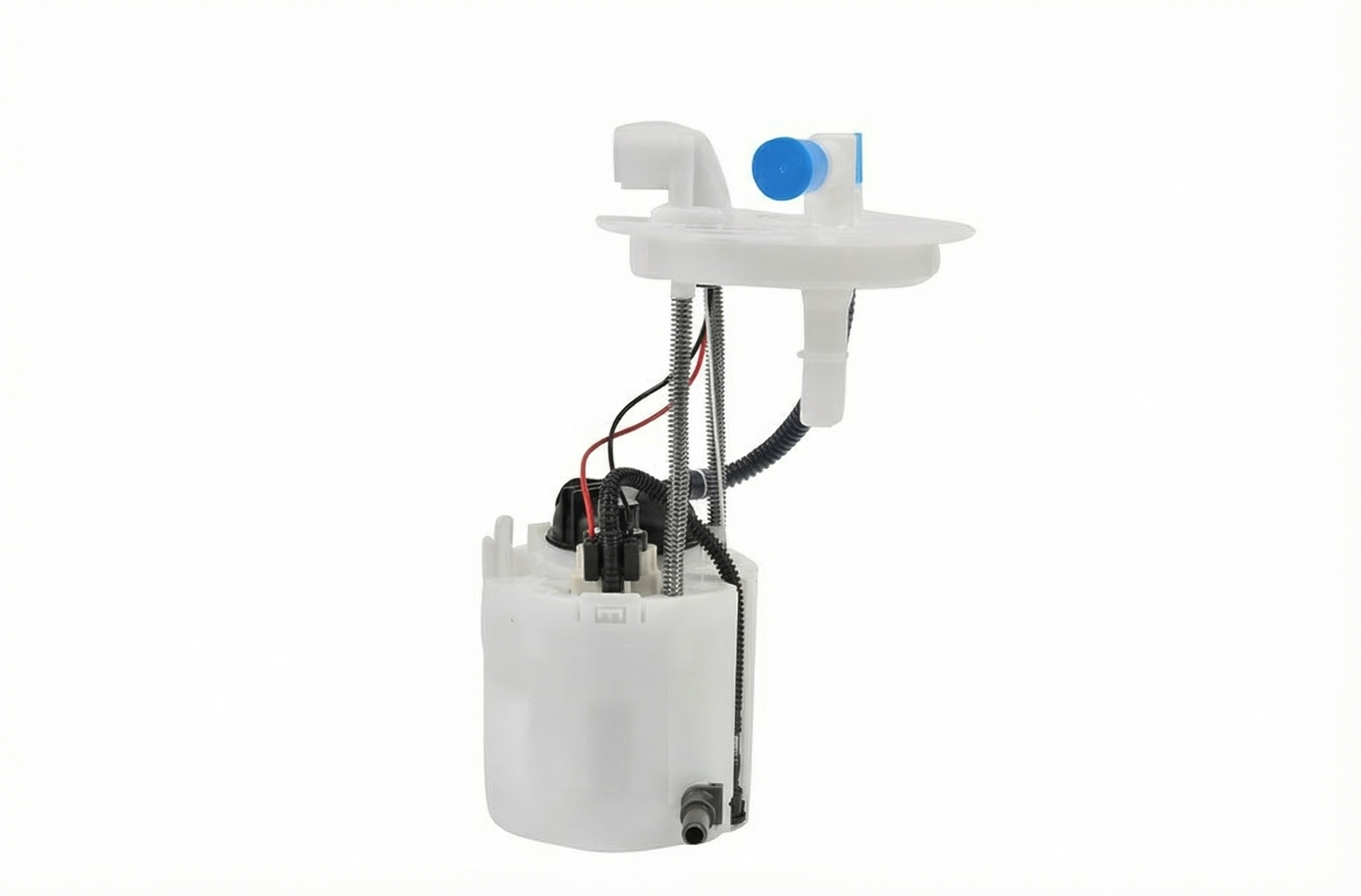
New Aftermarket Parts Available


The information in this article is provided for general reference and educational purposes only. Vehicle specifications, procedures, and part compatibility can vary by production date, trim level, and region. Always consult your vehicle's factory service manual and verify part numbers before purchasing or performing repairs. Safety-critical components such as airbags, seat belts, and braking systems should be installed by a qualified professional.
- Chevrolet Equinox:
- 🧭 Diagnostic Flowchart
- 🎬 Helpful Videos
- 🛍️ Shop This Part
- What's Unique About the 2018-2024 Chevrolet Equinox
- Symptoms You May Notice
- Most Likely Causes
- Rare But Worth Checking
- Diagnosis Steps
- Parts You'll Likely Need
- Related Codes That Often Appear With This One
- Technical Service Bulletins (TSBs) & Recalls
- Platform-Specific Known Issues
- Mechanic-Grade Diagnostic Values
- Scan Tool Commands That Help
- Wiring & Ground Locations
- Real Owner Repair Stories
- OEM Part Supersession History
- Other Known Issues on This Vehicle
- Used vs. New Parts: Buying Guide for This Vehicle
- Real Owner Stories
- 2011 Chevy Equinox 2.4L AWD
- 2010 Chevrolet Equinox
- 2024 Chevy Equinox
- 2023 Chevy Equinox
- 2020 Chevy Equinox
- Related OBD-II Codes
- Frequently Asked Questions
- 🎟️ Get 5% Off