

P0089 on 2013-2015 Chevrolet Malibu 2.5L: Causes, Symptoms, and Fixes
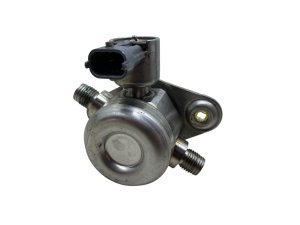
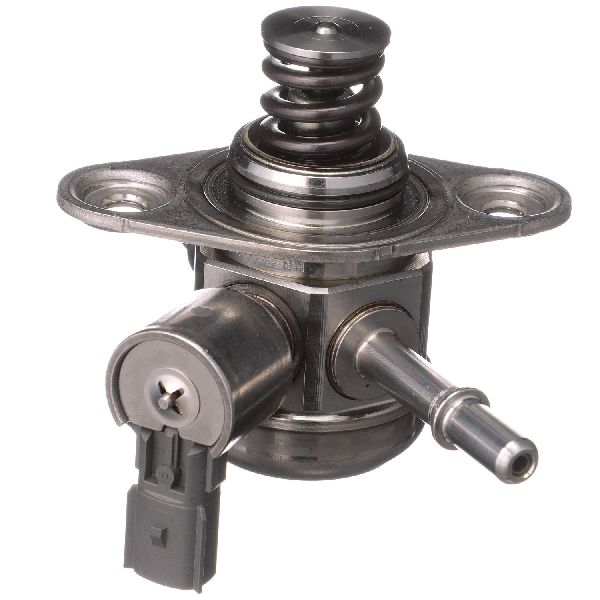
On a 2013-2015 Malibu with the 2.5L engine, code P0089 almost always means the high-pressure fuel pump is failing. This is a common, well-documented issue. Expect to pay around $200-$400 for an aftermarket pump or more for an OEM part. The current OEM part number is 12691016, which supersedes the original 12677329.
- P0089 on your 2013-2015 Malibu 2.5L almost certainly points to a fuel pressure problem on the high-pressure side.
- The most common cause by a wide margin is a failing high-pressure fuel pump, a known pattern failure for this engine.
- Before buying parts, confirm the diagnosis by monitoring actual vs. desired fuel rail pressure with a scan tool.
- The correct current OEM part number for the HPFP is 12691016, which replaces the older 12677329.
- While DIY is possible for experienced mechanics, replacing the high-pressure fuel pump involves working with high-pressure fuel lines and requires care. Be sure to inspect the camshaft lobes for wear during the job.
What's Unique About the 2013-2015 Chevrolet Malibu
The 2.5L LKW Ecotec engine uses a direct injection fuel system, which requires both a low-pressure pump in the tank and a high-pressure, camshaft-driven pump on the engine. This high-pressure pump is a known weak point and is the most frequent cause of the P0089 code on this specific vehicle. While the code definition is generic, the cause on this Malibu platform is very specific and often leads directly to the high-pressure fuel pump.
Symptoms You May Notice
- Check Engine Light is on
- Reduced engine power message on dash
- Hesitation or stumbling during acceleration
- Rough idle
- Engine stalling, especially under load or when coming to a stop
- Poor fuel economy
- Hard starting
- Replacing the in-tank fuel pump first without verifying low-pressure system performance. The issue is almost always on the high-pressure side.
- Replacing spark plugs or ignition coils hoping to solve the hesitation and rough running, without addressing the underlying fuel pressure problem.
- Replacing the fuel rail pressure sensor without first confirming the HPFP is healthy, as the pump is the more common failure point.
Most Likely Causes
- Failing High-Pressure Fuel Pump (HPFP) 🔴 High Probability → Shop Fuel Pump This is a widely documented failure point for this engine, confirmed by extensive owner experiences across multiple forums and repair videos. The issue is also common on platform mates like the Cadillac ATS with the same engine.
How to confirm: Use a scan tool to monitor desired vs. actual fuel rail pressure; a significant lag or drop in actual pressure under load points to the HPFP. A technician on 2CarPros also recommends a resistance test: disconnect the pump and test between the two terminals; a reading of 9-11 Ohms is expected. When removing the old pump, inspect the camshaft lobes that drive it for any unusual wear, as a worn cam lobe can also cause low pressure.
Typical fix: Replace the high-pressure fuel pump and the single-use high-pressure fuel line. 🎬 Watch this step-by-step high-pressure fuel pump removal guide. An oil change is recommended if there's any suspicion of fuel contaminating the oil.
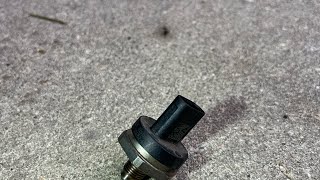
Est. part cost: $200-$500 - Faulty Fuel Rail Pressure Sensor 🟡 Medium Probability → Shop Fuel Pressure Sensor While less common than the pump, the sensor can fail and send incorrect readings. Its location under the intake manifold makes it labor-intensive to replace, 🎬 Watch this quick video to locate the pressure switch. leading many to replace it as a 'while you're in there' part.
How to confirm: If the high-pressure fuel pump is replaced and the code returns, or if the pressure readings on a scan tool are erratic, nonsensical, or frozen, the sensor may be at fault. Testing involves comparing its readings to a manual gauge, which is difficult on a high-pressure system.
Typical fix: Replace the fuel rail pressure sensor. This requires removing the intake manifold. 🎬 See how to replace the fuel pressure sensor.
Est. part cost: $50-$100 - Failing In-Tank Low-Pressure Fuel Pump ⚪ Low Probability → Shop Fuel Pump
How to confirm: The high-pressure pump cannot do its job if it's not being fed enough fuel from the tank. A mechanic can test the low-pressure fuel system pressure (typically needs to be 50-60 PSI) to rule this out before condemning the more expensive HPFP.
Typical fix: Replace the in-tank fuel pump module.
Est. part cost: $150-$300
Rare But Worth Checking
- Wiring Issues: Damage to the wiring or connectors for the fuel rail pressure sensor or the pump's electronic regulator can cause erratic signals. TSBs for other GM models (e.g., TSB 20-NA-197) highlight that corrosion in these connectors can cause a P0089 code.
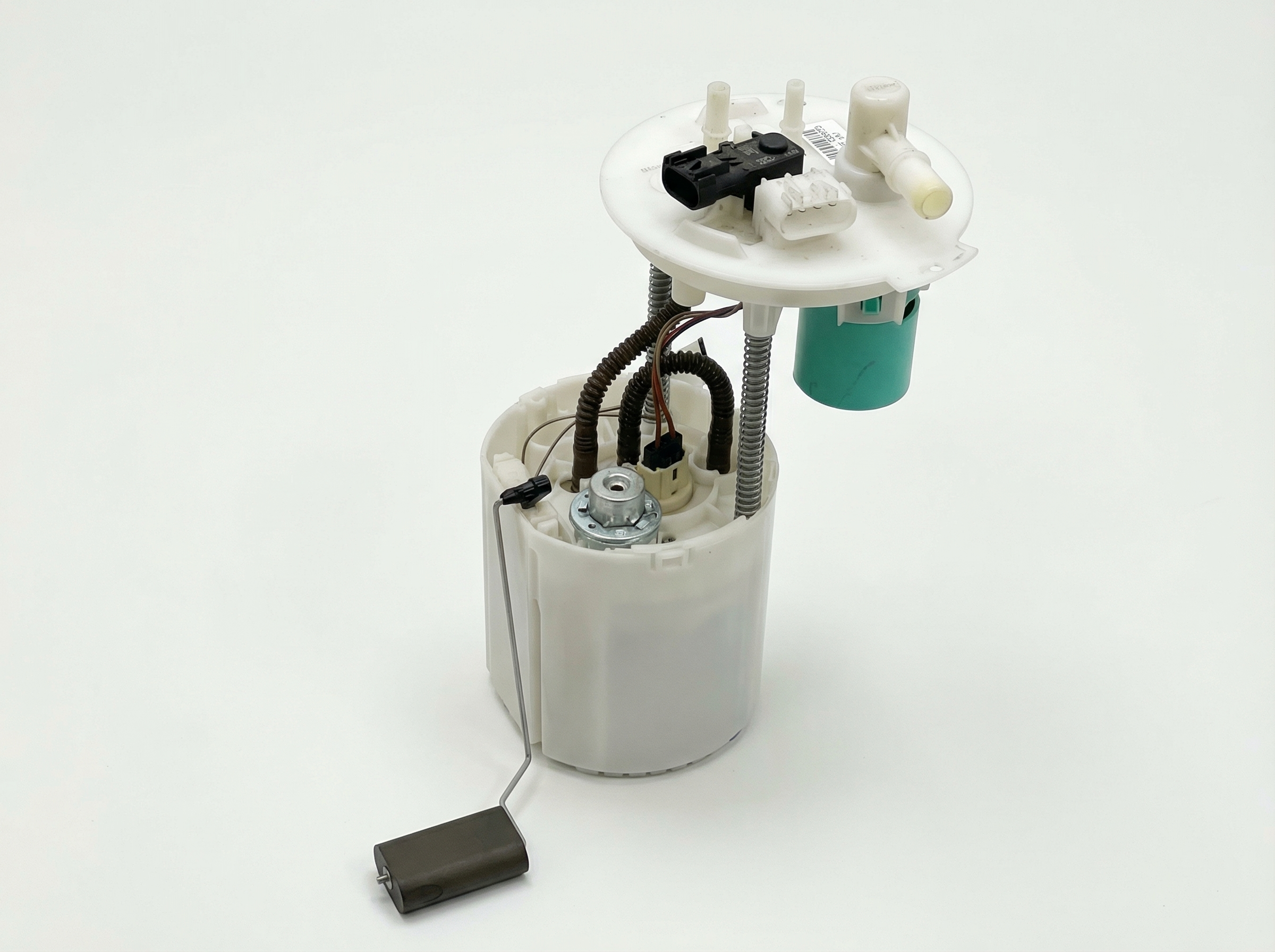
- Clogged Fuel Filter: → Shop Fuel Filter The fuel filter is integrated into the in-tank pump module and considered a 'lifetime' part. While uncommon, a severely clogged filter could restrict flow to the high-pressure pump, mimicking a failing low-pressure pump.
- Worn Camshaft Lobe: → Shop Engine Camshaft The HPFP is driven by a three-lobe section on the camshaft. In rare cases, especially with poor oil maintenance, these lobes can wear down, preventing the pump from generating full pressure even if the pump itself is new. This should be inspected during HPFP replacement.
- Mechanical Failures: A manufacturer service bulletin for other Chevrolet models, Bulletin #PIP5203C, notes that P0089 and P228D can be caused by an incorrect intake camshaft or camshaft actuator sprocket. Additionally, NHTSA ODI #11652312 describes a case where a fractured bolt inside the cylinder head was found during a P0089 diagnosis.
Diagnosis Steps
- Connect an OBD-II scanner and verify P0089 is the primary code. Note any other codes present, especially P228C or P228D.
- Use the scanner's live data function to monitor 'Fuel Rail Pressure' and 'Desired Fuel Rail Pressure'.
- Observe the pressures at idle. They should be very close to each other, typically around 400-700 PSI.
- Safely increase engine RPM or briefly drive the vehicle under load while monitoring the pressure readings. If the actual pressure drops significantly and cannot keep up with the desired pressure, the high-pressure fuel pump is the most likely culprit.
- If pressure readings are erratic or nonsensical, inspect the wiring and connector for the fuel rail pressure sensor.
- If the high-pressure side seems okay, test the low-pressure fuel system to ensure the in-tank pump is supplying adequate fuel to the HPFP.
- If the HPFP is suspected, perform a resistance check on the pump's electrical connector. A reading between 9-11 Ohms is normal.
- Based on findings, replace the faulty component. When replacing the HPFP, also replace the single-use fuel line and inspect the camshaft lobes for wear. Note that for some Chevrolet trucks, Bulletin #PIP5988 advises technicians to replace the fuel rail instead of the injection pump for DTC P0089, though this is less common on the Malibu.
Parts You'll Likely Need
- High-Pressure Fuel Pump
(OEM #12691016 (supersedes 12677329))— This is the most common failure item causing P0089 on this specific engine, as confirmed by extensive owner reports. The original part 12677329 has been replaced by 12691016.
Trusted brands: ACDelco (GM Genuine), Bosch
OEM price range: $350-$550
Aftermarket price range: $200-$400
Related Codes That Often Appear With This One
- P228D — Fuel Pressure Regulator Control Performance - High Pressure. This code is very specific to the HPFP's performance and is frequently seen with P0089 on this vehicle.
- P228C — Fuel Pressure Regulator 1 Exceeded Control Limits - Pressure Too Low. This is a more specific code that often accompanies P0089 and points directly to a lack of fuel pressure.
- P0172 — System Too Rich. This can occur because the failing pump/regulator causes inconsistent fuel pressure, leading the ECM to miscalculate fuel trims. It can also be set if the HPFP fails internally and leaks fuel into the crankcase.
Technical Service Bulletins (TSBs) & Recalls
- TSB PIP5175B: This TSB was incorrectly associated with the P0089 fuel pump issue in the past. It actually addresses an automatic transmission problem and is not relevant to this code.
- Bulletin #PIP5203C: This bulletin notes that P0089 and P228D may set due to an incorrect intake camshaft or camshaft actuator sprocket.
- Bulletin #PIP5988: This preliminary information advises technicians not to replace the injection pump for DTC P0089, but to replace the fuel rail instead (primarily documented for Silverado models).
Platform-Specific Known Issues
- While no specific TSB directly links P0089 to the HPFP on the Malibu, the failure is so widely reported in owner forums and by mechanics that it is considered a pattern failure for the 2.5L LKW engine.
Mechanic-Grade Diagnostic Values
- High-Side Fuel Pressure at Idle — expected: 2.96–3.24 MPa (429–470 PSI). Failure: Pressure is significantly and consistently below the desired pressure shown on the scan tool, especially under load.
- High-Side Fuel Pressure Operating Range — expected: Approx. 750 PSI at idle to 2,250 PSI at wide-open throttle.. Failure: Inability to reach the upper end of the pressure range on demand.
- Low-Side Fuel Pressure (In-tank pump) — expected: 50–94 PSI (345–648 kPa). Failure: Pressure below 50 PSI indicates a weak in-tank pump, clogged filter, or issue with the fuel pump driver module.
- High-Pressure Fuel Pump Actuator Solenoid Resistance — expected: 0.3–0.7 ohms at 20°C (68°F). Failure: A resistance reading outside this range indicates a faulty actuator, requiring pump replacement.
Scan Tool Commands That Help
- GM GDS2 (or equivalent professional scanner): Fuel Pressure Control — With the engine running, a technician can command specific fuel pressures (e.g., 10 MPa, 15 MPa) and watch the 'Actual Fuel Rail Pressure' PID. If the actual pressure fails to follow the commanded pressure, it points to a fault with the HPFP or its control circuit.
- GM GDS2 (or equivalent professional scanner): Fuel Pump Control / Output Control — This function allows commanding the in-tank (low-pressure) fuel pump to specific duty cycles (e.g., 25%, 50%, 75%) to verify its operation and the integrity of the Fuel System Control Module (FSCM) before condemning the more expensive HPFP.
Wiring & Ground Locations
- G122 — Rear of the engine on the cylinder head.. This is a primary engine ground. A loose or corroded G122 can cause erratic behavior from various engine sensors and actuators, including those related to the fuel system, leading to incorrect diagnostic codes.
- G101 — Left front of the engine compartment.. Another critical engine compartment ground. Poor connection here can affect the Engine Control Module (ECM) or other components in the fuel control system.
- HPFP Connector — On the high-pressure fuel pump, located at the top rear of the engine, driven by the camshaft.. This is the electrical connection for the fuel pressure regulator solenoid. It should be inspected for corrosion, damage, or loose pins when diagnosing P0089, especially if resistance readings are out of spec.
Real Owner Repair Stories
- YouTube channel 'G Auto Repair' (2015 Chevrolet Equinox 2.4L (engine family shares the same HPFP design)) — P0089 and P228D, engine would go into limp mode when hot, stalling, rattling noise from engine.
❌ Tried (didn't work) The vehicle had been to other shops that likely followed standard procedure, suspecting the HPFP or sensors.
✅ What actually fixed it The root cause was cheap, low-quality aftermarket timing chain components installed during a previous repair. The main timing chain tensioner failed and came apart, causing a loss of oil pressure. This prevented the timing system from operating correctly, which in turn affected the camshaft-driven high-pressure fuel pump's performance. Replacing the cheap timing components with new OEM parts resolved the fuel pressure codes. - NHTSA ODI #11693101 — An owner reported that after their vehicle was towed and they attempted to start it, the check engine light appeared with codes P0017, P0089, and P228D. They were initially told the ECM was replaced, but research suggested other owners faced similar issues.
OEM Part Supersession History
12677329, 12669005, 12641740, 12633594, 12629934, 12622475, and others.→12691016— GM consolidates part numbers and releases improved revisions over time to address failure patterns and improve reliability.
Heads up: The newest part number (12691016) is backward compatible with vehicles that used the older numbers. Always use the latest revision available.
Model Year Variations Within This Range
- 2013: The 2013 model primarily used the 2.5L LCV engine (VIN 'A').
- 2014-2015: The 2014-2015 models used the updated 2.5L LKW engine (VIN 'L'), which introduced Intake Valve Lift Control (iVLC) and a stop/start system for improved efficiency. While the core HPFP design and failure mode are the same, the engine designation and some control strategies differ.
Diagnostic Flowchart
Other Known Issues on This Vehicle
Issues unrelated to this code that are worth knowing about as an owner of this generation:
- Loose Intake Manifold Bolts 🟠 Medium → Shop Engine Intake Manifold — Common issue after 60,000+ miles, causing a vacuum leak. Often a simple fix by re-torquing bolts. (Ref: TSB PIP5529B)
- PCV System Clogging & Oil Consumption 🟠 Medium — The PCV orifice in the intake manifold can clog, leading to increased crankcase pressure, oil leaks (especially rear main seal), and high oil consumption. A related TSB (14882) was issued for the 2.4L engine in the 2013 Malibu for a similar issue. (Ref: TSB 14882 (for related 2.4L engine))
- Electric Power Steering Failure 🔴 High — Can cause a sudden loss of power steering assist, making the vehicle very difficult to steer. Typically occurs between 60,000-100,000 miles and requires costly replacement of the steering column assembly. (Ref: TSB 16-NA-007 (for a related 'notchy' feeling))
- 6T40 Transmission Shift Flare/Slipping 🟠 Medium — The 6-speed automatic transmission may develop harsh shifts or slipping between gears, particularly around 80,000-120,000 miles.
- Faulty Camshaft Position Actuator Solenoids 🟠 Medium → Shop Engine Camshaft — Can fail prematurely, leading to rough idle, poor performance, and codes like P0010, P0011, P0013, or P0014.
Used vs. New Parts: Buying Guide for This Vehicle
When a used part is the smart pick: For this specific repair, using used parts is highly discouraged. The only possible exception might be a physically intact connector pigtail if the original is damaged, but even then, a new pigtail is preferred.
Donor-vehicle mileage cap: roughly under 30000 miles for the part to have meaningful remaining life.
What to inspect on the donor part:
- If forced to consider a used HPFP, it should come from a documented low-mileage, non-collision vehicle.
- There should be no visible corrosion, damage, or signs of leaking.
- Ask for a warranty from the salvage yard, as the failure rate is high.
OEM-only on this vehicle (don't cheap out):
- High-Pressure Fuel Pump (HPFP): This is a high-precision, high-wear part. A used pump has an unknown history and is a significant gamble. The labor to replace it is too high to risk on a questionable part.
- High-Pressure Fuel Line: This is a one-time-use, torque-to-yield part. It MUST be replaced with a new one every time it is removed to ensure a proper, leak-free seal.
Aftermarket brands forum-validated for this vehicle:
- ACDelco (GM Genuine OEM)
- Bosch (Often the original OEM supplier)
Brands owners have reported issues with on this vehicle:
- Unnamed, low-cost 'chinesium' parts from online marketplaces. A documented repair story showed that cheap aftermarket timing components (a related system) directly caused a failure that set the P0089 code, demonstrating the risk of using low-quality parts in this engine.
Real Owner Stories
Aggregated from forums and TSBs cited above. Mileages and costs reflect what owners reported in those sources.
2013 Chevrolet Malibu 2.5L
Symptoms: Reduced engine power message on the dash along with codes P228D, P0011, and P0089.
What fixed it: Diagnostic advice suggested replacing the High-Pressure Fuel Pump (HPFP) after checking for 9-11 Ohms of resistance and inspecting the camshaft lobes for wear.
Source hint: 2CarPros Forum: 2013 Chevrolet Malibu Fault Codes P228D, P016, P0011, and P0089
2015 Chevrolet Malibu 2.5L
Symptoms: Codes P0089 and P228D present.
What fixed it: The owner replaced the fuel pressure sensor located under the intake manifold as a first attempt due to the lower part cost compared to the pump.
Cost: $40-$50
Source hint: YouTube: How To - 2015 Chevy Malibu Fuel Pressure Sensor
2013-2015 Chevrolet Malibu 2.5L
Symptoms: Engine stalling and reduced power.
What fixed it: Replacing the high-pressure fuel pump (HPFP).
Source hint: chevymalibuforum.com: Multiple threads corroborate that P0089 on the 2.5L engine is typically resolved by replacing the high-pressure fuel pump.
2013 Chevrolet Malibu
Symptoms: The vehicle was unable to maintain the speed limit, which the owner described as a scary incident. Codes P228D and P0089 were retrieved.
What fixed it: The codes were cleared and the vehicle operated normally for a period at 48,683 miles.
Source hint: NHTSA ODI #11066770
Related OBD-II Codes
Frequently Asked Questions
Does TSB PIP5175B apply to my P0089 fuel pressure issue on my 2013 Malibu?
I have a 2015 Malibu 2.5L with P0089; should I replace the sensor or the pump first?
What is the correct electrical resistance for the high-pressure fuel pump on the 2.5L LKW engine?
Are there any other common issues on the 2013-2015 Malibu that might cause rough idle or performance issues alongside P0089?
Should I replace the fuel line when I replace the high-pressure fuel pump?
Is the P0089 code common on other GM vehicles with the 2.5L engine?
Helpful Videos
Used OEM Parts in Stock
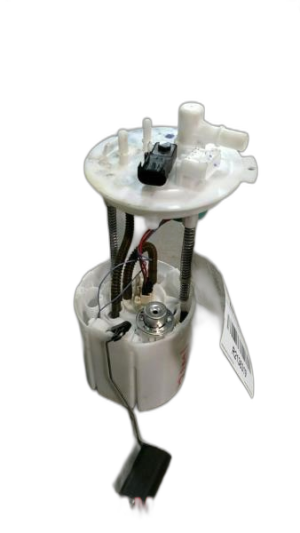
New Aftermarket Parts Available


The information in this article is provided for general reference and educational purposes only. Vehicle specifications, procedures, and part compatibility can vary by production date, trim level, and region. Always consult your vehicle's factory service manual and verify part numbers before purchasing or performing repairs. Safety-critical components such as airbags, seat belts, and braking systems should be installed by a qualified professional.
- Chevrolet Malibu:
- 🧭 Diagnostic Flowchart
- 🎬 Helpful Videos
- 🛍️ Shop This Part
- What's Unique About the 2013-2015 Chevrolet Malibu
- Symptoms You May Notice
- Most Likely Causes
- Rare But Worth Checking
- Diagnosis Steps
- Parts You'll Likely Need
- Related Codes That Often Appear With This One
- Technical Service Bulletins (TSBs) & Recalls
- Platform-Specific Known Issues
- Mechanic-Grade Diagnostic Values
- Scan Tool Commands That Help
- Wiring & Ground Locations
- Real Owner Repair Stories
- OEM Part Supersession History
- Model Year Variations Within This Range
- Other Known Issues on This Vehicle
- Used vs. New Parts: Buying Guide for This Vehicle
- Real Owner Stories
- 2013 Chevrolet Malibu 2.5L
- 2015 Chevrolet Malibu 2.5L
- 2013-2015 Chevrolet Malibu 2.5L
- 2013 Chevrolet Malibu
- Related OBD-II Codes
- Frequently Asked Questions
- 🎟️ Get 5% Off