

P0089 on 2015-2016 GMC Sierra 2500 6.0L: Fuel Pressure Performance Causes and Fixes
On a 2015-2016 Sierra 2500 with the 6.0L gas engine, code P0089 is most often caused by a faulty Fuel System Control Module (FSCM) or a failing in-tank fuel pump. The FSCM (ACDelco P/N: 23480529) is prone to corrosion due to its location above the spare tire. Before replacing the pump, always inspect the FSCM and its connector. Expect to pay $80-$180 for an OEM FSCM and $250-$500 for a quality aftermarket fuel pump.
- For the 6.0L gas engine, P0089 is almost always a problem with the Fuel System Control Module (FSCM) or the in-tank fuel pump.
- Always inspect the FSCM and its wiring for corrosion before deciding to replace the more expensive fuel pump.
- Using a scan tool to compare 'Desired' vs. 'Actual' fuel pressure is the most effective way to diagnose the issue.
- Do not confuse this issue with the P0089 code on a 6.6L Duramax, which often points to a much more serious high-pressure fuel pump failure.
- Replacing the fuel filter is an inexpensive first step if its service history is unknown.
What's Unique About the 2015-2016 Gmc SIERRA 2500
These trucks use a modern 'returnless' fuel system. Instead of a traditional vacuum-operated regulator, they use a dedicated Fuel System Control Module (FSCM) to precisely vary the voltage to the in-tank pump, controlling its speed and output pressure. This makes the FSCM and the pump itself common points of failure. It is critical to note this guide is for the 6.0L V8 gasoline engine, as indicated by NHTSA TSB #PIP5279A. On the 6.6L Duramax diesel engine, P0089 points to entirely different and potentially more severe issues, such as a failing high-pressure CP4 injection pump, which operates at pressures exceeding 26,000 PSI.
Diagnostic Flowchart
Tap your situation to follow the diagnostic path that matches what you're seeing on this vehicle.
Symptoms You May Notice
- Check Engine Light is on
- Reduced engine power or 'limp mode'
- Engine hesitation or sputtering during acceleration
- Difficulty starting the engine (long crank times)
- Engine stalling, especially under load or at idle
- A whining noise from the fuel tank area, indicating a struggling pump
- Unstable or rough idle
- Replacing the fuel pump when the Fuel System Control Module (FSCM) is the actual cause of the problem. This is a very common and expensive mistake.
- Replacing the fuel pressure sensor on the rail when the pump or FSCM is failing to deliver the correct pressure. The sensor is usually reporting the problem correctly.
Most Likely Causes
- Faulty Fuel System Control Module (FSCM) 🔴 High Probability → Shop Fuel System Controller The FSCM is mounted on a frame crossmember, often above the spare tire, where it is directly exposed to road salt, moisture, and debris. This leads to corrosion of the housing and electrical connector pins, causing internal failure. Its symptoms can perfectly mimic a bad fuel pump.
How to confirm: Visually inspect the FSCM and its electrical connector for green or white corrosion, physical damage, or swollen casing. A scan tool may show a loss of communication with the module or a specific code like P069E, which directly points to an FPCM fault.
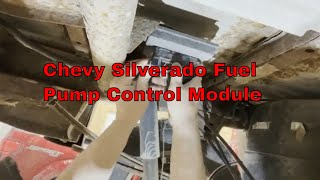
Typical fix: Replace the Fuel System Control Module. This is often a simple plug-and-play replacement, typically held on by two bolts. The OEM part is ACDelco P/N 23480529. 🎬 Watch this video to see the FSCM location and replacement. However, some replacement modules may require programming using GM's Techline Connect software.
Est. part cost: $80 - $180 - Failing In-Tank Fuel Pump 🟡 Medium Probability → Shop Fuel Pump The electric fuel pump inside the tank can wear out over time, especially with high mileage or frequent operation with low fuel levels, becoming unable to generate the pressure commanded by the FSCM.
How to confirm: Use a scan tool to monitor desired vs. actual fuel rail pressure. At idle, they should both read 50-60 PSI. During a wide-open throttle (WOT) pull, if actual pressure consistently lags or drops more than 5-10 PSI below desired, the pump is likely weak. A loud whine from the tank is another strong indicator.
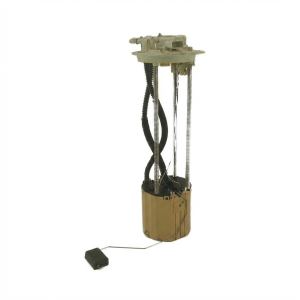
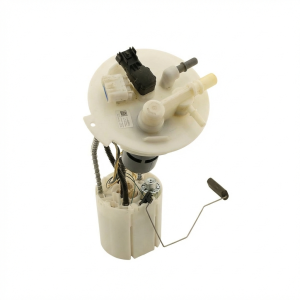
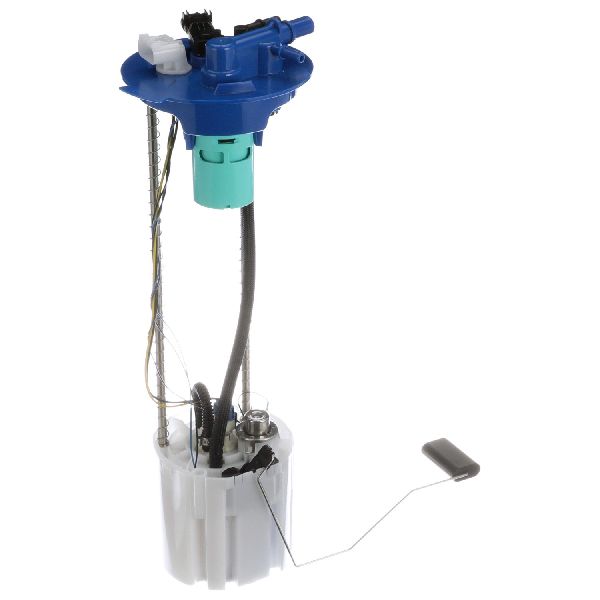
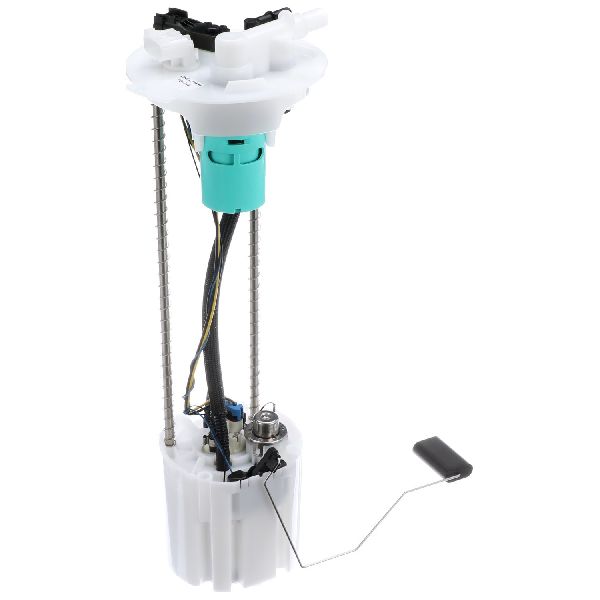
Typical fix: Replace the in-tank fuel pump module. The most common DIY method is to unbolt and lift the truck bed for access, which is often easier than dropping the 36-gallon fuel tank. This is a 3-4 hour job for an experienced DIYer. 🎬 See this walkthrough on how to replace the fuel pump.
Est. part cost: $250 - $500 - Clogged Fuel Filter ⚪ Low Probability → Shop Fuel Filter The fuel filter is a maintenance item. If neglected, it can become restricted, forcing the pump to work harder and preventing it from delivering adequate pressure to the fuel rail. This can also cause the fuel pump fuse to blow due to excessive current draw.
How to confirm: The fuel filter on these trucks is integrated into the fuel pump module inside the tank and is not considered a separate, routinely serviceable item. This cause is therefore less likely than the pump itself failing, but contamination from a bad tank of gas could clog it prematurely.
Typical fix: Replacement of the entire fuel pump module assembly is required, as the filter is not sold separately.
Est. part cost: $250 - $500 - Wiring Harness Damage ⚪ Low Probability The wiring harness running along the frame rail to the FSCM and fuel tank can be damaged by road debris, improper jacking, or chafing against sharp metal edges, leading to shorts or open circuits.
How to confirm: Visually inspect the wiring harness leading to the FSCM and the fuel pump tank connector for any signs of chafing, melting, or corrosion. Pay close attention to where the harness is secured to the frame, especially near the transfer case and inside frame tubes.
Typical fix: Repair the damaged section of the wiring harness using solder and heat-shrink tubing, then secure it away from any sharp edges with loom and zip ties.
Est. part cost: $5 - $100
Rare But Worth Checking
- Faulty Fuel Rail Pressure Sensor: → Shop Fuel Pressure Sensor While less common than a pump or module failure, the sensor itself (or its connector) can fail and send inaccurate readings to the ECM, falsely triggering a P0089 code. TSB 20-NA-197 for later models notes that corrosion on this sensor's connector is a known cause for this code and others. The TSB suggests inspecting the connector terminals for corrosion and replacing the connector pigtail if found.
Diagnosis Steps
- Connect a scan tool and check for any other accompanying trouble codes. Codes like P069E strongly suggest the FSCM is the root cause. Note the freeze frame data for P0089 to see the conditions when the fault occurred.
- Use the scan tool's live data function to monitor 'Desired Fuel Rail Pressure' and 'Actual Fuel Rail Pressure'. At idle, they should be nearly identical (around 50-60 PSI). Command a 'fuel pump prime' or briefly rev the engine; if the actual pressure cannot keep up with the desired pressure, you have a delivery problem.
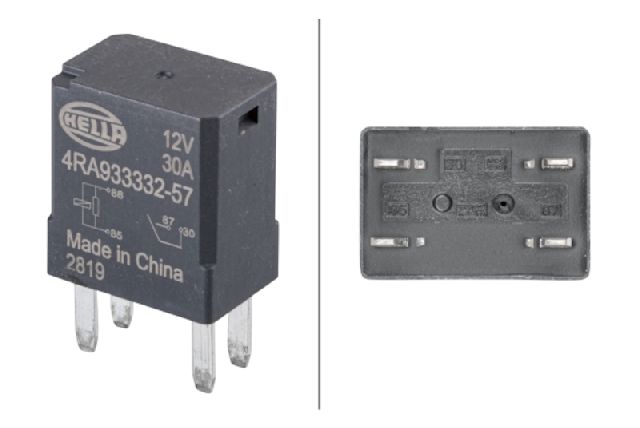
- Inspect the fuses for the fuel system in the under-hood fuse box. For a 2015-2016 model, check fuse F21 ('Fuel Pump Power Module') and relay 70 ('F/PMP MTR'). A blown fuse could indicate a shorted wire or a seized pump.
- Locate the Fuel System Control Module (FSCM) on the frame crossmember above the spare tire. Unplug its electrical connector. Thoroughly inspect both the module's pins and the connector terminals for any signs of green or white corrosion, swelling, or water intrusion. This is the most common point of failure.
- If the FSCM and wiring appear pristine, the in-tank fuel pump is the next likely culprit. Listen for a healthy 2-second hum from the tank when the key is first turned to the 'on' position. A loud, continuous whine or complete silence suggests a failing pump.
- As a final check, inspect the fuel rail pressure sensor connector for corrosion, as noted in TSB 20-NA-197. The sensor is located on the driver's side fuel rail.
Parts You'll Likely Need
- Fuel System Control Module (FSCM)
(OEM #23480529)— This module is the most frequent failure point due to its exposed mounting location leading to corrosion. It directly controls fuel pressure and often fails before the pump itself.
Trusted brands: ACDelco (GM Original Equipment), Dorman (OE FIX version often has improved sealing), Delphi
OEM price range: $100-$180
Aftermarket price range: $80-$130 - In-Tank Fuel Pump Module Assembly
(OEM #13585445)— The pump motor wears out over time and can no longer supply the commanded fuel pressure, especially under load, leading to performance issues and setting this code.
Trusted brands: ACDelco, Delphi, Bosch, Carter
OEM price range: $350-$500
Aftermarket price range: $200-$400
Related Codes That Often Appear With This One
- P228C — Fuel Pressure Regulator 1 Control Performance - Low Pressure. This is a more specific version of P0089, often appearing with it. (Cited in TSB #PIP5279A)
- P0192 — Fuel Rail Pressure Sensor Circuit Low Input. This can indicate a problem with the sensor or its wiring. (Cited in TSB #PIP5279A)
- P069E — Fuel Pump Control Module Commanded On. This code specifically points to a fault detected by the FSCM, making the module itself a primary suspect 🎬 Watch this explanation of how P069E relates to module failure. when seen with P0089.
- P0087 — Fuel Rail/System Pressure - Too Low. This code is a direct confirmation that the pressure is below specification and frequently accompanies P0089.
Technical Service Bulletins (TSBs) & Recalls
- PIP5279A: Mentions Diagnostic Trouble Code P0089 in relation to the gasoline fuel system on 2015 models and suggests replacing the fuel rail pressure sensor if other diagnostics fail.
- 20-NA-197: Details issues with corrosion at the fuel pressure sensor connector as a cause for P0089 and other related codes.
Platform-Specific Known Issues
- GM Technical Service Bulletin #PIP5279A specifically acknowledges that 2015 models may set code P0089, along with a host of other fuel-related DTCs, and directs technicians to follow standard diagnostics. If diagnostics are inconclusive, it suggests replacing the fuel rail pressure sensor.
- GM Technical Service Bulletin #20-NA-197, while for slightly later models, highlights a known issue with corrosion on the fuel pressure sensor electrical connector causing P0089 and other codes. This is relevant as a potential cause on 2015-2016 models as well.
Mechanic-Grade Diagnostic Values
- FSCM Connector Pin 32 (Red/White wire) to Ground — expected: Battery Voltage (12V+). Failure: Low or no voltage indicates a problem with the power feed from the under-hood fuse box.
- FSCM Connector Pin 1 (Black wire) to clean chassis ground — expected: Near 0 Ohms resistance. Failure: High resistance indicates a bad ground connection for the module.
- FSCM Connector Pin 13 (Dark Green/White wire) with key turned to 'ON' — expected: 12V signal from the ECM for 2-3 seconds. Failure: No voltage signal indicates a problem with the ECM or a break in the command wire.
- Direct Fuel Pump Test (Bypassing FSCM) — expected: Audible hum from the fuel pump running continuously.. Failure: No sound from the pump indicates a failed pump or a break in the wiring between the FSCM connector and the pump.
Scan Tool Commands That Help
- GDS2 (GM Global Diagnostic System 2): Fuel Pump Control / Output Control — To command the fuel pump to a specific duty cycle (e.g., 25%, 50%, 75%) while monitoring 'Desired' vs 'Actual' fuel pressure. This directly tests the ability of the FSCM and pump to respond to commands, helping to isolate the faulty component.
- GDS2 with Techline Connect: Fuel Pump Driver Control Module Configuration — After replacing the Fuel System Control Module (FSCM). Some replacement modules are not plug-and-play and require software configuration to function correctly with the vehicle. Failure to perform this step can result in a no-start condition even with a new part.
Wiring & Ground Locations
- FSCM Connector — On the Fuel System Control Module, mounted to the frame crossmember above the spare tire.. This is the central connection point for power, ground, and control signals. Corrosion here is a primary cause of P0089. Specific pins must be tested for correct voltage and ground.
- FSCM Power Wire Chafe Point — Inside the main wiring harness loom where it passes through the square tube frame section, directly under the driver's side under-hood fuse panel.. A hidden break in the Red/Violet power wire at this location can cause a severe voltage drop to the FSCM, mimicking a failed module or pump.
- FSCM Command Wire Chafe Point — The Dark Green/White wire in the harness where it runs adjacent to the transfer case.. Chafing and breakage of this wire will prevent the ECM's 'on' signal from ever reaching the FSCM, resulting in a no-start or stalling condition.
- G400 — A primary chassis ground located on the frame rail.. While the FSCM has a ground through its connector, the entire fuel pump system relies on a solid chassis ground. A corroded G400 ground can cause intermittent and difficult-to-diagnose fuel system issues.
Real Owner Repair Stories
- 2CarPros Forum User 'Tiny' (GMC Truck (model year not specified, but consistent with 2015-2016 architecture)) — No communication with Fuel Pump Control Module (FSCM), no-start condition.
❌ Tried (didn't work) Initial visual inspection did not reveal the problem.
✅ What actually fixed it The user found only 1.4 volts at the FSCM power wire (Red/Violet). After running a temporary jumper wire to provide 12V, the truck started. The final repair was locating and fixing a break in that power wire hidden inside the square tube section of the frame, just under the driver's side fuse box.
OEM Part Supersession History
Varies by year/option→23480529 (Common replacement)— GM often updates electronic modules to improve reliability or address known failure modes.
Heads up: While many FSCMs are physically plug-and-play, replacement modules, even genuine ACDelco parts, may require programming/configuration using GM's Techline Connect software to function. Failure to program a required module will result in a no-start condition.
Model Year Variations Within This Range
- 2015-2016: For the fuel pump and FSCM circuit, the critical fuses and relays are located in the under-hood fuse box. For this specific year range, check fuse F21 (FSCM) and relay 70 (Fuel Pump Motor). This differs from later model years which may use different locations or designations.
Helpful Videos


Used OEM Parts in Stock
New Aftermarket Parts Available




The information in this article is provided for general reference and educational purposes only. Vehicle specifications, procedures, and part compatibility can vary by production date, trim level, and region. Always consult your vehicle's factory service manual and verify part numbers before purchasing or performing repairs. Safety-critical components such as airbags, seat belts, and braking systems should be installed by a qualified professional.
- Gmc SIERRA 2500:
- 🧭 Diagnostic Flowchart
- 🎬 Helpful Videos
- 🛍️ Shop This Part
- What's Unique About the 2015-2016 Gmc SIERRA 2500
- Symptoms You May Notice
- Most Likely Causes
- Rare But Worth Checking
- Diagnosis Steps
- Parts You'll Likely Need
- Related Codes That Often Appear With This One
- Technical Service Bulletins (TSBs) & Recalls
- Platform-Specific Known Issues
- Mechanic-Grade Diagnostic Values
- Scan Tool Commands That Help
- Wiring & Ground Locations
- Real Owner Repair Stories
- OEM Part Supersession History
- Model Year Variations Within This Range
- 🎟️ Get 5% Off