

P0089 on 2011 Jeep Grand Cherokee: Fuel Pressure Regulator Performance Causes and Fixes
On a 2011 Jeep Grand Cherokee, code P0089 is most often caused by a faulty fuel pump relay inside the main fuse box (TIPM). This is a well-known issue covered by multiple safety recalls. The fix, an external relay kit, should be performed for free by a Jeep dealer.
- Before any repairs, check if your vehicle has an open safety recall for the fuel pump relay (NHTSA 19V-813). The repair should be free at a Jeep dealer.
- The most common symptoms are the engine stalling while driving or failing to start, directly caused by the faulty relay cutting power to the fuel pump.
- Do not replace the fuel pump without first confirming the status of the fuel pump relay recall; doing so is a common and expensive misdiagnosis.
- Driving with this code is a serious safety risk due to the potential for the engine to stall in traffic.
- If the recall has been performed and the code returns, the next most likely cause is a failed in-tank fuel pump module.
What's Unique About the 2011-2011 Jeep Grand Cherokee
The 2011 Grand Cherokee (WK2 generation) is notorious for a specific electrical failure that directly causes this code. The internal fuel pump relay, which is soldered inside the Totally Integrated Power Module (TIPM or fuse box), is prone to failure due to heat and electrical load. This defect became so widespread and dangerous—causing unexpected engine stalling—that it led to multiple safety recalls (NHTSA 14V-530, 15V-115, and the superseding recall 19V-813). Therefore, unlike on many other vehicles where P0089 might point to the pump itself, on this specific Jeep, the investigation must start with the fuel pump relay and the associated recalls.
Symptoms You May Notice
- Engine stalling, sometimes intermittently or while driving
- Engine cranks but will not start
- Extended crank time or multiple attempts required to start.
- Hesitation or stumbling during acceleration
- Rough or fluctuating idle
- Loss of engine power
- Reduced fuel economy
- Check Engine Light is on
- Replacing the fuel pump module before checking for the fuel pump relay recall. Many owners have spent hundreds of dollars on a new pump when the actual problem was the relay, which is a free recall repair.
- Replacing the TIPM module itself. While the relay inside is the problem, the recall fix involves bypassing it with an external relay, not replacing the entire expensive TIPM.
Most Likely Causes
- Faulty Fuel Pump Relay (Internal to TIPM) 🔴 High Probability → Shop Fuel Pump This is a well-documented factory defect affecting 2011-2013 Grand Cherokees. The relay inside the Totally Integrated Power Module (TIPM-7) fails due to heat and stress, cutting power to the fuel pump. This prompted multiple safety recalls, as a stall while driving increases crash risk.
How to confirm: Check the vehicle's VIN on the NHTSA or Mopar website for open recalls (V62/19V-813, P54/14V-530). A technician or owner can visually inspect the TIPM (fuse box) to see if an external relay bypass has already been installed. If no external relay is present and the recall is open, this is the presumed cause.
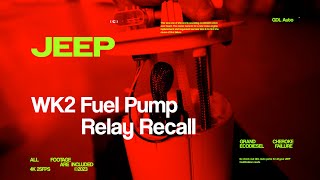
Typical fix: Install the Mopar external fuel pump relay kit 🎬 Watch: What you need to know about the relay bypass, which bypasses the faulty internal relay. This repair should be performed by a Jeep dealership free of charge under the safety recall. The recall V62 (NHTSA 19V-813) supersedes the earlier P54 recall because the first replacement relays were also found to be faulty.
Est. part cost: $0 at dealer (if recall is open) - Failing Fuel Pump Module 🟡 Medium Probability → Shop Fuel Pump If the relay has been fixed and problems persist, the in-tank fuel pump itself can fail. The fuel pressure regulator and fuel filter are integrated into this module, so a failure of any of those components requires replacing the whole assembly. There was also a separate recall for some 2011-2022 models for high-pressure fuel pump failure that could introduce debris into the system.
How to confirm: After confirming the relay is good, a technician will use a scan tool to monitor desired vs. actual fuel pressure. A mechanical fuel pressure test at the rail can verify the scan tool data. If pressure is low or erratic despite receiving proper voltage at the pump connector, the pump is likely faulty. A burnt pin on the fuel pump harness connector is also a common sign of failure.
Typical fix: Replace the in-tank fuel pump module. This is a significant job that involves dropping the fuel tank, exhaust, and driveshaft.
Est. part cost: $300-$480 (OEM), $80-$250 (Aftermarket) - Clogged Fuel Filter ⚪ Low Probability → Shop Fuel Filter The fuel filter is a non-serviceable part of the fuel pump module. While it can become clogged over time, it's less common than the relay or pump motor failing. A clog will restrict fuel flow and cause low pressure.
How to confirm: This is typically diagnosed by confirming low fuel pressure at the rail when the pump and relay are known to be good. There is no way to inspect the filter without removing the fuel pump module from the tank.
Typical fix: Replace the entire fuel pump module, as the filter is integrated into it.
Est. part cost: $300-$480 (OEM), $80-$250 (Aftermarket)
Rare But Worth Checking
- Faulty Fuel Rail Pressure Sensor: → Shop Fuel Pressure Sensor This sensor tells the computer what the fuel pressure is. If it sends incorrect data, the computer may set P0089 even if the pressure is normal. It's less common than the relay or pump failure. Manufacturer service bulletins for other Jeep models, such as TSB Bulletin #14-001-25, note that P0089 can specifically relate to fuel line pressure sensor performance and may cause the engine to run rough.
- Wiring or Connector Damage: A damaged wire or corroded connector pin at the TIPM, fuel pump module, or pressure sensor can cause intermittent signals and trigger the code. This is often seen in regions with heavy road salt usage. A burnt pin at the fuel pump connector is a known failure point.
Diagnosis Steps
- Check for Recalls: Use the vehicle's VIN to check for open safety recalls on the NHTSA website. Pay close attention to recall V62 (NHTSA 19V-813), which supersedes earlier fuel pump relay recalls P54 and R09.
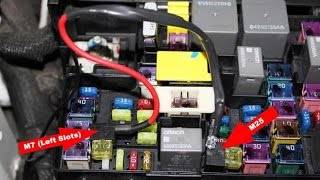
- Inspect for External Relay: Open the hood and look at the TIPM (fuse box). 🎬 See how to test the TIPM and find bypass solutions Check if an external fuel pump relay kit has already been installed. It will be a separate relay wired near the TIPM. If not, and the recall is open, proceed to a dealer for the free repair.
- Scan Tool Analysis: If the recall has been done, connect a scan tool and monitor 'Desired Fuel Pressure' and 'Actual Fuel Pressure' data streams. A significant, persistent difference between the two values confirms a performance issue.
- Verify Fuel Pressure: Connect a mechanical fuel pressure gauge to the fuel rail's service port. Compare the gauge reading to the scan tool's 'Actual Fuel Pressure' reading. If they differ significantly, the fuel rail pressure sensor may be faulty. If they match but are below specification, the issue is with fuel delivery (pump, filter, or wiring).
- Check Power to the Pump: If pressure is low, access the fuel pump connector (under the rear seat) and use a multimeter to verify it is receiving the correct voltage when the key is turned on. An intermittent voltage drop points back to a wiring or relay issue. Check for burnt pins on the connector, a known failure point.
- Inspect Fuel Pump Module: If the pump receives proper voltage but fails to produce adequate pressure, the fuel pump module is faulty and needs to be replaced. This requires dropping the fuel tank. 🎬 Watch this DIY walkthrough for replacing the fuel pump
Parts You'll Likely Need
- Fuel Pump Relay Bypass Kit
(OEM #CSZDV621AA)— This is the official Mopar kit to fix the faulty internal relay as part of recall V62. It relocates the relay outside of the main fuse box (TIPM). This recall was issued because the previous recall's replacement relay was also found to be faulty.
Trusted brands: Mopar
OEM price range: $150-$225
Aftermarket price range: N/A - Fuel Pump and Level Unit Module
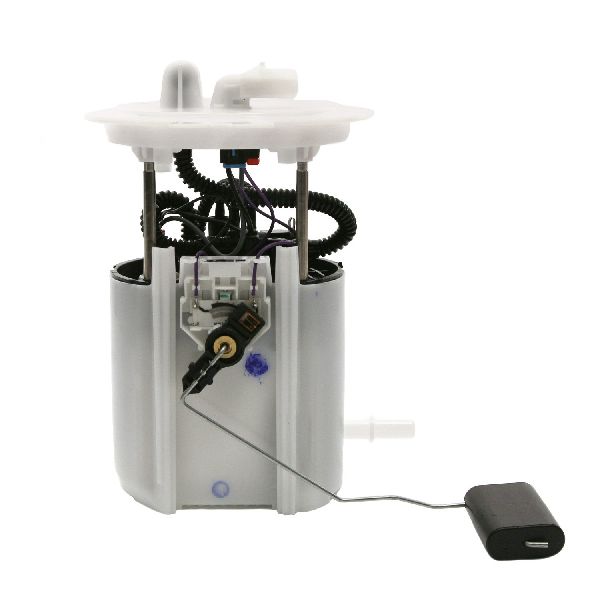
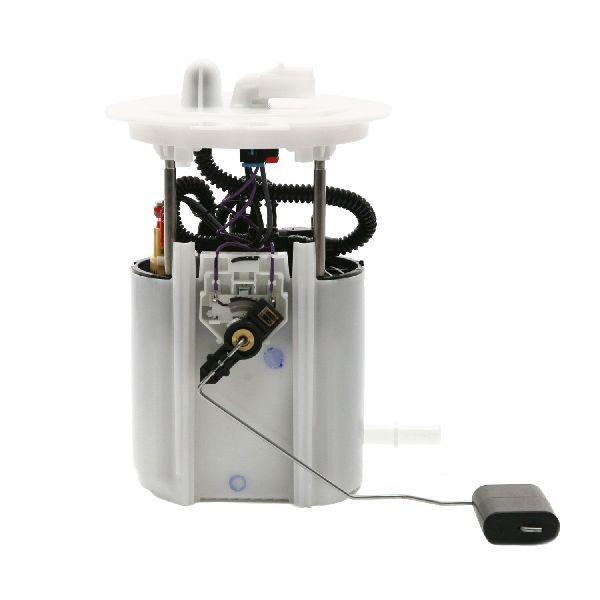
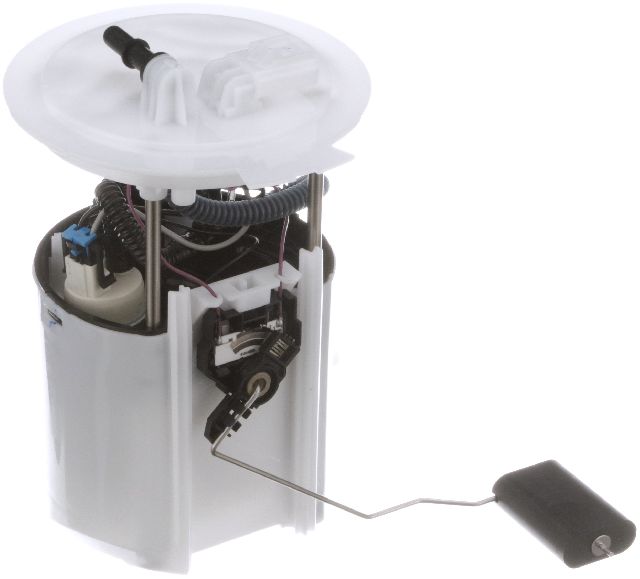
(OEM #05145585AE)— If the relay is confirmed good, the entire in-tank module is the next most likely failure. This part contains the pump, filter, and regulator. This part number fits both 3.6L and 5.7L engines.
Trusted brands: Mopar, Delphi, Bosch, Spectra Premium, TRQ
OEM price range: $300-$480
Aftermarket price range: $80-$250
Related Codes That Often Appear With This One
- P0087 — This code means 'Fuel Rail/System Pressure - Too Low,' which is a specific result of the fuel pump losing power from a failing relay or pump.
- P0088 — This code means 'Fuel Rail/System Pressure - Too High.' While less common with this issue, an erratic regulator could theoretically cause pressure spikes.
- P0300-P0308 — These are cylinder misfire codes. Incorrect fuel pressure can cause a lean air/fuel mixture, leading to misfires.
Technical Service Bulletins (TSBs) & Recalls
- NHTSA 19V-813 (FCA Recall V62): Addresses the failure of the fuel pump relay, which can cause stalling. This recall supersedes previous attempts (P54, R09) to fix the issue, as the first-generation external relays were also found to be faulty due to silicon contamination.
- NHTSA 14V-530 (FCA Recall P54): An earlier recall for the same TIPM fuel pump relay issue, which involved installing an external relay. This recall is now superseded by V62.
- TSB Bulletin #14-002-26: While issued for other Jeep models, this bulletin confirms that P0089 (Fuel Line Pressure Sensor 1 Performance) can be accompanied by an unstable idle.
Platform-Specific Known Issues
- The Totally Integrated Power Module (TIPM) has a high failure rate for its internal, non-serviceable fuel pump relay, causing stalling and no-start conditions. This is the subject of multiple major safety recalls.
- The recall fix itself was recalled. The initial external relay installed under recall P54 was also found to be susceptible to failure, leading to the superseding recall V62 with an improved relay and harness.
Mechanic-Grade Diagnostic Values
- Fuel Pressure (gasoline engines) — expected: Approximately 49-50 PSI at idle.. Failure: Pressure that is significantly below spec, drops off quickly after priming, or is erratic indicates a problem with the pump or regulator.
- Fuel Rail Pressure Sensor Signal Voltage (Key On, Engine Off) — expected: Approximately 0.5V at zero pressure.. Failure: Voltage stuck at 0V or 5V indicates a dead sensor.
- Fuel Rail Pressure Sensor Signal Voltage (Engine at Idle) — expected: Approximately 1.2V to 1.5V.. Failure: A reading that is erratic or does not correspond to the actual mechanical pressure reading.
- Fuel Pump Connector Voltage — expected: Battery voltage for 2-3 seconds when the key is first turned to 'ON' (priming), and constant battery voltage while cranking or running.. Failure: No voltage or intermittent voltage when commanded on points to a relay or wiring issue.
Scan Tool Commands That Help
- wiTECH (Chrysler/Jeep Dealer Tool): Fuel Pump Relay Actuation / Active Test — This bidirectional command allows a technician to manually turn the fuel pump on and off directly from the scan tool. It is used to verify if the fuel pump motor runs and if the control circuit (relay and wiring) is capable of delivering power, bypassing the PCM's normal logic. This is a crucial step to isolate a failed pump from a control-side fault.
- wiTECH (Chrysler/Jeep Dealer Tool): View Network Topology — The topology view on wiTECH provides a color-coded map of all vehicle modules. It can quickly show if the PCM is communicating properly with the TIPM (fuse box) and other related modules. This can help spot communication DTCs (like U-codes) that might accompany the P0089 code.
Wiring & Ground Locations
- Fuel Pump Module Connector — Under the rear seat, on top of the fuel tank, providing power and signal to the in-tank fuel pump module.. The main power pin on this connector is a known failure point. Due to high current draw from a failing pump or a poor connection, the pin and its corresponding plastic housing can overheat, melt, and cause an intermittent or total loss of power to the fuel pump, directly causing a P0089.
- G302 / G303 — Behind the interior trim panel in the cargo area, often near the spare tire. They are typically black wires with ring terminals attached to the body with a screw.. These are major chassis ground points for rear-body components. While not directly the fuel pump ground, a poor connection here can introduce electrical noise and unstable voltages for various systems, potentially affecting modules that rely on clean signals. The fuel pump itself is grounded through its harness, but related components may rely on these chassis grounds.
- Passenger Side Engine Ground Strap — Visible from under the hood, on the passenger side of the engine. It connects the engine block to a ground bolt on the frame, often near the alternator.. This is a primary engine-to-chassis ground. Corrosion or breakage of this strap can cause a host of electrical issues, including problems for the PCM and its sensors. The PCM relies on a solid ground reference to accurately read sensor data, including the fuel rail pressure sensor. A bad ground can cause erratic readings and trigger performance codes.
Real Owner Repair Stories
- YouTube video by 'gdlautomotive' (2011-2013 Jeep Grand Cherokee WK2) — Hard to start, randomly cuts out while driving.
❌ Tried (didn't work) A previous mechanic had replaced the fuel pump, but the problem returned a month later.
✅ What actually fixed it The fuel pump connector harness on top of the tank was also burnt and had failed. The previous repair only replaced the pump but overlooked the damaged connector. The final fix required replacing both the fuel pump module AND the wiring harness pigtail for the connector to resolve the issue permanently.
OEM Part Supersession History
CBWPR091AA (or similar for P54/R09 recalls)→CSZDV621AA (for V62 recall)— The initial external relay kits used in the earlier recalls were also found to be prone to failure. The V62 recall kit (CSZDV621AA) is the improved, more durable design intended as the final fix.
Heads up: While the older kits may physically connect, they are known to be unreliable. Only the latest recall part number should be used for the repair.CBWPR091AA→CBWPR091AC— Standard part evolution and supplier changes. The original part is listed as discontinued by Mopar.
Diagnostic Flowchart
Other Known Issues on This Vehicle
Issues unrelated to this code that are worth knowing about as an owner of this generation:
- Leather Dashboard Delamination 🟡 Low — Very common on 2011-2014 models, especially Overland/Summit trims. The leather bubbles, wrinkles, and pulls away from the dash substrate. (Ref: No official recall, but a limited-time customer satisfaction program was offered which has since expired. Repair is now out-of-pocket and expensive.)
- Quadra-Lift Air Suspension Leaks 🟠 Medium — Common on higher trims (Overland, Summit). Leaks often develop at air line fittings or in the air springs themselves, causing the vehicle to sag overnight and overworking the compressor.
- Water Leaks into Cabin 🟠 Medium — Leaks are frequently reported around the A-pillar, sunroof drains, and windshield seals, leading to wet carpets and potential electrical issues. (Ref: Multiple dealer communications exist (e.g., STAR Case S1823000053) to help technicians diagnose common leak paths, but no recall.)
- 3.6L Pentastar Cylinder Head Failure 🔴 High — Early (2011-2013) 3.6L V6 engines could develop a cylinder head issue, typically on the left bank, causing a ticking noise and misfire codes (e.g., P0300, P0302, P0304, P0306). (Ref: A warranty extension (X56) was issued for the left cylinder head on some vehicles for 10 years/150,000 miles.)
- Alternator Failure 🔴 High — A notable number of 2011 models experienced premature alternator failure, which could cause stalling or, in some cases, smoke and fire from the unit overheating. (Ref: A recall was issued for some models for alternator failure.)
Used vs. New Parts: Buying Guide for This Vehicle
When a used part is the smart pick: For this specific P0089 issue, buying a used part is generally not recommended. A used TIPM from a 2011-2013 model will likely have the same internal fuel pump relay defect. A used fuel pump is a high-wear item and carries a significant risk of premature failure, making the labor-intensive job of dropping the fuel tank not worth the savings.
Donor-vehicle mileage cap: roughly under 40000 miles for the part to have meaningful remaining life.
What to inspect on the donor part:
- For a fuel pump module: Inspect the electrical connector for any signs of melting, discoloration, or burnt pins. Avoid any unit that shows heat damage.
- For a TIPM: Check for any signs of water intrusion, corrosion on the pins, or previous unauthorized modifications. Only consider a used TIPM if it has proof of the official Mopar external relay recall (V62) already performed on it.
OEM-only on this vehicle (don't cheap out):
- Fuel Pump Relay Bypass Kit: The official Mopar recall kit (CSZDV621AA) is the only part engineered and warrantied for this specific, safety-critical repair.
Aftermarket brands forum-validated for this vehicle:
- For the fuel pump module (if the relay is not the cause): Bosch and Delphi are consistently recommended by owners on forums as reliable alternatives to the more expensive Mopar OEM part.
Brands owners have reported issues with on this vehicle:
- Airtex and Carter have been mentioned by some mechanics as having inconsistent quality for fuel pumps in their experience.
Real Owner Stories
Aggregated from forums and TSBs cited above. Mileages and costs reflect what owners reported in those sources.
2011 Jeep Grand Cherokee
Symptoms: Numerous threads discuss the P0089 code, stalling, and no-start issues.
What fixed it: Installation of an external fuel pump relay to bypass the faulty internal TIPM relay.
Source hint: JeepGarage.org - Numerous threads discuss the P0089 code, stalling, and no-start issues, with the vast majority pointing to the TIPM relay
Related OBD-II Codes
Frequently Asked Questions
Is there a recall for the fuel pump relay on my 2011 Jeep Grand Cherokee?
How can I tell if the TIPM fuel pump relay recall has already been performed on my vehicle?
Will the dealership charge me to fix the fuel pump relay issue related to P0089?
My 2011 Grand Cherokee has a 3.6L Pentastar engine and is ticking; is this related to the fuel code?
Can I just replace the fuel filter to fix P0089 on my 2011 Grand Cherokee?
Why did the first recall repair (P54) fail on so many 2011 Grand Cherokees?
Helpful Videos


Used OEM Parts in Stock
New Aftermarket Parts Available



The information in this article is provided for general reference and educational purposes only. Vehicle specifications, procedures, and part compatibility can vary by production date, trim level, and region. Always consult your vehicle's factory service manual and verify part numbers before purchasing or performing repairs. Safety-critical components such as airbags, seat belts, and braking systems should be installed by a qualified professional.
- Jeep Grand Cherokee:
- 🧭 Diagnostic Flowchart
- 🎬 Helpful Videos
- 🛍️ Shop This Part
- What's Unique About the 2011-2011 Jeep Grand Cherokee
- Symptoms You May Notice
- Most Likely Causes
- Rare But Worth Checking
- Diagnosis Steps
- Parts You'll Likely Need
- Related Codes That Often Appear With This One
- Technical Service Bulletins (TSBs) & Recalls
- Platform-Specific Known Issues
- Mechanic-Grade Diagnostic Values
- Scan Tool Commands That Help
- Wiring & Ground Locations
- Real Owner Repair Stories
- OEM Part Supersession History
- Other Known Issues on This Vehicle
- Used vs. New Parts: Buying Guide for This Vehicle
- Real Owner Stories
- 2011 Jeep Grand Cherokee
- Related OBD-II Codes
- Frequently Asked Questions
- 🎟️ Get 5% Off