

P0089 on 2018-2023 Kia Stinger 3.3L V6: Fuel Pressure Regulator Performance Causes and Fixes
On a 3.3L V6 Stinger, code P0089 almost always points to a failing High-Pressure Fuel Pump (HPFP) or a bad Fuel Rail Pressure Sensor (FRPS). While not officially recalled like the 2.0L model, the HPFP on the 3.3L is a known issue across the entire platform, including the Genesis G70. Expect a shop repair cost of $700-$1,800 due to parts and labor complexity, as accessing these components requires removing the intake manifold.
- P0089 on the 3.3L Stinger points to a serious issue in the high-pressure fuel system that makes the car unsafe to drive.
- The two most likely causes are a failing High-Pressure Fuel Pump (HPFP) or a bad Fuel Rail Pressure Sensor (FRPS).
- The HPFP is a known weak point on this engine family, even though the 3.3L Stinger doesn't have a specific recall for it.
- Diagnosis requires a scan tool that can read live fuel pressure data. Comparing 'desired' vs. 'actual' pressure is the key diagnostic step.
- This is not a DIY-friendly repair for beginners due to the high fuel pressures and the need to remove the intake manifold for sensor access.
What's Unique About the 2018-2023 Kia Stinger
The 3.3L Lambda II GDI engine has a well-documented history of issues with its High-Pressure Fuel Pump (HPFP) across the Kia/Hyundai lineup, including its direct platform mate, the Genesis G70. While the Stinger 2.0L has a specific safety recall for its HPFP, the 3.3L V6 was subject to a warranty extension program (WTY034) for the same component in other Kia models like the Sorento and Cadenza for the exact same failure mode (sticking plunger causing P0088). This makes the HPFP a primary suspect for any fuel pressure code, including P0089, on the 3.3L Stinger, even without a specific recall for this exact model.
Symptoms You May Notice
- Check Engine Light is on
- Engine hesitation or stumbling during acceleration
- Rough or unstable idle
- Reduced engine power or sluggish performance ('limp mode')
- Difficulty starting the engine, or extended cranking time
- Engine stalling, potentially at random or when coming to a stop
- Poor fuel economy
- Strong smell of gasoline in the engine oil (key indicator of HPFP internal seal failure)
- Replacing the low-pressure fuel pump in the tank before properly diagnosing the high-pressure pump or rail sensor.
- Replacing spark plugs or ignition coils, assuming the hesitation is an ignition issue without checking fuel pressure data first.
- Replacing the HPFP when the actual fault is a less expensive but labor-intensive FRPS.
Most Likely Causes
- Failing High-Pressure Fuel Pump (HPFP) 🔴 High Probability → Shop Fuel Pump The Lambda II 3.3L GDI engine family has a known high failure rate for the HPFP, often due to a sticking internal fuel control valve plunger. Kia has issued warranty extensions (WTY034) for this part on other models with the same engine, describing symptoms of rough running and hesitation.
How to confirm: Use a capable OBD-II scanner to monitor 'Desired Fuel Rail Pressure' vs. 'Actual Fuel Rail Pressure' live data. If the actual pressure cannot keep up with, or significantly exceeds, the desired pressure under load, the HPFP is the likely culprit. A strong smell of gasoline on the engine oil dipstick is a definitive sign of a failed internal seal on the pump, requiring immediate replacement.
Typical fix: Replace the High-Pressure Fuel Pump. It is critical to also replace the one-time-use high-pressure fuel pipe and the pump's mounting bolts to ensure a proper, leak-free seal. Given the known issues, using an OEM pump is highly recommended.
Est. part cost: $450-$800 - Faulty Fuel Rail Pressure Sensor (FRPS) 🟡 Medium Probability → Shop Fuel Pressure Sensor This sensor is a common failure point on many GDI systems. It is located in a high-heat area under the intake manifold, which can contribute to its failure over time. An incorrect reading from this sensor will directly cause the ECM to set a P0089 code.
How to confirm: With the Key On, Engine Off (KOEO), the fuel rail pressure reading on a scan tool should be very low (near 0-10 PSI). If it shows a high or erratic pressure reading with the engine off, the sensor is likely faulty. If the reading is stuck on a specific value and never changes with RPM, the sensor has failed.
Typical fix: Replace the Fuel Rail Pressure Sensor. This requires removing the intake manifold to access it, and the intake gaskets must be replaced at the same time. Labor costs for this repair can be significant.
Est. part cost: $100-$220
Rare But Worth Checking
- Failing Low-Pressure Fuel Pump (LPFP): → Shop Fuel Pump While less common for a P0089 code, a weak in-tank fuel pump can fail to supply the HPFP with enough fuel, causing performance issues. This would more commonly set a P0087 (low pressure) code, but it's a possibility that should be verified by testing low-side fuel pressure.
- Clogged Fuel Filter: → Shop Fuel Filter The fuel filter is integrated into the low-pressure fuel pump assembly in the fuel tank and is not a separate, serviceable item. A severely clogged filter could starve the HPFP, but this is unlikely compared to HPFP or sensor failure.
- Wiring or Connector Issue: Damage or corrosion to the wiring or connectors for the HPFP or FRPS can cause erratic signals, triggering the code. This is unlikely but should be checked during diagnosis, especially around the intake manifold area.
- Failing Fuel Pump Control Module (FPCM): → Shop Fuel Pump The FPCM controls the voltage and speed of the in-tank low-pressure fuel pump. A malfunction in this module can cause inconsistent fuel supply to the HPFP, leading to pressure regulation performance codes like P0089.
Diagnosis Steps
- Connect a capable OBD-II scanner and verify P0089 is present. Check for other codes like P0088, P0087, or P0191.
- Monitor live data for 'Desired Fuel Rail Pressure' and 'Actual Fuel Rail Pressure'.
- With Key On, Engine Off (KOEO), check the 'Actual Fuel Rail Pressure' reading. It should be near zero (0-10 PSI). If it's high, the Fuel Rail Pressure Sensor (FRPS) is likely bad.
- Start the engine and observe the pressure readings at idle. They should be close to each other and stable.
- Safely perform a test drive while monitoring the pressure readings under acceleration. If 'Actual' pressure deviates significantly from 'Desired' pressure (either lagging behind or spiking above), the High-Pressure Fuel Pump (HPFP) is the primary suspect.
- Check the engine oil dipstick for a strong smell of gasoline. If present, this confirms a failed internal seal in the HPFP, and the pump must be replaced immediately to prevent engine damage.
- If the HPFP and FRPS seem to test okay, visually inspect the wiring and connectors for both components for any signs of damage, corrosion, or looseness.
- As a final, less likely check, test the fuel pressure from the low-pressure pump in the tank to ensure it is supplying adequate pressure (typically 50-70 PSI) to the HPFP.
Parts You'll Likely Need
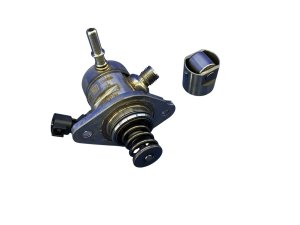
- High-Pressure Fuel Pump (HPFP)
(OEM #35320-3L000 (may be superseded by 35326-3L000 or 35320-3L100/35320-3L110 on some models, verify with VIN))— This is the most common point of failure for fuel pressure issues on the 3.3L Lambda II engine, due to a known issue with its internal control valve. It is shared with the Genesis G70/G80/G90.
Trusted brands: Kia/Hyundai (OEM), Bosch
OEM price range: $500-$800
Aftermarket price range: $450-$650 - Fuel Rail Pressure Sensor (FRPS)
(OEM #35342-3L100)— This sensor provides the pressure reading to the ECM. A faulty sensor will send incorrect data, directly causing this performance code. Its location under the intake manifold makes replacement labor-intensive.
Trusted brands: Kia/Hyundai (OEM), Bosch, Vemo
OEM price range: $150-$220
Aftermarket price range: $100-$180 - Intake Manifold Gasket Set
(OEM #29215-3L100)— These are one-time-use gaskets that must be replaced when the intake manifold is removed to access the fuel rail pressure sensor or high-pressure fuel lines.
Trusted brands: Kia/Hyundai (OEM), Fel-Pro
OEM price range: $40-$60
Aftermarket price range: $25-$45 - High-Pressure Fuel Pipe
(OEM #35305-3L500 (example, verify with VIN))— This is a one-time-use, crush-fit pipe that connects the HPFP to the fuel rail. It MUST be replaced anytime it is loosened to prevent high-pressure fuel leaks.
Trusted brands: Kia/Hyundai (OEM)
OEM price range: $30-$50
Aftermarket price range: N/A
Related Codes That Often Appear With This One
- P0088 — Stands for 'Fuel Rail/System Pressure - Too High'. This code is very common with a failing HPFP where the internal valve sticks, causing over-pressurization. P0089 is set because the actual pressure is not matching the (lower) commanded pressure.
- P0087 — Stands for 'Fuel Rail/System Pressure - Too Low'. This code can appear if the HPFP is failing to build any pressure or if the LPFP is failing to supply the HPFP.
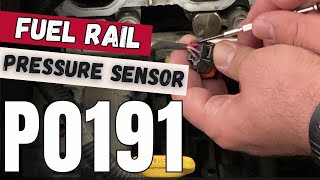
- P0191 — Stands for 'Fuel Rail Pressure Sensor Circuit Range/Performance'. This code points more directly to the sensor itself providing an erratic or irrational signal, which is a primary cause for P0089.
Technical Service Bulletins (TSBs) & Recalls
- FUE067 / WTY034 - While not for the Stinger specifically, this TSB and warranty extension for other 3.3L Kia models describes the exact failure of the HPFP (sticking plunger causing P0088) that is relevant to diagnosing this engine. It extends warranty coverage on the HPFP to 15 years / 180,000 miles for affected models.
- SC278 (Recall) - This recall addresses a deteriorating left turbocharger oil feed pipe on 2018-2023 3.3L Stingers, which can cause an oil leak. While unrelated to fuel pressure, it is a critical safety issue for this specific engine.
Platform-Specific Known Issues
- While the 2018-2021 Stinger 2.0L was subject to safety recall SC281 for HPFP failure, the 3.3L V6 was not included. However, other Kia models with the 3.3L V6 (Sorento, Cadenza) received a warranty extension (WTY034) for the exact same HPFP fa
Mechanic-Grade Diagnostic Values
- Low-Pressure Fuel System (In-tank pump feed to HPFP) — expected: Approx. 72-75 PSI (495-520 kPa).. Failure: Pressure significantly below this range indicates a failing in-tank pump (LPFP) or clogged filter.
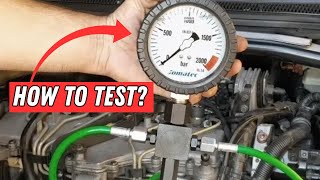
- High-Pressure Fuel System (Fuel Rail) at Idle — expected: Approx. 40 bar (580 PSI).. Failure: Pressure that is unstable, significantly lower, or significantly higher than the target pressure at idle.
- Fuel Rail Pressure Sensor (FRPS) Signal Voltage (Key On, Engine Off) — expected: Approx. 0.5V.. Failure: Voltage is stuck at 0V, 5V, or is reading a high value when the engine is off.
- Fuel Rail Pressure Sensor (FRPS) Signal Voltage at Idle — expected: Approx. 1.3V.. Failure: Voltage is erratic, does not correspond to pressure changes, or is stuck.
- Fuel Rail Pressure Sensor (FRPS) Reference Voltage — expected: Steady 5.0V.. Failure: Significantly lower or no voltage indicates a wiring or ECM issue.
- High-Pressure Fuel Pump (HPFP) Mounting Bolt Torque — expected: 10 ft-lb (approx. 13.5 N.m).. Failure: Incorrect torque can cause leaks or damage the pump. Bolts should be tightened evenly in a crisscross pattern to avoid damaging the pump body.
Scan Tool Commands That Help
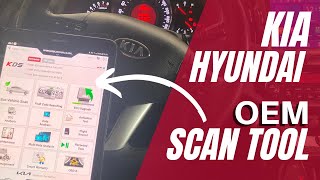
- Kia GDS / KDS: Fuel System Test (Actuation Test) — Allows a technician to manually command the fuel pumps and regulator to test their response, helping to isolate a faulty component from a wiring or ECM command issue.
- Kia GDS / KDS: Flight Record / Trigger Module Testing — This function is used to record live data during a test drive to capture intermittent pressure deviations under specific load conditions that are difficult to replicate in the workshop.
- Kia GDS / KDS: ECU Upgrade / Resetting Adaptive Values — After replacing a major fuel system component like the HPFP or FRPS, this function must be used to clear the ECM's learned fuel trim values and/or update the module's software to ensure it operates correctly with the new part.
Wiring & Ground Locations
- Fuel Pump Control Module (FPCM) — Installed on the righthand side of the fuel tank, accessible after removing the rear transverse trim and luggage side trim inside the trunk.. This module controls the low-pressure fuel pump. A fault in the module or its wiring could cause erratic fuel supply to the HPFP, contributing to pressure performance codes.
- Ground Point GE02 — Located on the right front of the engine compartment.. This is a major engine compartment ground point. Corrosion or looseness here can cause unstable or incorrect readings from multiple sensors, including the Fuel Rail Pressure Sensor, potentially triggering a false code.
- FRPS Connector — On the high-pressure fuel rail, located underneath the upper intake manifold.. This is the direct connection point for testing the sensor's 5V reference, ground, and signal wires. Its location makes it susceptible to heat damage over time.
Real Owner Repair Stories
- Kia Stinger Forum (2018 Kia Stinger GT (3.3L V6)) — Car went into limp mode and the check engine light came on.
❌ Tried (didn't work) The owner initially hoped it was a minor issue and hesitated to go to the dealer.
✅ What actually fixed it The dealership diagnosed the issue and replaced the high-pressure fuel pump (HPFP). The repair resolved the limp mode and check engine light.
OEM Part Supersession History
35320-3L100→35320-3L110— Part revision and update. The -3L110 version is the current recommended replacement for the HPFP on many 3.3L GDI engines to address known failure modes.
Heads up: While the older part may fit, using the latest revision (35320-3L110) is critical to get the most updated design intended to prevent premature failure.
Model Year Variations Within This Range
- 2022: A specific batch of 2022 Stinger 3.3L vehicles (produced Jan-Feb 2021) had an available ECM software update (TSB SA468) to improve the variable exhaust sound logic. This highlights that model year-specific software versions exist and dealer tools may be needed for updates.
- 2020-2021: A software update (TSB SC219) was issued for the instrument cluster to improve fuel gauge accuracy on vehicles produced between March 2020 and December 2020. This is another example of running changes to vehicle software during the production run.
Diagnostic Flowchart
Other Known Issues on This Vehicle
Issues unrelated to this code that are worth knowing about as an owner of this generation:
- Premature Paint Peeling and Chipping 🟠 Medium — Commonly reported across multiple colors, but especially prevalent and acknowledged by Kia on 'Sunset Yellow' models. Other colors like 'Micro Blue' also have owner complaints. Can occur early in the vehicle's life. (Ref: No official recall, but Kia offered buy-backs or repaints for some affected yellow Stinger owners.)
- Brake Rotor Warping and Squeal 🟠 Medium — Widespread owner complaints of steering wheel vibration during braking (warped rotors) and excessive brake squeal, particularly in cold weather. Often occurs within the first 15,000-30,000 miles. (Ref: No official recall, but it is a well-documented issue on owner forums.)
- Rear Differential Failure/Leaks 🔴 High — Some owners, particularly on RWD models, have reported noise, leaks, or complete failure of the rear differential, sometimes repeatedly. This is not extremely common but is a severe and costly issue when it occurs.
- Left Turbocharger Oil Feed Pipe Leak 🔴 High — Affects 2018-2023 models with the 3.3L engine. The oil feed pipe and hose assembly can deteriorate and leak oil, which can lead to engine damage or fire risk. (Ref: NHTSA Recall No. 23V532000 / Kia Recall SC278)
- Trunk and Interior Rattles 🟡 Low — Common complaints of rattling noises from the trunk area, license plate, or interior panels. Generally considered an annoyance rather than a mechanical fault.
Used vs. New Parts: Buying Guide for This Vehicle
When a used part is the smart pick: For this specific repair, sourcing a used High-Pressure Fuel Pump (HPFP) is strongly discouraged. The HPFP is a known failure point with a design flaw, and a used part from a salvage yard is highly likely to have the same defect or a significantly reduced service life. A used Fuel Rail Pressure Sensor (FRPS) from a low-mileage donor could be considered, but new is preferable given the high labor cost to access it.
Donor-vehicle mileage cap: roughly under 30000 miles for the part to have meaningful remaining life.
What to inspect on the donor part:
- For a sensor, verify the donor vehicle had no fuel-related trouble codes.
- Ensure no physical damage to the part or its electrical connector.
- Avoid parts from vehicles with signs of engine fire or major front-end collision damage.
OEM-only on this vehicle (don't cheap out):
- High-Pressure Fuel Pump (HPFP): Due to the known high failure rate and subsequent part revisions, only a new, genuine Kia/Hyundai part (latest revision 35320-3L110) should be used.
- High-Pressure Fuel Pipe: This is a one-time-use, torque-to-yield part that must be replaced with a new OEM pipe anytime it is loosened to prevent dangerous, high-pressure fuel leaks.
Aftermarket brands forum-validated for this vehicle:
- Bosch: As an original equipment manufacturer for many fuel system components, Bosch is a reliable choice for the Fuel Rail Pressure Sensor (FRPS).
Brands owners have reported issues with on this vehicle:
- Generic, unbranded 'white-box' parts from online marketplaces should be avoided for all critical high-pressure fuel system components due to safety and reliability concerns.
Real Owner Stories
Aggregated from forums and TSBs cited above. Mileages and costs reflect what owners reported in those sources.
2019 Kia Stinger GT 3.3L V6
Symptoms: Owners reported fuel pressure codes including P0089, P0088, and P0087. Symptoms included rough running and hesitation.
What fixed it: Dealer replacement of the High-Pressure Fuel Pump (HPFP).
Cost: $1,500-$1,600
Source hint: stingerforum.org
2019 Genesis G70 3.3T
Symptoms: A cluster of fuel pressure codes (P0089/P0087/P0088) identical to those found on the Stinger platform.
What fixed it: Replacement of the High-Pressure Fuel Pump (HPFP).
Source hint: genesisg70.org
Related OBD-II Codes
Frequently Asked Questions
Does the HPFP warranty extension WTY034 apply to my 2018-2023 Kia Stinger 3.3L?
Is there a recall for the high-pressure fuel pump on the Stinger 3.3L V6?
Why does my engine oil smell like gasoline when I have a P0089 code?
Can I just replace the Fuel Rail Pressure Sensor to fix P0089?
Are there any other major recalls I should check for while fixing the fuel system on my 3.3L Stinger?
What parts are required for a proper HPFP replacement on the Lambda II engine?
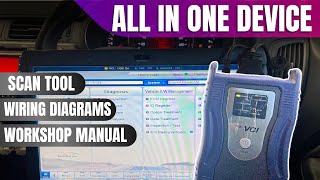
Helpful Videos

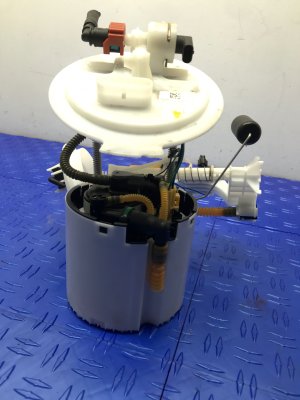
We Have This Part in Stock

The information in this article is provided for general reference and educational purposes only. Vehicle specifications, procedures, and part compatibility can vary by production date, trim level, and region. Always consult your vehicle's factory service manual and verify part numbers before purchasing or performing repairs. Safety-critical components such as airbags, seat belts, and braking systems should be installed by a qualified professional.
- Kia Stinger:
- 🧭 Diagnostic Flowchart
- 🎬 Helpful Videos
- 🛍️ Shop This Part
- What's Unique About the 2018-2023 Kia Stinger
- Symptoms You May Notice
- Most Likely Causes
- Rare But Worth Checking
- Diagnosis Steps
- Parts You'll Likely Need
- Related Codes That Often Appear With This One
- Technical Service Bulletins (TSBs) & Recalls
- Platform-Specific Known Issues
- Mechanic-Grade Diagnostic Values
- Scan Tool Commands That Help
- Wiring & Ground Locations
- Real Owner Repair Stories
- OEM Part Supersession History
- Model Year Variations Within This Range
- Other Known Issues on This Vehicle
- Used vs. New Parts: Buying Guide for This Vehicle
- Real Owner Stories
- 2019 Kia Stinger GT 3.3L V6
- 2019 Genesis G70 3.3T
- Related OBD-II Codes
- Frequently Asked Questions
- 🎟️ Get 5% Off