

P0101 on 2014-2018 Chevrolet Silverado 1500 6.2L: MAF Sensor Causes and Fixes
On a 2014-2018 Silverado 6.2L, P0101 is often caused by a dirty MAF sensor or a known manufacturing defect in the air filter box (TSB PIP5446A). Start by cleaning the sensor with dedicated cleaner (~$15) and inspecting the inside of the air filter housing for excess plastic flashing before replacing any parts. If the code persists, check for vacuum leaks, especially cracked intake hoses.
- Before replacing any parts for a P0101 code, your first step should be to inspect the air filter housing for plastic flashing as per TSB PIP5446A.
- The second step is to clean the MAF sensor with dedicated cleaner; this resolves the issue in a high percentage of cases.
- Thoroughly inspect the entire intake tube for cracks or loose connections, as unmetered air leaks are another primary cause.
- Only replace the MAF sensor if cleaning it and confirming there are no air leaks fails to solve the problem. Use a high-quality OEM (ACDelco) part for best results.
What's Unique About the 2014-2018 Chevrolet Silverado 1500
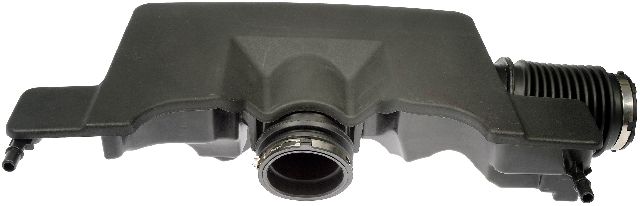
For the K2XX-generation Silverado (2014-2018), this code is frequently linked to a specific manufacturing flaw. General Motors issued Technical Service Bulletin PIP5446A, which identifies excess plastic 'casting flash' inside the original air filter housing. This plastic debris, left over from the molding process, creates air turbulence right before the sensor, causing it to send inaccurate readings and trigger code P0101. Owners often misdiagnose the issue and replace expensive parts when the root cause is this well-documented airbox defect. The TSB states the official fix is to replace the air filter housing lid.
Symptoms You May Notice
- Check Engine Light is on
- Engine hesitation or surging, especially while cruising
- Rough or unstable idle
- Stalling, particularly under light load or when stopping
- Reduced fuel economy
- Sluggish acceleration or loss of power
- Black smoke from the exhaust
- Hard starting
- Harsh 1-2 and 2-3 transmission shifts
- Replacing the MAF sensor immediately without first cleaning it or checking for intake leaks and the TSB-related airbox issue.
- Replacing oxygen sensors, as the P0101 code can sometimes be accompanied by lean (P0171/P0174) or rich (P0172/P0175) codes, which are symptoms of the MAF issue, not the root cause.
Most Likely Causes
- Dirty or Contaminated MAF Sensor 🔴 High Probability → Shop Fuel Injection Air Flow Meter Oiled aftermarket air filters (like K&N) or fine dust can contaminate the sensor's delicate sensing elements, causing inaccurate readings. Over-oiling these filters is a frequent cause of sensor contamination.
How to confirm: Visually inspect the MAF sensor wires. If they appear dirty or coated in oil, they need cleaning. The sensor is located in the intake tube right after the air filter box. A scan tool showing g/s readings significantly lower than the engine displacement at idle (e.g., 3-4 g/s on a 6.2L engine) points to a dirty sensor or vacuum leak.
Typical fix: Remove the sensor and clean it carefully using only dedicated Mass Airflow Sensor cleaner. Do not touch the sensor wires. Let it dry completely before reinstalling.
Est. part cost: $10-$20 for MAF cleaner - Plastic 'Casting Flash' in Air Filter Housing (TSB PIP5446A) 🔴 High Probability → Shop Air Cleaner Assembly A documented manufacturing defect for this specific generation of Silverado where excess plastic inside the airbox creates turbulent airflow. This TSB also applies to the GMC Sierra, Tahoe, Suburban, Escalade, Corvette, and Camaro of the same era.
How to confirm: Open the air filter housing and inspect the internal surfaces of the lid, especially around the outlet tube where the MAF sensor mounts, for rough or excess plastic molding. This is detailed in TSB PIP5446A.
Typical fix: Carefully remove the excess plastic flashing with a deburring tool or sandpaper, then clean the housing thoroughly to remove all debris. The official GM correction is to replace the air filter housing lid.
Est. part cost: $0 if sanding, $50-$100 for a new housing lid - Vacuum Leak in Air Intake System 🟡 Medium Probability → Shop Engine Air Intake Resonator The plastic and rubber components of the intake tube can crack or become brittle over time, and clamps can loosen, allowing unmetered air to enter the engine after the MAF sensor. A cracked PCV tube is also a common source.
How to confirm: Visually inspect the entire air intake duct between the MAF sensor and the throttle body for cracks, tears, or loose connections. Listen for a hissing sound at idle. A smoke test is the most definitive way to find a leak. A video of a 4.3L V6 with P0101 showed the intake tube seal at the manifold had failed due to the tube's weight, causing a massive leak.
Typical fix: Tighten loose clamps or replace the damaged section of the intake tubing or PCV hose.
Est. part cost: $50-$150 for a new intake tube - Dirty or Clogged Engine Air Filter ⚪ Low Probability → Shop Air Cleaner Assembly
How to confirm: Remove and inspect the engine air filter. If it is visibly dirty, clogged with debris, or has not been replaced in a long time, it is restricting airflow.
Typical fix: Replace the engine air filter.
Est. part cost: $20-$50
Rare But Worth Checking
- Faulty Mass Air Flow (MAF) Sensor: → Shop Fuel Injection Air Flow Meter While often blamed, the sensor itself is less likely to fail than it is to be dirty or affected by an air leak. Many forum users report that cheap aftermarket sensors cause persistent issues, and only an OEM ACDelco part resolves the code. Only replace it after all other causes have been ruled out.
- Clogged Catalytic Converter: A restricted exhaust can reduce engine breathing, causing the MAF to read lower than expected. This is usually accompanied by a severe loss of power and potentially a P0420 code.
- Wiring Harness Issue: A damaged wire or poor connection to the MAF sensor can cause intermittent or incorrect signals. Check for voltage and ground at the connector if cleaning the sensor doesn't resolve the code.
Diagnosis Steps
- Read the codes: Use an OBD-II scanner to confirm P0101 and check for any other related codes like P0171, P0174, or P0300.
- Live Data Check: With a scan tool, monitor the MAF sensor reading (in grams/second) at a fully warmed-up idle with no accessories on. A healthy 6.2L engine should read approximately 6.2 g/s. A reading significantly lower (e.g., 3-5 g/s) strongly suggests a vacuum leak or a dirty/faulty sensor.
- Inspect the Air Filter: Check if the engine air filter is dirty or clogged. Replace if necessary.
- Inspect the Air Filter Housing (TSB PIP5446A): Open the airbox and carefully inspect the inside of the lid for excess plastic flashing, especially at the outlet tube where the sensor mounts. If found, smooth it down and clean out all debris, or replace the lid.
- Inspect for Vacuum Leaks: Thoroughly inspect the air intake tube from the airbox to the engine for any cracks, loose clamps, or disconnections. Pay close attention to the PCV hoses and the intake tube's connection point at the intake manifold. A smoke test is the most effective method.
- Clean the MAF Sensor: Disconnect the battery. Unplug and remove the MAF sensor. Spray the sensing elements generously with a dedicated MAF sensor cleaner. Let it dry completely before reinstalling.
- Check Wiring: If the code returns, inspect the MAF sensor connector and wiring for any visible damage, corrosion, or loose pins.
- Test Drive & Re-check Live Data: After cleaning, clear the codes and test drive. Monitor the MAF g/s reading to ensure it increases smoothly with RPM and that fuel trims are returning to normal (ideally within +/- 10%).
- Consider Other Causes: If all else fails, investigate rarer causes like a clogged catalytic converter (check for exhaust backpressure) or a faulty ECM.
Parts You'll Likely Need
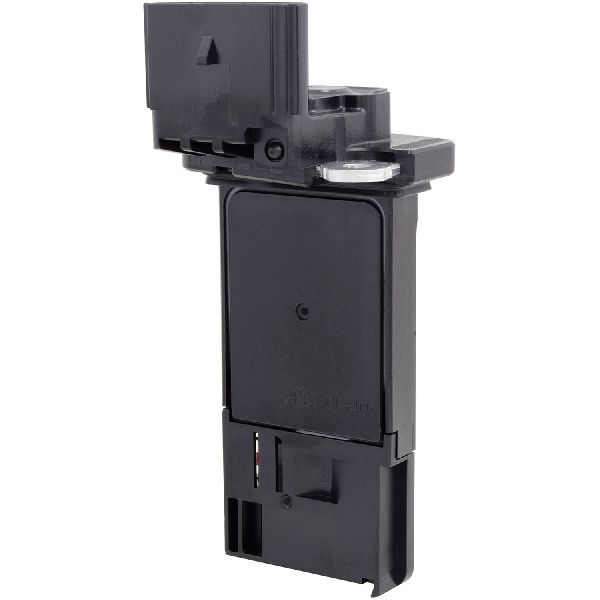
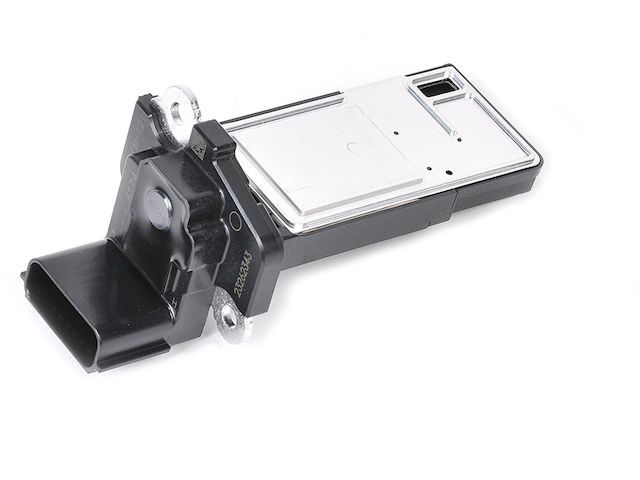
- Mass Air Flow Sensor
(OEM #23262343)— This is the part to replace if cleaning the original sensor and ruling out all other causes does not fix the code. Using a high-quality OEM part is crucial for proper performance. This part fits a wide range of GM vehicles.
Trusted brands: ACDelco (OEM)
OEM price range: $120-$180
Aftermarket price range: $60-$120 - Mass Air Flow Sensor Cleaner — This is the first and most common fix attempt, as a dirty sensor is a primary cause of P0101.
Trusted brands: CRC, WD-40 Specialist
Aftermarket price range: $10-$20 - Engine Air Intake Hose
(OEM #23170711)— This part is replaced if it is found to be cracked or torn, causing a vacuum leak. This is a common failure point as the rubber and plastic degrade over time.
Trusted brands: ACDelco, GM Genuine
OEM price range: $100-$160
Aftermarket price range: $40-$80
Related Codes That Often Appear With This One
- P0171 / P0174 — These 'System Too Lean' codes often appear with P0101 when there is a vacuum leak. Unmetered air enters the engine that the MAF sensor did not measure, creating a lean condition.
- P0172 / P0175 — These 'System Too Rich' codes can appear if the MAF sensor is malfunctioning and reporting more air than is actually entering, causing the ECM to inject too much fuel. The casting flash TSB also lists these as a possible result.
- P0300 — A 'Random/Multiple Cylinder Misfire' code can be triggered because an incorrect air/fuel mixture from the faulty MAF reading leads to poor combustion and misfires.
Technical Service Bulletins (TSBs) & Recalls
- PIP5446A — Harsh Shift 1/2 and 2/3 and Sputter Applying Throttle, Rough idle, P0101 P0171 P0172 P0174 P0175 — Published Jan 18, 2018. Details the issue of excessive plastic casting flash in the air filter housing near the MAF sensor causing airflow turbulence. Affects 2014-2018 Silverado/Sierra and other GM vehicles. The official fix is to inspect and replace the air filter housing lid.
- Bulletin #21NA032 — Provides repair information for a customer concern of DTC P0101 Mass Air Flow (MAF) Sensor Performance and P1682 setting after a MAF replacement.
- Bulletin #PIP5468F — A manufacturer communication providing information for vehicles with a check engine light and DTC P0101, among other codes related to engine performance.
- Bulletin #PIP4932D — Notifies technicians that for vehicles with a Service Engine Soon Malfunction Indicator Lamp and DTC P0101, they should follow published Service Information diagnostics.
Platform-Specific Known Issues
- TSB PIP5446A documents an issue where excess plastic 'casting flash' inside the air filter housing creates turbulence and causes inaccurate MAF readings.
- A user on gm-trucks.com reported that after cleaning and replacing the MAF sensor for a persistent P0101, the actual cause was a faulty throttle body creating erratic airflow.
- Another owner on a gm-trucks.com forum traced their intermittent P0101 code to an oiled K&N air filter contaminating the MAF sensor; cleaning the sensor and reverting to a paper filter resolved the issue.
Mechanic-Grade Diagnostic Values
- MAF Sensor Reading at Idle (Scan Tool) — expected: Approximately 6.2 grams/second (g/s) for a fully warmed-up 6.2L engine at idle in Park. The general rule is g/s should roughly equal engine displacement in liters.. Failure: Readings significantly lower than 5.5 g/s may indicate a dirty sensor, a vacuum leak, or an exhaust restriction. Readings significantly higher (e.g., >8 g/s) at idle often point to a large vacuum leak (unmetered air).
- Long-Term Fuel Trim (LTFT) at Idle (Scan Tool) — expected: Between -10% and +10%. Ideally close to 0%.. Failure: Values consistently above +10% (e.g., 15-25%) strongly suggest a vacuum leak, as the ECM is adding fuel to compensate for unmetered air.
- MAF Sensor Frequency (Scan Tool) — expected: Approximately 2,400 Hz at normal idle for a typical GM MAF sensor.. Failure: A complete lack of frequency change with RPM, or erratic/glitchy readings when wiggling the connector, indicates a wiring or sensor fault.
Scan Tool Commands That Help
- GDS2 / Tech2: Fuel Trim Reset — After replacing a component that affects the air/fuel mixture, such as the MAF sensor or fixing a vacuum leak. This command resets the learned long-term and short-term fuel trim values to zero, forcing the ECM to relearn the fuel strategy immediately with the new parts, which can speed up diagnosis and confirm the fix.
- GDS2 / High-End Scan Tool: Graph MAF (g/s) vs. RPM — During a test drive, graphing the MAF reading against engine RPM helps to visualize sensor performance. The g/s reading should increase smoothly and proportionally with RPM. Any sudden dropouts, flatlines, or erratic jumps under acceleration point to a failing sensor or a wiring issue.
Wiring & Ground Locations
- MAF Sensor Connector — On the air intake tube, immediately downstream from the air filter housing. The L86 uses an 8-pin connector for the MAF, which also contains the Intake Air Temperature (IAT) sensor.. The primary connection point for the sensor. A loose connection, corrosion on the pins, or damaged wires at this connector will directly cause a P0101 code.
- G103 / G104 — On the K2XX platform, primary engine grounds are located on the front and rear of the cylinder heads. One key ground is on the front of the passenger side cylinder head. Another is on the rear of the driver's side cylinder head.. The ECM and its sensors rely on clean, solid ground connections to function. A loose or corroded engine ground can cause erratic sensor readings, including from the MAF sensor, leading to intermittent and hard-to-diagnose codes like P0101.
Real Owner Repair Stories
- Reddit user, r/Nissan (2018 Nissan Rogue (similar principle applies)) — Solid Check Engine Light with P0101 code.
❌ Tried (didn't work) Checked air filter, Cleaned MAF sensor, Checked for vacuum leaks
✅ What actually fixed it Replacing a 3-year-old, weak battery. The user learned that a dying battery can provide unstable voltage and prevent the MAF sensor from communicating properly with the ECU, triggering the code. - GM-Trucks.com forum user (2014 GMC Sierra 5.3L) — P0101 and P0102 codes immediately after installation.
❌ Tried (didn't work) Clearing codes (they returned immediately)
✅ What actually fixed it The problem was caused by installing a K&N Cold Air Intake. The issue is that aftermarket intakes can change the airflow dynamics across the sensor, particularly the tube diameter, which requires a custom tune to recalibrate the MAF sensor readings. Reverting to the stock intake resolved the codes.
"I Checked Everything" — The Actual Cause
- In some cases where a smoke test for intake leaks comes back negative, the root cause for P0101 can be an exhaust restriction. A clogged catalytic converter creates backpressure, reducing the volume of air the engine can draw in. This makes the MAF sensor report airflow that is too low for the given RPM, triggering P0101 without any intake-side leaks.
- A weak or failing battery can provide unstable voltage to the engine's sensors, including the MAF. This can cause the sensor to send erratic data to the ECM, triggering a P0101 even though the sensor and intake system are perfectly fine.
OEM Part Supersession History
20787043, 23118170→23262343— Standard part number revision and consolidation by GM. The older part numbers are discontinued.
Heads up: None. Part number 23262343 is a direct replacement for the older numbers with no known compatibility issues.
Diagnostic Flowchart
Other Known Issues on This Vehicle
Issues unrelated to this code that are worth knowing about as an owner of this generation:
- AFM/DFM Lifter Failure 🔴 High — Widespread issue, can occur at various mileages, sometimes as low as 50,000 miles. Failure rate increases with poor oil maintenance. (Ref: Multiple TSBs exist, including 15-06-01-002G and PIP5776E, which detail diagnostic procedures and replacement of lifters, guides, and sometimes the camshaft.)
- 8L90 Transmission Torque Converter Shudder 🟠 Medium — Very common on 2015-2019 models equipped with the 8-speed 8L90 transmission. Feels like driving over rumble strips between 25-80 mph under light throttle. (Ref: TSB 18-NA-355 recommends a complete transmission fluid flush with an updated fluid (Mobil 1 Synthetic LV ATF HP Blue Label). If the flush doesn't work, torque converter replacement is often required.)
- Cracked PCV Hoses 🟡 Low → Shop PCV Valve Hose — Becoming more common as trucks age. The plastic PCV tubes can become brittle and crack, causing vacuum leaks. (Ref: TSB PIP5686A addresses a specific issue with the foul air PCV tube being damaged or improperly installed, leading to lean codes (P0171/P0174).)
- Brake Vacuum Pump Failure 🔴 High — Affects certain 2014-2018 models, leading to a sudden loss of power brake assist. A recall was issued for this problem. (Ref: NHTSA Recall 19V645000 / GM Recall N192268490)
Used vs. New Parts: Buying Guide for This Vehicle
When a used part is the smart pick: A used part is a reasonable choice for the **air filter housing lid**. Since the primary issue is a manufacturing defect (casting flash), a used OEM lid from a vehicle that didn't have the issue, or one that has already been properly deburred, is a perfectly acceptable and cost-effective repair.
Donor-vehicle mileage cap: roughly under 150000 miles for the part to have meaningful remaining life.
What to inspect on the donor part:
- For an airbox lid: Inspect for any cracks, broken tabs, or signs of warping.
- For an airbox lid: Run your finger along the inside of the outlet tube to ensure it is smooth and free of the plastic flashing that causes P0101.
- For an intake hose: Squeeze the rubber/plastic. It should be pliable, not hard or brittle. Check thoroughly for any hairline cracks, especially at the connection points.
OEM-only on this vehicle (don't cheap out):
- Mass Air Flow (MAF) Sensor
Aftermarket brands forum-validated for this vehicle:
- Delphi (often an OE supplier to GM)
- Hitachi (another known OE supplier)
Brands owners have reported issues with on this vehicle:
- Unbranded, 'white box' sensors from online marketplaces. Forum consensus is strong that cheap, no-name aftermarket MAF sensors often fail quickly or are inaccurate out of the box, leading to a repeat of the P0101 code.
Real Owner Stories
Aggregated from forums and TSBs cited above. Mileages and costs reflect what owners reported in those sources.
2014-2018 Chevrolet Silverado 1500 6.2L L86
Symptoms: The owner experienced a P0101 code specifically while towing. The issue was traced to a contaminated MAF sensor caused by an oiled K&N air filter.
What fixed it: Cleaning the MAF sensor with dedicated cleaner and reverting to a standard paper air filter.
Source hint: gm-trucks.com thread titled 'MY P0101 Code And MAF Sensor Experiance'
2014-2018 Chevrolet Silverado 1500 6.2L L86
Symptoms: A persistent P0101 code that remained even after cleaning and replacing the MAF sensor.
What fixed it: Replacing a faulty throttle body that was creating erratic airflow.
Source hint: vehicle_specific_issues citing gm-trucks.com
2014-2018 Chevrolet Silverado 1500 6.2L L86
Symptoms: Recurring P0101 code after installing an aftermarket MAF sensor.
What fixed it: Replacing the aftermarket unit with an OEM ACDelco sensor.
Source hint: gm-trucks.com thread titled 'Code P0101 - GM-Trucks.com'
Related OBD-II Codes
Frequently Asked Questions
Does TSB PIP5446A apply to my 2014-2018 Chevrolet Silverado 1500 with the 6.2L L86 engine?
What should the MAF sensor reading be at idle for my 6.2L V8 engine?
Can an aftermarket air filter cause a P0101 code on my Silverado?
Is it true that I should only use an OEM ACDelco MAF sensor if I need a replacement?
Can a P0101 code affect how my Silverado's transmission shifts?
Where is the MAF sensor located on the 6.2L L86 engine?
Helpful Videos
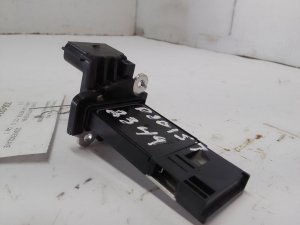
Used OEM Parts in Stock
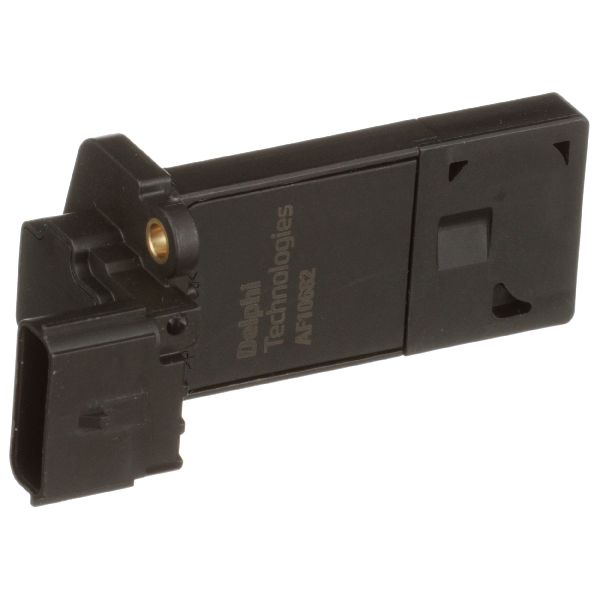
New Aftermarket Parts Available


The information in this article is provided for general reference and educational purposes only. Vehicle specifications, procedures, and part compatibility can vary by production date, trim level, and region. Always consult your vehicle's factory service manual and verify part numbers before purchasing or performing repairs. Safety-critical components such as airbags, seat belts, and braking systems should be installed by a qualified professional.
- Chevrolet Silverado 1500:
- 🧭 Diagnostic Flowchart
- 🎬 Helpful Videos
- 🛍️ Shop This Part
- What's Unique About the 2014-2018 Chevrolet Silverado 1500
- Symptoms You May Notice
- Most Likely Causes
- Rare But Worth Checking
- Diagnosis Steps
- Parts You'll Likely Need
- Related Codes That Often Appear With This One
- Technical Service Bulletins (TSBs) & Recalls
- Platform-Specific Known Issues
- Mechanic-Grade Diagnostic Values
- Scan Tool Commands That Help
- Wiring & Ground Locations
- Real Owner Repair Stories
- "I Checked Everything" — The Actual Cause
- OEM Part Supersession History
- Other Known Issues on This Vehicle
- Used vs. New Parts: Buying Guide for This Vehicle
- Real Owner Stories
- 2014-2018 Chevrolet Silverado 1500 6.2L L86
- 2014-2018 Chevrolet Silverado 1500 6.2L L86
- 2014-2018 Chevrolet Silverado 1500 6.2L L86
- Related OBD-II Codes
- Frequently Asked Questions
- 🎟️ Get 5% Off