

P0101 on 2012-2016 Honda CR-V: MAF Sensor Range/Performance Causes and Fixes
On a 2012-2016 Honda CR-V, code P0101 is most often caused by a dirty Mass Airflow (MAF) sensor. Cleaning the sensor with a dedicated spray cleaner for about $10-15 is the most common and effective first step. If that fails, inspect the rubber air intake boot for cracks, as this is another frequent culprit. A replacement MAF sensor is the next likely solution if cleaning and intake inspection don't resolve the issue.
- P0101 on a 2012-2016 CR-V almost always points to an issue with the Mass Airflow (MAF) sensor.
- The cheapest and most common fix is to clean the MAF sensor with a dedicated cleaner spray. This should always be the first step.
- Before replacing any parts, also inspect the engine air filter for dirt and the rubber intake boot for cracks, as these are also common causes.
- This is a very DIY-friendly repair. Cleaning or replacing the MAF sensor requires basic tools and can be done in under 30 minutes.
What's Unique About the 2012-2016 Honda CR-V
The 2.4L K-series engine in the fourth-generation Honda CR-V is known for its reliability, and P0101 is not an unusually common or difficult code on this platform. The issue is almost always straightforward, relating to the MAF sensor itself or basic intake maintenance. Unlike some vehicles that have complex, model-specific issues triggering this code, the CR-V's causes are typically universal: a dirty sensor element, a clogged air filter, or a vacuum leak in the intake boot between the sensor and the throttle body. The rubber intake boot in particular is a known weak point that can crack with age.
Symptoms You May Notice
- Check Engine Light is on
- Rough or unstable idle
- Engine hesitation or stumbling during acceleration
- Reduced fuel economy
- Black smoke from the exhaust (if running rich)
- Difficulty starting the engine or stalling
- Sluggish performance and lack of power 🎬 Watch: How to fix a Honda P0101 circuit range problem
- Replacing oxygen (O2) sensors. While a bad air-fuel mixture can trigger O2 sensor codes (like P0171), the root cause is often the incorrect airflow reading from the MAF sensor, not the O2 sensor itself. The O2 sensor is correctly reporting the lean condition caused by the MAF issue.
Most Likely Causes
- Dirty or Contaminated MAF Sensor 🔴 High Probability → Shop Fuel Injection Air Flow Meter Over time, oil vapors from the PCV system and fine dust can coat the sensor's delicate hot wire, insulating it and causing inaccurate readings. Using an overly oiled aftermarket air filter can also contaminate the sensor.
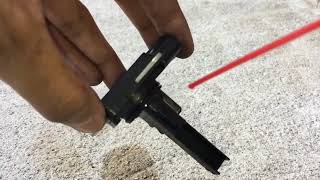
How to confirm: Visually inspect the MAF sensor's internal wires. If they appear dirty, coated, or have debris on them, they require cleaning.
Typical fix: Remove the sensor and clean it carefully using only dedicated Mass Airflow Sensor cleaner spray. Do not touch the wires with any tools or your fingers. Let it air dry completely before reinstalling. 🎬 See this DIY guide for cleaning your MAF sensor safely
Est. part cost: $10-$15 for MAF cleaner spray - Vacuum Leak (Cracked Intake Boot) 🔴 High Probability The flexible rubber intake tube (boot) located after the MAF sensor is known to become brittle and develop cracks due to age and heat cycles. This allows unmetered air to enter the engine, throwing off the MAF sensor's expected readings.
How to confirm: With the engine running, listen for a hissing sound around the intake area. Visually inspect the intake boot, especially in the ribbed, flexible sections, for cracks or loose connections. A smoke test is the most definitive way to find a leak.
Typical fix: Replace the cracked or leaking air intake boot. Some owners temporarily use duct tape as an emergency fix, but replacement is necessary for a permanent solution.
Est. part cost: $30-$70 - Clogged or Dirty Engine Air Filter 🟡 Medium Probability → Shop Air Cleaner Assembly
How to confirm: Remove and inspect the engine air filter. If it is visibly dirty, dark, or clogged with debris, it needs to be replaced.
Typical fix: Replace the engine air filter. This is a standard maintenance item that is often overlooked and should be the first check.
Est. part cost: $15-$40 - Faulty MAF Sensor ⚪ Low Probability → Shop Fuel Injection Air Flow Meter While Honda MAF sensors are generally reliable, they can fail electronically. A Honda technician on a forum noted they have rarely seen a failed Honda MAF, suggesting other causes like intake tears are more likely.
How to confirm: If cleaning the sensor and checking for vacuum leaks does not resolve the code, the sensor itself may have failed. This can be confirmed by monitoring the sensor's output in grams per second (g/s) with an OBD-II scan tool. For the 2.4L K24, a healthy reading should be roughly 2-4 g/s at a stable, warm idle with no load, and should increase smoothly with RPM. If the reading is erratic, stuck, or does not correspond to engine RPM changes, the sensor is likely bad.
Typical fix: Replace the Mass Airflow Sensor. A Reddit user with a 2014 CR-V reported that cleaning the sensor did not work, but replacing it with a Denso unit for $150 completely solved hesitation and power delivery issues.
Est. part cost: $80-$250
Rare But Worth Checking
- Clogged Catalytic Converter: A severely restricted exhaust can back up pressure and disrupt airflow readings, triggering a P0101 code. This is usually accompanied by a significant loss of power, especially at higher RPMs, and may be paired with other codes like P0420.
- Wiring or Connector Issue: Damaged wires or a corroded connector at the MAF sensor can interrupt the signal to the PCM. Check for bent pins, corrosion, or frayed wiring.
- Blown Fuse: On some models, like the 2015 and 2016 CR-V, the MAF sensor circuit is protected by a fuse. For example, the ACG fuse number two under the dashboard may be linked to this circuit. If other components on the same circuit (like an O2 sensor) are also malfunctioning, a blown fuse is a strong possibility.
Diagnosis Steps
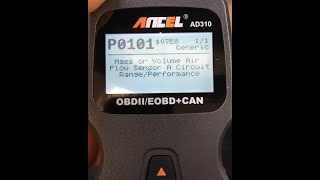
- Read the codes: Use an OBD-II scanner to confirm P0101 is present. Note any other codes, especially P0171, as this strongly suggests a vacuum leak or under-reporting MAF.
- Inspect the Air Filter: Remove and check the engine air filter. A dirty filter can restrict airflow and is a simple, cheap fix. Replace if dirty.
- Inspect the Intake System: Visually inspect the entire air intake tube between the air filter box and the throttle body. Pay close attention to the flexible, ribbed sections of the boot, as they are prone to cracking.
- Clean the MAF Sensor: Disconnect the battery. Unplug the MAF sensor connector. Remove the two Phillips head screws holding the sensor in place and carefully lift it out. Spray the sensor's delicate wires and elements generously with a dedicated MAF sensor cleaner. Let it air dry completely for at least 30 minutes before reinstalling. Do not use brake or carb cleaner.
- Check for Vacuum Leaks: If the code returns, perform a more thorough check for vacuum leaks. A smoke test is the most effective method to find hairline cracks in hoses or gaskets that are not visible.
- Monitor Live Data: With a scan tool, observe the MAF sensor reading in grams per second (g/s) at idle and while revving. A healthy 2.4L engine should show 2-4 g/s at warm idle. The reading should rise smoothly and quickly as you increase RPMs. If it's jumpy, unresponsive, or out of range, the sensor is likely faulty.
- Check Wiring and Fuses: Inspect the MAF sensor's electrical connector and wiring for damage. Check the fuse box for any blown fuses related to the engine control system, such as the 'ACG' fuse.
- Replace the MAF Sensor: If all other steps fail to resolve the issue, the sensor itself has likely failed electronically and should be replaced.
Parts You'll Likely Need
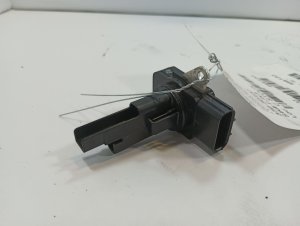
- Mass Airflow Sensor
(OEM #37980-R40-A01)— This is the component that gets dirty or fails electronically, directly causing the P0101 code. The original part is superseded by 37980-RLF-013. 🎬 Watch: How to replace the mass airflow sensor on your CR-V
Trusted brands: Denso (OEM supplier), Hitachi, Bosch, Delphi
OEM price range: $200-$265
Aftermarket price range: $70-$150 - Air Intake Boot / Hose
(OEM #17228-R5A-A00)— This rubber hose is a common failure point, developing cracks that cause vacuum leaks and trigger the P0101 and P0171 codes. This specific part number is for 2012-2014 models.
Trusted brands: Honda OEM, Various Aftermarket
OEM price range: $40-$60
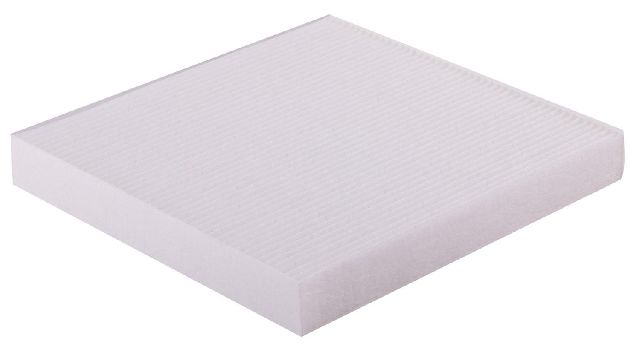
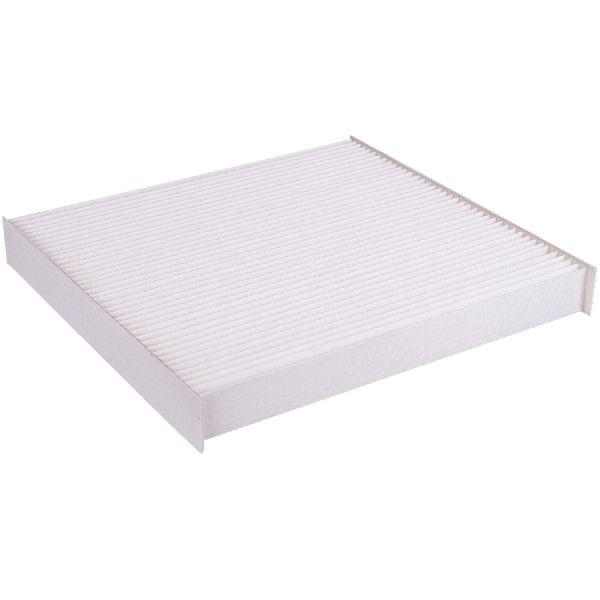
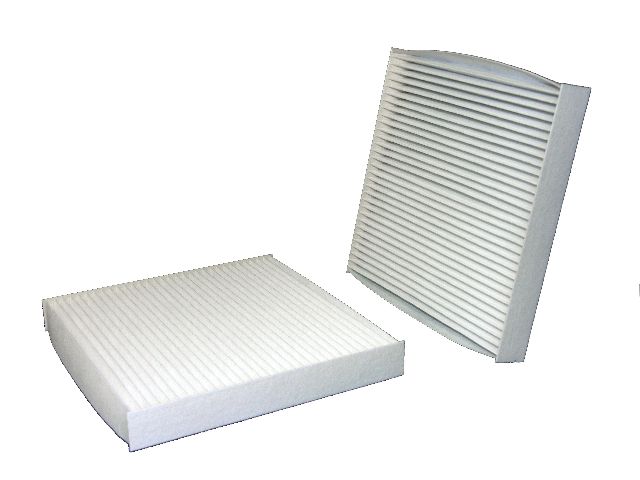
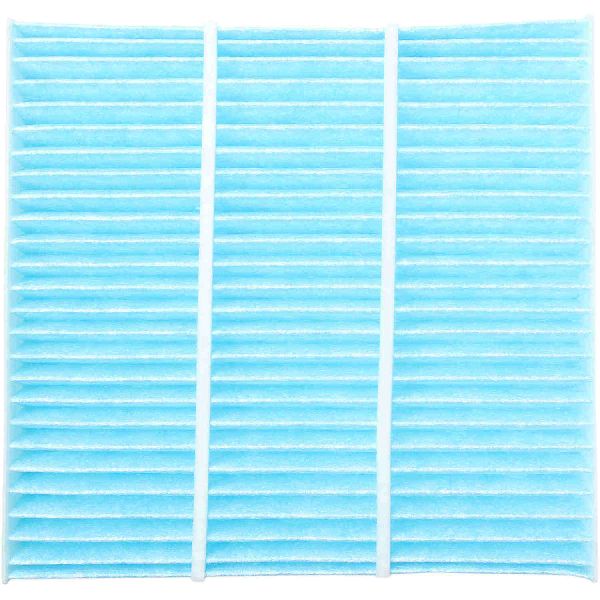
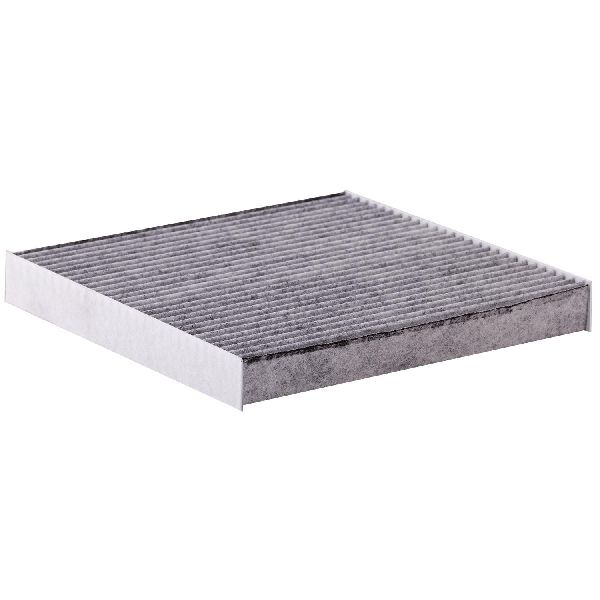
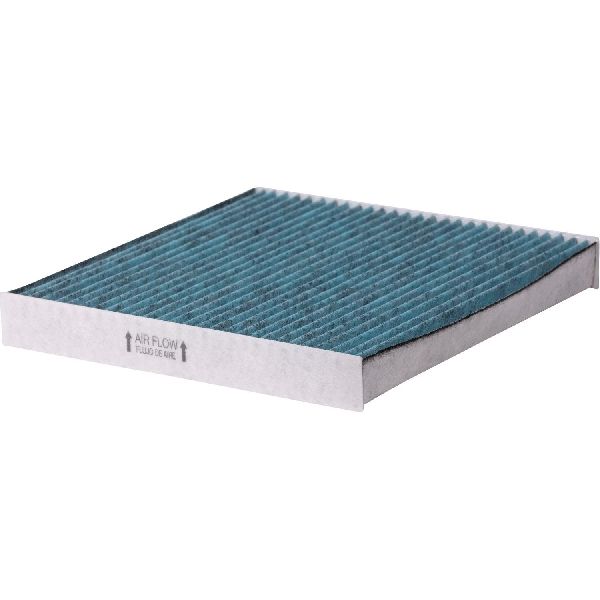
Aftermarket price range: $20-$40 - Engine Air Filter
(OEM #17220-R6A-J00)— A clogged air filter restricts airflow, which can cause the MAF sensor to report out-of-range values.
Trusted brands: Honda OEM, Wix, Fram, Purolator
OEM price range: $25-$40
Aftermarket price range: $15-$25 - Mass Airflow Sensor Cleaner
Related Codes That Often Appear With This One
- P0171 — System Too Lean. This code is very commonly seen with P0101. It occurs when there is a vacuum leak (like a cracked intake boot) or a dirty MAF sensor is under-reporting airflow. The PCM sees the excess oxygen from the O2 sensor and sets P0171, but the root cause is the unmetered air or incorrect MAF reading.
- P0172 — System Too Rich. This can occur if the MAF sensor is faulty and incorrectly reports a higher airflow than is actually present, causing the PCM to inject too much fuel.
- P0100, P0102, P0103 — These are other MAF sensor circuit-related codes. P0102 (Circuit Low) or P0103 (Circuit High) often point more directly to an electrical failure or wiring issue, whereas P0101 is a performance/range problem.
Platform-Specific Known Issues
- Cracked Air Intake Boot: → Shop Engine Air Intake Resonator A very common failure on the 4th generation CR-V and other Hondas of this era is the rubber air intake boot developing cracks, especially in the flexible, accordion-like sections. This allows unmetered air to enter the engine past the MAF sensor, leading to a lean condition and triggering codes P0101 and P0171. A Reddit user with a 2016 CR-V identified this as the cause of power loss and hesitation, a problem known to occur on these vehicles. Always inspect this part carefully before replacing the more expensive MAF sensor.
Mechanic-Grade Diagnostic Values
- MAF Sensor Signal Voltage at Idle — expected: ~1.0V when the engine is fully warmed up.. Failure: Voltage is significantly different, fluctuating wildly, or does not increase smoothly as RPMs rise from idle.
- MAF Sensor Power Supply Voltage (Key On, Engine Off) — expected: Battery voltage (approx. 12.6V) or a 5V reference at the power supply pin of the MAF sensor connector.. Failure: No voltage indicates a problem with the power supply wire or a blown fuse.
- MAF Sensor Ground Circuit Resistance — expected: Near 0 ohms resistance between the ground pin on the MAF connector and a known good chassis ground.. Failure: High resistance indicates a poor ground connection, which can cause incorrect sensor readings.
- MAF Sensor Live Data (Scan Tool) — expected: 2.0 - 4.0 g/s at stable, warm idle for the 2.4L engine. Should increase smoothly and proportionately with engine RPM.. Failure: Value is stuck, jumps erratically, or is significantly outside the expected range at idle or under load.
Scan Tool Commands That Help
- Honda HDS (Honda Diagnostic System): MAF SENSOR TEST — The Honda dealer-level software can run specific function tests on the MAF circuit and compare the live readings against factory-specified values to more accurately determine if the sensor is faulty.
- Honda HDS (Honda Diagnostic System): Clear DTCs / Reset ECU — After cleaning or replacing the MAF sensor or repairing a vacuum leak, the codes must be cleared. A full ECU reset can also clear learned fuel trim values, forcing the computer to relearn the air-fuel mixture with the new/clean component, which can sometimes resolve lingering issues.
Wiring & Ground Locations
- G101 — Located on the left rear of the engine.. This is a primary engine ground. The PCM and several key sensors, including the CKP and CMP sensors, use this ground point. A corroded or loose G101 can cause erratic sensor readings and trigger various codes, including P0101.
- G201 — Located at the right rear of the engine compartment.. This is another important ground in the engine bay. Ensuring all engine grounds are clean and tight is a critical step when diagnosing electrical-related fault codes.
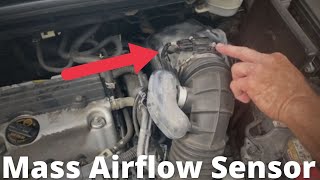
- MAF Sensor Connector — Plugged into the MAF sensor, located on the air intake tube right after the air filter box.. This 5-pin connector provides power, ground, and signal lines for the MAF and IAT sensors. The pins must be tested for correct voltage and continuity. For the 2011-2016 CR-V, Pin 5 (Lt. Blue) is the VGP wire to the PCM (Pin 22).
- Fuse B2 (10A) — In the under-dash fuse/relay box.. On 2011-2016 models, this fuse is part of the power supply circuit for the MAF sensor. If this fuse is blown, the sensor will have no power, leading to a P0102 (low voltage) code, but it's worth checking for a P0101 as well.
Real Owner Repair Stories
- CRVOwnersClub.com Forum User (2014 Honda CR-V) — Check Engine Light with codes P0101 and P0171, engine hesitation.
❌ Tried (didn't work) Cleaning the MAF sensor, Replacing the MAF sensor
✅ What actually fixed it The user discovered a significant tear in the air intake hose (boot) located between the MAF sensor and the throttle body. Replacing the hose (part number 17228-R5A-A00) resolved both codes and the hesitation issue.
OEM Part Supersession History
37980-R40-A01→37980-RLF-013— Part revision/update by Honda.
Heads up: 37980-RLF-013 replaces multiple older part numbers including 37980-R40-A01 and is the current service replacement.
Model Year Variations Within This Range
- 2012-2014: These models use the K24Z7 port-injected engine paired with a 5-speed automatic transmission. The common failure point is the air intake boot, part number 17228-R5A-A00.
- 2015-2016: These models received a significant facelift, including the new K24W9 "Earth Dreams" engine with direct injection and a Continuously Variable Transmission (CVT). While the P0101 causes are similar, the intake boot and potentially the MAF sensor itself may have different part numbers due to the engine change. The direct-injected engine is also susceptible to carbon buildup on intake valves over time, which can affect airflow and potentially contribute to this code at higher mileages.
Diagnostic Flowchart
Real Owner Stories
Aggregated from forums and TSBs cited above. Mileages and costs reflect what owners reported in those sources.
2013 Honda CR-V — ~145000 miles
Symptoms: Rough idling, poor acceleration, increased fuel consumption, and engine hesitation during acceleration, especially when the throttle was opened quickly.
What fixed it: Replaced the MAF sensor.
Source hint: AliExpress Product Q&A
2014 Honda CR-V — 150000 miles
Symptoms: Laggy power delivery and hesitation.
What fixed it: Cleaning the MAF sensor didn't work, but replacing it with a Denso part completely solved the hesitation and power delivery issues.
Cost: $150
Source hint: reddit.com/r/crv
2016 Honda CR-V
Symptoms: Power loss and hesitation.
What fixed it: Replaced a completely torn air intake hose.
Source hint: reddit.com/r/MechanicAdvice
Related OBD-II Codes
Frequently Asked Questions
Is a cracked intake boot a common reason for P0101 on my 2012-2016 CR-V?
What should the MAF sensor reading be on my 2.4L K24 engine at idle?
I have a 2014 CR-V. Should I try cleaning the MAF sensor before replacing it?
Are there any specific fuses I should check for a P0101 code on this generation CR-V?
What tools do I need to remove the MAF sensor on my 4th Gen CR-V?
Does the P0101 code on my CR-V mean I need a new MAF sensor part number 37980-R40-A01?
Helpful Videos
Used OEM Parts in Stock
New Aftermarket Parts Available

The information in this article is provided for general reference and educational purposes only. Vehicle specifications, procedures, and part compatibility can vary by production date, trim level, and region. Always consult your vehicle's factory service manual and verify part numbers before purchasing or performing repairs. Safety-critical components such as airbags, seat belts, and braking systems should be installed by a qualified professional.
- Honda CR-V:
- 🧭 Diagnostic Flowchart
- 🎬 Helpful Videos
- 🛍️ Shop This Part
- What's Unique About the 2012-2016 Honda CR-V
- Symptoms You May Notice
- Most Likely Causes
- Rare But Worth Checking
- Diagnosis Steps
- Parts You'll Likely Need
- Related Codes That Often Appear With This One
- Platform-Specific Known Issues
- Mechanic-Grade Diagnostic Values
- Scan Tool Commands That Help
- Wiring & Ground Locations
- Real Owner Repair Stories
- OEM Part Supersession History
- Model Year Variations Within This Range
- Real Owner Stories
- 2013 Honda CR-V — ~145000 miles
- 2014 Honda CR-V — 150000 miles
- 2016 Honda CR-V
- Related OBD-II Codes
- Frequently Asked Questions
- 🎟️ Get 5% Off