

P0101 on 2006-2011 Hyundai Accent: MAF Sensor Causes and Fixes
On a 2006-2011 Hyundai Accent, code P0101 is most often caused by a dirty Mass Airflow (MAF) sensor. Cleaning the sensor with a dedicated spray cleaner is the most likely fix and costs under $15. If that fails, check for vacuum leaks, particularly a cracked air intake hose, before replacing the sensor.
- Start by cleaning the MAF sensor with dedicated cleaner; this is the most common and cheapest fix.
- Before buying a new sensor, thoroughly inspect the air intake hose for cracks and the air filter for clogs.
- A vacuum leak is the second most likely culprit after a dirty sensor.
- If you must replace the sensor, consider using an OEM or reputable brand for best results.
- This is a very DIY-friendly repair, requiring only basic hand tools and a can of MAF cleaner to start.
What's Unique About the 2006-2011 Hyundai Accent
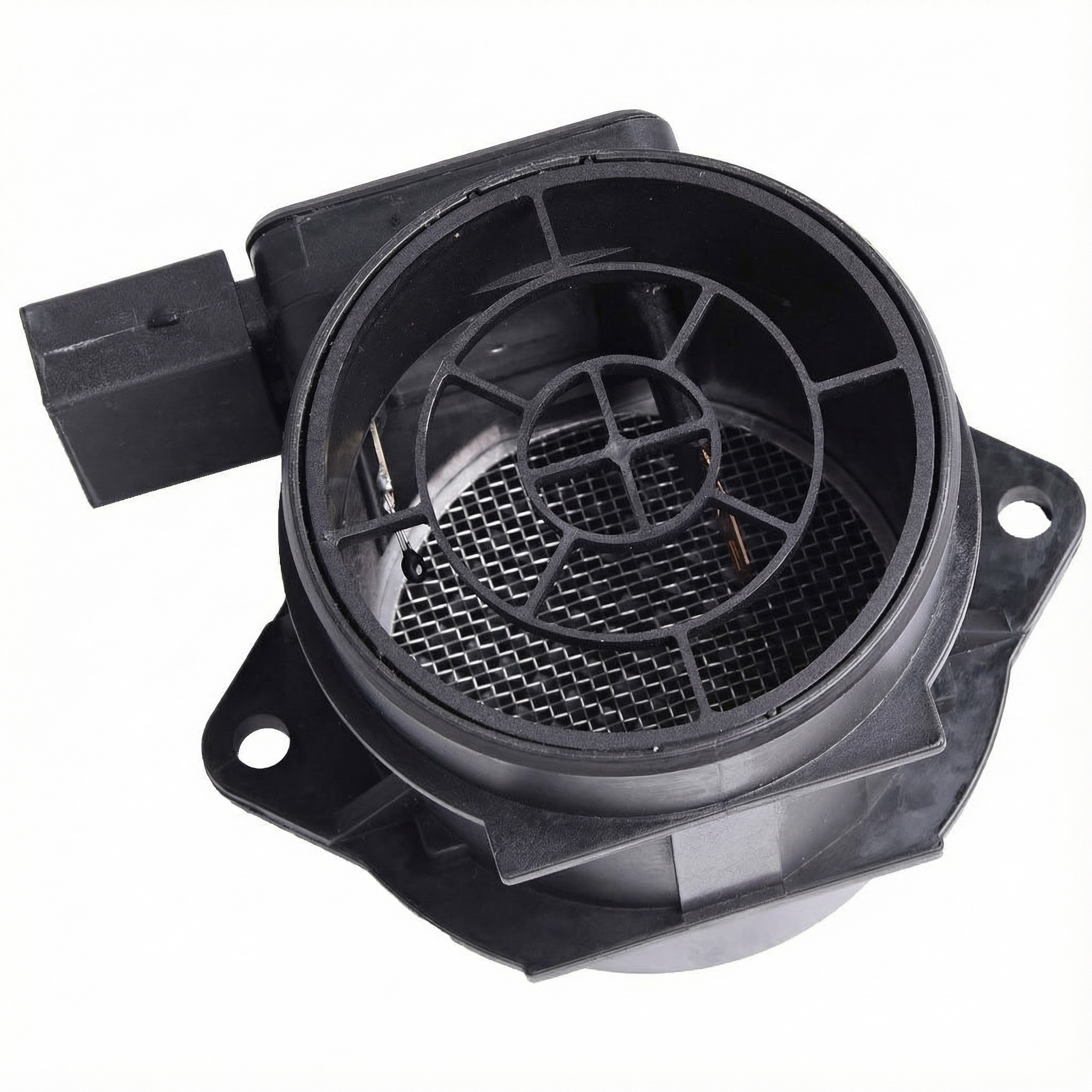
For the 2006-2011 (MC generation) Hyundai Accent with the 1.6L G4ED engine, the P0101 code follows a fairly standard diagnostic path. There are no widespread, unique design flaws that make this vehicle especially prone to the code, unlike some later Hyundai models that required software updates for this issue. The MAF sensor is a standard digital hot-wire type located on the air intake tube, making it very accessible for cleaning or replacement, which are the most common remedies.
Symptoms You May Notice
- Check Engine Light is on
- Engine runs rough, especially at idle
- Hesitation or stumbling during acceleration
- Noticeable loss of engine power
- Reduced fuel economy
- Black smoke from the exhaust in some cases
- Engine may stall intermittently
- Difficulty starting the engine 🎬 Watch: Understanding the causes and fixes for the P0101 code
- Replacing the MAF sensor immediately without first attempting to clean it.
- Replacing oxygen sensors, as the symptoms can sometimes mimic a fuel mixture problem.
- Overlooking a small crack in the air intake hose, which is a very common cause.
Most Likely Causes
- Dirty Mass Airflow (MAF) Sensor 🔴 High Probability → Shop Fuel Injection Air Flow Meter The MAF sensor's sensing element is delicate and can become contaminated with dirt, oil, or other debris over time, a common issue for all vehicles. This contamination prevents it from accurately measuring airflow.
How to confirm: Visually inspect the MAF sensor's internal wires or film. If they appear dirty or coated, cleaning is necessary. The sensor is located on the air intake duct right after the air filter box, held by two screws.
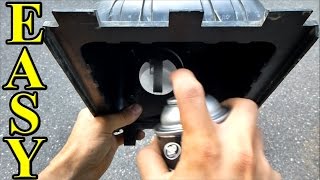
Typical fix: Remove the sensor and clean it carefully using only dedicated MAF sensor cleaner spray. 🎬 See this detailed guide on how to clean your sensor Do not touch the internal components or use other chemicals like brake or carb cleaner, as they can damage the sensor.
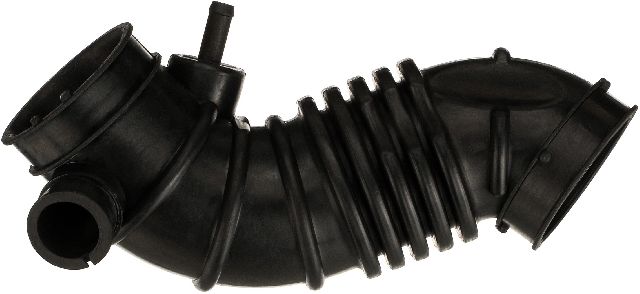
Est. part cost: $10-$20 for a can of MAF cleaner. - Vacuum Leak 🟡 Medium Probability The flexible rubber intake boot (air duct hose) between the air filter housing and the throttle body is a very common failure point. It can crack with age and heat, allowing unmetered air to enter the engine, which confuses the MAF sensor's readings.
How to confirm: Visually inspect the intake boot for cracks or loose clamps, especially in the ribbed, flexible sections. Listen for a hissing sound at idle. A professional smoke test is the most definitive way to find leaks.
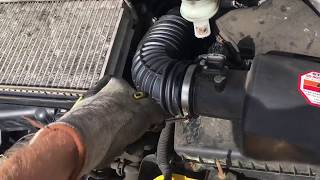
Typical fix: Replace the cracked intake boot. The OEM part number is 28138-1G200 🎬 Watch: How to replace a cracked air intake hose for 2006-2010 models.
Est. part cost: $20-$60 for a new intake boot from aftermarket brands like Dorman or Gates. - Clogged Engine Air Filter 🟡 Medium Probability → Shop Air Cleaner Assembly
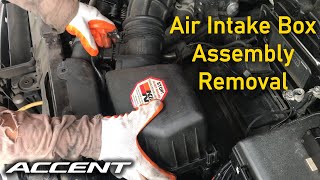
How to confirm: Remove and inspect the engine air filter. If it is visibly dirty, clogged with debris, or has not been changed in a long time, it is restricting airflow and can cause the P0101 code.
Typical fix: Replace the engine air filter. This is a basic maintenance item that should be checked first.
Est. part cost: $15-$30 - Faulty MAF Sensor ⚪ Low Probability → Shop Fuel Injection Air Flow Meter
How to confirm: If cleaning the sensor, replacing the air filter, and confirming there are no vacuum leaks does not resolve the code, the sensor itself may have failed electronically. This can be confirmed by monitoring its output with an advanced scan tool or by swapping with a known-good part.
Typical fix: Replace the MAF sensor. It is often recommended to use an OEM or high-quality aftermarket brand, as cheap sensors can be unreliable. The OEM part number is 28164-23700.
Est. part cost: $70-$200
Rare But Worth Checking
- Clogged Catalytic Converter: A severely restricted exhaust can impede airflow through the engine, causing the MAF sensor readings to be out of range. This usually presents with a more severe loss of power and may have other codes stored.
- Wiring or Connector Issue: A loose electrical connector at the MAF sensor or a damaged wire in the harness can cause an intermittent or total loss of signal, triggering the P0101 code. Check for corrosion on the pins and ensure the connector clicks securely into place.
Technical Service Bulletins (TSBs) & Recalls
While the 2006-2011 Accent is mechanically straightforward, other vehicles in the manufacturer's lineup share similar diagnostic logic for this code. For instance, TSB Bulletin #21-01-041H notes that the P0101 code is specifically triggered by the Mass Air Flow (MAF) Sensor - Range/Performance logic. Additionally, manufacturer service bulletins such as TSB Bulletin #20-01-028H and TSB Bulletin #Campaign T5B Dea highlight that P0101 can appear alongside other ECU DTC codes like P0106 and P0068, sometimes requiring transmission or engine control unit updates in related platforms to resolve the condition.
Diagnosis Steps
- Read the code with an OBD-II scanner and check for any other stored codes.
- Inspect the engine air filter. If it's dirty, replace it and clear the codes to see if the problem is resolved.
- Thoroughly inspect the air intake system, especially the flexible rubber hose between the MAF sensor and the engine, for any cracks, loose clamps, or disconnected hoses. Pay close attention to the accordion-like folds.
- Unplug and remove the MAF sensor. It is typically held in by two screws on the intake tube.
- Carefully spray the internal sensing elements with a dedicated MAF sensor cleaner. Let it air dry completely before reinstalling. Do not use brake cleaner or touch the wires.
- Reinstall the sensor, clear the codes, and perform a test drive to see if the code returns.
- If the code persists, check the MAF sensor wiring and connector for damage or corrosion. Ensure it is securely plugged in.
- If all else fails, the next steps are to test for vacuum leaks (preferably with a smoke machine) or test the sensor's output signal with a multimeter or advanced scan tool. If a vacuum leak is not found and the sensor's signal is erratic or out of spec, the MAF sensor likely needs to be replaced.
Parts You'll Likely Need
- Mass Airflow Sensor
(OEM #28164-23700)— This is the sensor that measures airflow. It is the primary component related to the P0101 code and may fail if cleaning does not resolve the issue.
Trusted brands: Hyundai (OEM), Bosch, Delphi, Hitachi, Walker Products
OEM price range: $150-$220
Aftermarket price range: $60-$120 - Engine Air Intake Hose
(OEM #28138-1G200)— This flexible rubber boot is a common source of vacuum leaks when it cracks from age, causing incorrect MAF readings.
Trusted brands: Hyundai (OEM), Gates, Dorman (p/n 696-546), Autopart Premium
OEM price range: $40-$70
Aftermarket price range: $20-$50 - MAF Sensor Cleaner — This is a special solvent designed to clean the delicate sensor without damaging it. It is the first and most cost-effective repair attempt.
Trusted brands: CRC, WD-40 Specialist, Liqui Moly
Aftermarket price range: $10-$20
Related Codes That Often Appear With This One
- P0171 — System Too Lean (Bank 1) - A vacuum leak allows unmetered air in, causing a lean condition that the MAF sensor reading doesn't account for. This is a very common companion code with P0101.
- P0172 — System Too Rich (Bank 1) - A faulty MAF sensor that is incorrectly reporting high airflow can cause the computer to inject too much fuel.
Platform-Specific Known Issues
- Real Owner Experience: Cracked Intake Boot: A user on the Hyundai-Forums website with a 2007 Accent reported a P0101 code along with rough idle. After cleaning the MAF sensor with no success, they discovered a large crack in the air intake hose near the throttle body. Replacing the hose resolved the issue completely. This highlights the importance of thoroughly inspecting the intake boot for cracks, which may not be immediately obvious.
Mechanic-Grade Diagnostic Values
- MAF Sensor Output Voltage at Idle — expected: Approximately 0.7 - 1.0 V (Varies slightly with engine temp and idle RPM). Failure: Voltage is stuck high (e.g., 5V) or low (e.g., 0V), or does not increase smoothly with RPM.
- MAF Sensor Output Voltage at 3,000 RPM (No Load) — expected: Approximately 1.5 - 2.1 V. Failure: Voltage reading is sluggish to respond, erratic, or does not align with the expected range for the given RPM.
- MAF Sensor Live Data (g/s) at Idle — expected: Roughly matches engine displacement, so ~1.6 g/s for the 1.6L engine.. Failure: Reading is significantly higher or lower than the engine's displacement in liters at a stable, warm idle.
Wiring & Ground Locations
- MAF Sensor Connector (C01-1) — On the MAF sensor itself, located on the air intake tube just after the air filter box.. This is the primary connection point for all MAF sensor signals and power. Corrosion or loose pins here are a common cause of P0101.
- G03 (Engine Ground) — On the driver's side of the engine block, near the thermostat housing.. A poor engine ground can cause erratic sensor readings, including the MAF sensor, as it provides the reference for the sensor's ground circuit. Ensure this connection is clean and tight.
- G04 (Chassis Ground) — On the driver's side inner fender, near the battery.. This is a primary grounding point for the engine harness. A loose or corroded connection here can lead to various electrical issues, including sensor performance problems.
Real Owner Repair Stories
- Hyundai-Forums.com user (2007 Hyundai Accent) — P0101 code, rough idle, hesitation on acceleration.
❌ Tried (didn't work) Cleaning the MAF sensor., Replacing the MAF sensor with an aftermarket part.
✅ What actually fixed it The user eventually found a large, hidden crack in the ribbed section of the air intake hose (boot) located between the air filter box and the throttle body. Replacing the hose (part number 28138-1G200) completely resolved all symptoms and the P0101 code did not return.
Model Year Variations Within This Range
- 2010-2011: In 2010, the Accent received a minor facelift and the introduction of a 'Blue' model. While the core G4ED engine and MAF sensor remained the same, these models received enhancements like a 'smart' alternator management system and lower friction engine components for better fuel economy. These changes do not significantly alter the P0101 diagnostic procedure but mean that some under-hood components and wiring may be routed slightly differently than on 2006-2009 models.
Diagnostic Flowchart
Other Known Issues on This Vehicle
Issues unrelated to this code that are worth knowing about as an owner of this generation:
- Peeling Paint (Especially White) 🟠 Medium — Widespread issue, particularly on white-painted cars from the 2010-2011 model years, but can affect other colors. Paint can peel in large sheets. (Ref: No specific recall for this generation, but Hyundai has acknowledged the problem on later models and sometimes offers goodwill repairs.)
- Crankshaft Position Sensor (CPS) Failure 🟠 Medium — A known failure point that can cause intermittent stalling, no-start conditions, or rough running, especially when the engine is hot. (Ref: While recalls existed for other Hyundai models around this time for CPS issues, none specifically target the 2006-2011 Accent, but the failure pattern is similar.)
- Automatic Transmission Problems 🟠 Medium — Some owners report issues with automatic transmissions, including harsh shifting or premature failure, though it is not as widespread as engine sensor issues.
- Brake Light Switch Failure 🟡 Low — A faulty brake light switch was common enough to trigger a recall. Symptoms include brake lights not working, inability to shift out of park, and cruise control not deactivating. (Ref: NHTSA Recall 13V-113 (Expanded))
Used vs. New Parts: Buying Guide for This Vehicle
When a used part is the smart pick: A used OEM air intake hose from a junkyard is a very smart choice, as it's a simple molded rubber part. A used MAF sensor is risky but can be a cost-effective gamble if from a low-mileage donor and has a return policy.
Donor-vehicle mileage cap: roughly under 80000 miles for the part to have meaningful remaining life.
What to inspect on the donor part:
- For intake hoses: Squeeze the rubber firmly, especially in the ribbed sections. It should be pliable, not hard or brittle. Look for any signs of cracking, even hairline cracks.
- For MAF sensors: Inspect the connector for corrosion. Look at the sensing element; if it's visibly caked in dirt or oil, it's best to pass. Ask for the donor vehicle's mileage.
- Check the vehicle the part came from for signs of a front-end collision, which could have damaged the sensor or its wiring.
OEM-only on this vehicle (don't cheap out):
- Mass Airflow Sensor - While some aftermarket brands work, many owners report issues with cheap, no-name aftermarket MAF sensors causing new, different driveability problems. Sticking with OEM (Hyundai) or a known OE supplier like Bosch or Delphi is strongly recommended to avoid repeat repairs.
Aftermarket brands forum-validated for this vehicle:
- For MAF Sensor: Bosch, Delphi, Walker Products.
- For Intake Hose: Gates, Dorman (p/n 696-546).
Brands owners have reported issues with on this vehicle:
- Unbranded, 'white box' MAF sensors from online marketplaces are frequently cited in forums as being dead-on-arrival or failing within a short period.
Real Owner Stories
Aggregated from forums and TSBs cited above. Mileages and costs reflect what owners reported in those sources.
2007 Hyundai Accent 1.6L
Symptoms: P0101 code along with a rough idle.
What fixed it: Replacing the air intake hose after discovering a large crack near the throttle body.
Source hint: Hyundai-Forums.com - Multiple threads discuss P0101 on the MC Accent
Related OBD-II Codes
Frequently Asked Questions
What is the specific OEM part number for the intake boot on my 2006-2010 Hyundai Accent?
Can I use any cleaner to fix the MAF sensor on my Accent?
Is there a specific MAF sensor part number recommended for the 2006-2011 Accent?
My 2007 Accent has a rough idle and P0101; what is a common failure point besides the sensor itself?
Does the Kia Rio share this P0101 issue with the Hyundai Accent?
Are there any recalls for the 2006-2011 Accent that might affect driveability or starting?
Helpful Videos

Used OEM Parts in Stock
New Aftermarket Parts Available


The information in this article is provided for general reference and educational purposes only. Vehicle specifications, procedures, and part compatibility can vary by production date, trim level, and region. Always consult your vehicle's factory service manual and verify part numbers before purchasing or performing repairs. Safety-critical components such as airbags, seat belts, and braking systems should be installed by a qualified professional.
- Hyundai Accent:
- 🧭 Diagnostic Flowchart
- 🎬 Helpful Videos
- 🛍️ Shop This Part
- What's Unique About the 2006-2011 Hyundai Accent
- Symptoms You May Notice
- Most Likely Causes
- Rare But Worth Checking
- Technical Service Bulletins (TSBs) & Recalls
- Diagnosis Steps
- Parts You'll Likely Need
- Related Codes That Often Appear With This One
- Platform-Specific Known Issues
- Mechanic-Grade Diagnostic Values
- Wiring & Ground Locations
- Real Owner Repair Stories
- Model Year Variations Within This Range
- Other Known Issues on This Vehicle
- Used vs. New Parts: Buying Guide for This Vehicle
- Real Owner Stories
- 2007 Hyundai Accent 1.6L
- Related OBD-II Codes
- Frequently Asked Questions
- 🎟️ Get 5% Off