

P0101 on 2006-2010 Hyundai Sonata 3.3L: MAF Sensor Causes and Fixes
For a 2006-2010 Sonata 3.3L, code P0101 is most often caused by a dirty Mass Airflow (MAF) sensor or a leak in the air intake hose. Cleaning the sensor with dedicated MAF cleaner and inspecting the intake for cracks is the most likely fix, costing under $15 for a can of cleaner. If the intake hose is cracked, replacing it (Part No. 28138-3K200) is the next common repair.
- P0101 on the 2006-2010 Sonata 3.3L means the MAF sensor reading is out of the expected range.
- Before buying any parts, first inspect the air intake hose for cracks and clean the MAF sensor with dedicated cleaner.
- A dirty or clogged engine air filter can contribute to this code, so check it as part of your diagnosis.
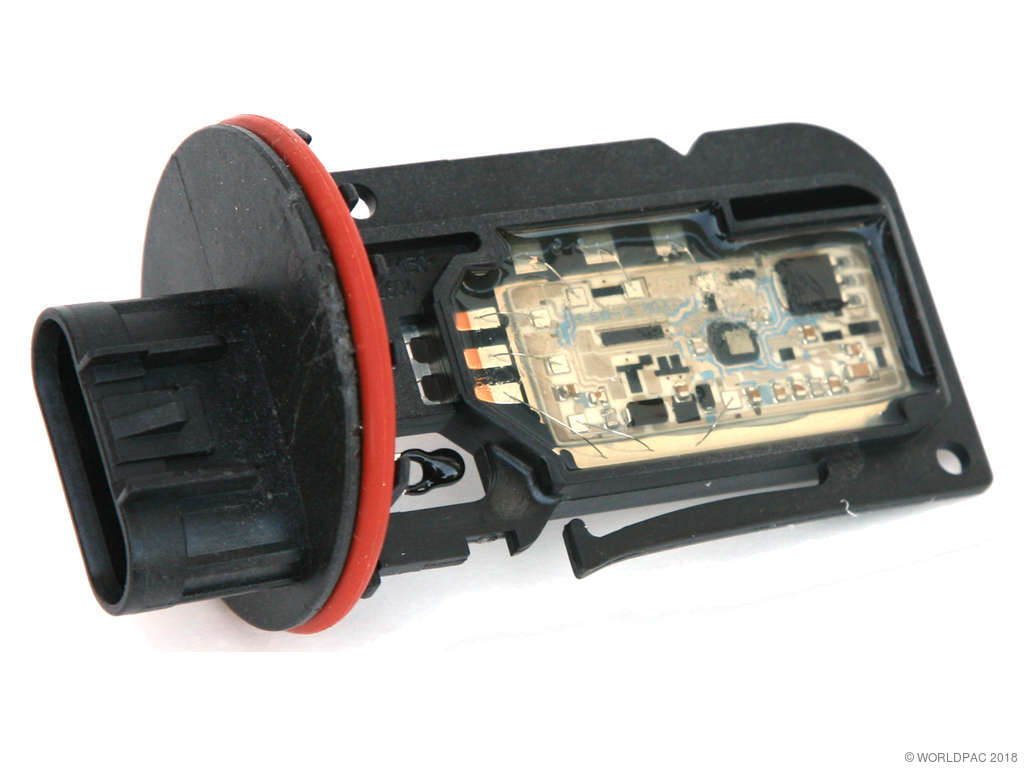
- If cleaning the sensor and checking for leaks doesn't work, the MAF sensor itself has likely failed. The OEM part number is 28164-3C100.
- This is a very DIY-friendly repair, with the most common fixes requiring minimal tools and expense.
What's Unique About the 2006-2010 Hyundai Sonata
On the Hyundai 3.3L Lambda V6 engine, the P0101 code is a straightforward and common issue. There are no widespread, unique design flaws that make this engine unusually prone to it compared to other vehicles. The causes are typical for most modern engines: contamination of the sensor element or unmetered air entering the system after the sensor. The most platform-specific aspect is the OEM part number for the MAF sensor, which is 28164-3C100, and the air intake hose, 28138-3K200.
Symptoms You May Notice
- Check Engine Light is on
- Reduced engine power and sluggish acceleration
- Poor fuel economy
- Rough or unstable idle
- Engine hesitation or stumbling when accelerating
- Black smoke from the exhaust in some cases
- Engine stalling, especially at idle
- Replacing the oxygen (O2) sensors. While a bad MAF sensor can affect the air-fuel ratio and trigger O2 sensor codes (like P0171/P0174), the P0101 code points specifically to an issue with the MAF sensor's reading, which should be addressed first.
- Replacing the throttle body. Unless there are specific throttle-related codes (like P2135), the throttle body is not a primary cause of P0101.
Most Likely Causes
- Dirty or Contaminated MAF Sensor 🔴 High Probability → Shop Fuel Injection Air Flow Meter Oil vapors from the PCV system or fine dust that gets past the air filter can coat the sensor's delicate hot wire, insulating it and causing inaccurate readings. This is a very common first point of failure for P0101 on virtually all vehicles.
How to confirm: Visually inspect the sensor element. If the small wires inside the sensor housing appear dirty or coated, they need cleaning. A lack of response or irrational readings when monitoring the sensor's Hz or g/s output with a scan tool during throttle changes also points to a bad sensor.
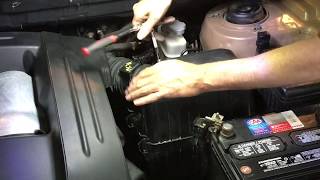
Typical fix: Remove the MAF sensor and clean it carefully using only dedicated Mass Airflow Sensor cleaner. 🎬 Watch: A step-by-step guide to cleaning your MAF sensor. Do not touch the sensor wires or use aggressive cleaners like brake or carb cleaner.
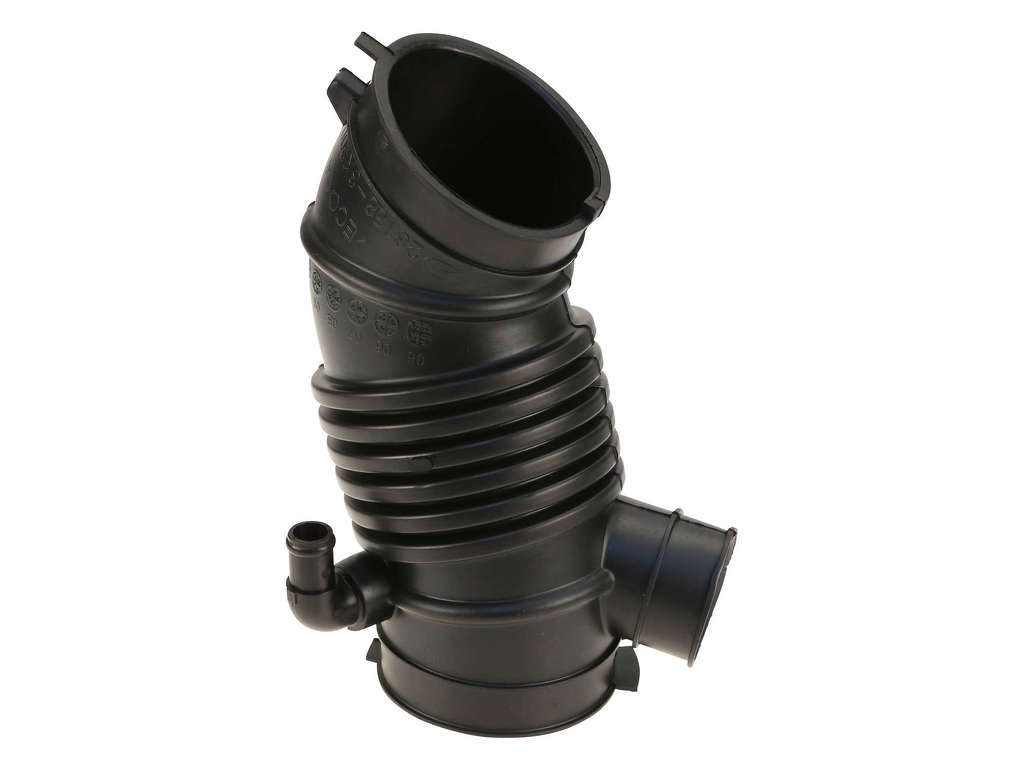
Est. part cost: $10-$15 for MAF cleaner - Vacuum Leak / Cracked Air Intake Boot 🟡 Medium Probability → Shop Engine Air Intake Resonator The flexible rubber intake boot (OEM Part #28138-3K200) located between the air filter box and the throttle body becomes brittle with age and heat cycles, developing cracks. This allows unmetered air to enter the engine after the MAF sensor, causing the PCM to see a discrepancy between expected and measured airflow, triggering P0101.
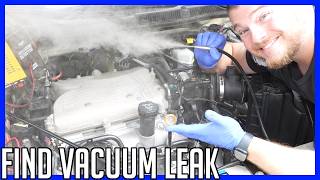
How to confirm: With the engine running, listen for a hissing sound around the intake area. Visually inspect the entire intake tract, especially the accordion-style boot, for cracks or loose connections. Flexing the boot by hand can reveal hidden cracks. A smoke test is the most definitive way to find a leak.
Typical fix: Replace the cracked or torn air intake boot. The OEM part number is 28138-3K200.
Est. part cost: $40-$90 - Clogged or Dirty Engine Air Filter ⚪ Low Probability → Shop Air Cleaner Assembly
How to confirm: Remove and inspect the engine air filter. If it is visibly dirty, clogged with debris, or has been in service beyond its recommended interval, it should be replaced. A severely clogged filter can restrict airflow enough to cause a range/performance code.
Typical fix: Replace the engine air filter.
Est. part cost: $15-$30 - Faulty MAF Sensor ⚪ Low Probability → Shop Fuel Injection Air Flow Meter
How to confirm: If cleaning the sensor and confirming there are no vacuum leaks does not resolve the code, the sensor itself may have failed electronically. This can be confirmed by monitoring its voltage or frequency output with a scan tool or multimeter; the signal should be smooth and increase steadily with engine RPM. An abrupt drop-out or a signal that doesn't change with RPM indicates failure.
Typical fix: Replace the MAF sensor assembly (Part #28164-3C100).
Est. part cost: $80-$250
Rare But Worth Checking
- Clogged Catalytic Converter: A severely restricted exhaust can cause backpressure that affects airflow readings, leading to a P0101 code. This is usually accompanied by other codes (like P0420) and a more significant loss of power, especially at high RPM.
- Wiring Harness or Connector Issue: Check the connector at the MAF sensor for corrosion, bent pins, or loose wires. Damage to the wiring harness from chafing or heat can also cause an intermittent or lost signal.
- ECM Software Glitch: In some cases, a rough idle or false codes can be triggered by outdated Engine Control Module (ECM) software. TSB 10-FL-002 was released to address a rough idle on cold starts for 2006-2007 Sonatas, which involved an ECM update. While not directly for P0101, it highlights the possibility of software-related issues. A separate TSB mentioned an ECM update for P161B (ECM Torque Calculation Performance) which can also cause hard starting and rough idle.
Diagnosis Steps
- Read the code with an OBD-II scanner and confirm P0101 is present. Note any other codes, such as P0171, P0174, or P0102.
- Visually inspect the entire air intake system from the air filter box to the throttle body. Pay close attention to the accordion-style rubber boot (Part #28138-3K200) for cracks, especially in the folds.
- Inspect the engine air filter. Replace if it is dirty or clogged.
- Unplug and remove the MAF sensor. It is located on the air intake tube just after the air filter box.
- Carefully spray the sensor's internal wires and components with a dedicated Mass Airflow Sensor cleaner. Let it dry completely for at least 30 minutes before reinstalling. DO NOT use brake cleaner or carburetor cleaner, as they will damage the sensor.
- Inspect the MAF sensor's electrical connector for any signs of corrosion, damage, or loose pins.
- Reinstall the sensor, clear the trouble codes with the scanner, and perform a test drive to see if the code returns.
- If the code returns, perform a smoke test to definitively check for vacuum leaks that may not be visible. Common leak points are the intake boot, PCV hoses, and intake manifold gaskets.
- If no leaks are found and the sensor has been cleaned, the MAF sensor itself is likely faulty. Confirm by monitoring its output with a scan tool before replacing it 🎬 Watch: How to test your MAF sensor using a multimeter. (Part #28164-3C100).
Parts You'll Likely Need
- Mass Airflow (MAF) Sensor
(OEM #28164-3C100)— This sensor is the most common point of failure, either from contamination or electronic failure, directly causing the P0101 code.
Trusted brands: Hyundai (OEM), Delphi, NGK / NTK, Hella, SKP, Walker
OEM price range: $250-$305
Aftermarket price range: $80-$180 - Engine Air Intake Hose
(OEM #28138-3K200)— This rubber hose is the most likely location for a crack to develop, causing a vacuum leak that triggers the P0101 code.
Trusted brands: Hyundai (OEM), Dorman, Various Aftermarket
OEM price range: $60-$125
Aftermarket price range: $30-$50 - Mass Airflow Sensor Cleaner — Often, the sensor is just dirty and does not need to be replaced. A specific cleaner is required to safely remove contaminants without damaging the sensor.
Trusted brands: CRC, WD-40 Specialist, Liqui Moly
Aftermarket price range: $10-$15
Related Codes That Often Appear With This One
- P0171 — System Too Lean (Bank 1) - Often caused by a vacuum leak that also triggers P0101, as unmetered air entering after the MAF sensor creates a lean condition.
- P0174 — System Too Lean (Bank 2) - Same as P0171. A vacuum leak will affect both engine banks on the V6.
- P0102 — Mass or Volume Air Flow Circuit Low Input - This code often appears with P0101 and points more specifically to a low signal, which could be from a major vacuum leak, a very dirty sensor, or a wiring issue.
Technical Service Bulletins (TSBs) & Recalls
- TSB 10-FL-002: Addresses an ECM software update for certain 2006-2007 Sonata 3.3L models experiencing a hard start and rough idle, which could present symptoms similar to a MAF issue.
- TSB for DTC P161B: An ECM update was issued for some 3.3L models to address hard starting and rough idle related to torque calculation performance, which can mimic MAF sensor symptoms.
- Bulletin #21-01-041H: While issued for other models in the Hyundai lineup, this bulletin outlines updated logic for the P0101 Mass Air Flow (MAF) Sensor - Range/Performance code.
- Bulletin #20-01-028H: This manufacturer service bulletin lists P0101 as a relevant ECU diagnostic trouble code that may be addressed through software updates to the engine and transmission control systems.
- Bulletin #Campaign T5B Dea: A manufacturer record indicating that ECU DTC code P0101 may be resolved through control module updates in conjunction with transmission performance logic.
Platform-Specific Known Issues
- Owner Experience: Cleaning vs. Replacing: Many owners on forums report successfully fixing the P0101 code by simply cleaning the MAF sensor. However, if the code returns shortly after, it often indicates the sensor has an internal electronic fault that cleaning cannot fix, necessitating a full replacement.
- Intake Boot Cracks: The accordion-style ribs of the intake boot (28138-3K200) are the most common failure point. Cracks often form on the underside and are not immediately visible without removing or flexing the hose. This is a very frequent cause of P0101 and associated lean codes (P0171/P0174) on this platform.
Mechanic-Grade Diagnostic Values
- Mass Airflow Reading (Scan Tool Live Data) — expected: Approximately 3.0-4.0 grams/second (g/s) at stable idle. Should rise smoothly to 15-25 g/s when holding RPM at 2500.. Failure: A reading that is significantly lower (suggesting a vacuum leak or dirty sensor) or higher than expected at idle, or a reading that is erratic, stuck, or does not increase smoothly with RPM.
- MAF Sensor Signal Voltage (Multimeter) — expected: Approximately 0.5V - 0.9V at Key On, Engine Off (KOEO) or at idle, rising smoothly towards 4.5V at wide-open throttle.. Failure: Voltage that is stuck at 0V or 5V, or does not respond linearly to changes in throttle and engine load.
Scan Tool Commands That Help
- Hyundai GDS (Global Diagnostic System): Current Data (Live Data) & DTC Guide — After retrieving code P0101, a technician would use the 'Current Data' function to monitor the MAF sensor's g/s or Hz reading in real-time while revving the engine to check for linear response. The 'DTC Guide' provides a manufacturer-specific, step-by-step diagnostic tree to follow, ensuring no steps are missed.
Wiring & Ground Locations
- MAF Sensor Connector — On the MAF sensor, which is located on the air intake tube immediately after the air filter housing.. This is the primary connection point. A loose connection, corrosion on pins, or damaged wires will directly cause P0101. The signal wire for the 3.3L engine is typically Yellow. The pinout is generally: Pin 1 - IAT Signal, Pin 2 - Ground, Pin 3 - MAF Signal, Pin 4 - Power (12V).
- G109 — A primary engine ground point located on the top of the engine.. A poor engine or PCM ground can cause erratic voltage and incorrect readings from multiple sensors, including the MAF sensor. If electrical issues are suspected, cleaning and tightening this ground is a critical step.
When the Usual Fixes Don't Work
- While cleaning the MAF sensor or replacing the intake boot resolves the vast majority of P0101 issues on this vehicle, some owners have reported that using aftermarket MAF sensors, even brand new ones, does not fix the problem. In these cases, the vehicle's computer appears to be sensitive and requires a genuine OEM or a used OEM sensor to operate correctly.
OEM Part Supersession History
28110-3C100→28164-3C100— Part number consolidation and updates.
Heads up: The two part numbers are functionally identical and interchangeable. The difference is often related to the supplier or packaging for different production runs.
Model Year Variations Within This Range
- 2009-2010: The Sonata received a mid-cycle refresh for the 2009 model year. For the 3.3L V6, this included an increase in power from 235 hp to 249 hp, likely due to revised ECM tuning. While the core components like the MAF sensor and intake hose remained the same, the software logic for evaluating the sensor's performance may differ slightly.
Diagnostic Flowchart
Other Known Issues on This Vehicle
Issues unrelated to this code that are worth knowing about as an owner of this generation:
- Leaking Valve Cover Gaskets 🟠 Medium — Very common as the vehicle ages (typically over 80,000 miles). The rubber gaskets become hard and brittle. The front bank (Bank 2) is known to leak oil directly onto the alternator, causing premature alternator failure. (Ref: A service campaign (936) and TSB (15-01-031) were issued for the platform-mate Santa Fe 3.3L for this exact issue, indicating a known problem with the engine family.)
- Timing Chain Tensioner Wear / Startup Rattle 🔴 High — A rattling noise on cold startup that lasts for a few seconds is a common symptom, often appearing after 100,000 miles. This indicates the tensioner is failing to hold oil pressure, leading to chain slack which can eventually cause catastrophic engine failure if ignored. (Ref: TSB SB-10-EM-006 provides a revised procedure for replacing the timing chain tensioners.)
- Failing Stop Lamp Switch 🟡 Low — Widespread across many Hyundai models of this era. Can cause brake lights to fail or stay on, prevent shifting out of Park, and disable cruise control. (Ref: Recall Campaign 092 (TSB 09-01-018) was issued to replace the switch.)
- Transmission Output Speed Sensor Failure 🟠 Medium — A common cause for shifting issues and a check engine light, often with code P0722. This is an external sensor failure, not an internal transmission problem.
- Leaking Lower Oil Pan 🟡 Low — The lower oil pan seal is known to leak over time. It is a relatively easy fix involving removing the pan and resealing it with RTV silicone.
Used vs. New Parts: Buying Guide for This Vehicle
When a used part is the smart pick: A used OEM MAF sensor from a reputable salvage yard can be a cost-effective alternative to a new OEM part, especially if the donor vehicle has low mileage. This is often a better choice than a new, non-OEM aftermarket sensor.
Donor-vehicle mileage cap: roughly under 80000 miles for the part to have meaningful remaining life.
What to inspect on the donor part:
- Verify the part number (28164-3C100 or 28110-3C100) matches exactly.
- Inspect the connector pins for any corrosion or damage.
- Look at the sensor element; avoid any that are visibly contaminated with oil or debris.
- Check the salvage yard's return policy in case the part is faulty.
OEM-only on this vehicle (don't cheap out):
- Mass Airflow (MAF) Sensor: Many aftermarket MAF sensors are poorly calibrated and will not resolve the P0101 code on this platform. Owner and technician reports suggest OEM is the most reliable choice.
Aftermarket brands forum-validated for this vehicle:
- For the Engine Air Intake Hose, brands like Dorman are widely available and considered a reliable alternative to OEM.
Brands owners have reported issues with on this vehicle:
- Avoid generic, unbranded, or 'white-box' aftermarket MAF sensors. Forum discussions suggest these have a high failure rate or are improperly calibrated for Hyundai vehicles.
Real Owner Stories
Aggregated from forums and TSBs cited above. Mileages and costs reflect what owners reported in those sources.
2007 Hyundai Sonata 3.3L V6
Symptoms: Experienced a P0101 code after disconnecting the airbox and MAF sensor during a separate repair.
What fixed it: Checking all connections and verifying the integrity of the MAF sensor and airbox assembly.
Source hint: reddit.com/r/MechanicAdvice
2006 Hyundai Sonata 3.3L Lambda V6 — 121000 miles
Symptoms: Complete engine failure.
What fixed it: The owner noted this was due to timing chain tensioner failure, a common issue on this specific engine.
Source hint: reddit.com/r/Hyundai (Thread: 'Front case gasket change needs 10+ hrs labor?')
2007 Hyundai Sonata 3.3L V6 — ~85000 miles
Symptoms: Leaking valve cover gaskets on the front bank.
What fixed it: Replacing the valve cover gaskets to prevent oil from dripping onto the alternator.
Source hint: BobIsTheOilGuy.com (Thread: '09 Sonata V6, yay or nay?')
Related OBD-II Codes
Frequently Asked Questions
My 2006 Sonata 3.3L has a rough idle and hard start; is there a software fix for this?
What is the specific part number for the intake boot on my 3.3L Sonata?
Can I use any cleaner to fix my MAF sensor?
If cleaning the sensor doesn't work, what is the replacement part number for the MAF assembly?
Are there other common engine issues on the 3.3L Sonata that I should check while diagnosing P0101?
Where is the MAF sensor located on my 2006-2010 Sonata?
Helpful Videos


Used OEM Parts in Stock
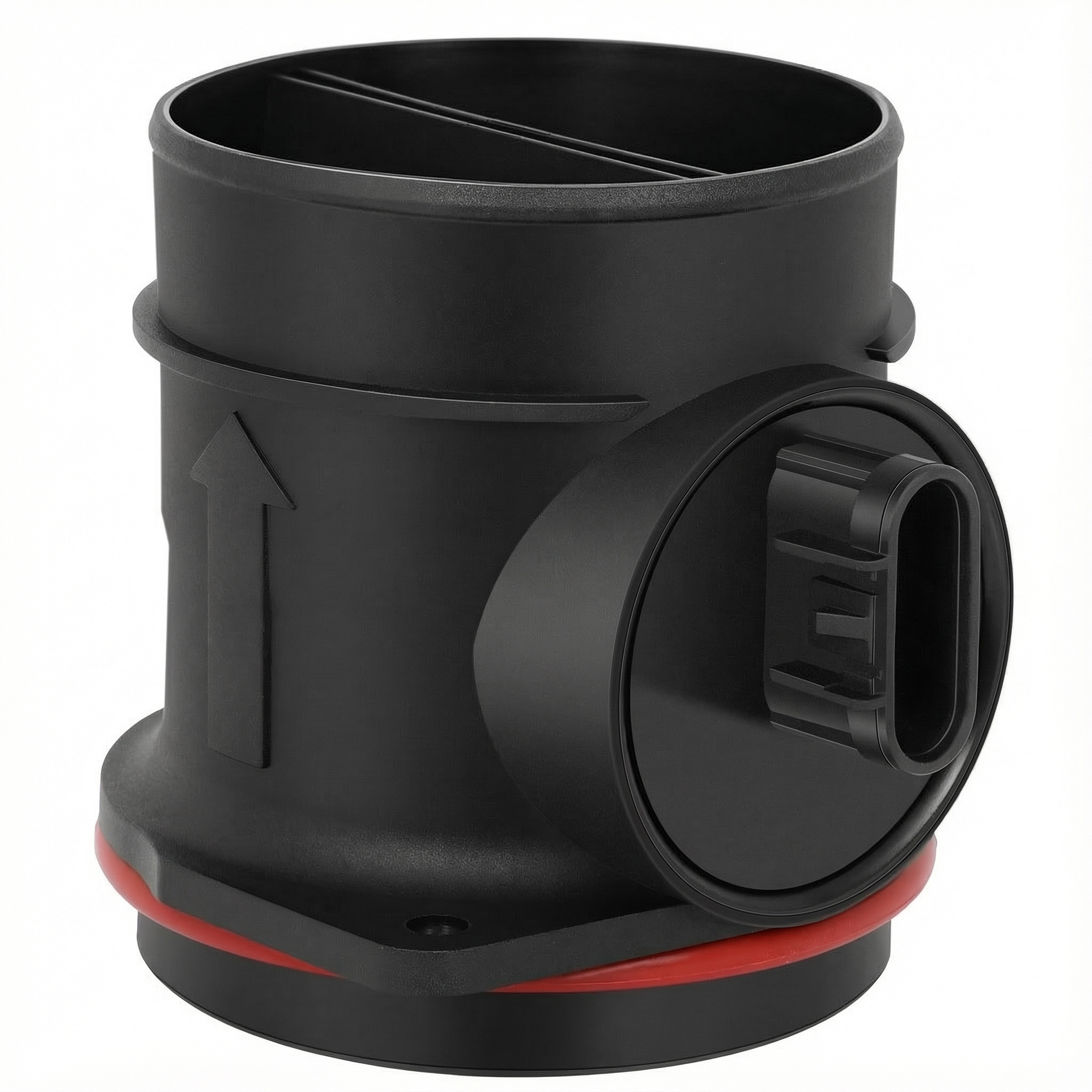
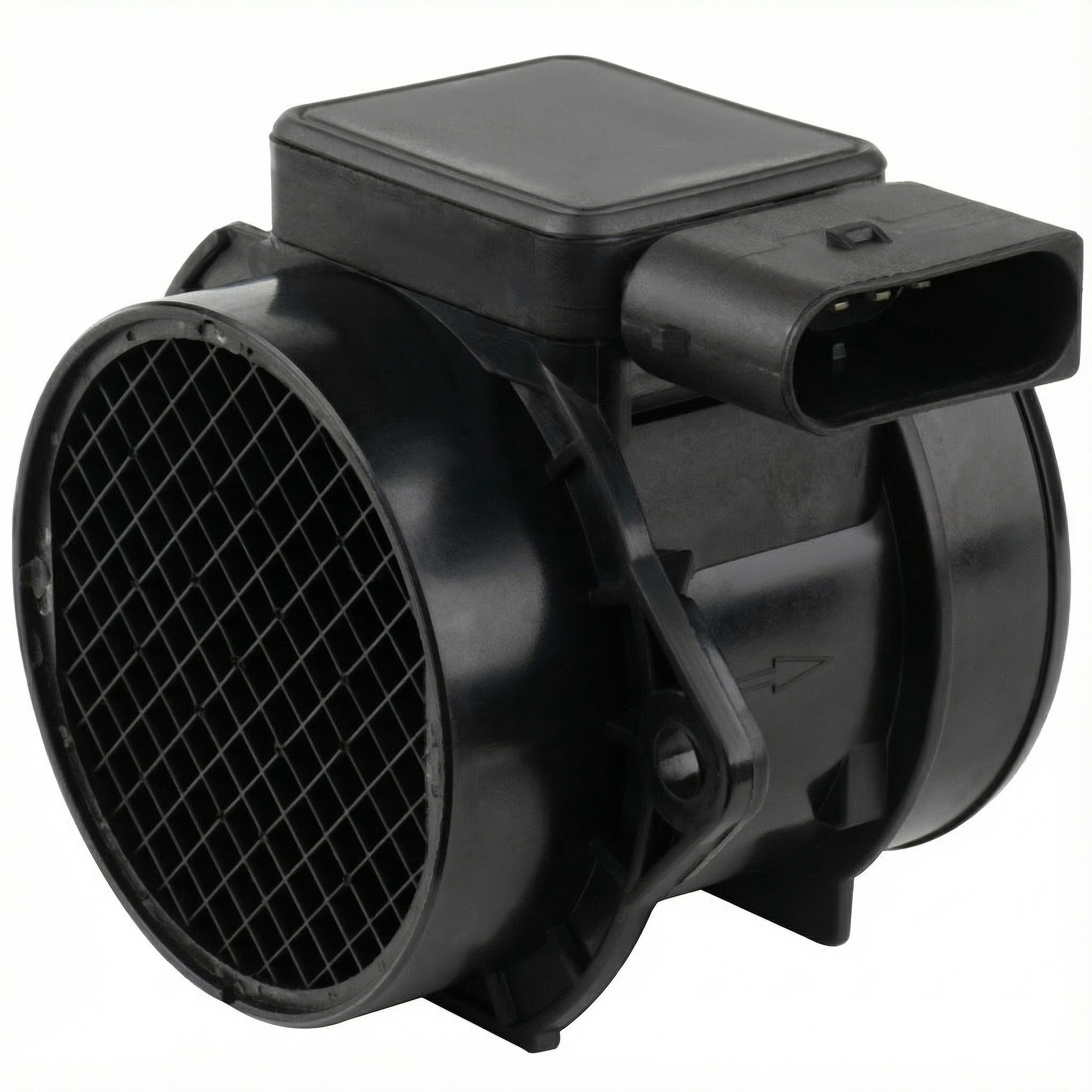
New Aftermarket Parts Available

The information in this article is provided for general reference and educational purposes only. Vehicle specifications, procedures, and part compatibility can vary by production date, trim level, and region. Always consult your vehicle's factory service manual and verify part numbers before purchasing or performing repairs. Safety-critical components such as airbags, seat belts, and braking systems should be installed by a qualified professional.
- Hyundai Sonata:
- 🧭 Diagnostic Flowchart
- 🎬 Helpful Videos
- 🛍️ Shop This Part
- What's Unique About the 2006-2010 Hyundai Sonata
- Symptoms You May Notice
- Most Likely Causes
- Rare But Worth Checking
- Diagnosis Steps
- Parts You'll Likely Need
- Related Codes That Often Appear With This One
- Technical Service Bulletins (TSBs) & Recalls
- Platform-Specific Known Issues
- Mechanic-Grade Diagnostic Values
- Scan Tool Commands That Help
- Wiring & Ground Locations
- When the Usual Fixes Don't Work
- OEM Part Supersession History
- Model Year Variations Within This Range
- Other Known Issues on This Vehicle
- Used vs. New Parts: Buying Guide for This Vehicle
- Real Owner Stories
- 2007 Hyundai Sonata 3.3L V6
- 2006 Hyundai Sonata 3.3L Lambda V6 — 121000 miles
- 2007 Hyundai Sonata 3.3L V6 — ~85000 miles
- Related OBD-II Codes
- Frequently Asked Questions
- 🎟️ Get 5% Off