

P0101 on 2009-2013 Mazda 6 2.5L: MAF Sensor Causes and Fixes
For a 2009-2013 Mazda 6 with the 2.5L engine, code P0101 is most often caused by a dirty Mass Airflow (MAF) sensor. Cleaning the sensor with a dedicated MAF cleaner is a common, inexpensive first step that often resolves the issue. If that fails, suspect a vacuum leak from a cracked intake boot or a faulty sensor. Using cheap, non-OEM replacement sensors is a known cause of repeat failures.
- Start with the cheapest and easiest fix: clean the MAF sensor with a dedicated cleaner spray.
- Thoroughly inspect the rubber air intake boot for cracks, as this is a common source of vacuum leaks that trigger P0101.
- Always replace the engine air filter if it is dirty, as it can contribute to this code.
- If you must replace the MAF sensor, invest in a quality OEM or reputable aftermarket brand to avoid recurring issues.
What's Unique About the 2009-2013 Mazda 6
On the second-generation Mazda 6 with the 2.5L engine, the P0101 code is a straightforward and common issue, almost always pointing back to the MAF sensor itself or the integrity of the air intake system. Unlike some other manufacturers that have issued technical service bulletins for software updates to fix erroneous P0101 codes, this Mazda platform's issues are typically mechanical. Owners report that a simple cleaning of the MAF sensor often resolves the problem, suggesting the sensor is sensitive to contamination over time. However, owners also strongly report that if replacement is necessary, using non-OEM (aftermarket) MAF sensors often leads to the code returning quickly.
Symptoms You May Notice
- Check Engine Light is on
- Rough or unstable idle
- Hesitation or sluggish acceleration
- Loss of engine power
- Poor fuel economy
- Stalling, especially when coming to a stop
- Black smoke from the exhaust in some cases
- Replacing the MAF sensor without first attempting to clean it. Cleaning is often successful and much cheaper.
- Replacing oxygen sensors. While O2 sensor codes can sometimes appear with MAF codes, P0101 is specifically about the air measurement at the intake, not the exhaust.
- Using a cheap aftermarket MAF sensor. Multiple owner forums report that non-OEM sensors for this platform are unreliable and can cause the P0101 code to persist or return shortly after installation.
Most Likely Causes
- Dirty or Contaminated Mass Airflow (MAF) Sensor 🔴 High Probability → Shop Fuel Injection Air Flow Meter The MAF sensor's sensing wire is delicate and can become contaminated with dirt, oil, or other debris over time, skewing its readings. This is a very common fix reported by owners and is considered the first diagnostic step.
How to confirm: Visually inspect the sensor's wire elements (located inside the sensor housing) for any grime or debris. Often, you can see a layer of dirt on the wire. The definitive test is cleaning it and seeing if the problem resolves.
Typical fix: Remove the sensor and clean it carefully using only dedicated MAF sensor cleaner spray. Do not touch the wires. Allow it to dry completely before reinstalling. This simple procedure often resolves the code.
Est. part cost: $8-$15 for a can of MAF cleaner. - Vacuum Leak (Cracked Intake Boot) 🟡 Medium Probability The flexible rubber intake boot located between the air filter box and the throttle body can develop cracks due to age and heat cycles. This allows unmetered air to enter the engine, causing the MAF sensor's readings to be lower than the actual airflow, triggering the P0101 code.
How to confirm: With the engine running, listen for a hissing sound around the intake area. Visually inspect the entire intake boot, especially the accordion-like sections, for cracks or splits. A smoke test is the most definitive way to find a leak.
Typical fix: Replace the cracked air intake boot. The OEM part number is GS3L-13-220.
Est. part cost: $40-$90 - Faulty Mass Airflow (MAF) Sensor ⚪ Low Probability → Shop Fuel Injection Air Flow Meter
How to confirm: If cleaning the sensor and confirming there are no vacuum leaks does not resolve the code, the sensor itself may have failed. This can be confirmed by monitoring the sensor's output (g/s) with an OBD-II scan tool to see if the readings are erratic or do not change with RPM. A common failure mode is the sensor providing a stable but incorrect reading.
Typical fix: Replace the MAF sensor. It is highly recommended to use an OEM or high-quality aftermarket brand like Denso, as cheap sensors are known to fail quickly or not work correctly out of the box. A Reddit user on r/mazda3 reported resolving a persistent P0101 on a 2011 model only after replacing a new aftermarket sensor with an OEM Mazda part.
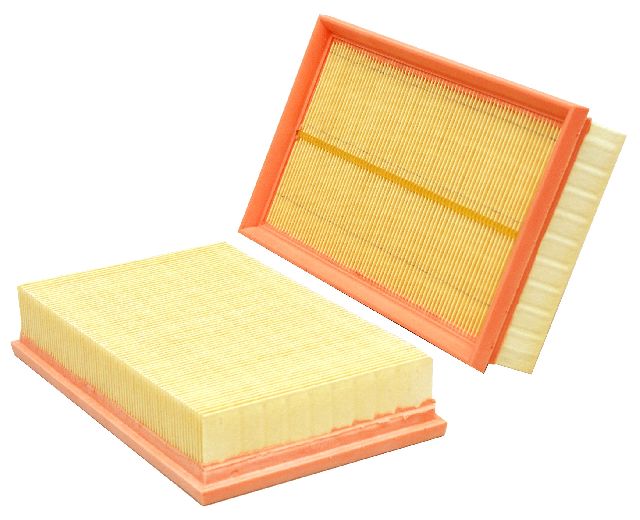
Est. part cost: $100-$220 - Dirty or Clogged Engine Air Filter ⚪ Low Probability → Shop Air Cleaner Assembly
How to confirm: Remove and inspect the engine air filter. If it is visibly dirty, clogged with debris, or has not been replaced according to the maintenance schedule, it can restrict airflow and contribute to the code.
Typical fix: Replace the engine air filter. This is a simple and inexpensive maintenance item that should be checked first.
Est. part cost: $15-$30
Rare But Worth Checking
- Dirty Throttle Body: → Shop Fuel Injection Throttle Body A throttle body heavily coated in carbon can disrupt airflow, especially at idle, potentially contributing to the P0101 code. Cleaning it is often recommended when addressing intake system issues. One owner of a Mazda3 with a persistent P0101 reported that cleaning the throttle body finally solved the issue after a MAF replacement did not.
- Wiring or Connector Issue: Damage to the MAF sensor's wiring harness or a corroded/loose connector can interrupt the signal to the PCM. Inspect the connector pins and wiring for any visible damage, chafing, or corrosion.
Diagnosis Steps
- Read the code with an OBD-II scanner and check for any other accompanying codes. Note freeze frame data if available.
- Inspect the engine air filter and replace it if it's dirty.
- Carefully inspect the air intake hose (GS3L-13-220) between the air filter box and the throttle body for any cracks, splits, or loose connections. Pay close attention to the accordion ribs.
- Remove the MAF sensor (typically held by two Phillips screws) and inspect the internal wires for contamination.
- Thoroughly clean the MAF sensor using only a dedicated MAF sensor cleaner spray. Do not touch the internal components. Let it air dry completely.
- Reinstall the sensor, clear the trouble codes with the scanner, and perform a test drive to see if the code returns.
- If the code returns, perform a smoke test to definitively rule out any vacuum leaks in the intake system.
- If no physical issues are found and cleaning did not work, the MAF sensor itself is likely faulty and should be replaced with an OEM or Denso branded part.
- As a related maintenance step, consider cleaning the throttle body, as carbon buildup can affect idle airflow.
Parts You'll Likely Need
- Mass Airflow Sensor Cleaner — This is the most common and cost-effective first step. The sensor is prone to contamination, and a simple cleaning often restores its function.
Trusted brands: CRC, Liqui Moly, WD-40 Specialist
Aftermarket price range: $8-$15 - Mass Airflow (MAF) Sensor
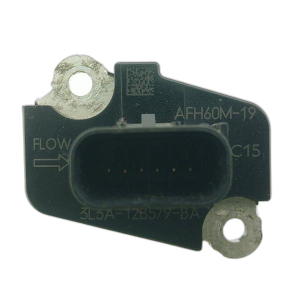
(OEM #PY01-13-215 (Replaces ZL01-13-215))— If cleaning the sensor and checking for vacuum leaks doesn't solve the problem, the sensor itself has likely failed. Using an OEM or Denso part is critical for a lasting repair.
Trusted brands: Mazda (OEM), Denso (OEM Manufacturer), Hitachi
OEM price range: $150-$220
Aftermarket price range: $75-$150 - Engine Air Intake Hose
(OEM #GS3L-13-220)— The rubber hose can crack with age, creating a vacuum leak that is a common cause for code P0101.
Trusted brands: Mazda (OEM)
OEM price range: $60-$90
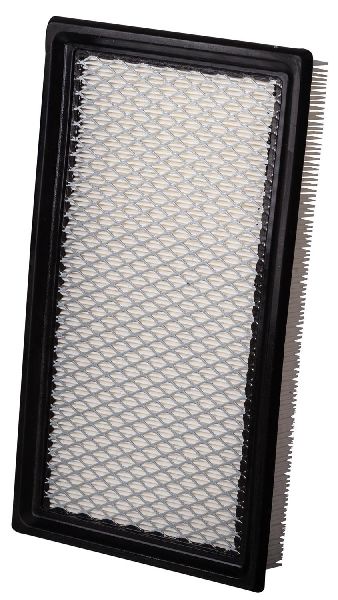
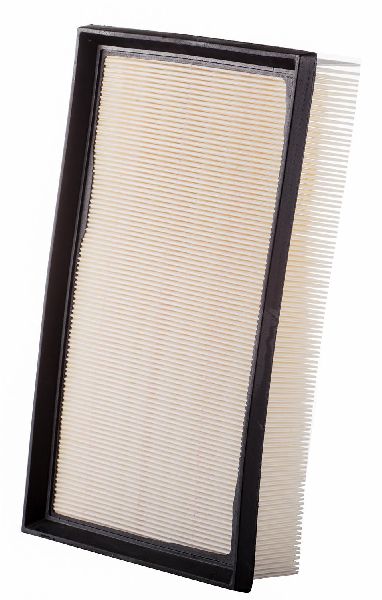
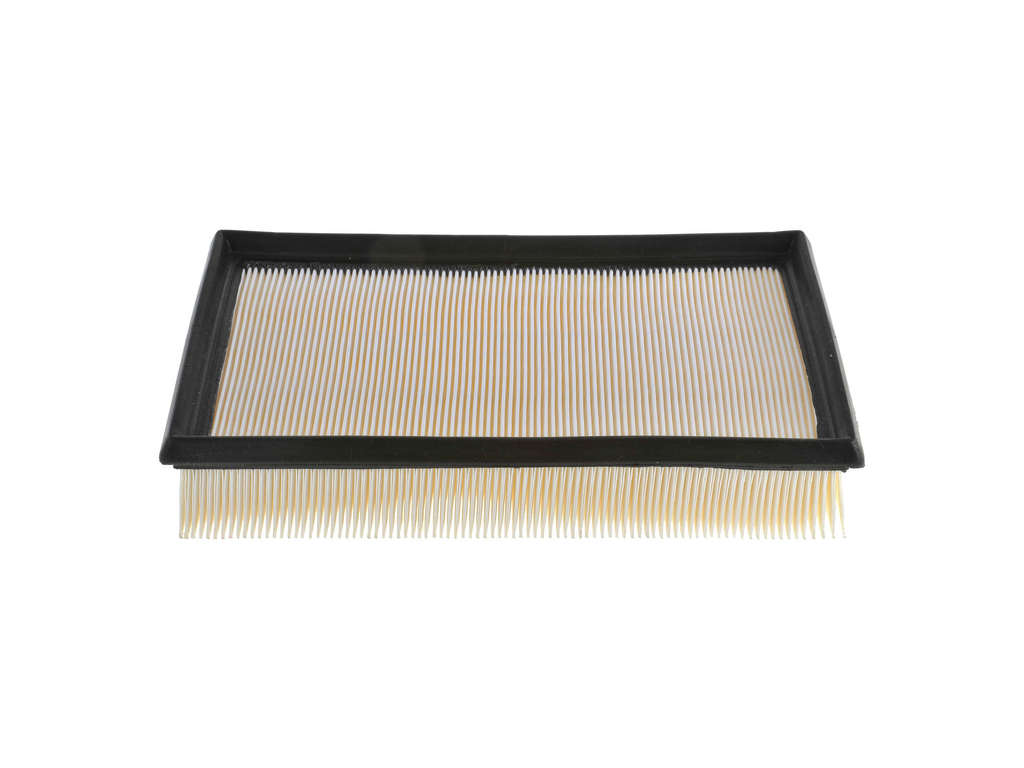
Aftermarket price range: $40-$70 - Engine Air Filter — A clogged air filter can restrict airflow and trigger a P0101 code. It's a basic maintenance item that should be checked early in the diagnosis.
Trusted brands: Wix, Fram, Purolator
OEM price range: $25-$40
Aftermarket price range: $15-$30
Related Codes That Often Appear With This One
- P0171 — System Too Lean (Bank 1). This code often appears with P0101 because a vacuum leak allows extra, unmetered air into the engine, creating a lean condition that both the MAF and O2 sensors can detect.
- P061B — Internal Control Module Torque Calculation Performance. On some Mazda vehicles, a software glitch or a faulty MAF can lead to this code appearing alongside P0101, as the PCM cannot reconcile the expected engine torque with the faulty airflow data. Manufacturer TSB Bulletin #SA-060-17 and Bulletin #SA386 both note that P0101 and P061B can illuminate together due to PCM calibration mislogic or after reprogramming.
Technical Service Bulletins (TSBs) & Recalls
- While no TSB is specifically for P0101 on the Mazda 6 2.5L, a related TSB for other models (SA-060-17 for CX-5) shows that Mazda has acknowledged P0101 codes can be triggered by software glitches after PCM reprogramming. This highlights the electronic sensitivity of the system, though for the 2009-2013 Mazda 6, the cause is almost always mechanical (dirty sensor, leak).
- Manufacturer TSB Bulletin #01-011-13-2766 notes that some vehicles may exhibit MIL illumination with DTC P0101:00 (MAF Sensor Circuit Range/Performance Problem) stored in memory.
- Manufacturer TSB Bulletin #SA386 describes a condition where the check engine light illuminates with P0101 and other codes after PCM reprogramming due to a mislogic detection in the PCM calibration.
Mechanic-Grade Diagnostic Values
- MAF Sensor Reading (g/s) at Idle — expected: Approximately 2-7 g/s for a fully warmed-up engine at idle. For the 2.5L engine specifically, a value around 4 g/s is a healthy target.. Failure: A reading significantly lower than 2 g/s may indicate a vacuum leak (unmetered air entering after the sensor). A reading significantly higher, like 8 g/s or more at idle, could indicate a faulty sensor providing incorrect data.
- MAF Sensor Reading (g/s) at 2500 RPM — expected: Approximately 15-25 g/s when holding the engine at a steady 2500 RPM.. Failure: The reading should increase smoothly and linearly with RPM. If the value jumps erratically, is slow to respond, or does not increase significantly, the sensor is likely faulty.
Scan Tool Commands That Help
- FORScan (or equivalent professional scanner): Reset All Adaptations / Clear Stored Values — Crucial after replacing a MAF sensor or cleaning a heavily contaminated intake system. The PCM stores long-term fuel trim and airflow adaptations. If these are not reset, the PCM may continue to operate based on old, incorrect data from the faulty/dirty part, causing the P0101 code to return even with new parts installed. A Reddit user fixed a persistent P0101 on a Mazda by using FORScan to 'initialize egr' and 'calibrate injectors', which forces the system to relearn.
Wiring & Ground Locations
- G4 — Right rear of the engine.. This is a primary engine ground point. A loose or corroded connection here can affect multiple sensors, including the MAF sensor, leading to erratic readings and fault codes.
- G5 — Base of the left 'A' pillar.. This is a key chassis ground. According to wiring diagrams, the PCM, MAF sensor, and other critical components share this ground path. A fault at this location can cause difficult-to-diagnose electrical issues, including P0101.
- MAF Sensor Connector — On the MAF sensor body, located on the air intake tube just after the air filter box.. The connector pins can become corroded or the wiring can fray, causing an intermittent or complete loss of signal. The MAF sensor shares its ground with the PCM, Data Link Connector, and other critical systems, making a solid connection vital.
Real Owner Repair Stories
- YouTube user 'carservicepro' (2009 Mazda 6 (4-cylinder)) — P0101 Check Engine Light.
❌ Tried (didn't work) The owner had cleaned the MAF sensor a year prior, which fixed the code temporarily.
✅ What actually fixed it The code returned after a year. The video implies that the final fix is to replace the MAF sensor, as cleaning was only a temporary solution. The user also stresses inspecting the intake boot for cracks. - YouTube user 'Ugly HP' (2011 Mazda 6 2.5L) — P0101 code, engine bogging down while driving.
❌ Tried (didn't work) Cleaning the MAF sensor only helped temporarily.
✅ What actually fixed it Replacing the MAF sensor with a new part. The video shows the old sensor element was visibly 'dingy and black'. - Reddit user 'Sufficient_Humor_236' (on a related Mazda diesel engine) (2015 Mazda 6 2.2L Skyactiv-D) — Persistent P0101 for 1.5 years.
❌ Tried (didn't work) Cleaned intake manifold, replaced vacuum pump, replaced both MAF and MAP sensors at a Mazda garage.
✅ What actually fixed it Using a cheap OBD2 scanner with FORScan software, the owner ran the 'initialize egr' and 'calibrate injectors' functions. This reset the engine's learned adaptations, and the P0101 code did not return. This highlights the importance of resetting adaptations after major sensor or intake work. - NHTSA ODI #10378620 — An owner reported that while driving, the engine lost power and a handheld OBD-II check showed code P0101.
- NHTSA ODI #10978705 — A report describes a vehicle experiencing bucking and lights illuminating with codes P0101 and P061B present; the owner noted the MAF sensor seemed fine but the malfunction continued after an oil change and inspection.
"I Checked Everything" — The Actual Cause
- On related Mazda diesel engines, a P0101 code has been traced back to a failing brake booster vacuum pump. A weak pump doesn't generate enough vacuum quickly, which the PCM can misinterpret as an airflow issue, triggering P0101. This would not be found with a standard intake smoke test. A technician confirmed this fix by measuring vacuum at startup before and after pump replacement.
OEM Part Supersession History
ZL01-13-215→L321-13-215, then PY01-13-215— Standard part revisions and updates by the manufacturer. The ZL01 part number was used across a very wide range of Mazda vehicles for many years.
Heads up: While the parts may physically interchange, using an older or incorrect revision can cause issues. A forum user reported fixing a persistent P0101 on a similar engine only after swapping a new aftermarket sensor for a specific OEM part number (L321-13-215), suggesting the PCM is sensitive to the specific sensor's calibration. Always use the latest part number specified for the vehicle's VIN.
Diagnostic Flowchart
Other Known Issues on This Vehicle
Issues unrelated to this code that are worth knowing about as an owner of this generation:
- Melting / Sticky Dashboard Surface 🟠 Medium — Very common, especially in vehicles exposed to high heat and humidity. The issue typically appears after several years. (Ref: Mazda Special Service Program (SSP) A0 / Warranty Extension. This program extended the warranty for this specific issue to 10 years from the original service date, but has likely expired for most vehicles.)
- Timing Chain Stretch / VVT Actuator Failure 🔴 High — Less common on the 2.5L NA engine than the 2.3L Turbo, but can still occur at higher mileage (over 100,000 miles). Often presents as a rattling noise on startup. (Ref: A class-action lawsuit was filed concerning VVT issues on L-series engines, though it primarily focused on the turbo variants. No specific recall for the 2.5L NA engine, but it is a known potential failure point.)
- Front Subframe Corrosion 🔴 High — A known issue, particularly in rust-belt regions. Corrosion can become severe enough to cause structural failure. A recall was issued for the front subframe. (Ref: NHTSA Recall 16V-356. Some owners also report similar corrosion on the rear subframe, which was not covered by the recall.)
- Thermostat Failure 🟡 Low — A relatively common failure item, often triggering code P0128 (Coolant Thermostat Temperature Below Regulating Temperature).
- Warped Front Brake Rotors 🟡 Low — Frequently reported by owners, leading to steering wheel shake or pulsation when braking from higher speeds.
Used vs. New Parts: Buying Guide for This Vehicle
When a used part is the smart pick: For this specific repair, a used part is generally not recommended for electronic sensors. However, a used OEM air filter box or sections of intake piping (if not the flexible boot) from a low-mileage, collision-damaged vehicle can be a cost-effective and safe choice.
Donor-vehicle mileage cap: roughly under 75000 miles for the part to have meaningful remaining life.
What to inspect on the donor part:
- For hard plastic intake parts, check for hairline cracks, especially around mounting points.
- Ensure all connector clips and mounting tabs are intact.
- Avoid parts from vehicles that show signs of an engine fire or heavy oil leaks in the engine bay.
OEM-only on this vehicle (don't cheap out):
- Mass Airflow (MAF) Sensor: This is the most critical part to buy OEM or from the original OEM manufacturer (Denso). Forum and real-world evidence overwhelmingly shows that aftermarket MAF sensors for this platform are unreliable and often cause the P0101 code to return.
Aftermarket brands forum-validated for this vehicle:
- Denso (for the MAF sensor, as they are the OEM supplier)
- CRC or Liqui Moly (for MAF sensor cleaner)
Brands owners have reported issues with on this vehicle:
- Cheap, unbranded MAF sensors from online marketplaces. Multiple owner reports cite these as failing out of the box or within a few months.
Real Owner Stories
Aggregated from forums and TSBs cited above. Mileages and costs reflect what owners reported in those sources.
2011 Mazda 3 2.5L
Symptoms: Persistent P0101 code after installing a new aftermarket Duralast MAF sensor.
What fixed it: Installing an OEM Mazda sensor (part L321-13-215).
Source hint: r/mazda3 (2022) thread titled '2011 p0101 code use oe maf'
2009 Mazda 6 2.5L
Symptoms: Check engine light came on for a day; currently off but P0101 shows as a current fault when scanned.
What fixed it: The context ends before the final fix, but the diagnostic path identifies cleaning the MAF sensor as the first step.
Source hint: r/Cartalk owner report
Related OBD-II Codes
Frequently Asked Questions
Is there a specific part number for the intake boot on my 2009-2013 Mazda 6 2.5L?
Does the Mazda CX-5 TSB for software glitches (SA-060-17) apply to my 2009-2013 Mazda 6?
Can I use a generic aftermarket MAF sensor if mine is faulty?
Is the sticky dashboard in my 2010 Mazda 6 related to the P0101 code?
Could a recall be responsible for my engine performance issues?
What should I use to clean the MAF sensor on my Mazda 6?
Helpful Videos

Used OEM Parts in Stock
New Aftermarket Parts Available


The information in this article is provided for general reference and educational purposes only. Vehicle specifications, procedures, and part compatibility can vary by production date, trim level, and region. Always consult your vehicle's factory service manual and verify part numbers before purchasing or performing repairs. Safety-critical components such as airbags, seat belts, and braking systems should be installed by a qualified professional.
- Mazda 6:
- 🧭 Diagnostic Flowchart
- 🎬 Helpful Videos
- 🛍️ Shop This Part
- What's Unique About the 2009-2013 Mazda 6
- Symptoms You May Notice
- Most Likely Causes
- Rare But Worth Checking
- Diagnosis Steps
- Parts You'll Likely Need
- Related Codes That Often Appear With This One
- Technical Service Bulletins (TSBs) & Recalls
- Mechanic-Grade Diagnostic Values
- Scan Tool Commands That Help
- Wiring & Ground Locations
- Real Owner Repair Stories
- "I Checked Everything" — The Actual Cause
- OEM Part Supersession History
- Other Known Issues on This Vehicle
- Used vs. New Parts: Buying Guide for This Vehicle
- Real Owner Stories
- 2011 Mazda 3 2.5L
- 2009 Mazda 6 2.5L
- Related OBD-II Codes
- Frequently Asked Questions
- 🎟️ Get 5% Off