

P0102 on 2012-2020 Chevrolet Sonic: MAF Circuit Low Causes and Fixes
On the 1.4L Turbo Sonic, P0102 is often caused by a failed PCV system (valve cover/intake manifold), not the MAF sensor itself. On both 1.4L and 1.8L engines, check for a blown 10A fuse (#23) caused by a faulty thermostat housing before replacing the MAF sensor. Cleaning the MAF sensor is a common, simple first step.
- Before buying a new MAF sensor, always check for Sonic-specific issues first.
- On a 1.4L Turbo, P0102 is very frequently caused by a failed PCV system (bad valve cover and/or intake manifold), not the MAF sensor.
- On any Sonic engine, check fuse #23 in the under-hood fuse box. If it's blown, the problem is likely your thermostat housing, not the MAF sensor.
- If no other symptoms or codes are present, the first and cheapest step is to clean the MAF sensor with dedicated cleaner.
- Only replace the MAF sensor after ruling out the PCV system, a blown fuse, and vacuum leaks.
What's Unique About the 2012-2020 Chevrolet Sonic
While P0102 is a generic code, its most common causes on the Chevrolet Sonic are very platform-specific. On the 1.4L Turbo engine, the code is frequently a symptom of a well-documented PCV system failure, which creates a large vacuum leak that fools the MAF sensor. On both the 1.4L and 1.8L engines, the MAF sensor shares a fuse with the thermostat housing heater; a short in the thermostat circuit can blow the fuse, cutting power to the MAF sensor and triggering P0102. These issues often lead to misdiagnosis, where the MAF sensor is replaced unnecessarily.
Symptoms You May Notice
- Check Engine Light is on
- Rough or unstable idle
- Engine hesitation or stumbling on acceleration
- Reduced engine power
- Poor fuel economy
- Engine stalling, especially at idle
- Black smoke from the exhaust
- Loud whistling or sucking noise from the engine bay (1.4L PCV failure)
- Replacing the MAF sensor when the actual cause is a failed PCV system on the 1.4L Turbo engine.
- Replacing the MAF sensor when the actual cause is a blown fuse from a shorted thermostat housing.
- Replacing the ECM when the actual cause was a blown fuse that a technician failed to find.
Most Likely Causes
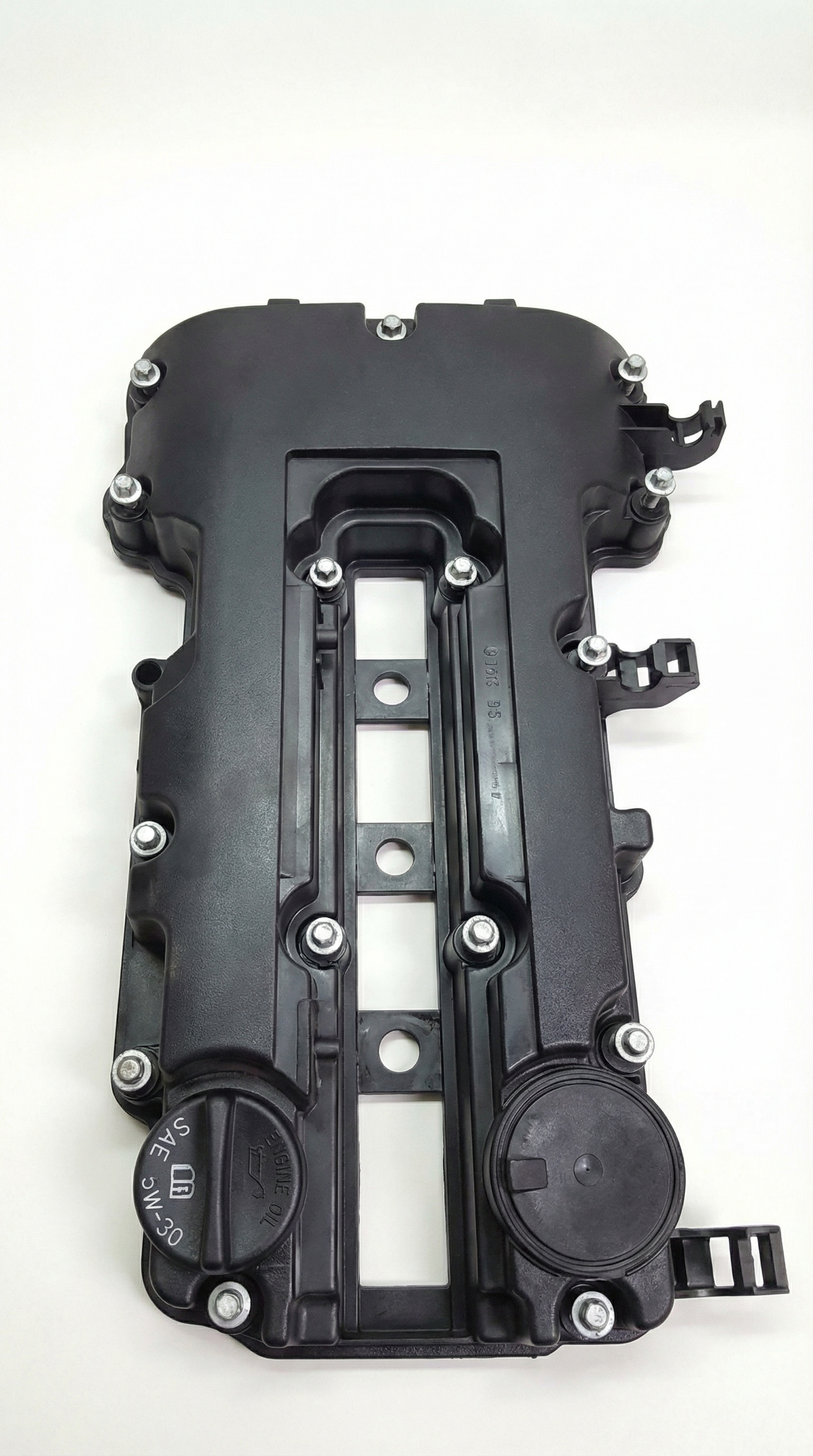
- Failed PCV System (1.4L Turbo Engine) 🔴 High Probability The 1.4L Turbo engine has a check valve inside the intake manifold that is known to fail, break apart, and get ingested. This allows pressurized boost to enter the crankcase, which then ruptures the orange diaphragm in the valve cover, creating a massive, unmetered vacuum leak.
How to confirm: With the engine running, a loud whistling or squealing noise is a primary indicator. Try to remove the oil fill cap; if strong suction holds it down, the PCV system has failed. Pulling the dipstick will often cause a loud gush of air and stop the noise, confirming the crankcase is under intense vacuum. This is often accompanied by a P0171 (System Too Lean) code.
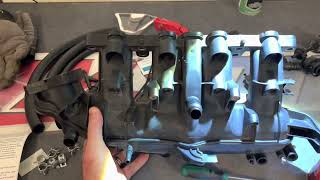
Typical fix: Replace both the valve cover (which contains the PCV diaphragm) and the intake manifold (which contains the failed check valve). Some owners opt for aftermarket PCV fix kits that bypass the original design.
Est. part cost: $150-$400 - Blown Fuse for MAF/Thermostat Circuit 🔴 High Probability → Shop Integrated Thermostat Housing Assembly The MAF sensor shares power on the same circuit as the electronically controlled thermostat housing. The plastic thermostat housing is a notorious failure point, and a short circuit in its internal heater will blow the fuse, cutting power to the MAF sensor.
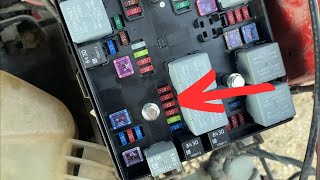
How to confirm: Check the 10-amp mini fuse in position 23 (sometimes labeled F23UE or ECM 4) of the under-hood fuse box. If it is blown, this is the likely cause. 🎬 Watch: Locate the MAF and thermostat heater fuse This issue is often accompanied by thermostat-related codes like P0597 or P0598, and the radiator fan may run constantly.
Typical fix: Replace the blown fuse and diagnose the thermostat housing. If the fuse blows again, the thermostat housing assembly needs to be replaced. Many owners upgrade to a more durable aluminum housing.
Est. part cost: $1-$5 for fuses, $50-$150 for a thermostat housing - Dirty or Contaminated MAF Sensor 🟡 Medium Probability → Shop Fuel Injection Air Flow Meter Over time, oil vapors from the PCV system (even a functioning one) and fine dust can coat the delicate sensing wires of the MAF sensor, insulating them and causing them to read airflow incorrectly.
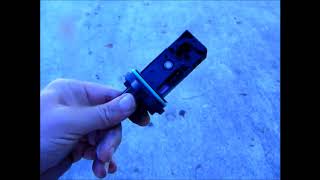
How to confirm: Remove the sensor from the air intake tube. Visually inspect the small wires inside the sensor housing. If they appear coated in dirt or oil, they need cleaning.
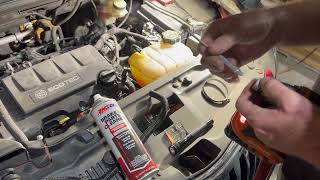
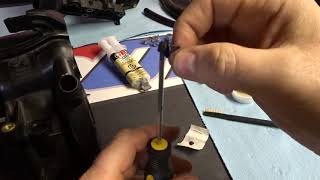
Typical fix: Carefully remove the sensor and clean it thoroughly with a dedicated Mass Air Flow Sensor Cleaner spray. Do not touch the wires. Let it dry completely before reinstalling. 🎬 See how to clean the MAF sensor
Est. part cost: $10-$15 for a can of cleaner - Vacuum Leak in Air Intake System 🟡 Medium Probability → Shop Engine Air Intake Resonator Cracks in the flexible intake air duct (bellows), loose hose clamps, or a poorly sealed air filter housing can allow unmetered air to enter the engine after the MAF sensor, causing it to report lower airflow than is actually present.
How to confirm: Visually inspect all intake components between the MAF sensor and the engine for cracks or loose connections. With the engine running, you can sometimes hear a hissing sound near the leak. A smoke test is the most definitive way to find a leak.
Typical fix: Tighten loose clamps or replace the cracked intake ducting.
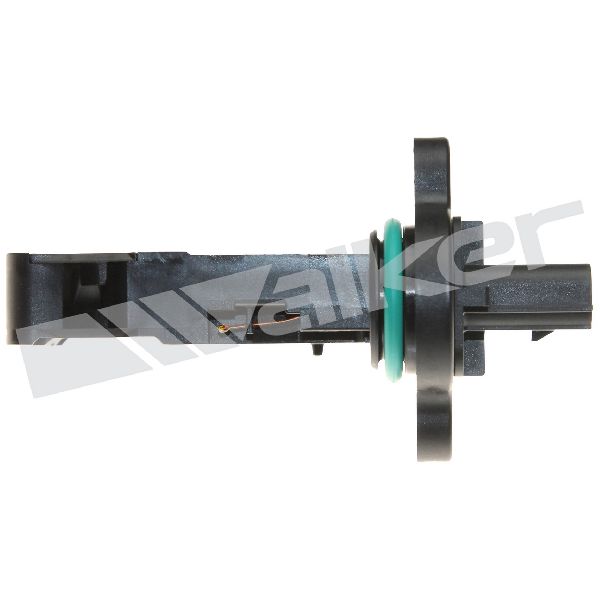
Est. part cost: $20-$80 for an intake hose - Faulty MAF Sensor ⚪ Low Probability → Shop Fuel Injection Air Flow Meter
How to confirm: If all other causes (PCV, fuse, wiring, vacuum leaks) have been ruled out and cleaning the sensor does not resolve the issue, the sensor itself has likely failed electronically. This can be confirmed by monitoring live sensor data with a scan tool; the reading may be stuck at zero or not change with RPM.
Typical fix: Replace the Mass Air Flow sensor. It is recommended to use OEM or high-quality aftermarket brands like ACDelco or Delphi.
Est. part cost: $70-$150
Rare But Worth Checking
- Wiring Harness or Connector Damage: The wiring leading to the MAF sensor can become frayed or damaged from engine vibration and heat, or the connector pins can become corroded or spread, causing a poor connection. Wiggle the harness while monitoring MAF data on a scan tool to check for intermittent connections.
Diagnosis Steps
- Scan for additional codes. If P0597/P0598 are present, proceed to step 2. If P0171 or P1101 are present on a 1.4L Turbo, proceed to step 3.
- Inspect the 10-amp mini fuse in position #23 (F23UE) of the under-hood fuse box. If it is blown, replace it. If it blows again, the thermostat housing assembly is shorted and needs replacement.
- For 1.4L Turbo models: With the engine running, listen for a loud whistle and check for strong vacuum at the oil fill cap. If it's difficult to remove, the PCV system has failed. Replace the valve cover and intake manifold.
- Visually inspect the entire air intake path from the air filter box to the throttle body. Look for any cracks in the rubber hoses, loose clamps, or disconnected lines.
- Unplug the MAF sensor and inspect the electrical connector and pins for corrosion, moisture, or damage. Ensure it is securely connected.
- Remove the MAF sensor (typically held by two Torx screws). Inspect the sensing elements for dirt, oil, or debris.
- If dirty, clean the sensor using only dedicated Mass Air Flow Sensor Cleaner. Do not touch the wires. Allow it to dry completely before reinstalling.
- Check the engine air filter. If it is excessively dirty or clogged, replace it, as a clogged filter can restrict airflow and contribute to the code.
- If the code returns after these steps, the MAF sensor itself has likely failed and should be replaced.
Parts You'll Likely Need
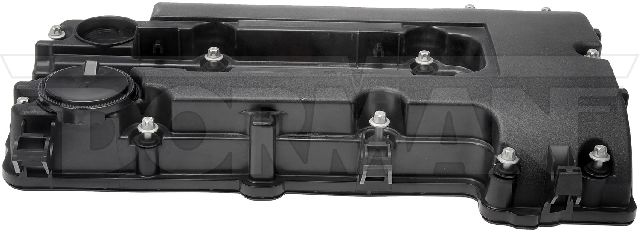
- Valve Cover (1.4L Turbo)
(OEM #25198874 (Superseded by 25200936))— The integrated PCV diaphragm ruptures due to a failed intake manifold check valve, causing a massive vacuum leak that triggers P0102. It must be replaced as an assembly.
Trusted brands: ACDelco, Dorman
OEM price range: $80-$120
Aftermarket price range: $40-$80 - Intake Manifold (1.4L Turbo)
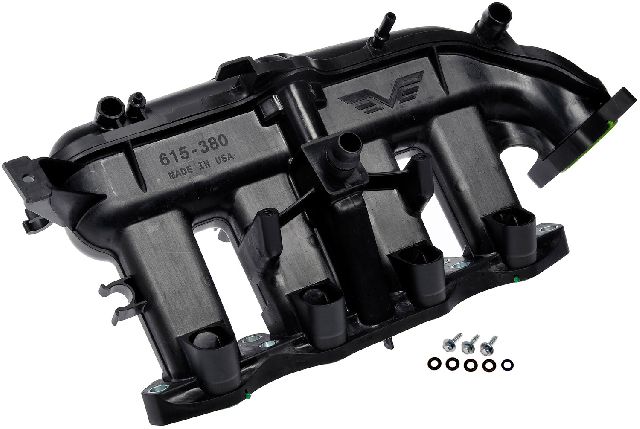
(OEM #55573171)— The internal PCV check valve fails and is ingested by the engine, which is the root cause of the valve cover failure. It must be replaced to provide a permanent fix.
Trusted brands: ACDelco, Dorman (P/N 615-380)
OEM price range: $150-$250
Aftermarket price range: $100-$180 - Thermostat Housing Assembly (1.4L & 1.8L) — The internal heater shorts out, blowing the fuse (#23) that it shares with the MAF sensor, causing a P0102 code. The plastic housing also commonly cracks and leaks coolant.
Trusted brands: ACDelco (Plastic), Dorman (Plastic or Aluminum), ZZPerformance (Aluminum)
OEM price range: $70-$120
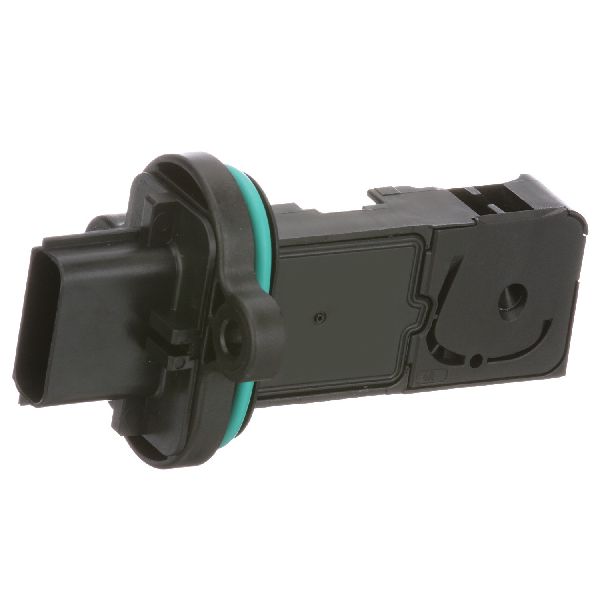
Aftermarket price range: $50-$150 - Mass Air Flow Sensor — While less common than other causes, the sensor can fail electronically. It is often misdiagnosed and replaced when not faulty.
Trusted brands: ACDelco, Delphi, Bosch
OEM price range: $90-$150
Aftermarket price range: $50-$100
Related Codes That Often Appear With This One
- P0171 — On the 1.4L Turbo, a failed PCV system creates a large vacuum leak. The MAF sensor reports low air (P0102) while the oxygen sensors detect excess air, triggering a lean code (P0171).
- P0597 / P0598 — These codes indicate a fault in the thermostat heater control circuit. A short in this circuit often blows the fuse that also powers the MAF sensor, causing P0102 to appear simultaneously.
- P1101 — This code for 'MAF Sensor Out of Self-Test Range' is often triggered by the same large PCV vacuum leak on the 1.4L Turbo engine.
Technical Service Bulletins (TSBs) & Recalls
- N182206640 - Special Coverage for cracked PCV diaphragm in camshaft cover, which can cause airflow-related DTCs.
- Bulletin #24-NA-158 - A manufacturer service bulletin notes a procedure to correct the Malfunction Indicator Lamp with Active DTC P0102 at the Mass Air Flow Sensor.
- Bulletin #PI1009 - This informational bulletin provides diagnostic tips for several codes including P0102.
Platform-Specific Known Issues
- The 1.4L PCV Domino Effect: Owners of the 1.4L Turbo model frequently report a sudden onset of a very rough idle and a loud squealing or whistling sound. This is the classic sign of the PCV system failure. One owner on a forum described it as, 'I started my car and it sounded like a tea kettle was under the hood.' The fix almost always requires replacing both the intake manifold and the valve cover, as replacing only the valve cover will result in the new one failing again quickly.
- The Thermostat Fuse Trap: → Shop Integrated Thermostat Housing Assembly A common repair story involves a 2014 Sonic owner who had codes P0102 and P0598. After replacing the thermostat housing with an aftermarket metal one, the codes appeared. The root cause was a blown 10A fuse (#23) that occurred when the old thermostat failed. The owner noted, 'To someone who may be reading this in the future... I checked the 10 amp fuse 23 under the hood, and it was blown.' This highlights the importance of checking fuses after a related component failure, even if the failed part has been replaced.
Mechanic-Grade Diagnostic Values
- MAF Sensor Live Data (Scan Tool) — expected: At idle (warm engine): ~4.4 g/s. At 2,000 RPM: ~9.0 g/s. At 3,000 RPM: ~13.0 g/s. The value should rise smoothly with RPM.. Failure: A reading stuck near 0 g/s, or readings that do not increase smoothly with engine RPM.
- MAF Sensor Signal Voltage (Multimeter) — expected: At idle: ~0.5V - 1.5V. Voltage should rise smoothly with acceleration.. Failure: Voltage is stuck below 0.5V or does not respond to changes in engine speed.
- MAF Sensor Power Supply (Multimeter) — expected: 10V - 12V DC on the power supply wire at the connector with key on, engine off.. Failure: No voltage or significantly low voltage indicates a wiring or fuse issue, not a sensor failure.
- MAF Sensor Ground Circuit (Multimeter) — expected: 10V - 12V DC when testing between the battery positive terminal and the ground wire at the MAF connector (verifies a good ground path).. Failure: Reading of 0V or very low voltage indicates an open or high resistance in the ground circuit.
- P0102 Trigger Threshold — expected: The ECM sets code P0102 when the MAF sensor output voltage is 0.10 V or less for at least 2.0 seconds.. Failure: This specific condition being met confirms why the code was stored.
Scan Tool Commands That Help
- GDS2 / Professional Scan Tool: Clear Codes / Reset Functions — After replacing the mass airflow sensor, a scan tool should be used to perform the 'learn' or 'reset' functions for the new sensor to ensure the ECM uses the correct values. This is also used to clear the DTC after any repair to confirm the fix was successful.
Wiring & Ground Locations
- G101 — Located at the left front of the engine, lower block.. This is a primary ground for the Engine Control Module (ECM) and the Mass Air Flow (MAF) sensor. A poor connection here can cause erratic MAF readings and trigger P0102.
- G105 / G107 — Located on the lower left front of the transmission case, sometimes under the battery tray.. These are major powertrain ground points. A loose or corroded connection at G105 or G107 can create a floating ground for the entire engine management system, leading to incorrect sensor readings, including from the MAF. TSB PIC5574A specifically calls out checking G105 for paint or slag from the factory.
- MAF Sensor Connector — On the air intake tube, between the air filter housing and the flexible intake hose leading to the throttle body.. This is the direct connection point. The Pink wire should have 12V ignition power, the Black/White wire is ground, and the Yellow wire is the signal back to the ECM. Damage to any of these will cause P0102.
Real Owner Repair Stories
- Carly OBD2 App User Submission (2015 Chevy Sonic, Gas Engine, 217,722 km) — Higher fuel consumption, engine stalls at idle, check engine light on, smoke during acceleration.
❌ Tried (didn't work) Cleaning the MAF sensor with dedicated cleaner.
✅ What actually fixed it A workshop confirmed the MAF sensor was faulty and replaced it, which resolved the issues. - NHTSA ODI #10262711 — An owner reported paying for parts and labor for a P0102 MAF sensor low input code that should have been resolved under warranty; the replaced sensor showed no signs of fouling.
OEM Part Supersession History
25198874→25209141, previously 25200936— The original valve cover design is prone to PCV diaphragm failure. The part has been updated multiple times by GM to improve reliability.
Heads up: While multiple part numbers exist (including 55573746), they are generally interchangeable for the 1.4L engine in this vehicle range. Ensure the replacement includes a new gasket and bolts.
Diagnostic Flowchart
Other Known Issues on This Vehicle
Issues unrelated to this code that are worth knowing about as an owner of this generation:
- Cracked Plastic Thermostat Housing / Water Outlet 🔴 High → Shop Integrated Thermostat Housing Assembly — Extremely common. The plastic becomes brittle from heat cycles and typically fails between 60,000 and 120,000 miles, causing significant coolant leaks. (Ref: No recall, but it is a widely documented failure. Many owners proactively replace the plastic housing with a more durable aluminum aftermarket version.)
- Leaking Water Pump (1.4L Engine) 🟠 Medium — Common failure, often presenting as a slow, hard-to-trace coolant leak. GM issued a special coverage adjustment for this issue. (Ref: TSB #14371B / Special Coverage 14371 extended the warranty for this specific leak to 10 years or 150,000 miles for affected 2012-2014 models.)
- Oil Leaks from Cooler Lines, Valve Cover, and Crank Seal 🟠 Medium → Shop Engine Valve Cover — Multiple oil leak points are common as the car ages. The PCV system failure on the 1.4L can exacerbate this by pressurizing the crankcase and forcing oil past seals.
- Faulty Purge Valve Solenoid 🟡 Low — A common issue that can cause a check engine light and rough running, particularly after refueling.
Used vs. New Parts: Buying Guide for This Vehicle
When a used part is the smart pick: Used parts like the air intake ducting (bellows hose) or the air filter box are generally safe bets if they are free of cracks and seal properly. These are simple plastic/rubber components without complex failure modes.
Donor-vehicle mileage cap: roughly under 80000 miles for the part to have meaningful remaining life.
What to inspect on the donor part:
- For intake hoses: Squeeze the rubber to check for pliability; avoid any that are hard, brittle, or show surface cracking.
- For electronic sensors (MAF): Ask for the donor vehicle's mileage. Lower is better, but there's no guarantee of remaining life.
- For valve covers/intake manifolds: Strongly discouraged due to the high failure rate of the integrated PCV components. A used part may have the same internal defect or fail shortly after installation.
OEM-only on this vehicle (don't cheap out):
- Mass Air Flow (MAF) Sensor: While some aftermarket brands work, many owners report issues with incorrect readings or premature failure. Using an OEM ACDelco or Delphi sensor is the safest choice to avoid compatibility problems.
Aftermarket brands forum-validated for this vehicle:
- Thermostat Housing: Dorman (especially their aluminum version, P/N 902-033), ZZPerformance (aluminum), and other aluminum housings from brands like Mitzone are popular upgrades over the failure-prone OEM plastic part.
Brands owners have reported issues with on this vehicle:
- Unnamed/No-brand MAF sensors from online marketplaces are a significant risk and often cause more diagnostic headaches than they solve.
Real Owner Stories
Aggregated from forums and TSBs cited above. Mileages and costs reflect what owners reported in those sources.
2014 Chevrolet Sonic
Symptoms: The car threw codes P0102 and P0598. The owner had recently replaced the thermostat housing with an aftermarket metal version, but the codes persisted.
What fixed it: Replacing the blown 10-amp fuse #23 in the under-hood fuse box, which had blown when the original thermostat failed.
Source hint: SonicOwnersForum.com thread titled 'Need help finding P0598 and P0102 low voltage causes'
Chevrolet Sonic 1.4L Turbo
Symptoms: Sudden onset of a very rough idle and a loud squealing or whistling sound described as sounding like a 'tea kettle was under the hood.'
What fixed it: Replacing both the intake manifold and the valve cover to address the failed PCV check valve and ruptured diaphragm.
Source hint: Vehicle Specific Issues: The 1.4L PCV Domino Effect
Chevrolet Sonic
Symptoms: The owner was initially told by a dealer that the ECM was faulty after the car threw P0102 and P0598 codes.
What fixed it: A local shop correctly identified a blown fuse caused by the thermostat housing rather than replacing the ECM.
Source hint: SonicOwnersForum.com thread titled 'Interesting codes thrown insight needed'
Related OBD-II Codes
Frequently Asked Questions
Is there a special coverage for the PCV issues causing airflow codes on my Chevrolet Sonic?
Why does my 1.4L Turbo Sonic sound like a whistling tea kettle when the P0102 code appears?
Can a problem with my thermostat cause a P0102 MAF sensor code?
I replaced my valve cover but the P0102 and whistling returned quickly. What did I miss?
Which fuse should I check for a P0102 code on a 2012-2020 Sonic?
How can I confirm if my PCV system is the cause of the P0102 code?
Helpful Videos

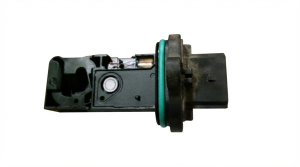
Used OEM Parts in Stock
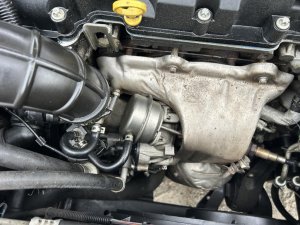
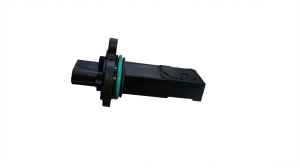
New Aftermarket Parts Available

The information in this article is provided for general reference and educational purposes only. Vehicle specifications, procedures, and part compatibility can vary by production date, trim level, and region. Always consult your vehicle's factory service manual and verify part numbers before purchasing or performing repairs. Safety-critical components such as airbags, seat belts, and braking systems should be installed by a qualified professional.
- Chevrolet Sonic:
- 🧭 Diagnostic Flowchart
- 🎬 Helpful Videos
- 🛍️ Shop This Part
- What's Unique About the 2012-2020 Chevrolet Sonic
- Symptoms You May Notice
- Most Likely Causes
- Rare But Worth Checking
- Diagnosis Steps
- Parts You'll Likely Need
- Related Codes That Often Appear With This One
- Technical Service Bulletins (TSBs) & Recalls
- Platform-Specific Known Issues
- Mechanic-Grade Diagnostic Values
- Scan Tool Commands That Help
- Wiring & Ground Locations
- Real Owner Repair Stories
- OEM Part Supersession History
- Other Known Issues on This Vehicle
- Used vs. New Parts: Buying Guide for This Vehicle
- Real Owner Stories
- 2014 Chevrolet Sonic
- Chevrolet Sonic 1.4L Turbo
- Chevrolet Sonic
- Related OBD-II Codes
- Frequently Asked Questions
- 🎟️ Get 5% Off